Biloxi Has Casinos, Gulf Beaches, and the Most Underrated Seafood on the Mississippi Coast
We may earn money or products from the companies mentioned in this post. This means if you click on the link and purchase the item, I will receive a small commission at no extra cost to you ... you're just helping re-supply our family's travel fund.
Biloxi, Mississippi is the kind of city that travel writers casually dismiss — the Gulf Coast casino strip that’s not New Orleans, not Florida, not anything that fits neatly into a coastal road trip narrative. Most travelers who pass through do it at highway speed on I-10, noting the casino signs and the bridge over the Back Bay and moving on. The ones who stop find something more interesting than the highway suggests.
What Biloxi Actually Has — Beyond the Casino Floor
Biloxi rebuilt after Hurricane Katrina leveled much of the Mississippi Coast in 2005 — a storm that killed 238 people in Mississippi and caused over $100 billion in damages statewide. The casinos, which had been moved offshore on floating barges before Katrina, were rebuilt on land afterward under emergency legislation. The broader coastal community rebuilt in ways that were sometimes better than what had existed before, with a resilience that shapes the city’s character to this day.
The Seafood That Doesn’t Get Written About
The Mississippi Gulf Coast produces exceptional oysters, shrimp, and blue crab. The shrimping fleet that operates out of Biloxi Bay has been working these waters for generations, and the Gulf brown and white shrimp here — consumed locally within hours of harvest during season — are among the best available in the United States. The local oyster variety, while different from the salted oysters of the Louisiana coast, has its own character. Half a dozen oyster bars and seafood shacks within blocks of the waterfront serve this product at prices that would be a third of what they cost in New Orleans.
Beauvoir and the Civil War History
Beauvoir — the last home of Confederate President Jefferson Davis, on the Gulf Coast just west of Biloxi’s casino strip — is an extraordinary antebellum estate that survived Katrina damaged but intact. It’s not a comfortable historical site to visit in 2026 given its subject matter, and the museum interpretation has been the subject of ongoing debate about how to honestly address the Confederacy’s history. But as a physical place — the raised cottage on the Mississippi Gulf in a setting unchanged in its natural character since the 1870s — it’s one of the most evocative historic sites on the Gulf Coast.
The Barrier Islands
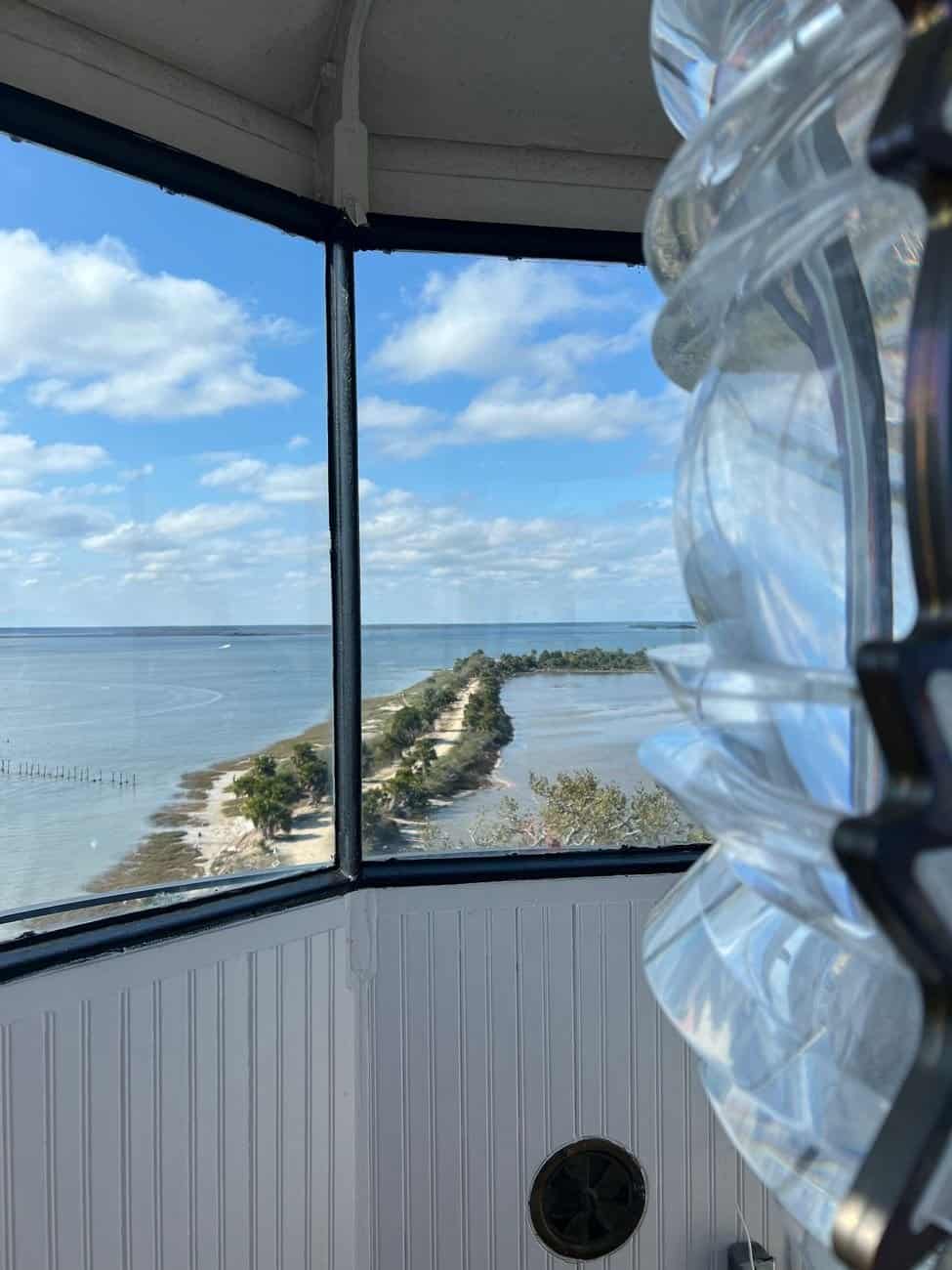
Six barrier islands parallel the Mississippi Coast 10–15 miles offshore, accessible by ferry from Biloxi Marina. Ship Island has clear, emerald Gulf water that looks nothing like the mainland beach — the same warm, clear water that brings visitors to the Florida Panhandle exists here, without the crowds or the prices. Fort Massachusetts on Ship Island, a Civil War fortification built into the white sand, is one of the more unusual National Park Service sites on the Gulf Coast. Most visitors to the Mississippi Coast never take the ferry.
Biloxi is genuinely worth stopping for if you’re driving the Gulf Coast — not for the casinos (though they have their audience), but for the seafood, the barrier island access, and a city that rebuilt itself after one of the worst natural disasters in American history and found something worth rebuilding. That’s not nothing.