Bar Harbor, Maine Gets 15,000 Visitors a Day in Summer. In February, It Gets 450.
We may earn money or products from the companies mentioned in this post. This means if you click on the link and purchase the item, I will receive a small commission at no extra cost to you ... you're just helping re-supply our family's travel fund.
Bar Harbor’s year-round population sits around 5,500, and for most of the year the town moves at the pace that number suggests. Then summer arrives, and Acadia National Park’s gateway town absorbs an average of roughly 15,000 visitors a day, according to a tourism consultant’s analysis cited in local reporting — a number that collapses to around 450 a day once winter sets in (Bar Harbor Story). That 33-to-1 swing between peak and off-season defines nearly every aspect of how the town functions economically and socially.
What Peak Season Actually Does to a Town This Size
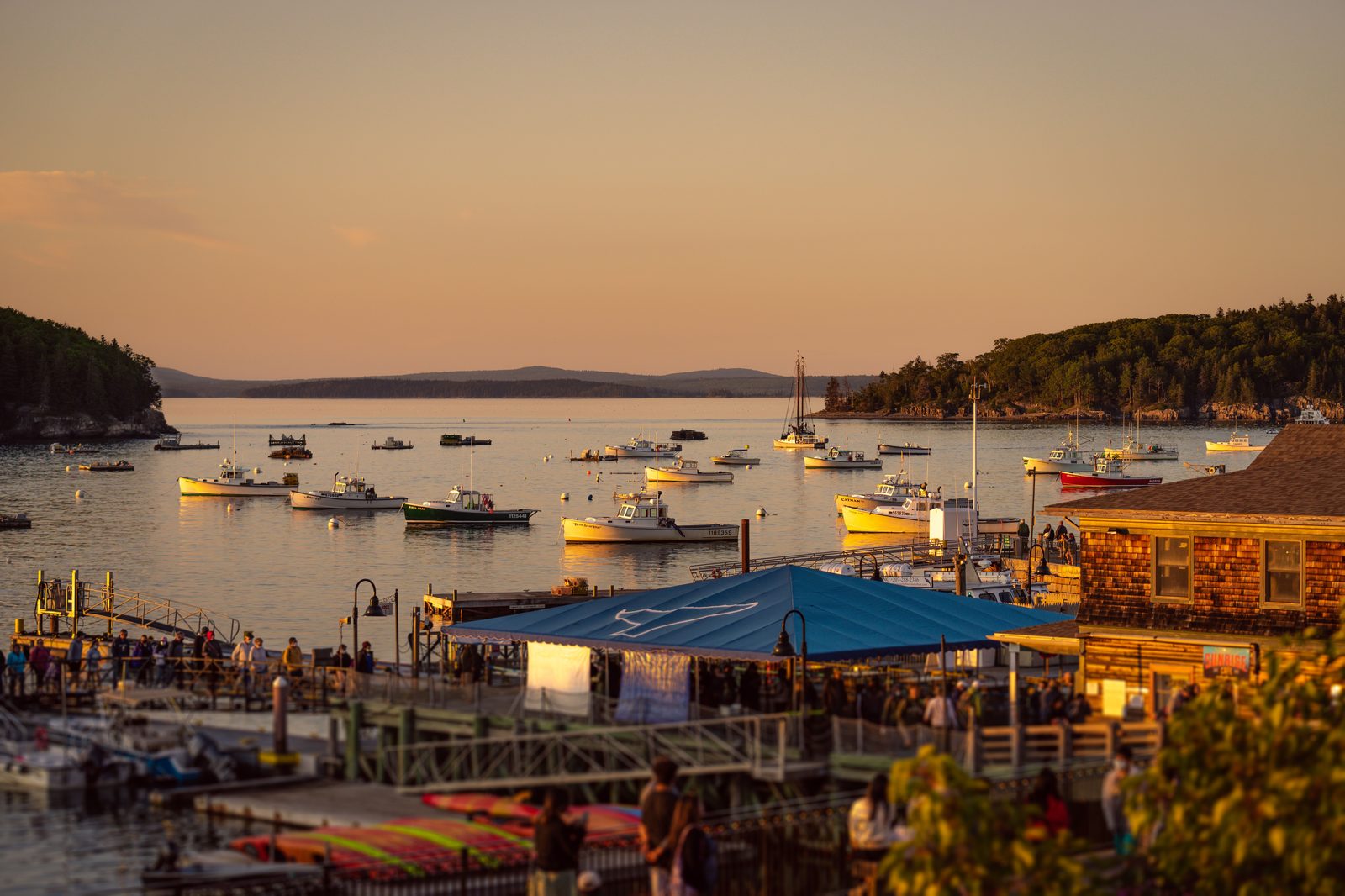
Bar Harbor’s tourism economy supports an estimated 6,600 jobs in the surrounding area and generates a cumulative $685 million benefit to the local economy, according to figures compiled from regional tourism data (The Family Trip). Nearly all of that economic activity compresses into roughly five months, June through October, meaning businesses have to generate a full year’s worth of revenue and, for many owners, profit margin during a window that barely spans a third of the calendar. Restaurant workers, hotel staff, and tour operators structure their entire financial year around a summer sprint, often working every available hour during peak weeks specifically because the winter months offer little to no equivalent income.
The Cruise Ship Fight That’s Split the Town
- Bar Harbor voters have repeatedly debated capping daily cruise ship disembarkations, with over 50% of one survey’s respondents saying cruise ships negatively impact the town, according to reporting in Air Mail
- Restaurant owners like Geddy’s owner Heather Davis have defended cruise ship tourism directly, noting how many local families depend on the tip income cruise-day crowds generate
- Resident Charles Horner and others have argued cruise ships specifically worsen an already severe summer overcrowding problem rather than adding meaningfully differentiated economic value
- The town has implemented disembarkation limits in recent years, an attempt to balance the cruise industry’s revenue against quality-of-life complaints from residents
Why the Off-Season Isn’t Simply Quiet — It’s Economically Precarious
The 450-visitors-a-day winter figure isn’t a peaceful lull for most of the town’s workforce — it’s the reason so many Bar Harbor service workers either leave for warmer climates seasonally or piece together entirely different winter income streams. Many restaurants and shops close entirely between November and April, and the businesses that stay open often operate at a loss during winter months specifically to maintain visibility and staff continuity heading into the next summer season. This boom-bust rhythm is common across seasonal tourist towns nationally, but Bar Harbor’s swing ratio, driven by both its extreme winter climate and Acadia National Park’s own seasonal visitation patterns, sits toward the more extreme end of that spectrum.
What a Smarter Visit Actually Looks Like
Visiting during the shoulder seasons — late May to mid-June, or September into early October — delivers meaningfully lower crowds while still providing full access to Acadia’s trails, Bar Harbor’s restaurant scene, and considerably easier parking than a July or August visit allows. Fall specifically offers the added incentive of New England’s foliage season overlapping with Acadia’s dramatic coastal terrain, a combination increasingly recognized among frequent visitors as the better version of the same trip most people take at the height of summer crowding.
How Other Maine Coastal Towns Handle the Same Swing
Bar Harbor’s extreme seasonality is shared, to varying degrees, by nearly every coastal Maine tourist town, but Bar Harbor’s position as Acadia National Park’s primary gateway makes its swing more extreme than most, since the park itself drives a huge share of the demand rather than the town’s own independent attractions. Comparable towns like Camden and Boothbay Harbor experience similar but somewhat less dramatic seasonal compression, partly because they draw a slightly broader mix of boating, shopping, and dining tourism less singularly tied to a single adjacent national park’s own visitation calendar.
Practical Notes for Visiting Off-Peak
- Many restaurants and whale-watching operators close entirely between November and April; calling ahead in shoulder months is essential
- Acadia’s Park Loop Road sections closed to vehicle traffic in winter remain open to cross-country skiing and snowshoeing for visitors willing to embrace the off-season
- September offers close to peak-season business availability with meaningfully thinner crowds than July or August
The Bottom Line for Anyone Planning a Trip
Bar Harbor’s extreme seasonal swing isn’t a flaw in the town’s design — it’s the direct consequence of building an entire economy around a national park’s own visitation calendar. Visiting with that rhythm in mind, rather than against it, makes for a considerably better trip.