Asheville’s Food Scene Survived the 2024 Flood. Here’s What’s Still There — And What Opened Afterward
We may earn money or products from the companies mentioned in this post. This means if you click on the link and purchase the item, I will receive a small commission at no extra cost to you ... you're just helping re-supply our family's travel fund.
Asheville, North Carolina was already one of the most-discussed food cities in the American South when Hurricane Helene’s flooding in September 2024 damaged or destroyed dozens of restaurants, food businesses, and the supporting infrastructure that the city’s culinary economy depended on. The recovery has been substantial and ongoing. In 2026, Asheville’s food and drink scene is meaningfully different from the pre-flood version — some beloved businesses are gone, some reopened in new locations, and new businesses opened into a community with unusually strong mutual support and local investment.
What the Flood Changed — And What It Didn’t
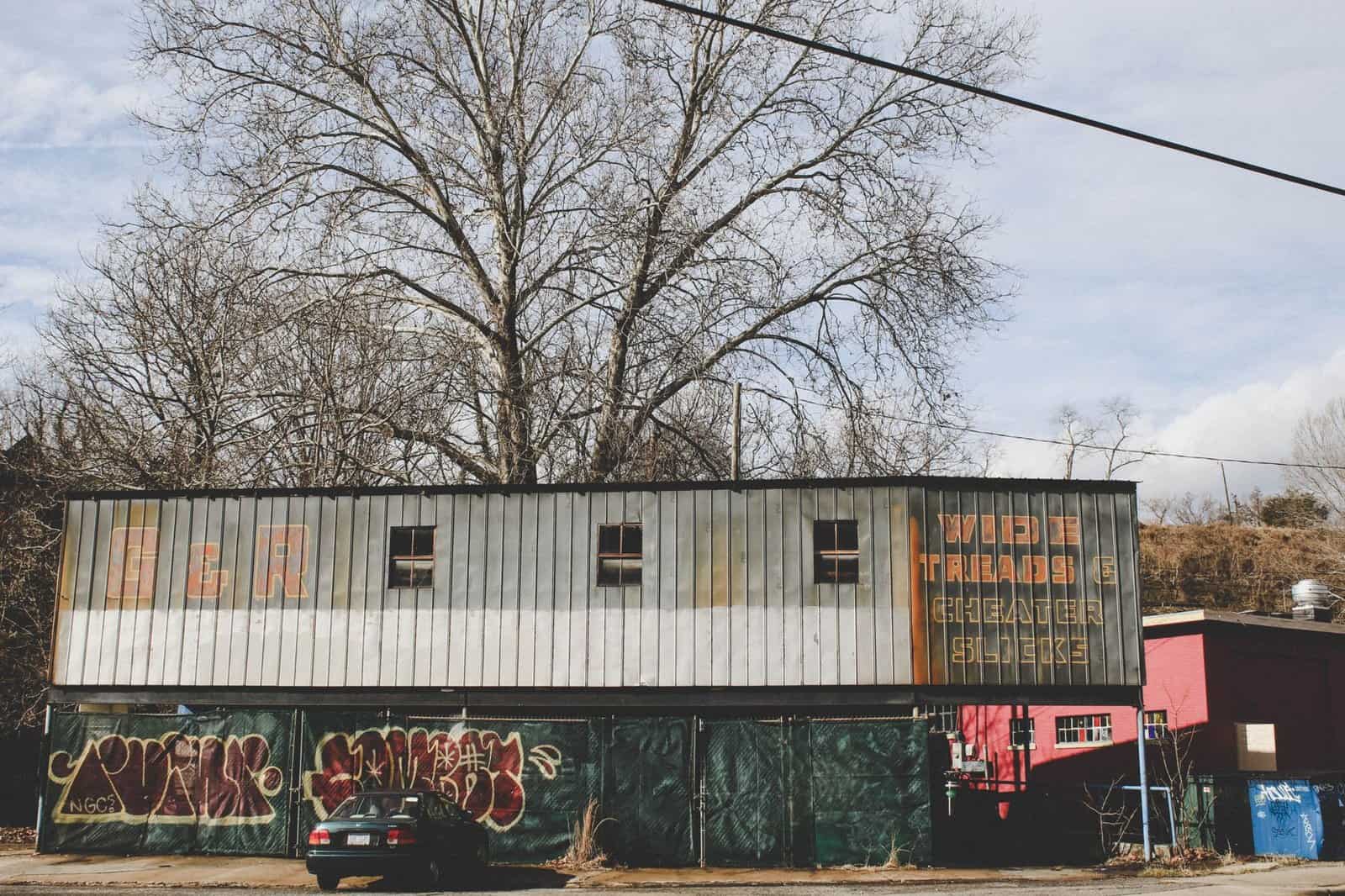
The River Arts District — the 1-mile stretch of former industrial buildings along the French Broad River that had become the center of Asheville’s gallery, studio, and food hall culture — took some of the heaviest flood damage. Several businesses that defined the neighborhood’s character were significantly damaged and required multi-year rebuilding. By 2026, the district has reopened with most major tenants back and new businesses that moved into the recovered spaces recognizing the cultural investment the neighborhood had already made.
The downtown core — Lexington Avenue, Broadway, the Pack Square area — sustained less damage and maintained continuity through the recovery period more effectively than the riverside locations. Nightbell, Cúrate, and Chai Pani (a James Beard Award winner) were among the restaurants whose recovery and continued operation became symbols of the city’s broader resilience. The Farm-to-table food culture that Asheville had built over twenty years before the flood was preserved by the community investment that followed it.
Visiting Asheville in 2026
What to know before you go:
- Check specific restaurant and brewery status before visiting — some businesses reopened but moved or changed hours
- The Biltmore Estate (privately owned, protected on high ground) was unaffected and remains the city’s most-visited paid attraction
- Hotel inventory returned to near-normal by mid-2025; prices average $160–$240/night downtown
- Dining in Asheville in 2026 is an act of community support as much as tourism — the restaurants that are open have earned their continued existence
Asheville in 2026 is not the same city it was in August 2024, and anyone who goes expecting to find the pre-flood version intact will notice the differences. What hasn’t changed: the Blue Ridge backdrop, the creative community identity, the farm-sourcing food culture, and the breweries that made Asheville one of the most beer-diverse small cities in the United States. The city is worth visiting now in part because the visitor economy is part of the recovery mechanism — the restaurants and shops and breweries that survived or rebuilt need the traffic. The food scene that Asheville built is still there. It just took a harder road to get to 2026.
The Breweries That Define Asheville’s Recovery
Asheville’s brewing identity — it had more breweries per capita than any city in the United States for several years in the mid-2010s — survived the flood with most of its major producers intact. New Belgium (whose East Coast production facility is in Asheville), Sierra Nevada (whose Asheville location is arguably their most beautiful facility, with a stunning mountain campus), and the local independents — Hi-Wire, Wicked Weed, Burial Beer — all maintained or quickly restored operations. The Asheville Ale Trail, which connects 30+ breweries across the city, is active in 2026. The character that made Asheville’s beer culture distinct — a craft approach combined with serious quality ambition — is intact because the brewers themselves stayed.
The Blue Ridge Parkway, which runs through the Asheville area and provides the city’s most dramatic mountain driving experience, was impacted by the flood in several sections — some pullouts and overlooks required repair work extending into 2025 and 2026. Check the National Park Service’s Blue Ridge Parkway website for current road conditions and closures before building a Parkway drive into an Asheville itinerary. The main Asheville-area segments — Black Balsam Knob access, the Folk Art Center at Milepost 382 — were restored by mid-2025. The sections of the Parkway that cross into the Pisgah National Forest and approach the Cradle of Forestry are worth confirming separately.
Visiting Asheville in 2026 is a straightforward positive experience for travelers who arrive knowing the post-flood context: the major attractions are open, the restaurant scene is functioning and still exceptional, the Biltmore Estate is unaffected, and the Blue Ridge Parkway is largely restored. The recovery is ongoing but the visitor experience has returned to the quality level that made Asheville one of the most recommended small cities in the American South. The travelers who avoided Asheville during the recovery period and are now considering a return or a first visit will find what they were told to expect — a creative, mountain-anchored city with food and drink culture that no city its size in the South comes close to matching.