12 Things I Wish I’d Known Before Booking My First Safari in East Africa
We may earn money or products from the companies mentioned in this post. This means if you click on the link and purchase the item, I will receive a small commission at no extra cost to you ... you're just helping re-supply our family's travel fund.
An East Africa safari is one of the most memorable travel experiences accessible to Americans — and one of the easiest to plan badly. The combination of unfamiliar geography, enormous price variation, complex booking channels, and wildlife-timing complexity means first-time visitors frequently return wishing they’d made different decisions. Here’s what those decisions are, based on the patterns that repeat across every safari conversation.
Before You Book Anything
1. The Great Migration timing is everything — and most travelers get it wrong
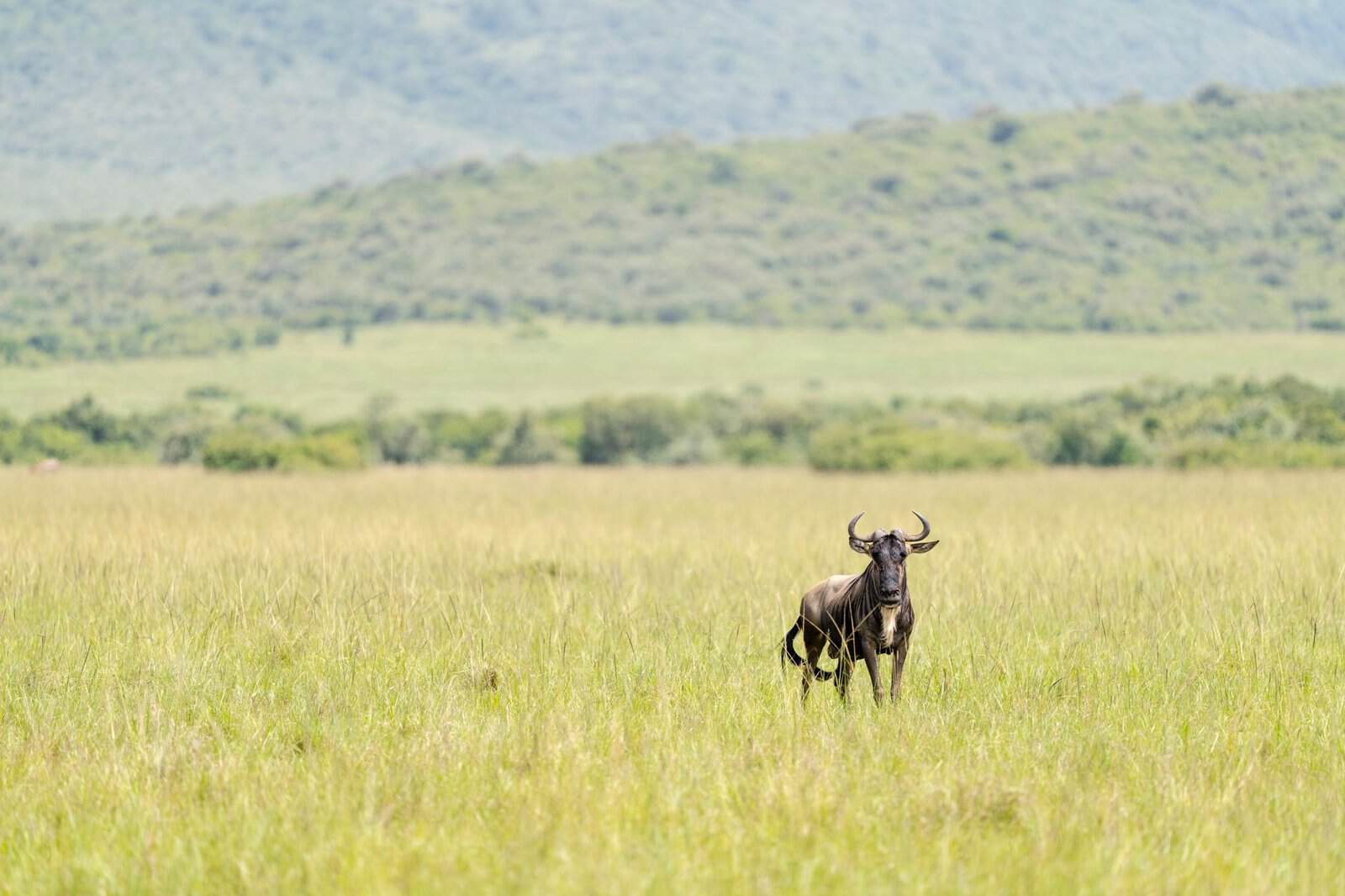
The wildebeest migration river crossings — the most dramatic safari spectacle in the world — happen at the Mara River between Kenya and Tanzania primarily from July through October. Booking a Masai Mara trip in February because airfare is cheaper means seeing the Mara without the migration. January through March, the migration is in the southern Serengeti calving grounds — a different and also spectacular experience, but the river crossings don’t happen there.
2. Budget safari vs. mid-range is a larger quality difference than it appears
Budget safaris ($150–$250/person/day) typically use shared vehicles with 6–8 people, less experienced guides, and camps some distance from the best wildlife areas. Mid-range ($350–$600/person/day) gets you smaller vehicles (4 passengers or fewer), guides with 5–10 years of experience who can read animal behavior, and positioning inside or adjacent to the game reserves. The wildlife difference between a crowded Land Cruiser driven by a second-year guide and a small vehicle with an expert naturalist is significant.
3. Flying between parks is not a luxury — it’s often a necessity
The drive from Nairobi to the Masai Mara is 5–6 hours on roads that deteriorate with the rainy season. The flight is 45 minutes on a small charter from Wilson Airport. Spending a full day each way driving is a choice — light charter flights cost $150–$250 each way and recover 8–10 hours of game viewing time per leg.
4–12 (additional first-safari lessons):
- Malaria prophylaxis: All of Kenya and Tanzania’s game areas require malaria prevention. See a travel medicine doctor 6–8 weeks before departure for the right prescription for your health profile.
- Pack neutral colors only: Bright colors disturb animals and mark you as a rookie. Khaki, olive, and brown are functional in all conditions.
- Bring a camera with a 400mm+ equivalent lens or rent one: Phone cameras produce disappointing results at the distances most wildlife requires. A 100–400mm zoom lens is the minimum for satisfying wildlife photography.
- Book directly with lodges or through a specialized operator: General travel agencies booking Kenya safaris as a side service frequently make poor camp choices. Specialized East Africa operators (SafariBookings.com ratings are useful) have on-the-ground relationships that matter.
- Build in a Nairobi day: The David Sheldrick Elephant Orphanage baby elephant visiting hour (limited tickets, book in advance) is one of the most joyful 60 minutes available in East Africa and requires a morning in Nairobi.
- Travel insurance is not optional: Medical evacuation from remote Tanzania to Nairobi costs $15,000+. Cancel-for-any-reason policies run $200–$400 for a typical safari trip cost and cover the financial exposure of a high non-refundable investment.
- Gorilla trekking permits must be booked 6–12 months out: Uganda and Rwanda’s mountain gorilla permits ($700 and $1,500 respectively) sell out. If gorilla trekking is on the itinerary, it sets the booking timeline for everything else.
- The Serengeti and the Mara are the same ecosystem: The wildebeest don’t observe the Kenya-Tanzania border. Whether to base in Kenya or Tanzania depends on migration timing and personal budget — Tanzania camps are often more expensive but the Serengeti reserves have stricter vehicle limits per sighting.
- Sunrise game drives are worth the 5am wake-up: Big cats are most active in the cool morning hours. Every sunrise game drive produces more sightings than the afternoon equivalent. Do not skip them.
The travelers who return from East Africa saying it was the best trip of their lives were not luckier than the ones who were disappointed — they planned differently. The Great Migration timing, the guide quality, the vehicle size, and the camp placement inside versus outside the reserve boundaries determine the experience more than any other variable. Getting those right is what the twelve lessons above are about.