Asheville Rent Climbed for a Decade Straight. Then a Hurricane and a Construction Boom Broke It in the Same Year
We may earn money or products from the companies mentioned in this post. This means if you click on the link and purchase the item, I will receive a small commission at no extra cost to you ... you're just helping re-supply our family's travel fund.
For almost ten years, Asheville’s rent chart only went one direction. The city built a national reputation on craft breweries, Blue Ridge scenery, and a downtown arts scene that made it a fixture on best-small-city lists, and rents climbed accordingly, pushing Asheville past larger North Carolina metros like Charlotte and Raleigh in average cost despite having a fraction of their job base. Then, in the same roughly eighteen-month window, two unrelated forces broke that pattern: Hurricane Helene devastated the region in September 2024, and a wave of new apartment construction that had been in the pipeline for years finally opened its doors, flooding the market with units at the exact moment demand cratered.
The Numbers Actually Went Backward
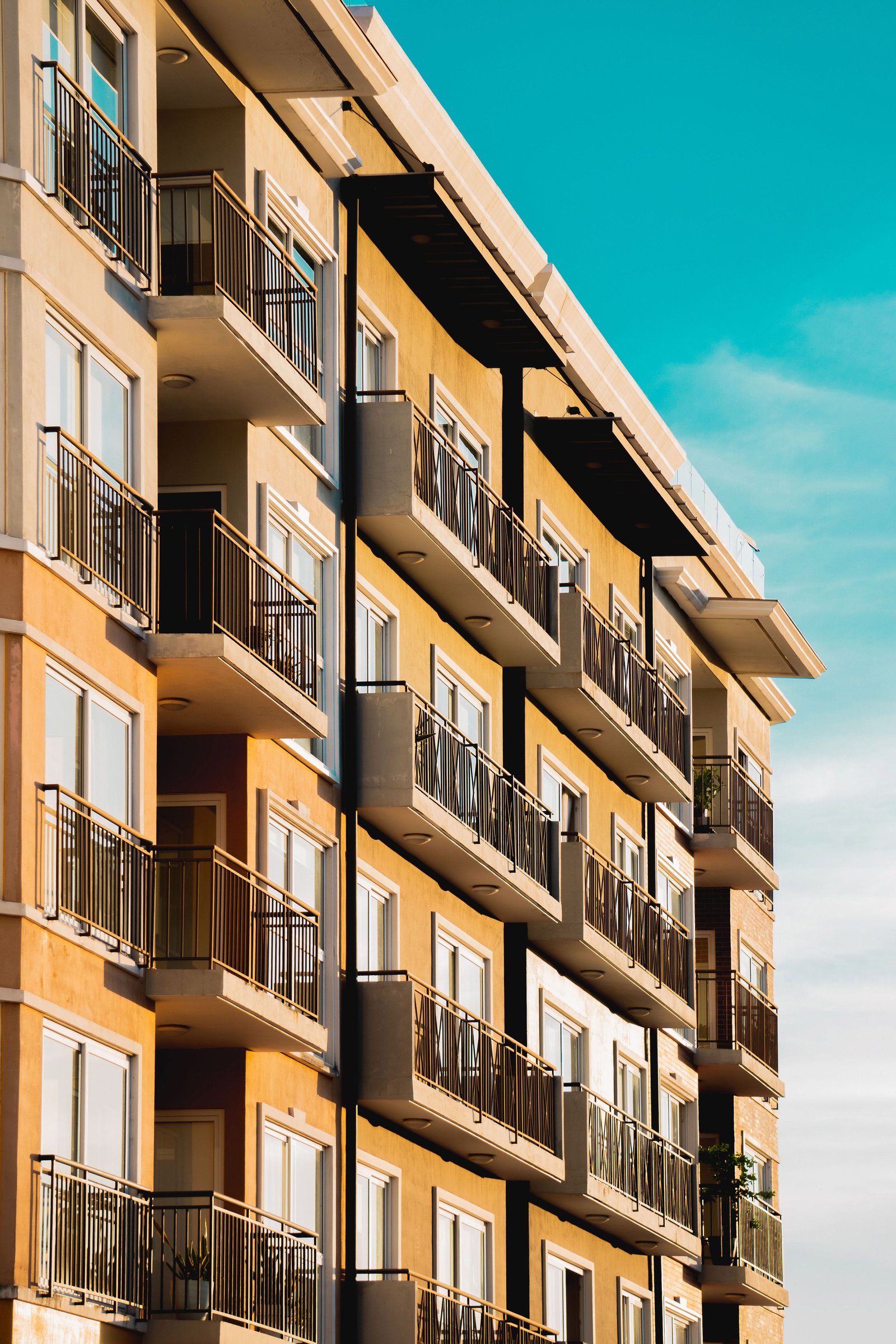
By late 2025, industry data from RealPage showed Asheville’s apartment inventory growing 13.1% year over year, the highest growth rate of any market in the country, more than five times the national average, according to a [RealPage analysis](https://www.realpage.com/analytics/asheville-market-profile/). That construction wave landed directly on top of a demand collapse: WLOS reported that Helene drove residents out of the region and pushed vacancy rates up to roughly 10%, well above the healthy market norm of around 7%, with some property managers cutting listed rents by $100 to $200 and still struggling to fill units, according to [WLOS’s coverage of the rental market](https://wlos.com/news/local/asheville-rental-market-prices-drop-rental-vacancies-residents-hurricane-helene-apartments-community-market-complex-specials-deals). For the first time since 2018, Asheville’s HUD Fair Market Rent projection actually declined, with one-bedroom estimates dropping about 10% from 2024 to 2025, ending a run where Asheville had been the most expensive rental market in North Carolina, according to reporting shared in a [Hendersonville community group](https://www.facebook.com/groups/hendersonville/posts/10160262116801546/).
The scale of the construction pipeline is what makes this correction different from a typical post-disaster dip. Multiple market reports tracked thousands of new units delivered or under construction in Asheville through 2024 and 2025, a supply expansion large enough that some analysts now expect softness to persist into 2026 even as displaced residents return, according to a [Dewey Property Advisors market report](https://deweypa.com/wp-content/uploads/2025/08/Asheville-NC-USA-MultiFamily-Market-2025-08-20.pdf). Vacancy rates in the 12% to 13% range, roughly double the pre-pandemic norm, have given renters leverage they haven’t had since before the pandemic-era rent surge began.
Neighborhood-Level Prices Tell a More Complicated Story
Averaged citywide numbers mask enormous variation between Asheville’s neighborhoods. South French Broad remains the market’s most affordable pocket, with one-bedroom rents around $856 a month according to Rent.com’s neighborhood breakdown, while Jackson Park sits at the opposite end near $2,024 for a comparable unit, a gap of more than $1,100 a month between two neighborhoods just a few miles apart, according to [Rent.com’s Asheville market data](https://www.rent.com/north-carolina/asheville-apartments/rent-trends). Downtown Asheville, Historic Biltmore Village, and the River Arts District continue to command a premium tied directly to walkability and proximity to the restaurant and gallery scene that draws the city’s tourists in the first place.
The affordability math still doesn’t work cleanly for local wages. With median household income in Asheville around $67,000, a one-bedroom at even the reduced 2026 average of roughly $1,487 a month requires an annual income near $53,640 to comfortably qualify under standard rent-to-income screening, according to a [Modern Mountain Builders market analysis](https://modernmountainbuilders.com/blog/average-cost-of-rent-in-asheville-nc-2026-prices-competition-timing/), a bar that puts single-income renters working the city’s dominant tourism and hospitality jobs at a real disadvantage even in a softening market.
Short-Term Rentals Complicate the Picture Further
- Buncombe County counted roughly 5,200 active short-term rental units as of 2022, pulling housing stock out of the long-term market
- Short-term rental revenue reached an estimated $232 million in 2023-24, giving owners strong financial incentive to keep units off the annual lease market
- Seasonal rent swings of roughly 3-4% between summer peak and winter low mean timing a lease matters more in Asheville than in most comparable markets
Who Is Actually Absorbing the Rent Swings
The people most exposed to Asheville’s whiplash rental market aren’t the second-home owners or short-term rental investors who drove the pre-Helene boom, they’re the service and hospitality workers whose jobs depend on the same tourism economy the storm interrupted. Restaurant staff, hotel workers, and river-district tour operators lost income for months after the flooding while still facing lease renewals, and the construction boom that followed brought a wave of out-of-town contractors and traveling laborers who needed short-term housing precisely when local supply was tightest.
Longtime renters describe a market that punished them twice: first through the disruption and job loss tied directly to the storm, then through a temporary spike in demand from insurance-funded rebuilding crews who could outbid displaced locals for whatever units remained habitable. Property managers in River Arts District and West Asheville, the hardest-hit neighborhoods, report that many renters simply left the region rather than wait out a rebuilding timeline measured in years rather than months.
The construction boom compounding the rent drop deserves its own explanation. Developers who broke ground on Asheville apartment projects in 2022 and 2023, betting on the city’s decade-long growth trajectory continuing uninterrupted, delivered a wave of new units right as Helene disrupted the local economy and slowed the population inflow those projects were built to absorb. That mistimed supply surge is the second half of the story alongside the storm itself, and it’s part of why rents softened as sharply as they did rather than simply flattening out.
Renters who stayed through the disruption describe a strange, whiplash year: landlords offering move-in specials and waived application fees in early 2025 that would have been unthinkable during the tight pre-Helene market, followed by renewed competition for the best-located units as recovery-phase demand from returning residents and construction workers picked back up through the summer. That volatility has made long-term financial planning difficult for renters trying to decide whether to sign a lease now or wait for prices to settle further.
What happens next depends heavily on how quickly the region’s tourism economy, and the population displaced by Helene, fully returns. If Asheville’s visitor numbers rebound to pre-storm levels while the current apartment glut gets absorbed, the softening rents seen through 2025 and into 2026 could prove temporary, a rare buying window for renters rather than a structural correction. But if the region’s growth trajectory has genuinely been interrupted, longer term, Asheville may settle into a more balanced rental market than the one it built its national reputation on during the 2010s, when it was consistently cited as one of the fastest-appreciating small-city rental markets in the country.