We may earn money or products from the companies mentioned in this post. This means if you click on the link and purchase the item, I will receive a small commission at no extra cost to you ... you're just helping re-supply our family's travel fund.

Beneath the shifting waters off the coast of western France, researchers have uncovered compelling signs of a prehistoric settlement long swallowed by the sea. What first appeared as unusual linear formations on sonar scans has now been identified as carefully arranged stone structures dating back roughly 7,000 years. The discovery offers rare insight into early coastal communities that lived during a time of dramatic environmental change. Far from myth, this submerged site provides measurable, physical proof that ancient people engineered their landscapes long before recorded history began.
1. Discovery Beneath the Atlantic
The site lies approximately 30 feet below present sea level near Brittany’s rugged shoreline. Marine surveys conducted between 2022 and 2024 revealed a stone formation stretching nearly 400 feet in length and rising up to 6 feet in certain sections. Covering an area close to 1 acre, the structure displays consistent alignment and deliberate spacing between stones. High-resolution mapping technology first detected the anomaly, after which divers confirmed its artificial construction. Its scale and organization clearly distinguish it from natural rock deposits shaped by tides or currents.
2. Dating the Structure to 5800–5300 BCE
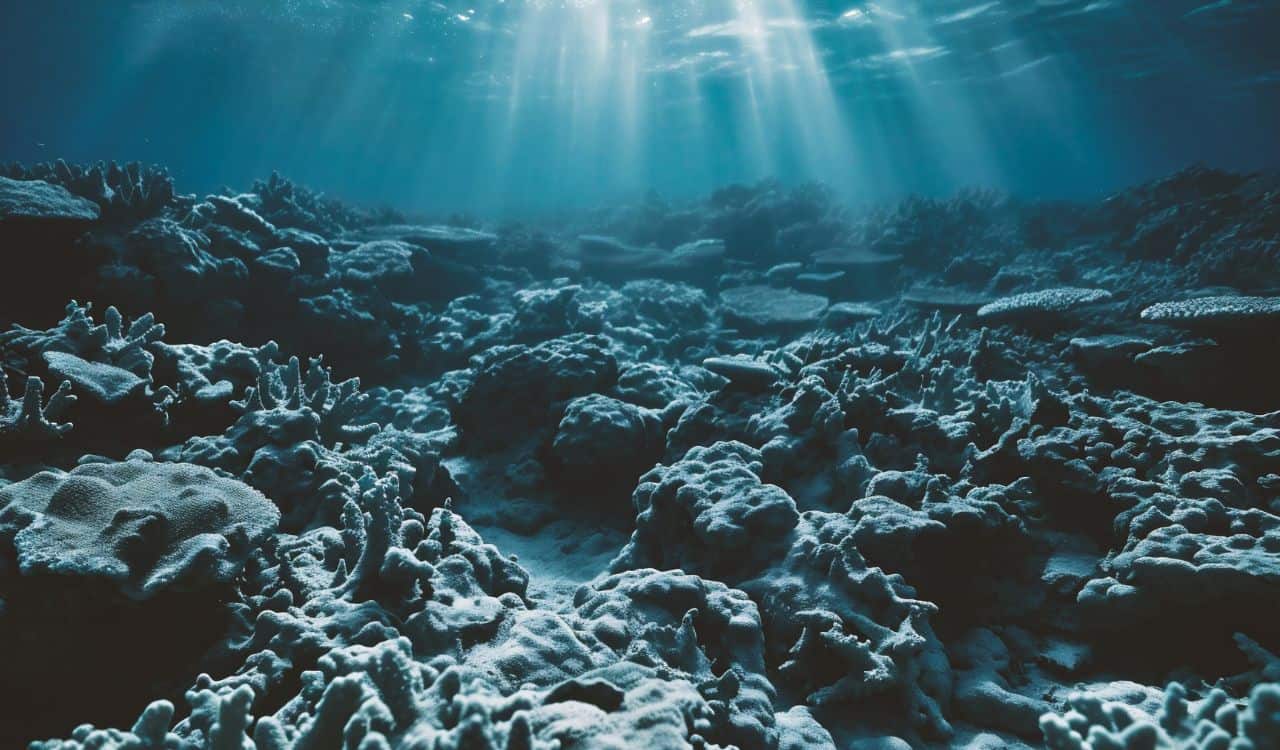
Carbon analysis of nearby organic remains and sediment samples places the construction period between 5800 and 5300 BCE. That timeline states the structure at roughly 7,000 years old, during the transition from Mesolithic hunter-gatherer groups to early Neolithic communities. At that time, sea levels were significantly lower, meaning the wall once stood on dry coastal ground rather than underwater. Archaeologists estimate that regional sea levels have risen several feet since its construction, gradually submerging the landscape over millennia and preserving it beneath layers of marine sediment.
3. Engineering Skill of Early Coastal People
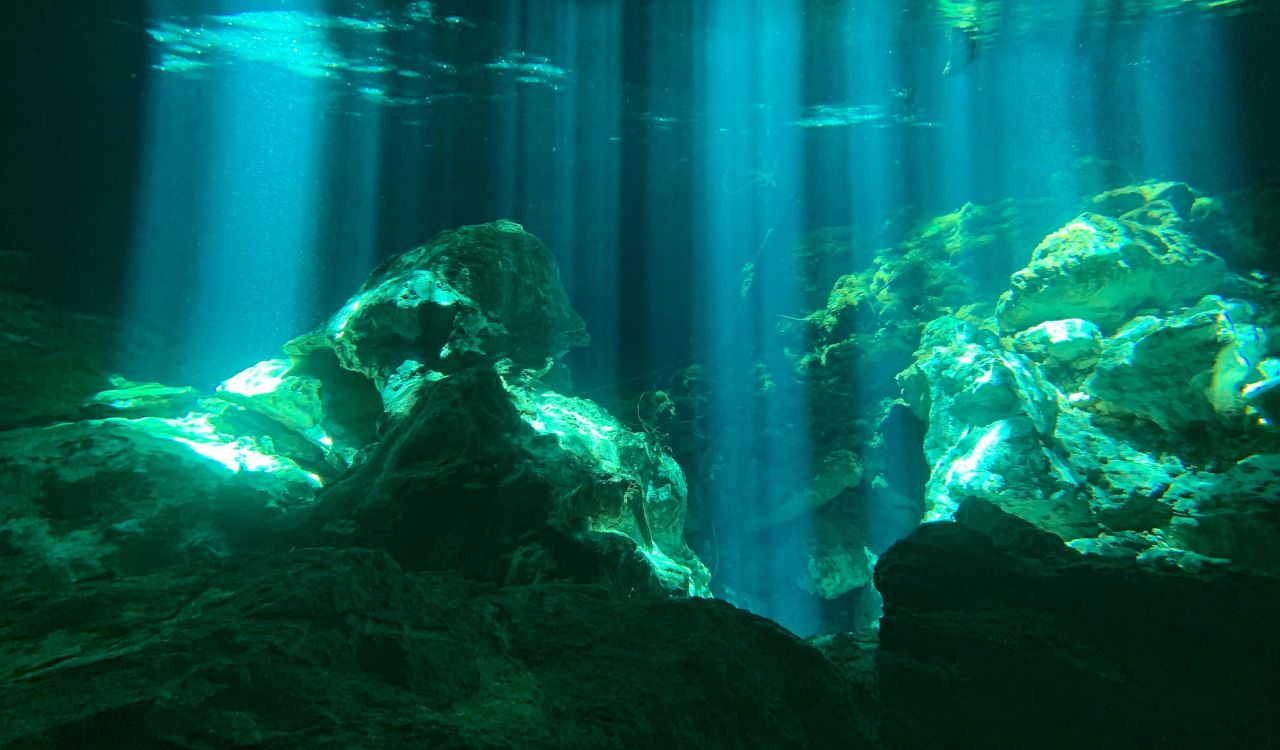
The wall’s design suggests intentional planning and coordinated labor. Stones weighing hundreds of pounds were arranged in repeating patterns, with larger blocks forming a backbone and smaller rocks reinforcing gaps. Some segments appear paired at regular intervals, hinting at a structured layout rather than random stacking. Experts believe construction may have required dozens of individuals working over multiple seasons. Such effort implies a semi-settled community with organized leadership. The technical precision challenges outdated views that early coastal populations lacked architectural sophistication or long-term planning abilities.
4. Possible Purpose: Defense or Fishery System

Researchers propose two primary theories regarding the structure’s function. One possibility is that it operated as a large tidal fish trap, using predictable water movement to channel marine life into enclosed spaces. Given that tidal ranges in the region can exceed 20 feet, such a system would have been highly effective. Another theory suggests it acted as a coastal barrier against storm surges. Either explanation indicates environmental awareness and adaptation. Both scenarios point to a community responding strategically to shifting shorelines and increasingly dynamic coastal conditions.
5. Rewriting Early European Coastal History

This underwater discovery reshapes assumptions about prehistoric Europe. Comparable megalithic constructions in Brittany date several centuries later, making this structure potentially among the region’s earliest large-scale stone works. Its existence implies that complex coastal societies were active long before traditionally recognized monument builders. Archaeologists now suspect that many additional settlements may lie submerged worldwide, hidden beneath post-Ice Age sea level rise. As technology advances, similar finds could emerge, broadening understanding of how early humans adapted to climate shifts more than 6,000 years ago.