We may earn money or products from the companies mentioned in this post. This means if you click on the link and purchase the item, I will receive a small commission at no extra cost to you ... you're just helping re-supply our family's travel fund.
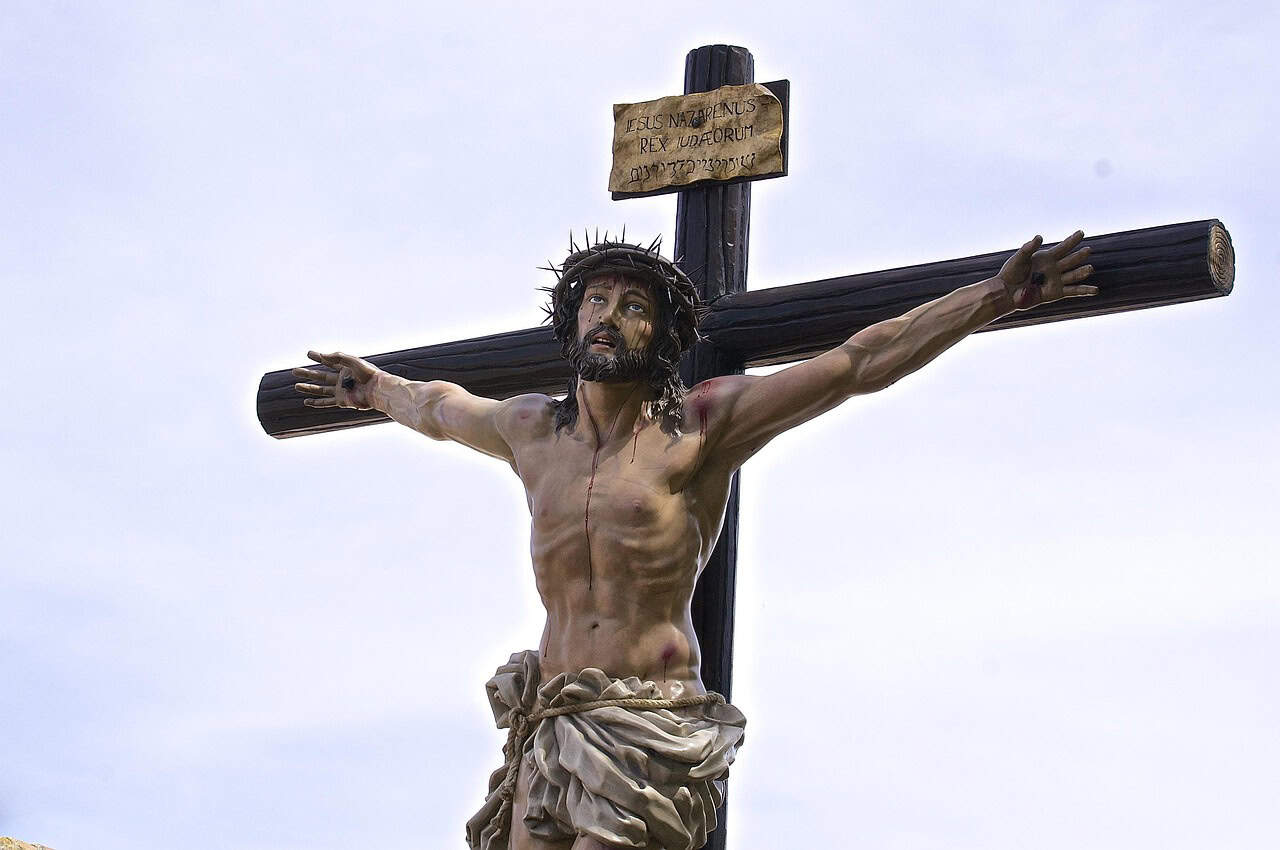
For centuries, the location of Jesus’s first recorded miracle turning water into wine has been tied to tradition rather than evidence. Recently, archaeologists have reignited debate by presenting detailed findings from an ancient site in Israel that may align more closely with biblical descriptions. Through years of excavation, material analysis, and historical comparison, researchers argue this location offers stronger archaeological support than the long-accepted pilgrimage town. Their claim does not rewrite faith, but it adds fresh context, physical clues, and measurable data to one of Christianity’s most famous moments.
1. Khirbet Qana Identified as Ancient Cana
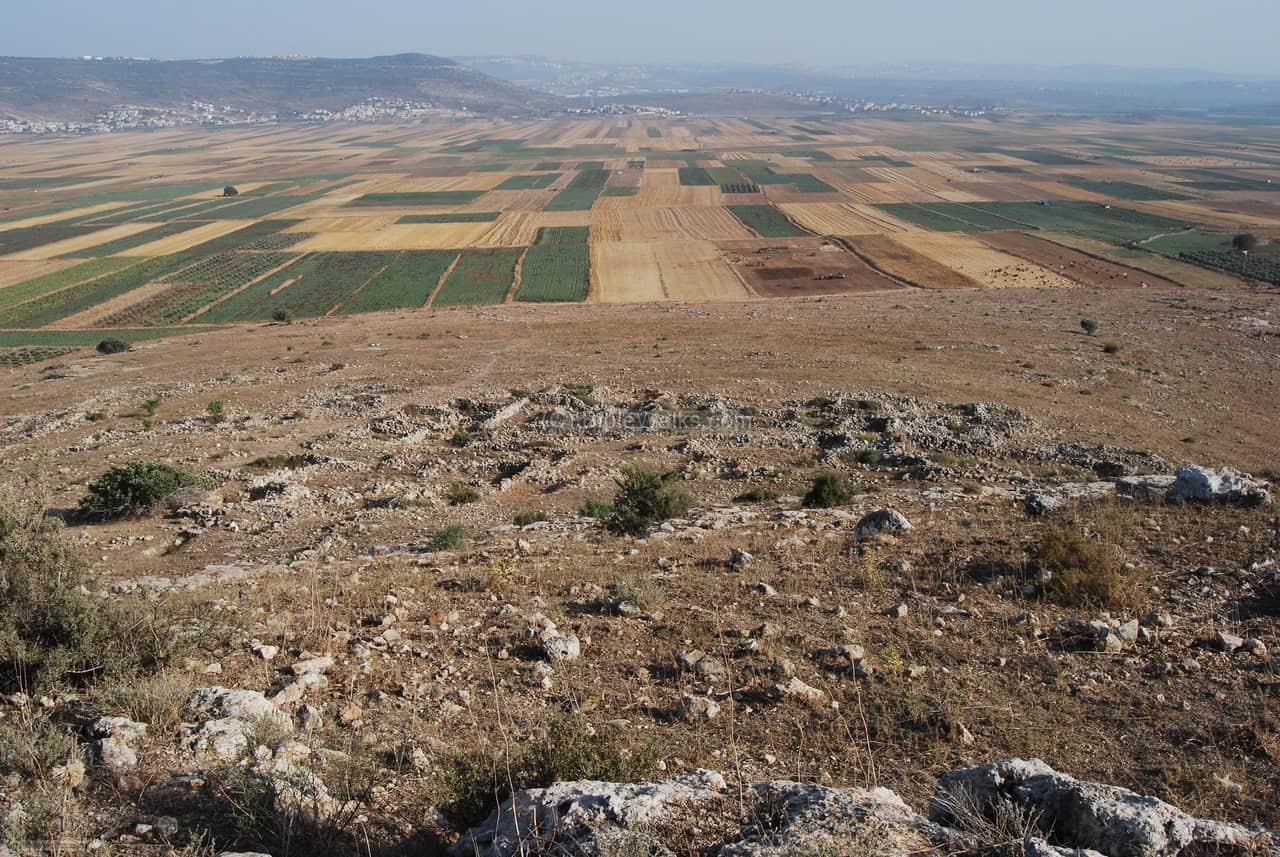
Archaeologists point to Khirbet Qana, located roughly 14 kilometers northwest of Nazareth, as a strong candidate for biblical Cana. Excavations spanning over 20 years uncovered settlement layers dating from 200 BCE to 400 CE, matching the lifetime of Jesus around 30 CE. The village size, estimated at nearly 4 hectares, aligns with descriptions of a modest rural community. Carbon dating of organic remains places peak occupation within a 300-year window relevant to early Christianity. Unlike modern towns, the site shows no later urban overbuilding, preserving original layouts and offering clearer historical continuity.
2. Archaeological Parallels to the Wedding Narrative
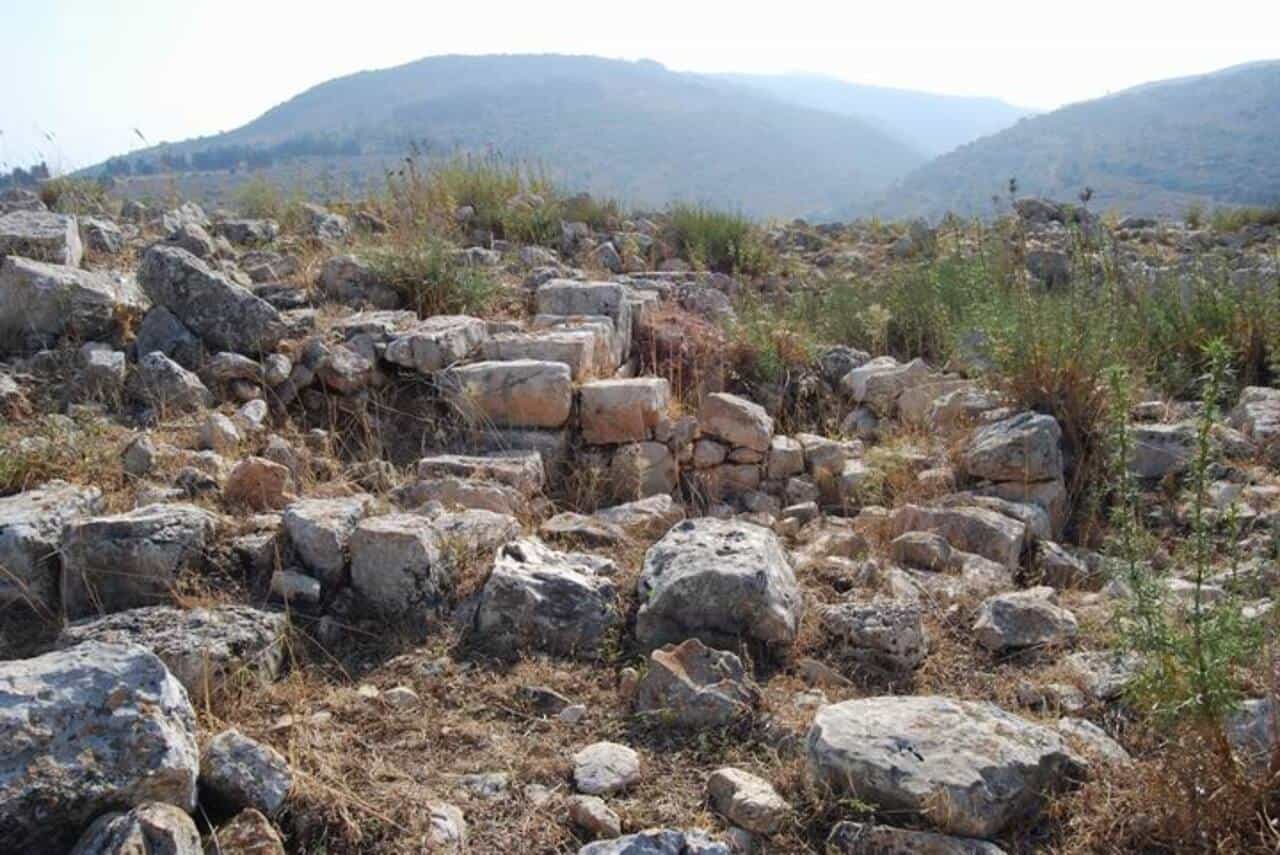
The Gospel describes a multi-day wedding attended by dozens of guests, implying space, storage, and preparation areas. At Khirbet Qana, archaeologists identified large communal rooms, courtyards exceeding 120 square meters, and domestic wine-pressing installations. At least 6 stone basins were recovered, each capable of holding between 75 and 100 liters, consistent with purification practices of 1st-century Jewish households. These physical dimensions support a realistic setting for a large social event. Researchers argue the infrastructure better fits the biblical account than smaller, later-developed sites nearby.
3. Evidence of Early Christian Veneration
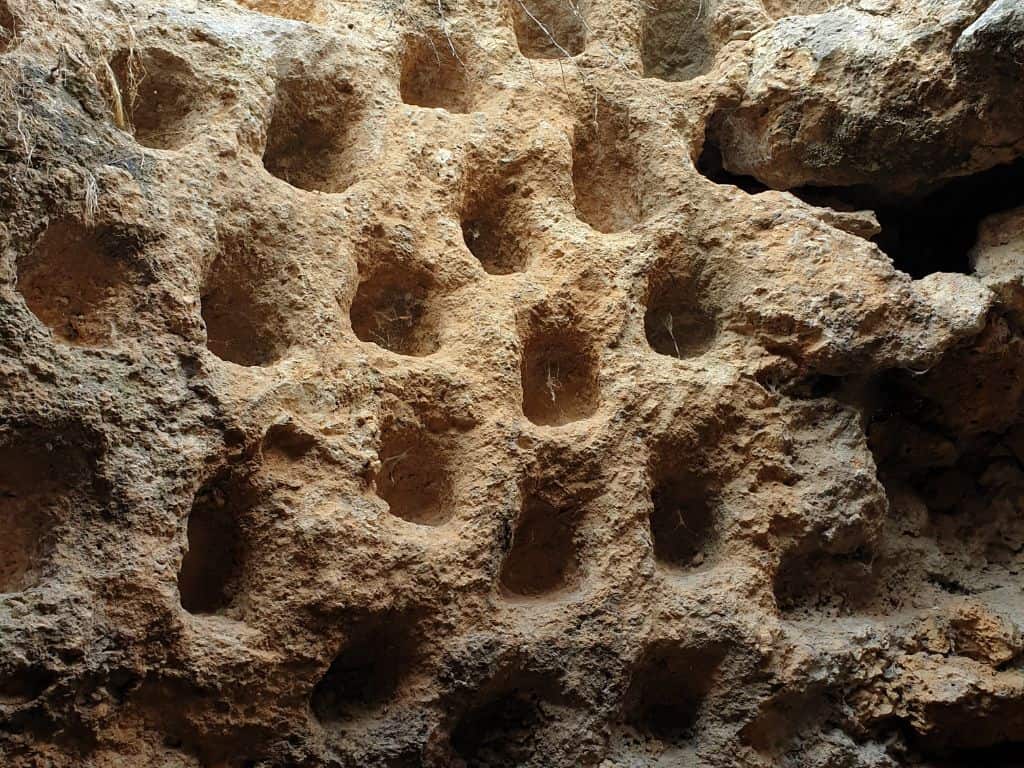
One of the strongest claims comes from evidence of worship rather than tradition. Inside a limestone cave, archaeologists documented 2 carved altars, 1 stone shelf for offerings, and over 20 inscriptions etched in Greek and Syriac. Several inscriptions reference Jesus directly and date between the 3rd and 5th centuries CE. Oil lamp residue analysis suggests continuous ritual use for nearly 200 years. The cave’s isolation, combined with its modifications, indicates intentional pilgrimage activity, not casual shelter. This pattern suggests early Christians actively identified the site with a sacred event long before formal churches existed.
4. Stone Vessels Matching Jewish Ritual Law
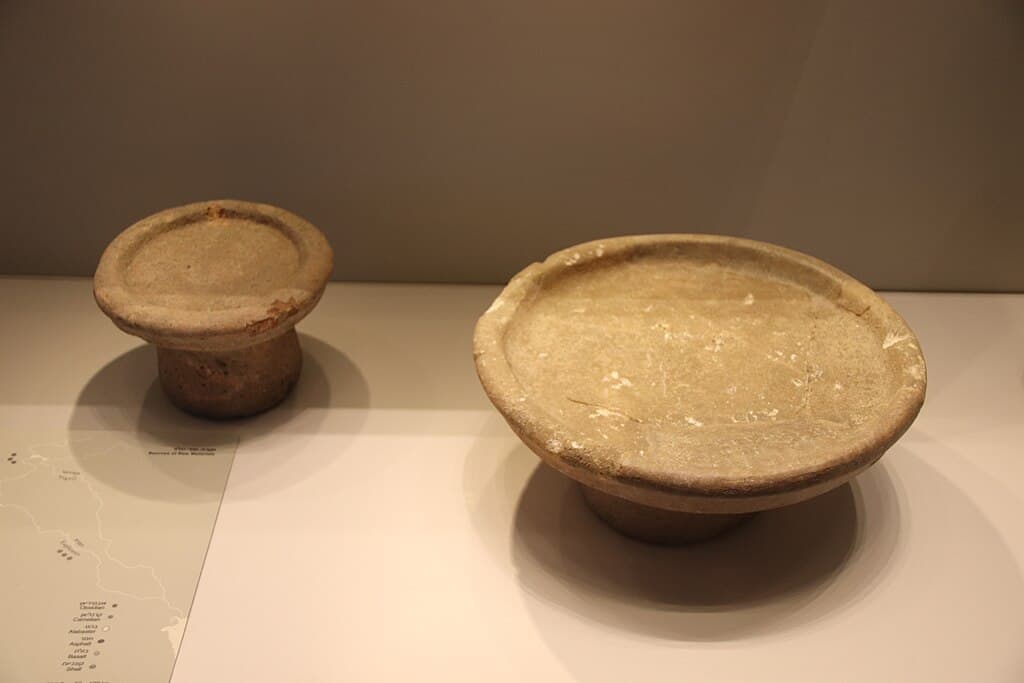
Jewish law in the 1st century required stone vessels for ritual purity, as they were believed not to absorb impurity. At Khirbet Qana, archaeologists recovered fragments from at least 7 large limestone jars, each weighing over 100 kilograms. Tool marks match manufacturing techniques used between 50 BCE and 70 CE. Laboratory analysis shows they were locally produced, not imported, supporting everyday use rather than symbolic placement. The quantity and scale of these vessels exceed what was necessary for a single household, reinforcing the idea of a communal event rather than routine domestic life.
5. Why the Claim Challenges Traditional Cana
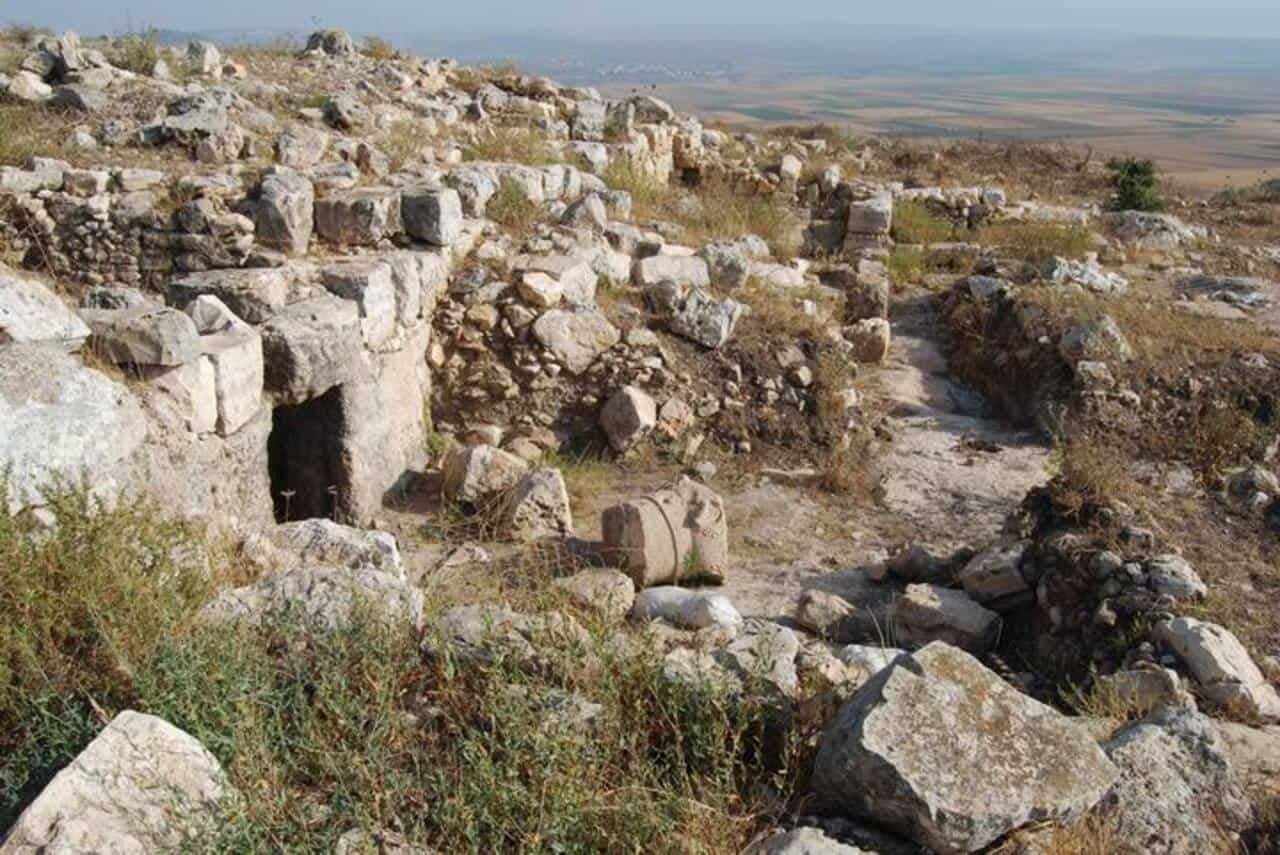
For over 1,500 years, Kafr Kanna has been accepted as Cana largely due to Byzantine tradition. However, archaeological layers there begin mainly after the 4th century CE. In contrast, Khirbet Qana contains uninterrupted evidence from the correct historical period. The two sites are separated by approximately 8 kilometers, but only one shows early Christian markings tied to the miracle. Scholars emphasize that tradition alone guided earlier identification, while this claim is based on stratigraphy, inscriptions, and measurable artifacts. The debate remains open, but evidence has shifted the discussion from belief to data.