Abilene, Texas Has 125,000 People, Three Universities, and Almost No National Reputation. That’s Exactly Why It Works.
We may earn money or products from the companies mentioned in this post. This means if you click on the link and purchase the item, I will receive a small commission at no extra cost to you ... you're just helping re-supply our family's travel fund.
Abilene sits almost exactly in the middle of nowhere by Texas standards: 150 miles west of Fort Worth, 200 miles from Lubbock, surrounded by cotton fields and mesquite flats. It has never been a boomtown, never had a viral moment, and never shown up on a magazine’s ‘next big city’ list. It has also, steadily by most metrics but not by any dramatic story, worked as a functional mid-size Texas city for most of the last century.
Three Universities in One Small City
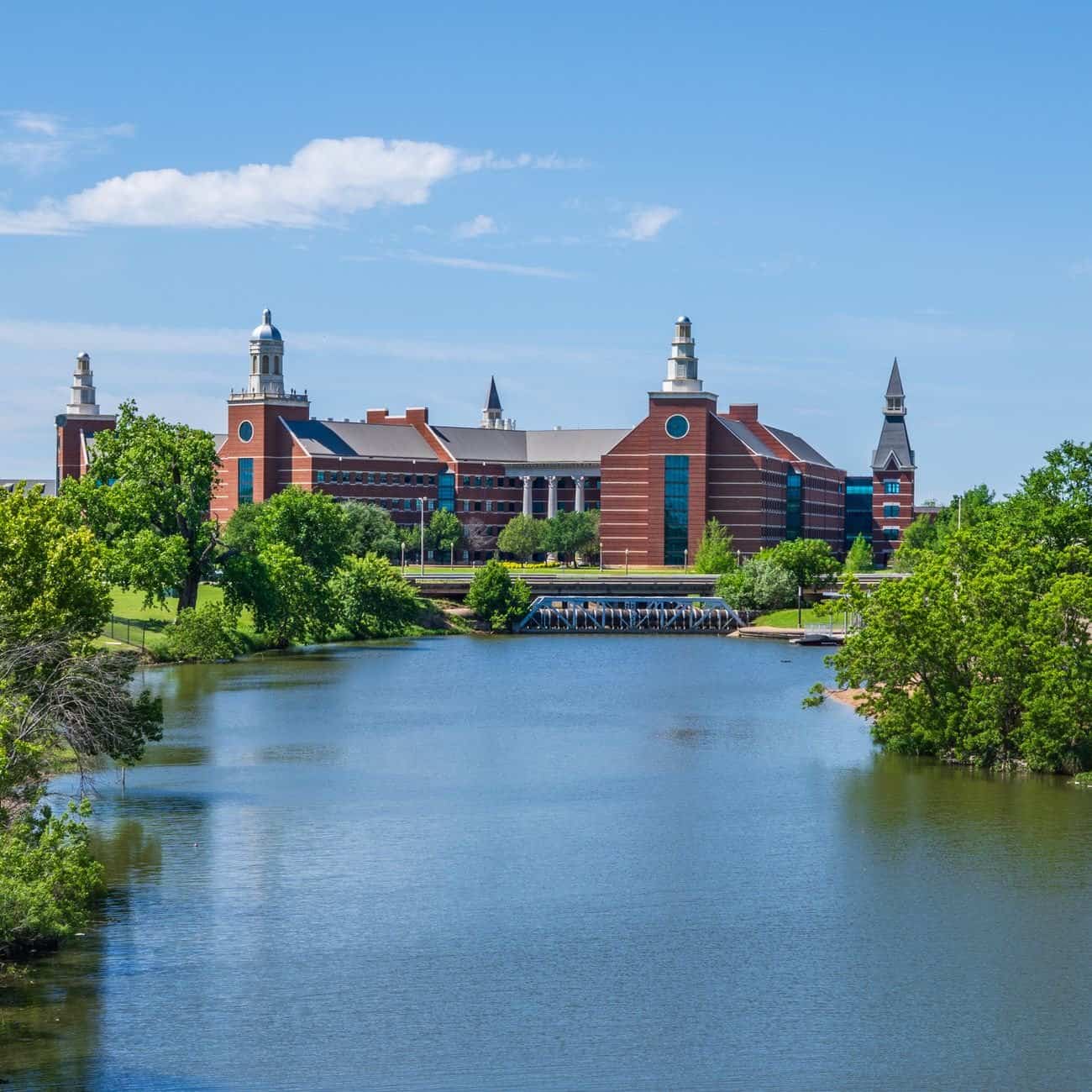
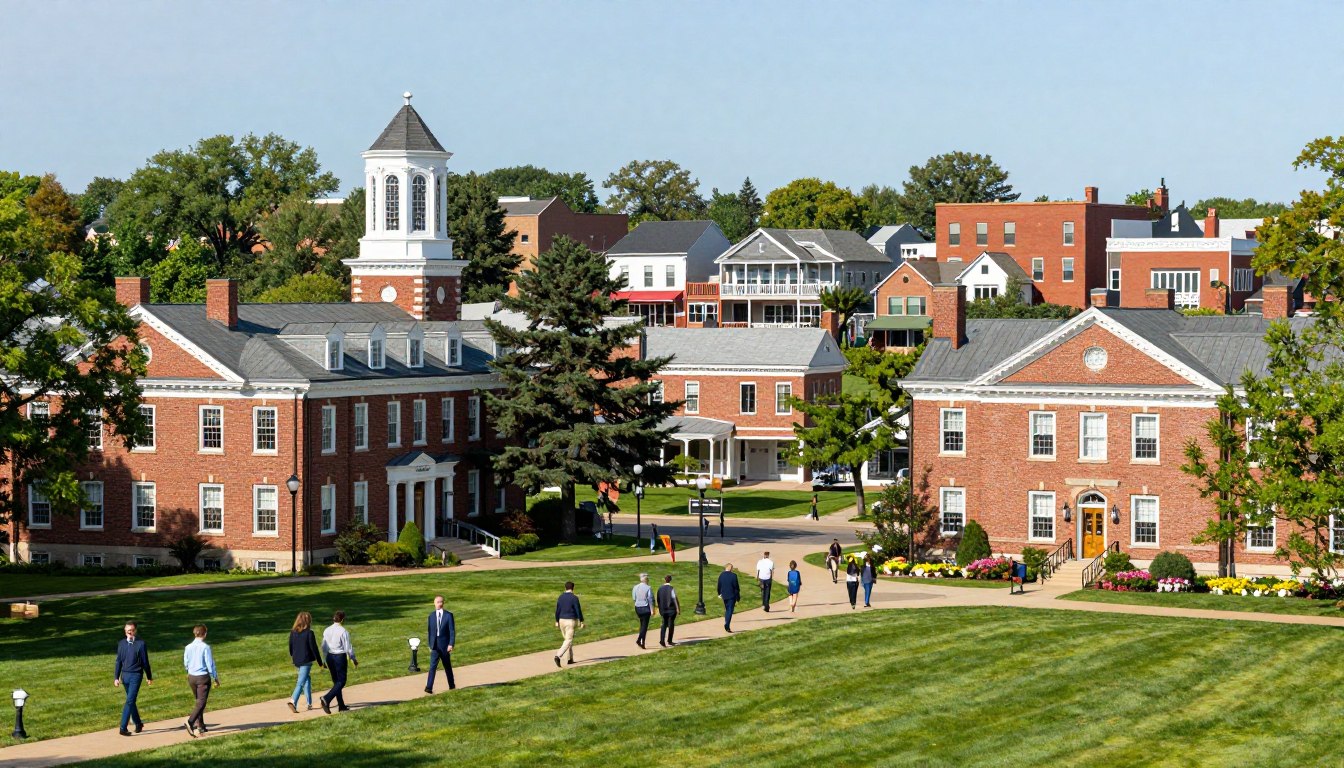
Abilene Christian University, Hardin-Simmons University, and McMurry University all sit within the city limits, an unusually high concentration of higher education for a metro area of roughly 125,000 people. That density gives Abilene a stable base of employment and a younger population than its size would otherwise suggest, along with cultural amenities, including performing arts venues and NCAA Division I athletics at ACU, that a city its size would rarely support on its own without the university presence.
Dyess Air Force Base, home to the 7th Bomb Wing and a significant B-1 and B-21 bomber presence, provides the other pillar of Abilene’s economy, employing thousands directly and supporting a much larger web of contractors and service businesses around the base. Between the universities and the base, Abilene has largely avoided the boom-bust cycles that hit oil-dependent West Texas towns like Midland and Odessa especially hard when energy prices swing.
What Makes It Livable Rather Than Exciting
The Practical Numbers
- Median home price around $220,000, roughly half the Texas urban average
- A downtown revitalization centered on the historic Paramount Theatre, restored in the 1980s
- The National Center for Children’s Illustrated Literature, a genuinely unusual cultural institution for a city this size
- Zoo and public park system maintained well above what population size alone would predict
The Paramount Theatre, a 1930 movie palace restored through community fundraising in the 1980s, still hosts films and live performances and anchors a downtown that has avoided the complete hollowing-out that hit many similarly sized Texas cities during the mall-building decades of the 1970s and 1980s. Abilene never built the kind of massive suburban retail sprawl that killed off downtowns elsewhere, partly because its population never grew fast enough to support that pattern.
The city’s National Center for Children’s Illustrated Literature, one of only a handful of museums in the country dedicated specifically to picture book art, draws visitors and school groups from across West Texas and beyond, a genuinely unusual cultural institution to find in a city this size and further evidence of how the university presence shapes what Abilene has been able to build despite modest population growth.
What Abilene ultimately represents is a category of American city that gets almost no attention because it hasn’t dramatically declined or dramatically boomed. It has simply persisted, anchored by an air base and three universities, functioning as a regional hub for a stretch of West Texas that has no other city of comparable size for a hundred miles in any direction, a role that matters enormously to the ranching and farming communities around it even if it never generates a single national headline.
The Base and the Schools Do Most of the Work
Dyess Air Force Base has anchored the Abilene economy through multiple rounds of Pentagon base realignment reviews that closed or shrank installations elsewhere in Texas, largely because of the strategic value of its bomber mission and the political effort local leaders have consistently put into protecting it. That stability, paired with three universities that keep drawing new students every fall regardless of broader economic conditions, gives Abilene a floor that many similarly sized Texas cities dependent on a single industry simply don’t have.
None of this makes Abilene a destination in the way Austin or even Lubbock might be for a specific type of traveler. But for the people who live there, and for travelers passing through on the long drive between Fort Worth and West Texas, it offers something increasingly rare in American mid-size cities: a downtown that still functions, a cost of living that hasn’t spiraled, and an economy that isn’t betting everything on a single boom that could just as easily go bust.
Real estate agents in Abilene report a steady, unspectacular stream of buyers: military families rotating through Dyess on multi-year assignments, university staff, and retirees drawn by housing costs that remain far below the Texas urban average even as Austin, Dallas, and San Antonio have become expensive by national standards. It is not the kind of city that inspires a relocation TikTok, and that is more or less the entire point of what has kept it functional while flashier Texas cities strain under their own growth.
What This Means for Anyone Planning a Trip There
Visitors who want the version of Abilene that actually exists, rather than a viral discovery story, should expect a working city rather than a tourist destination: reliable barbecue, a genuinely good children’s literature museum, restored downtown architecture, and prices that make it possible to eat well and sleep comfortably without the sticker shock that’s become standard in Austin or Dallas.
That combination, unglamorous as it sounds in a travel pitch, is precisely what has kept Abilene functioning as a regional anchor for West Texas ranching and farming communities that depend on it for healthcare, retail, and higher education access unavailable within a hundred miles in any direction.