A Retired New Mexico Scientist Turned Old Gas Pumps Into a Museum Collection
We may earn money or products from the companies mentioned in this post. This means if you click on the link and purchase the item, I will receive a small commission at no extra cost to you ... you're just helping re-supply our family's travel fund.
Key Takeaways
- A roadside collection in Embudo, New Mexico
- Vintage gas pumps and roadside culture
- Restored displays and weathered objects
- Built by retired scientist Johnnie Meier
- A distinctive stop between Santa Fe and Taos
What Makes the Classical Gas Museum Embudo New Mexico Worth a Stop?
The collection’s appeal comes from the contrast between bright, restored displays indoors and weathered roadside objects outside. The compact museum holds two distinct moods, each with its own take on old gas-station design.Restored pumps and neon fill the indoor room
The indoor display space measures 1,000 square feet, with restored pumps from the 1930s set among neon. Chrome dials, illuminated globes, and bright primary colors give the room a lively look. The small footprint packs plenty of visual detail into one indoor stop. Look for the careful work on the pumps, then notice how their colors echo the glow of the neon. The words classical gas suit a place where old station design still makes a strong impression. The collection also includes gas station attendant caps, road maps, oil cans, soda machines, and toys.The indoor room is only 1,000 square feet, so its close-packed displays reward a slow look.For another quirky stop among the unexpected attractions of desert cities, this collection adds a distinctly New Mexico twist.
Outdoor displays keep their weathered character
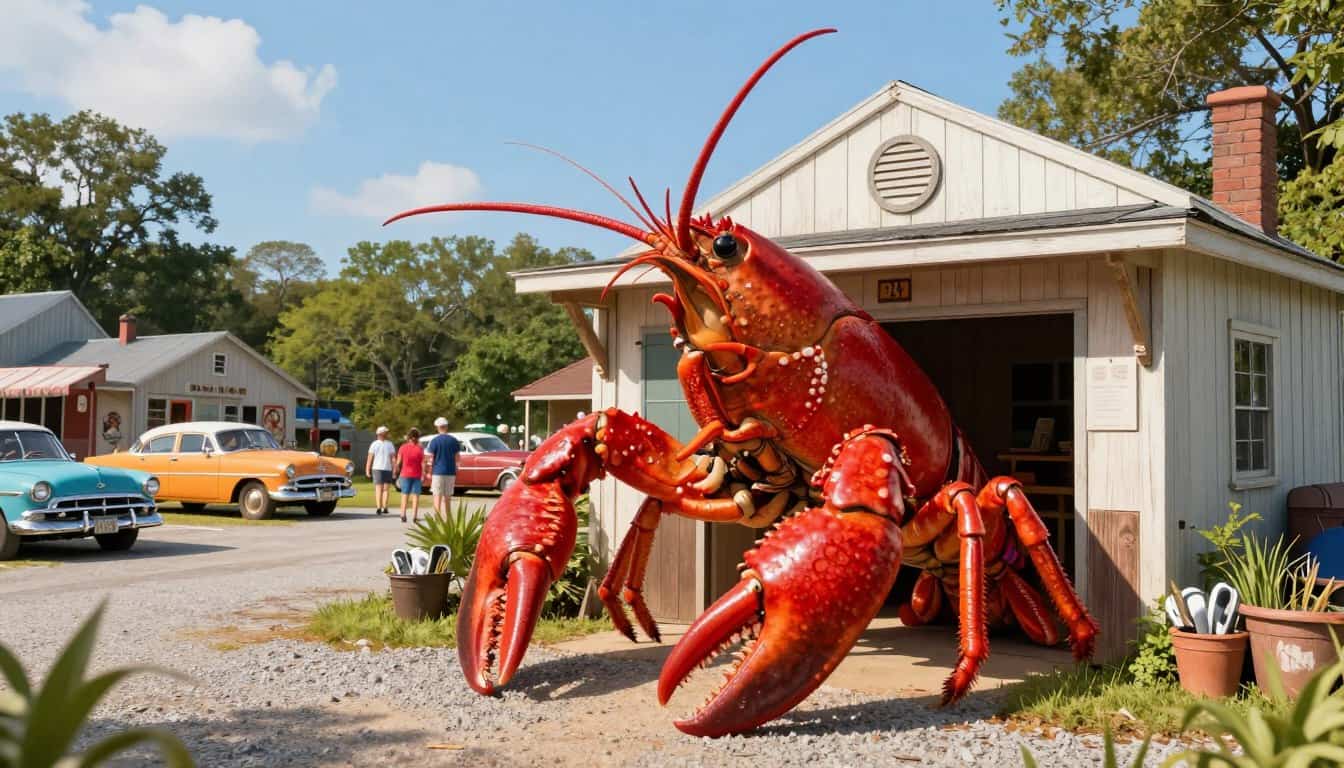
Outside, some pumps remain unrestored, including a 1940 model. Meier values their patina, which gives each surface a record of age and exposure. A 1956 Thunderbird, a diner with seats for 12, and a Bob’s Big Boy statue help create a vintage roadside scene. The diner and statue bring to mind the stops that once made a long drive feel like an event. These outdoor sights have a different pull from polished pumps and bright neon: they feel shaped by years in the open air. Look closely at the outdoor finishes before assuming that every rusty surface is waiting to be restored.How Did Johnnie Meier Build His Roadside Collection?
Before he built the museum, Johnnie Meier spent 25 years as a laser specialist at Los Alamos National Laboratory. His science career came before his focused interest in roadside history, which began with active collecting in 1987. Hands-on care became part of that work as he restored vintage equipment. Meier started building the museum in 1997, ten years after collecting began. He retired from his scientist job in 2002 and built the museum. One example of his restoration work is a Wayne Model 60, a gas pump introduced in 1935.| Year | Milestone | Detail |
|---|---|---|
| 1987 | Began actively collecting roadside-culture artifacts | Initial collecting focus |
| 1997 | Began building the museum | Ten years after collecting began |
| 2002 | Retired from his scientist job | Built the museum |
Where Is the Museum, and What Should Visitors Know Before Stopping?
Look for the museum on the south side of NM-68 as you pass through Embudo between Santa Fe and Taos. Just past mile marker 18, it makes a useful break on a New Mexico road trip. The address is NM-68, Embudo, NM 87531.Find it along NM-68 in Embudo
The museum sits between Santa Fe and Taos, along the Rio Grande corridor. Watch for the south-side location just past mile marker 18 as you travel through Embudo. The setting is part of the appeal: this is a roadside stop along a working highway, not a large attraction in a town center. If your route includes a Santa Taos drive, NM-68 brings you right by the collection. Use the mile marker as your landmark, since the address is a highway location. Leave a little time for the stop rather than treating it as a quick fuel break.Plan for an informal visit
Admission is free, and visitors are encouraged to donate to the local animal shelter. The visit has an informal feel, so call ahead if you are making a special trip. Meier may be away, and a quick call can help you avoid arriving when he is not there. There are no fixed hours to plan around, so a dedicated visit takes a little extra thought. Bring cash for a donation if you would like to support the shelter. The museum’s connection to a local cause gives this roadside stop a community focus beyond its old gas station history. If you are making a dedicated trip, call 505-852-2995 before setting out.How Does the Collection Preserve New Mexico Roadside Culture?
The collection reaches beyond gas pumps into the signs, design, and stories that shaped American road travel. Its wider history includes commercial design and road-trip nostalgia, not just old cars and station gear. Three parts of roadside culture stand out:- Gas-station design
- Highway advertising
- Roadside dining
A roadside sign can show what a town wanted travelers to notice, not just where to buy fuel.Museum props have appeared in 10 Hollywood films, including No Country for Old Men and Wild Hogs. Bob’s Big Boy adds another familiar piece of American roadside imagery. The neon work connects local signs to a much wider road history. Its film and neon connections show how objects from a small New Mexico roadside stop can carry a much wider cultural story.
Conclusion
A stop here suits travelers who enjoy finding local character beyond the main attractions. This New Mexico attraction gives your drive a different pace, with a view of how roadside places once welcomed people on the road. Leave room for curiosity, since the old surfaces and signs reward a closer look. Make the stop part of the trip, not just a photo break. A little unhurried time lets you take in the care behind the displays and the place they hold in American road culture. Leave room in a Santa Fe-to-Taos drive for an unhurried stop in Embudo.FAQ
Is the Classical Gas Museum on Route 66?
No, the museum is on NM-68 in Embudo, between Santa Fe and Taos. Route 66 appears in the title of a documentary connected to Meier’s neon sign project, but the museum itself is not on that highway. The NM-68 location makes it a natural stop during a drive through northern New Mexico.
What does the museum’s name have to do with Mason Williams?
The museum’s name refers to Mason Williams’ record, “Classical Gas.” The title connects the collection to a familiar piece of music, while the exhibits focus on gas pumps and roadside culture. The name fits a place where old station design and road-trip memories sit side by side.
How many movies have used props from the collection?
Props from the collection have appeared in 10 Hollywood films. Two examples are No Country for Old Men and Wild Hogs. The old pumps and roadside objects can help a film set evoke an earlier era of travel. Their screen appearances give these artifacts another role beyond museum display.
What happens to donations made at the museum?
Visitors are encouraged to donate to the local animal shelter, and Meier sends the collected donations to the shelter each Christmas. Admission is free, so a donation is a way to support the community rather than pay for entry. The contribution links a roadside visit with a local cause.
What was the Wayne Model 60, and when was it introduced?
The Wayne Model 60 was a gas pump introduced in 1935, and Meier fully restored one. Its restoration shows the hands-on side of preserving old station equipment. The pump is an example of how a piece of working hardware can become a part of the collection’s history.