A Ground Stop and a Ground Delay Program Are Not the Same Thing. Here’s What Each One Means for Your Flight
We may earn money or products from the companies mentioned in this post. This means if you click on the link and purchase the item, I will receive a small commission at no extra cost to you ... you're just helping re-supply our family's travel fund.
The difference in a ground stop vs ground delay program comes down to this: a ground stop holds flights at their departure airports until further notice, while a ground delay program assigns each flight a specific later departure time. Both are tools the Federal Aviation Administration uses to keep more planes from heading to an airport than it can safely handle.
Here’s what each one means for your flight. In a ground stop, your plane can’t leave until the stop ends, and nobody knows exactly when that will be. The FAA gives an update time, not a departure time, so stay close to the gate. In a ground delay program, your flight gets an assigned departure time, which airlines and the FAA call an EDCT, short for Expect Departure Clearance Time. That gives you a rough idea of when you’ll leave, and the delay is usually more predictable.
Both often happen during winter storms, thunderstorms, low clouds, and busy holiday travel periods. Knowing which one you’re in helps you decide whether to stay at the gate, get food, or start looking for another flight.
What Each One Means for Your Flight
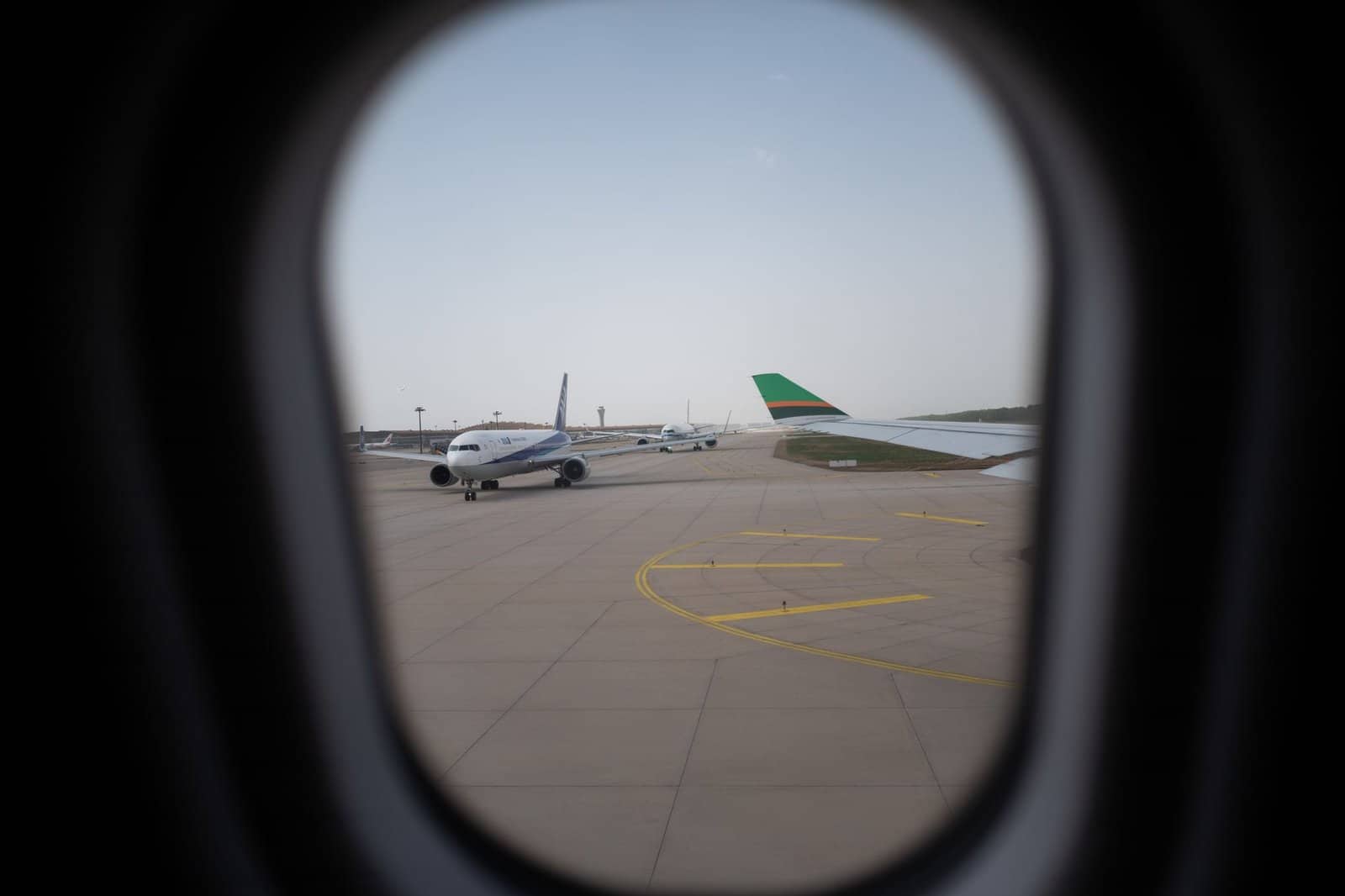
Here’s a closer look at each.
Ground stop: everyone waits
A ground stop requires flights that meet certain criteria to stay on the ground at their departure airports. The criteria can be airport-specific (for example, all flights headed to Chicago O’Hare), apply to a region, or apply to certain types of aircraft. The FAA describes ground stops as the most restrictive traffic management tool.
Ground stops are usually used when:
- An airport’s ability to accept arrivals drops sharply, often because of severe weather, very low visibility, or snow and ice on the runways.
- Storms block the routes planes would normally fly.
- There’s a major equipment outage or emergency.
- The FAA needs time to put a longer-term plan, such as a ground delay program, in place.
Ground stops usually happen with little warning. They often last less than an hour or two, but they can be extended. Each one has an update time, when the FAA decides whether to extend it, cancel it, or replace it with a ground delay program.
What it means for you: If your flight is in a ground stop, you don’t know when you’ll leave. The stop could lift in 20 minutes, and the plane would need to board and leave quickly. Stay near your gate, keep checking the airline’s app, and listen for announcements. If you’re already on the plane, you may sit at the gate or on the taxiway until the stop is lifted.
Ground delay program: everyone gets a slot
A ground delay program is used when the problem will last longer, usually several hours. The FAA calculates how many arrivals per hour an airport can handle, and gives each flight headed there a departure time that fits into an arrival slot. Low clouds and poor visibility are the most common reasons, since they reduce how many planes can land each hour.
Each flight’s assigned departure time is called an EDCT. The FAA expects flights to depart close to that time, usually within about five minutes.
What it means for you: Your airline’s app or the gate agent may show a new departure time. That time is more reliable than in a ground stop, but it can still change. If conditions improve, the FAA may move the time earlier. If conditions get worse, the delay can grow, or a ground stop may be added.
How to Tell Which One Your Flight Is In
Airlines don’t always say which one is causing your delay. Here’s how to figure it out.
Check the FAA’s status page
The FAA’s National Airspace System status page, at nasstatus.faa.gov, shows ground stops and ground delay programs at major airports, along with the reason and average delay. Search for your destination airport, not your departure airport. The delay depends on conditions where you’re going.
Look at your airline’s app
If your flight shows a specific new departure time, it’s likely in a ground delay program. If it says “delayed” without a clear time, or the new time keeps changing, it may be in a ground stop.
Ask the gate agent
Gate agents often know whether a flight is held by a ground stop or has an EDCT, and many will tell you.
Ground Stop vs Ground Delay Program: What to Do in Each
In a ground stop
- Stay at or near the gate.
- Keep your phone charged and alerts turned on.
- Don’t leave the secure area or go far to eat.
- If the stop is extended for hours, start looking at other flights, especially if you have a tight connection.
In a ground delay program
- Check the new departure time and plan around it.
- If you have more than an hour, it’s usually safe to get food nearby, but stay alert for changes.
- If the delay will make you miss a connection, ask the airline about rebooking now, before seats fill.
If you have a connection
Both can affect your connection. If your first flight will arrive late, use the airline’s app to see whether it has rebooked you automatically. If not, contact the airline. A delay at your connecting airport may also affect your second flight, so check its status too.
Why This Matters in Winter and Holiday Travel
Winter storms often create both: a ground stop when the snow is heaviest, then a ground delay program while the airport catches up. Holiday travel adds more planes and passengers to the system, so delays can spread quickly. Midwestern hubs like Chicago, Minneapolis, and Detroit are especially affected during storms.
De-icing also slows departures. Even if your flight isn’t in a ground stop or a ground delay program, waiting for de-icing can add time.
Other Terms You May Hear
- Airspace flow program: similar to a ground delay program, but for a section of airspace rather than an airport.
- Miles-in-trail: spacing between planes in the air, which can slow departures.
- Call for release: an airport control tower has to get approval before a flight can depart.
A Typical Winter Storm Day
Here’s how a ground stop and a ground delay program might play out together on a snowy day at a Midwestern hub:
- Morning: Forecasts call for heavy snow and low visibility in the afternoon. The FAA plans a ground delay program for arriving flights, and airlines begin assigning EDCTs. Your flight to the hub now has a departure time 90 minutes later than scheduled.
- Midday: The snow arrives faster than forecast. The airport has to close a runway for plowing, and the FAA issues a ground stop for flights headed there. Your flight, still waiting for its EDCT, is now held with no departure time.
- Afternoon: The runway reopens. The ground stop is lifted, and the ground delay program resumes with new EDCTs. Your flight gets a new departure time and boards.
- Evening: Delays build up, and some flights are canceled because crews have worked too many hours or planes are out of position.
This is why departure times can change several times in one day. A ground delay program gives you a rough plan, and a ground stop can interrupt it.
What Airlines Owe You for These Delays
Ground stops and ground delay programs caused by weather are generally considered outside an airline’s control. That means airlines usually don’t provide hotels or meals for these delays. If your flight is canceled, or if the delay is long enough to count as a significant change under U.S. Department of Transportation rules, you may be entitled to a refund if you choose not to travel. Check your airline’s customer service plan for details.
Why You Might Sit on the Plane
Sometimes you board, the door closes, and then the captain announces a ground stop or a new EDCT. That’s because airlines often board flights to be ready the moment they’re released. If the delay is long, the crew may let passengers get off the plane, or they may stay at the gate. Under U.S. Department of Transportation rules, airlines generally can’t keep passengers on a plane on the tarmac for more than three hours on domestic flights without giving them a chance to get off, with exceptions for safety, security, or air traffic control reasons. They must also provide water and snacks after two hours.
Checking Your Destination First
The most useful habit is to check the status of your destination airport, not just your own flight. If the FAA status page shows a ground stop or ground delay program there, you’ll know why your flight is held before the airline announces it, and you’ll have a head start on rebooking if you need it.
The Bottom Line on Ground Stop vs Ground Delay Program
A ground stop means wait with no set end time. A ground delay program means a slot and a later departure time. In a ground stop, stay close to the gate. In a ground delay program, you can plan around the new time, but stay alert. Either way, check the FAA’s status page for your destination and stay in touch with your airline.