We may earn money or products from the companies mentioned in this post. This means if you click on the link and purchase the item, I will receive a small commission at no extra cost to you ... you're just helping re-supply our family's travel fund.
The Great Migration changed America between roughly 1910 and 1970, when more than 6 million African Americans moved from the rural South into northern, midwestern, and western cities seeking safety, opportunity, and dignity. Today, several U.S. destinations preserve these journeys not as distant history but as living heritage visitors can walk through, listen to, and emotionally experience. Tourism in these places blends museums, neighborhoods, music, food, churches, oral history projects, and guided storytelling designed to make travelers feel the resilience behind every mile families traveled.
1. Chicago, Illinois : Bronzeville’s Cultural Power
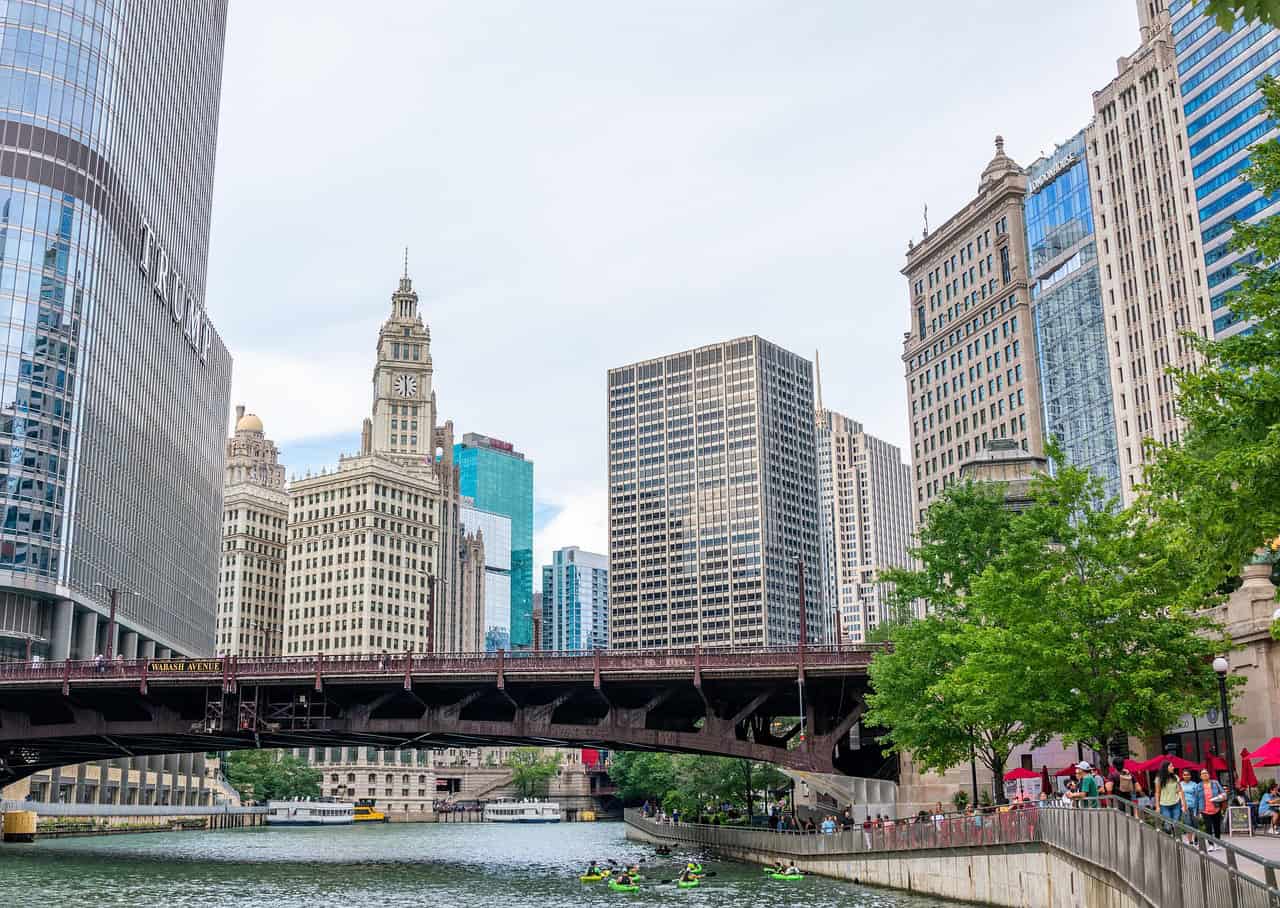
Chicago received more than 500,000 migrants during the Great Migration, and Bronzeville remains the most powerful place to feel their legacy. Travelers encounter preserved jazz clubs, historic churches from the 1910s, and landmarks tied to writers like Richard Wright and musicians shaped by the city’s sound. The DuSable Black History Museum offers immersive storytelling, while heritage walks explain how families built businesses, newspapers, and social institutions that defined the city’s Black identity. With more than 90 historic markers and community tours, Chicago ensures this chapter stays vibrant, emotional, and deeply educational.
2. Detroit, Michigan : Working Dreams and Cultural Memory
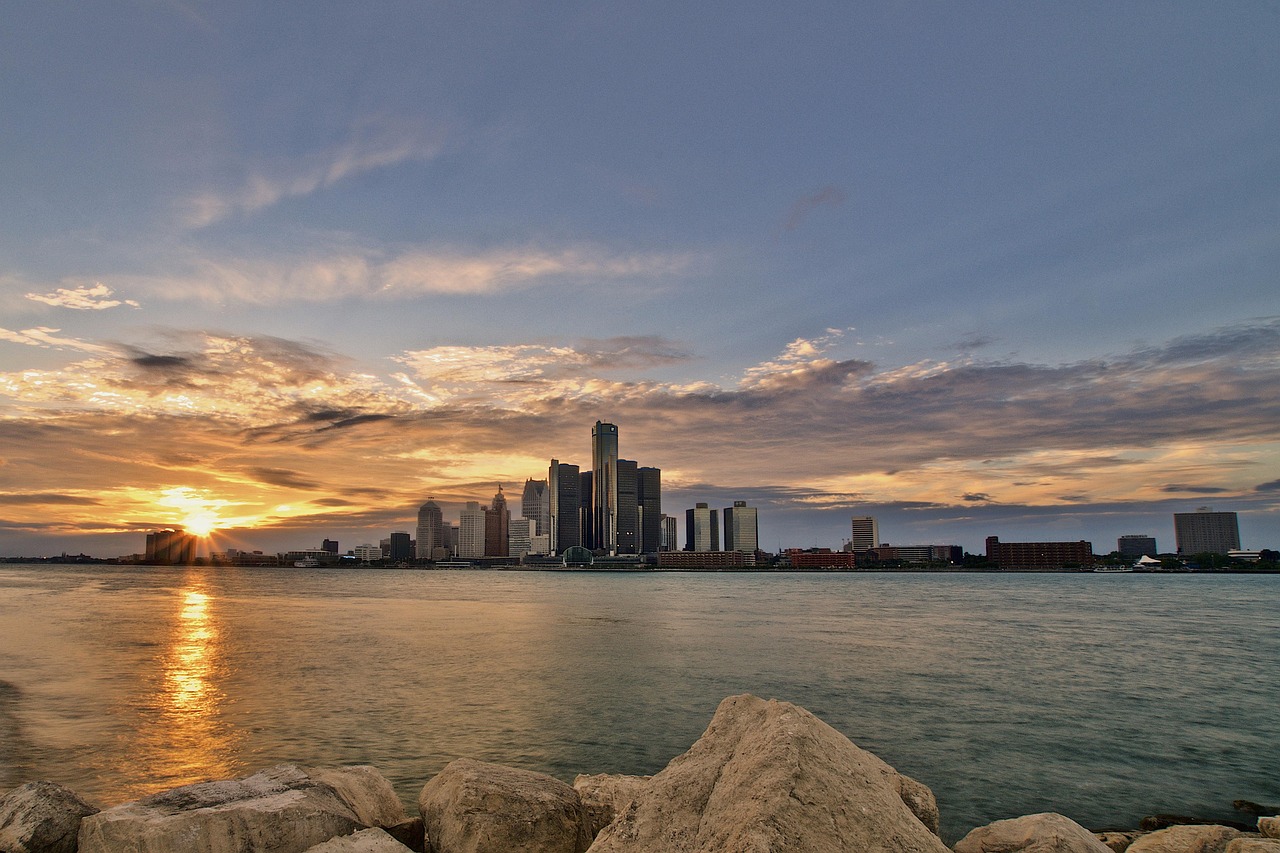
Detroit became one of the biggest industrial destinations, welcoming more than 300,000 Black migrants by the mid-1900s thanks to auto-factory wages and community opportunity. Today, travelers explore the powerful Charles H. Wright Museum, Motown heritage locations, and renewed spaces in Paradise Valley celebrating arts and entrepreneurship. Neighborhood storytelling projects highlight factories where migrants worked 10 to 12 hour shifts, churches that served thousands, and cultural hubs that shaped identity. Detroit tourism honors the reality that these families built economic strength, preserved Southern traditions, and helped define American music and social change.
3. Cleveland, Ohio : Theater, Neighborhoods, and Memory
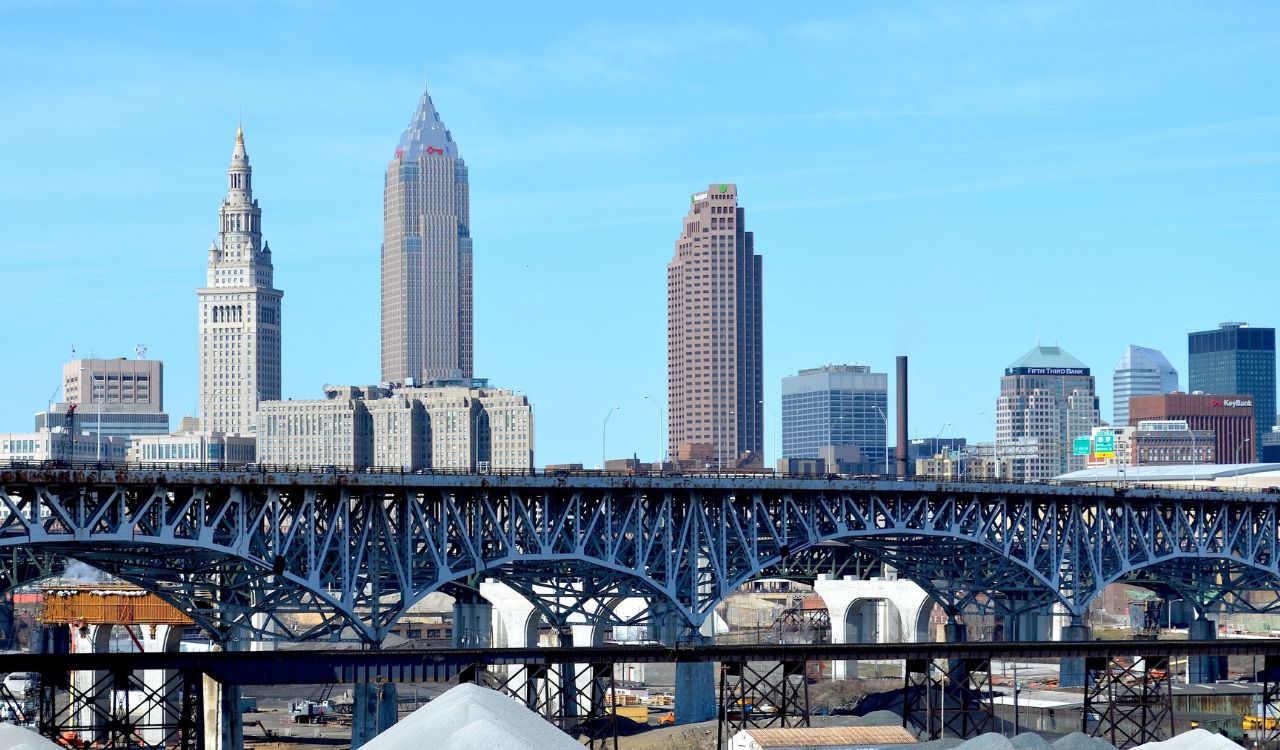
Cleveland’s Black population grew from around 8,000 to more than 250,000 during the migration era, and the city preserves that shift beautifully through tourism. The historic Karamu House, founded in 1915, remains America’s oldest producing African American theater, staging stories tied directly to migration journeys. Visitors can explore neighborhoods shaped by new arrivals, heritage churches that once supported thousands, and cultural centers documenting both discrimination and triumph. With curated tours, museum exhibits, and community programs that attract tens of thousands of visitors yearly, Cleveland ensures its migration story remains personal, emotional, and powerfully visible.
4. Pittsburgh, Pennsylvania : The Hill District’s Storytelling Heart
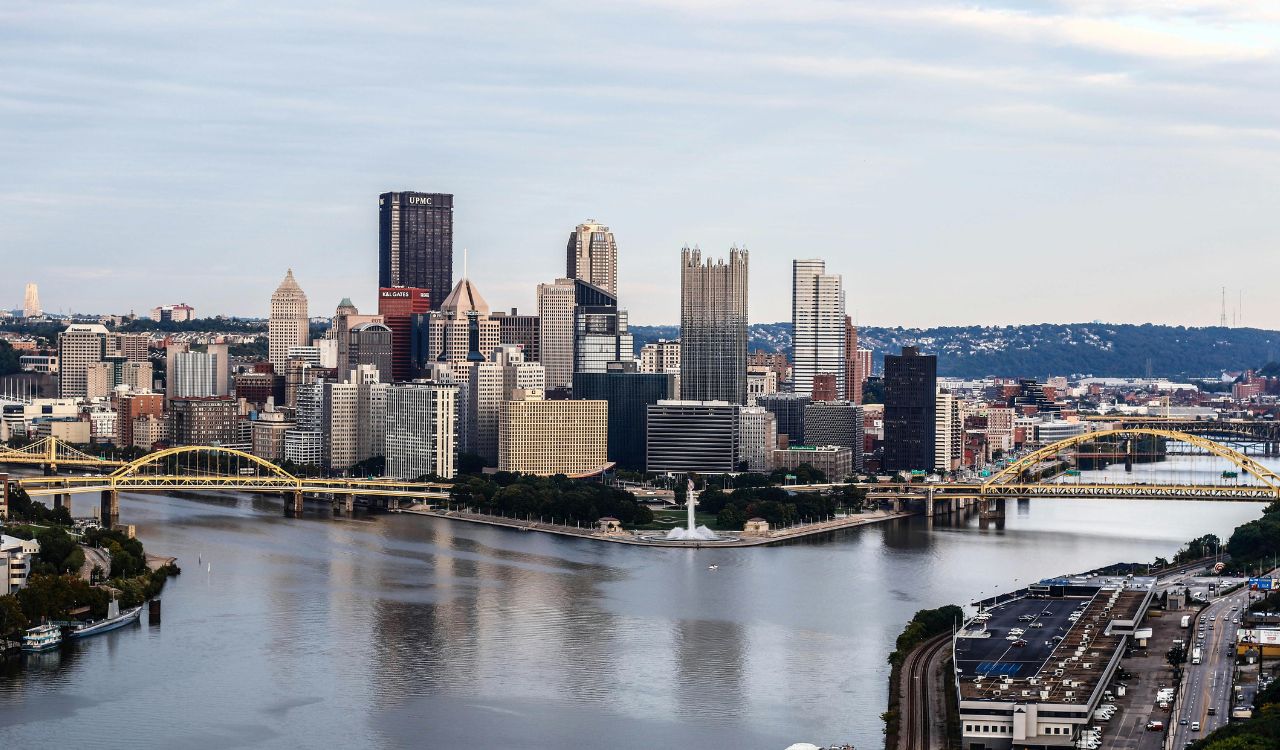
Pittsburgh’s Hill District became one of the most important cultural neighborhoods of the mid-1900s, fueled by tens of thousands arriving for steel and industrial work. Today visitors find jazz heritage sites, community museums, and guided walking tours that paint life between 1920 and 1960 with living detail. Historic clubs, newspapers, and artistic legacies shaped global culture, and storytelling programs help people understand families who worked long shifts while still building thriving communities. Preservation projects, neighborhood murals, and educational tourism continue drawing thousands each year, keeping Pittsburgh’s Great Migration narrative honest, human, and unforgettable.
5. St. Louis, Missouri : Gateway and Destination at Once
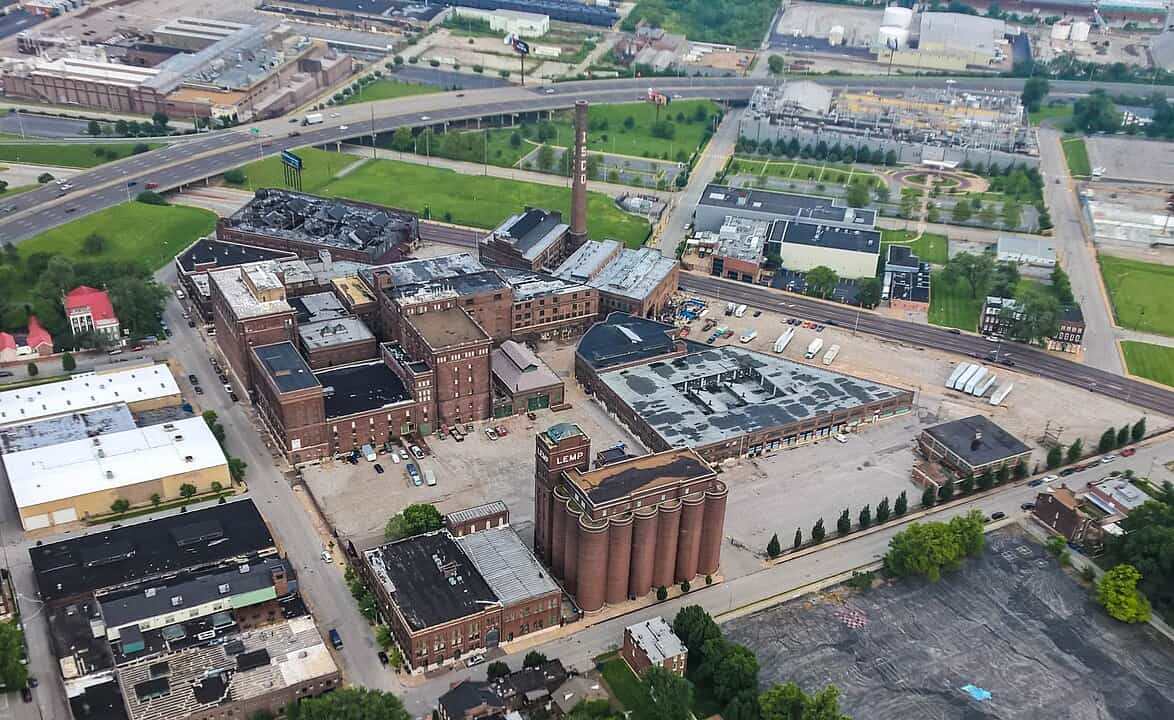
St. Louis served both as a major home and a crossroads for migrants moving farther north, with its Black population rising above 260,000 during the 20th century. Tourism today highlights layered stories through the Missouri History Museum’s powerful exhibitions, preserved neighborhoods, and heritage programs explaining cultural formation under segregation. Visitors explore places like the Scott Joplin House, community museums, and local festivals that keep music, literature, and activism alive. Through curated tours, educational events, and historic preservation efforts active since the 1980s, St. Louis ensures travelers grasp how migration reshaped its identity.
6. Memphis, Tennessee : Departure Point and Cultural Bridge

Memphis stands at an emotional crossroads because it was both home and launching point for thousands leaving the South between 1916 and 1970. Tourism connects visitors to powerful museums such as the National Civil Rights Museum, while Beale Street preserves music that carries memory northward. Heritage tours explore churches, social centers, and neighborhoods that once supported families preparing for journeys of hundreds of miles. With cultural events drawing more than 1 million visitors annually, Memphis teaches why migration mattered, while honoring those who fought injustice, preserved culture, and influenced the nation’s voice through music and activism.
7. Birmingham, Alabama : Remembering the Reasons People Left
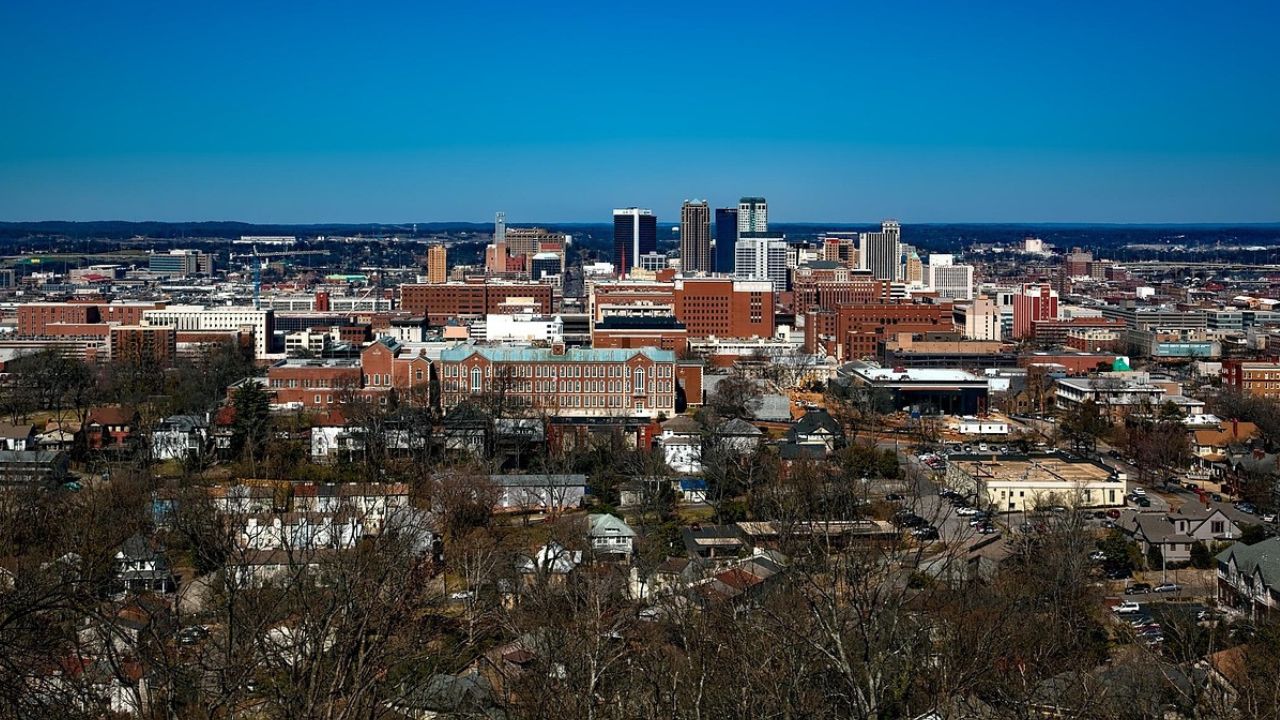
Birmingham’s story explains the painful realities behind migration, as thousands left due to segregation, violence, and limited opportunity, especially in the 1950s and 1960s. Today, the Birmingham Civil Rights District and the Birmingham Civil Rights Institute document daily life under Jim Crow with immersive exhibits and preserved landmarks visited by hundreds of thousands yearly. Walking tours guide travelers through streets where major demonstrations occurred, helping visitors understand emotional decisions families made when choosing to leave. Birmingham tourism honors courage, resilience, and the determination to build safer futures, ensuring departure stories are preserved with dignity and depth.
8. Jackson, Mississippi : Honoring Voices and Family Journeys
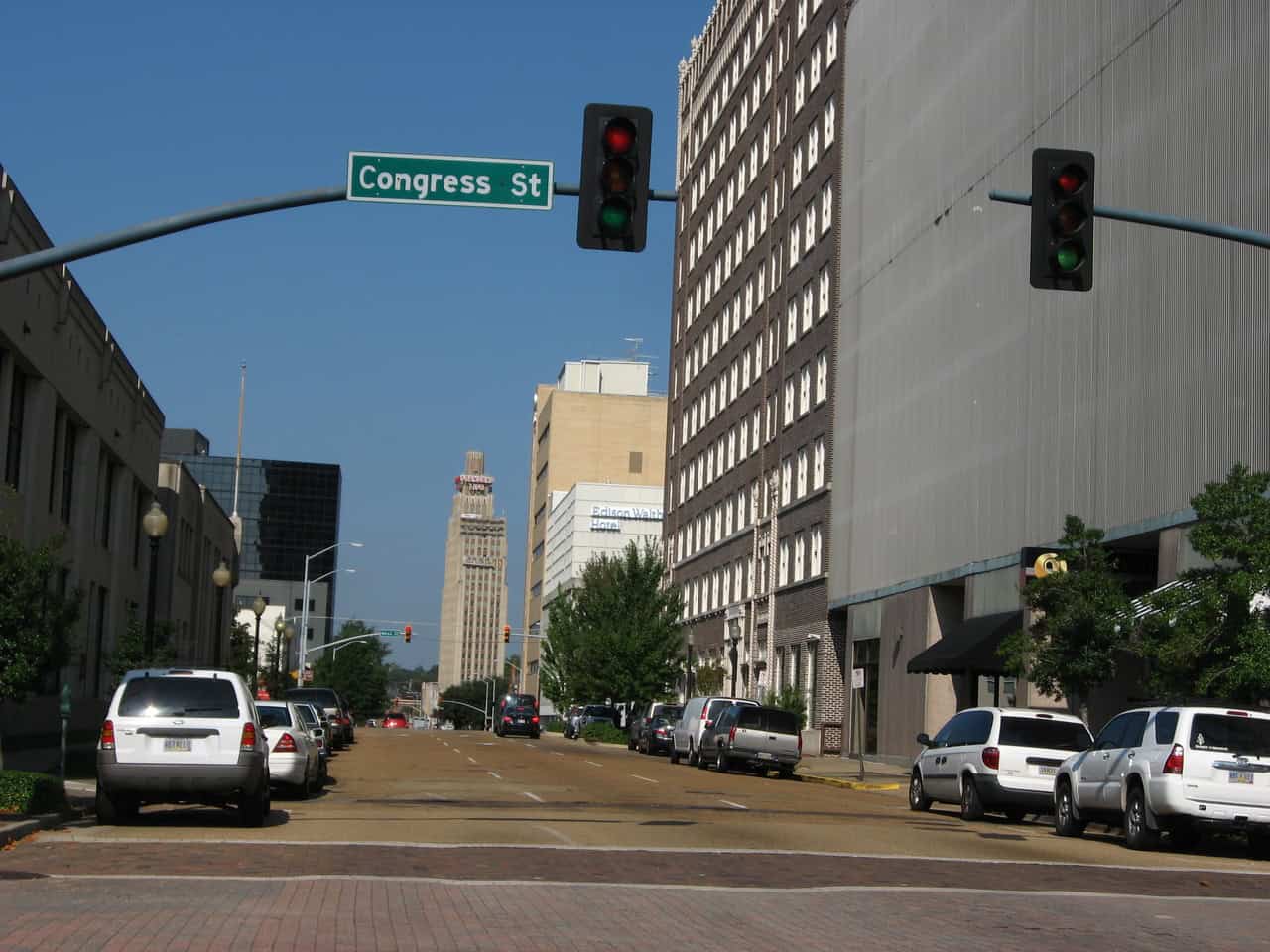
Jackson represents the emotional core of the migration because it shows exactly why more than 2 million Southerners left Mississippi across decades. The Mississippi Civil Rights Museum powerfully explains policies, economic hardship, and social realities that forced countless families to move. Heritage trails, preserved churches, and storytelling initiatives allow visitors to connect directly to personal accounts from the 1930s through the 1960s. Tourism programs welcome thousands each year, highlighting bravery, community strength, and the complex choice between staying to fight and leaving to survive, making Jackson’s role in the Great Migration deeply meaningful.
9. Los Angeles, California : Central Avenue and the Western Journey

More than 300,000 Black migrants eventually moved west, and Los Angeles preserves this chapter through Central Avenue’s historic jazz corridor, community museums, and cultural landmarks. Visitors experience preserved clubs from the 1930s, heritage neighborhoods shaped by migration waves, and exhibitions at the California African American Museum explaining westward movement. Tourism projects focus on how newcomers built strong communities despite barriers, producing influential music, activism, and business growth. With educational programs, guided tours, and cultural festivals drawing large annual crowds, Los Angeles ensures the western side of the migration feels alive, creative, and historically grounded.