We may earn money or products from the companies mentioned in this post. This means if you click on the link and purchase the item, I will receive a small commission at no extra cost to you ... you're just helping re-supply our family's travel fund.
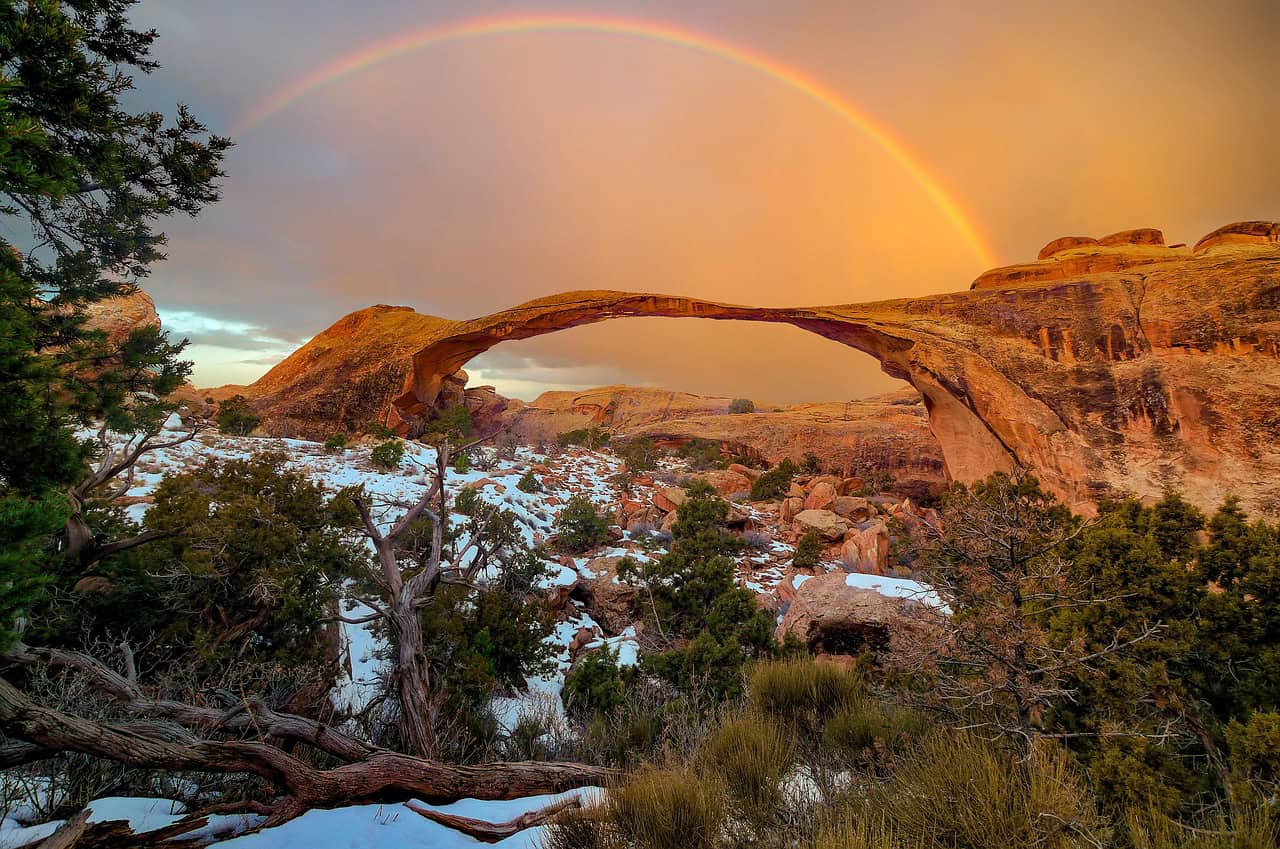
Astro-travel is at its best when darkness is protected on purpose, not just found by accident. In these places, lighting rules, distance from city glow, and high, dry air turn the night into a landscape, with the Milky Way bright enough to feel physical. DarkSky International’s certification program highlights parks, sanctuaries, and communities that commit to responsible lighting and public outreach, making stargazing more reliable year after year. The destinations below span deserts, canyons, and mountain towns, all chosen for skies that stay deep, calm, and worth the late bedtime.
Big Bend National Park, Texas
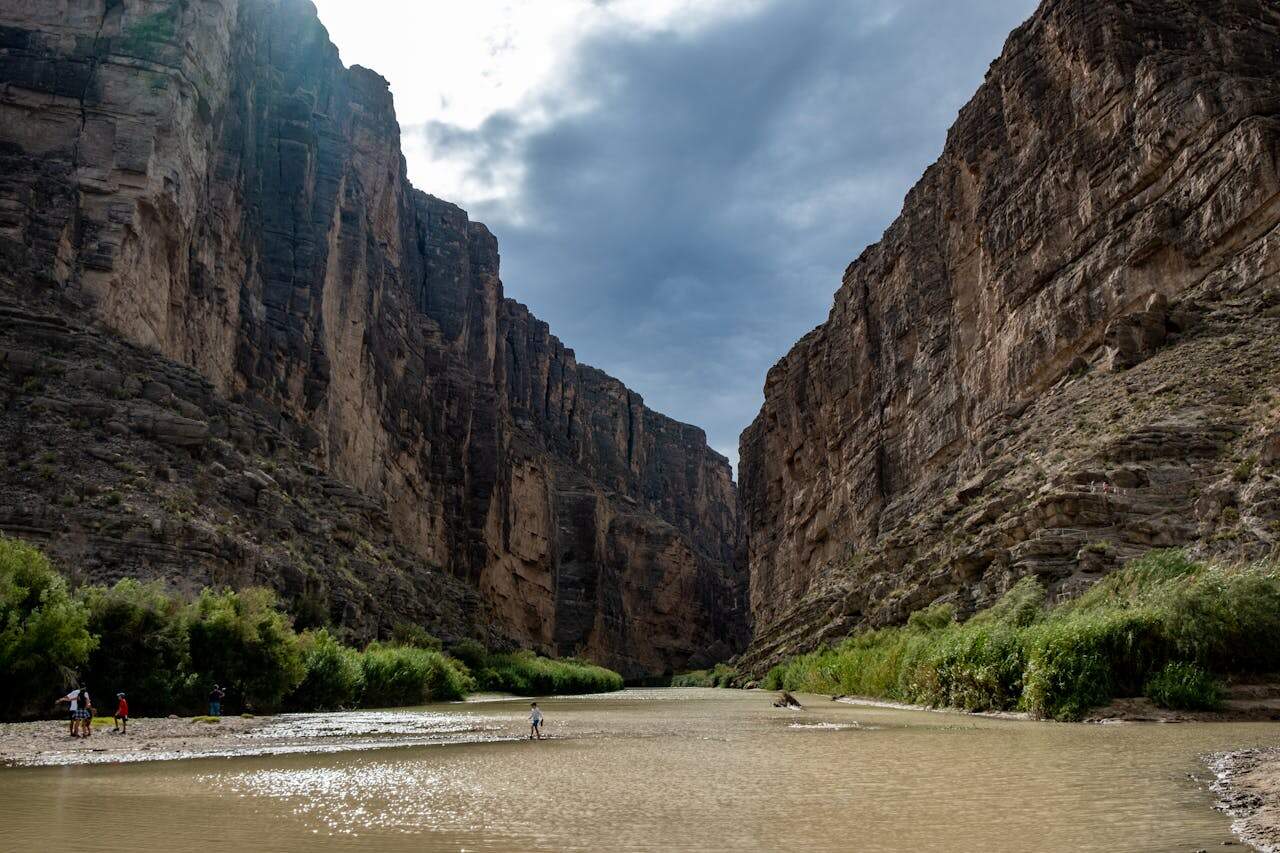
Big Bend’s night feels like a protected resource, not an accident, helped by the park’s remoteness and the broader dark-sky stewardship in the region. DarkSky International lists Big Bend as an International Dark Sky Park, and the Greater Big Bend area is promoted as a massive certified reserve, which helps keep the horizon clean and the Milky Way bright over the Chihuahuan Desert. The sweetest rhythm is a warm dusk at the Chisos Basin, followed by a later drive to an open pullout for a wide southern view, where eyes adjust and the sky turns from starry to crowded with detail, especially in cooler months when air is often clearer.
Death Valley National Park, California
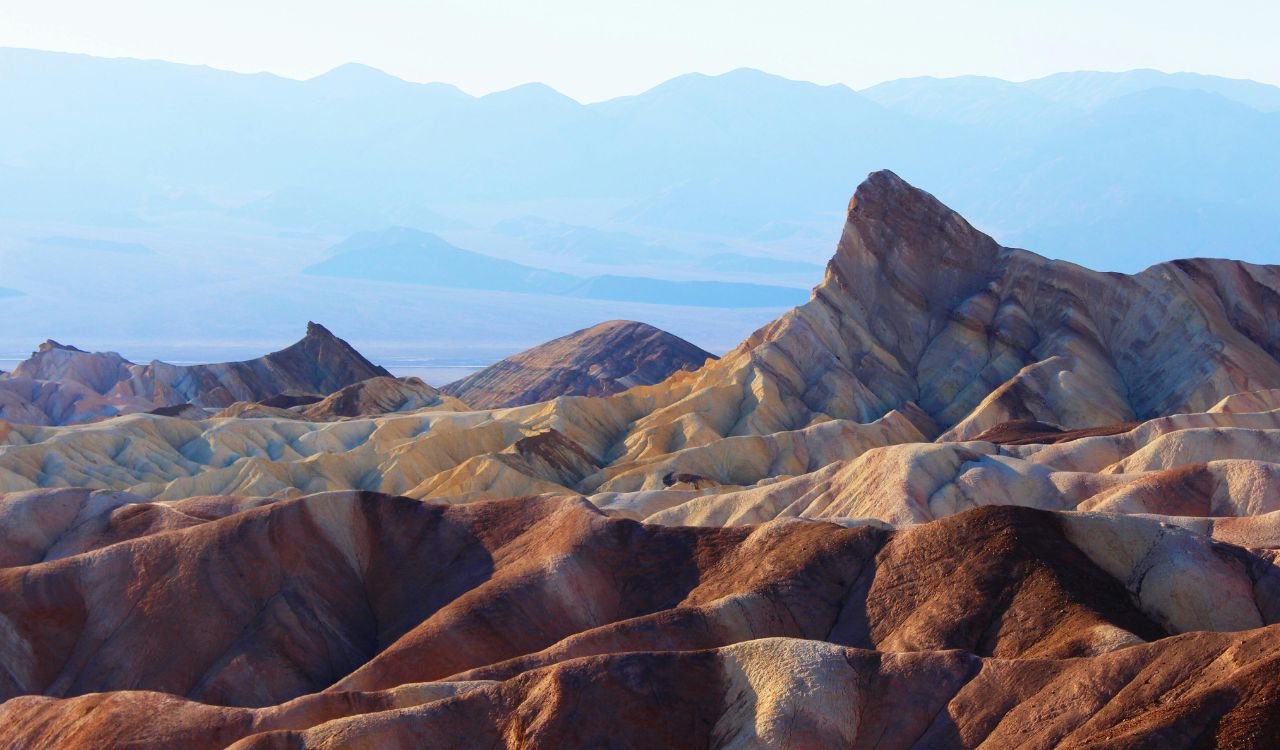
Death Valley turns darkness into scale: wide basins, long sight lines, and almost no competing glow beyond the ridges. The National Park Service notes DarkSky International has designated it a Gold Tier Dark Sky Park, its highest darkness rating, and the open terrain makes even a simple blanket-and-thermos night feel like a planetarium with no ceiling. Views from broad flats and big overlooks reward patience, and the park hosts a Dark Sky Festival, because as the air cools and headlamps fade, dust lanes and star clusters stand out with surprising clarity, especially in the cooler season when nights are comfortable.
Great Basin National Park, Nevada
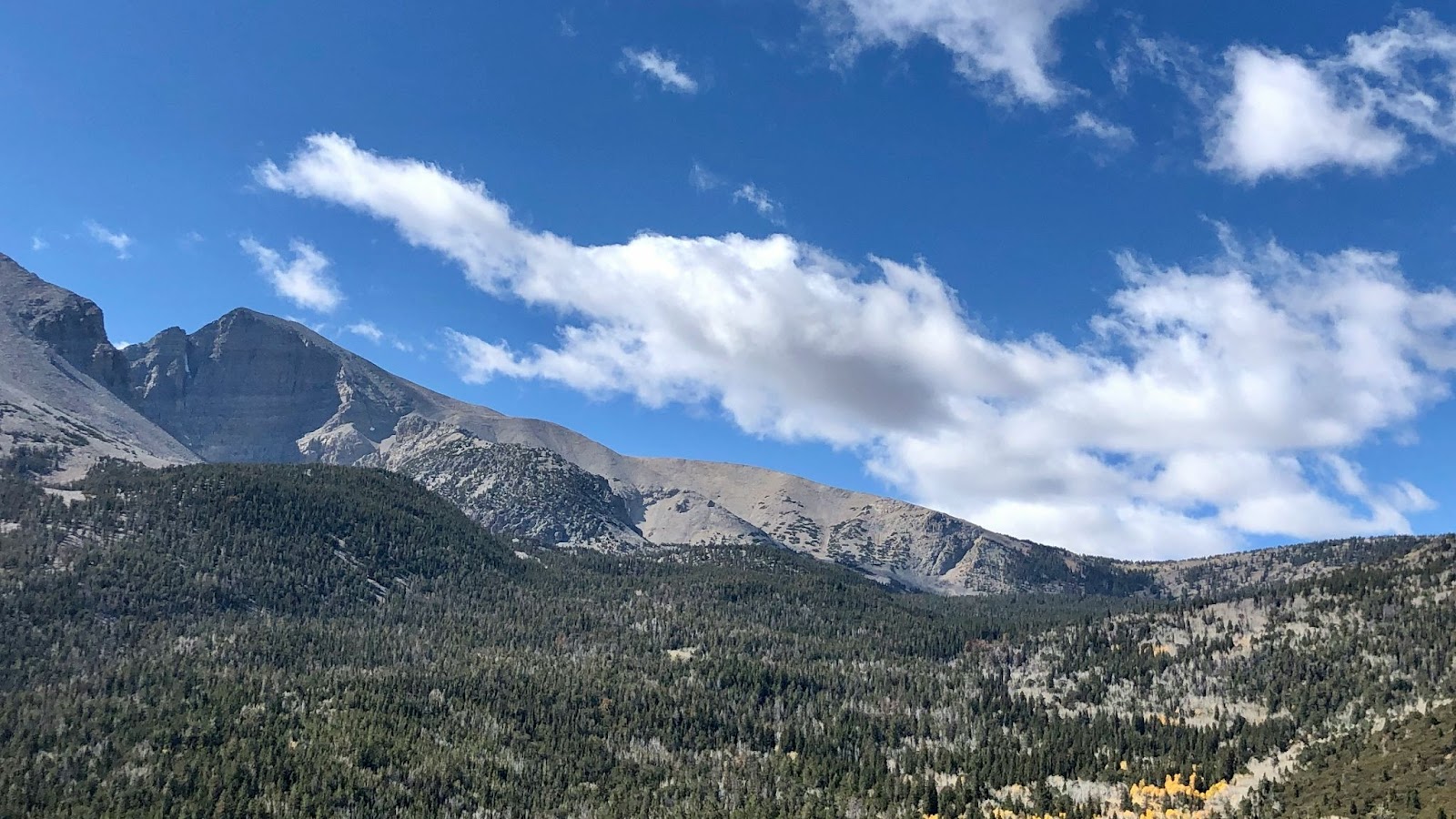
Great Basin is a quiet heavyweight for stargazing, with high desert air, serious elevation, and thinner crowds that let the night settle in without constant movement. NASA notes it earned International Dark Sky Park designation in 2016, and the park backs it up with regular astronomy programs and an annual astronomy festival that draws night-sky fans. Moonless nights near the Wheeler Peak area can be startlingly crisp, with bright planets low on the horizon and faint Milky Way structure that grows stronger as the temperature drops, while nearby pullouts keep vehicles and white lights from dominating the scene.
Bryce Canyon National Park, Utah

Bryce Canyon’s hoodoos already look sculpted for drama, then the night sky doubles the effect when the amphitheater falls quiet. The park notes it gained International Dark Sky status, and DarkSky International lists Bryce as Gold Tier, a signal that the darkness is exceptional rather than merely good. On clear, new-moon nights, the high elevation and clean air can reveal thousands of stars and a bright Milky Way over the spires, and the best mood arrives when headlights disappear, red flashlights take over, and the rim becomes a calm balcony for slow looking, with hoodoos forming a natural foreground for binocular sweeps.
Natural Bridges National Monument, Utah
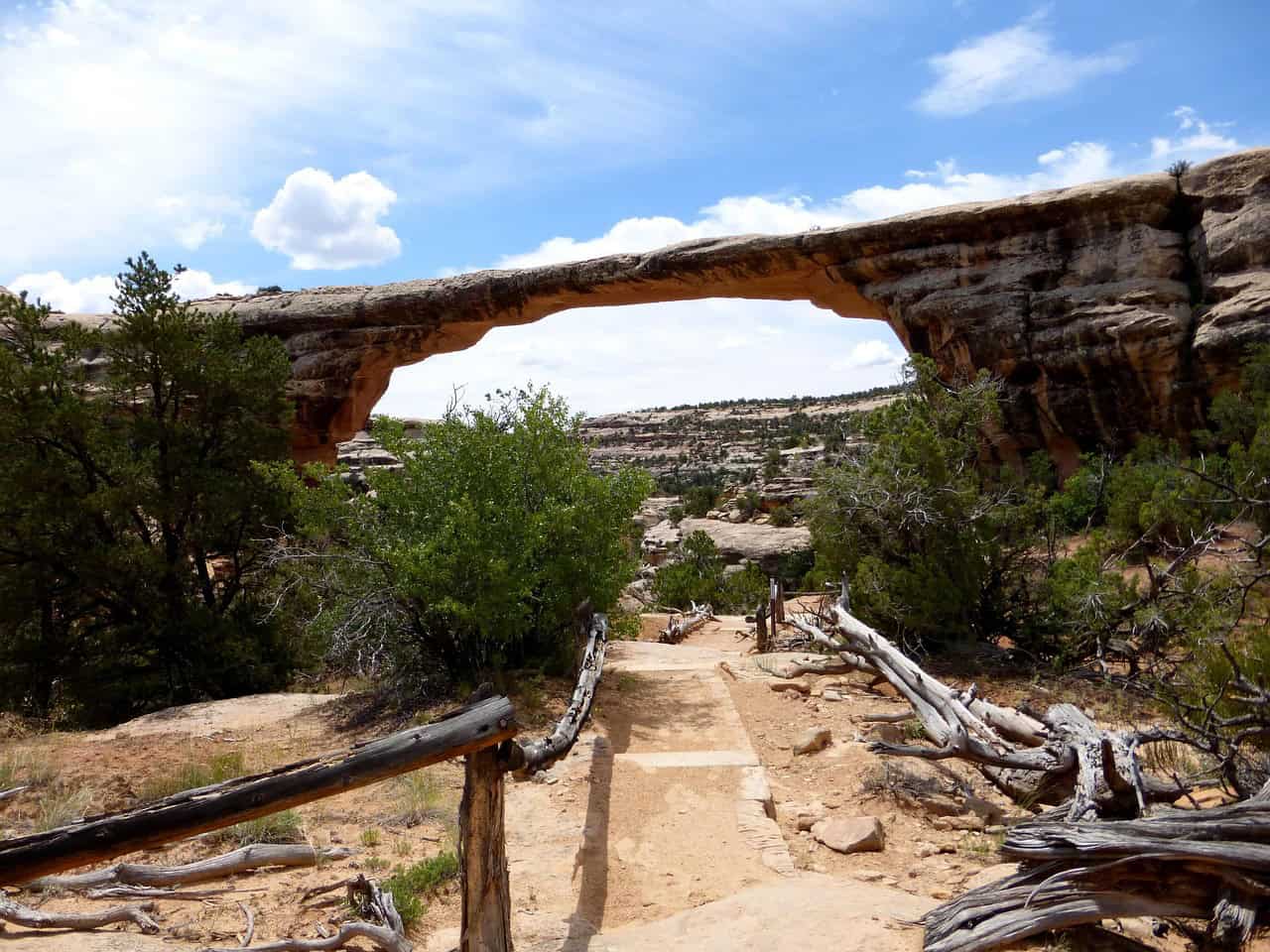
Natural Bridges feels small on a map, but the night sky makes it feel enormous, because darkness is managed here like any other natural feature. The National Park Service notes the monument became the first International Dark Sky Park on March 6, 2007, and that early commitment still shows in the strict approach to lighting and the deep, quiet character of the evening. When the Milky Way rises above Owachomo Bridge, it can look like a river of light, and the short scenic drive plus nearby campground make it easy to linger, cook a simple dinner, and let the sky deepen without chasing a new viewpoint.
Chaco Culture National Historical Park, New Mexico
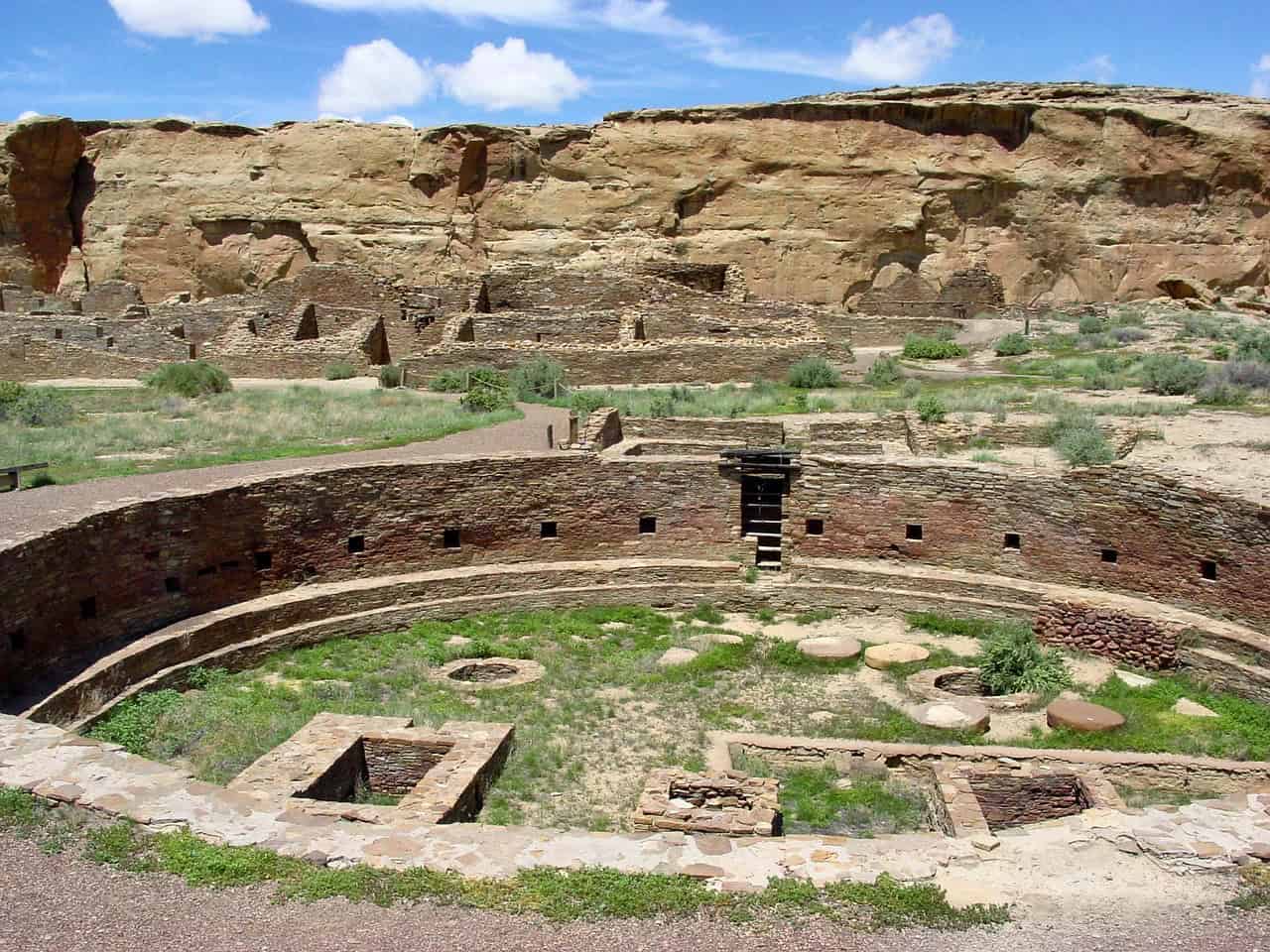
Chaco’s night sky lands with extra weight because it sits over a place built around time, direction, and long human attention to the heavens. The National Park Service says Chaco is certified as an International Dark Sky Park at Gold-tier level, reflecting exceptional natural darkness and deliberate lighting rules that protect it. After sundown, the desert quiet expands, stars feel unusually sharp, and the park’s night-sky outreach reinforces the sense that darkness is part of the heritage, especially when an early arrival, full fuel tank, warm layers, and a slow walk back keep the evening unhurried.
Cherry Springs State Park, Pennsylvania
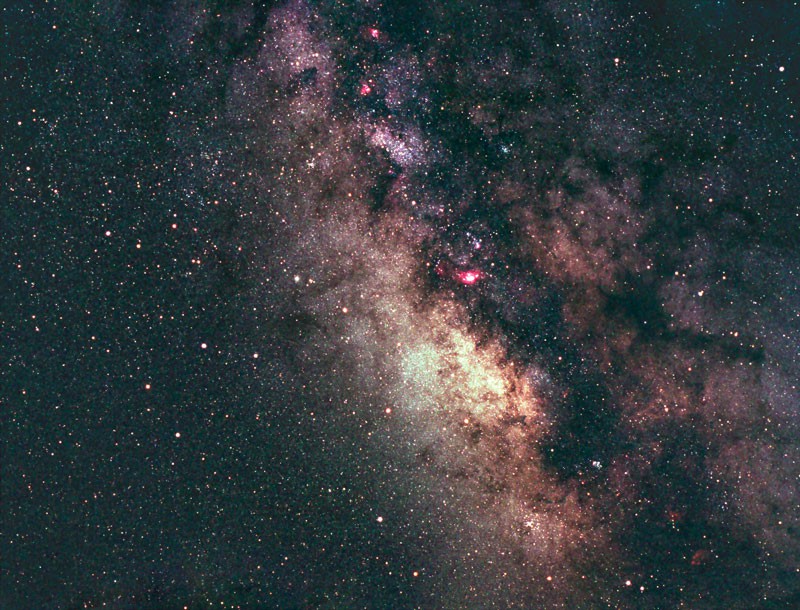
Cherry Springs is the rare Eastern destination where darkness still looks like true darkness, not a compromise shaped by nearby cities. DarkSky International highlights its 360-degree Astronomy Field and calls it one of the best stargazing places in the eastern U.S., and Pennsylvania’s DCNR notes it achieved Gold Level certification in 2008. The culture here is quietly disciplined, with red lights, hushed voices, and long sessions, plus star parties that draw dedicated observers, and because the park is open year-round, winter nights can be brutally cold yet astonishingly clear once eyes settle in.
Flagstaff, Arizona
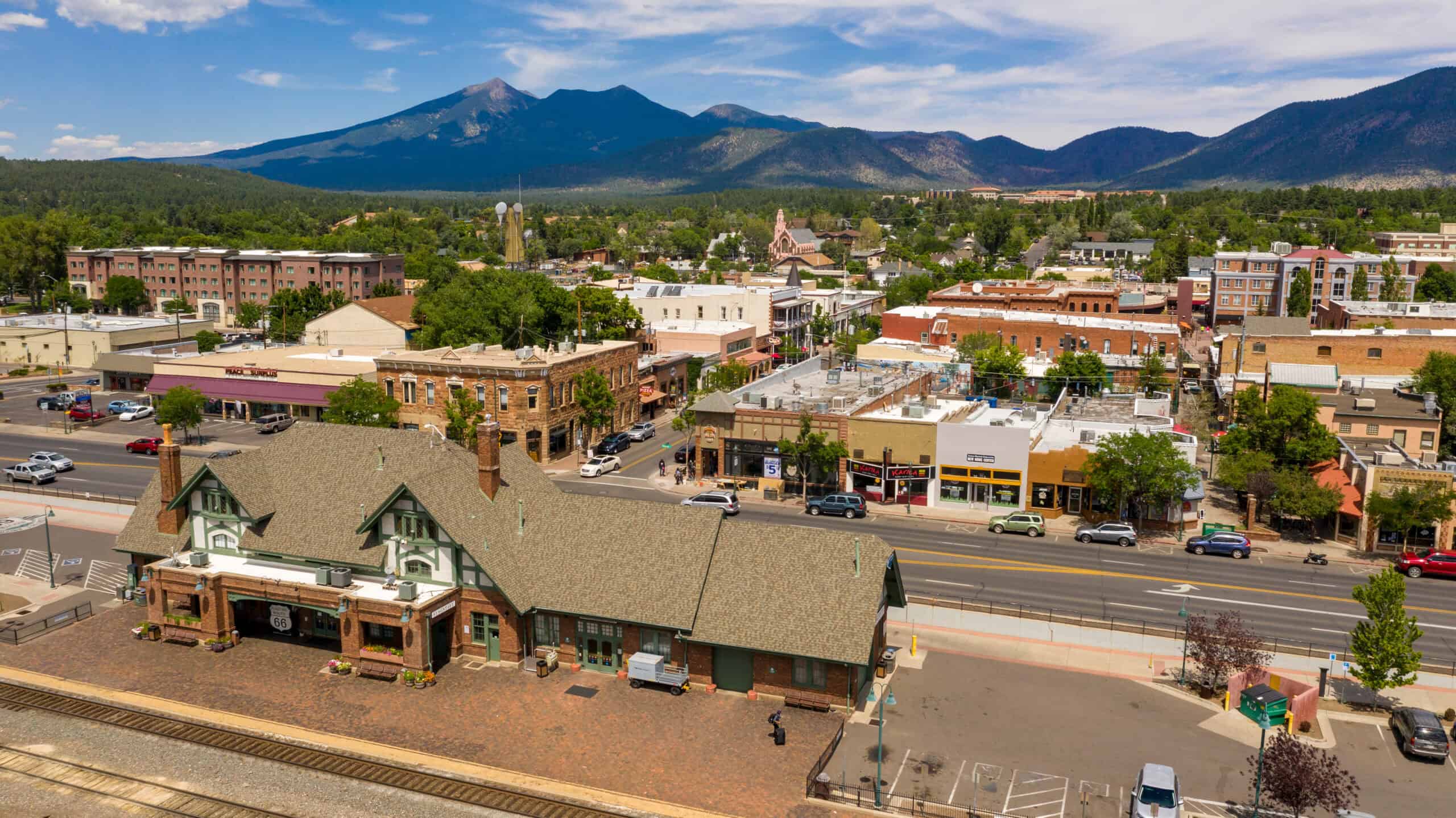
Flagstaff proves a real town can protect a real night sky when policy matches pride and enforcement stays consistent over decades. The city says Flagstaff was recognized as the world’s first International Dark Sky City on Oct. 24, 2001, and DarkSky International also cites Flagstaff as the first such city in 2001, tying the reputation to long-running lighting leadership. That legacy shows up in the lack of glare and the ease of pairing dinner with stargazing, then driving a short distance for even darker horizons, while Lowell Observatory culture keeps the sky woven into everyday life and local identity.
Grand Canyon-Parashant National Monument, Arizona
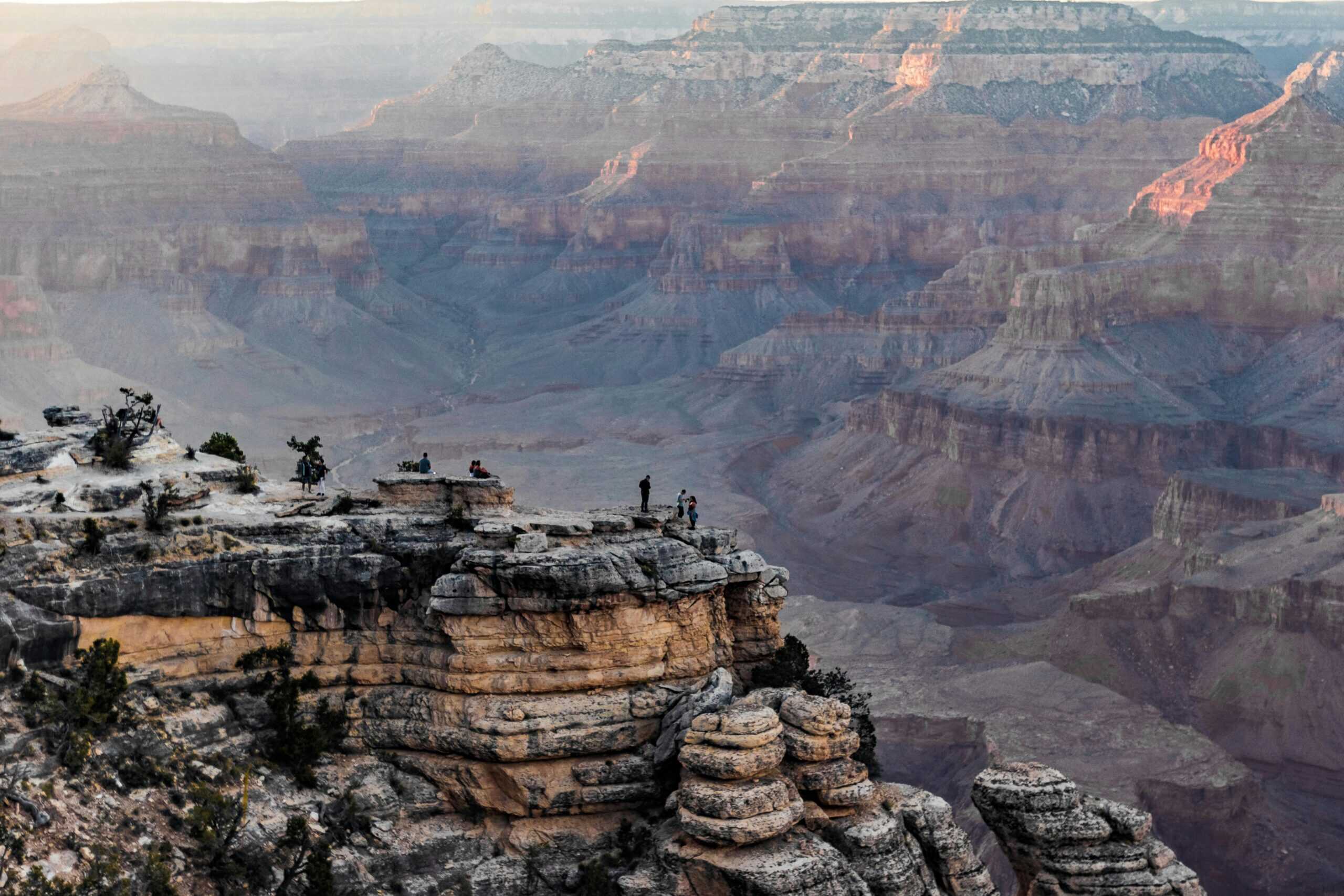
Parashant is for travelers who want darkness with solitude and are willing to accept that planning, road conditions, and self-reliance are part of the price of admission. DarkSky International recognizes Grand Canyon-Parashant as a Dark Sky Park and notes it as a first for lands within the BLM portfolio, and joint management by the National Park Service and the BLM helps keep development light. With no paved roads and minimal infrastructure, night arrives clean and deep, and the horizon feels endless, the kind of sky that makes modern light pollution feel like a distant rumor, provided vehicles, maps, and timing are treated as essential gear.