We may earn money or products from the companies mentioned in this post. This means if you click on the link and purchase the item, I will receive a small commission at no extra cost to you ... you're just helping re-supply our family's travel fund.

Hidden hotel fees have gone from mild annoyance to full-on budget sabotage. Across the United States, nightly resort or destination charges have climbed faster than base room rates, with some properties quietly doubling what they tack on for pools, Wi-Fi, or a welcome drink. Travelers now compare not just neighborhoods and brands, but fee lines that can swing a stay by hundreds of dollars. These are cities where that small-print charge has grown loud enough to shape when, where, and how long people visit.
Las Vegas, Nevada ,Strip Fees Creep Into The Spotlight
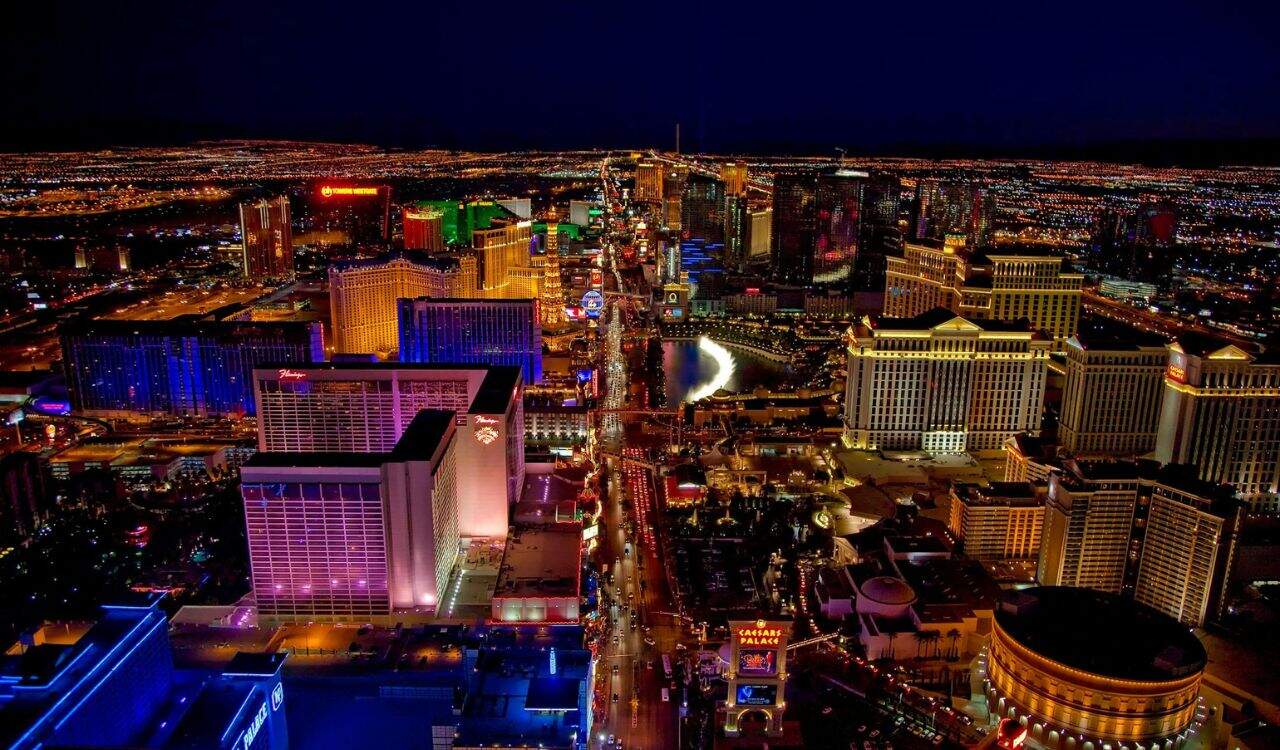
Las Vegas has long been ground zero for resort fees, but the last year pushed them into a different league. MGM and other Strip giants raised daily charges at flagship properties to around $50–$55, even when base room rates on slow nights slide under $40. Budget travelers who think they scored a cheap midweek stay discover that mandatory fees, taxes, and parking can double the real cost. The glitzy skyline still sells the fantasy, while the fee line on the folio quietly decides how often people come back. Local forums now trade tips on fee-free stays and loyalty workarounds with the same intensity once reserved for buffet hacks.
Honolulu, Hawaii, Waikiki’s Price Of Paradise
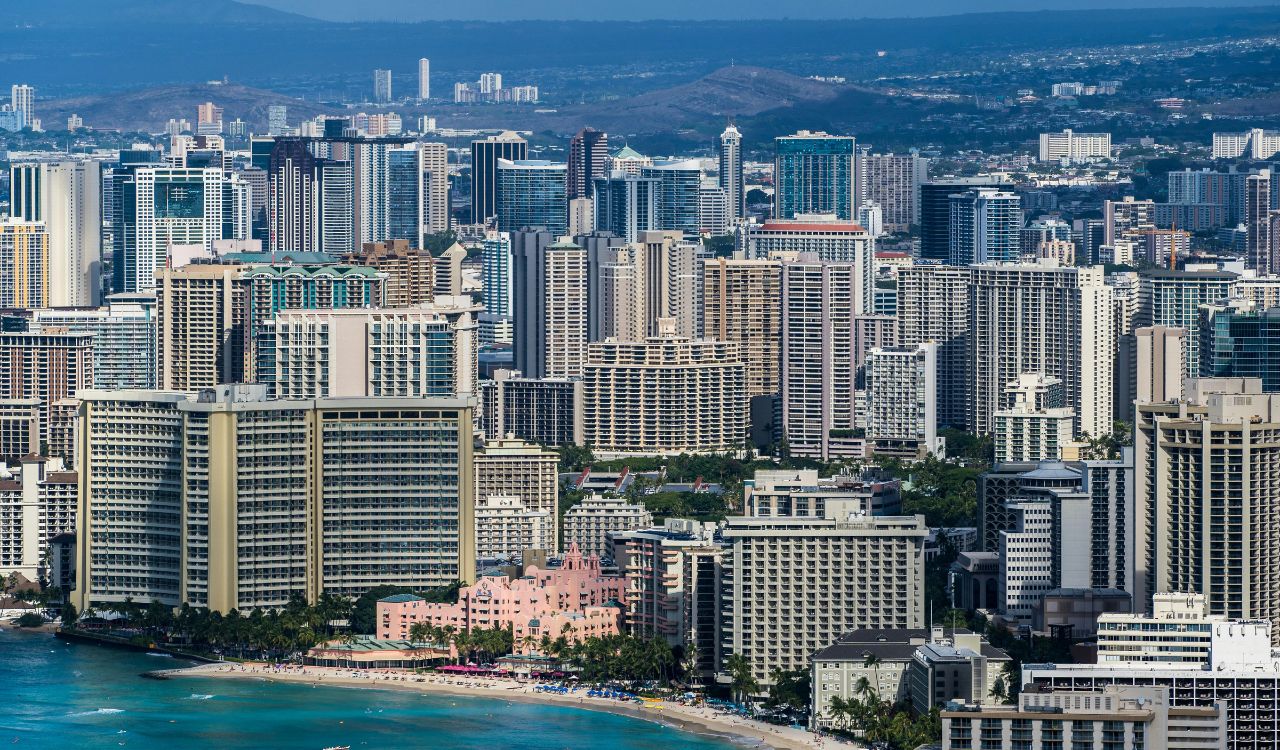
Honolulu’s oceanfront skyline hides some of the steepest resort fees in the country, especially around Waikiki. Daily add-ons of $45–$60 per night now cover beach towels, Wi-Fi, refill stations, and fitness classes many guests never use. On midrange bookings, the fee can rival the cost of a rental car and stacks on top of already high room rates and taxes. Even with new transparency rules that push hotels to show total prices up front, many visitors discover that the dream view now comes with a heavy surcharge. Some travelers respond by splitting stays between big-name towers and smaller, fee-free properties, trading constant ocean views for simpler math.
Miami Beach, FloridA, Sun, Sand, And Line Items
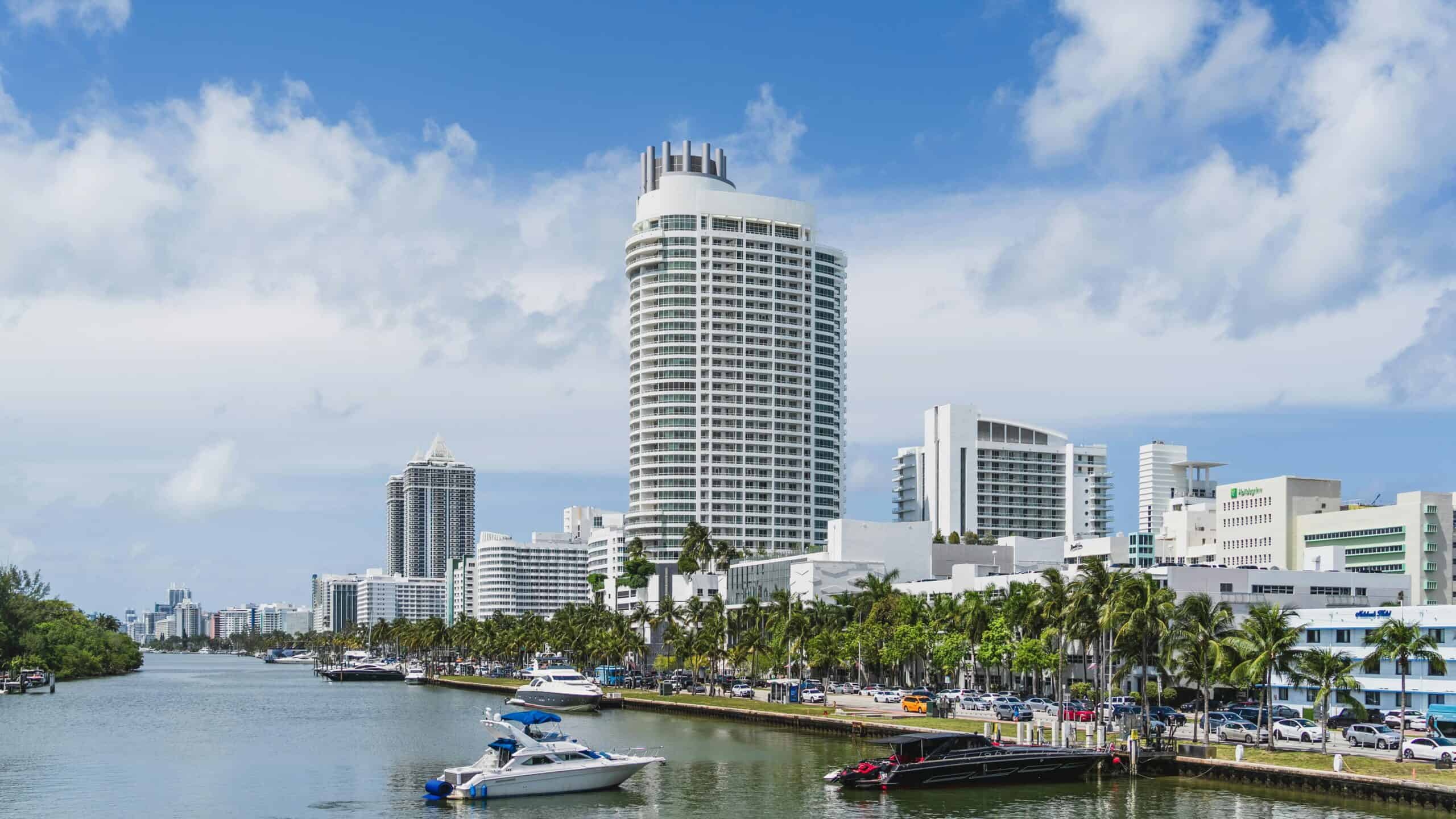
In Miami Beach, resort fees have quietly become as common as palm trees, with many oceanfront hotels charging $35–$50 per night on top of already premium rates. The fee often wraps beach chairs, Wi-Fi, and a daily drink ticket into one mandatory bundle, whether guests arrive for work, nightlife, or a quick cruise stopover. Over the last year, several properties have nudged these charges sharply upward, so a three-night stay can add more than $150 before tax. The party image stays loud, but the true nightly cost now feels closer to a cover charge with no easy way around it. Even loyal repeat visitors now swap spreadsheets of fees before choosing a block.
New York City, New York, Destination Fees In The Lobby
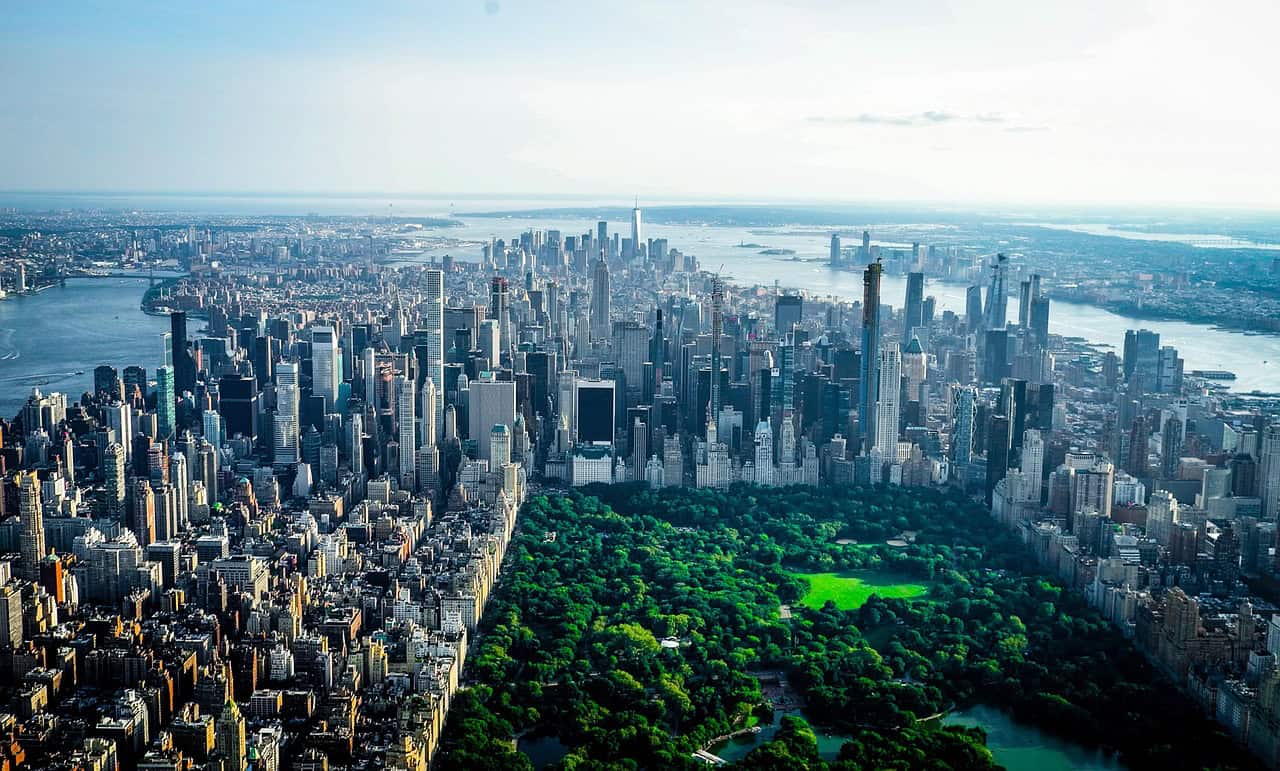
New York City hotels have embraced destination fees, charging nightly add-ons for bottled water, rooftop access, or basic Wi-Fi that once felt included. In midtown and Times Square especially, those charges can run $30–$50 per night and have crept up again as travel demand rebounded. Some properties now market the fee as a bundle of credits for bar tabs or bike rentals, but the opt-out button rarely exists. Visitors expect high base rates; the surprise is how often that small-print fee reshapes what a quick city break actually costs. Even locals booking staycations now sift reviews to see which hotels keep the surcharge smallest.
Orlando, Florida, Theme Parks And Stacked Fees
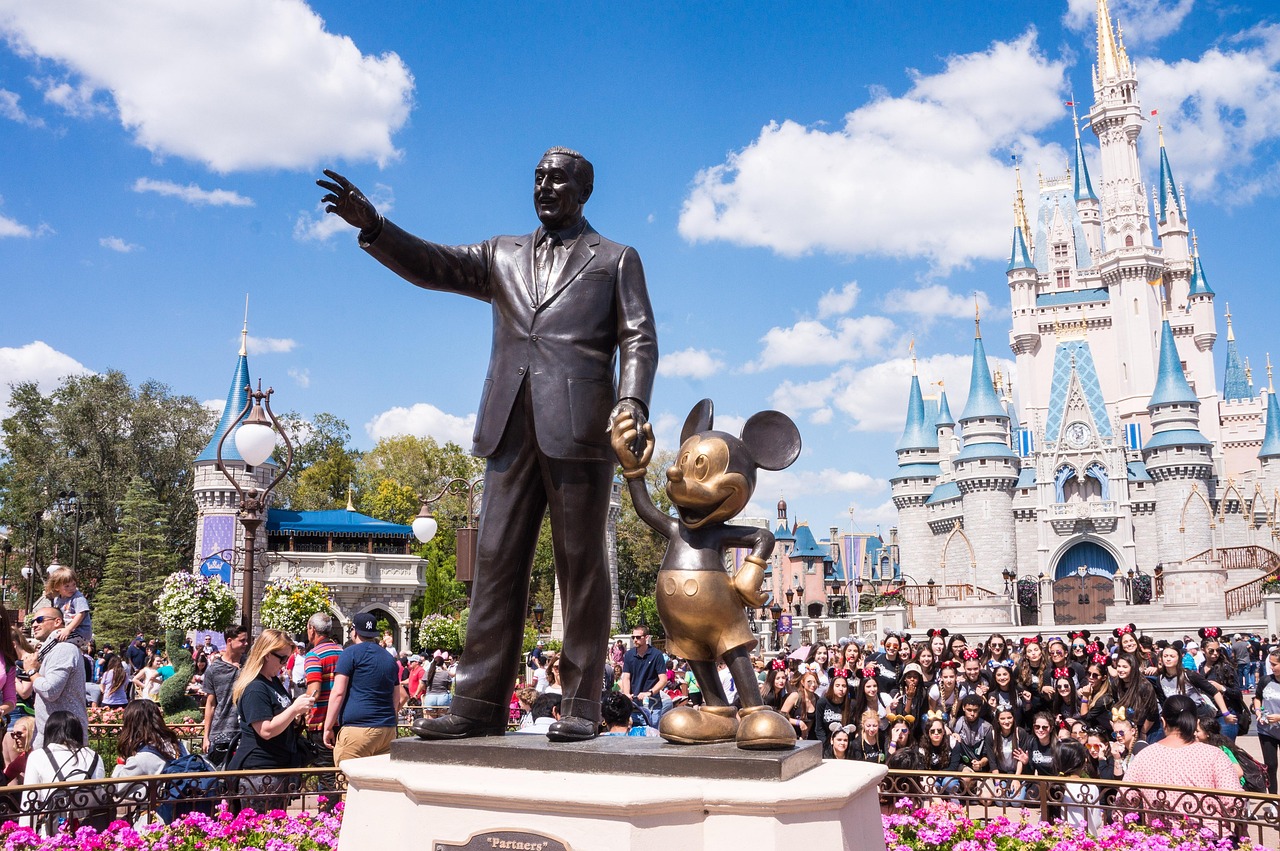
Orlando built its reputation on family vacations and convention crowds, and resort fees now ride along with nearly every pool and shuttle. Many off-site hotels and big-box resorts charge nightly fees in the $20–$40 range for transport buses, Wi-Fi, parking, and long lists of amenities that often overlap with regular room expectations. As demand roared back, those charges rose faster than some base rates, turning what once felt like a small add-on into a meaningful budget line. Families increasingly book rentals or no-fee brands, not for novelty, but simply to keep a park-heavy week financially possible.
San Diego, California, Coastal Calm, Costly Add-Ons
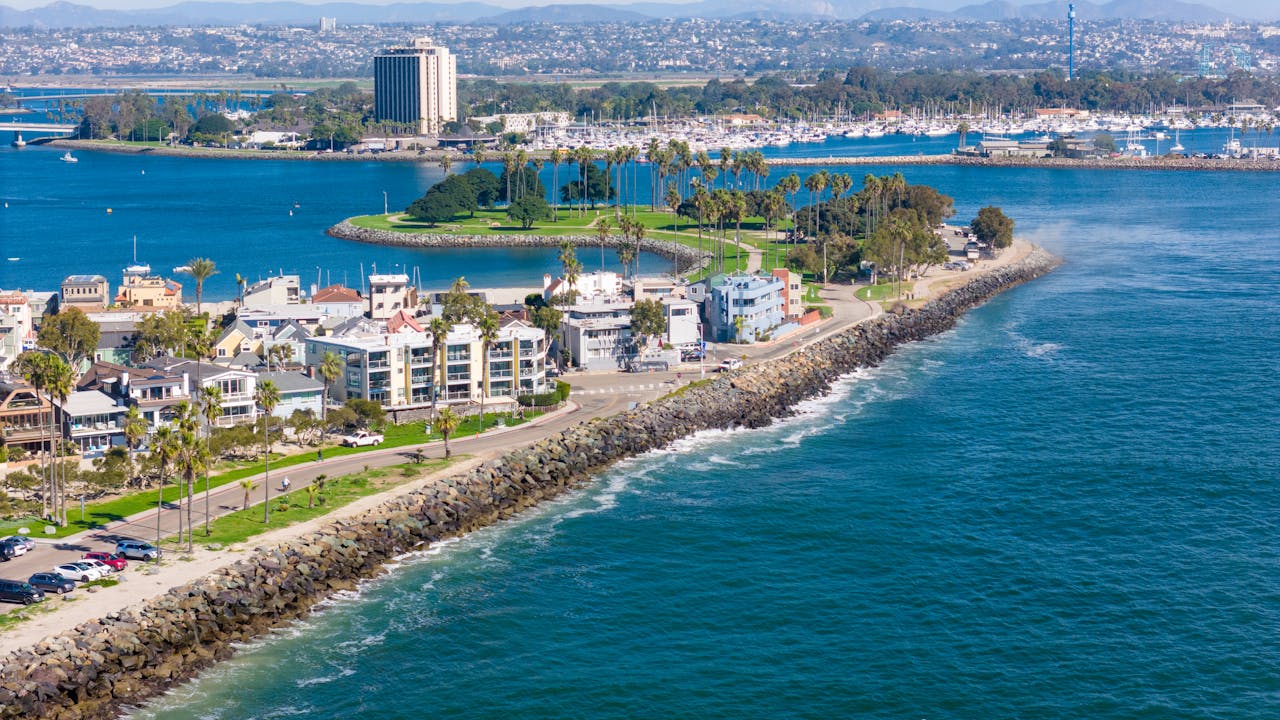
San Diego sells a relaxed version of Southern California, but its resort and amenity fees feel anything but laid back. Waterfront properties in areas like Mission Bay and the Harbor District routinely tack on nightly charges that can reach into the $40 range, covering bike rentals, kayaks, or local discount cards. As the past few seasons filled hotels again, several properties nudged these fees higher even when room rates held steady, shifting more of the bill into the fine print. Guests who return annually often notice the change first, spotting how fast the extras section has swollen compared with pre-pandemic trips.
Scottsdale, Arizona, Spa Town With A Pricey Surcharge
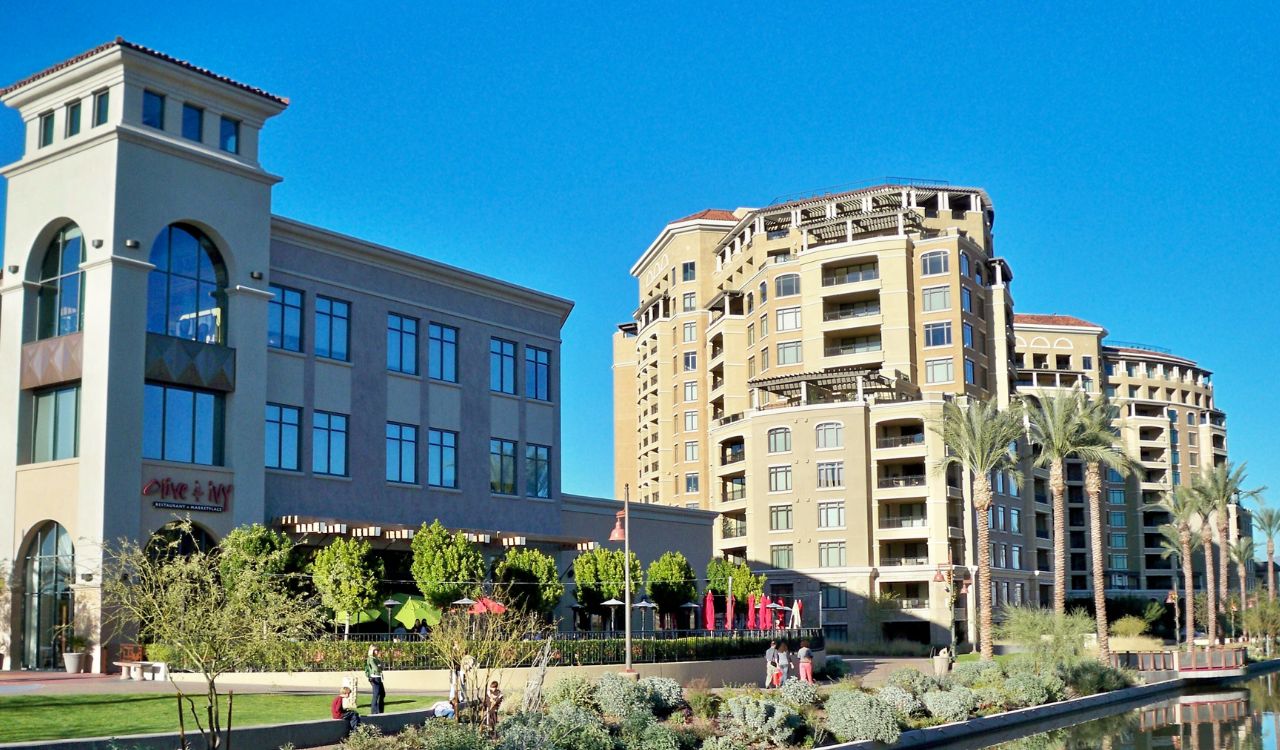
Scottsdale’s desert resorts lean hard on wellness and golf branding, and resort fees now sit at the center of that pitch. Many upscale properties charge $35–$50 per night for spa access, fitness classes, local shuttle rides, and poolside extras, even when guests are in town mainly for meetings. As heat waves and shoulder seasons reshape demand patterns, some hotels have lifted fees rather than base rates, keeping search results competitive while the total climbs. The quiet courtyard and starry desert sky still feel restorative, but the unavoidable surcharge trails along like a second room key that never leaves the bill.
Austin, Texas,Music, Conferences, And Mandatory Bundles
Austin’s rise as a tech and festival hub has pulled hotel prices sharply upward, and resort-style fees followed close behind. Downtown and Domain-area properties increasingly add nightly destination or amenity charges to cover live music, bike rentals, or rooftop pool access that many guests barely notice amid conference schedules. As big events crowd the calendar, several hotels have tested higher fee tiers rather than openly spiking base rates, relying on fine print to carry more revenue. The result is a city that still feels creative at street level while hotel invoices read more like high-season coastal destinations.
San Francisco, California, Urban Fees On A Hill

San Francisco hotels face high labor, tax, and real estate costs, and many now lean on destination fees to bridge the gap. Downtown and waterfront properties increasingly charge $30–$45 per night for Wi-Fi, business center access, local gym partnerships, or bike use, packaging them as value bundles. As convention traffic stabilizes, some hotels have raised these fees even when room rates remain volatile, shifting more of the total into non-negotiable line items. Travelers arrive prepared for big-city prices; the surprise comes when the mandatory extras rival the cost of an entire dinner in North Beach.