We may earn money or products from the companies mentioned in this post. This means if you click on the link and purchase the item, I will receive a small commission at no extra cost to you ... you're just helping re-supply our family's travel fund.
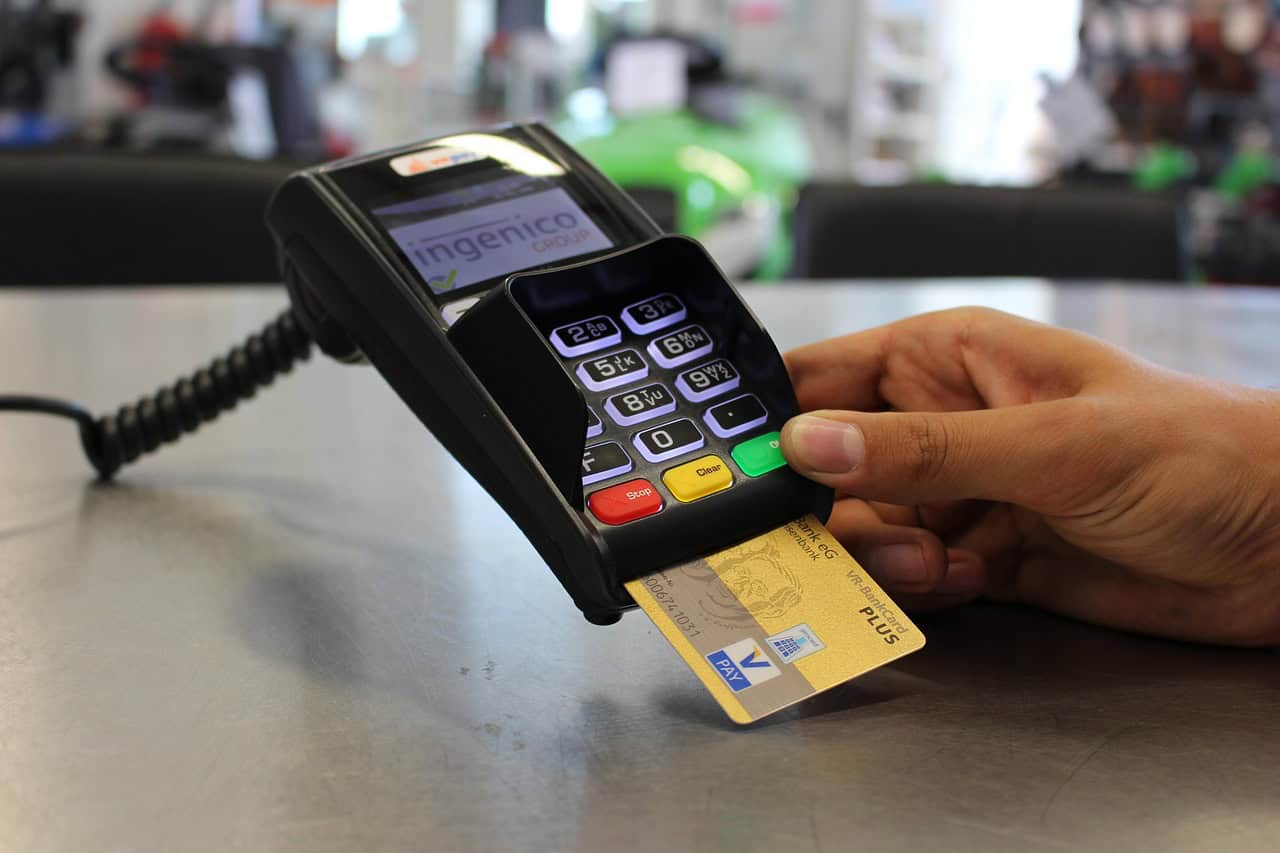
Travel often gives a false sense of financial security. With contactless payments, digital wallets, and global banking apps, many travelers assume their credit card will work anywhere. In reality, payment habits are shaped by culture, infrastructure, fees, and local trust systems. In some destinations, cards are tolerated but unreliable; in others, they’re quietly rejected. These situations rarely come with warnings, and the inconvenience can escalate fast. Knowing where plastic fails is just as important as knowing where it works especially when access to ATMs is limited or costly.
1. Rural Japan

Outside Tokyo and Osaka, Japan becomes surprisingly cash-dependent. In rural prefectures, over 65% of small businesses still operate cash-only, including inns, ramen shops, buses, and local stores. Many owners avoid card fees that average 3–5% per transaction, which significantly cuts into margins. ATMs are limited, and only about 30% accept foreign cards after midnight. Even in 2024, cash usage in rural Japan exceeds 70% of daily transactions, catching visitors off guard in one of the world’s most technologically advanced countries.
2. Small-Town Germany
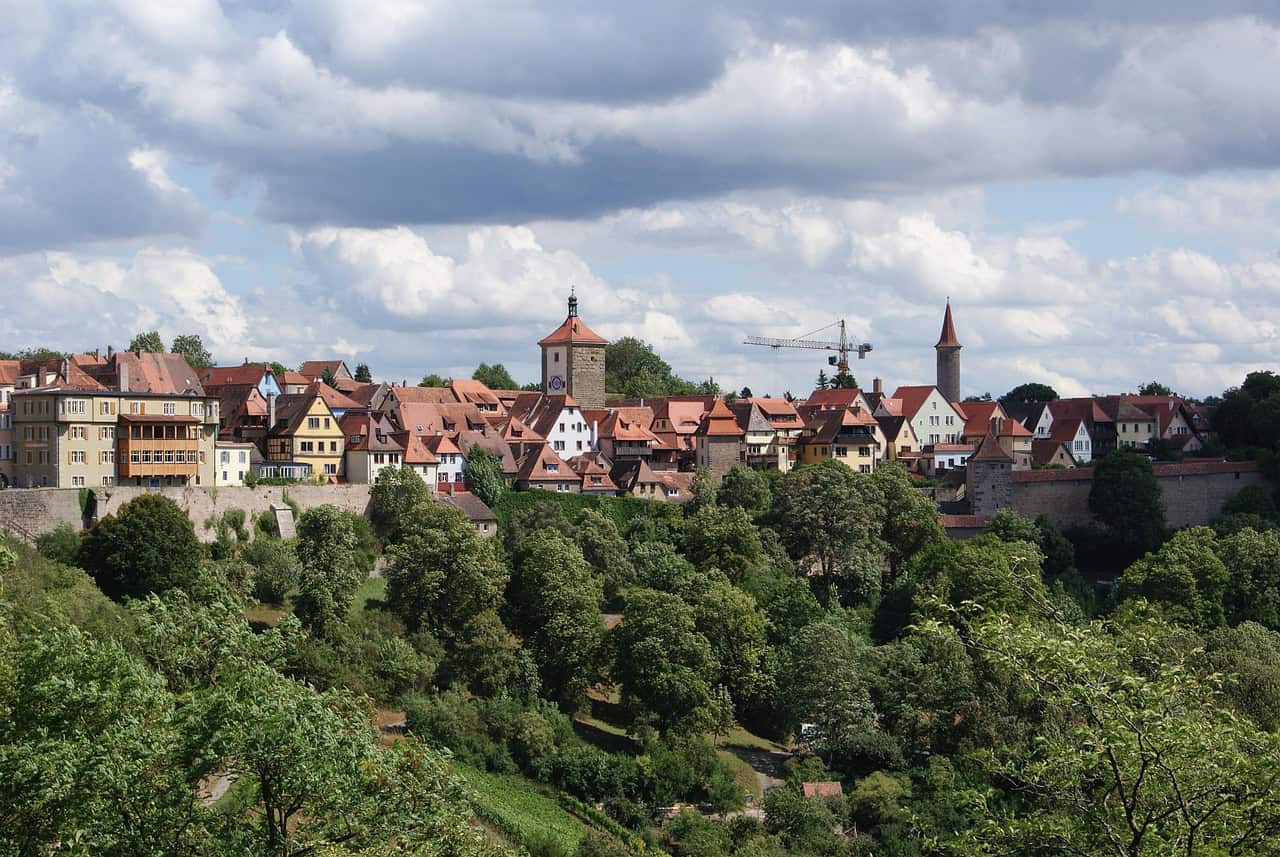
Germany’s cash culture runs deep, especially beyond major cities. Surveys show that over 58% of Germans prefer paying in cash for purchases under €50. In small towns, bakeries, cafés, and clinics often refuse credit cards entirely, accepting only cash or local EC cards. Transaction fees of 1.5–2.9% discourage small businesses from adopting card systems. Despite Europe’s digital push, cash still accounts for nearly 60% of in-person payments in rural Germany, leaving card-reliant travelers unprepared.
3. Southeast Asian Street Markets
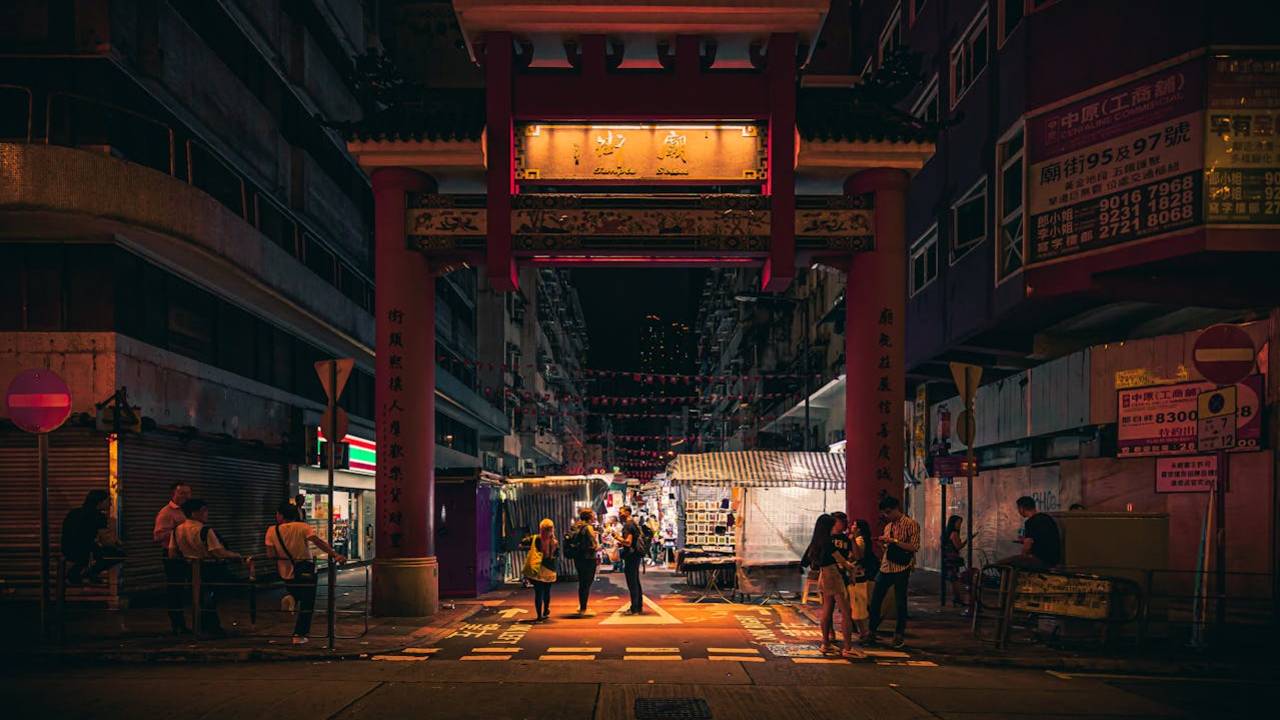
Street markets across Thailand, Vietnam, and Cambodia remain overwhelmingly cash-based. An estimated 85–90% of vendors do not accept credit cards due to unstable internet, power interruptions, and low profit margins. Average transaction values are often under $3–$5, making card fees impractical. While QR payments are rising locally, foreign cards are rarely supported. In Bangkok alone, over 30,000 street vendors operate daily, most relying solely on cash, meaning the best food and deals require physical currency.
4. Cuba
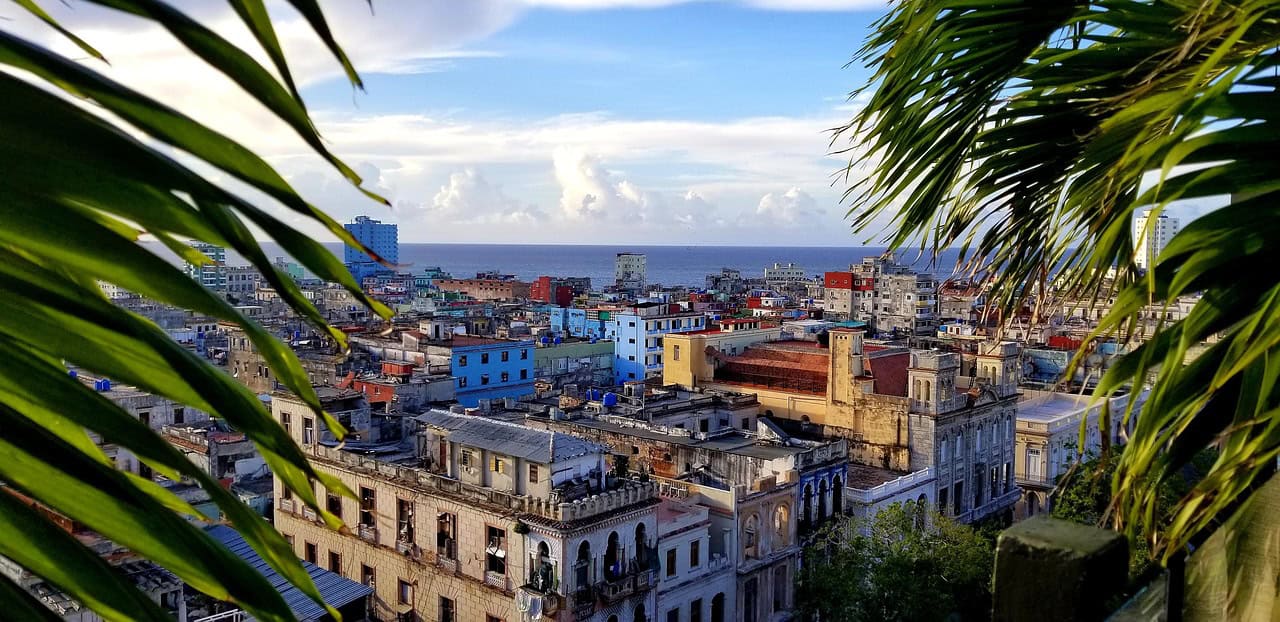
Cuba presents one of the most severe card limitations in the world. Due to financial restrictions, nearly 70% of foreign-issued cards fail to function reliably, especially those linked to U.S. banks. Card terminals frequently go offline, and many private businesses don’t have them at all. Cash dominates daily life, with over 90% of transactions conducted physically. ATMs are scarce and often empty. Travelers without sufficient cash often struggle to pay for taxis, meals, or lodging despite technically “having money.”
5. Small Italian Villages
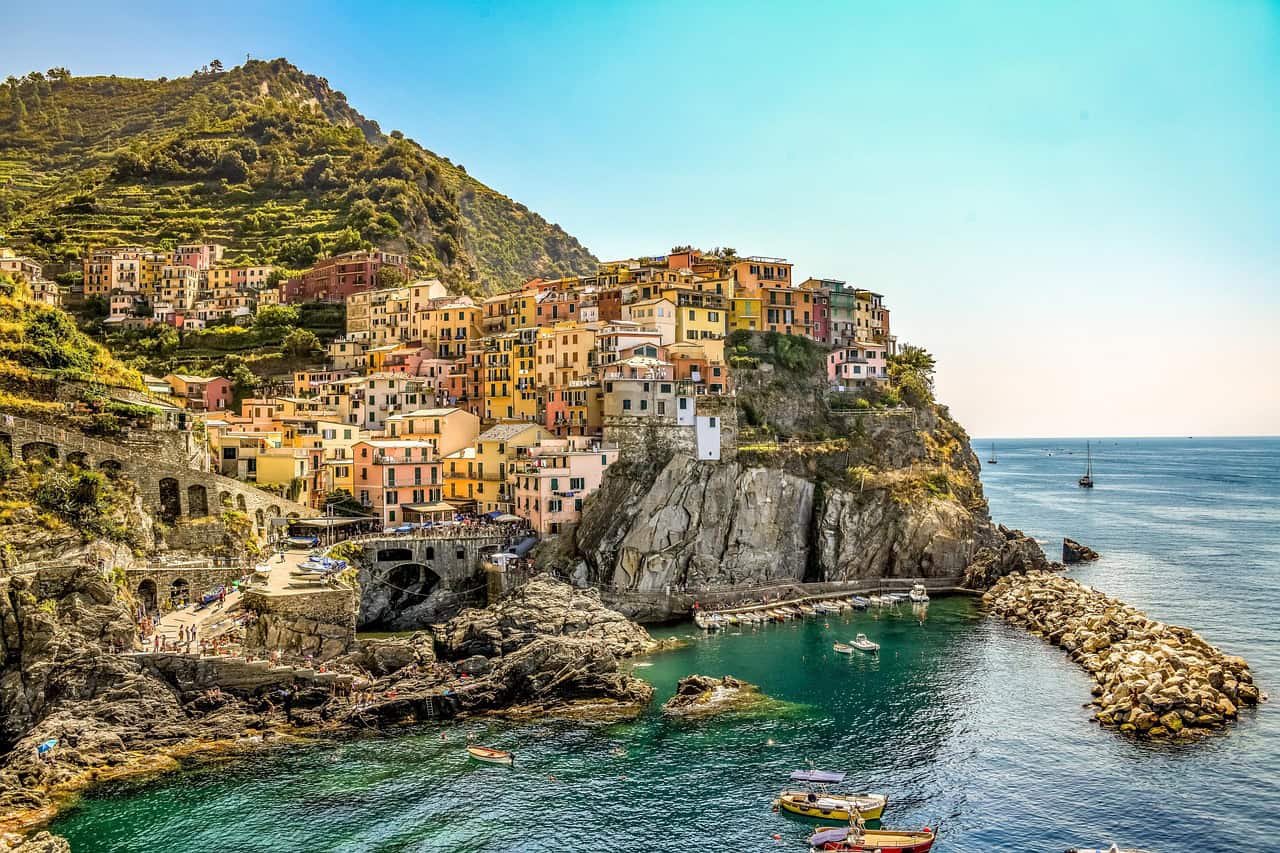
Away from Italy’s tourist hubs, card acceptance drops sharply. In villages under 10,000 residents, studies show that nearly 40% of businesses prefer cash only. Poor internet coverage, older payment systems, and transaction fees of up to 3% discourage card use. Many places claim machines are unavailable during peak hours. Despite national laws encouraging card payments, enforcement is weak. Cash still accounts for over half of rural transactions, making small denominations essential for daily expenses.
6. Remote African Safari Regions

In safari regions across Kenya, Tanzania, and Botswana, credit cards are unreliable outside luxury lodges. While high-end camps may accept cards, over 75% of local services including guides, drivers, tips, and craft sellers require cash. Connectivity issues cause card failures in 1 out of 3 attempts. ATMs are often hundreds of kilometers away. Even when cards work, delays and duplicate charges are common, making cash the most trusted and widely accepted form of payment.
7. South American Bus Terminals
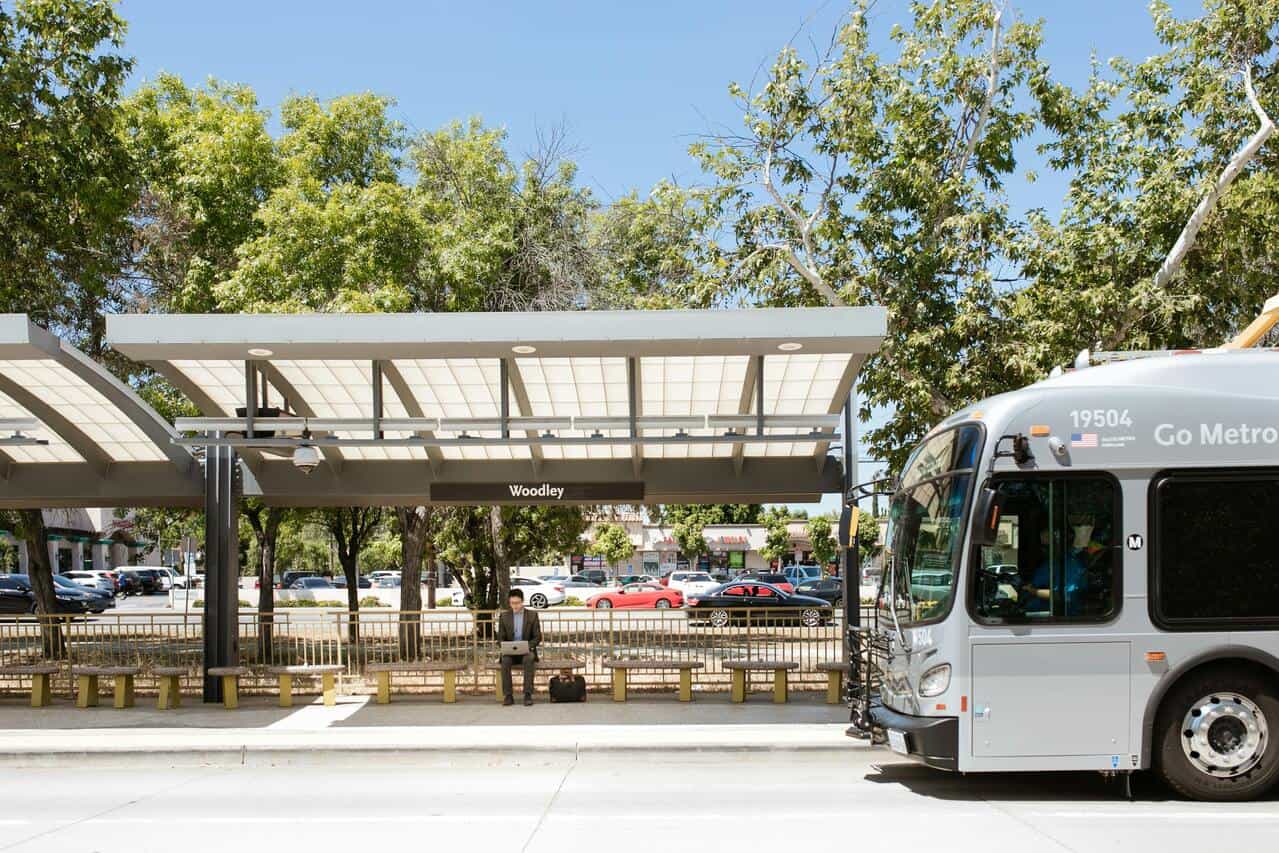
Long-distance bus terminals in South America frequently operate on cash. In countries like Peru and Bolivia, over 60% of regional terminals lack functional card machines. Online booking isn’t always available, and last-minute purchases are common. Ticket prices range from $5 to $40, yet card refusal is routine. Local debit cards are sometimes accepted, but foreign credit cards rarely are. Missing exact change can mean missing the bus, especially in rural or cross-border routes.
8. Greek Islands (Off-Season)

During winter and shoulder seasons, many Greek islands quietly return to cash-only operations. With tourism down by 50–70%, smaller tavernas and guesthouses shut down card machines to cut costs. Ferry operators on minor routes may also demand cash. Internet outages increase during storms, affecting terminals. While summer card usage exceeds 80%, off-season acceptance can drop below 40%, surprising visitors who expect the same convenience year-round.
9. Traditional Middle Eastern Souks
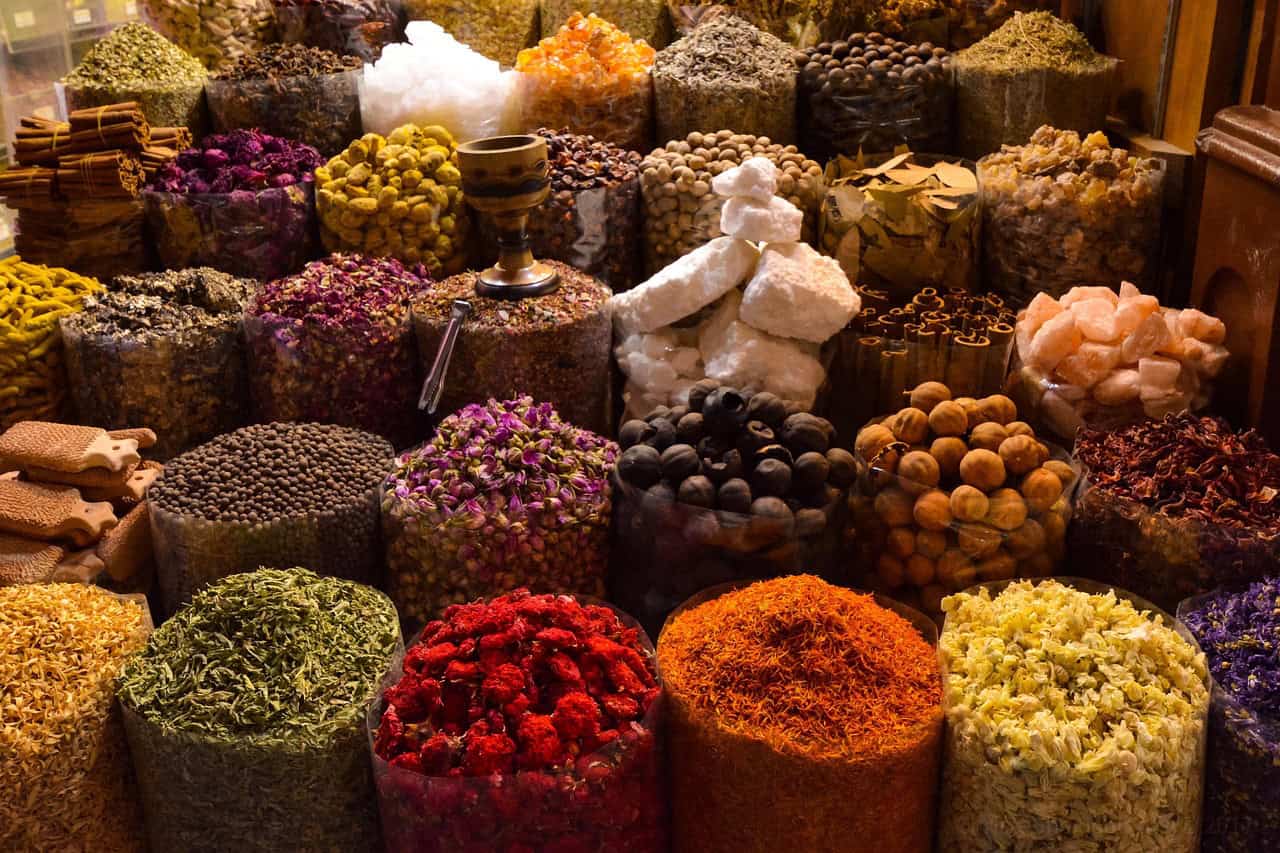
In historic souks across Morocco, Egypt, and Jordan, cash remains king. Over 90% of stalls operate without card terminals, as bargaining is central to pricing. Card payments reduce negotiation flexibility and introduce fees sellers avoid. Average purchases range between $10–$50, ideal for cash exchange. While malls are card-friendly, souks resist digitization. Even today, cash accounts for over 75% of market transactions, preserving a centuries-old trading culture.