We may earn money or products from the companies mentioned in this post. This means if you click on the link and purchase the item, I will receive a small commission at no extra cost to you ... you're just helping re-supply our family's travel fund.

By 2026, the global travel narrative around the United States has quietly shifted. While America remains a top destination, foreign governments increasingly frame it as complex, unpredictable, and occasionally hazardous. Travel advisories issued by allies no longer focus on natural disasters alone, but on crime, civil unrest, healthcare costs, and legal inconsistencies. According to international tourism surveys, 41% of overseas travelers now research U.S.-specific risks before booking, up from 24% in 2019. These advisories don’t ban travel, but they do reshape how the U.S. is perceived.
1. Gun Violence Warnings From Allied Nations

Several European and Asian governments explicitly warn citizens about gun violence in the U.S., noting that incidents can occur anywhere, not just in high-crime districts. Advisories frequently reference mass shootings in malls, transit hubs, and entertainment venues. Statistically, the U.S. gun homicide rate sits at roughly 4.5 per 100,000 people, compared to 0.6 or lower in most Western European countries. Travelers are advised to avoid large gatherings and monitor local news. For visitors from low-violence countries, this warning alone reframes the U.S. as unusually volatile.
2. Racial Profiling and Policing Advisories

Countries including Canada and the UK caution travelers about racial profiling and unequal law enforcement encounters. These advisories stress that policing practices vary widely by state and even by city. Data cited internationally shows that people of color are stopped by police at rates 2 to 3 times higher than white individuals in some U.S. jurisdictions. Travelers are advised to carry identification at all times and comply calmly with instructions. For international visitors unused to armed civilian policing, these warnings introduce anxiety absent from trips to peer nations.
3. LGBTQ+ Legal Uncertainty Notices

Many governments warn LGBTQ+ travelers that legal protections in the U.S. are inconsistent. Advisories emphasize that rights can change across state lines, affecting healthcare access, public accommodations, and gender expression. In 2025 alone, over 500 state-level bills affecting LGBTQ+ issues were tracked by foreign ministries. Travelers are urged to research local laws before arrival. Compared to countries with nationwide protections, this legal patchwork makes travel planning more complex. For LGBTQ+ visitors crossing multiple states, the U.S. appears legally unpredictable and socially uneven.
4. Healthcare Cost Risk Advisories

International advisories consistently highlight the extreme cost of U.S. healthcare. Travelers are warned that emergency treatment may require upfront payment and that even minor procedures can exceed $5,000–$10,000 without insurance. Some governments recommend medical coverage of at least $500,000, far higher than for most destinations. Compared to universal healthcare systems, the U.S. model is framed as a major financial hazard. For visitors, illness or injury isn’t just a health concern, it’s a potential economic crisis.
5. Use-of-Force and Armed Police Warnings

Foreign advisories increasingly note that U.S. police routinely carry firearms and may use force more readily than officers elsewhere. Data referenced internationally shows U.S. police fatally shoot over 1,000 civilians annually, far exceeding figures in comparable countries. Travelers are advised to avoid confrontations, comply immediately, and never argue roadside. For visitors from nations where police rarely carry guns, this warning fundamentally alters expectations. Routine encounters that feel mundane elsewhere are framed as high-risk in the American context.
6. Civil Unrest and Protest Alerts
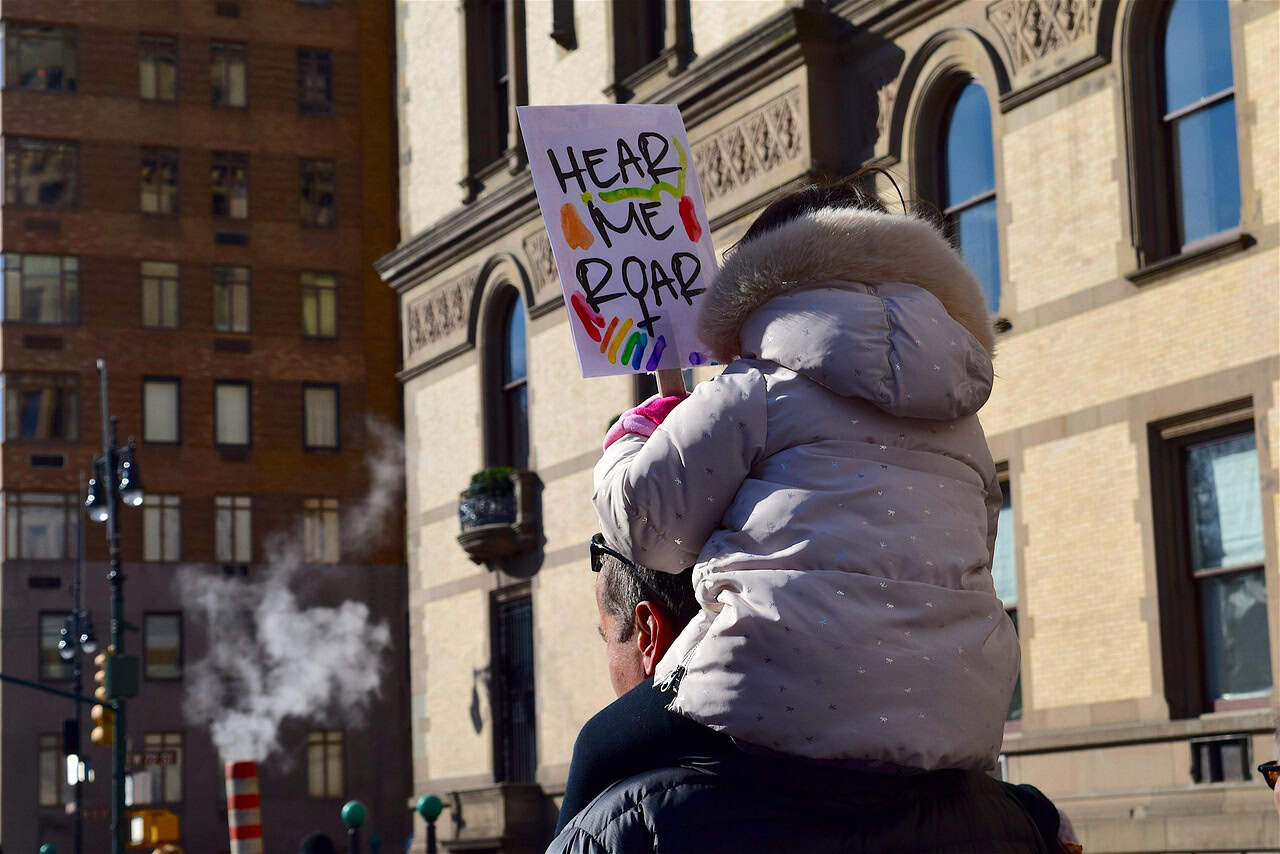
Governments warn that protests in the U.S. can escalate rapidly and attract heavy law enforcement response. Advisories cite demonstrations linked to elections, social justice, labor disputes, and foreign policy. Between 2020 and 2025, the U.S. averaged 300+ large protests per year, a figure comparable to politically unstable destinations. Travelers are advised to avoid protest areas entirely, even if peaceful. This persistent advisory language places the U.S. closer to countries known for civil volatility than traditional Western allies.
7. Border Entry and Detention Warnings

Many countries stress that entry into the U.S. is never guaranteed, even with valid visas or ESTA approval. Advisories warn of extended questioning, device searches, and discretionary refusal by border officers. International data shows refusal rates for some nationalities rising by 15–20% since 2022. Travelers are advised to carry proof of accommodation, finances, and onward travel. Compared to destinations with predictable entry procedures, the U.S. is portrayed as legally discretionary and emotionally stressful at the border.
8. State-by-State Legal Confusion Notices

Foreign governments caution that U.S. laws vary dramatically between states. Advisories highlight risks involving cannabis legality, prescription medications, self-defense laws, and traffic regulations. For example, cannabis is legal in 24 states, yet federally illegal. Tourists visiting three or more states face higher chances of accidental violations. Unlike countries with uniform national laws, the U.S. requires constant legal awareness. For road-trip travelers, this complexity makes America feel legally risky rather than tourist-friendly.
9. Urban Crime and Property Theft Advisories

International advisories frequently warn about vehicle break-ins, retail theft, and hotel-area crime in U.S. cities. Travelers are advised never to leave belongings in cars, even briefly. Some cities report smash-and-grab incidents affecting 1 in 5 rental cars in tourist zones annually. Compared to East Asia or Northern Europe, where petty crime rates are far lower, these warnings portray U.S. cities as requiring constant vigilance. The emphasis on personal responsibility reinforces a perception of elevated everyday risk.
Leave a Reply