9 Gas Station Snacks You Should Never Buy on a Road Trip
We may earn money or products from the companies mentioned in this post. This means if you click on the link and purchase the item, I will receive a small commission at no extra cost to you ... you're just helping re-supply our family's travel fund.
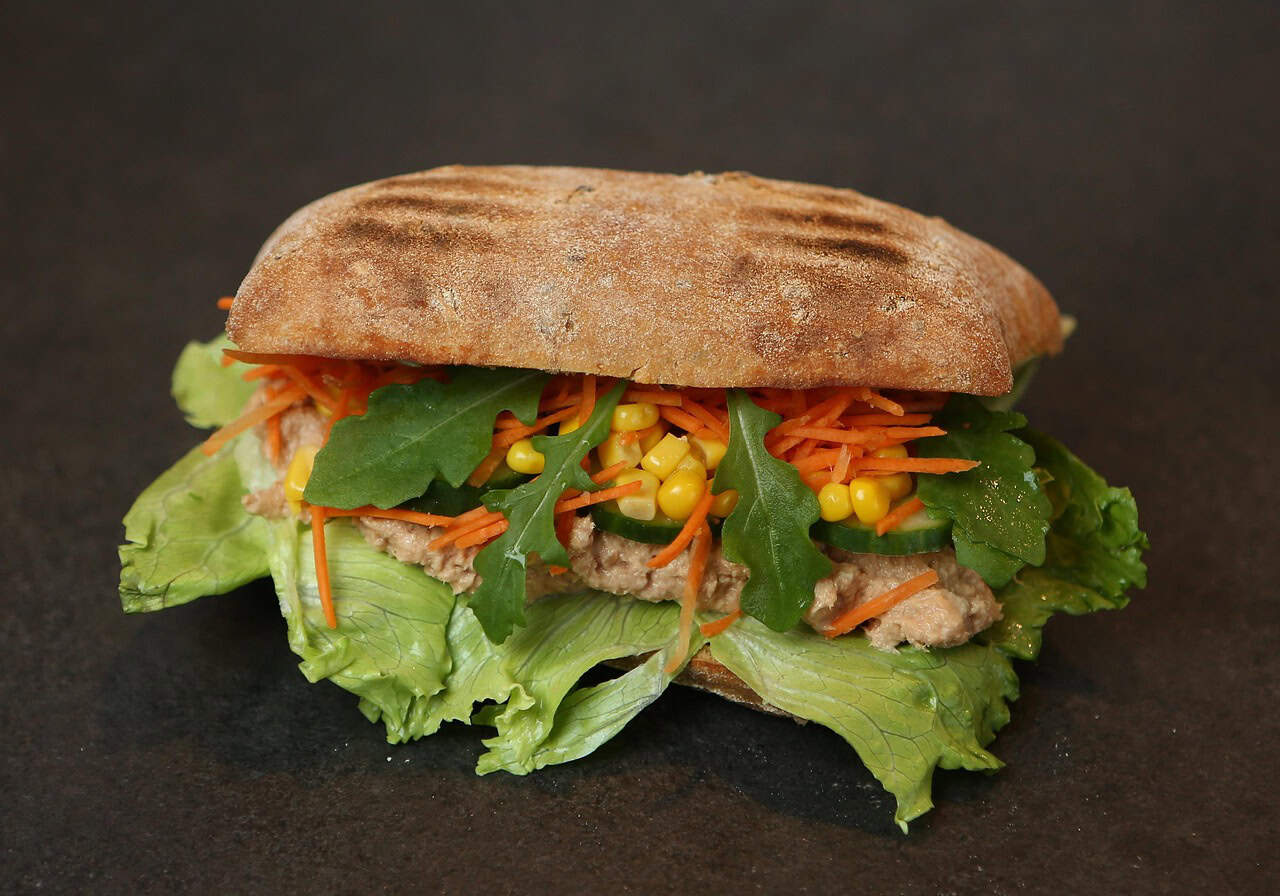
Road trips often inspire impulsive snack choices, especially when you’re tired, hungry, or rushing to reach your next stop. But not every gas station treat is a safe or smart pick. Some snacks carry higher risks because of temperature issues, poor turnover, or heavy processing. This list highlights nine items you should think twice about buying, along with the numbers and facts that explain why they can derail even the best-planned journey.
1. Gas Station Sushi
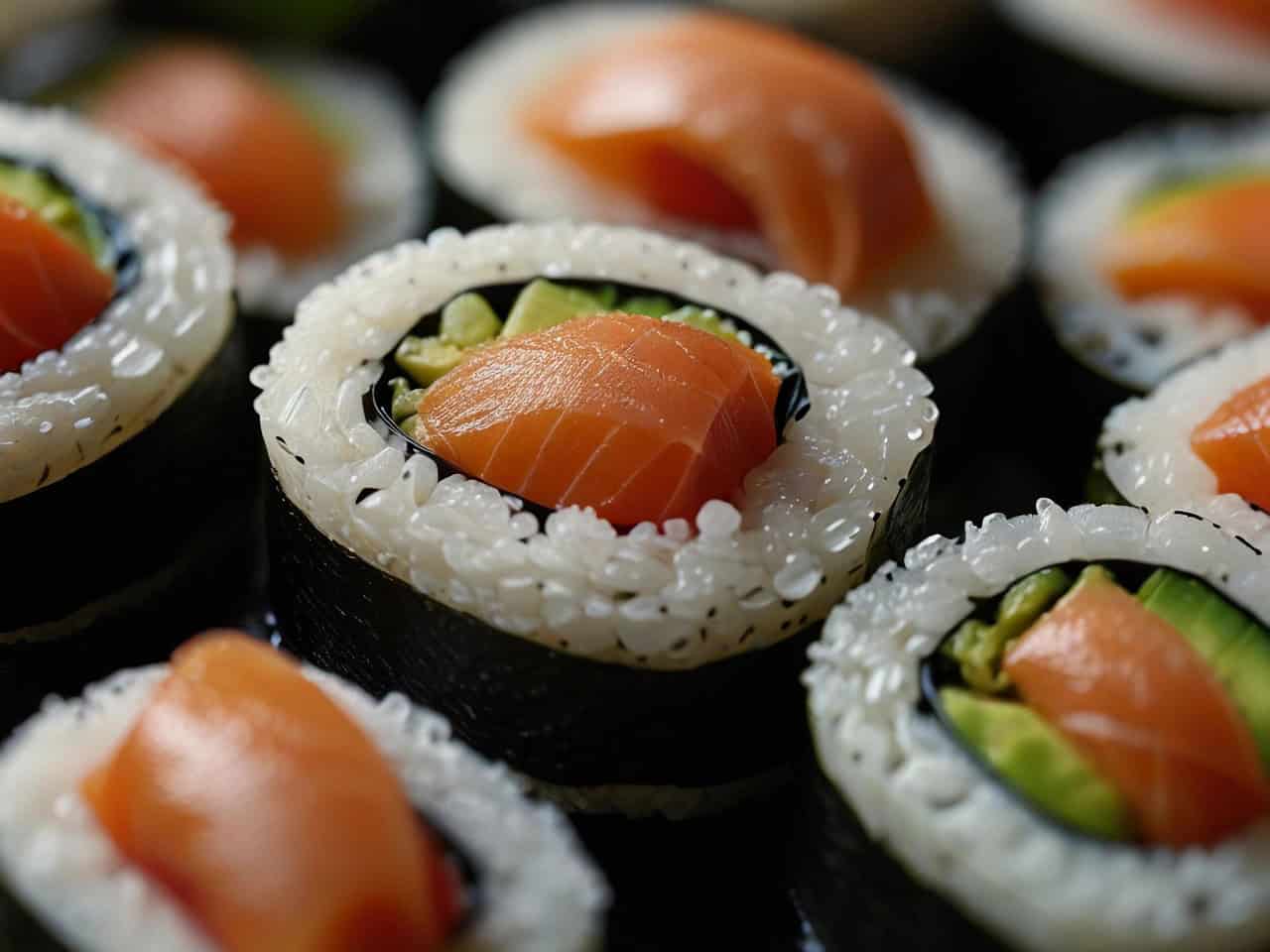
Gas station sushi often sits far too long in coolers that open dozens of times per hour, causing inconsistent temperatures that can dip above the safe zone of 5°C. Raw fish becomes risky after just 2 hours without proper control, and many stores don’t restock more than once or twice a day. With rice also prone to bacterial growth, this combination can easily lead to foodborne issues. For a road trip meal, sushi is simply too delicate, too unpredictable, and too dependent on strict handling to trust.
2. Roller Hot Dogs

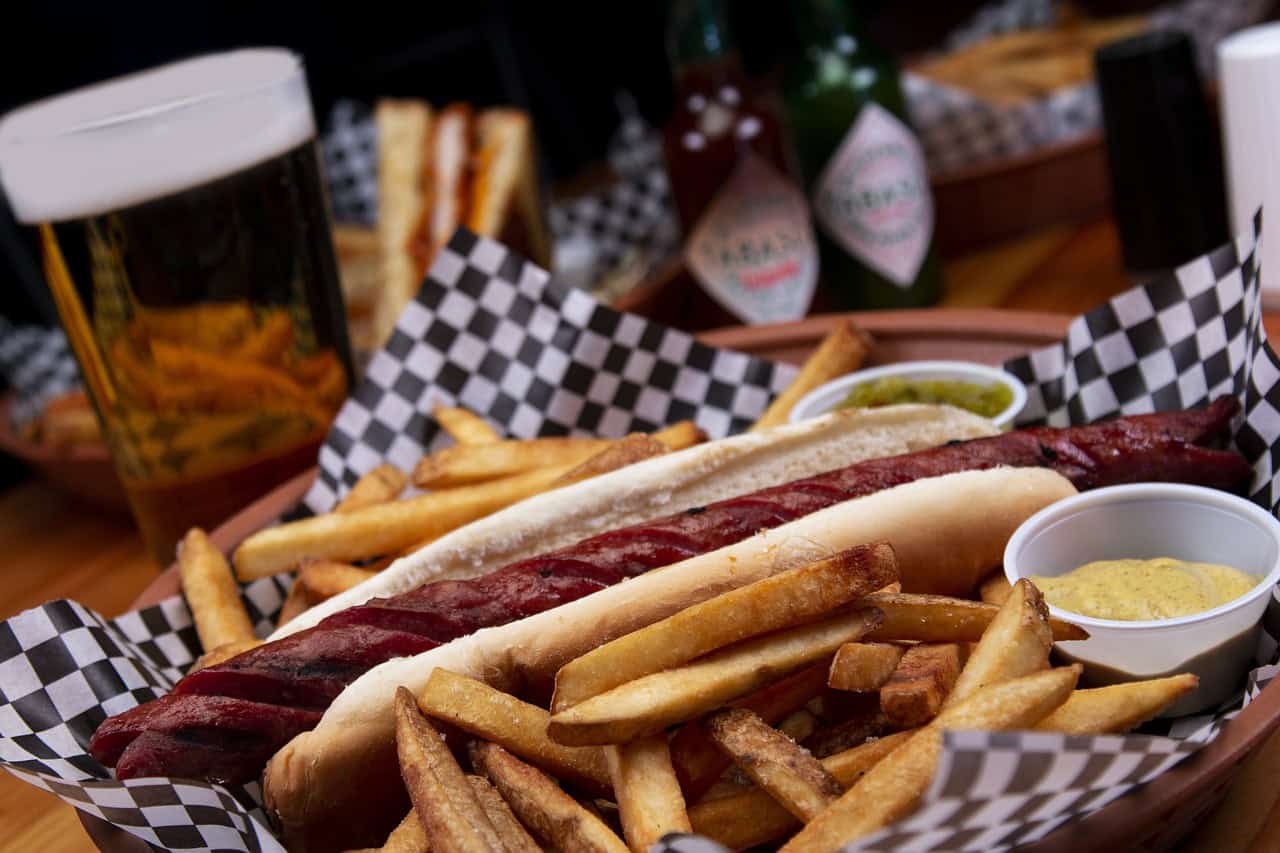
Those seemingly harmless roller hot dogs might spin for 4–6 hours or even longer if the store is understaffed or it’s a slow day. Although the surface looks freshly browned, the interior can become dry and overcooked, losing moisture and quality with every rotation. The sodium levels, often around 700–900 mg per dog, can also leave you dehydrated behind the wheel. Since turnover varies wildly between locations, you can never be sure whether the one you choose has been sitting there all day.
3. Cream-Filled Pastries

These pastries may look comforting, but many pack over 300–400 calories and linger on shelves for 48 hours or more under harsh lighting. The cream filling is especially sensitive to temperature fluctuations, and even the preservatives can’t prevent staleness once the pastry loses moisture. Their high sugar content can cause an energy spike followed by a noticeable crash, making long drives feel heavier. Despite their sweet appeal, they rarely leave you feeling satisfied or alert.
4. Egg or Tuna Sandwiches
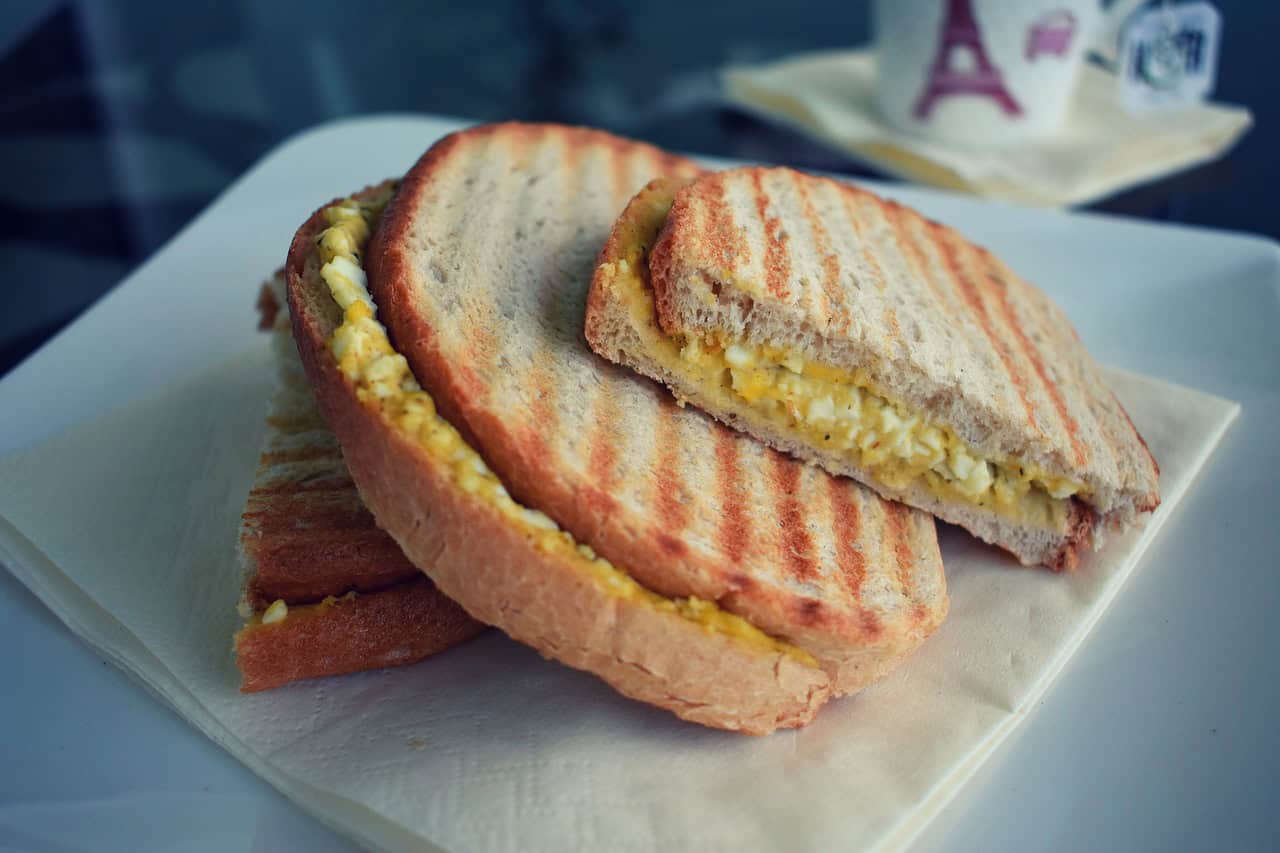
Pre-made mayo-based sandwiches are among the most temperature-sensitive items sold at gas stations. Egg and tuna fillings can spoil quickly if they sit above 8°C for even 1–2 hours, which easily happens in frequently opened coolers. Many stores restock these sandwiches only once daily, so freshness is uncertain. The strong odors intensify as the ingredients age, and the high protein content makes them a common culprit for digestive discomfort during long rides.
5. Nachos With Pump Cheese
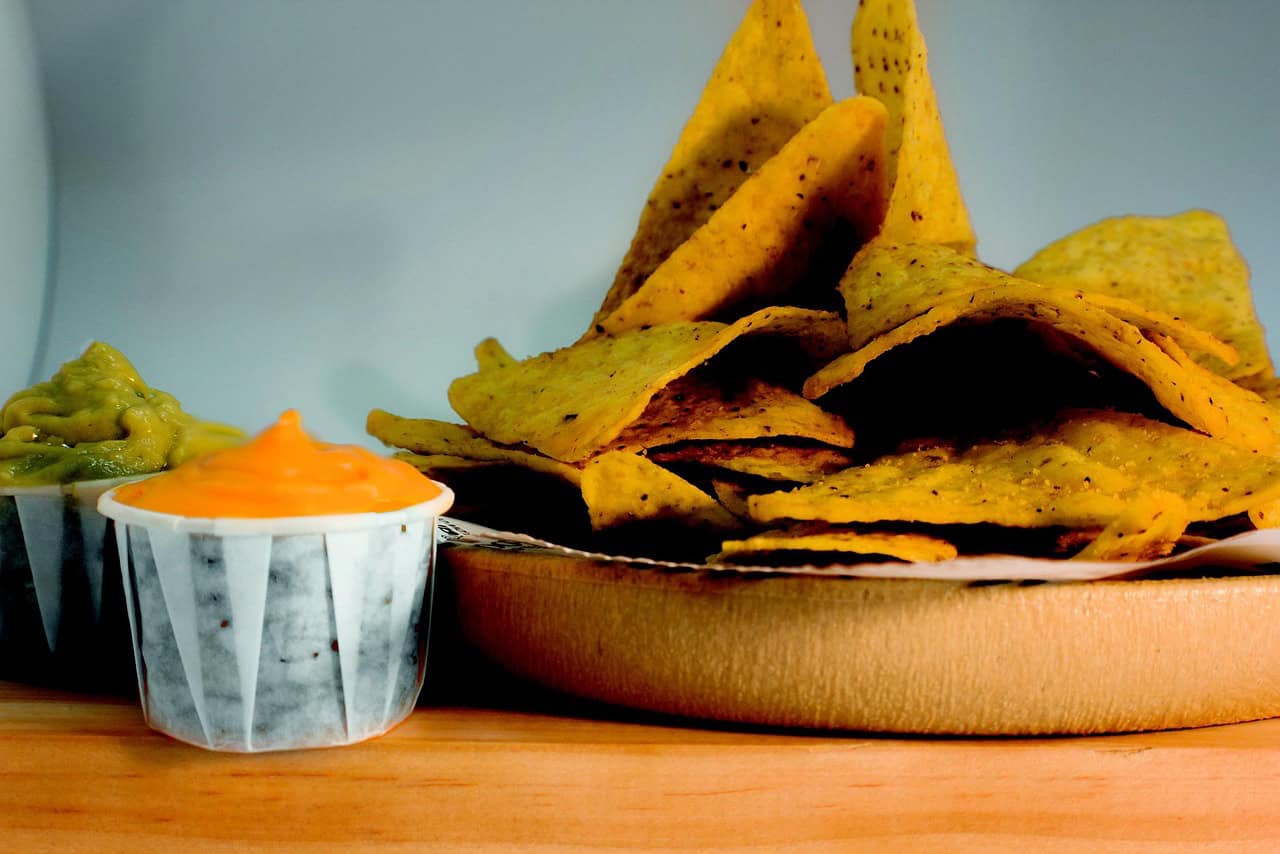
The cheese dispensers used for gas station nachos often hold sauce at warm temperatures for 8–12 hours without a full cleaning cycle. While the product is shelf-stable, the dispenser nozzles can accumulate residue that’s rarely sanitized properly. A single serving can contain over 900 mg of sodium, leaving you thirsty and bloated on the road. With chips sometimes sitting open for days, the overall experience can be stale, overly salty, and far from satisfying.
6. Old Pot Coffee

Some gas stations brew coffee in large batches and leave it on warming plates for 3–5 hours, long after its flavor has deteriorated. Oxidation makes the drink bitter and acidic, which can upset your stomach during a long drive. A typical cup might contain 100–150 mg of caffeine, but stale coffee delivers this with harshness rather than smooth energy. Unless the station labels brew times or uses fresh-grind machines, the risk of getting a burnt, unpleasant cup is high.
7. Precut Fruit Cups
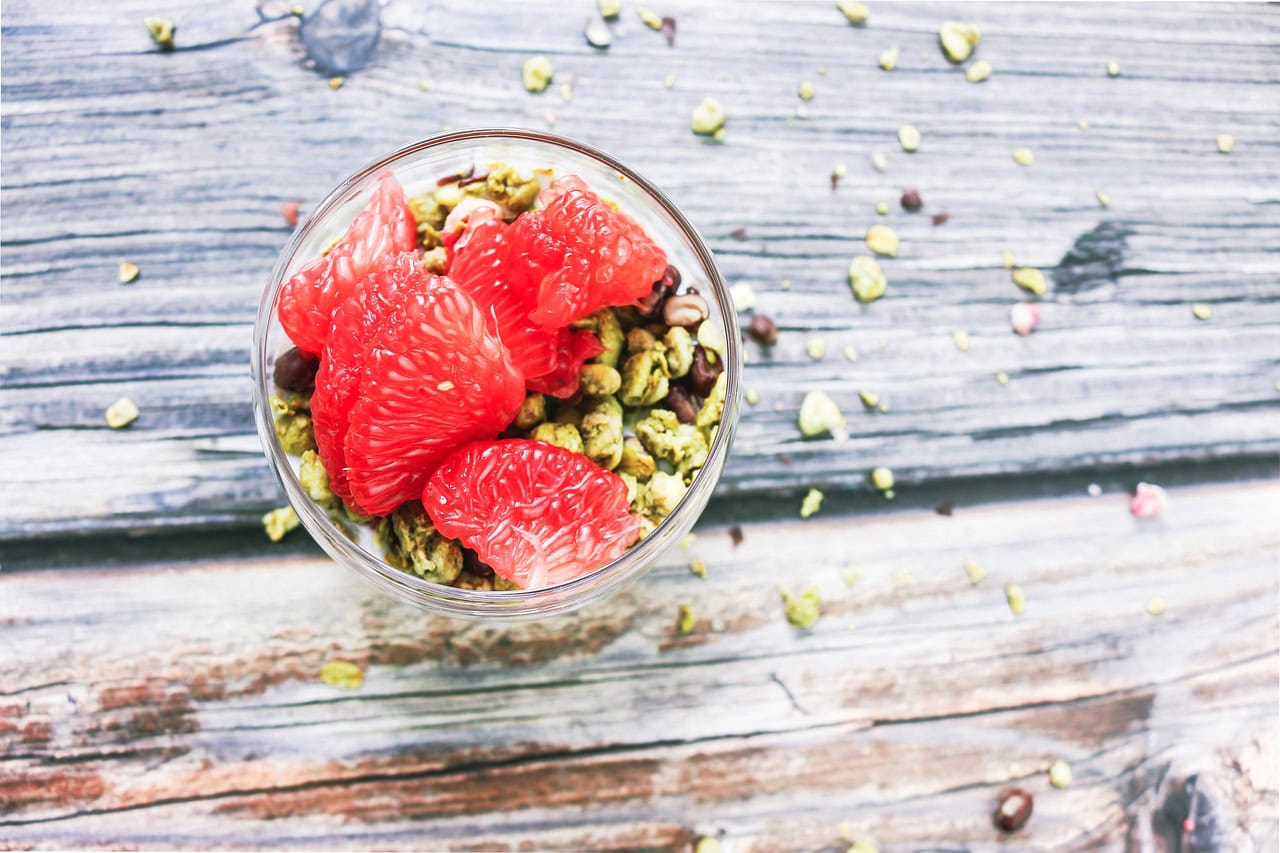
Fruit that’s been sliced loses freshness rapidly and can become a breeding ground for bacteria if not held at a steady 1–4°C. Many cups remain in display coolers for 24–36 hours, far longer than ideal for cut melon, pineapple, or berries. The excess moisture inside the sealed container also speeds up spoilage. While fruit is normally a healthy choice, the unpredictable handling and long storage times make gas station fruit cups a gamble not worth taking on a road trip.
8. Heat-Lamp Burritos
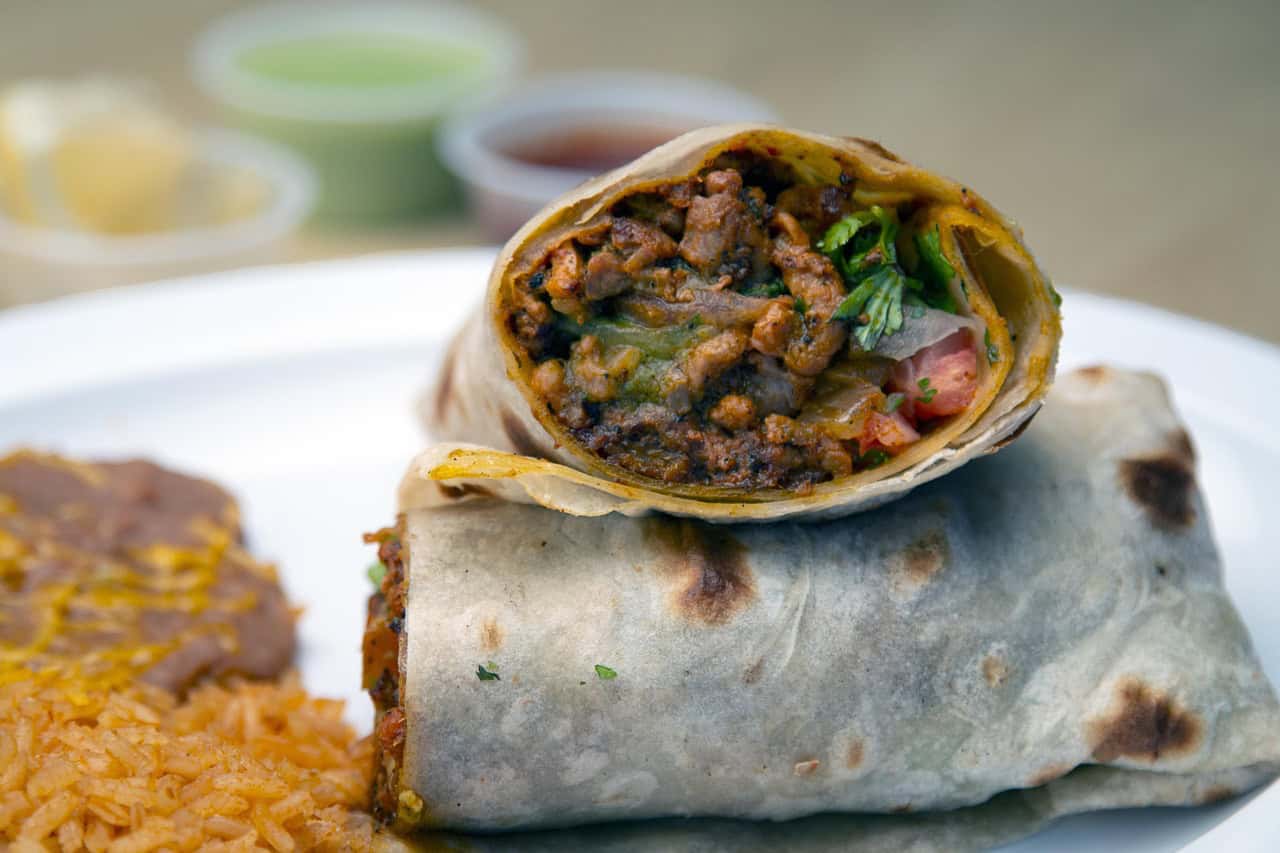
Burritos kept under heat lamps can sit for 3–7 hours, drying out until the tortilla becomes leathery and the filling loses texture. Many contain over 500–600 calories, making them heavy and hard to digest while driving. The ingredients; usually beans, cheese, or meat don’t fare well under prolonged heat, increasing both saltiness and greasiness over time. Their convenience is tempting, but the quality varies so wildly that they’re rarely worth the risk or disappointment.
9. Roller Taquitos
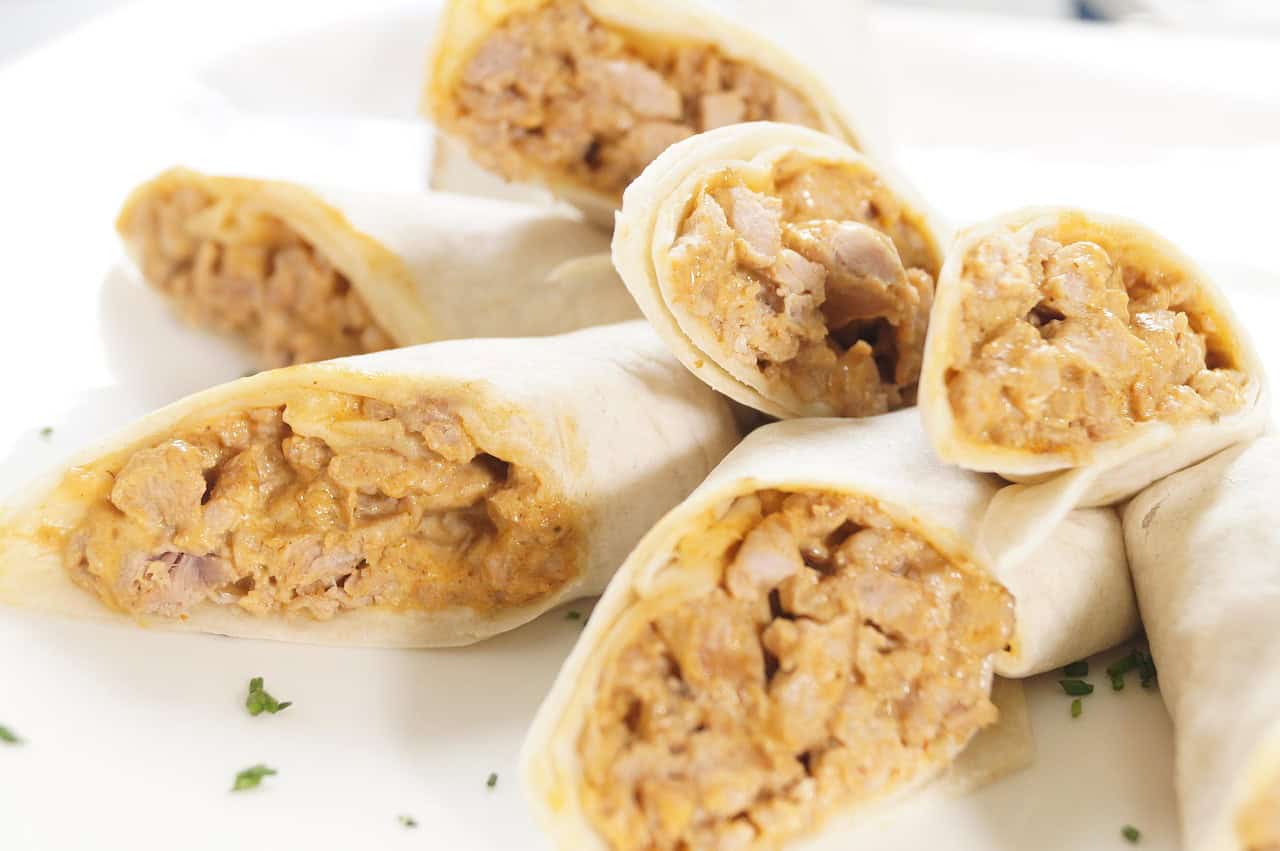
Roller taquitos face the same long-hour exposure as hot dogs, sometimes turning for 5–8 hours before someone buys them. Their fillings often contain 20–30 ingredients, many of which are preservatives and highly processed meats. The high sodium count, often over 800 mg, can leave you feeling sluggish and thirsty. Because the outer shell dries quickly, they lose crispness within the first hour, leaving you with a chewy snack that’s more regret than reward.