We may earn money or products from the companies mentioned in this post. This means if you click on the link and purchase the item, I will receive a small commission at no extra cost to you ... you're just helping re-supply our family's travel fund.
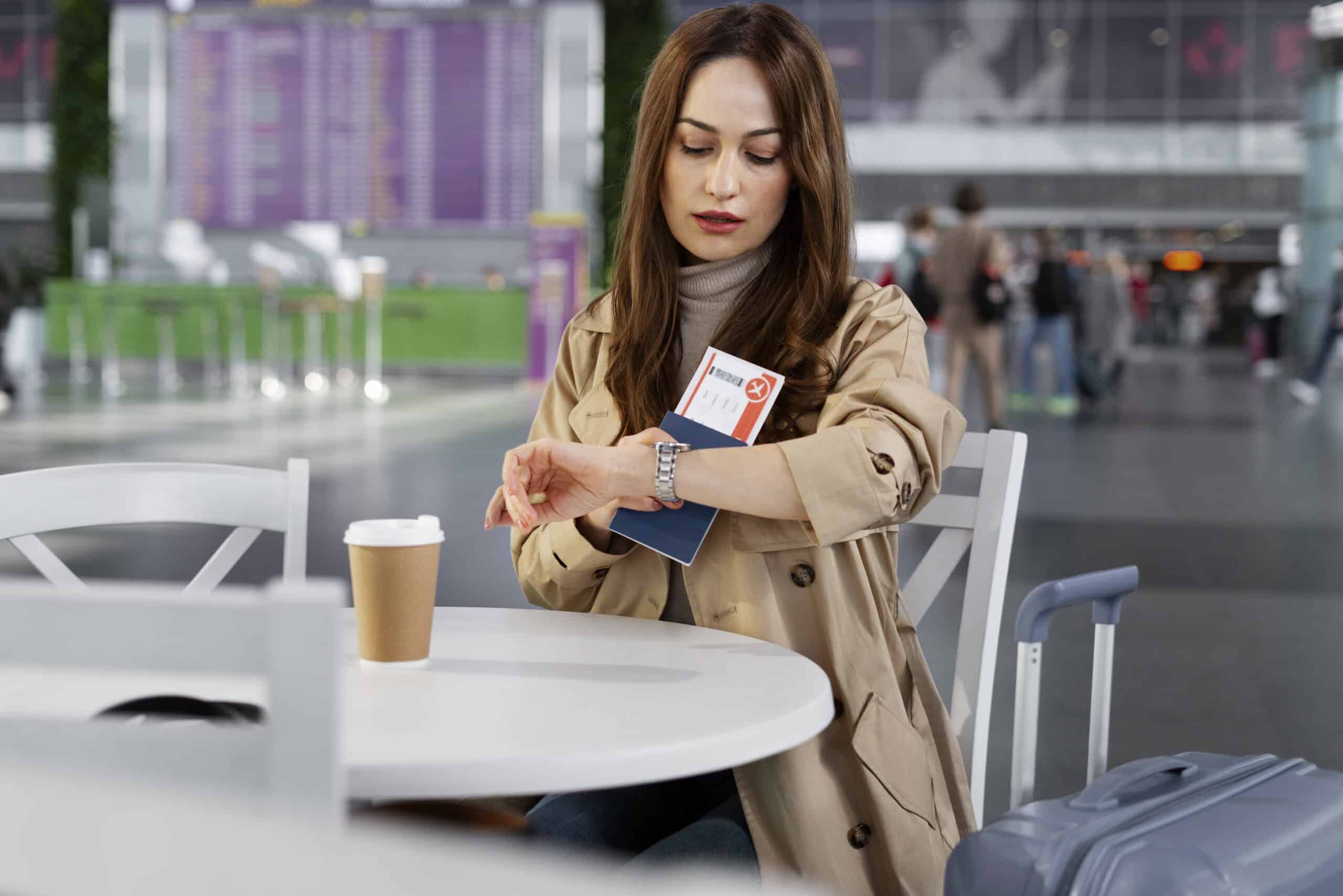
Airport food has improved, yet the same pressure cooker remains: long lines, short boarding windows, and prices that punish indecision. Frequent flyers learn fast that the most expensive bite is often the one that slows everything down, upsets a stomach, or guarantees sticky fingers in a cramped seat. In 2026, the smartest habits are less about being picky and more about being strategic. These are the airport items seasoned travelers often skip, not because they hate joy, but because they like arriving on time, feeling steady, and keeping the trip simple.
Oversized Sugary Coffee Drinks

The towering iced latte with foam, syrup, and toppings looks comforting at 6 a.m., but frequent flyers avoid it for practical reasons. It is pricey, slow to make, and easy to spill while weaving through gate crowds with a backpack and rolling bag. The sugar rush can also hit hard, then crash mid-flight, right when dehydration and cabin pressure already make people feel off. The bigger problem is logistics: a drink too large to finish becomes something carried for miles, then dumped at the last moment, wasting money and time. A simpler coffee, or water plus caffeine tablets, often travels better.
Pre-Made Sandwiches With Soggy Bread
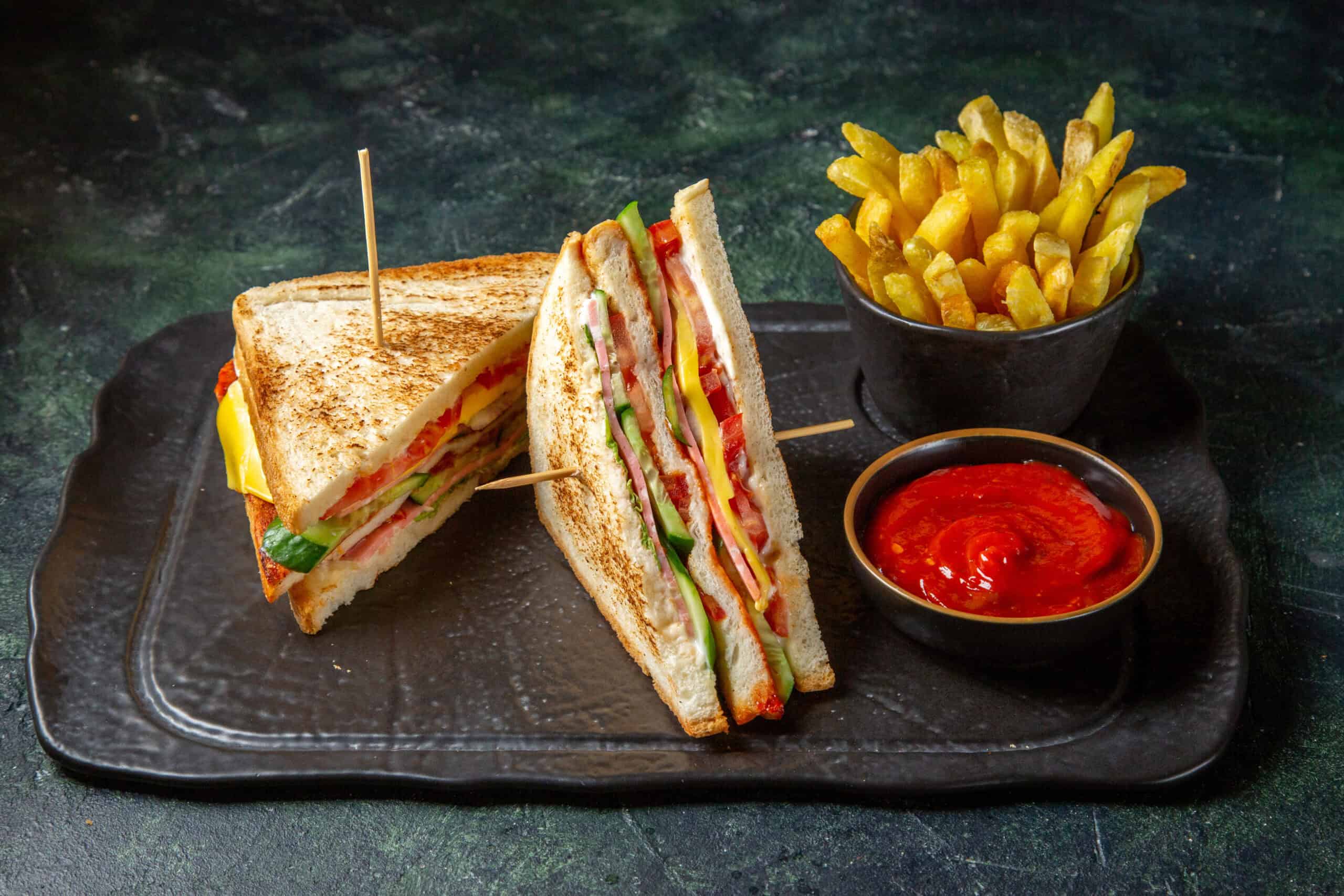
Grab-and-go sandwiches are convenient until the first bite reveals cold centers, limp lettuce, and bread that has absorbed sauce for hours. Frequent flyers avoid them because the quality is unpredictable, and the price is rarely forgiving when the texture disappoints. The bigger risk is timing. A rushed sandwich eaten too fast can feel heavy in a pressurized cabin, and a messy one can stain clothes minutes before boarding. When travelers do buy one, they tend to choose items with sturdy bread, minimal sauces, and clear “made on” labels. Otherwise, a sealed protein box or yogurt tends to be a safer, cleaner bet.
Salads Drenched In Dressing
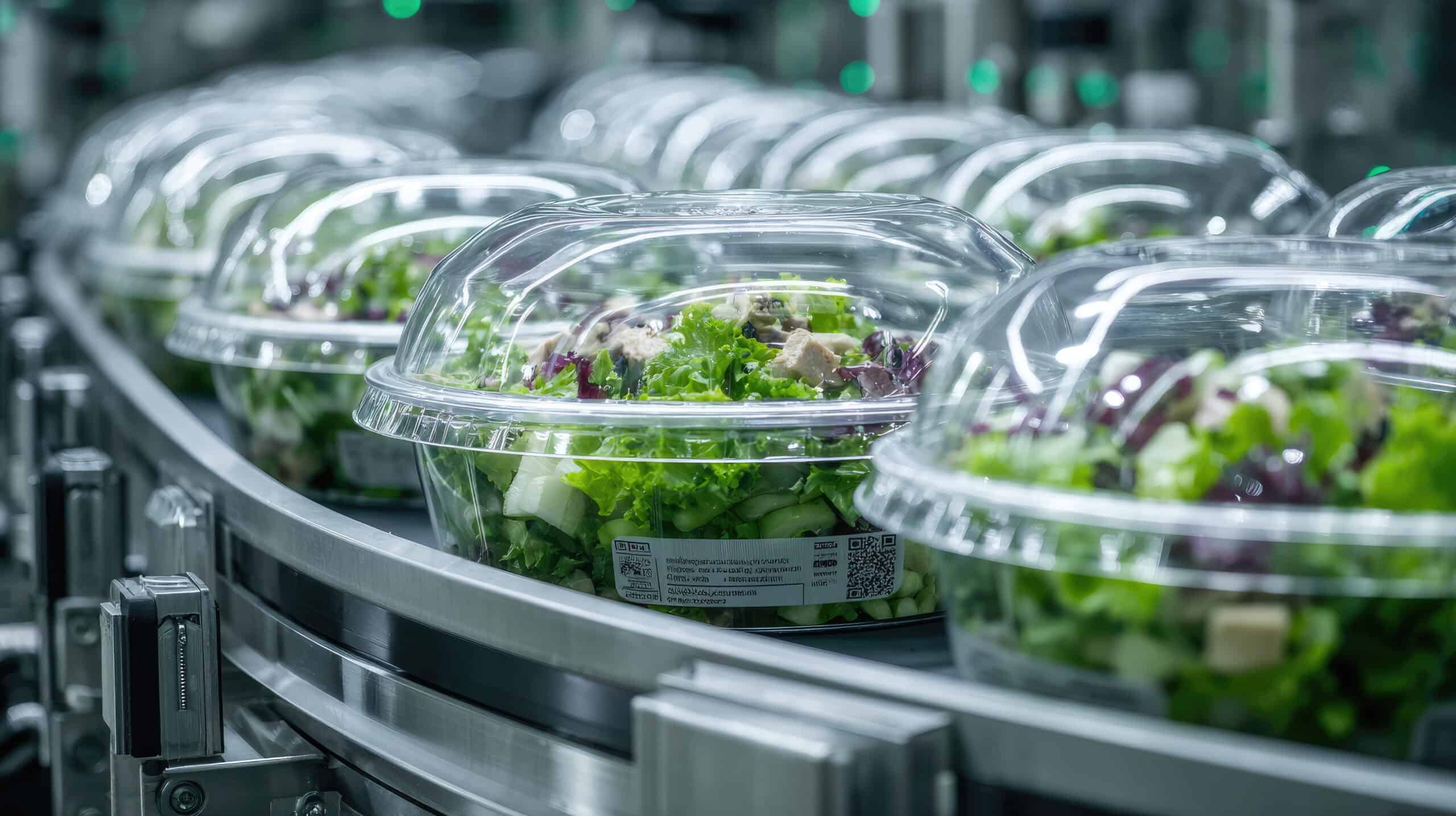
Airport salads look like the responsible choice, but many frequent flyers skip the ones already mixed with dressing. After sitting, greens wilt, toppings slide, and the whole bowl turns into a damp texture that feels more like chores than food. The bigger issue is stomach comfort. Raw vegetables, heavy dressings, and cold ingredients can land poorly during a flight, especially when stress and coffee are already in the mix. Travelers who still want greens look for salads with dressing on the side, simple ingredients, and a clear lid that shows freshness. Otherwise, they pick soups, grain bowls, or fruit that will not turn soggy before takeoff.
Melty Ice Cream and Soft-Serve Cones

Ice cream in an airport sounds playful until it becomes a race against time and temperature. Soft-serve melts fast under terminal lights, and it is almost guaranteed to drip during a long walk, especially when juggling boarding passes and luggage. Frequent flyers also avoid it because it does not pair well with the cabin environment. Cold dairy can feel harsh on a tired stomach, and the sugar spike can make dehydration feel worse. The final insult is waste. When boarding starts, half a cone often ends up in the trash. If dessert is needed, they pick packaged treats that can wait in a bag without turning into a sticky mess.
Deep-Fried Foods Right Before Boarding
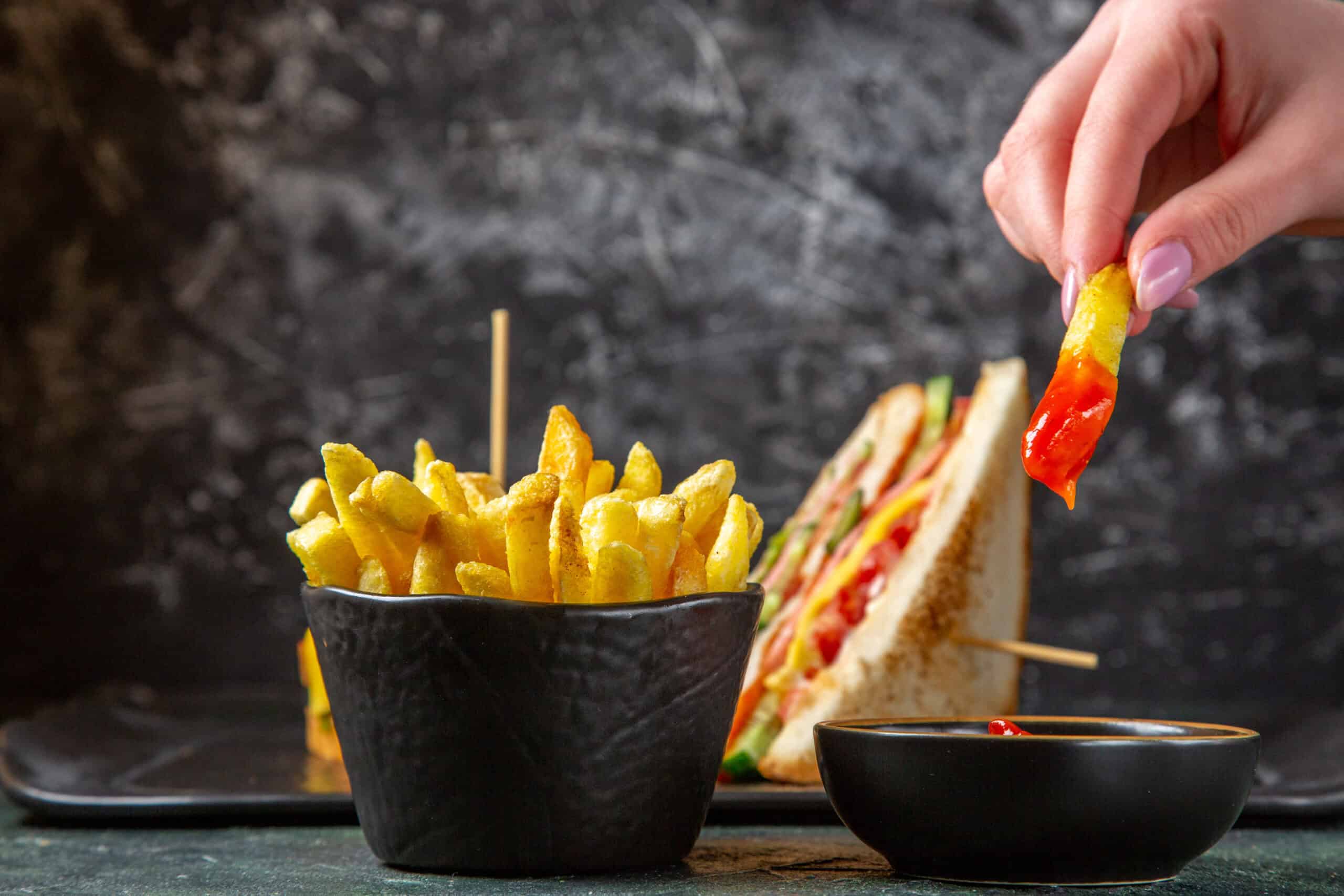
Fried chicken, onion rings, and loaded fries smell great, but many frequent flyers avoid them right before a flight. The reason is not moral. It is physics. Grease, salt, and heavy portions can feel amplifying at altitude, and the aftertaste lingers in a small cabin where other people can smell everything. Fried food also slows the pace. It often comes from busy counters with long ticket queues and unpredictable wait times, which increases the chance of rushing to the gate, then stress-eating in the aisle. Travelers who want something warm choose baked items, simple rice bowls, or soups that sit lighter and do not coat the mouth before takeoff.
Raw Seafood and Airport Sushi Rolls
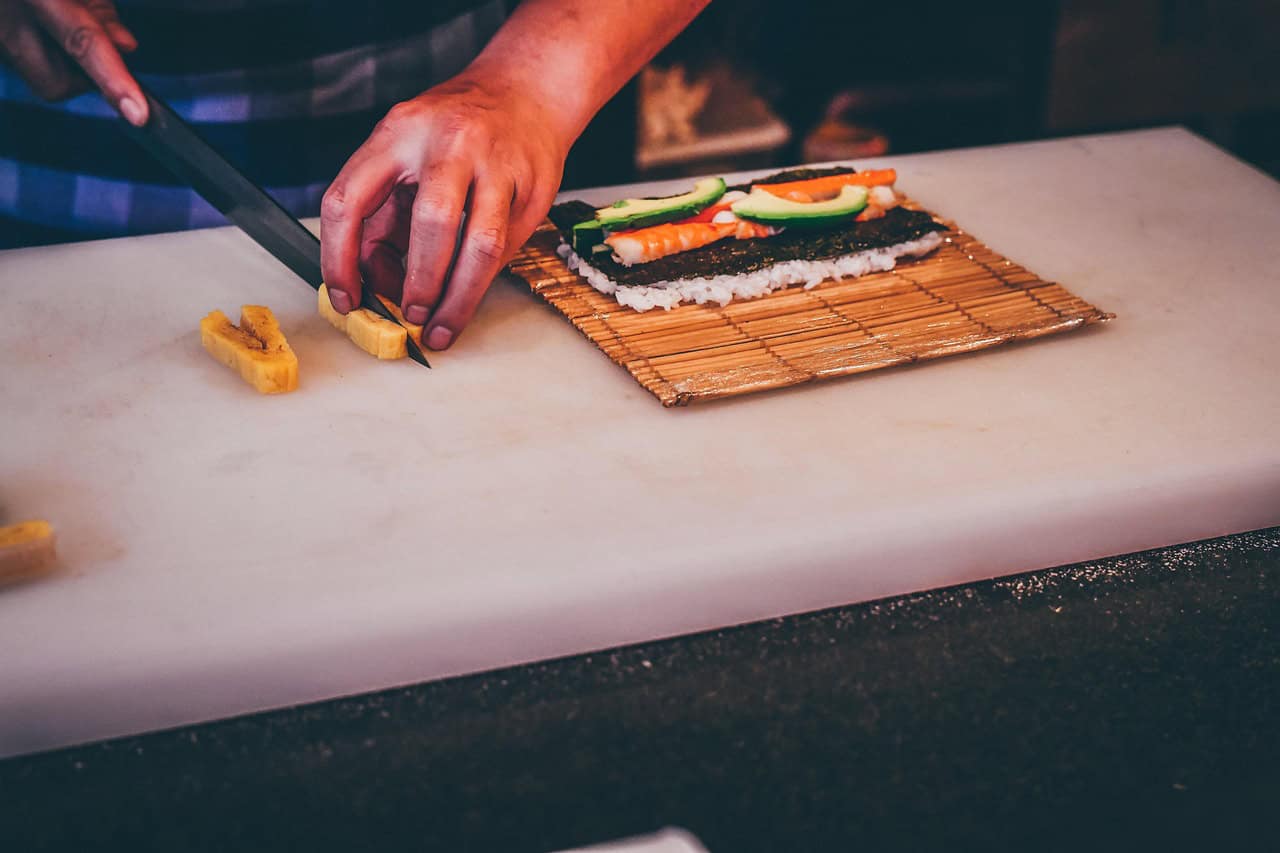
Airport sushi has gotten better in some hubs, but frequent flyers still treat it cautiously, especially when the display case looks tired. The concern is not fear, it is risk management. Raw fish depends on perfect temperature control, fast turnover, and clean handling, and a traveler rarely knows how long a box has sat under fluorescent lights. Even when it is safe, it can be unpleasant on a flight if the rice is cold and stiff. Frequent travelers who crave sushi tend to wait for reputable sit-down spots with visible prep, or they choose cooked rolls, smoked salmon, or packaged protein that does not gamble with the day.
Sticky Cinnamon Rolls and Glazed Pastries

Glazed pastries lure travelers because they look like comfort, but frequent flyers avoid them because they create problems that follow into the seat. Sticky icing clings to fingers, napkins, and phone screens, and airport sinks are often crowded or far from the gate. The sugar hit can also feel too sharp when paired with coffee and stress, and the crash arrives right as boarding begins. There is also the practical price complaint: a pastry that costs as much as a real breakfast can feel insulting once the first bite tastes stale. When travelers want baked goods, they lean toward plain croissants, banana bread, or packaged bars that stay clean.
Large Fountain Sodas
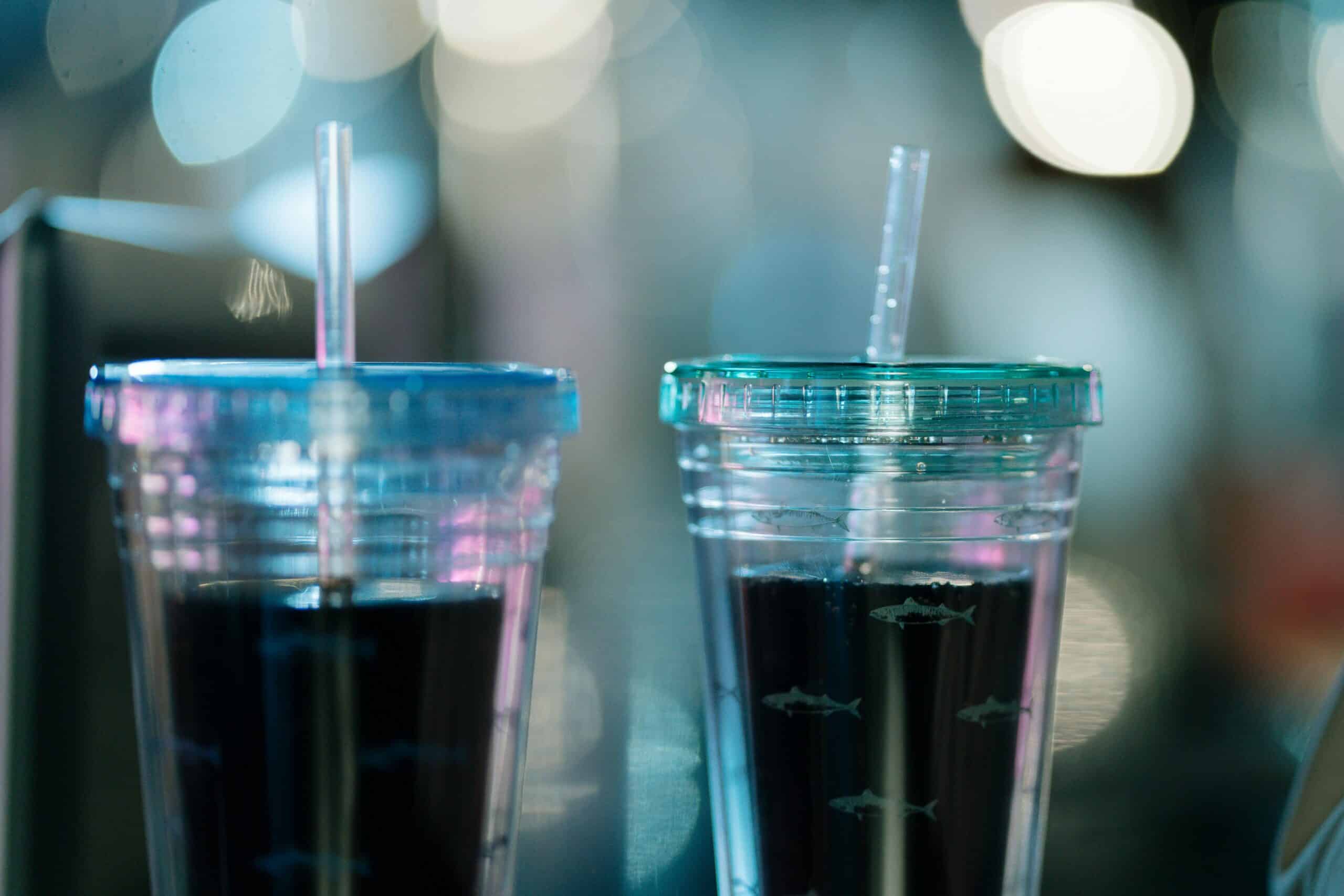
A big fountain soda seems cheap compared to other airport prices, yet frequent flyers avoid it because it is a trap in motion. It sloshes, it sweats, and it becomes an awkward cup to carry through security zones and crowded jet bridges. It also creates a predictable problem: multiple restroom runs during boarding, taxi, or turbulence, when getting up is hardest. The sugar and carbonation can make a stomach feel bloated at altitude, which is not the mood anyone wants in a tight seat. Flyers who want something cold usually choose water, unsweetened tea, or a smaller canned drink that can be capped and stowed.
Messy Saucy BBQ or Wings
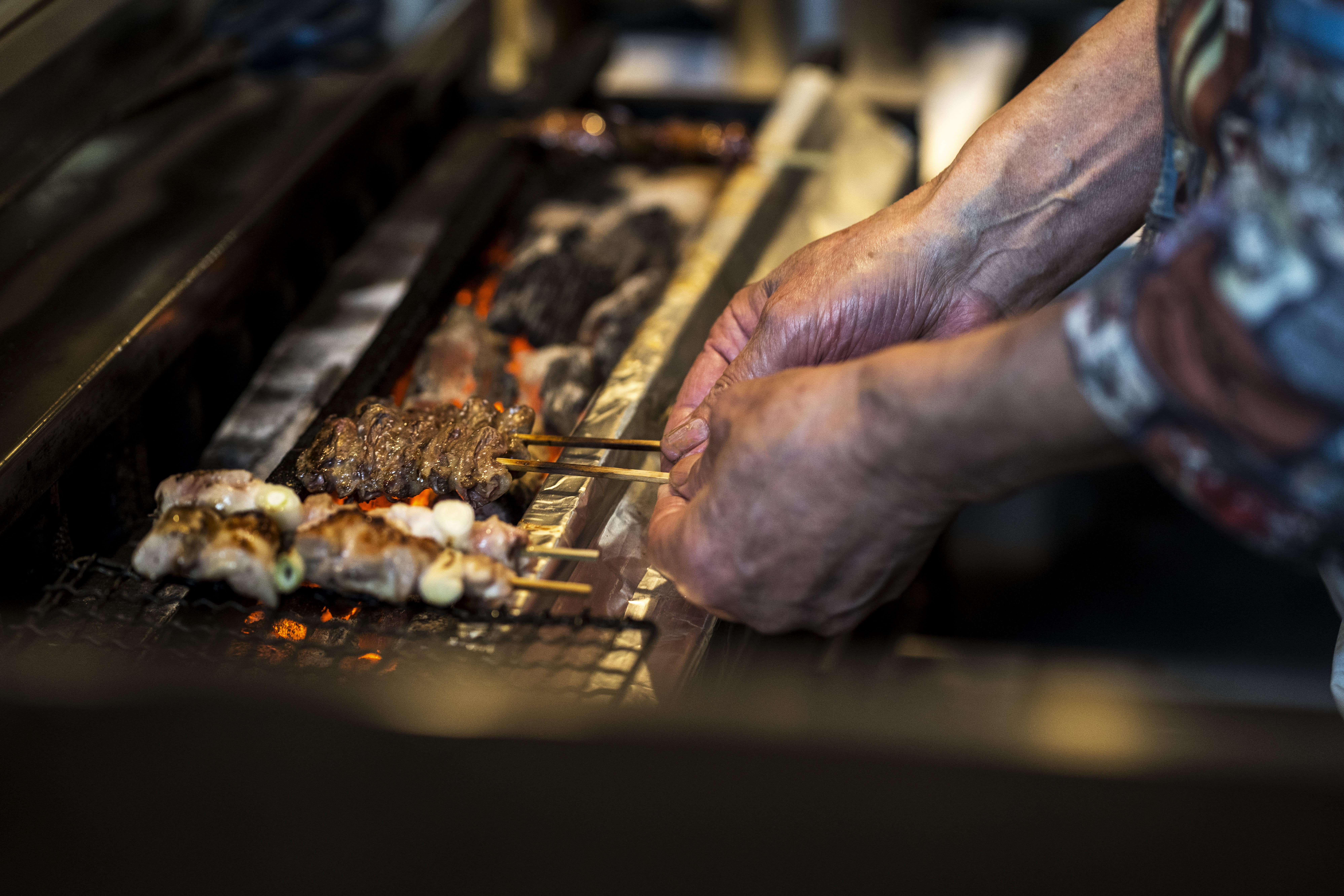
Wings and saucy BBQ are delicious, but frequent flyers avoid them because they are high-risk foods for travel logistics. They require both hands, a pile of napkins, and time to clean up, and airport tables are not always available or clean. The smell also lingers, which can feel inconsiderate when walking onto a plane where everyone is already sensitive to odors. The biggest issue is timing. Saucy meals can run late, and boarding rarely waits for someone finishing a basket. If travelers want protein, they choose roasted chicken, simple wraps, or bowls that can be eaten quickly without leaving evidence on fingers, clothing, or seatbelts.