We may earn money or products from the companies mentioned in this post. This means if you click on the link and purchase the item, I will receive a small commission at no extra cost to you ... you're just helping re-supply our family's travel fund.
Across the United States, more people talk about place the way they used to talk about work or family. A favorite street changes, a familiar accent fades, and the rhythm of daily life feels slightly off. None of it is dramatic enough for a disaster headline, but together it creates a slow unease that is hard to shake. These regions are not just growing or shrinking. They are trying to stay themselves while money, climate, and tourism quietly ask them to be something else.
Bay Area Tech Corridor, California
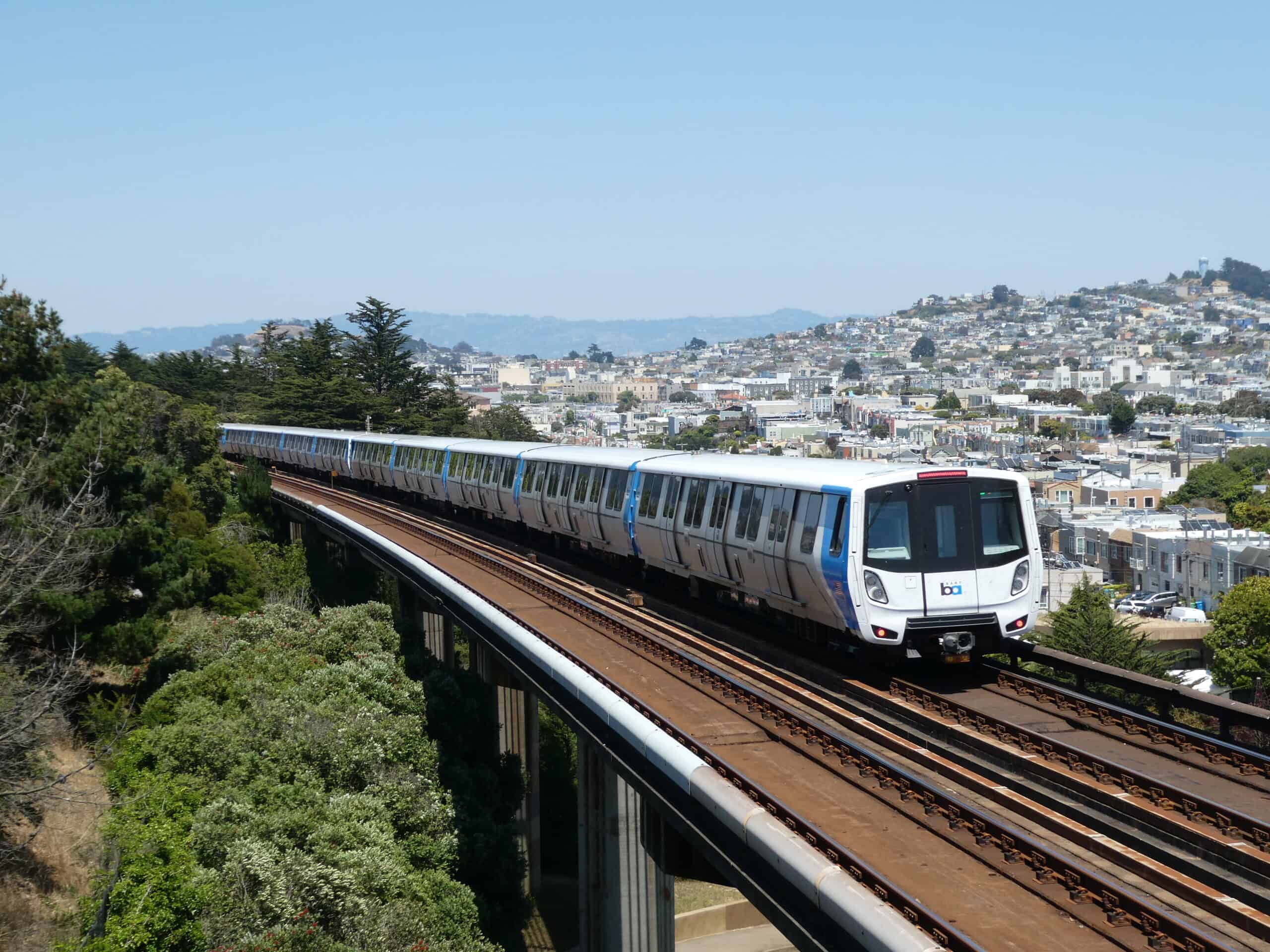
In the Bay Area, tech money did not just raise rents, it rewired who the region feels built for. The Mission, SoMa, and Oakland once balanced artists, immigrant families, union workers, and students on the same transit lines, sharing cafes and bus stops. Now venture offices and luxury condos sit where auto shops and taquerias used to stand, and bus routes feel like moving fault lines. Some longtime residents cash out and leave, others juggle three jobs and crowded apartments, hoping the next boom does not erase them entirely.
Inner Portland, Oregon
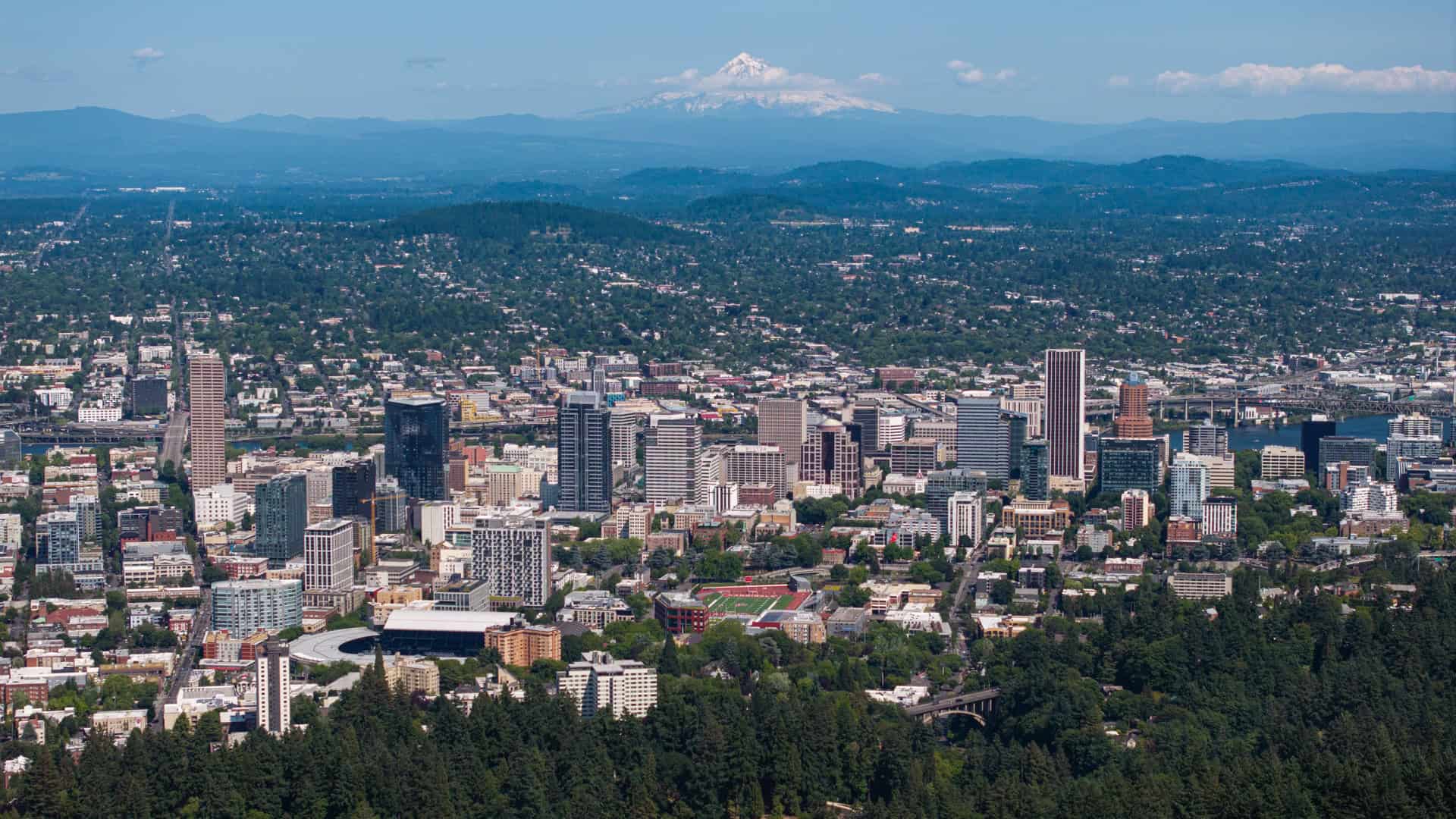
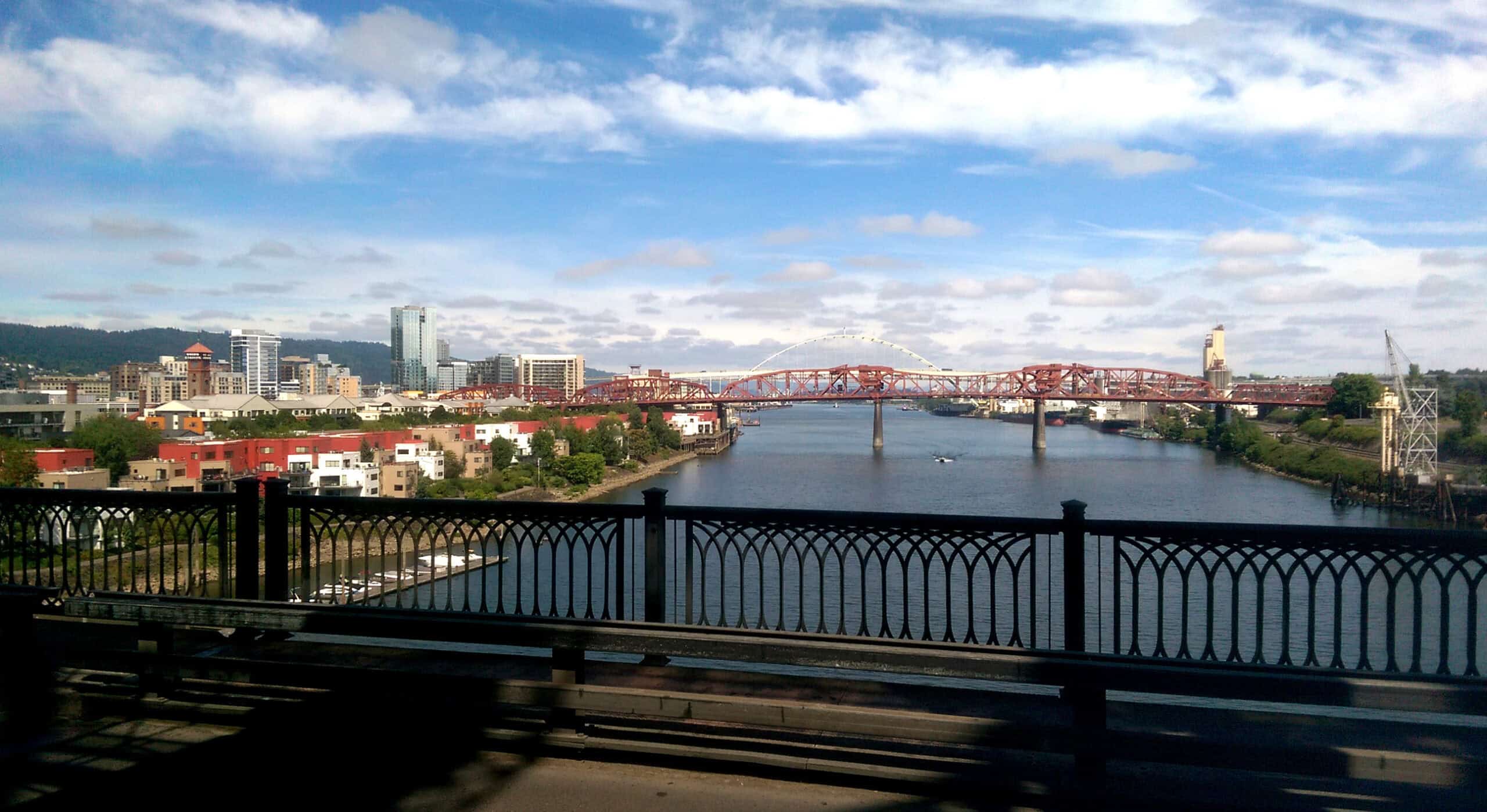
Inner Portland carries two overlapping stories that never quite line up. It still sells a reputation for indie shops, protest murals, and coffee where the barista knows every regular by name. At the same time, Black neighborhoods have seen waves of displacement as sleek apartments and bike lanes arrive after years of official neglect. New residents praise walkability and craft beer, while older families talk about churches, clubs, and barbers that no longer exist. The city feels like it is quietly deciding whose memories are allowed to count as local history.
Coastal Miami Neighborhoods, Florida
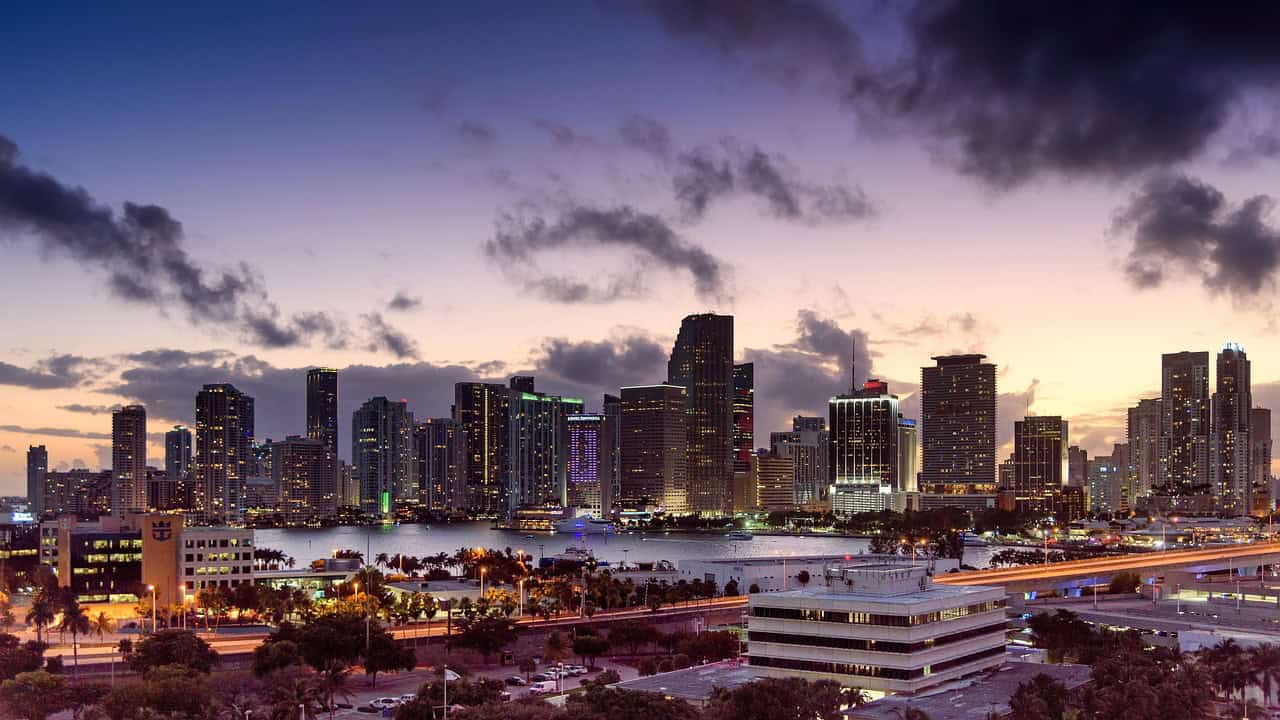
In Miami, rising water and rising prices are reshaping who gets to feel at home. High ground in places like Little Haiti and inland ridge neighborhoods has become prime territory for investors eager to escape flood zones. That attention snaps up modest houses and storefronts that once anchored Haitian, Caribbean, and Latin communities, replacing hand painted signs with glossy leasing banners. New glass towers promise safety and views, while old renters juggle long commutes and higher bills, stretching family networks thinner and thinner across the metro.
Cultural Core Of New Orleans, Louisiana
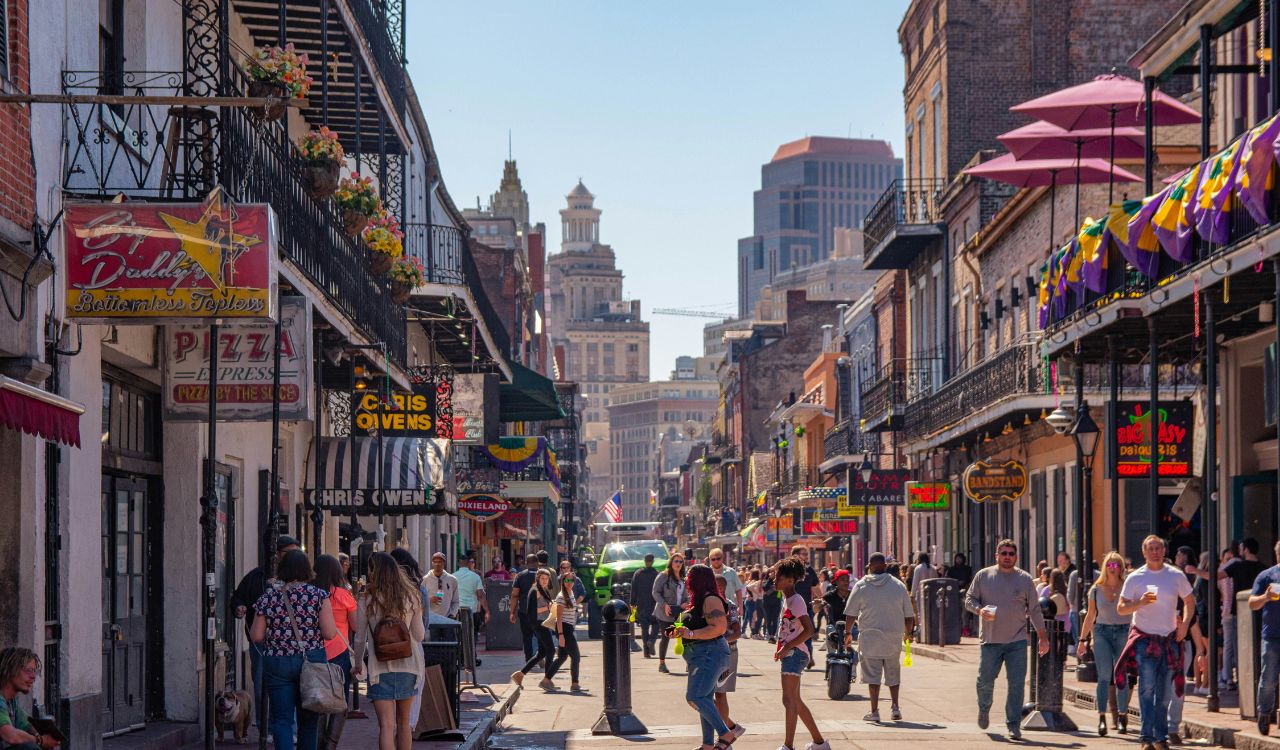
New Orleans still sells the sound of brass bands turning a corner and the smell of beignets at odd hours, but the people who carry that culture fight hard for space. Short term rentals and hotels lean on images of “authentic” neighborhoods while driving up rents in those same blocks. Musicians, kitchen workers, and Mardi Gras Indians often commute from farther out, then return to entertain guests who sleep closer to the action. The city edges toward becoming a stage where the performers themselves can barely afford a seat.
Great Lakes Postindustrial Belt
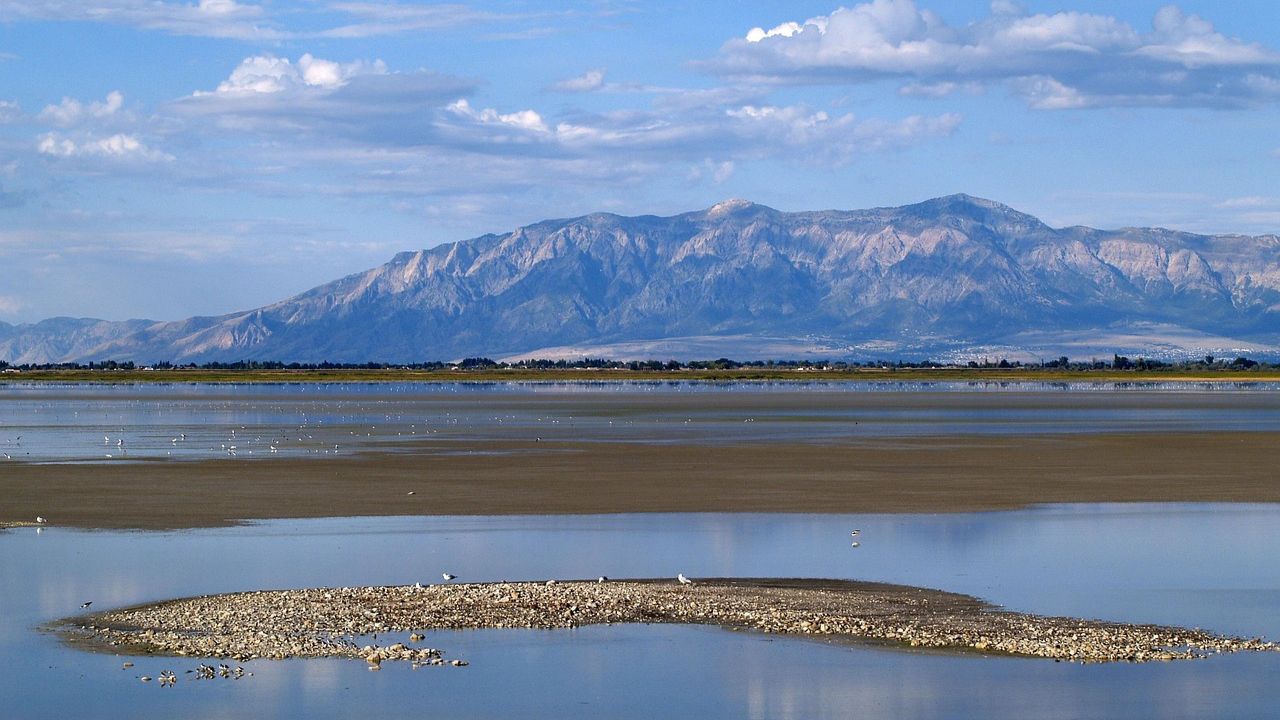
Around the Great Lakes, old factory towns sit at an awkward crossroads between memory and marketing. Smokestacks and brick plants still outline the horizon, even as tourism boards push freshwater beaches, food halls, and loft living. For older residents, the region is built on union meetings, shift whistles, and high school games sponsored by local mills. For newcomers, it can look like a bargain waterfront blank slate. Every time a plant becomes condos with a neutral brand name, another piece of working class history slips out of frame.
Central Appalachian Coal Country
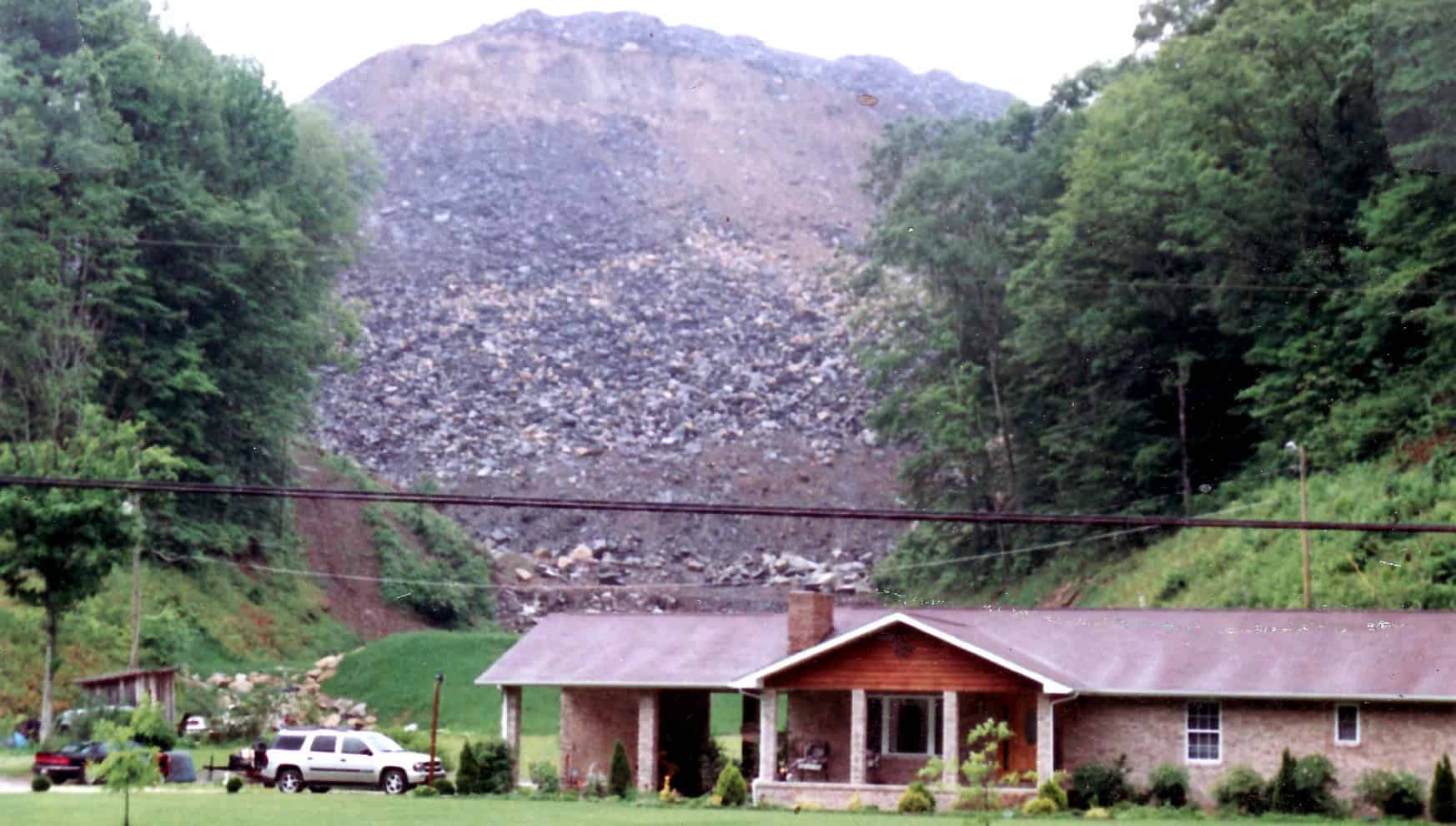
In central Appalachia, identity has long been tied to coal, even when it broke bodies and landscapes. As mines close and global energy shifts, outside funders bring ideas about outdoor recreation, remote work hubs, and wellness retreats in cabins with perfect views. Some of that change creates options that never existed before, which matters deeply in places with very few jobs. Still, many residents feel the story is being rewritten in real time, with hardship and sacrifice quietly edited out for visiting eyes and investors’ brochures.
Working Waterfronts Of Coastal Maine
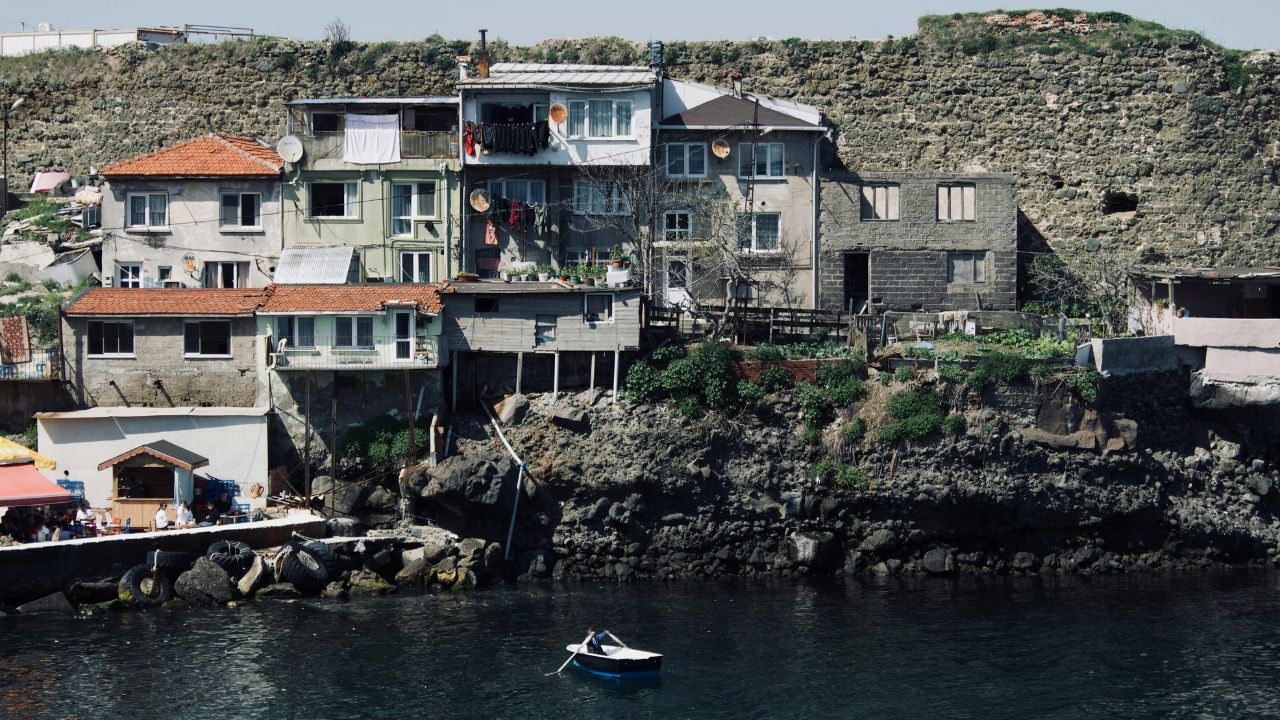
Along the Maine coast, the distance between a working harbor and a lifestyle backdrop can be less than a block. Lobster boats still leave before dawn, but their owners now compete with second homes and boutique inns for access to docks, parking, and storage sheds. Towns welcome tourist dollars and summer festivals, yet worry that year round families are getting priced three towns inland. The postcard of a weathered wharf remains on calendars and tote bags even as the people who tie those lines struggle to stay on that same pier.
Texas Hill Country Wine And Ranchland
The Texas Hill Country now lives in two moods at once. One is built on ranch work, German churches, river swims, and feed stores that double as community notice boards where everyone knows whose truck is outside. The other is built on wineries, wedding venues, and weekend crowds spilling out of tasting rooms in town squares like Fredericksburg. That boom brings jobs and visibility, but it also pushes land prices higher. Many families quietly wonder how long their kids will be able to return and build a life there.