We may earn money or products from the companies mentioned in this post. This means if you click on the link and purchase the item, I will receive a small commission at no extra cost to you ... you're just helping re-supply our family's travel fund.
Some of Europe’s richest cultural moments happen far from the capital-city queues. In small villages, tradition is not a show put on for visitors; it is how bread gets baked, how gardens get tended, and how neighbors mark the calendar. These places reward slower travel and quieter observation, letting a local market, a church bell, or an evening stroll set the day’s pace. The payoff is texture, not spectacle, from painted houses and fortress lanes to hillside vineyards and mountain kitchens.
Piódão, Portugal
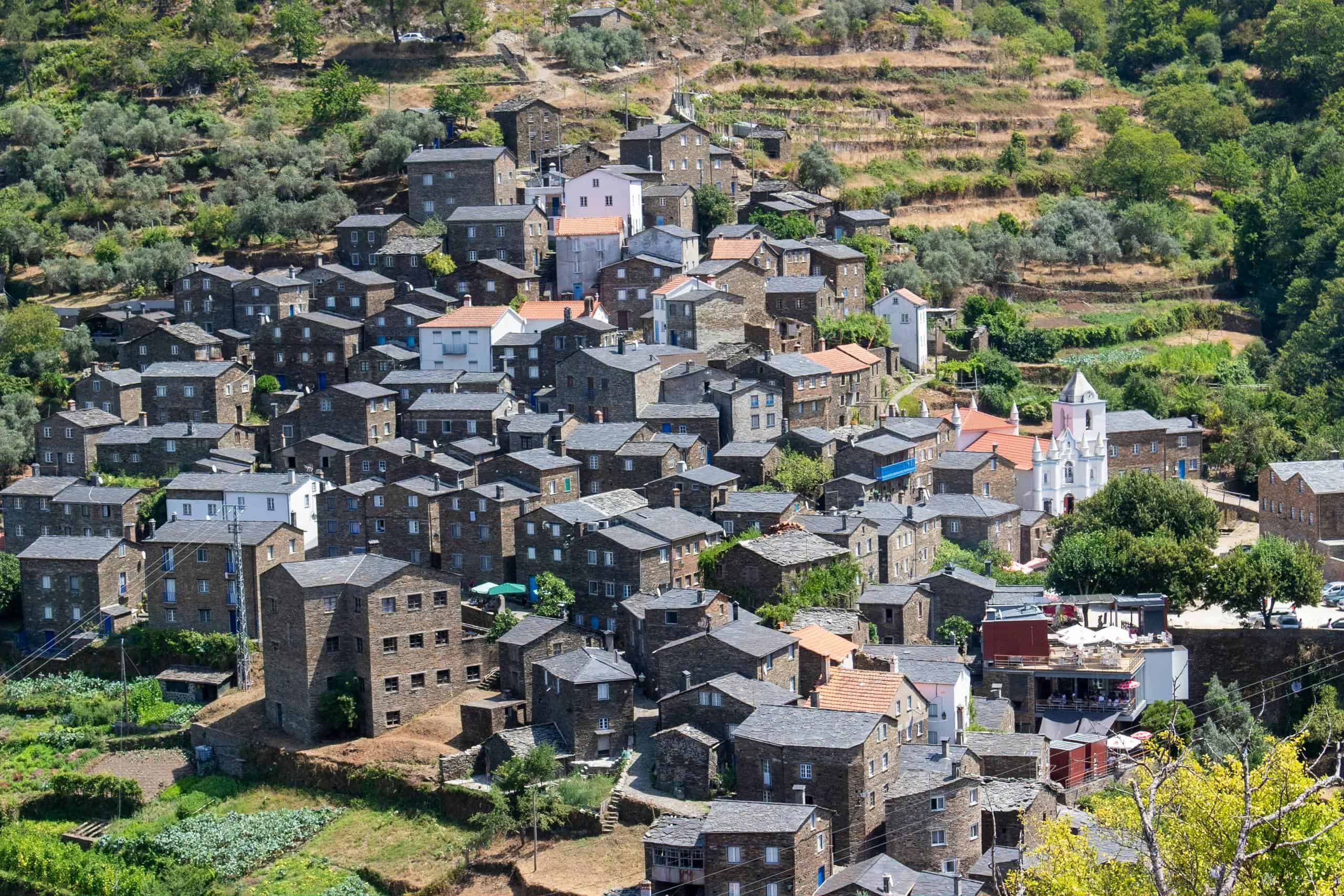
Piódão sits in the Serra do Açor like a village carved from schist, its houses capped with slate and trimmed in the signature blue seen on doors and window frames. It belongs to Portugal’s “Historic Villages” network, and the lanes still feel practical, not performative, as residents move between terraces, garden plots, and stone steps that double as front porches, and the church bell carries. Food keeps the visit honest: the official village guide highlights chanfana, a slow-cooked goat or lamb stew, served in small dining rooms where the mountain air cools after sunset and the talk stays close to home.
Mesta, Greece
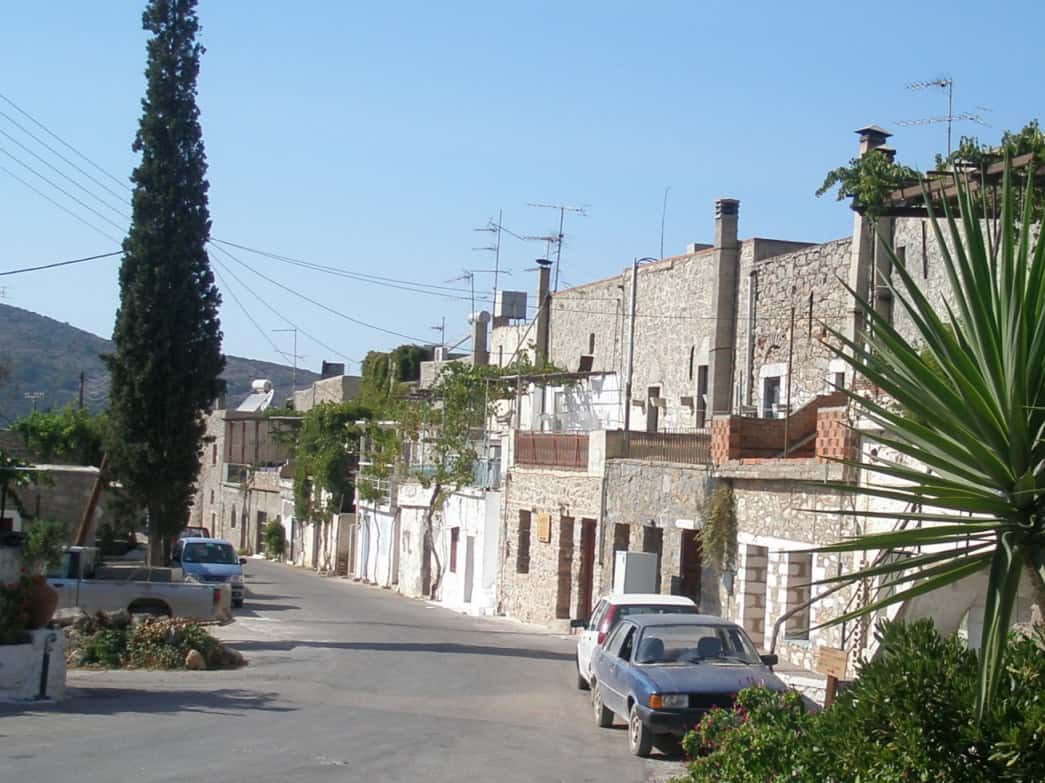
Mesta, on the island of Chios, is a village-castle built in stone geometry, with narrow passages that bend and hide the square until the last second. Local descriptions note it sits 35 km from Chios town and was built like a fortress, and the architecture feels defensive, a reminder that daily life once needed protection as much as shade. The wider region is shaped by mastic cultivation, a tradition UNESCO recognizes as intangible cultural heritage on Chios, so the most authentic moment is often ordinary: mastic-scented sweets under vine-covered courtyards, small shops selling mastiha liqueur, and neighbors debating the harvest.
Soglio, Switzerland
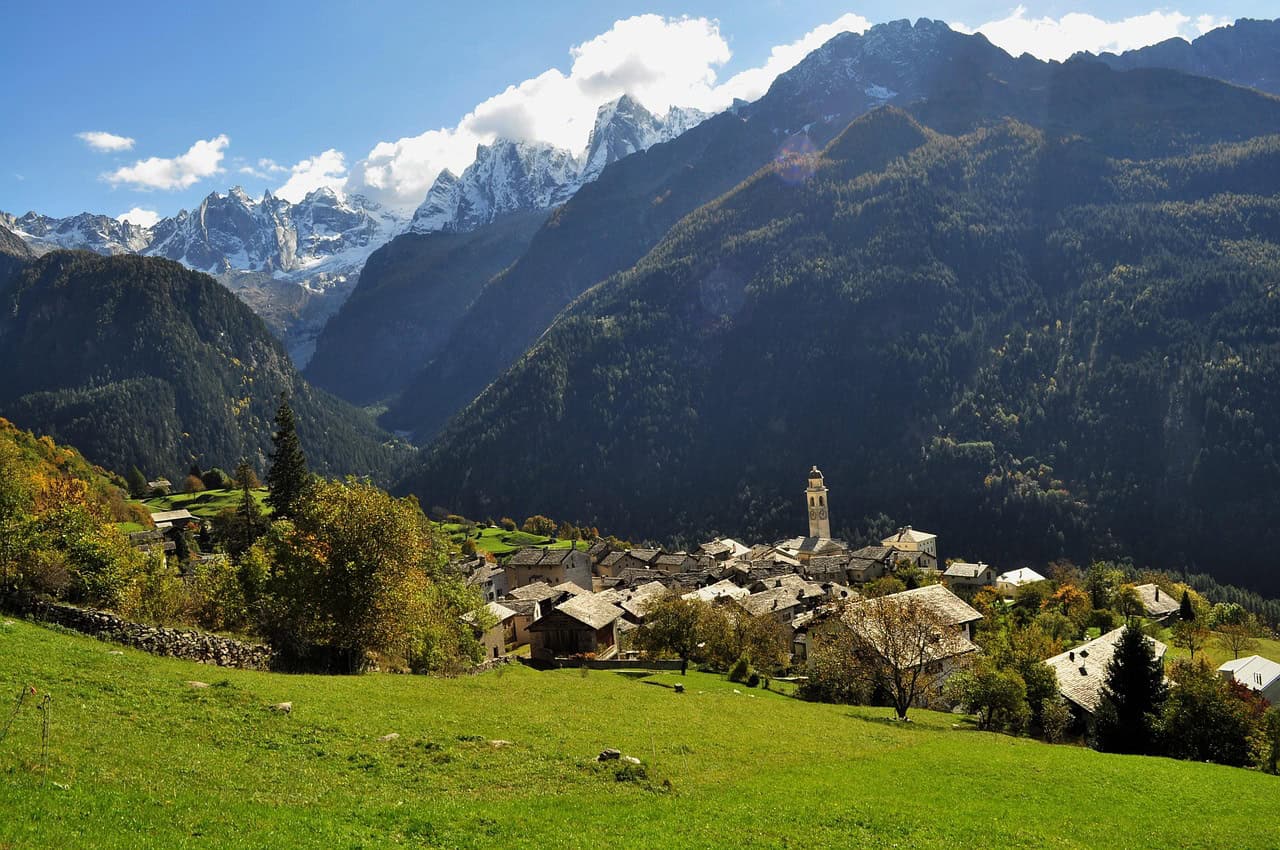
Soglio sits on a natural terrace above the Val Bregaglia, where chestnut trees and flowered balconies soften the granite drama across the valley, and is nicknamed the “gateway to paradise.” Local tourism notes place the de Salis family mansions at the village’s heart, with the oldest dating to the 14th century and later houses from the 17th and 18th centuries; one, Palazzo Salis, has welcomed guests as an inn since 1876. Instead of a checklist, the culture is in small rituals: a café that knows everyone’s order, a churchyard conversation in three languages, and the evening walk when the mountains turn pink and the village goes quiet.
Štanjel, Slovenia
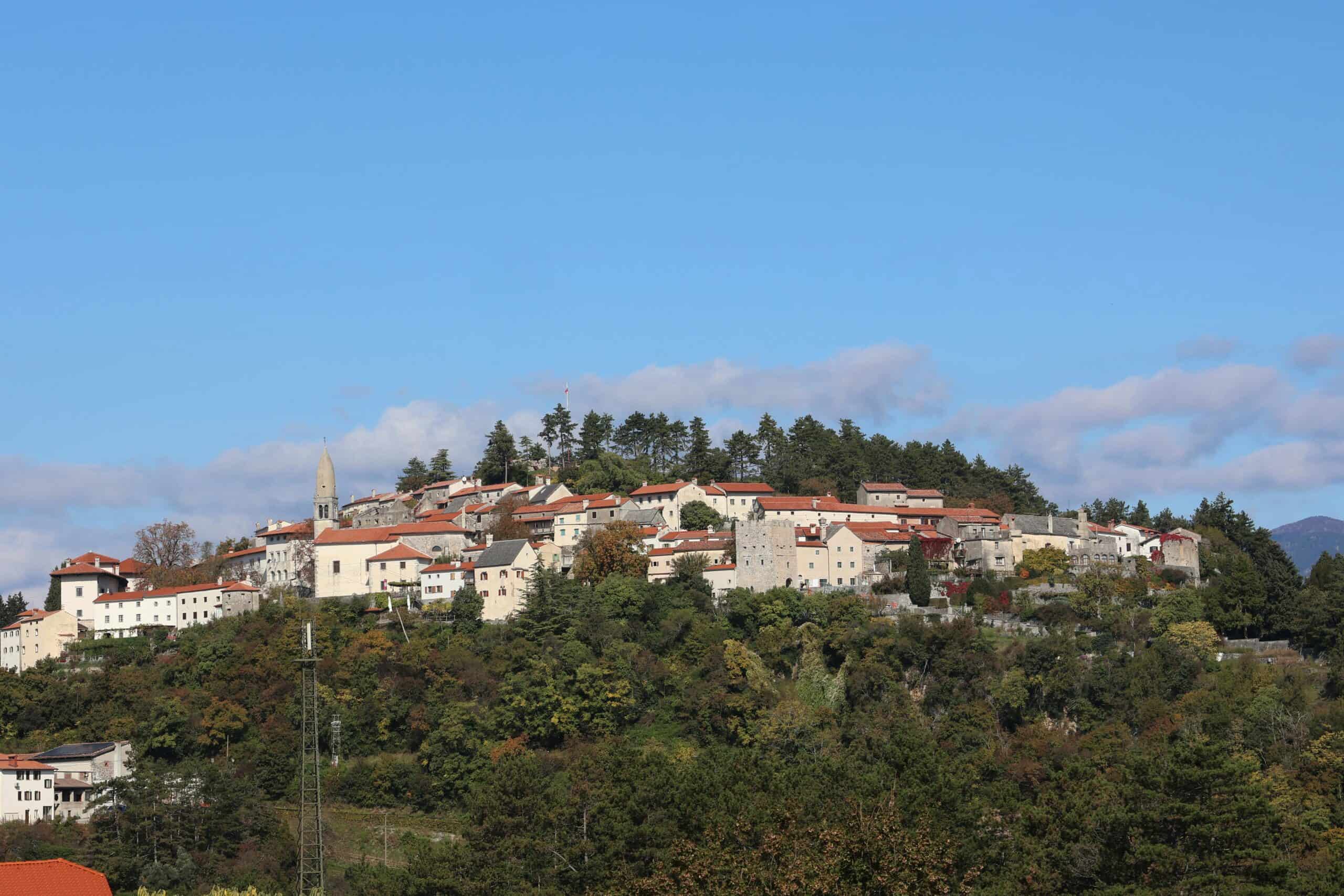
Štanjel rises from the Karst like a stone ship, with tight alleys, arched portals, and a hilltop silhouette that still feels built for endurance. A recent local profile describes the oldest core as tightly packed rows of houses, with the upper village home to only a few dozen residents today, which is why mornings can feel more like a neighborhood than a destination. Heritage sites highlight the “Roman house,” likely built in the 14th or 15th century, which now holds an ethnological collection focused on everyday Karst life and the resourceful use of stone, and that theme continues in meals and unhurried courtyard chats after the bells fade.
Čičmany, Slovakia
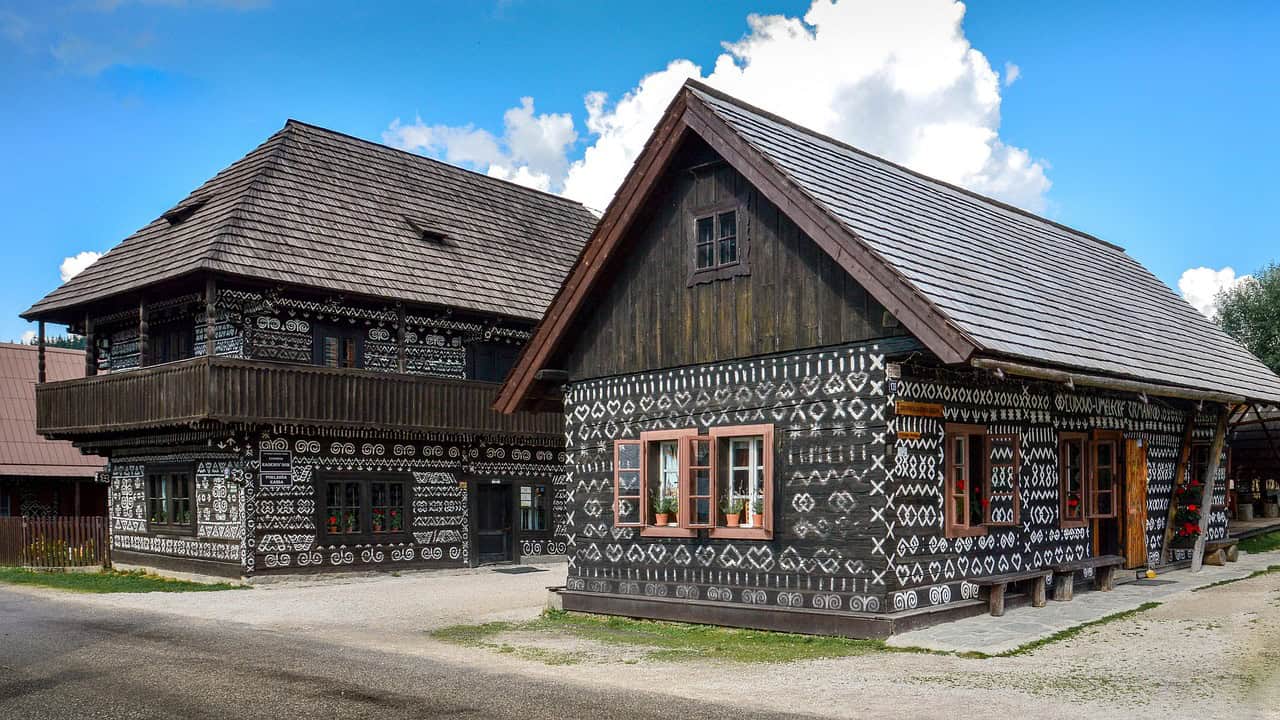
Čičmany is small enough to miss on a map, yet the houses announce themselves with bold white folk patterns painted across dark timber walls, in a village of roughly 204 residents. Travel descriptions note street after street lined with these traditional designs in white lime paint, a living craft that turns ordinary homes into public art without feeling like a set. Authentic culture here is tactile: embroidery motifs echoed on wood, local cooking that follows seasons, and neighbors who still treat the village as home first, even as visitors arrive for photos and leave with the sense that the symbols mean something beyond decoration all year.
Viscri, Romania
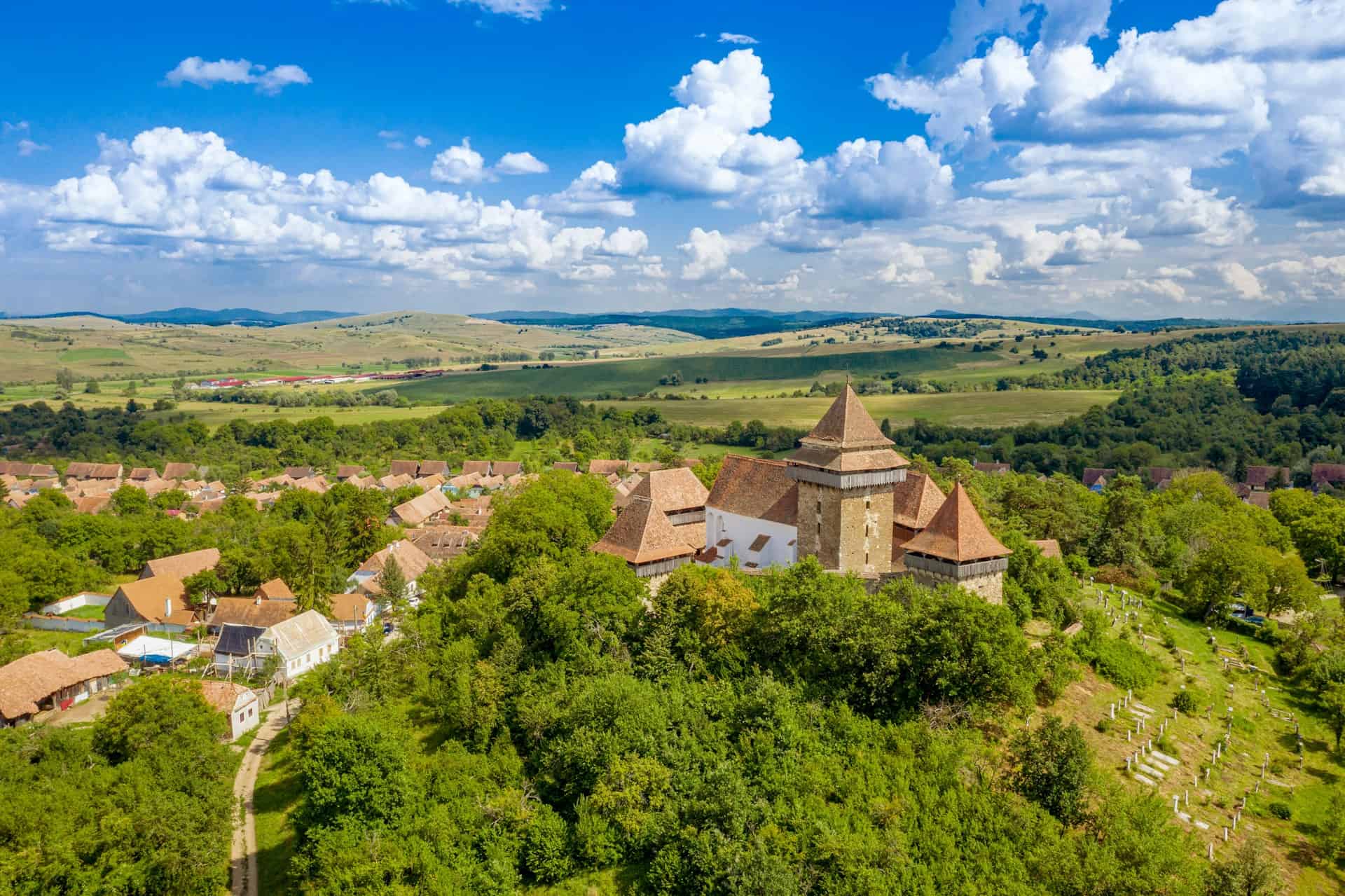
Viscri, in Transylvania, looks gentle at first: painted farmhouses, hay meadows, and a quiet road where carts still make sense. The village’s fortified church, begun in the medieval era and later expanded, is part of UNESCO’s “Villages with Fortified Churches in Transylvania,” a cultural landscape founded by Transylvanian Saxons and dominated by churches built from the 13th to 16th centuries. That heritage shows up in daily texture, not museum silence: garden gates left open for neighbors, bread and cheese traded in small shops, and an evening calm that makes the church walls feel less like a monument and more like a backdrop to rural life.
Santo Stefano Di Sessanio, Italy
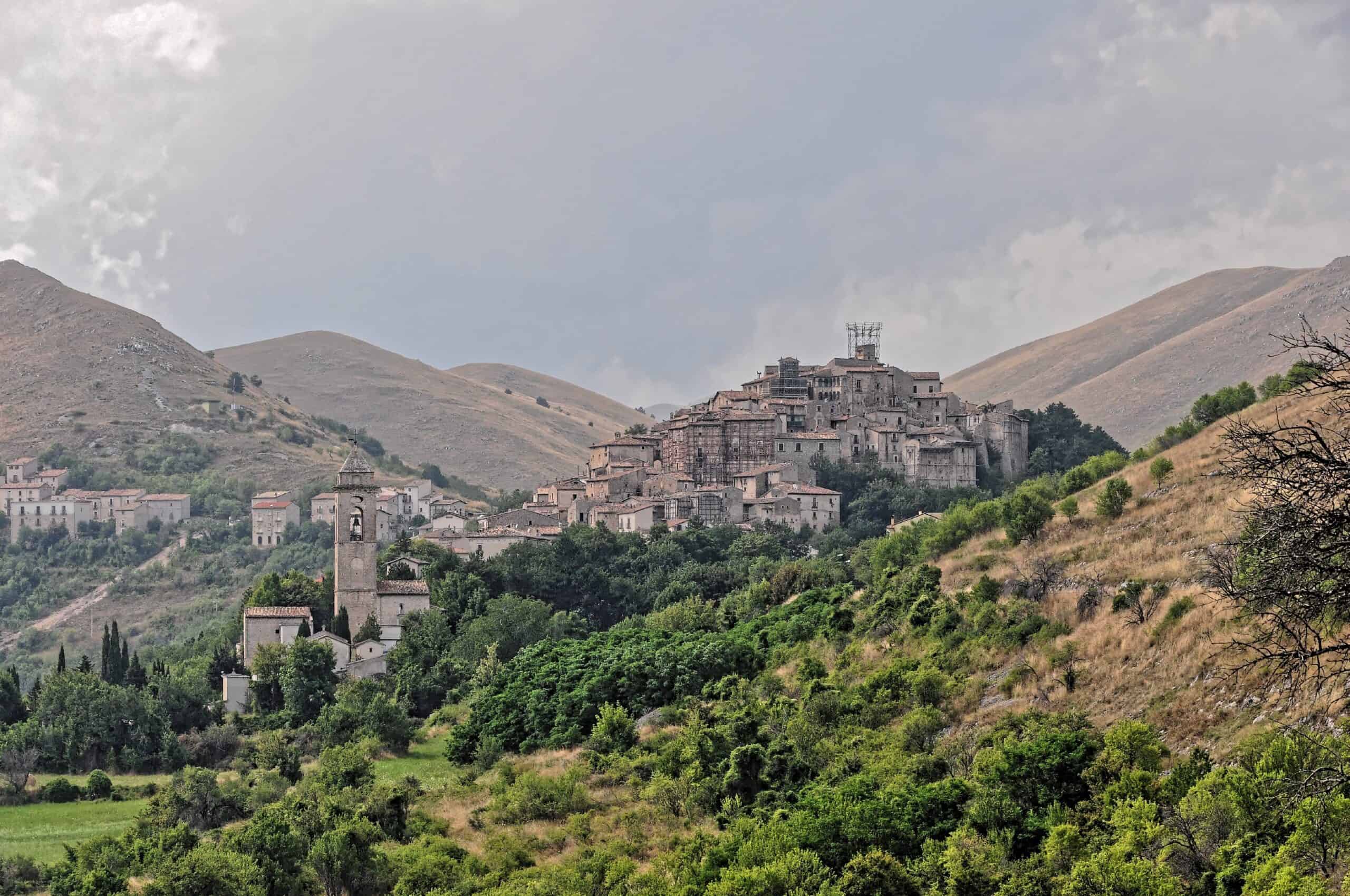
Santo Stefano di Sessanio sits high in Abruzzo, a fortified hill village where stone lanes loop under arches and the wind off the Apennines clears the mind. A well-known “albergo diffuso” project restored rooms across existing buildings, with a stated goal of reviving the village without sacrificing its identity and avoiding new construction that would break the skyline. The result feels unusually real for a beautiful place: locals and guests share the same bar, wool and lentils show up in simple meals, and nights are quiet enough to hear footsteps on cobbles, not nightlife, which keeps the culture rooted in the village’s daily scale.
Albarracín, Spain
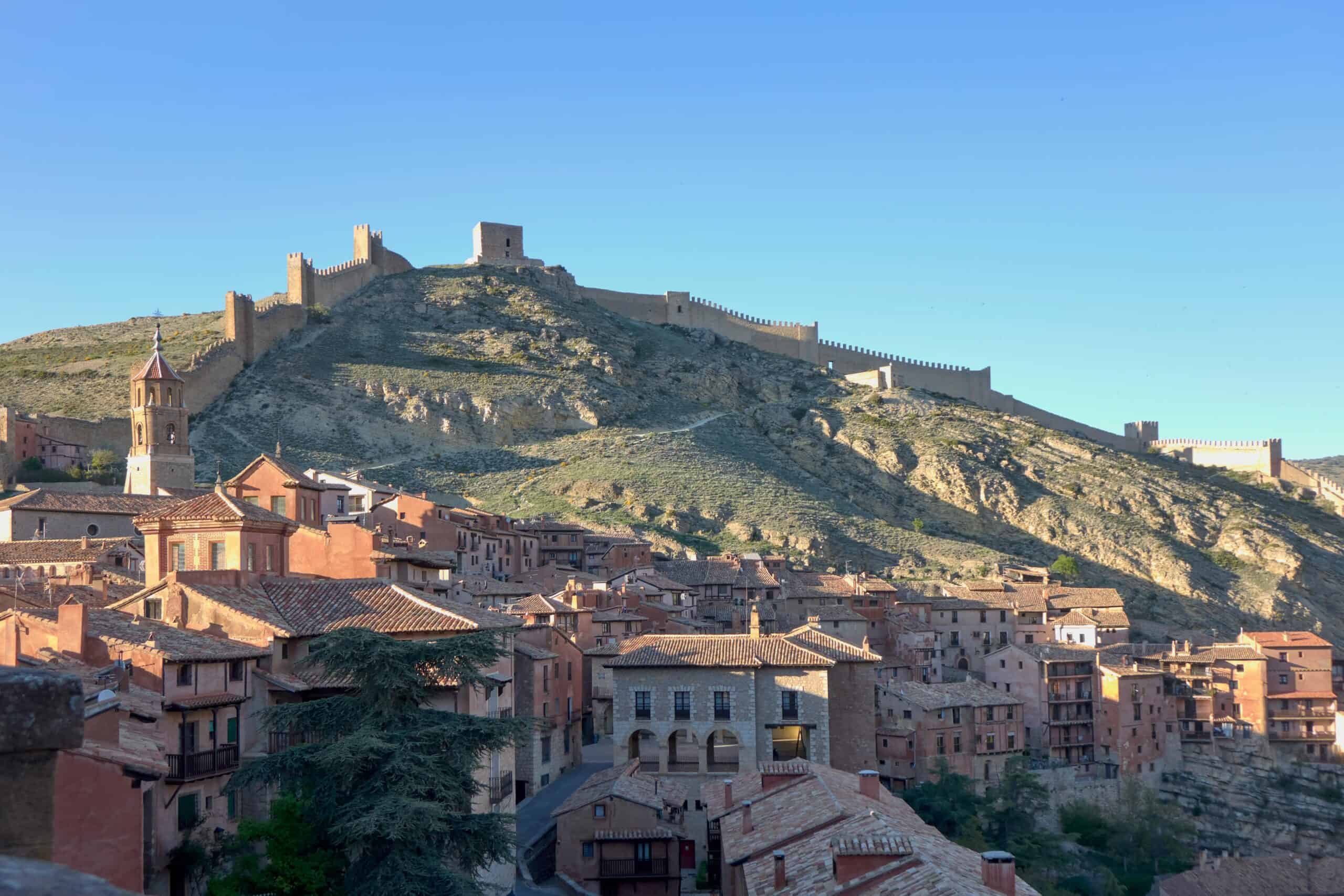
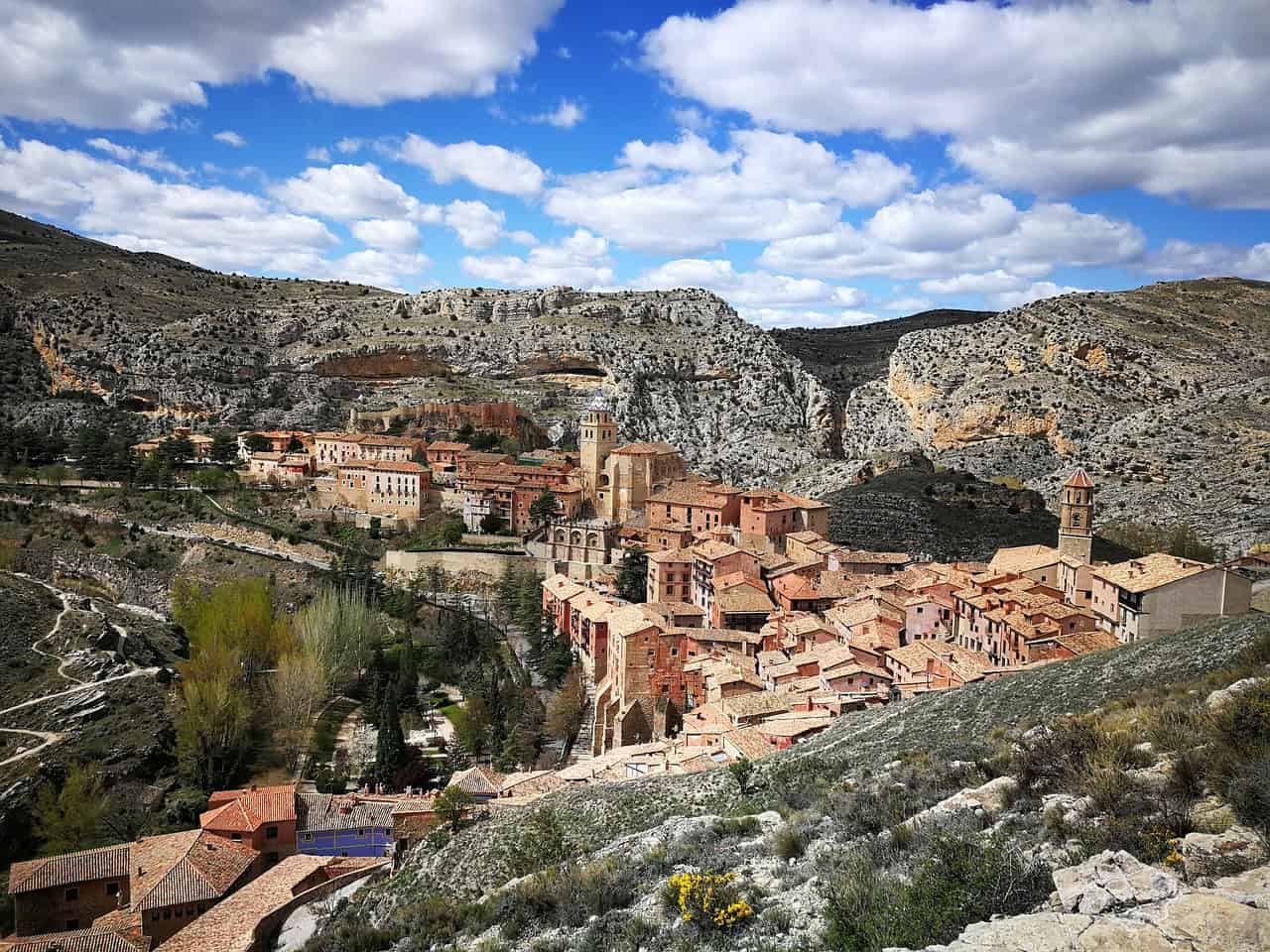
Albarracín, in Aragón’s Teruel province, curls along a river meander beneath stone walls, with red sandstone cliffs giving the town its warm, dusty palette and pinkish plaster façades. It was declared a Monumento Nacional in 1961, and it sits surrounded by stony hills that have also made the area famous for bouldering and climbing, keeping the streets lively without turning them loud. Authentic culture here is not a performance; it is the steady rhythm of local shops opening late, families lingering after mass, and travelers sharing the same cafés as older residents, all while the evening light turns the walls the color of embers most days.