We may earn money or products from the companies mentioned in this post. This means if you click on the link and purchase the item, I will receive a small commission at no extra cost to you ... you're just helping re-supply our family's travel fund.
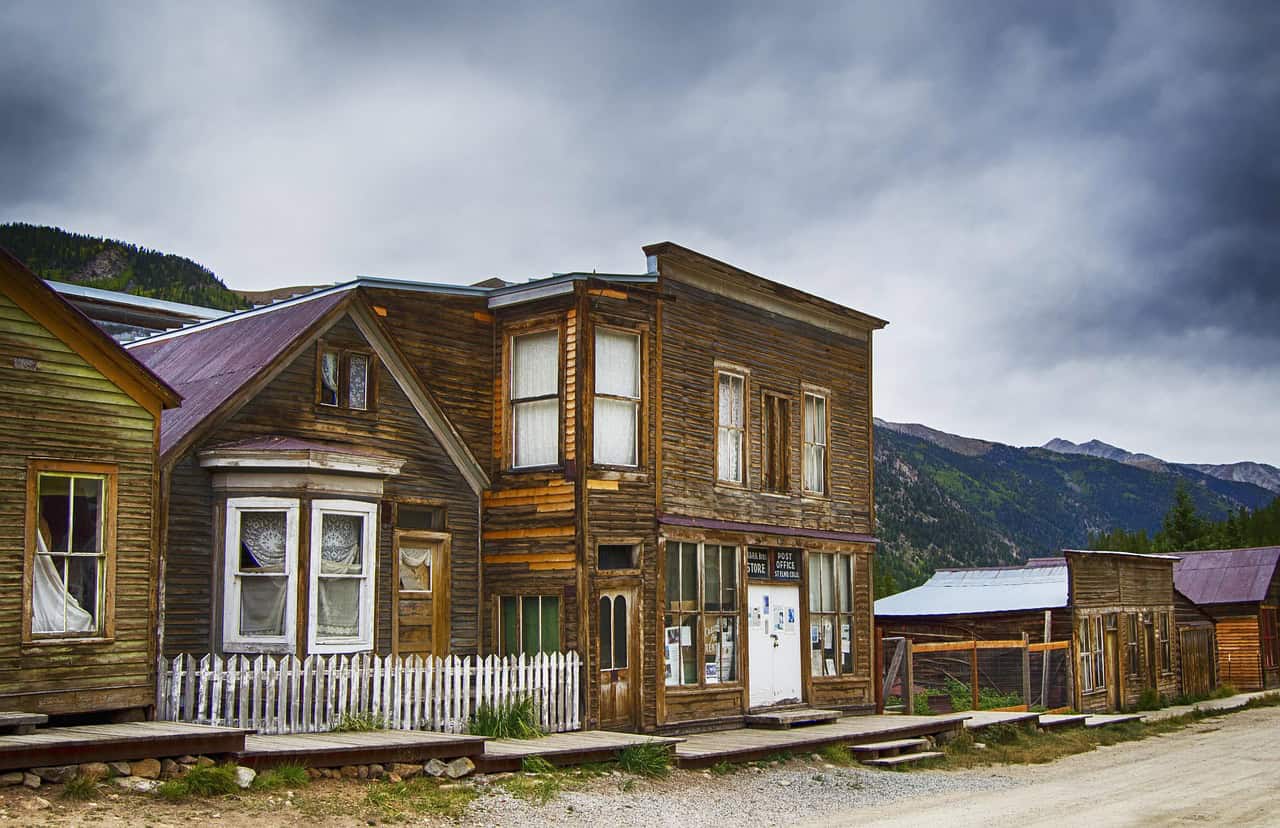
Ghost towns do not just preserve old buildings. They preserve the feeling of a place right after the music stops, when work leaves, families scatter, and the landscape keeps going as if nothing happened. Across the United States, abandoned mines, rail hubs, and company towns still stand in wind, snow, and hard sun, holding small clues about how people lived. Some sites are carefully managed, others sit half-wild, but all of them ask for patience, respect, and a little humility in the face of history.
Bodie State Historic Park, California
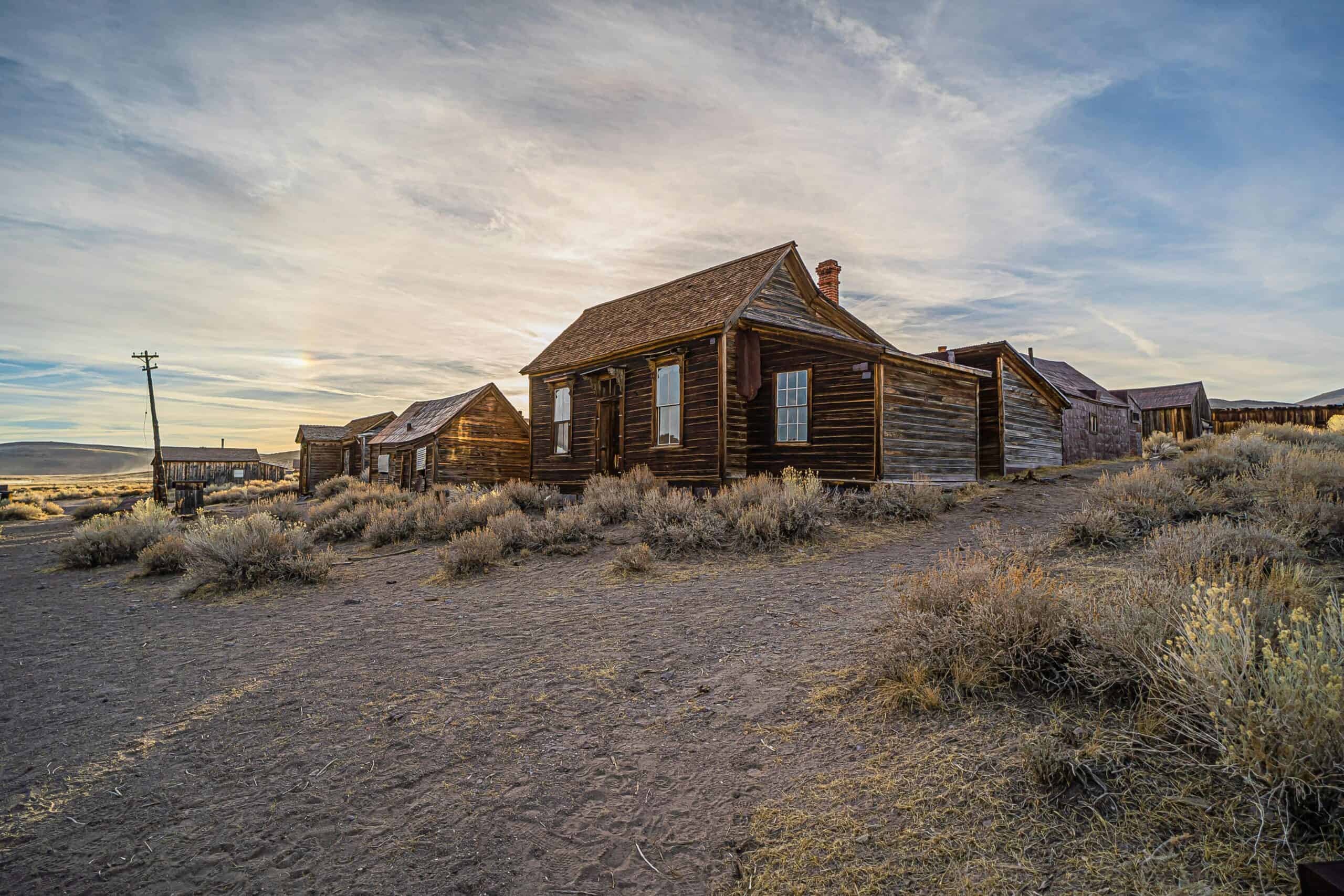
Bodie feels less like a set and more like a town that paused mid-sentence, preserved by California in a state of “arrested decay,” where repair is minimal and time is curator. Weathered storefronts, leaning porches, and dusty rooms still hold the everyday clutter of an 1800s gold boom, so the silence sounds earned, rather than staged, and the wind seems to move through the streets like a second narrator. Set high in the desert east of the Sierra, it rewards slow wandering, steady footing, and an eye for cans on shelves, faded wallpaper, and crooked signage that show how quickly prosperity can thin into emptiness.
Rhyolite, Nevada
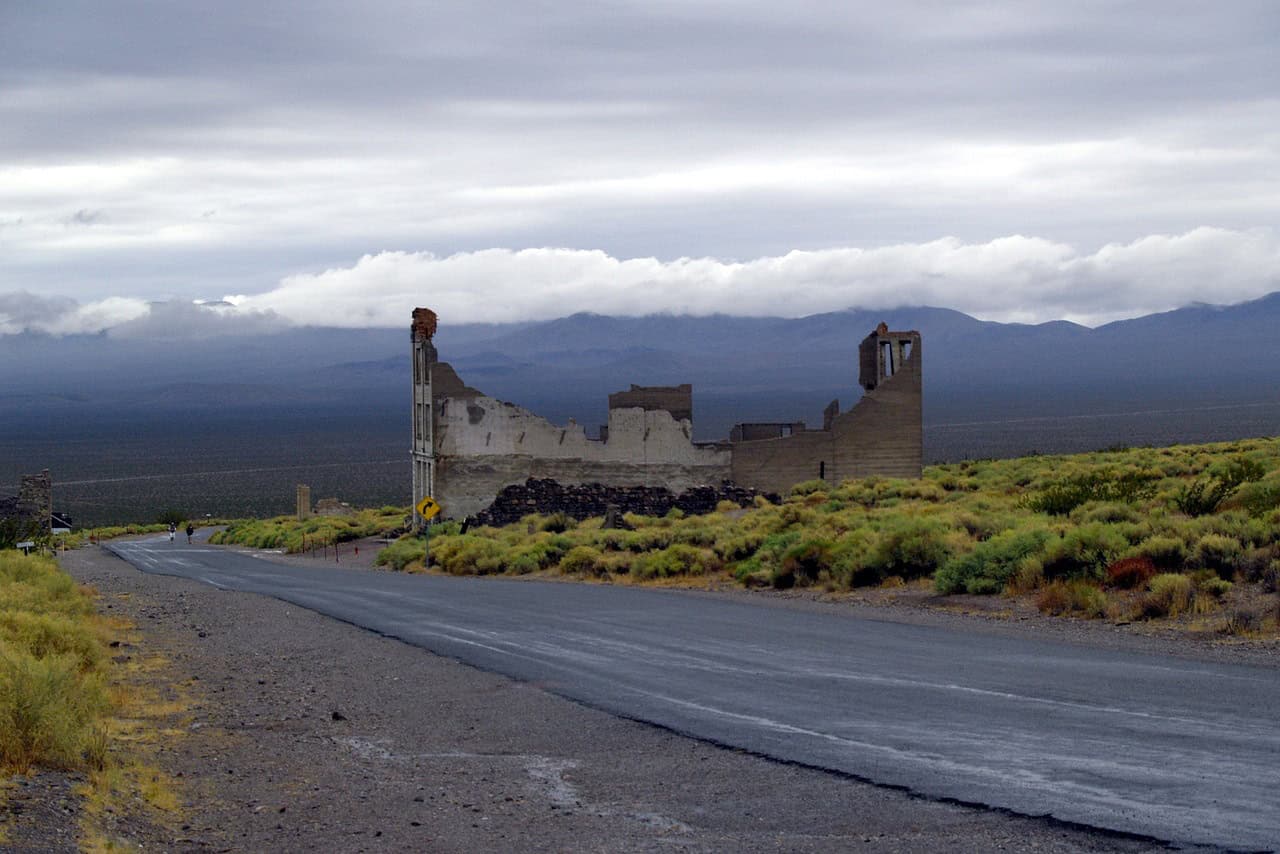
Rhyolite rose fast after a 1904 gold strike and fell hard, soon after, leaving big ambition scattered across a Nevada townsite near Death Valley, with ruins that look oversized for the population that vanished. Roofless bank walls, the Bottle House, and other fragments catch harsh desert light that makes every crack and shadow show, turning a quick stop into a lingering one as heat shimmers off stone and the horizon feels too wide. Late-day visits soften the glare and stretch the silhouettes, but the best mood stays practical: solid shoes, water on hand, and respect for fragile masonry, loose rubble, and posted boundaries.
Bannack State Park, Montana
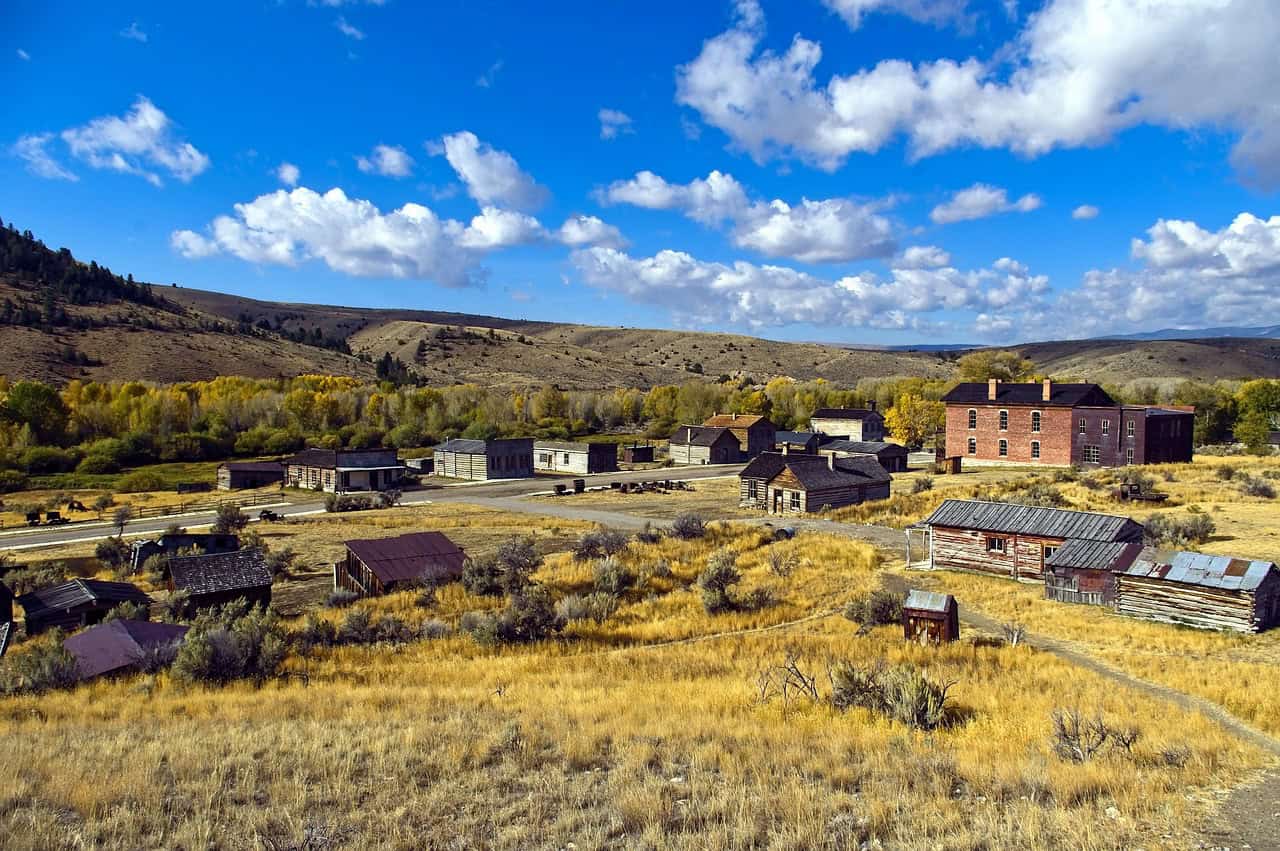
Bannack was Montana’s first major gold rush town and its long Main Street still reads like a frontier ledger in wood, brick, and sunbleached paint, with boardwalks that make footsteps sound deliberate. Over 50 buildings remain, including saloons, a hotel, and the old courthouse, all set against open sage hills that make the place feel exposed and honest, as if the landscape refuses to let the past hide. It is eerie in a quiet, daylight way, especially when wind moves through empty rooms, but the history lands best when time is taken to notice tool marks, warped doors, stove pipes, and distance from everything.
Garnet Ghost Town, Montana
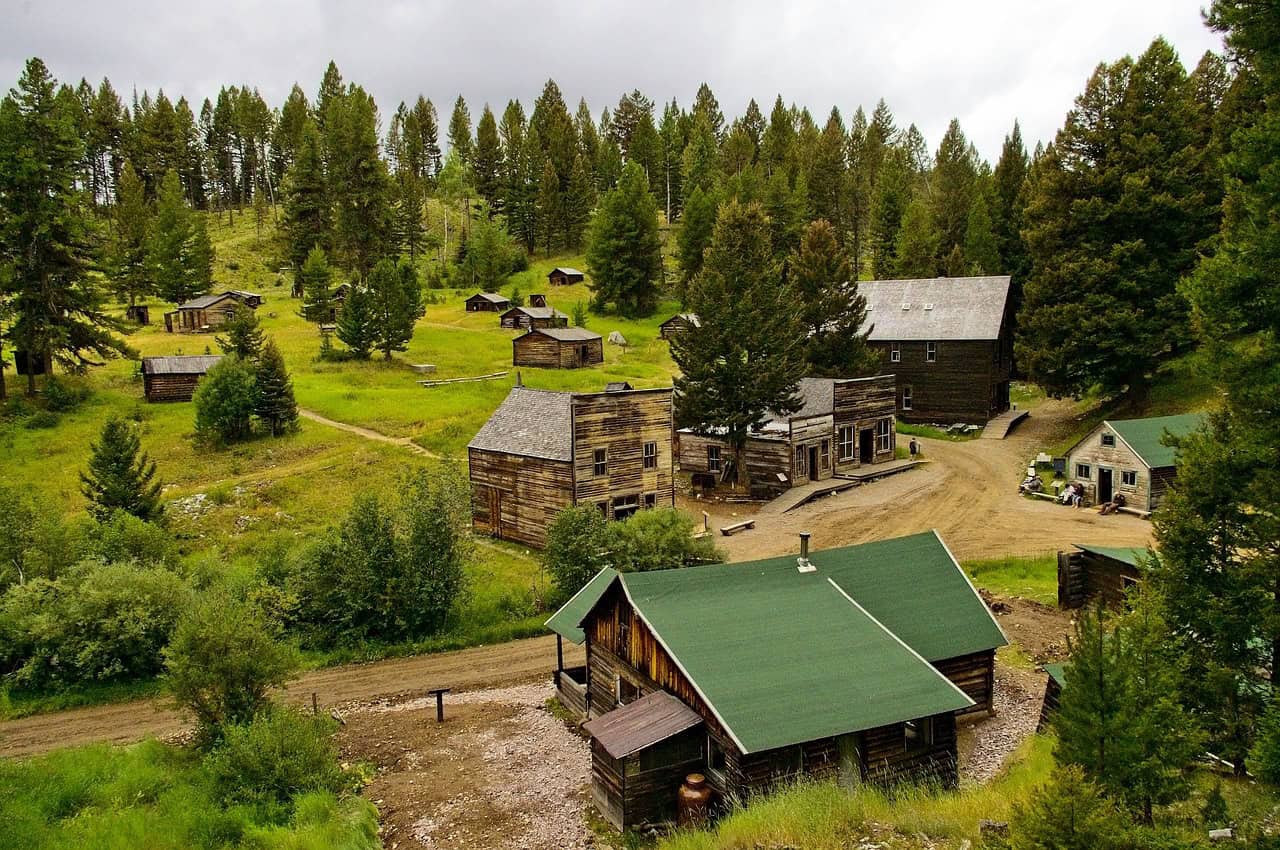
Garnet hides in the pines above Missoula, reached by a backcountry byway that climbs into a cool, quieter Montana where sound carries far and the air smells like sap and old smoke. In the 1890s, about 1,000 people chased gold here before the town was largely abandoned roughly 20 years later, leaving a rare cluster of preserved buildings that still feel lived-in, down to worn floorboards. The visitor center’s late May through Sept. season makes planning easier, yet the most memorable moments arrive in the pauses: a latch clicking, a raven calling, and the sense of labor, hope, and disappointment held in timber.
St. Elmo, Colorado
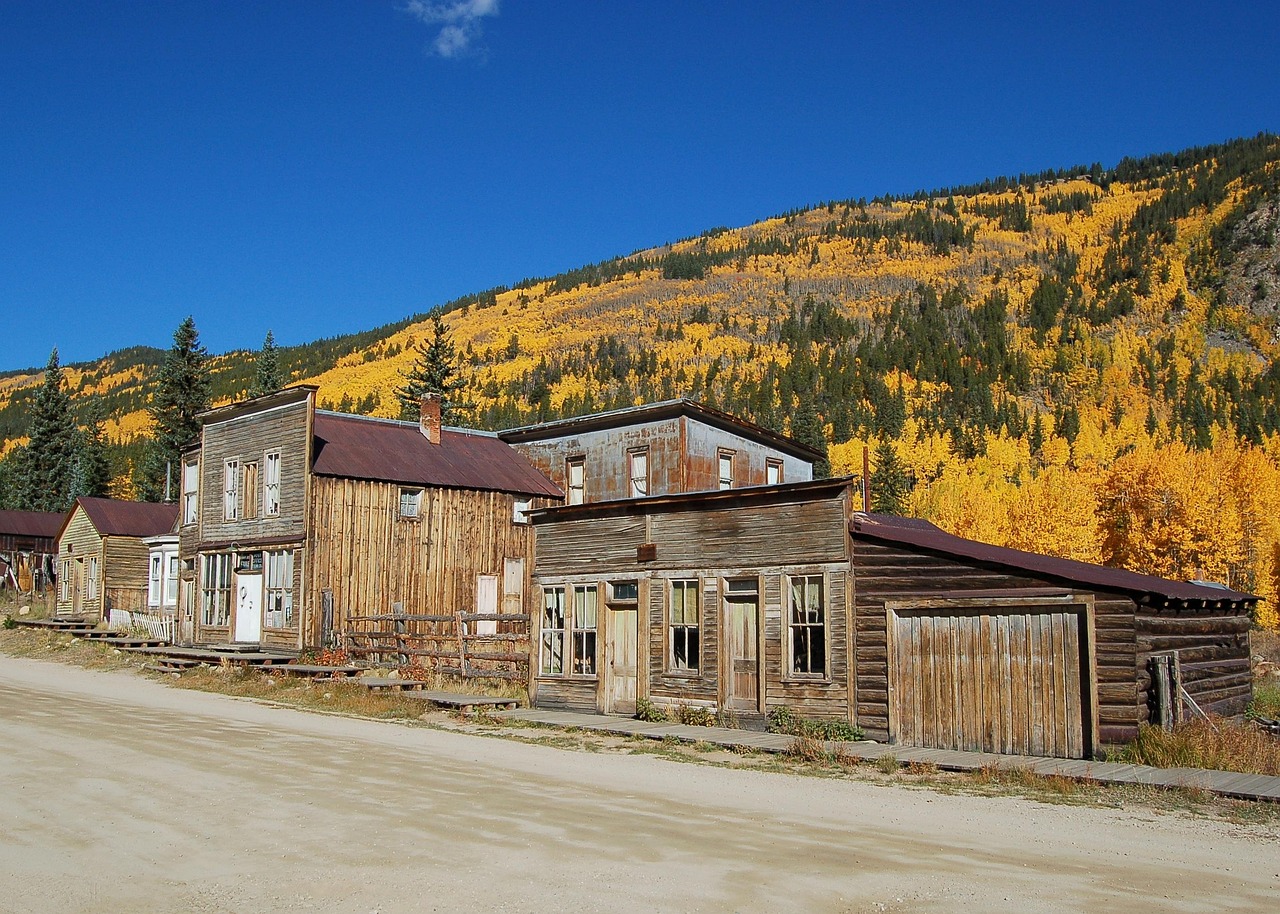
St. Elmo sits at the end of a mountain road about 16 miles west of Nathrop where thin air, creek noise, and dark timber make daylight feel dramatic and every cloud change feels personal, often at dusk. Founded in 1880 and now recognized as a historic district, its wooden storefronts and cabins look ready for the next train that never arrives, and that suspended expectation is what gives the town its edge. It works best as a respectful wander with a weather check in mind, since mountain conditions shift fast and many structures are private, closed, or too fragile for casual entry, even when doors look tempting.
Kennecott, Alaska
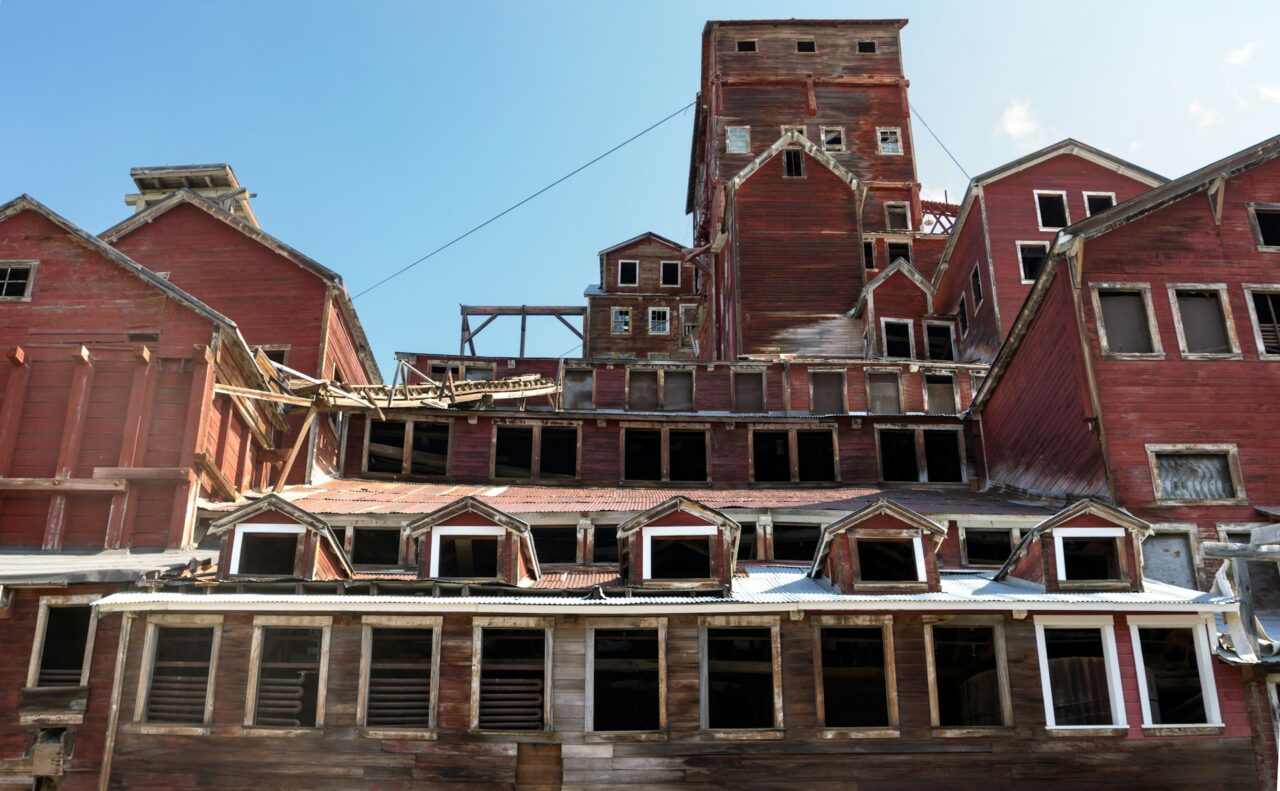
Kennecott’s red mill buildings cling to a steep Alaskan valley and the scale unsettles first, with peaks making the town feel exposed at times. Listed on the National Register of Historic Places and designated a National Historic Landmark, the mining town’s surviving structures are managed within Wrangell-St. Elias, with the National Park Service acquiring key buildings and lands in 1998. Even in summer, the place feels remote and quiet, and the history lands in the empty spaces between structures, where wind, metal, and long light make the past feel close, heavy, and strangely calm for hours, even after tour groups leave.
Thurmond, West Virginia
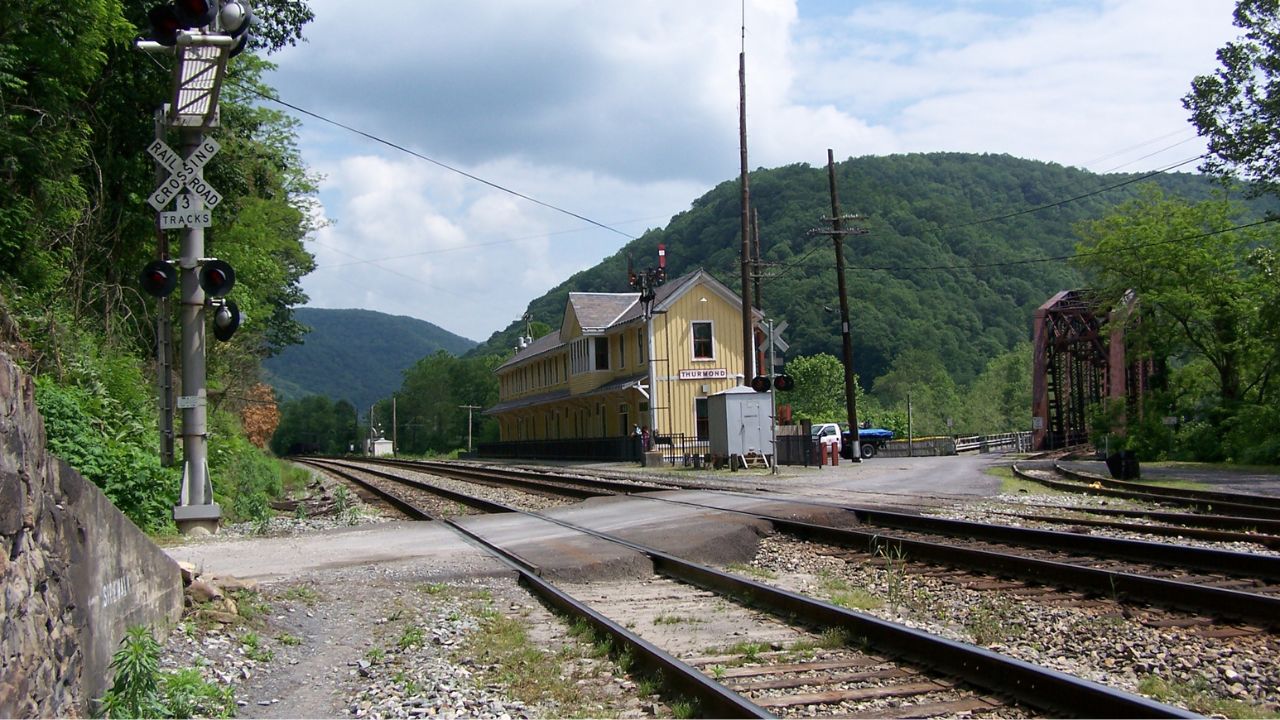
Thurmond is a railroad town tucked into the New River Gorge, and the landscape around it amplifies the quiet until even small sounds feel loud in autumn, from a river echo to gravel under a boot. Within New River Gorge National Park and Preserve, the depot, storefronts, and scattered buildings sit beside the tracks, as if waiting for a schedule that ended years ago, with the river corridor holding the town in a narrow frame. Coal, rail, and river stories overlap here, and the visit stays strongest when it stays simple: slow walking, clear boundaries, and attention to what survives, not what has been restored or repackaged.
Centralia, Pennsylvania
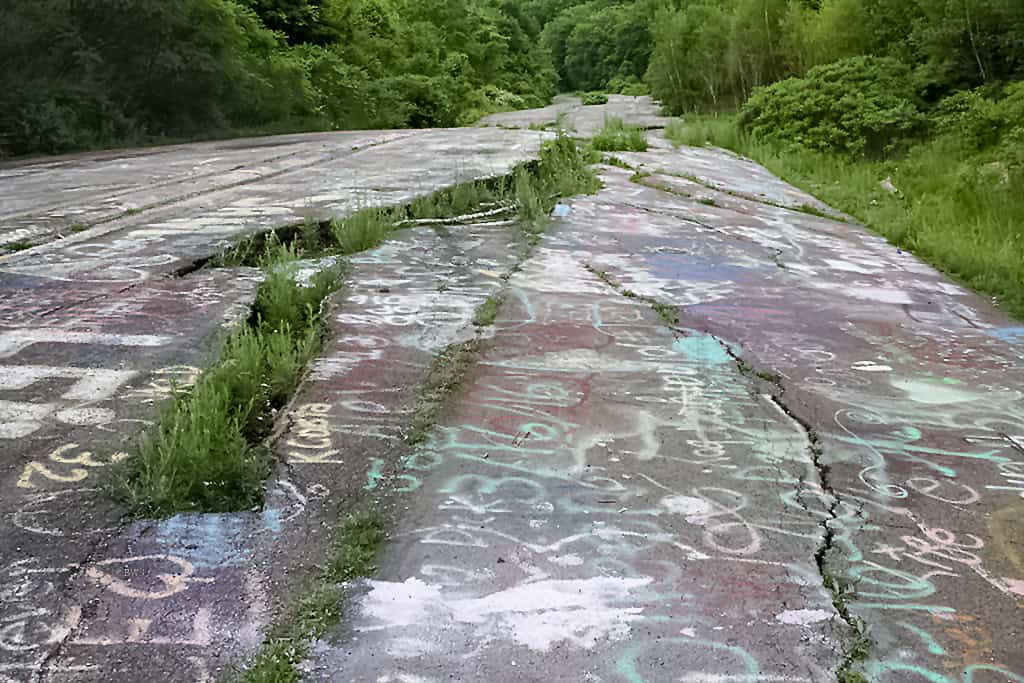
Centralia became a ghost town in a modern, unsettling way, after a coal-seam fire that began in 1962 reshaped the borough and pushed residents out over decades, turning a familiar grid into a cautionary landscape. Most buildings are gone, the ground has been altered, and five residents were counted in 2020, while ongoing heat and gases mean safety rules still matter, and closures can change quickly. It feels uncanny because it is ordinary geography with missing daily life, so the right approach is caution and restraint, treating posted warnings as part of the history rather than something to test.