We may earn money or products from the companies mentioned in this post. This means if you click on the link and purchase the item, I will receive a small commission at no extra cost to you ... you're just helping re-supply our family's travel fund.

Travel insurance reads like comfort until the small print meets a real delay, a missed connection, or a hospital bill abroad. Most disputes are not about bad luck. They are about definitions, deadlines, and a few clauses that sound friendly while hiding sharp edges. In 2026, insurers still write policies around what can be proven, what can be timed, and what counts as foreseeable. The smartest trips are often the ones where expectations are set early, before a claim becomes a second journey of paperwork.
Pre,Existing Condition Look-Back Period

The phrase pre-existing condition often hides a look-back clock, where insurers review recent history to decide whether a flare-up was already in motion. Example: a traveler cancels after asthma worsens abroad, but the claim is questioned because symptoms, a clinic visit, or a prescription tweak showed up in the look-back period, tying the loss to an earlier chapter. Many plans soften this with a waiver only if coverage is purchased soon after the first trip payment, sometimes within 14 days, so procrastination becomes the real trigger, and paperwork turns into a medical audit for claims reviewers.
Cancel For Any Reason Is Not a Full Refund

Cancel For Any Reason sounds unlimited, but CFAR is usually an add-on with strict rules and partial repayment, not a full refund button. Example: a traveler cancels because of anxiety about a destination, then discovers standard trip-cancellation pays up to 100% only for listed reasons, while CFAR often pays 50%–75%, requires insuring 100% of prepaid, nonrefundable costs, and must be bought soon after the first deposit, commonly within 10–21 days. Many policies also require canceling at least 48 hours before departure, so a last-minute choice can turn CFAR into an expensive upgrade that pays nothing, yet still costs extra upfront.
Trip Delay Starts After a Minimum Wait

Trip delay benefits feel automatic, but most policies require a minimum delay before anything counts, often six hours or more, and they reimburse only certain extra expenses. Example: a flight slips four hours, a hotel is booked anyway, and the claim is denied because the delay threshold was not met, or because the cost was not considered necessary. The fine print usually focuses on common-carrier delays, receipts, and reasonable spending for meals, lodging, or local transport, with daily caps, so a spontaneous upgrade or an early check-in often reads as personal choice, not a covered loss, even when the airport chaos felt unavoidable.
Baggage Delay Covers Essentials, Not a Wardrobe
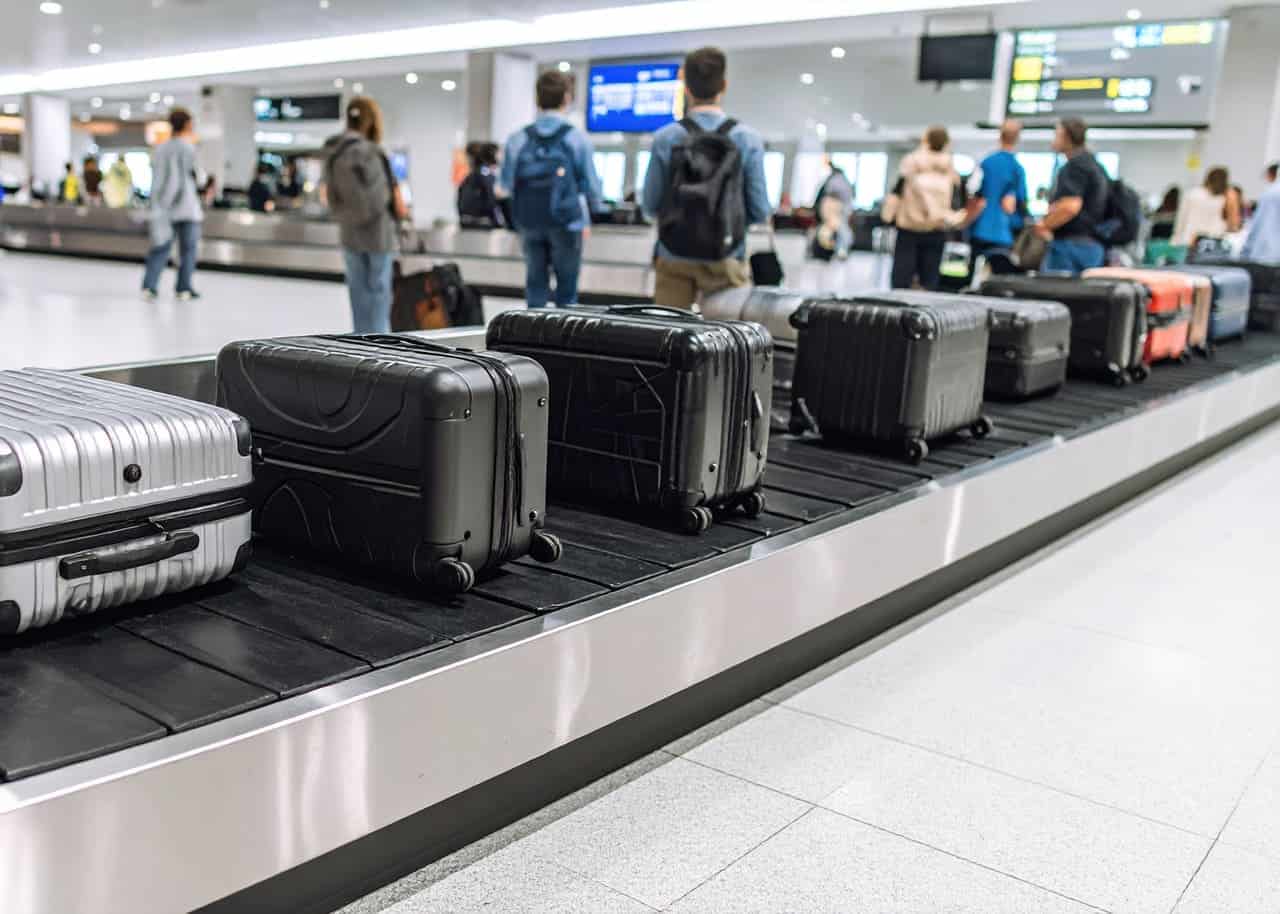
Baggage delay benefits sound generous until the definition appears: coverage often starts only after 12–24 hours, and it is meant for essentials purchased until the bag arrives. Example: a suitcase shows up a day late, and a traveler buys a wedding outfit, only to be reimbursed for basics like toiletries and a simple change of clothes, capped by a per-person limit, and conditioned on receipts plus an airline report. Some plans offer small fixed payments, but proof of a covered delay still matters more than the price tag, so the safest purchases are boring, traceable, and tied to immediate need, with originals saved for the claim file.
Medical Evacuation Often Requires Pre-Authorization
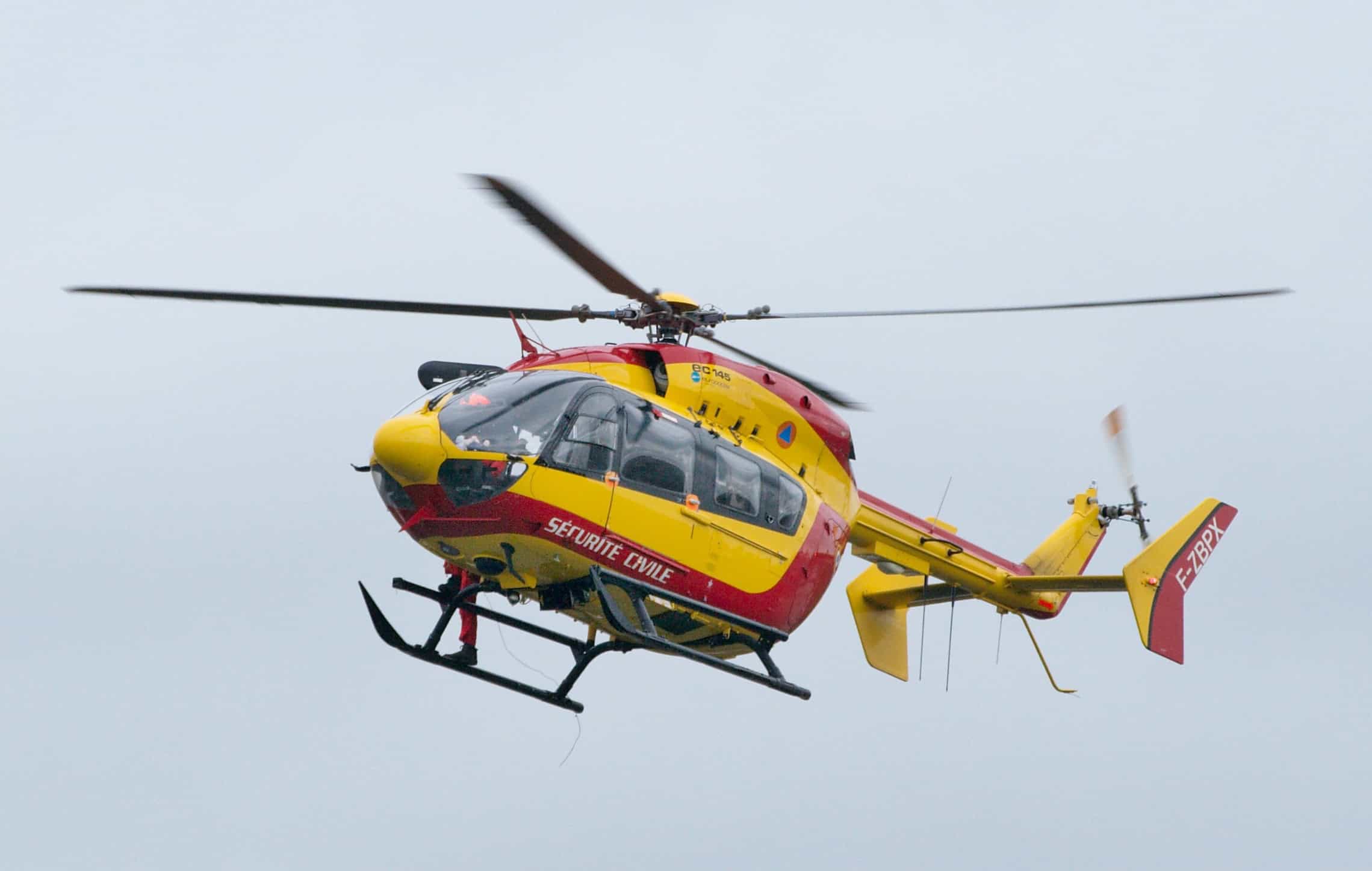
Medical evacuation is where costs get scary fast, which is why many policies require the insurer or its assistance partner to authorize and arrange the transport. Example: after a remote injury, a family privately books an air ambulance, then learns the policy pays only when evacuation is pre-approved, medically necessary, and coordinated through the company’s travel assistance line. That clause is less about bureaucracy than control: insurers often limit routing to the nearest appropriate facility, treat repatriation as a separate benefit, and may deny reimbursements when the phone call happens after the aircraft is already in motion.
Adventure Activities Have Hidden Definitions

Policies often say recreational activities are covered, but the exclusions live in the definitions, where “extreme” can include off-piste skiing, backcountry travel, or scuba beyond a depth such as 40 meters. Example: a skier leaves marked terrain for fresh powder, gets injured, and the claim is denied because the resort classified the area as out of bounds, even though it sat near a groomed run. Insurers love measurable lines: depth limits, elevation caps, unpatrolled terrain, and rule violations, and many plans cover only what appears on an approved activity list, so the same trip can look covered in marketing and excluded in the wording.
Alcohol and Intoxication Exclusions

Many travelers assume a drink only matters for driving, but policies often exclude claims tied to being under the influence of alcohol or drugs, even when the incident feels unrelated. Example: a traveler slips on hotel stairs after a bar crawl, needs stitches, and later faces a denial because medical notes or a police report mention intoxication at the time of injury. Some wordings exclude an insured event if alcohol, drugs, or intoxicants are involved, which can touch medical bills, personal accidents, and even lost-property disputes, so the most damaging detail in a claim can be a casual line in an ER report that cannot be revised later.