We may earn money or products from the companies mentioned in this post. This means if you click on the link and purchase the item, I will receive a small commission at no extra cost to you ... you're just helping re-supply our family's travel fund.
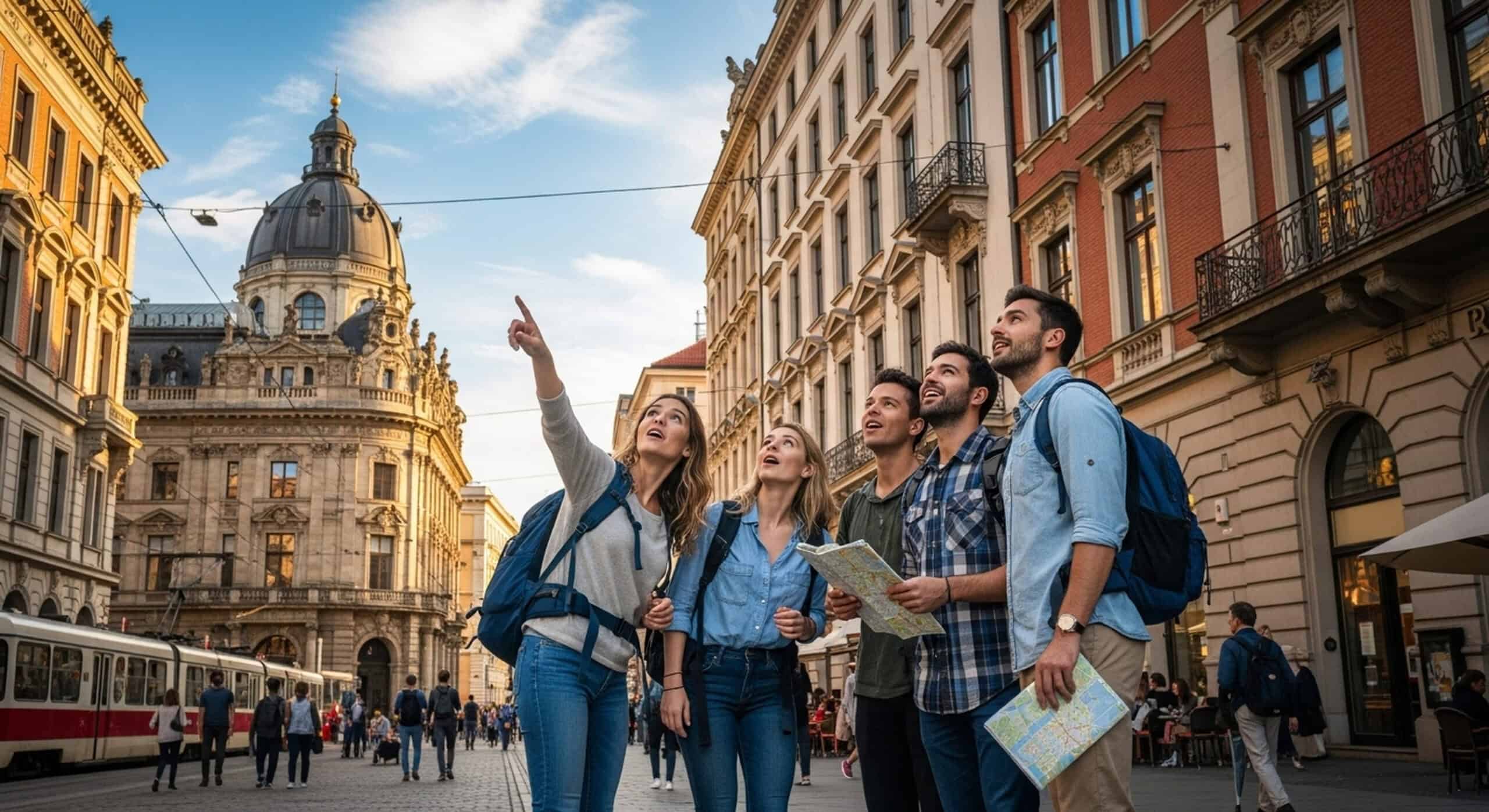
For years, certain countries built their global image around warm hospitality, affordable travel, and open doors. Tourism helped local economies grow, filled restaurants and hotels, and turned once-quiet places into international hotspots. But in many destinations, that relationship is changing. Crowds have grown larger, housing costs have climbed, and residents are beginning to feel pushed aside in their own neighborhoods. The frustration is not always aimed directly at travelers, but the mood has shifted. In some places, the welcome feels thinner than it once did.
Spain
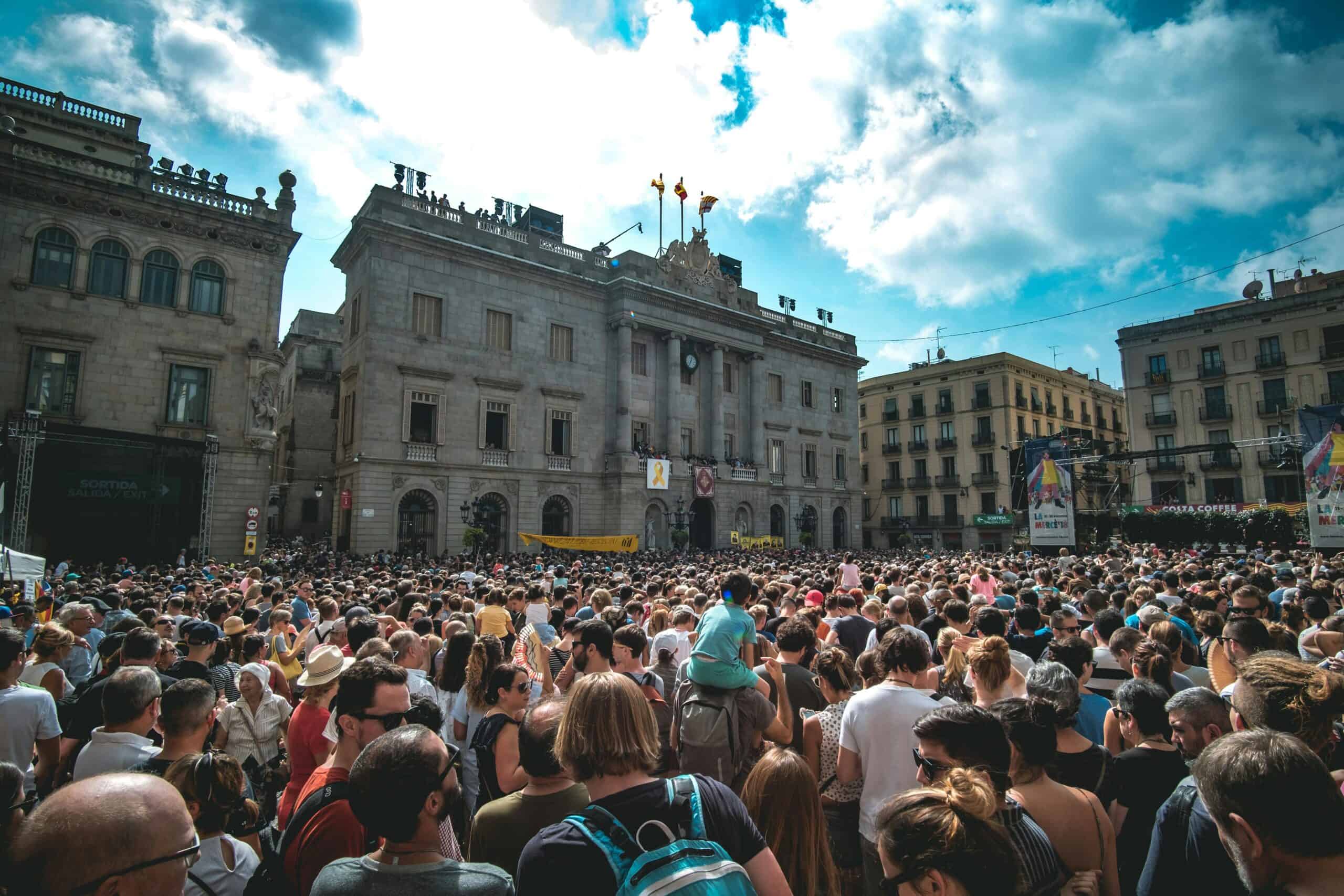
Spain still attracts millions of visitors every year, but frustration has grown in places like Barcelona, Mallorca, and the Canary Islands. Residents have protested against overcrowding, rising rents, and short-term rentals that make housing harder to afford. In some cities, locals feel that daily life has been reshaped around tourists instead of the people who actually live there. Streets that once felt local now feel commercial, and the growing resentment has become harder to ignore.
Japan
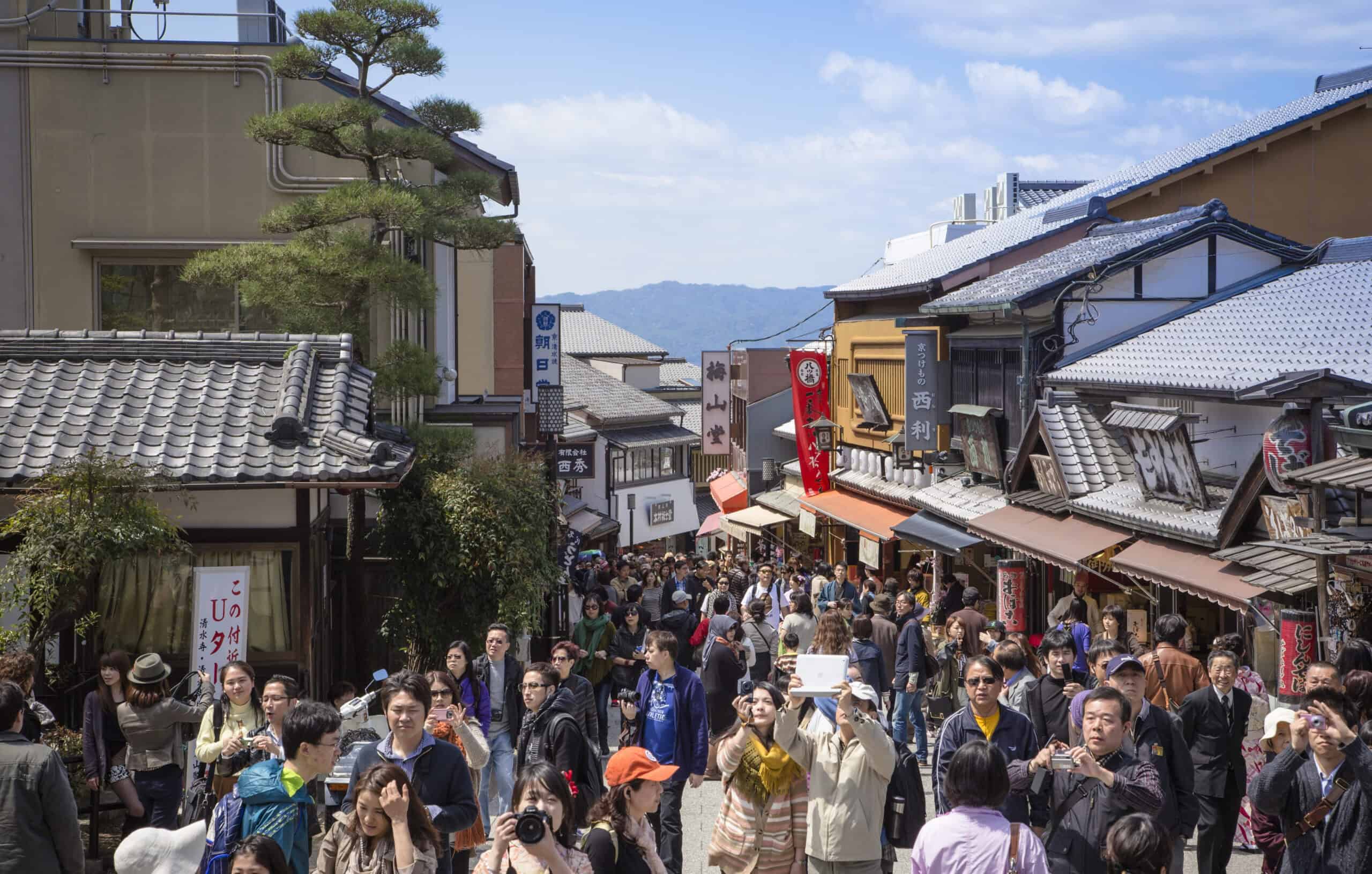
Japan remains polite and deeply respectful, but some popular destinations are starting to show signs of strain. Cities like Kyoto and Tokyo have struggled with overcrowded trains, packed sidewalks, and visitors ignoring local customs. Residents have complained about tourists entering private spaces, taking photos where they should not, and treating sacred places casually. The frustration is not loud, but it is visible. More rules, signs, and visitor restrictions are appearing as officials try to protect local life.
Bali, Indonesia
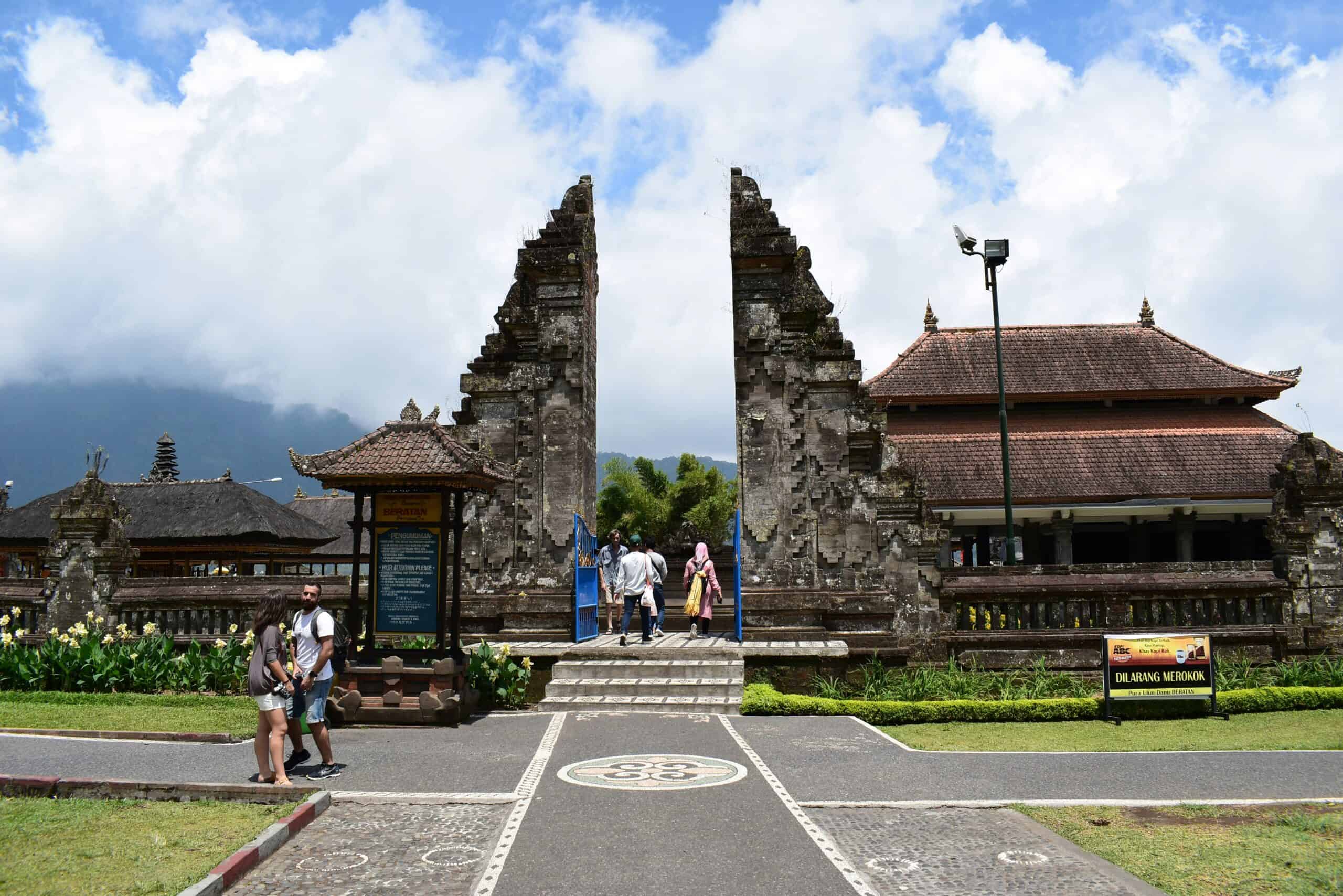
Bali still depends heavily on tourism, but patience has started to wear thin among many locals. Visitors who ignore temple etiquette, drive recklessly, or behave disrespectfully at sacred sites have created growing frustration. Some tourists arrive expecting Bali to function like a resort, forgetting that it is also a place where people live, pray, and follow traditions. Local authorities have started enforcing stricter rules, especially during important religious holidays and ceremonies.
Italy
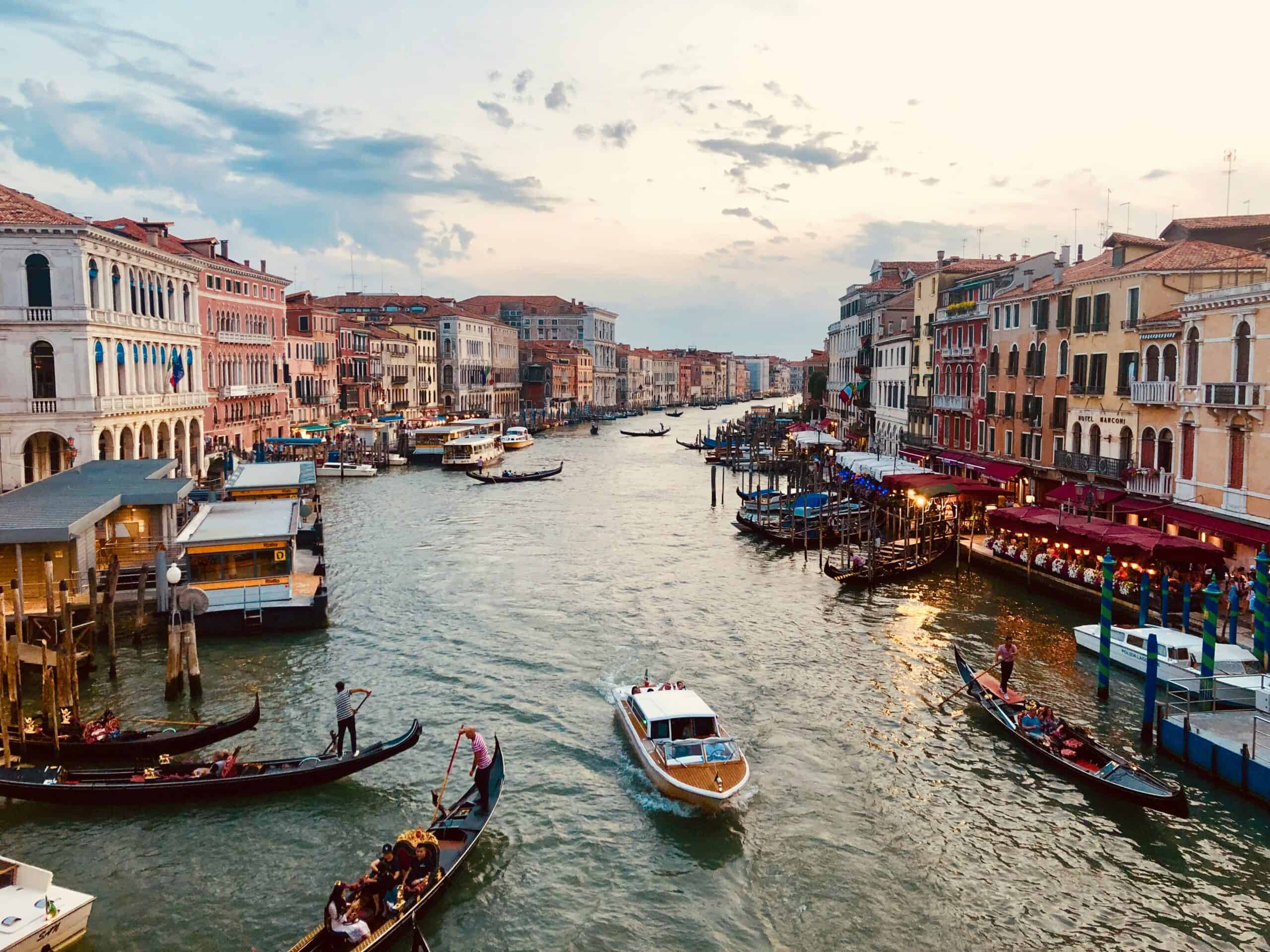
Italy remains one of the most visited countries in the world, but many locals are exhausted by the scale of tourism. In Venice, Florence, and Rome, rising prices and packed streets have changed the way residents experience their own cities. Some neighborhoods now feel designed more for visitors than for the people who live there year-round. In Venice especially, locals have watched housing become less affordable while cruise ships and day-trippers continue to flood the city.
Portugal
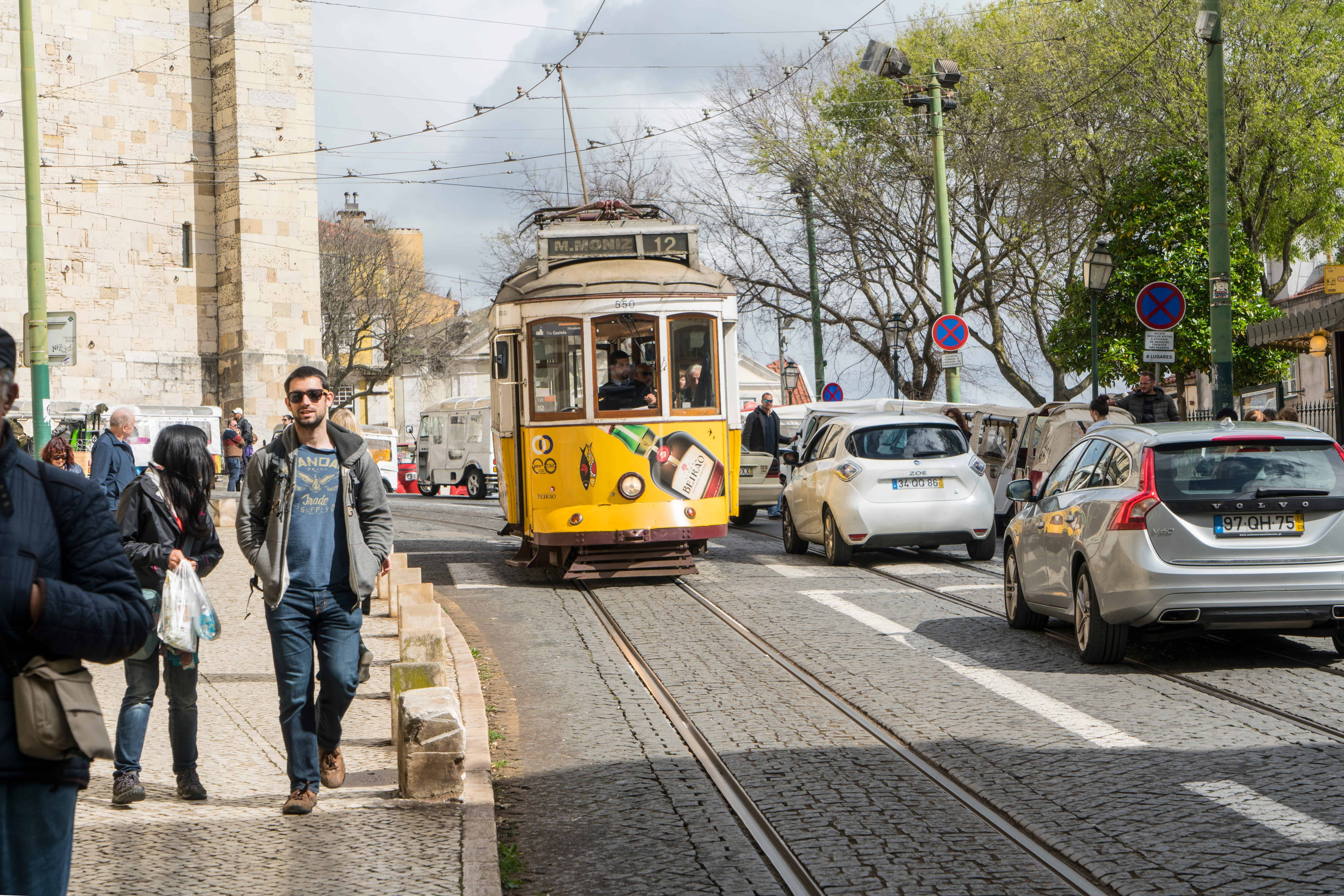
Portugal became one of Europe’s most popular travel destinations over the last decade, especially in Lisbon and Porto. That popularity has brought jobs and money, but it has also brought pressure. Housing costs have increased sharply, and short-term rentals have changed entire neighborhoods. Many locals feel they are being priced out of the places where they grew up. Visitors are still welcomed, but there is a growing sense that tourism is taking up too much space in daily life.
Greece
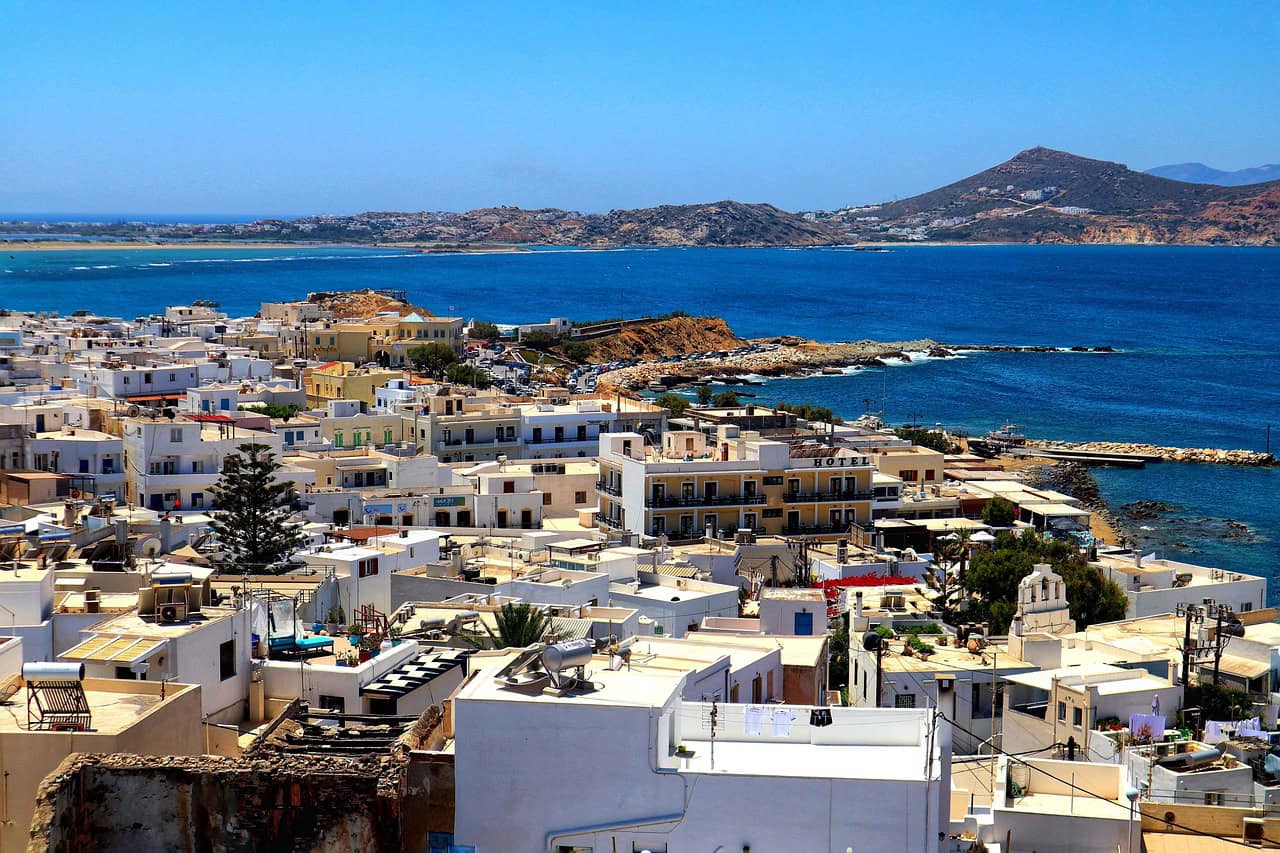
Greece depends on tourism, especially on islands like Santorini and Mykonos, but the pressure is becoming more visible each year. During the summer, beaches, ports, and narrow streets become crowded far beyond what local infrastructure was built to handle. Residents deal with traffic, water shortages, and rising living costs while tourism businesses continue to expand. Many locals worry that the islands are becoming too crowded to sustain the slower, more traditional way of life they once had.
Netherlands
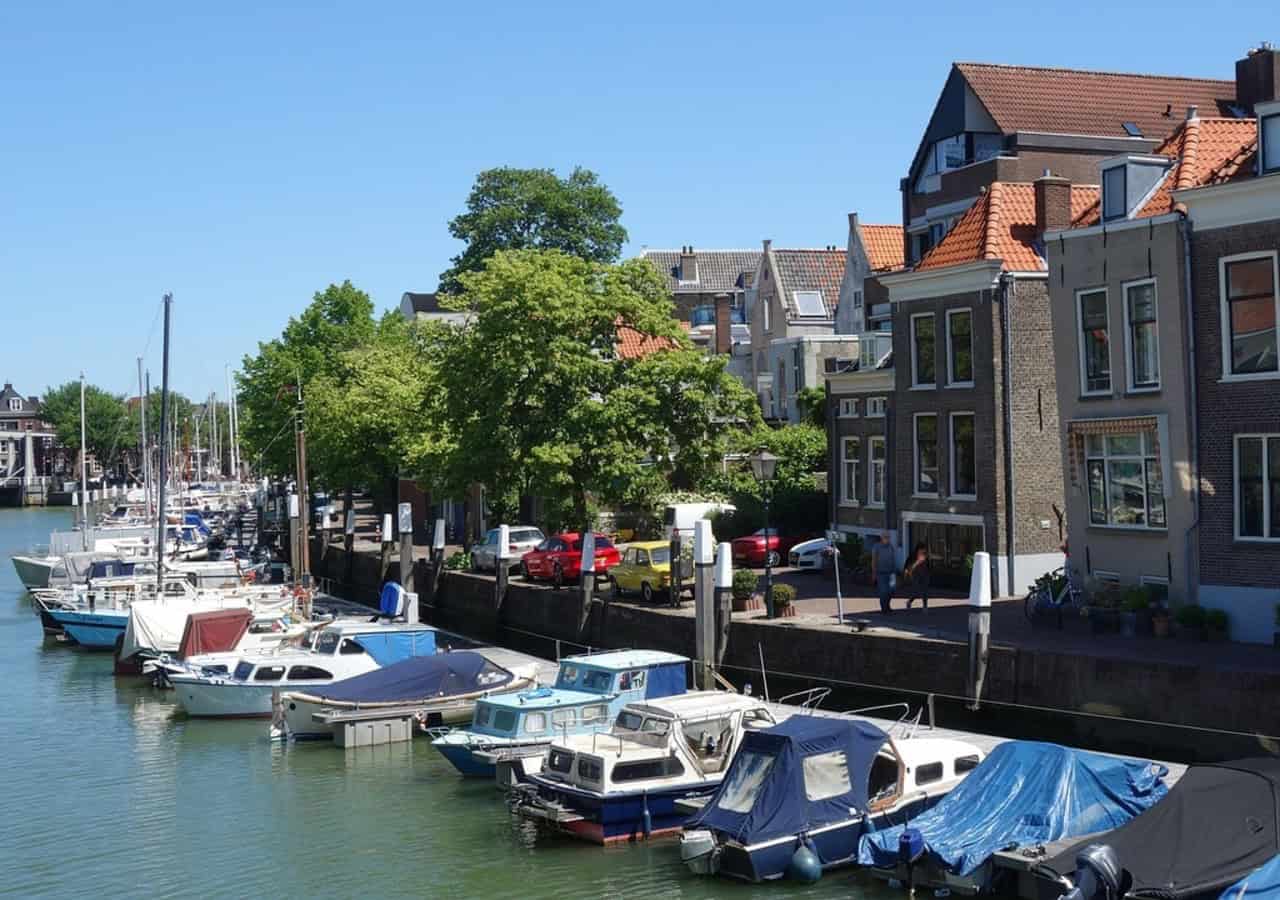
The Netherlands, especially Amsterdam, has become more direct about pushing back against certain kinds of tourism. City officials have tried to limit party tourism and discourage visitors who come mainly for nightlife and excess. Residents have grown tired of loud groups, public drinking, and streets that feel more like entertainment districts than neighborhoods. The city still welcomes travelers, but it is becoming more selective about the behavior it is willing to tolerate.