Rick Steves Highlights Must-Know Passport Tip for European Travel
We may earn money or products from the companies mentioned in this post. This means if you click on the link and purchase the item, I will receive a small commission at no extra cost to you ... you're just helping re-supply our family's travel fund.

For many travelers, Europe feels familiar yet quietly complex, a place where borders blur but rules still matter. Rick Steves has spent decades guiding visitors through that balance, often focusing on small details that prevent larger problems. Among his most repeated points is one that seems simple but carries real consequences: passport validity. It is not just about having a passport, but about how much time remains on it. That detail, often overlooked, can shape whether a trip begins smoothly or stops before it starts.
The Six-Month Validity Rule Explained

One of the most important points Steves emphasizes is the six-month passport validity rule, which many travelers misunderstand or overlook entirely. Several European countries require that a passport remain valid for at least six months beyond the planned return date, not just the arrival. This rule is enforced before boarding, often by airlines rather than border agents. Even if a traveler holds a valid passport on paper, insufficient remaining time can lead to denied boarding at the airport.
Why Airlines Enforce The Rule Strictly

Airlines take this requirement seriously because they are responsible for returning passengers who are denied entry at their destination. That responsibility carries financial penalties and logistical complications, so staff often check documents with precision before allowing boarding. This means the issue is usually caught before departure, not upon arrival. What feels like a technical detail becomes a firm checkpoint, leaving little room for negotiation once the process begins at the airport counter.
The Difference Between Three And Six Months

Some parts of Europe follow a three-month validity rule instead of six, particularly within the Schengen Area. However, the distinction is not always clear to travelers, and assumptions can lead to mistakes. Steves often advises treating six months as a universal standard to avoid confusion. With varying rules across countries, relying on the shorter timeframe introduces risk. A conservative approach removes uncertainty and provides a margin that helps avoid last-minute surprises.
Passport Age Versus Expiration Date
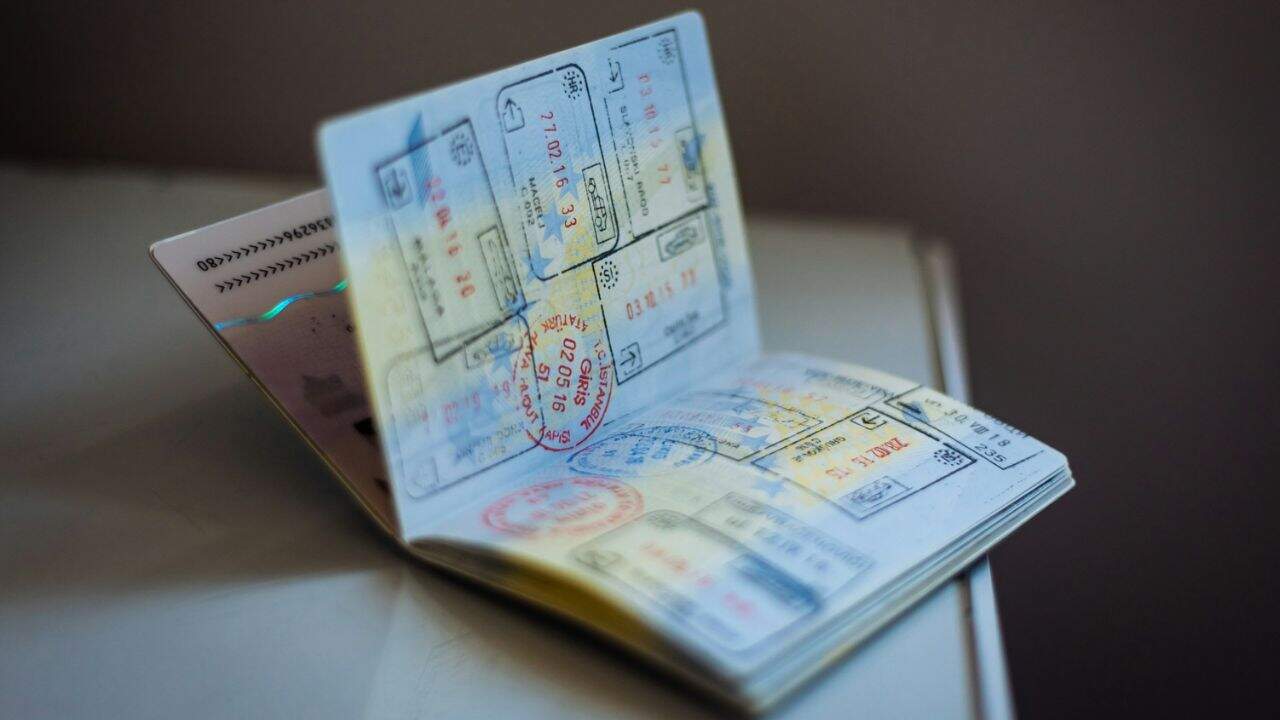
A passport may appear valid because its expiration date is still months away, but that does not always meet entry requirements. What matters is the remaining validity at the time of travel, not simply the printed expiration date. Steves highlights how travelers often focus on the final date without calculating forward from their return plans. That small oversight can turn a valid document into one that fails to meet entry standards, especially on longer trips.
Timing A Renewal Before Travel

Renewing a passport well in advance becomes essential once the six-month rule is considered. Processing times can vary depending on demand, season, and location, making early action the safer choice. Steves encourages travelers to check their documents as soon as a trip is planned, not weeks before departure. That early check allows time to handle delays, avoid expedited fees, and approach travel with confidence rather than uncertainty.
Keeping A Backup Copy Of Documents

Beyond validity, Steves also recommends carrying copies of important documents, including the passport identification page. These copies can help speed up replacement if a passport is lost or stolen while abroad. While not a substitute for the original, they provide a layer of security that supports faster recovery. In unfamiliar settings, having that backup can reduce anxiety and help travelers navigate unexpected situations with more ease.