We may earn money or products from the companies mentioned in this post. This means if you click on the link and purchase the item, I will receive a small commission at no extra cost to you ... you're just helping re-supply our family's travel fund.
The overland route from Europe to South Asia in the 1960s and 1970s felt like a moving village. Buses rolled from Istanbul to Kathmandu, pausing at the same cafés, hostels, and border posts where stories, drugs, and directions were swapped. That loose network collapsed by the late 1970s as revolutions, invasions, and civil wars reshaped the map. Some of the most beloved stops are now physically gone, shut, or effectively off-limits to most travelers.
Chicken Street, Kabul’s Backpacker Strip
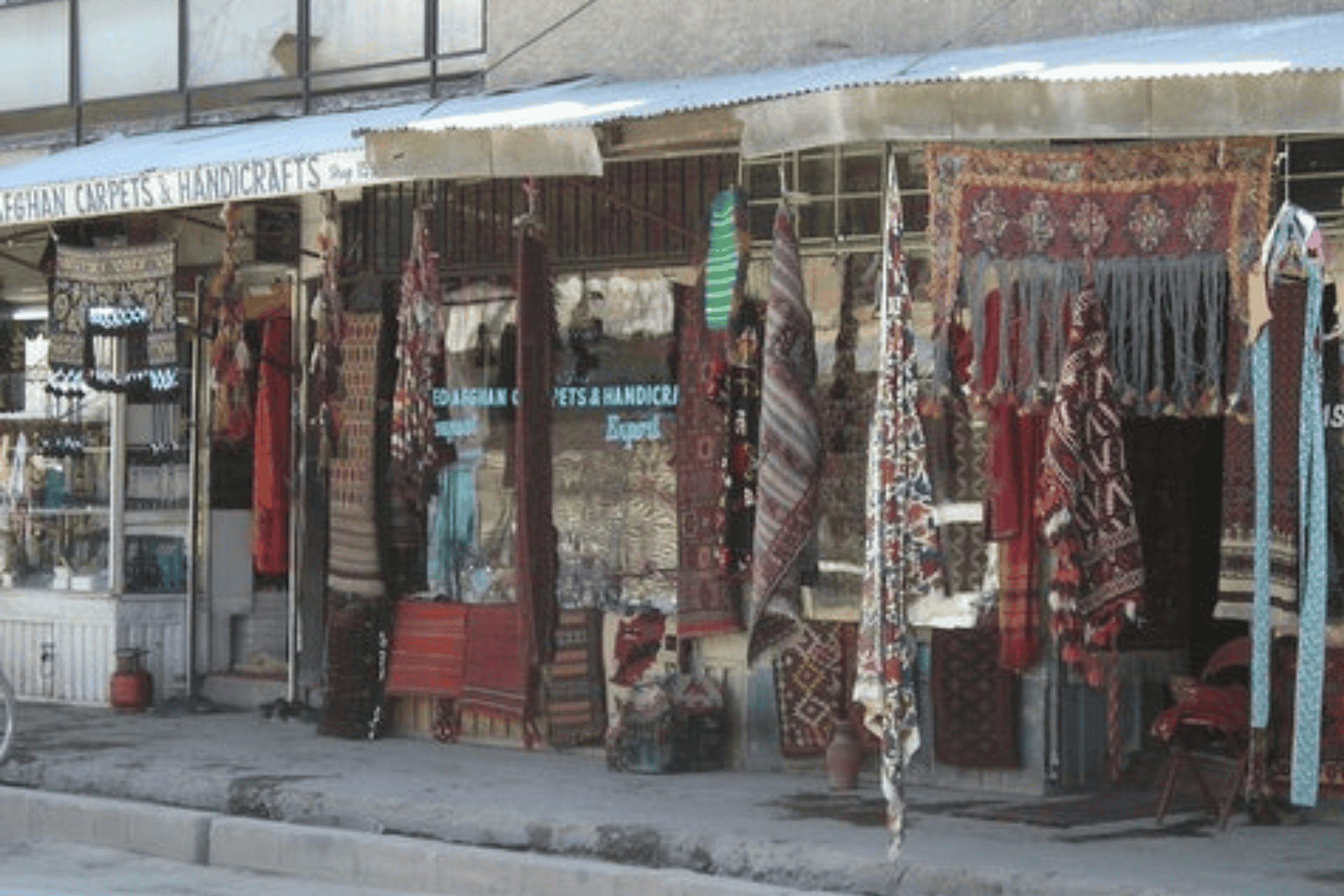
Chicken Street once anchored Kabul’s role on the hippie trail, lined with cheap guesthouses, carpet shops, hash pipes, and record players spinning Western rock. Decades of coups, civil war, and Taliban rule turned that carefree corridor into a tense commercial street in a city under constant security strain. Afghanistan today sits under strict Level 4 “do not travel” advisories from multiple governments, making the casual, drop-in Kabul stop of the 1970s a closed chapter.
The Bamiyan Buddhas As They Once Stood
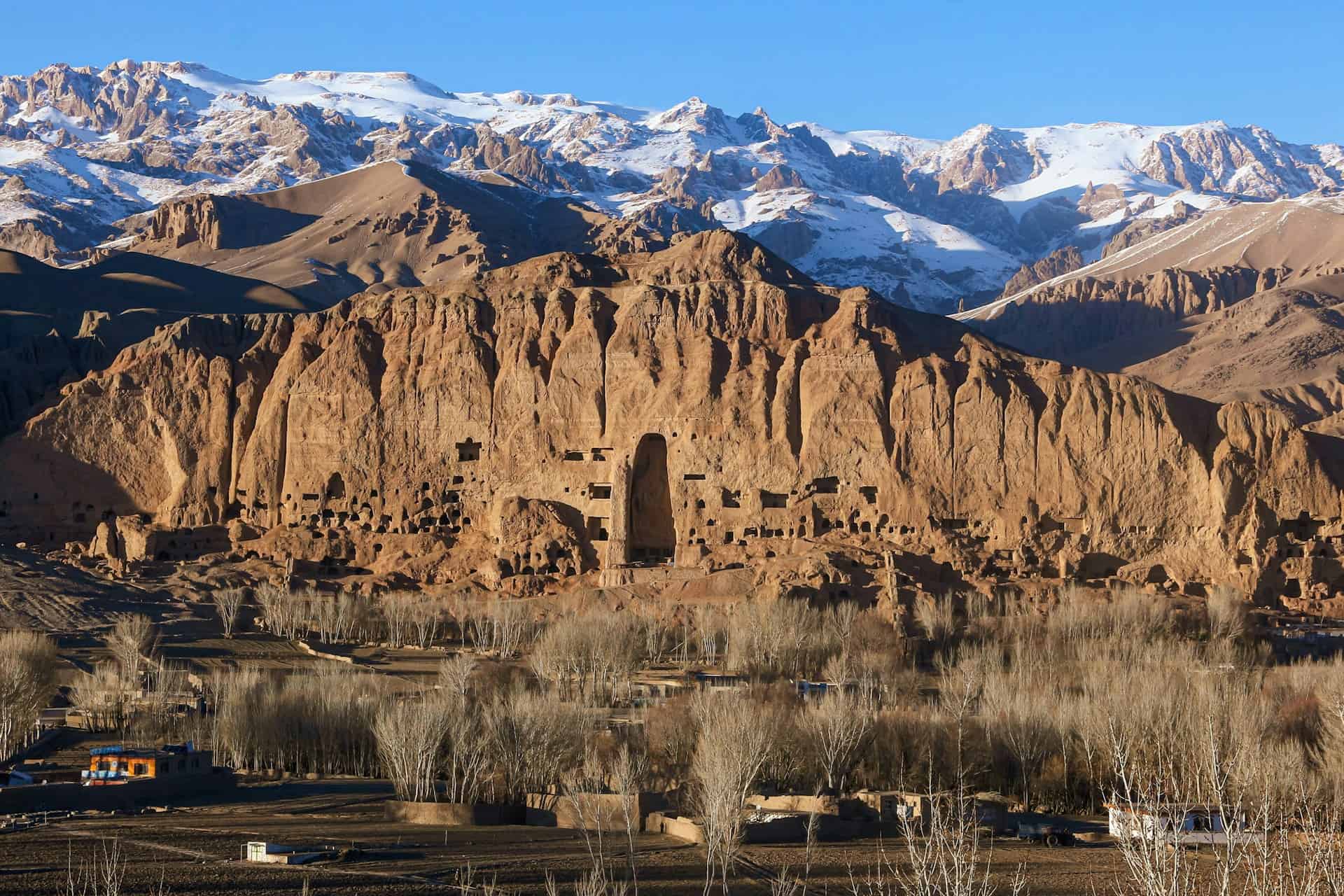
For many overlanders, the detour to Bamyan was a quiet pilgrimage, standing at the feet of 2 monumental cliff-carved Buddhas that had watched caravans pass for centuries. In March 2001, the Taliban systematically blew both statues apart, leaving only scarred niches in the rock and shattered fragments in the valley below. Visitors can still reach the World Heritage site in theory, but the figures themselves, and the feeling of walking beneath them intact, are gone for good.
Riding The Khyber Pass Railway
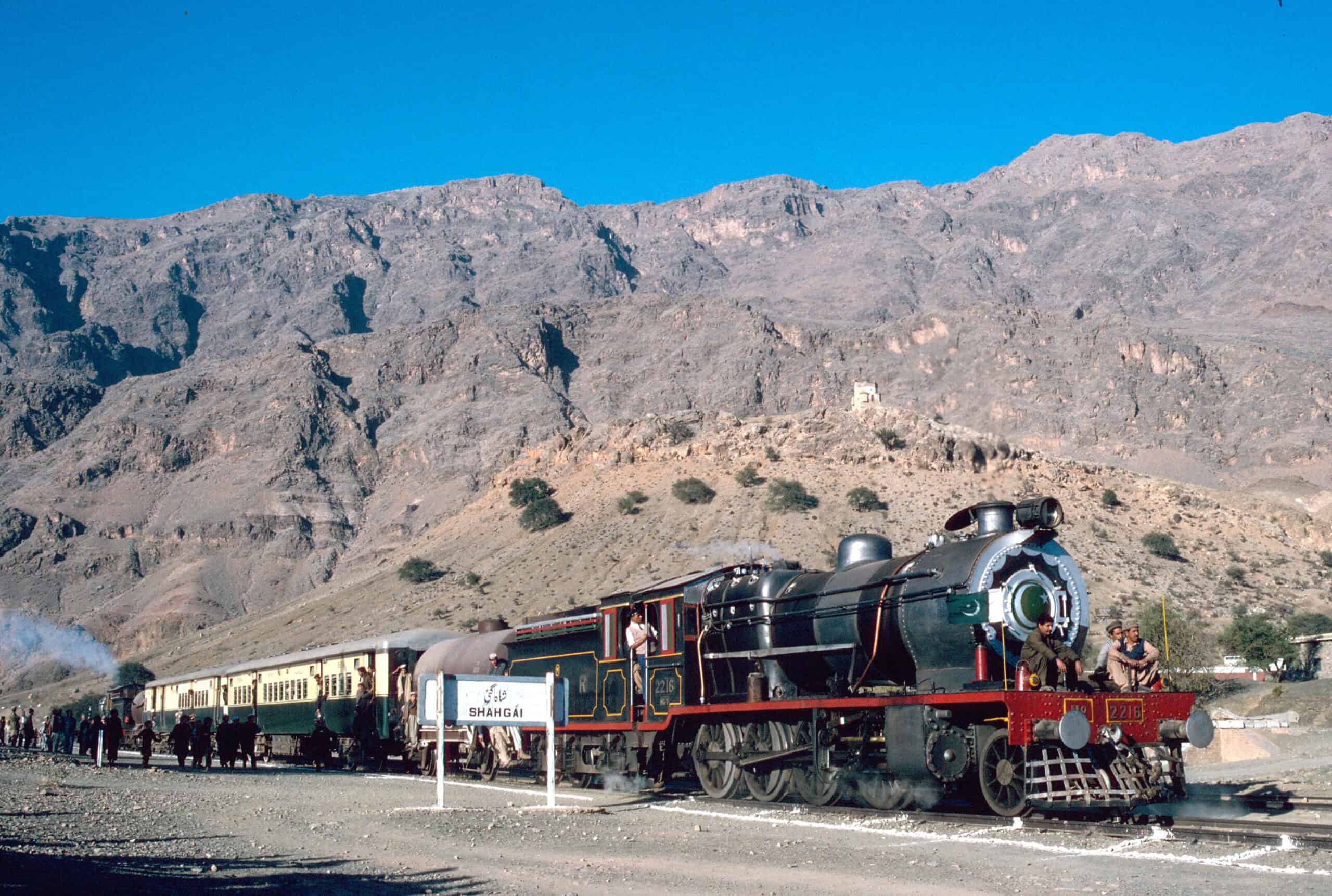
The Khyber Pass Railway from Peshawar to Landi Kotal once offered a cinematic climb through tunnels and stone bridges toward the Afghan frontier, a favored side trip for overland travelers. Passenger services were suspended after security problems and flood damage washed away sections of track and bridges, and maintenance largely stopped. Today the line sits abandoned, its legendary steam run reduced to memories, photos, and the occasional proposal to revive it for tourism.
Damascus Hostels On The Levantine Branch
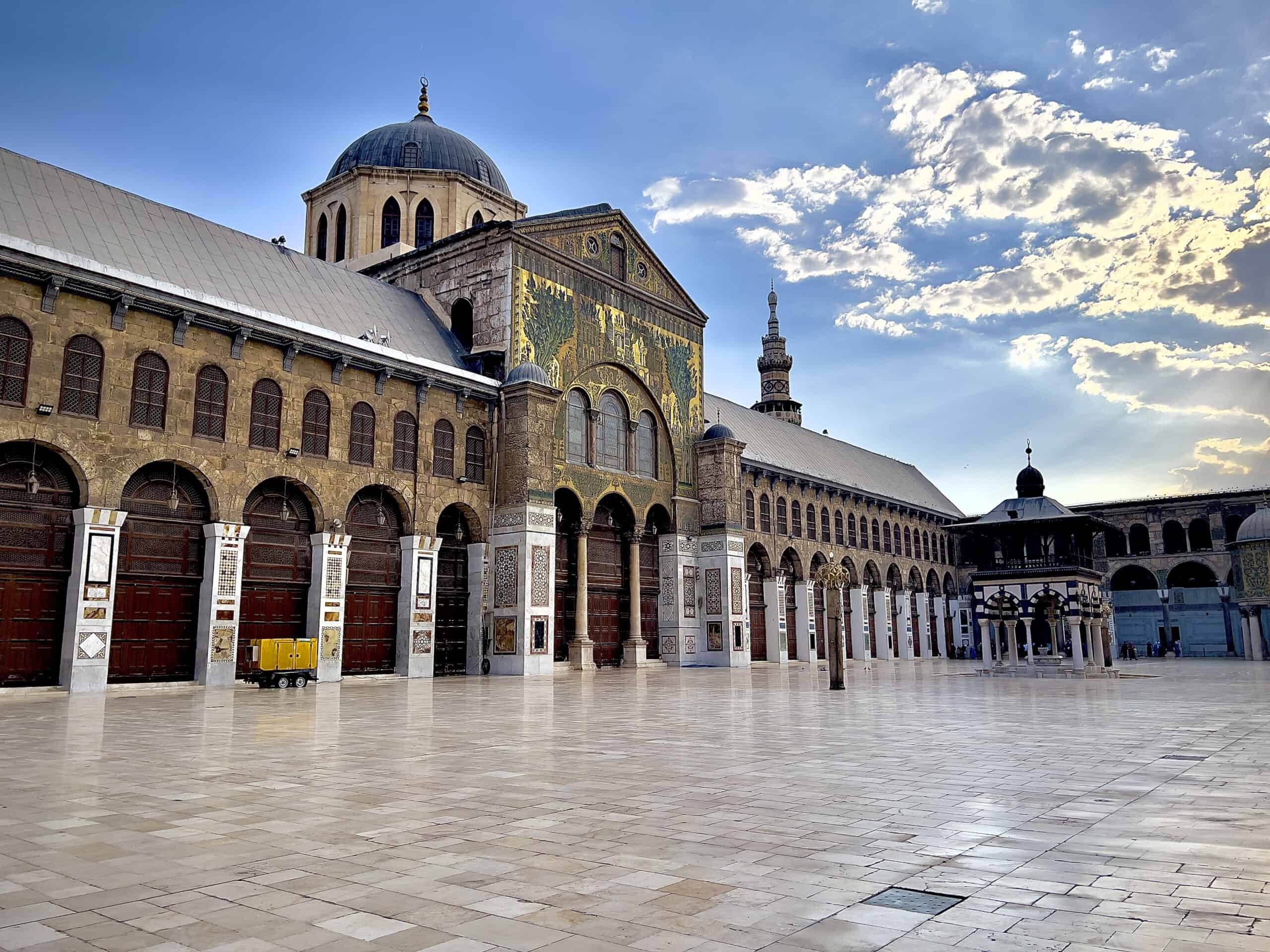
One branch of the overland route ran via Lebanon and Syria, with Damascus serving as a key pause between Turkey and Jordan. Cheap pensions near the Old City hosted bus riders swapping tips on visas, desert roads, and the next hash-friendly stop. Years of civil war and ongoing instability have turned Syria into a destination most governments now classify as “do not travel,” citing terrorism, armed conflict, and kidnapping. Those carefree hostel nights are out of reach.
Beirut’s Prewar Seaside Stopover

Before Lebanon’s civil war, Beirut’s Corniche and Hamra district attracted overlanders with cinemas, bars, and a cosmopolitan air that contrasted sharply with the deserts and border posts ahead. The war that erupted in 1975 shattered much of that world and helped sever the Levantine leg of the hippie trail. Modern Beirut still lives, of course, but the easy, low-stakes stop where buses rolled in, parked near the sea, and lingered for days belongs to another lifetime.
Kashmir’s Laid-Back Houseboat Scene
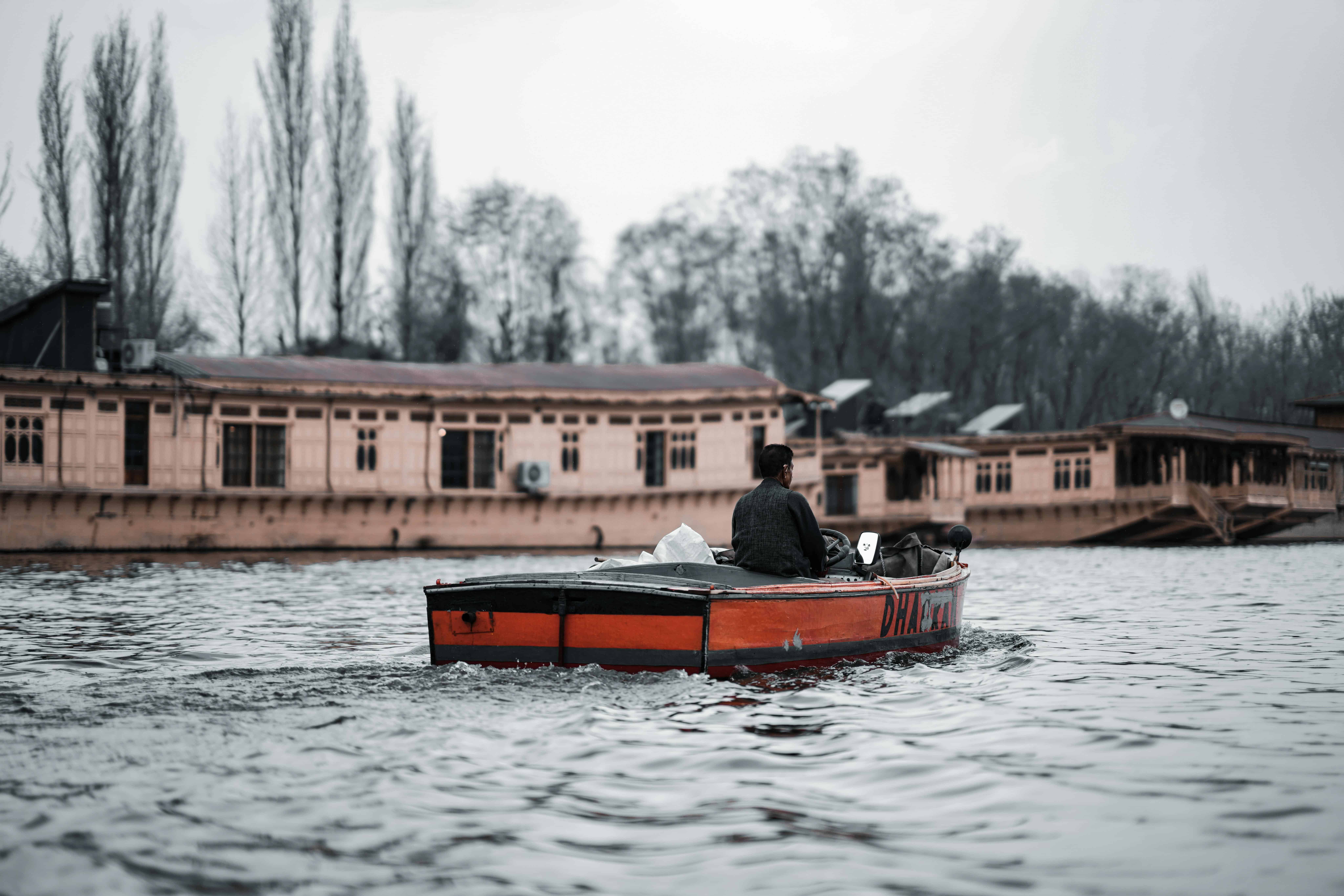
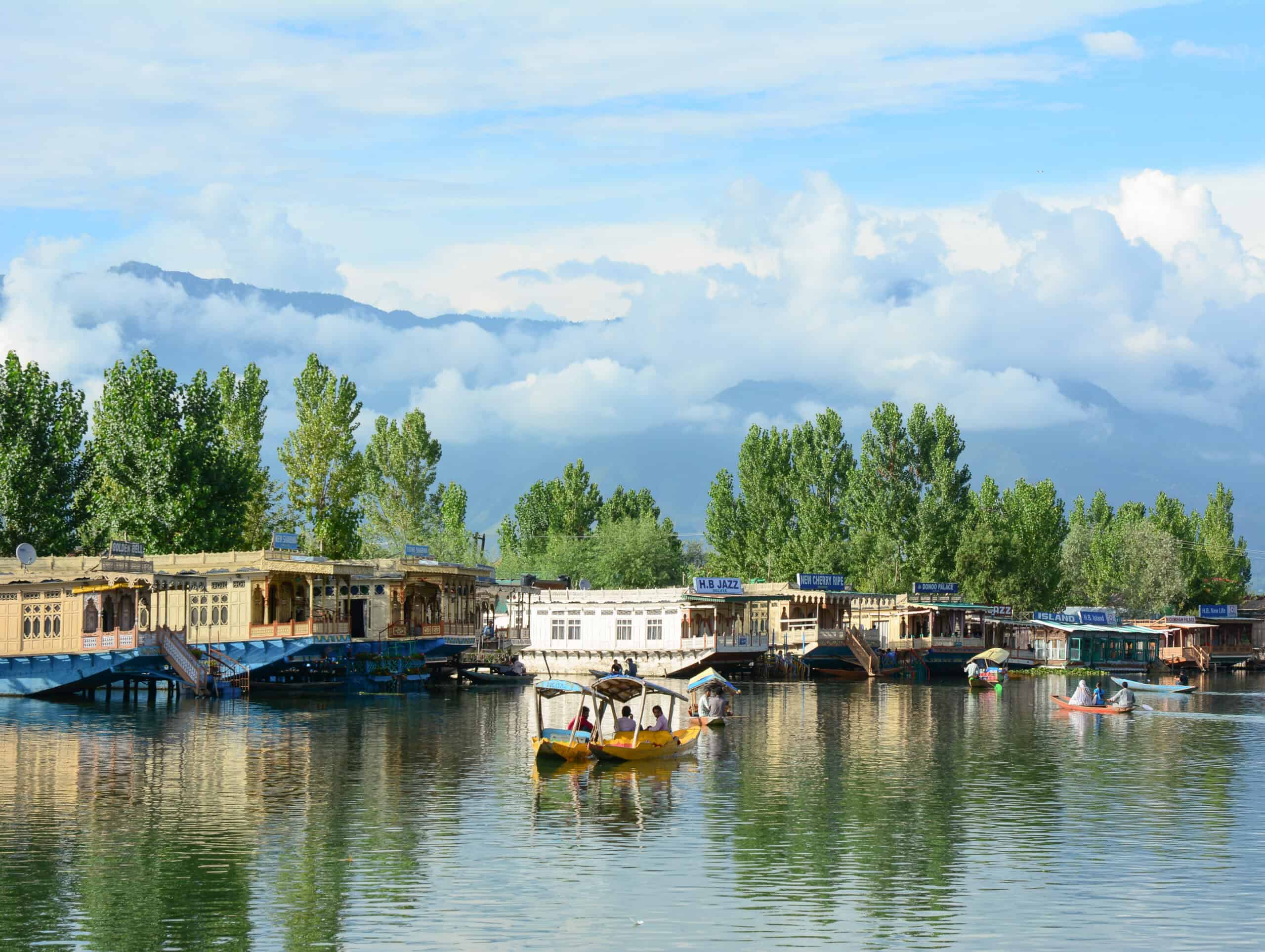
Houseboats on Srinagar’s Dal Lake were a dreamy endpoint or side trip for many overland travelers, offering long, hazy weeks of tea, hash, and mountain views. Over time, conflict in Kashmir, shifting security conditions, and strict controls on houseboats have thinned their numbers and altered the atmosphere. While visitors still come, the carefree, long-stay enclave of young Westerners that defined the 1970s scene has largely vanished, replaced by shorter, tightly managed trips.
The Continuous Istanbul Kathmandu Overland Run
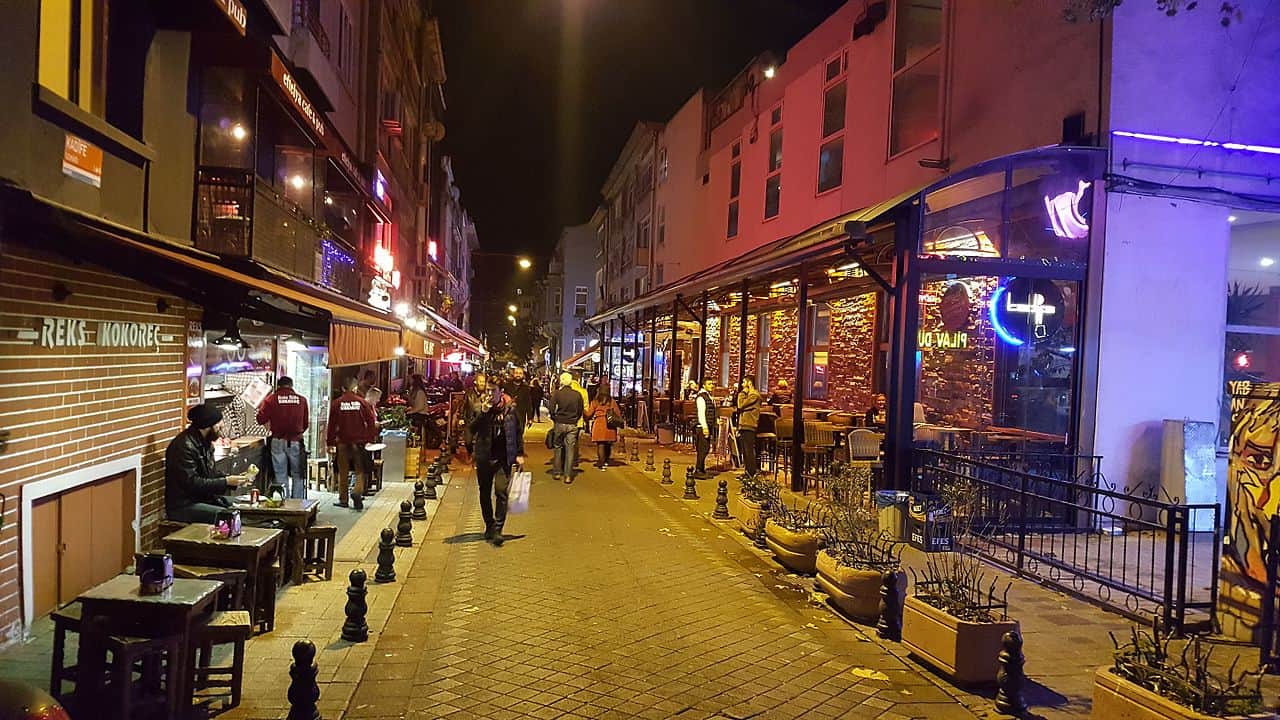
More than any single café or hostel, the defining “stop” of the hippie trail was the fact that there were no forced breaks: in the 1970s, it was possible to travel all the way from Western Europe to India or Nepal without flying. The Iranian Revolution, Soviet invasion of Afghanistan, Lebanon’s civil war, and later conflicts in Kashmir closed that continuous path to Western travelers by the end of the decade. What remains are fragments, reachable only by stitching together flights and heavily restricted corridors.