We may earn money or products from the companies mentioned in this post. This means if you click on the link and purchase the item, I will receive a small commission at no extra cost to you ... you're just helping re-supply our family's travel fund.
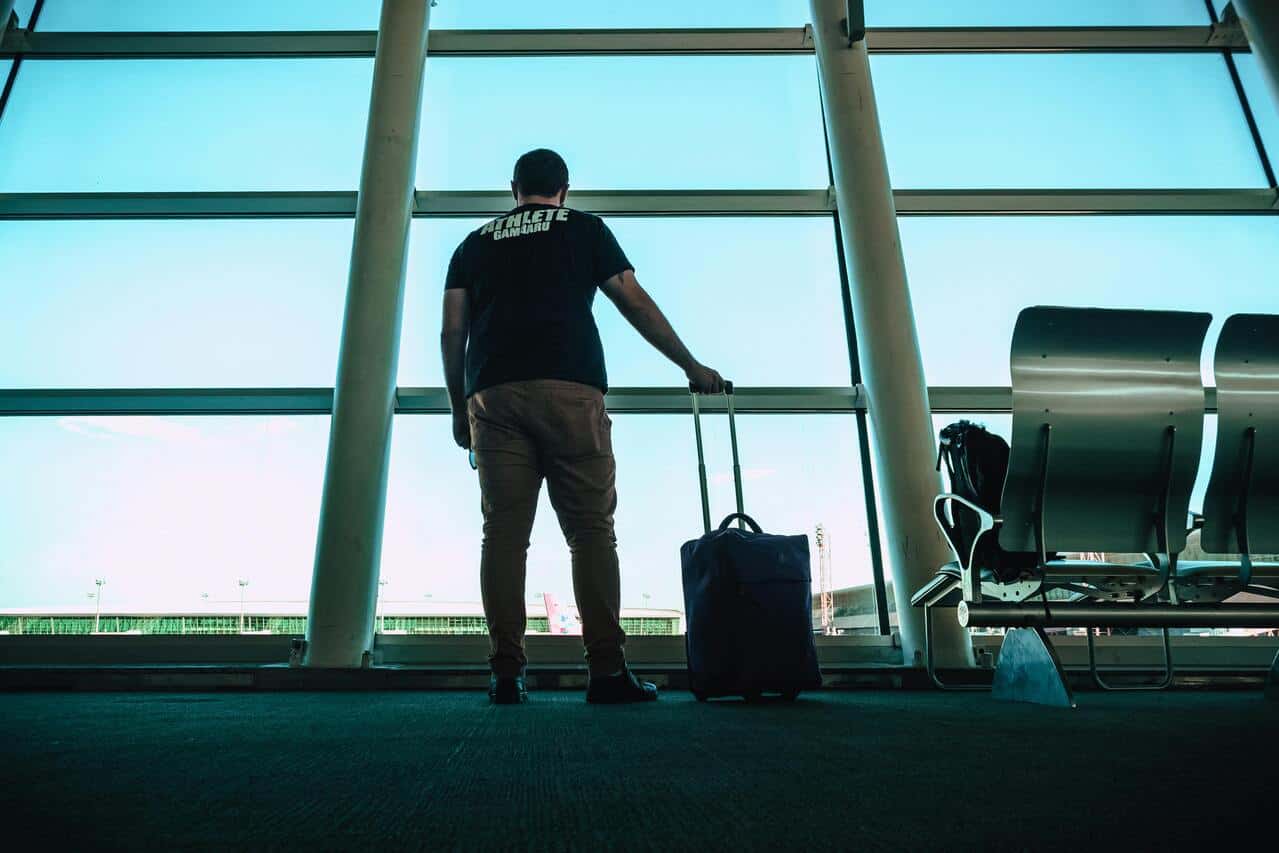
Air travel often seems straightforward: buy a ticket, pack a bag, and board. But hidden airport fees can silently sabotage your travel budget. From baggage surcharges to convenience charges, airlines and airports have devised numerous ways to collect extra revenue beyond your ticket price. Even a short domestic flight can accumulate $50–$150 in unexpected fees, while international journeys may exceed $300. Knowing the common pitfalls and exact charges can save you money and stress, ensuring your trip is both smooth and cost-effective.
1. Baggage Handling and Oversize Fees
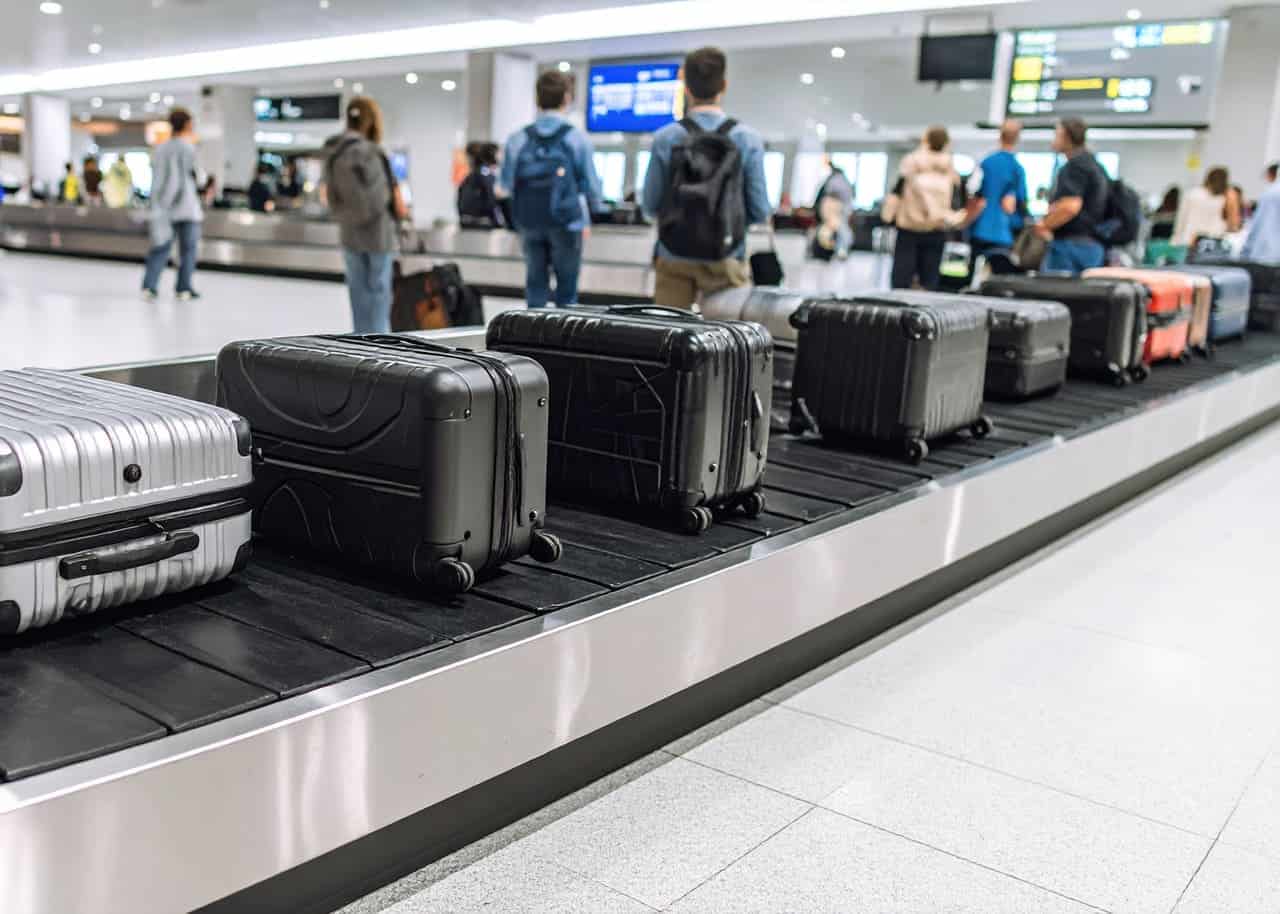
Airlines aggressively monetize luggage, often charging $30–$60 for the first checked bag and $40–$100 for a second. Oversized or overweight bags can spike fees to $150–$200 per item, with limits typically 50 pounds and 62 linear inches. Even carry-on luggage can trigger a $25–$35 fee if size restrictions are exceeded. Low-cost carriers, in particular, heavily rely on these charges, making it essential to weigh baggage needs before booking. Some airlines also offer “priority baggage” for an additional $20–$50, supposedly ensuring faster delivery.
2. Airport Surcharges and Facility Fees
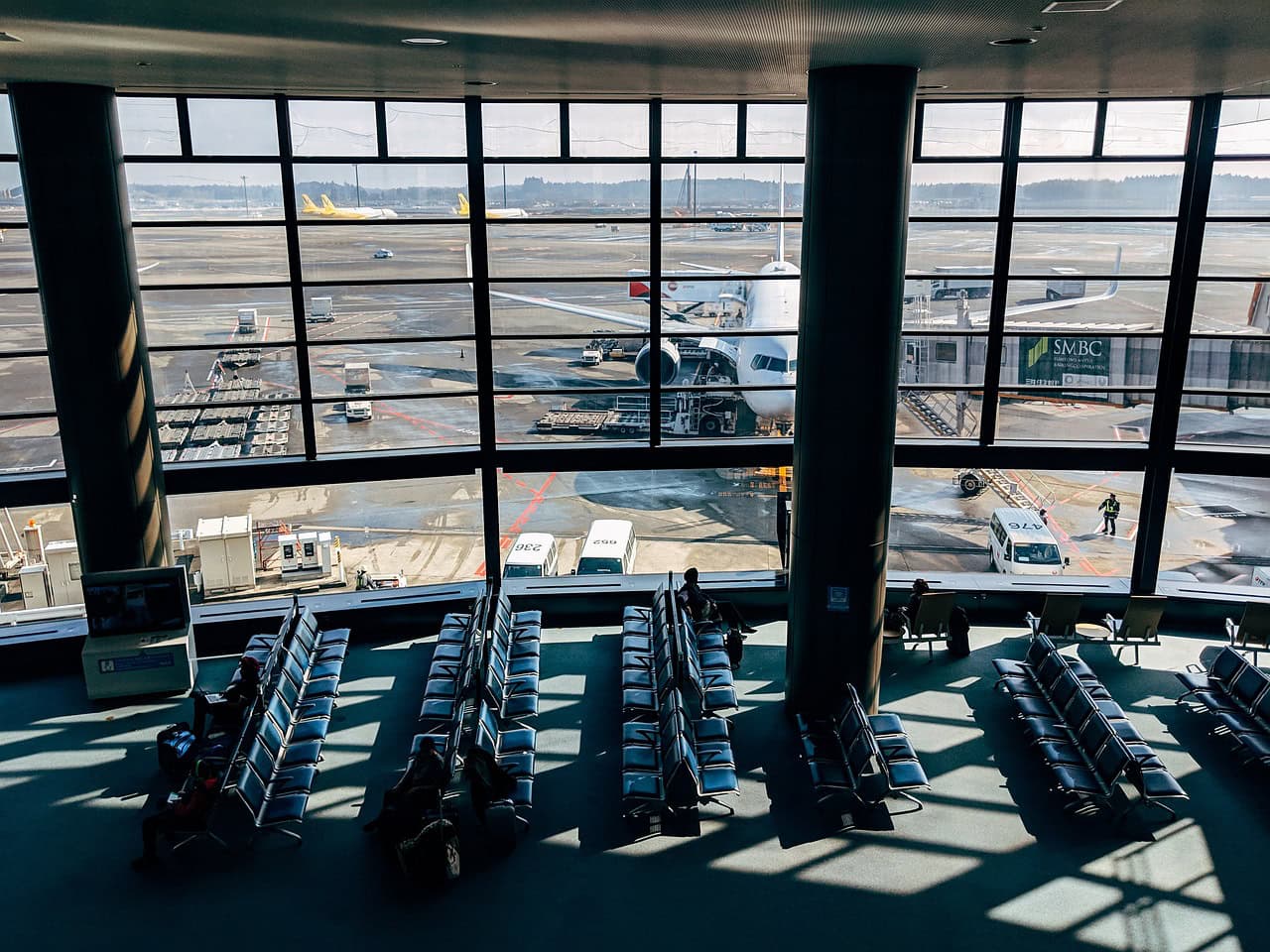
Many airports impose mandatory facility or passenger service charges, often hidden within ticket prices. Domestic airports generally charge $3–$10 per passenger, while major international hubs like London Heathrow or Tokyo Narita can add $25–$60. These fees support runway maintenance, security, and terminal operations. Regional airports may include extra surcharges for connecting flights, creating confusion for travelers. Failure to account for these costs can leave passengers surprised at checkout, as these fees are unavoidable and non-refundable, directly inflating your trip budget.
3. Seat Selection Charges
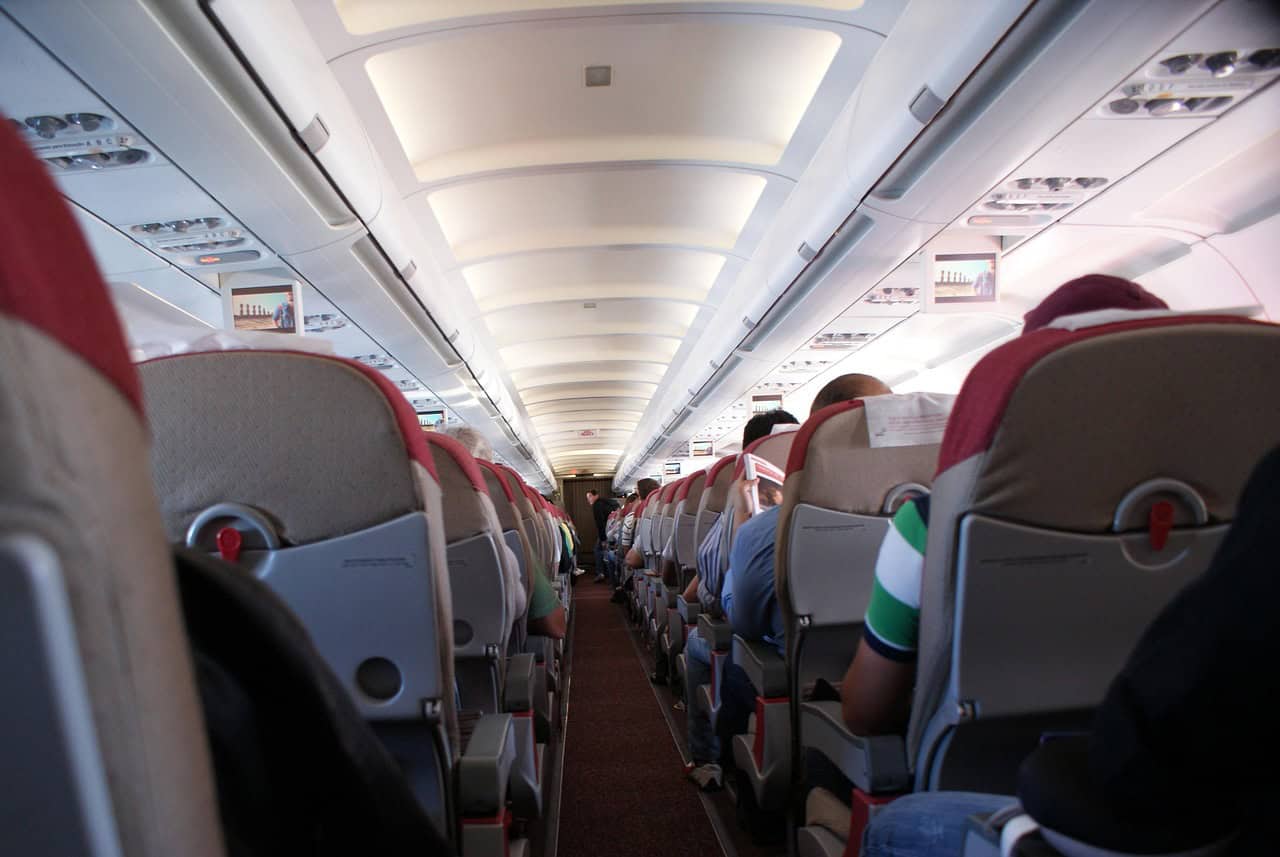
Airlines often market low fares, then charge for seat choice. Standard seats can cost $10–$30, while extra legroom or front-of-plane seating may reach $50–$75 per flight. Some airlines, particularly budget carriers, charge even for family seating, forcing parents to pay $60–$120 for seats together. Passengers who try to avoid fees by choosing random assignments risk inconvenient locations, near lavatories or exits. These hidden costs can accumulate over multiple flights, turning an advertised $150 ticket into $250–$300 once seating preferences are added.
4. Credit Card and Payment Processing Fees
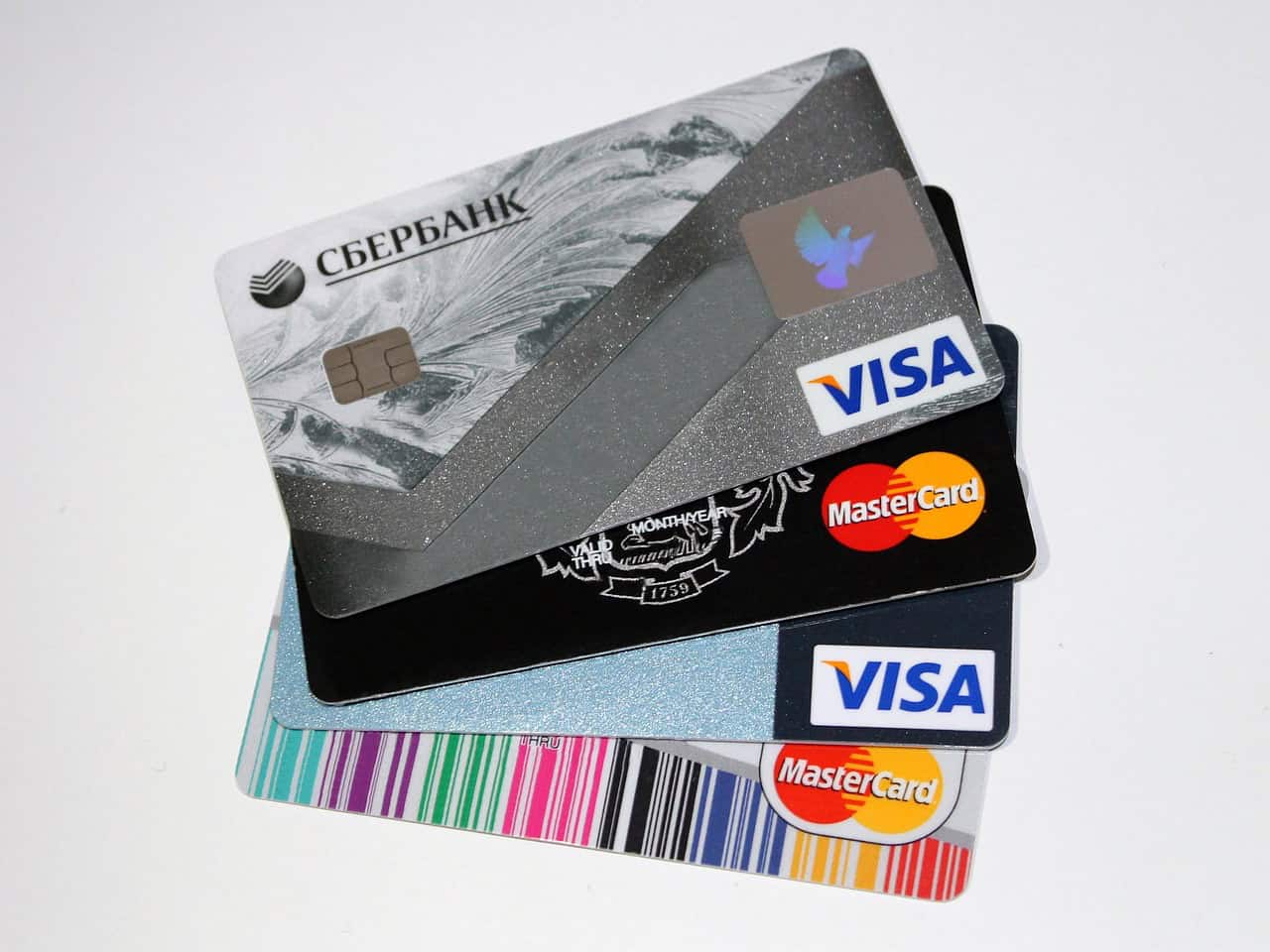
Certain airlines tack on credit card or online payment fees ranging from 1–3% of your ticket price. For example, a $500 international ticket could incur a $15–$50 extra charge. Some carriers also penalize reward card usage or third-party platforms with 2–4% fees. Even small domestic flights of $120–$200 may see $3–$6 added automatically. These charges are rarely obvious until checkout and can easily inflate your overall budget. Travelers can avoid them by checking payment options and considering direct bank transfers or airline-specific cards that waive such fees.
5. In-Airport Wi-Fi and Charging Fees
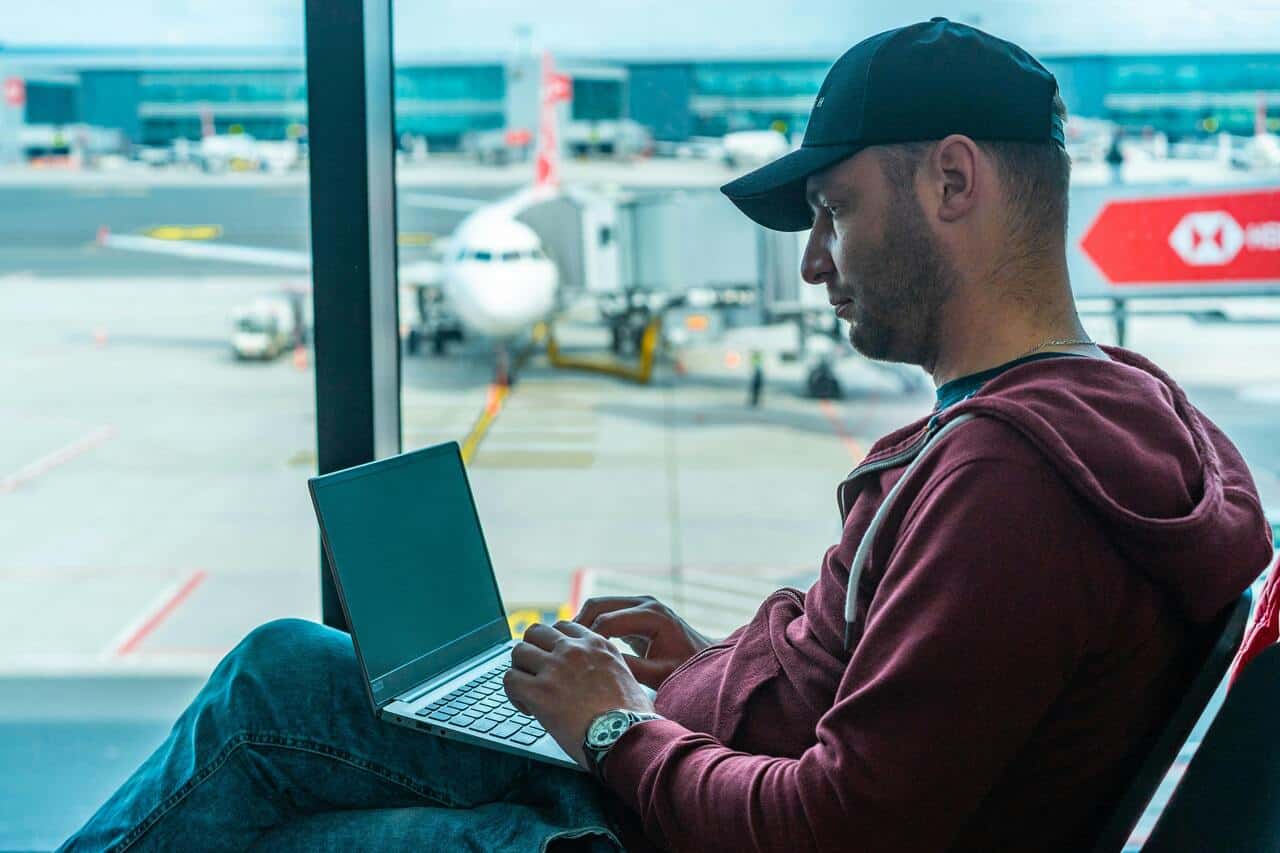
While many airports advertise free Wi-Fi, faster premium networks often cost $5–$15 per hour or $15–$25 for full-day passes. Certain lounges or terminals charge $1–$3 per device to access electrical outlets for charging phones or laptops. Business travelers relying on constant connectivity may unknowingly spend $20–$50 per layover on the internet and charging alone. Extended layovers multiply costs, especially in hubs like Dubai or Frankfurt, where premium Wi-Fi can exceed $20 for two hours. Bringing portable chargers can reduce dependence but doesn’t solve high-speed internet fees.
6. Food and Beverage Markups
Airport dining is infamously expensive. A sandwich costing $5 outside can cost $12–$18 in terminals, while bottled drinks jump from $2 to $6–$8. Some concessions add a “convenience fee” of $0.50–$1 per item. Frequent flyers may spend $20–$50 per day just on snacks and beverages. Chains often enforce strict rules against outside food, limiting budget-friendly alternatives. International terminals can see even higher prices, with coffee averaging $6–$9 in Europe and Asia. Travelers who ignore these markups risk a significantly inflated daily budget while waiting for flights.
7. Early Boarding and Priority Access Fees
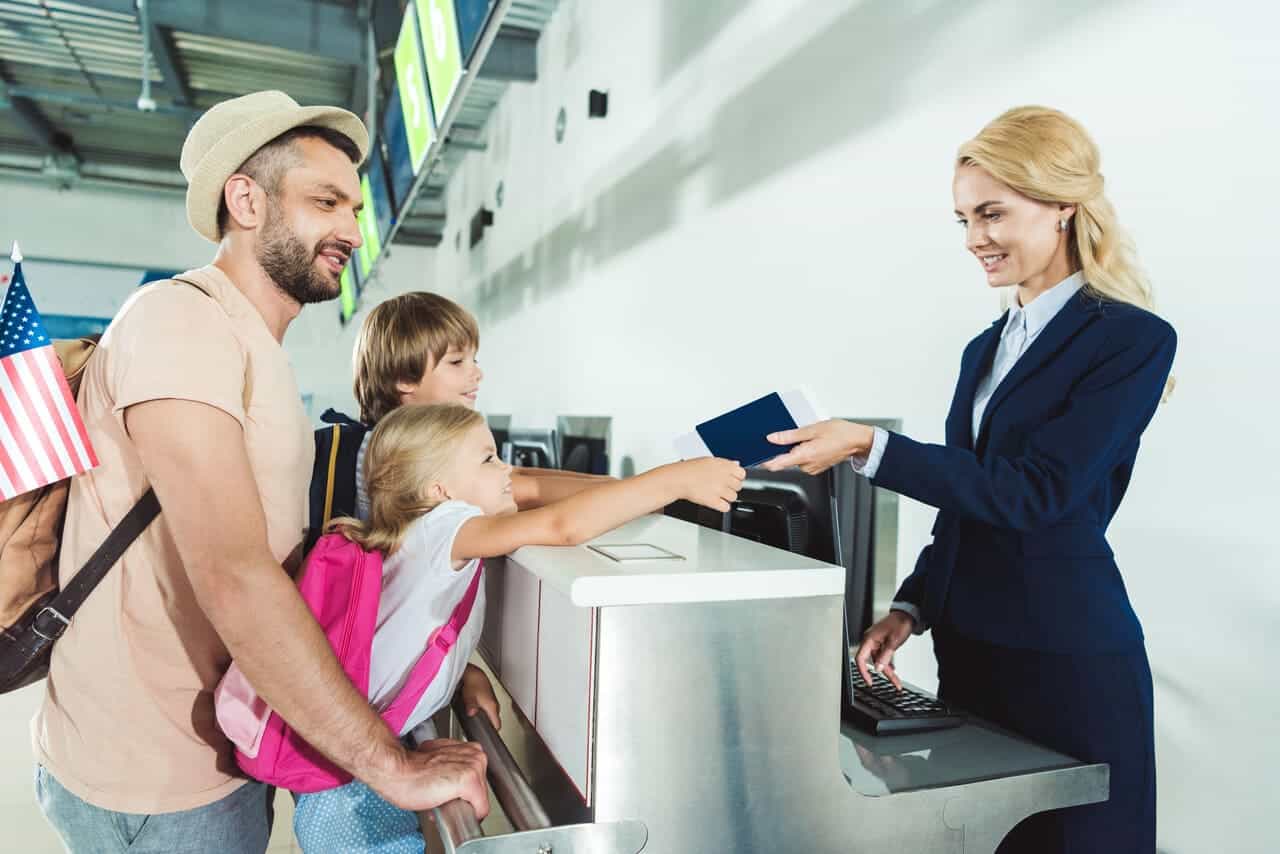
Airlines often promote early boarding or priority security as a premium, but costs range $15–$75 per passenger. Fees cover early boarding, priority security lanes, or expedited baggage delivery. Business travelers or families hoping to secure overhead bin space may feel pressured to pay. On a four-person family trip, these charges can total $60–$300. While convenient, such perks rarely provide proportional value, especially on short domestic flights. Hidden in fine print, these charges can easily go unnoticed until checkout, quietly inflating the total ticket cost.