We may earn money or products from the companies mentioned in this post. This means if you click on the link and purchase the item, I will receive a small commission at no extra cost to you ... you're just helping re-supply our family's travel fund.
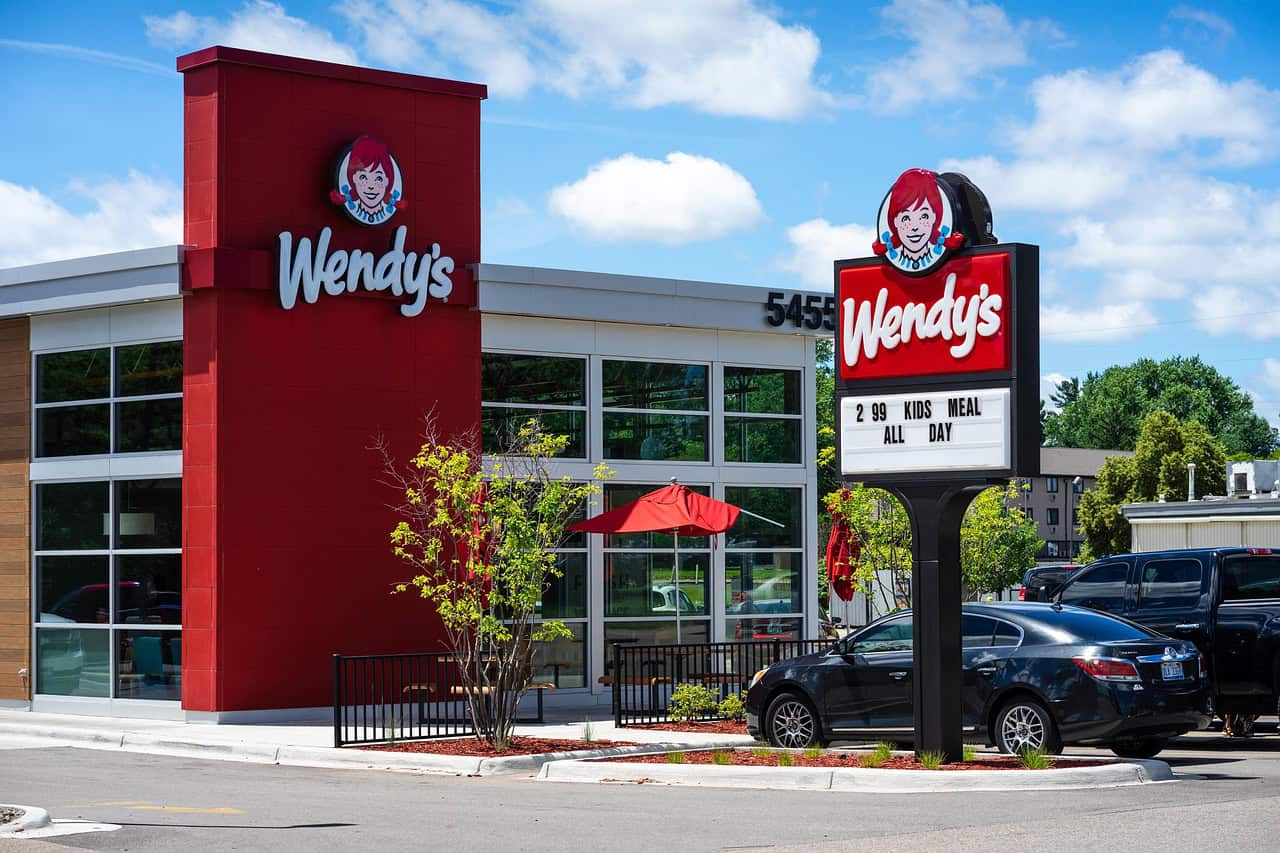
As fast-food chains look for faster service and reduced labor pressure, 2026 has become the year many brands finally embrace fully autonomous drive-thru systems. These tests go beyond basic voice bots, relying on adaptive algorithms, predictive ordering, and real-time data analysis to keep orders smooth even during peak surges. While still experimental, these AI-driven lanes promise shorter waits, fewer errors, and more personalized menus, marking a major milestone in how millions of customers may order food in the coming years.
1. McDonald’s
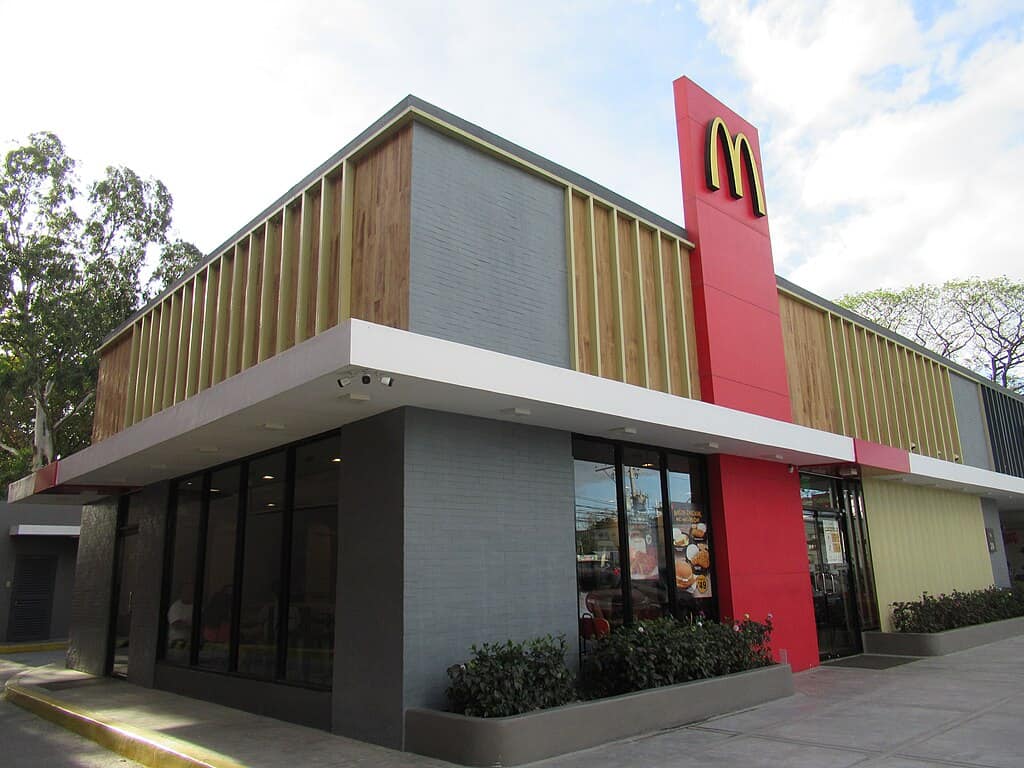
McDonald’s is entering 2026 with one of the largest AI drive-thru trials, rolling out autonomous ordering tech across 120 test locations. The system uses improved speech recognition capable of interpreting accents with over 92% accuracy, reducing the need for human confirmation. It also cross-checks orders with a 50,000-item customization database to minimize errors. Early internal metrics show average ordering time dropping from 78 seconds to 52, a shift McDonald’s hopes will ease congestion during its busiest lunch hours.
2. Taco Bell
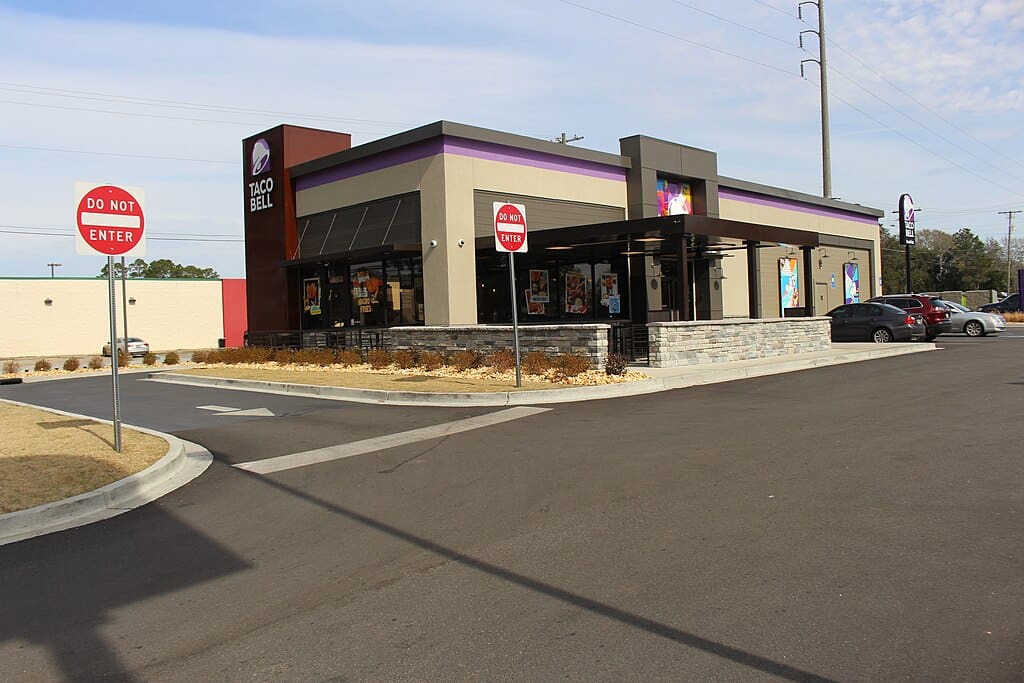
Taco Bell’s 2026 pilot features AI built for speed and personalization, launching in 85 high-traffic sites. The system monitors regional demand patterns and adjusts menu prompts accordingly, boosting upsell accuracy by nearly 18%during early tests. Its predictive engine analyzes customer flow every five seconds to pre-load common orders and reduce hesitation. Field data suggests the AI cuts average wait times from 4.1 minutes to 2.9, making it one of Taco Bell’s most ambitious digital upgrades yet.
3. Wendy’s
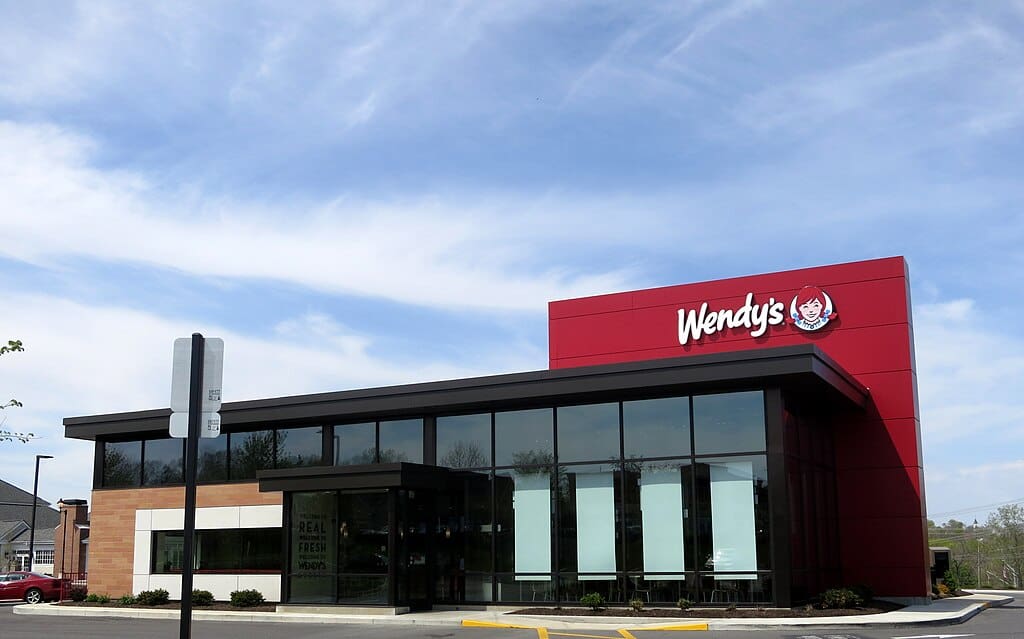
Wendy’s continues refining its “FreshAI” model, expanding it to 60 drive-thrus for full automation in 2026. The system recognizes conversational phrases and shorthand with around 90% comprehension, enabling smoother interactions during complex orders. It also triggers human backup if error rates rise above 8%, ensuring consistency. Internal tests show that correction requests have dropped by almost 22%, and the chain is evaluating how its AI handles peak dinner traffic, where order volume can increase by 40% within minutes.
4. Chick-fil-A
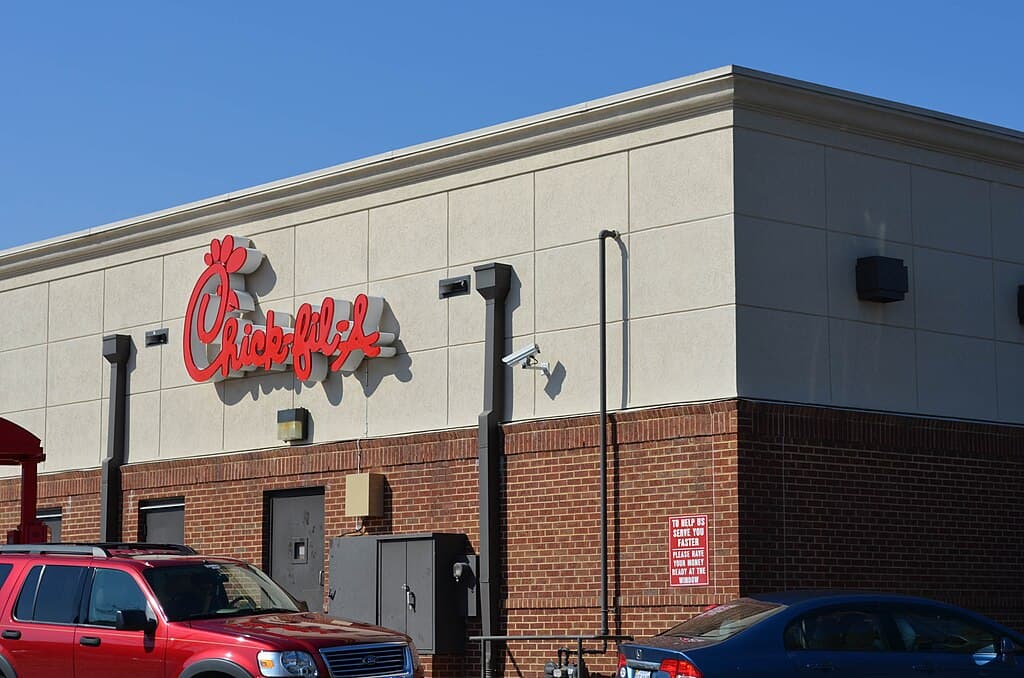
Chick-fil-A’s AI trial spans 70 multi-lane locations, aiming to tame breakfast and evening rushes where traffic can spike by up to 55%. The system can identify registered customers through app-linked car profiles and retrieve past orders with 98% match precision. It coordinates lane timing to reduce bottlenecks and uses politeness-tuned responses to preserve the chain’s familiar tone. Early simulations show a 25% faster lane turnover, reflecting Chick-fil-A’s focus on hospitality even in fully automated settings.
5. Burger King
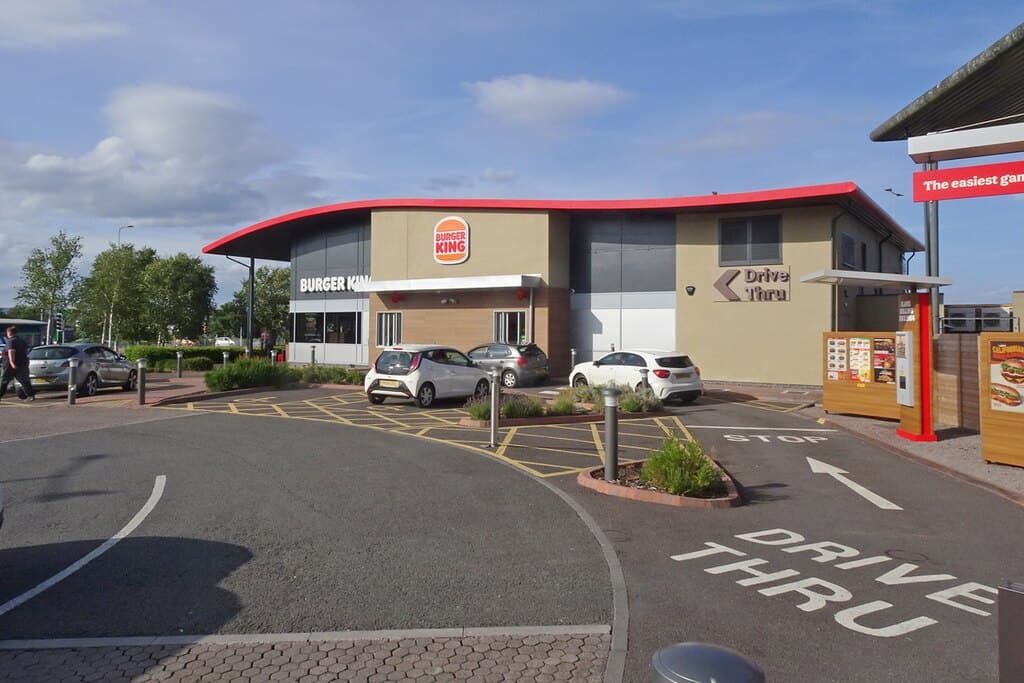
Burger King’s 2026 AI tests include 95 restaurants focused on reducing mistakes in its highly customizable menu. The system uses real-time visual confirmation screens that display ingredient breakdowns with over 93% accuracy. Throughout its pilot, AI-handled orders required 17% fewer corrections than human-managed ones. The algorithm also tracks regional demand and automatically suggests add-ons when probability thresholds exceed 30%, giving BK a clearer look at patterns while improving customer satisfaction and consistency.
6. KFC
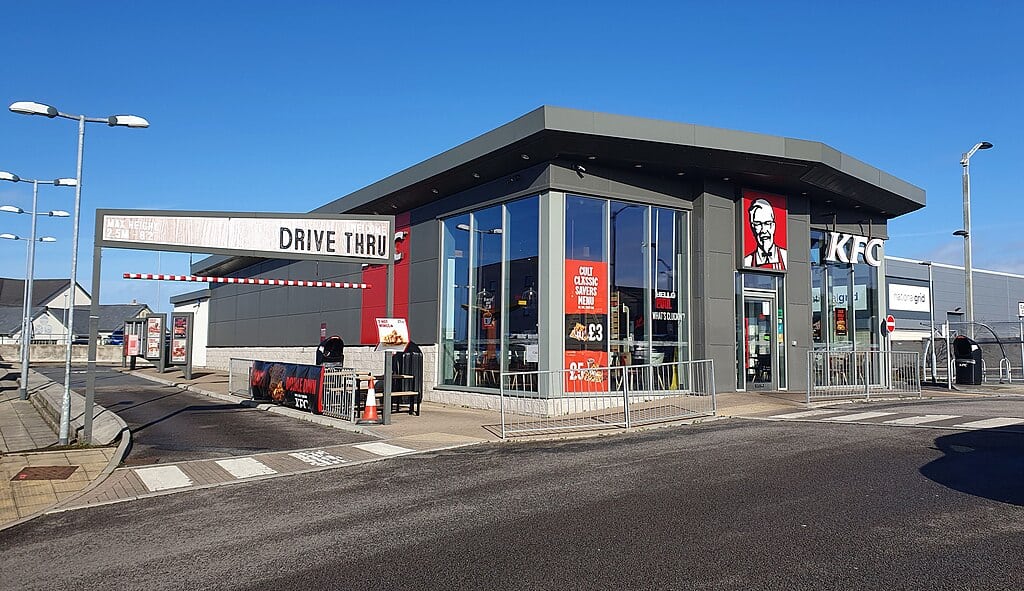
KFC’s push toward automation covers 88 participating locations, with AI designed to handle large family meals, which account for nearly 40% of peak-hour sales. The system groups items intelligently and checks for missing sides or sauces using a database of 1,400 menu combinations. Inventory-linked alerts notify customers when items run low, reducing substitution complaints by around 15% during testing. These upgrades aim to streamline the ordering process especially during weekend spikes and promotional launches.
7. Sonic Drive-In
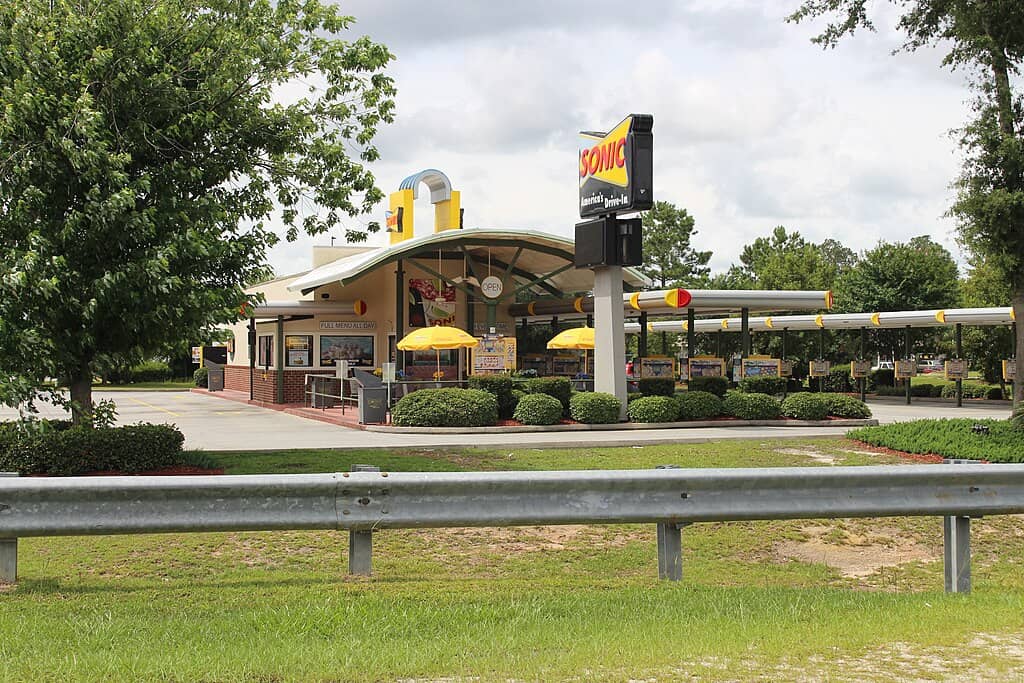
Sonic’s 2026 expansion brings AI ordering to 110 stalls across selected markets, tackling the chain’s complex drink customizations that include over 1.3 million possible mix-ins. The system processes flavor requests with improved accuracy, reducing mis-keyed drink combinations by nearly 20%. It can manage multiple stalls simultaneously and uses customer history to offer tailored prompts. Early evaluations reveal ordering times dropping from 3.8 minutes to 2.6, making the drive-in model more efficient than ever.