We may earn money or products from the companies mentioned in this post. This means if you click on the link and purchase the item, I will receive a small commission at no extra cost to you ... you're just helping re-supply our family's travel fund.
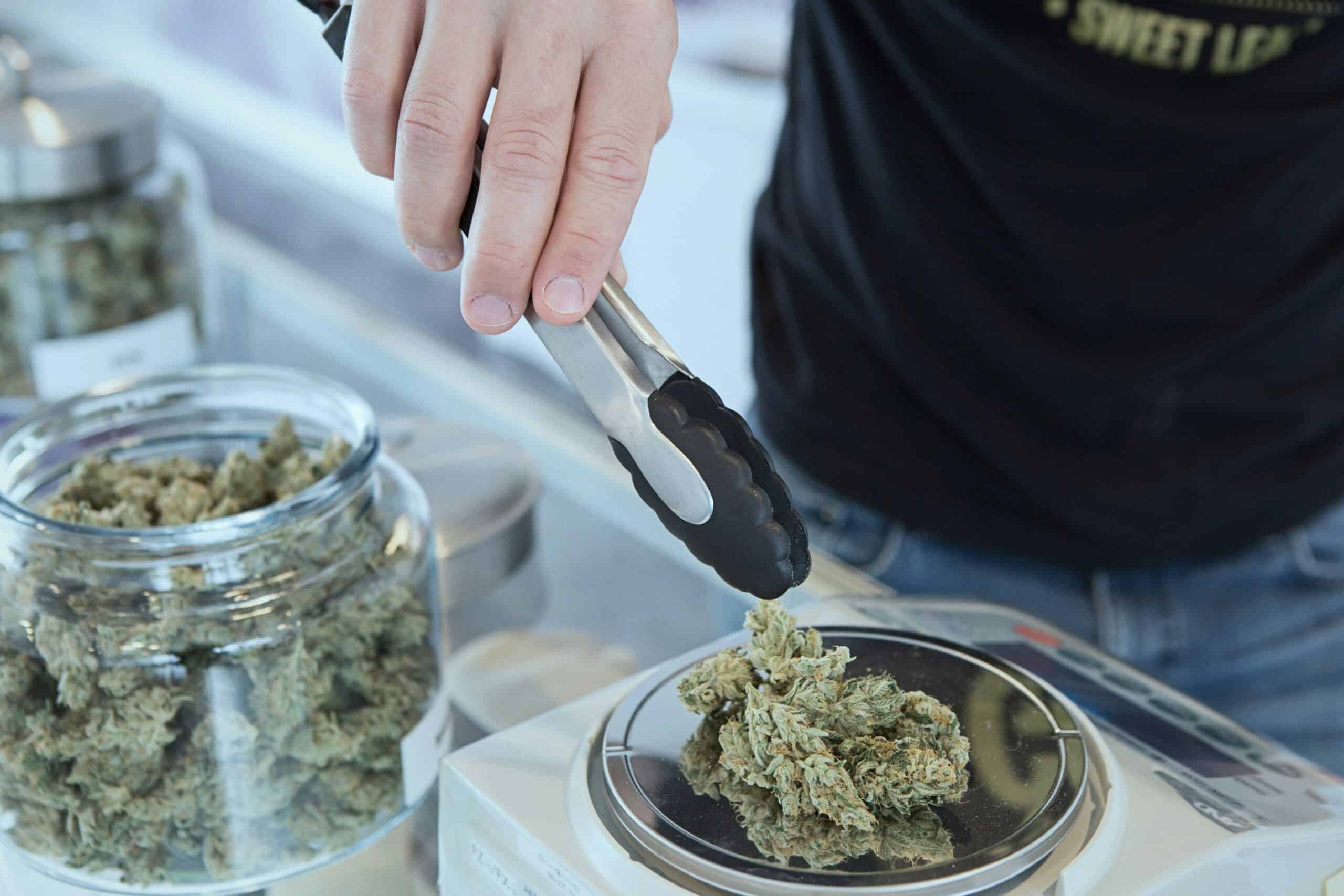
A cannabis-friendly hometown can make travel feel uncomplicated, until a road trip crosses invisible lines of law. Rules shift at state borders, tighten on federal land, and get sharper around airports, ferries, and checkpoints. Most problems start with ordinary habits: treating a purchase like any other, leaving it within reach, or assuming a medical card travels. The risks rarely feel dramatic at first. They arrive as a routine stop, a sign at a park gate, or a bag search that turns ordinary plans into paperwork and worry.
Crossing A State Line With A Legal Purchase
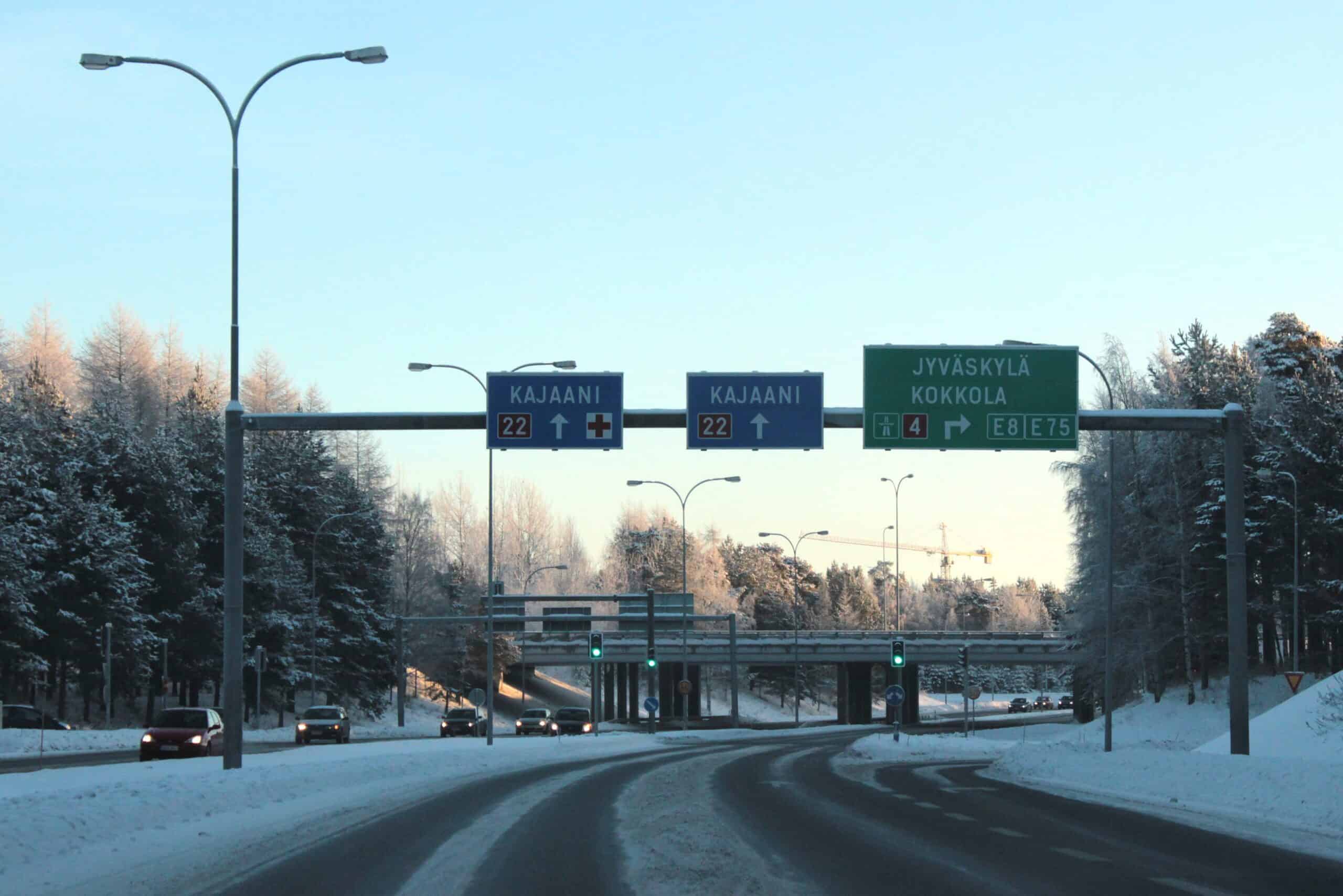
State legality ends at the border, even when both sides sell cannabis openly. A purchase that feels ordinary in one town can become contraband once the tires cross into another state, because interstate transport falls under federal rules regardless of local ballots and tax stamps. The mistake often looks like convenience, a sealed bag saved for a cabin, concert, or hotel later, yet a routine stop can turn it into a jurisdiction puzzle where receipts, labels, and good intentions do not cancel the exposure, and the trip that was about scenery turns into paperwork, delays, and decisions. Choices get made under stress on a roadside shoulder too.
Source.
Assuming National Parks Follow State Rules

Federal land keeps federal rules, and many classic road trip views sit on it. National parks, monuments, and many national forests prohibit possession and use even when the surrounding state allows it, so a dispensary receipt from the last town does not matter once the route enters a park boundary or a forest campground. The surprise often arrives at the entrance booth, a ranger contact at a trailhead, or a late-night campsite check, when something packed for relaxation suddenly carries federal weight and the scenic stop starts feeling like a legal trap. Fines and court dates can follow quietly, far from home, right after a quick sunset photo stop.
Source.
Treating The Airport Like Another City Block
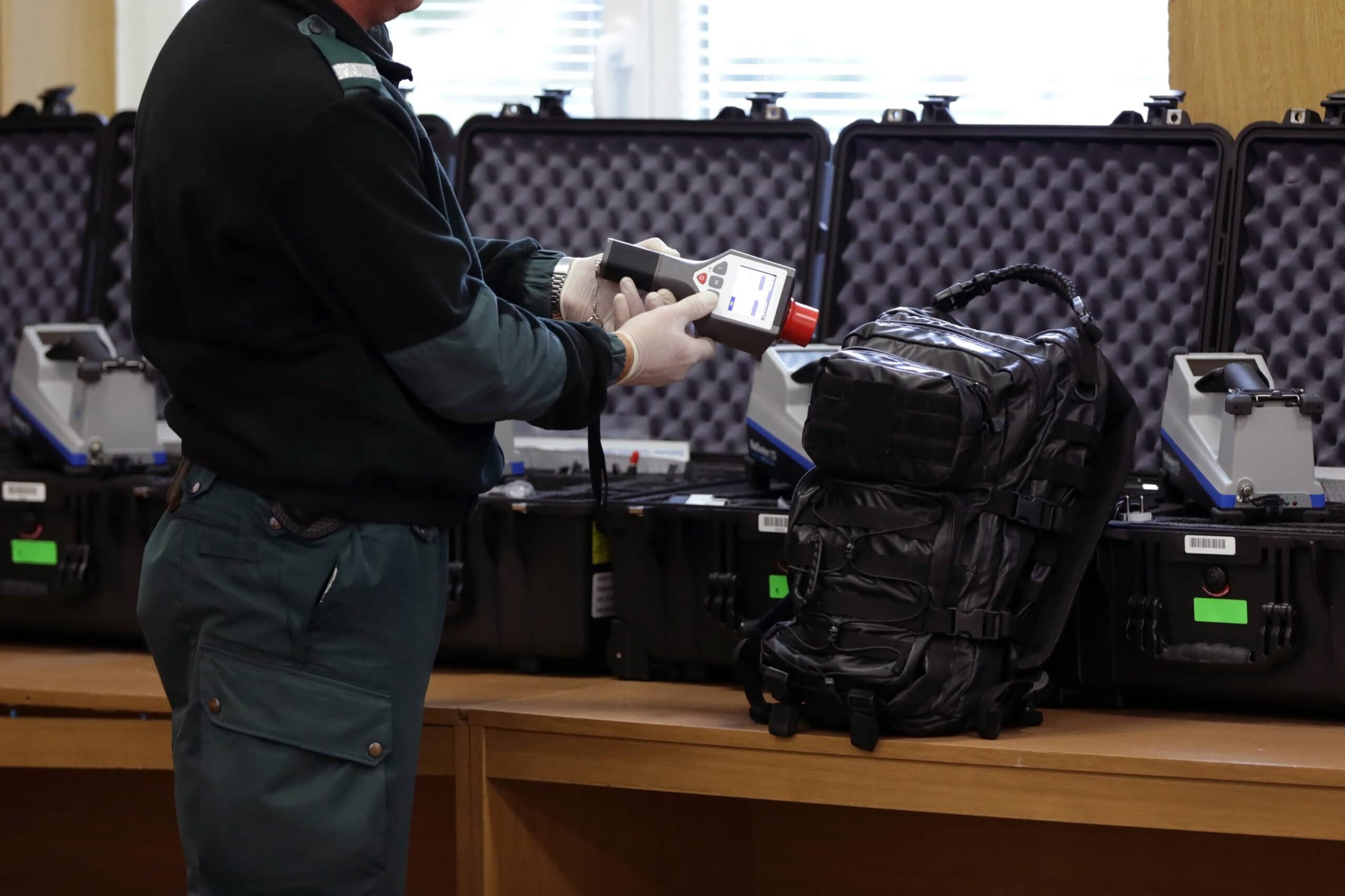
Airports run under federal oversight, and screening exposes what a car trunk might never reveal. TSA officers say they are not searching for marijuana, but if cannabis is found during security screening, it can be referred to local law enforcement, and outcomes hinge on the airport’s jurisdiction. The mistake is assuming normal travel rules apply, when a bag inspection can turn a simple connection into delays, reports, and a missed departure. The risk is not only arrest. Even small amounts can mean secondary screening, calls to police, and missed boarding windows especially during holiday rushes when patience is low and connections are tight.
Source.
Forgetting That Border Zones Have Different Powers
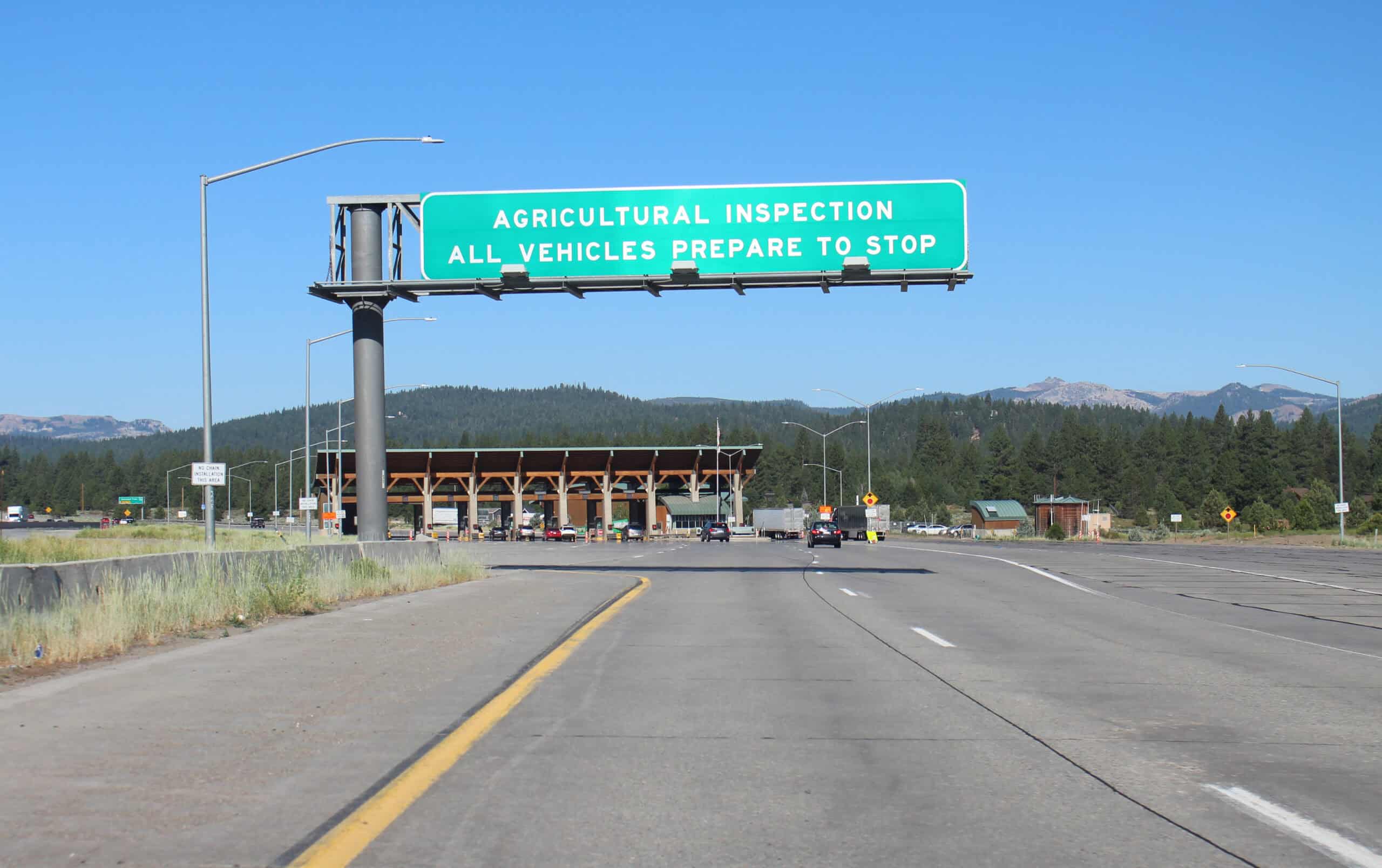
International borders and interior checkpoints operate under federal authority, not state cannabis policy. Carrying cannabis toward Canada or Mexico can trigger questioning, and CBP checkpoints inside the United States can still apply federal rules even when the starting point is legal. The road trip error is treating a checkpoint like a routine pause, when it can function as a legal boundary with its own standards and consequences. Some routes pass through federal checkpoint corridors, and a lawful purchase can be treated as unlawful possession, with delays that ripple into lodging, work, and holiday plans before the next exit even appears.
Source.
Leaving Products Accessible Like Snacks
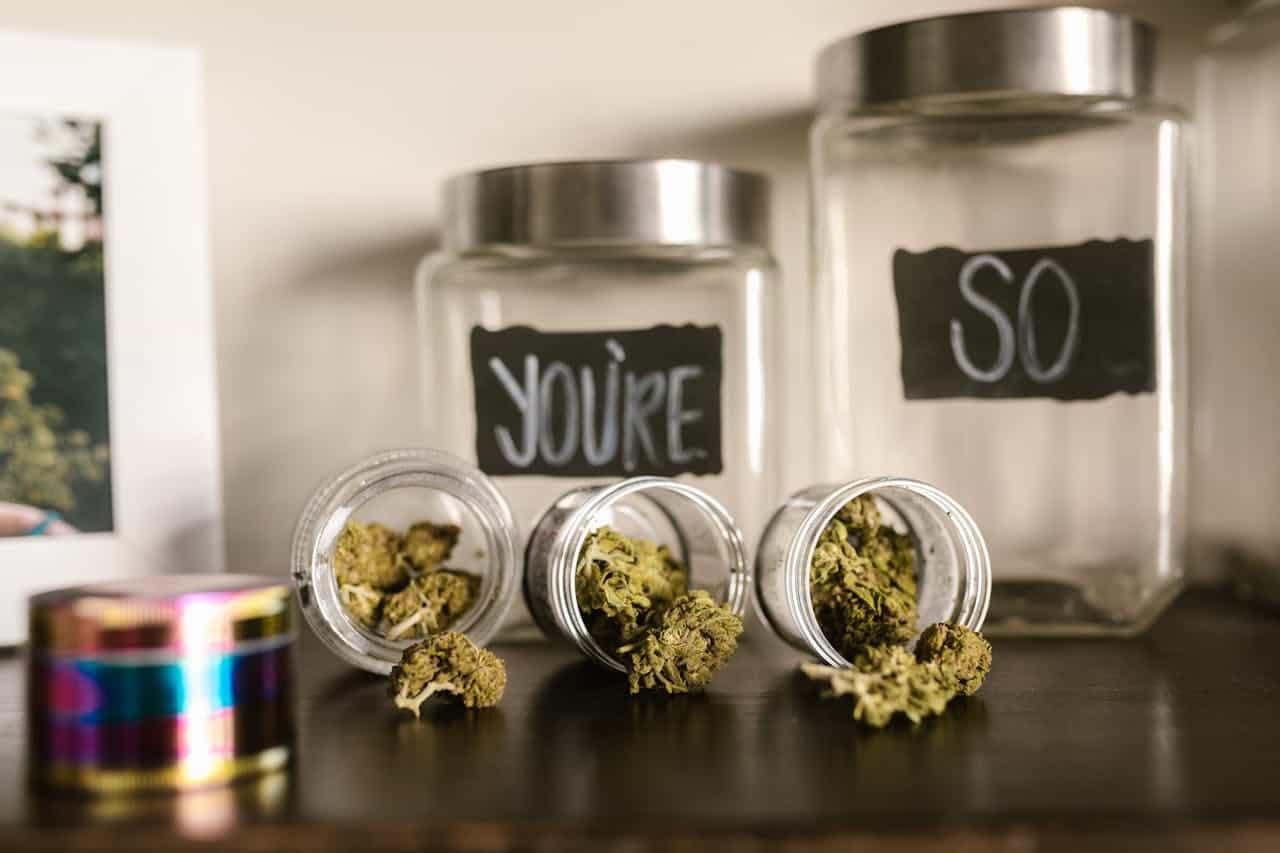
Many states treat cannabis in a vehicle like alcohol: open containers and easy access can be violations even without use. Loose edibles, a half-used vape, or an unsealed jar in the console can be viewed as an open container, and a stop can escalate quickly once it is visible. The mistake is casual placement, when the law often expects sealed packaging, clear storage, and separation from the driver’s reach. Some states also bar passengers from consuming cannabis on highways, and an opened package can trigger an open-container citation. On long drives that small detail can eclipse the trip, pulling attention to search, paperwork, and insurance.
Source.
Confusing Relaxation With Road Safety

Impaired driving rules are not softened by legalization, and states vary from behavior-based standards to zero-tolerance or per se THC limits. A driver can feel steady and still face a drugged-driving investigation after a minor crash or roadside check, because cannabis effects and testing do not line up neatly. The mistake is treating cannabis like a harmless road companion, when the highway is where enforcement becomes most serious and stakes rise quickly. Some laws focus on observable impairment, others on measured THC and that patchwork makes timing a gamble. A calmer mood does not guarantee a clean test or a sympathetic officer at night.
Source.