We may earn money or products from the companies mentioned in this post. This means if you click on the link and purchase the item, I will receive a small commission at no extra cost to you ... you're just helping re-supply our family's travel fund.
Flying in the U.S. can be unpredictable, and even small delays can cascade into major headaches. While some carriers are reliably punctual, others struggle with frequent tardiness due to operational challenges, weather, or network complexity. Understanding which airlines are most prone to delays can help travelers plan smarter, minimize stress, and improve the chances of reaching their destination on time. Here are the five U.S. airlines with the worst on-time records and practical tips to avoid flying into delays.
1. Frontier Airlines
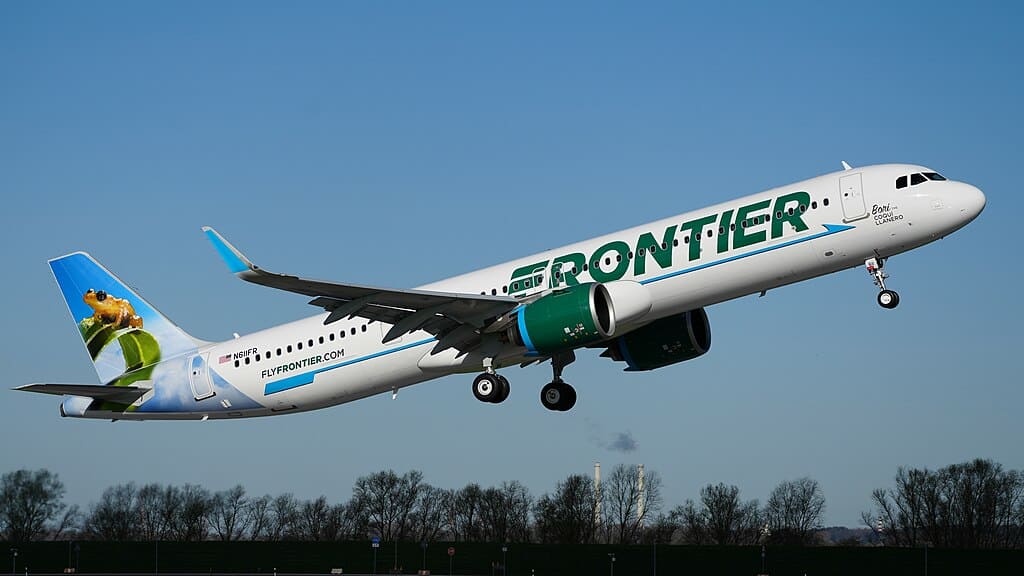
Frontier Airlines is notorious for being one of the least punctual carriers in the U.S., with only around 70% of flights arriving on schedule. Its ultra-low-cost model prioritizes affordability, often at the expense of operational buffers, meaning delays in one flight ripple through its network. Data shows average delays hover around 24 minutes, with some peak-time flights exceeding 45 minutes. Travelers should consider morning departures and direct routes to reduce exposure to cumulative delays and allow extra time for connections if necessary.
2. PSA Airlines
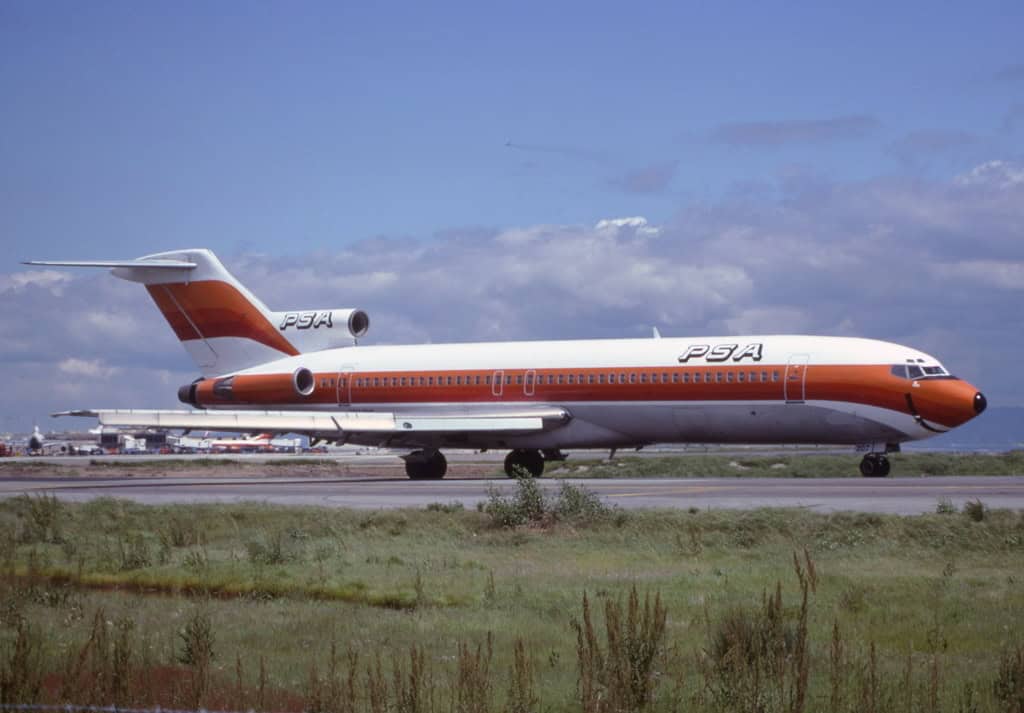
PSA Airlines, a regional operator for major carriers, posts one of the lowest on-time rates nationwide, at approximately 65.7%. Smaller aircraft, tighter schedules, and reliance on connecting flights often create a domino effect of delays. Regional airports with limited gates and staff exacerbate the problem, especially during winter storms or holiday periods. Passengers flying PSA are advised to monitor flight status in real time, schedule early-day departures, and avoid tight connection windows, as even a 15-minute delay can disrupt the entire itinerary.
3. Air Wisconsin
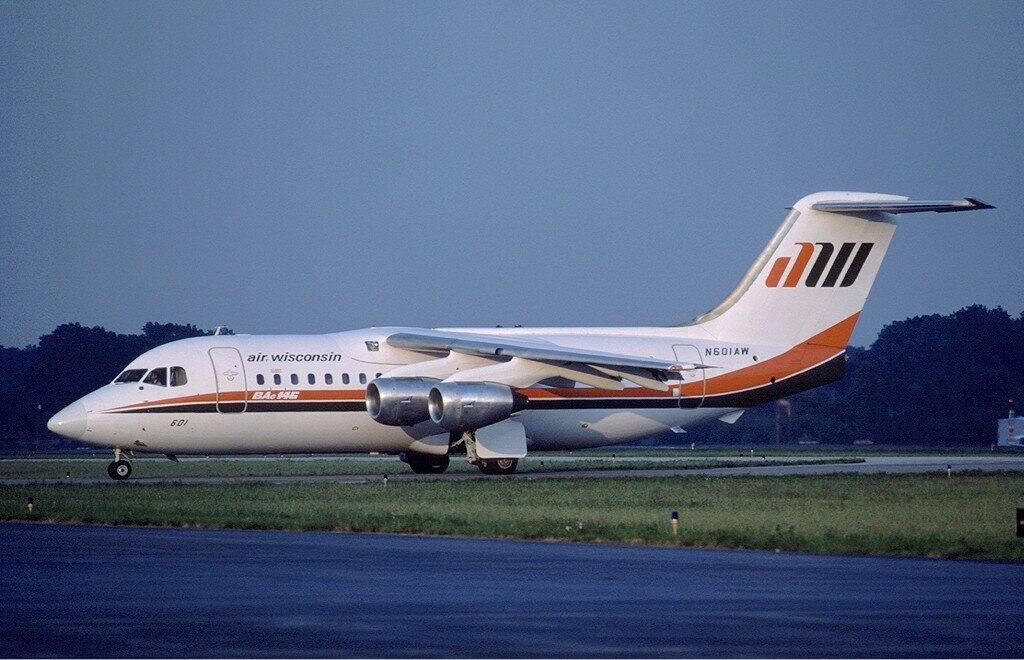
Air Wisconsin struggles with punctuality, with roughly 71.3% of flights arriving on time, making it one of the more delay-prone regional airlines. Its network primarily supports larger carriers, so late arrivals or weather issues elsewhere often impact Air Wisconsin flights. Data shows that during winter months, average delays increase to 30–35 minutes, while summer storms add unpredictability. Travelers should aim for morning flights, double-check seasonal weather patterns, and use mobile notifications to stay ahead of any operational disruptions.
4. United Express

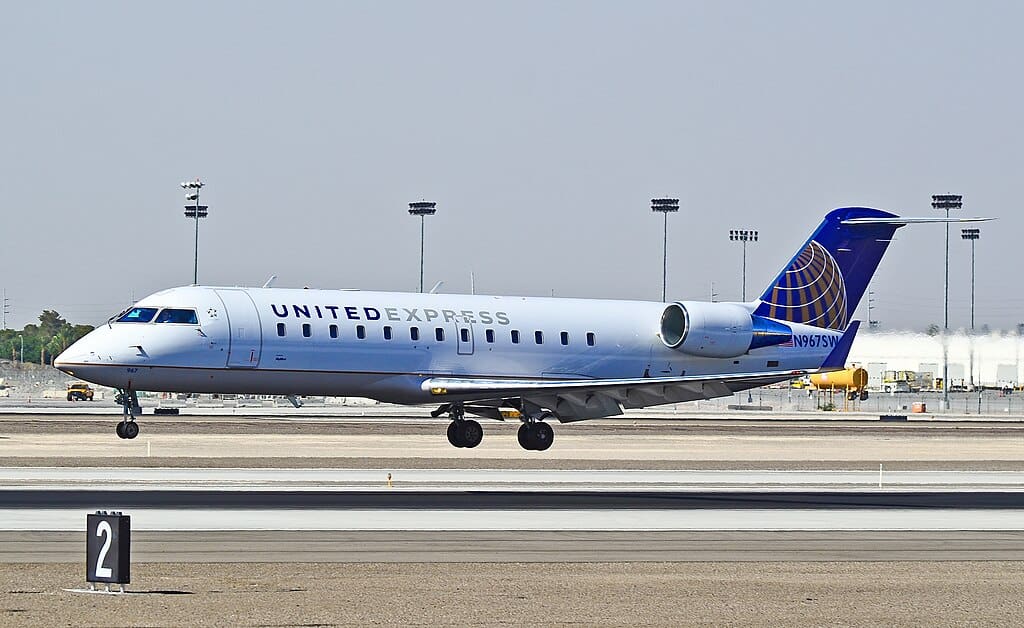
United Express, a regional affiliate of United Airlines, often lags behind in on-time performance, averaging about 72–73% punctuality. Its reliance on regional hubs means delays can quickly cascade across connecting flights. Peak travel periods such as holidays or weekdays see average delays of 25–40 minutes, with larger airports like Chicago O’Hare and Newark showing the highest congestion. Booking early morning flights, non-stop options, and leaving at least a 2-hour window for connections can help travelers mitigate the risk of cascading delays.
5. American Airlines
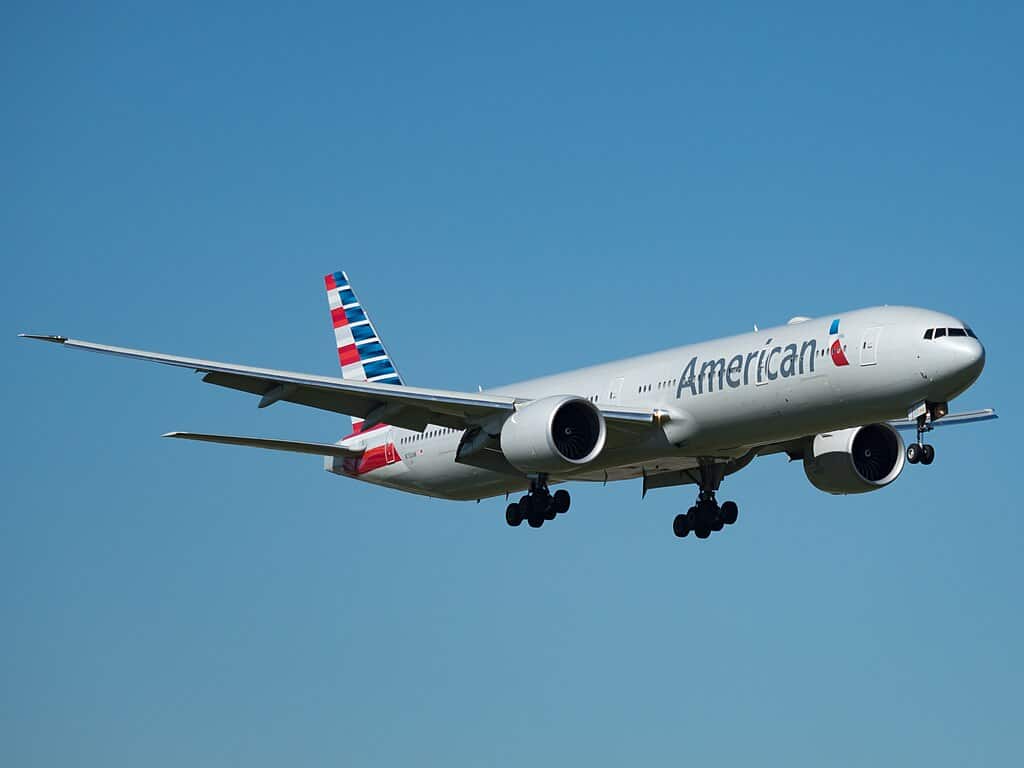
Among major carriers, American Airlines consistently appears near the bottom for punctuality, with roughly 72–73% of flights on time. Its expansive network and heavy reliance on hub-and-spoke routing make the airline vulnerable to chain-reaction delays. Data shows the average delay ranges from 22 minutes on weekdays to over 35 minutes during peak holiday travel. To avoid frustrations, passengers should prioritize morning flights, track real-time status, and, when possible, select non-stop routes or smaller regional airports for departure to improve reliability.