We may earn money or products from the companies mentioned in this post. This means if you click on the link and purchase the item, I will receive a small commission at no extra cost to you ... you're just helping re-supply our family's travel fund.
International travel is often shaped by diplomacy as much as geography. While U.S. passport holders enjoy visa-free or visa-on-arrival access to more than 180 destinations worldwide, a handful of countries remain difficult, restricted, or practically closed to American tourists. In most cases, the challenge comes not from ordinary citizens but from strained political relations, legal barriers, or highly controlled tourism systems. Below are five nations where American travelers face significant hurdles.
1. North Korea
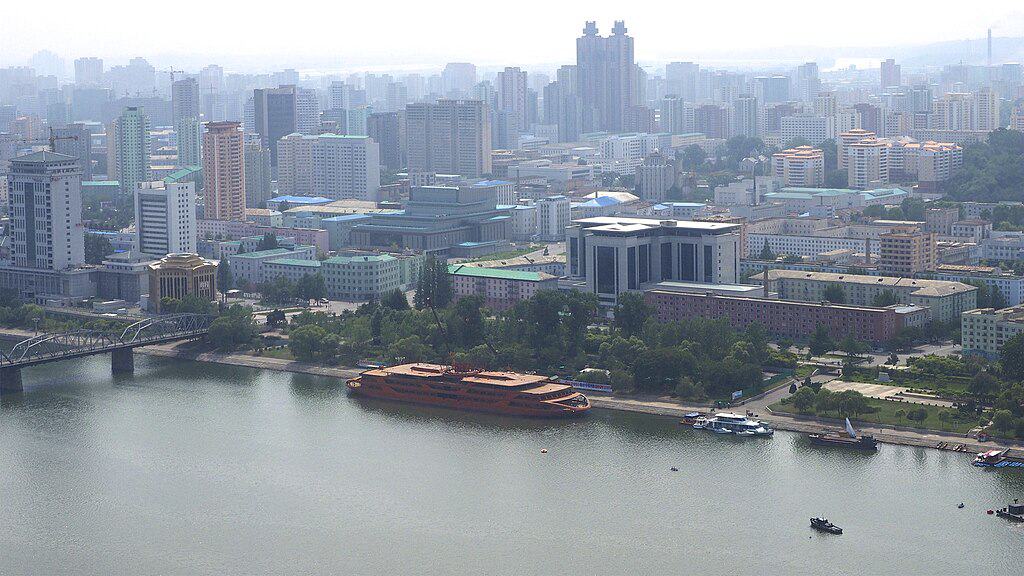
North Korea remains effectively closed to American leisure travelers. Since September 2017, the U.S. government has banned the use of American passports for travel there without special validation, which is rarely granted. Before the restriction, visitors could only enter through state-approved group tours with constant guides and fixed itineraries. Fewer than 5,000 Western tourists visited annually, and Americans formed a small fraction of that number. Independent movement was prohibited, and photography and conversations were monitored. Diplomatic ties remain frozen, with no U.S. embassy operating in Pyongyang.
2. Iran
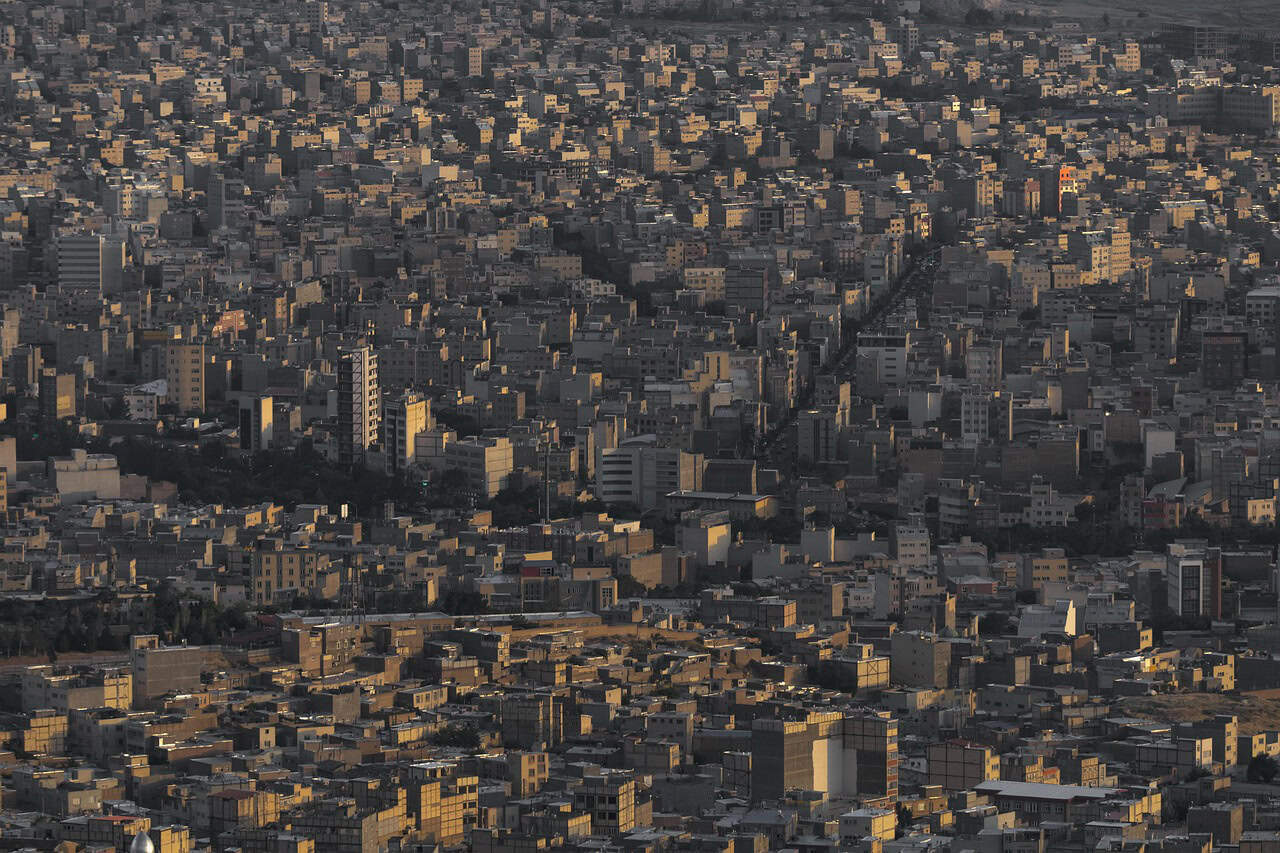
Iran does not formally ban Americans, yet entry is tightly regulated. U.S. citizens must obtain a visa in advance and travel with an authorized guide throughout their stay. Independent backpacking, common in many countries, is not permitted. Diplomatic relations have been severed since 1980, and Switzerland represents U.S. interests in Tehran. In 2023, Iran welcomed millions of regional visitors, but American arrivals represented only a tiny fraction due to security vetting and paperwork. Travelers often describe warm local hospitality, yet government oversight and monitoring remain consistent realities.
3. Turkmenistan
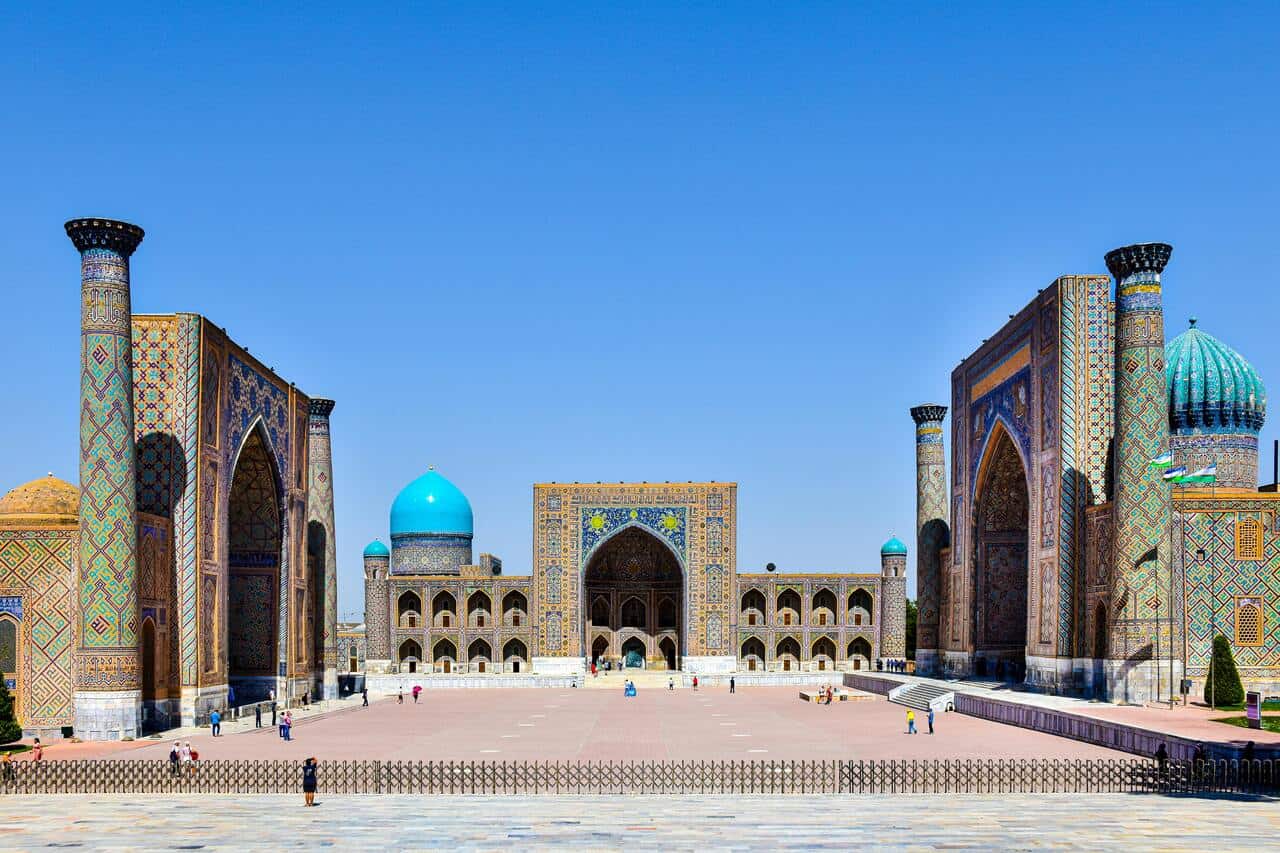
Turkmenistan is one of Central Asia’s most closed societies, ranking near the bottom in global press freedom indexes. Americans must secure a visa in advance, usually supported by a government-approved tour operator. Independent travel is extremely limited, and certain regions require additional permits. The country receives fewer than 15,000 foreign tourists annually, a modest figure compared with neighboring Uzbekistan’s millions. Internet access is restricted, foreign media is blocked, and photography near official buildings can invite scrutiny. While not openly hostile, the regulatory structure makes casual tourism complicated.
4. Syria
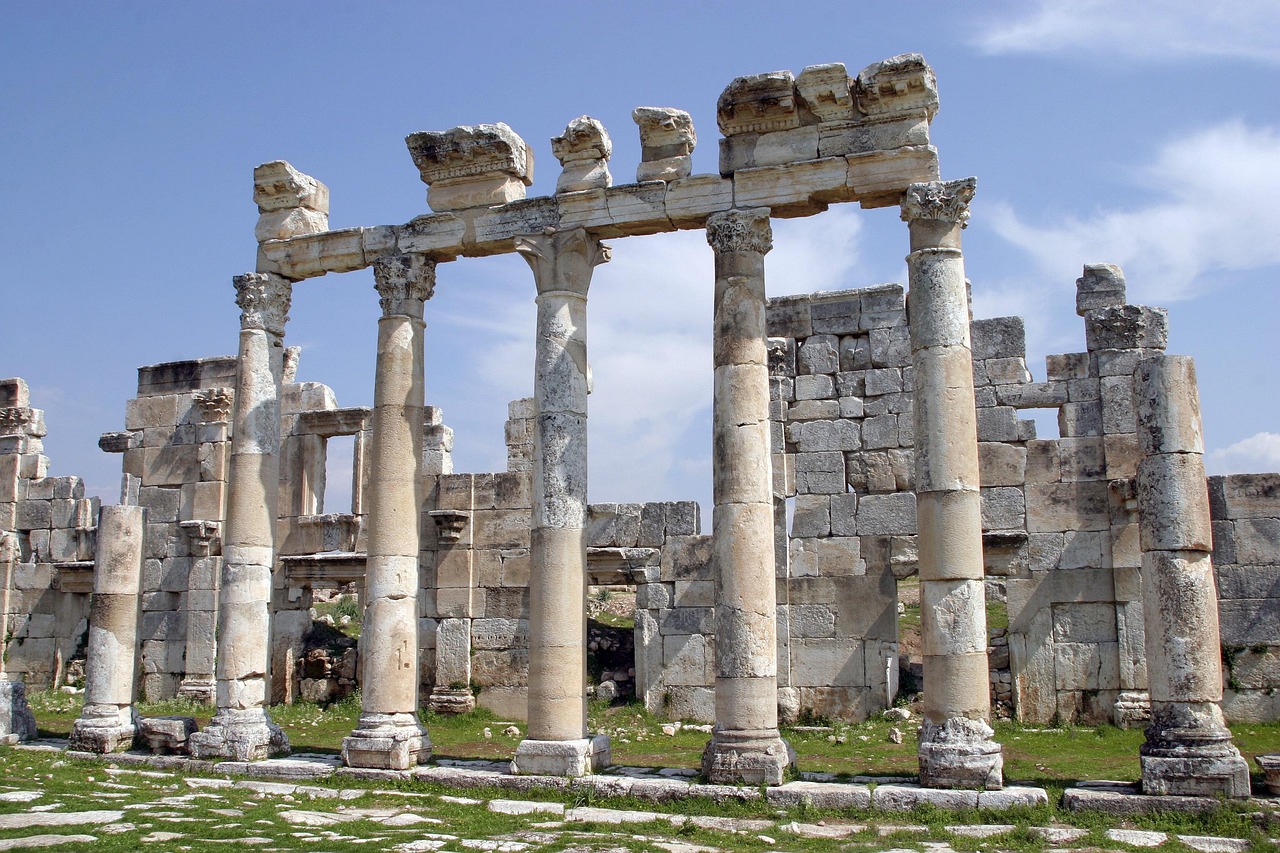
Syria remains largely inaccessible to American tourists due to security and diplomatic realities. The U.S. government maintains a Level 4 “Do Not Travel” advisory, its highest warning, citing armed conflict, detention risks, and terrorism concerns. Although Syria technically issues visas in limited circumstances, infrastructure damage from more than 12 years of war has severely reduced tourism capacity. Visitor numbers, once in the millions before 2011, collapsed dramatically during the conflict. There is no active U.S. embassy in Damascus, and consular assistance is unavailable for Americans inside the country.
5. Russia
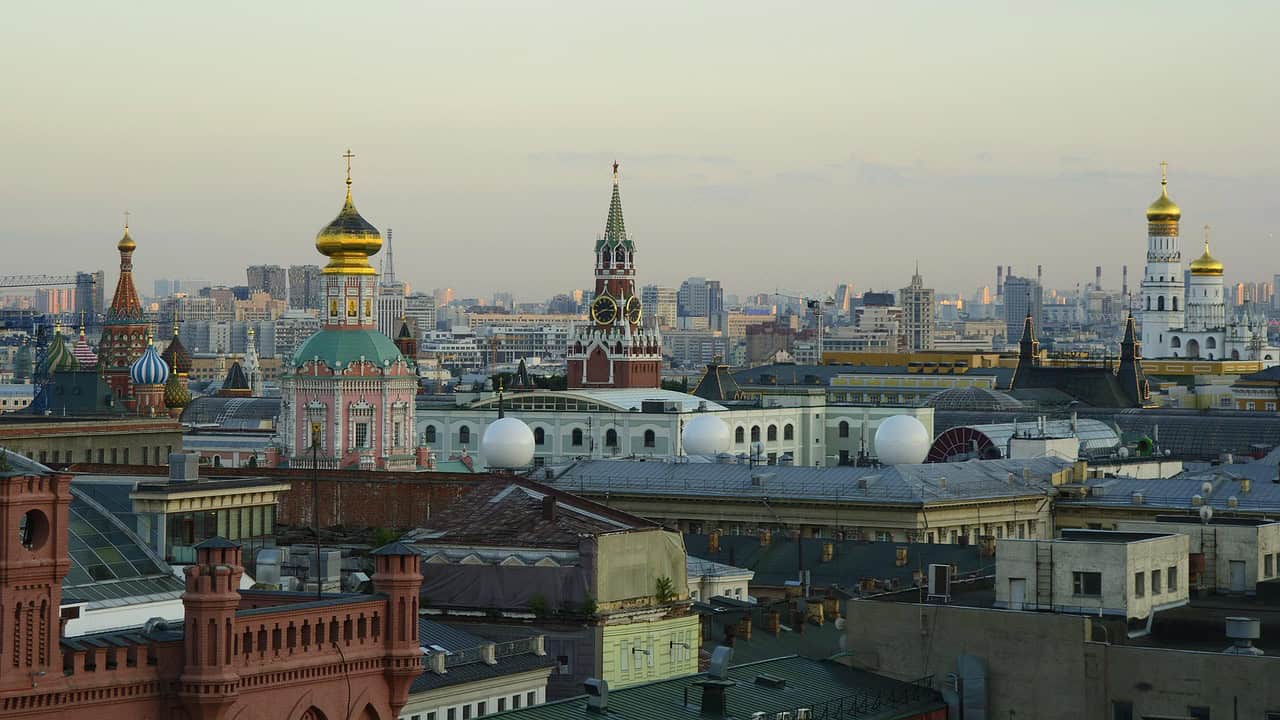
Russia continues to admit Americans, but relations have deteriorated sharply since 2022. Visa processing times have lengthened, direct flights between the two countries have largely ceased, and U.S. diplomatic staffing in Moscow has been reduced significantly. In 2019, Russia recorded over 24 million foreign arrivals; by 2023, that number had dropped steeply due to sanctions and conflict-related travel disruptions. The U.S. government advises heightened caution, citing detention risks and limited consular support. While ordinary tourism still occurs, the political climate makes travel more uncertain than in previous decades.