We may earn money or products from the companies mentioned in this post. This means if you click on the link and purchase the item, I will receive a small commission at no extra cost to you ... you're just helping re-supply our family's travel fund.
Some cities do more than decorate a passport. They alter tempo, sharpen attention, and leave behind a stronger sense of what a place can hold in one day. Across continents, the best urban journeys mix beauty with tension, history with reinvention, and ritual with surprise. A dawn market, a ferry crossing, or a midnight food lane can reveal as much as any landmark. These 25 cities stand out not for hype, but for lived character that stays vivid long after the trip ends.
Paris, France
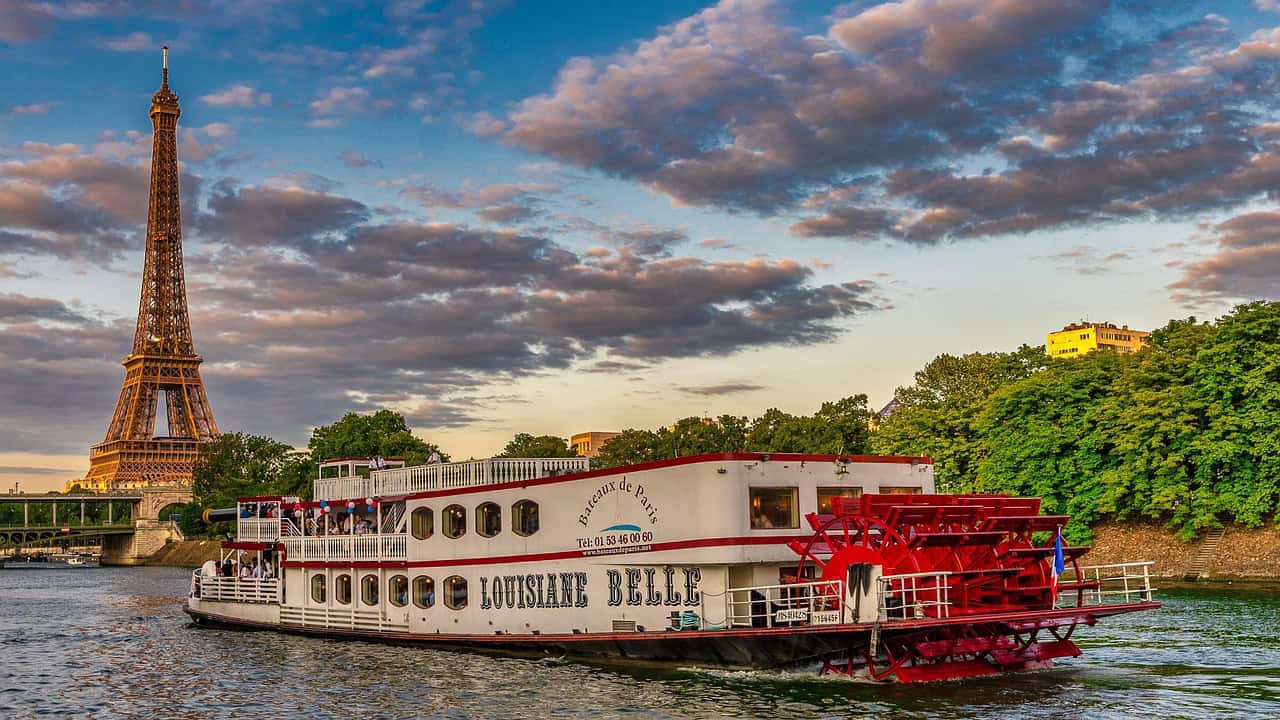
Paris carries a rare balance of grandeur and intimacy. Broad boulevards, neighborhood bakeries, riverbook stalls, and old cafés place daily life beside major museums and monuments without making either feel staged. Morning light on limestone facades gives the city quiet elegance, while evenings along the Seine feel almost theatrical. Yet its strongest quality is practical: routine still matters here, and local rhythm drives the atmosphere more than spectacle. That blend of polish and pulse keeps Paris emotionally immediate.
Mexico City, Mexico
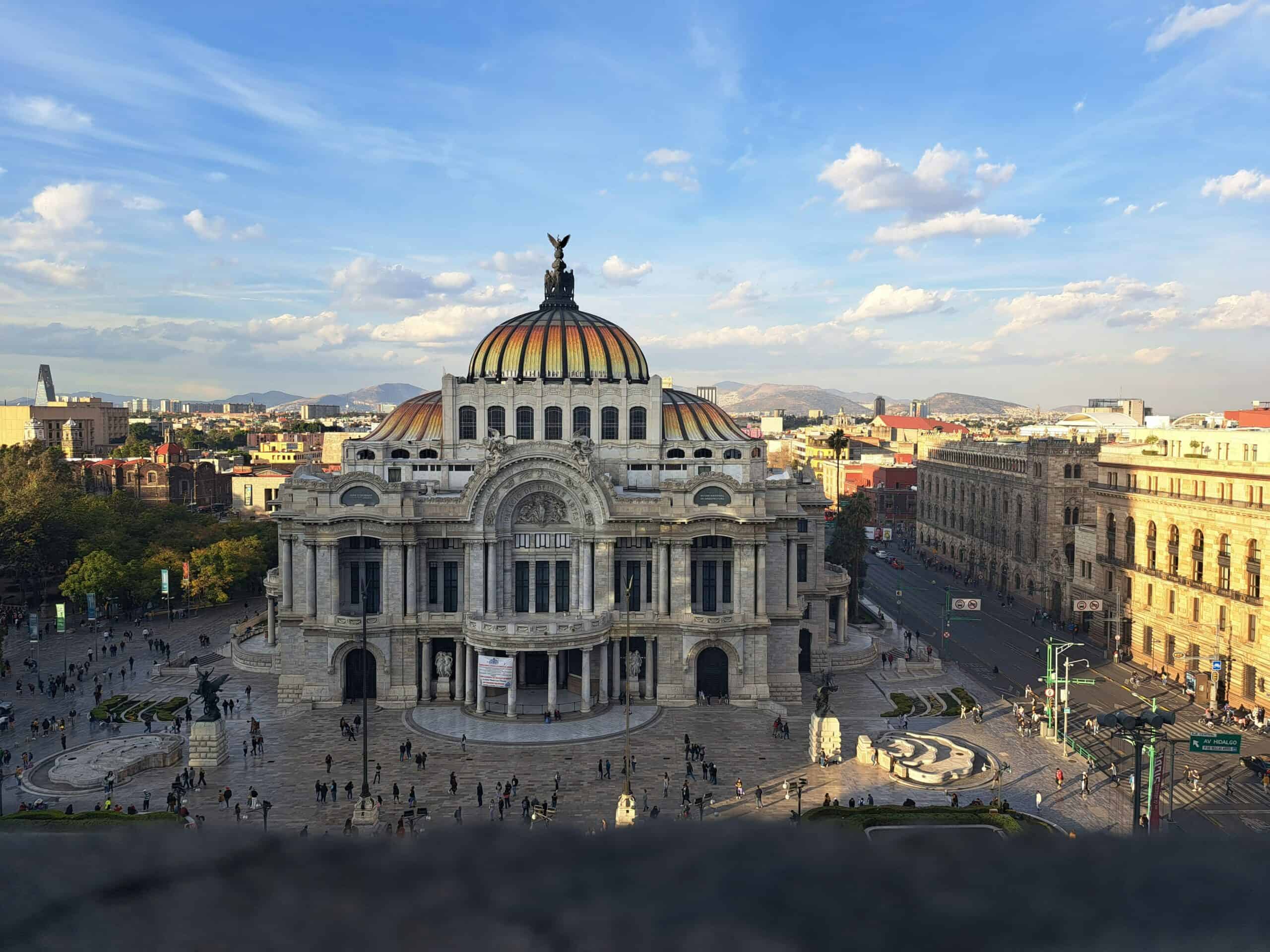
Mexico City feels ancient and urgent at the same time. Built on deep Indigenous foundations, it combines pre-Hispanic legacy, colonial architecture, modern art, and fierce street-food culture in one continuous urban flow. Grand avenues and historic plazas sit near markets where corn, chilies, and cacao remain central to daily cooking traditions. Every district speaks in a different voice, yet the city’s civic intensity ties everything together. Its scale is massive, but its human texture is what keeps it unforgettable.
Istanbul, Türkiye
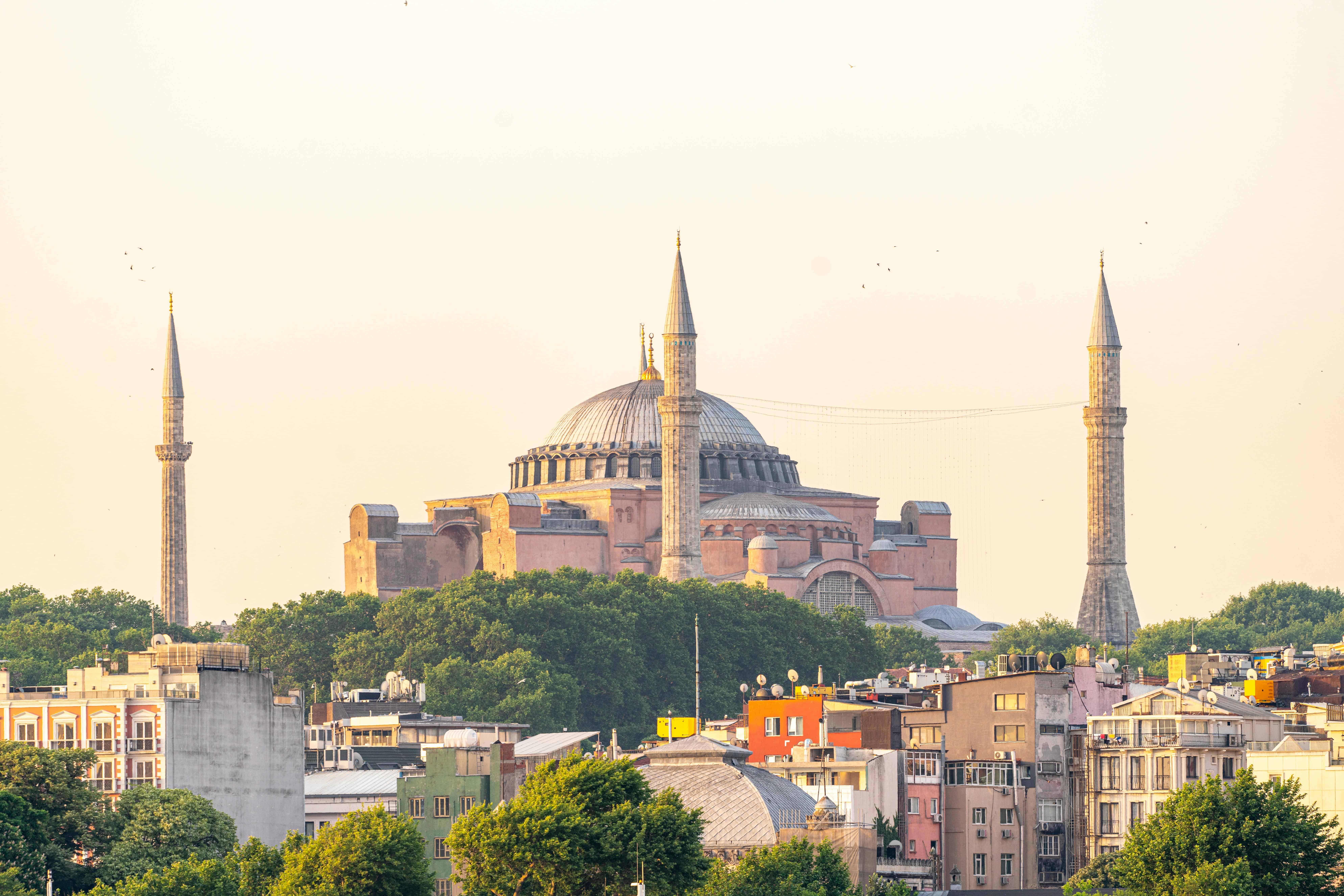
Istanbul stands between Europe and Asia in a way that feels lived, not symbolic. Ferries cross the Bosporus all day, linking steep hillside neighborhoods, domed skylines, old markets, and modern districts in one restless rhythm. Byzantine and Ottoman legacies remain visible in regular commutes, so history does not sit behind museum glass. Tea houses, mosques, galleries, and waterfront streets create constant contrast without losing coherence. Few cities hold so much continuity and change in the same daily frame.
Rio de Janeiro, Brazil
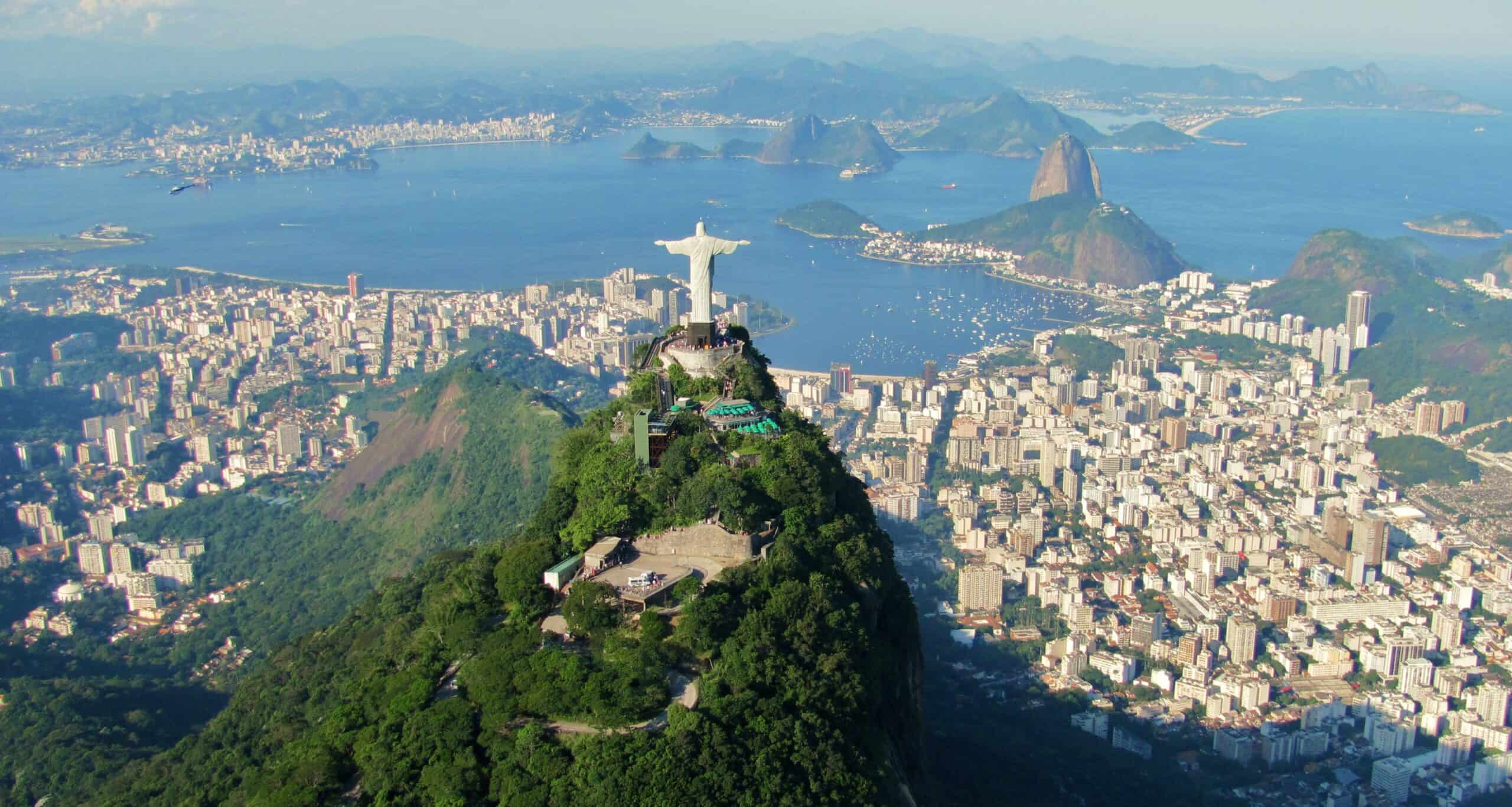
Rio de Janeiro is defined by dramatic geography, but its real force is social energy. Mountains fall toward broad beaches, and that landscape shapes movement, music, and neighborhood life from sunrise onward. Coastal promenades, local bars, football culture, and hillside communities produce a city that feels open and intense at once. The mood shifts quickly from reflective to festive, often within one afternoon. Rio lasts in memory because beauty is not separate from life here; it is woven into routine.
Barcelona, Spain
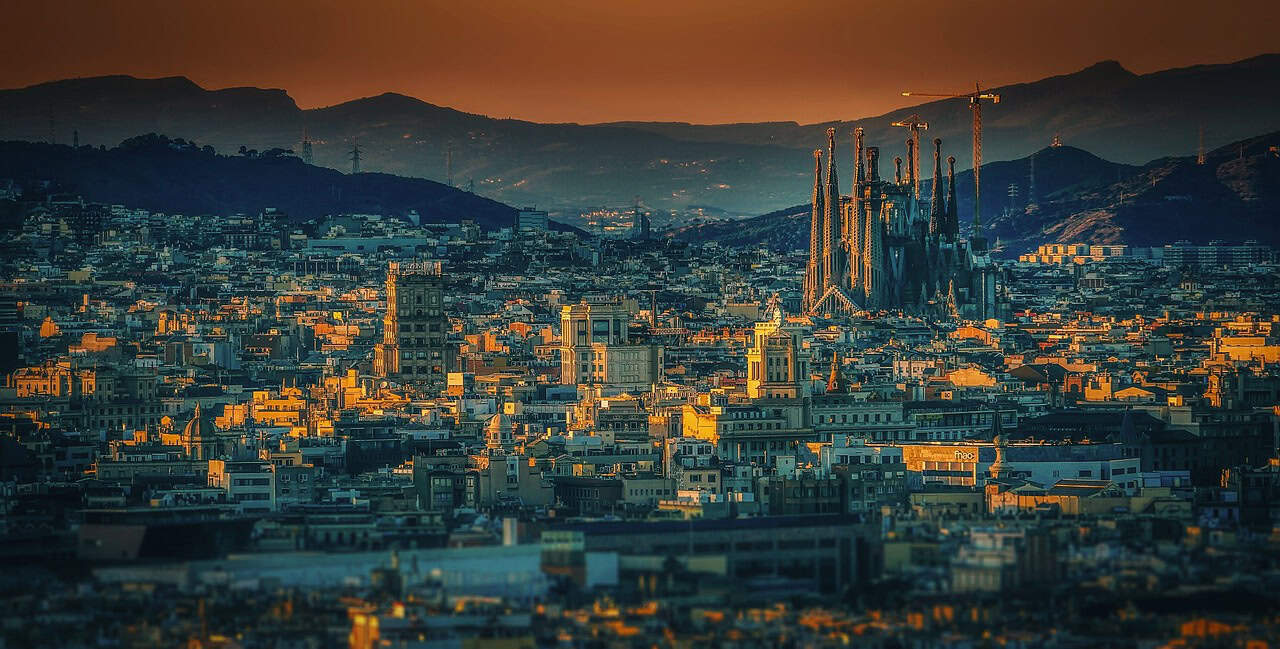
Barcelona blends Mediterranean ease with sharp creative identity. Gothic lanes, beach districts, modernist architecture, and active markets sit close together, making the city ideal for both slow wandering and close observation. Public squares remain lively late into the evening, and food culture drives how people gather, debate, and celebrate. Catalan identity gives the city a clear voice, while global influences keep it in motion. Barcelona feels designed, but never sterile, because its strongest scenes come from ordinary street life.
Lisbon, Portugal
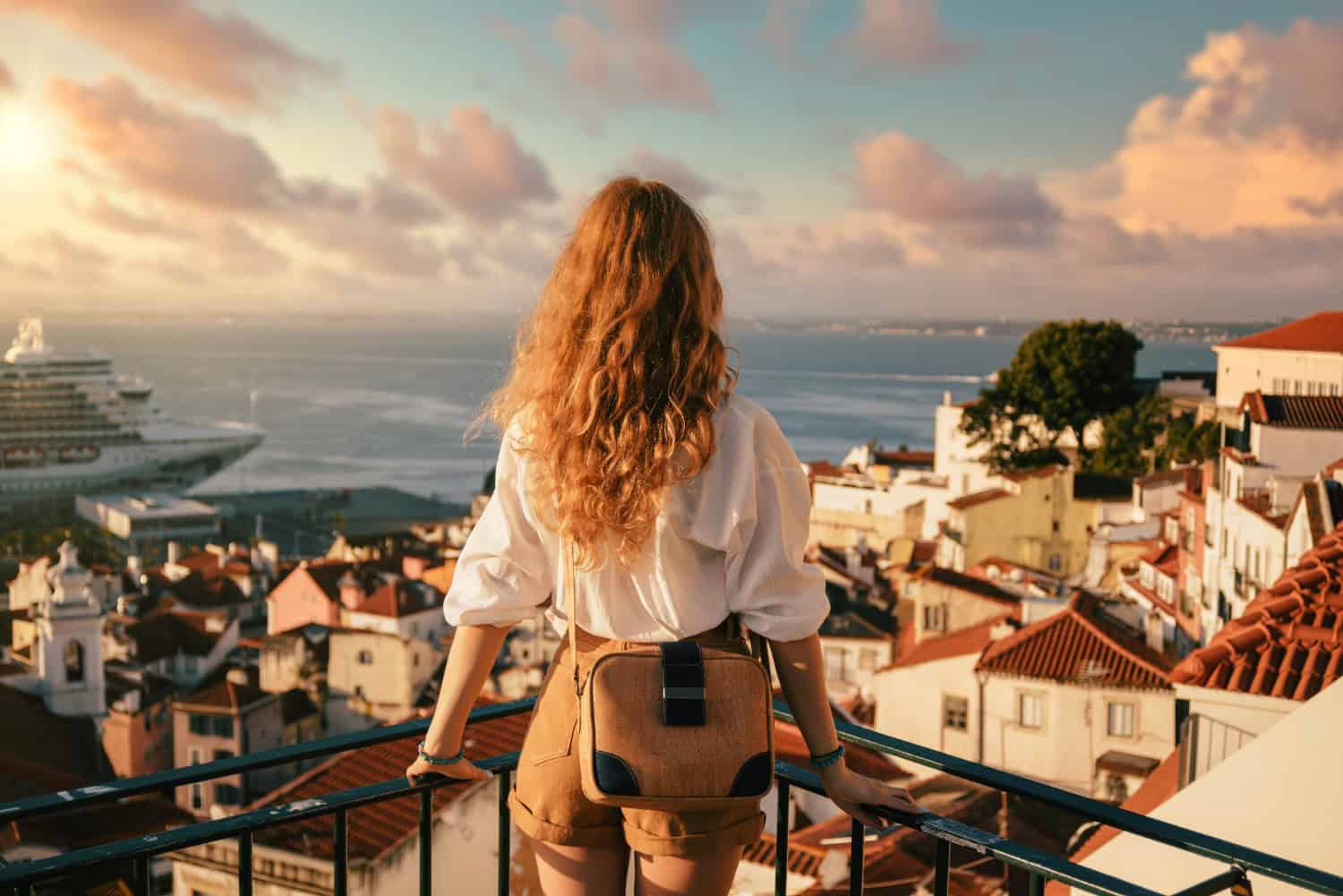
Lisbon unfolds across hills above the Tagus, and that terrain shapes every walk. Tram lines, tiled facades, steep stairways, and miradouros create a city where movement alternates between tight alleys and sudden open views. Maritime history is still present, yet newer design studios, restaurants, and music spaces keep the city forward-facing. Light here has unusual softness, especially at dusk, when stone and water seem to glow together. Lisbon feels reflective without being nostalgic, and that balance gives it real depth.
Marrakech, Morocco
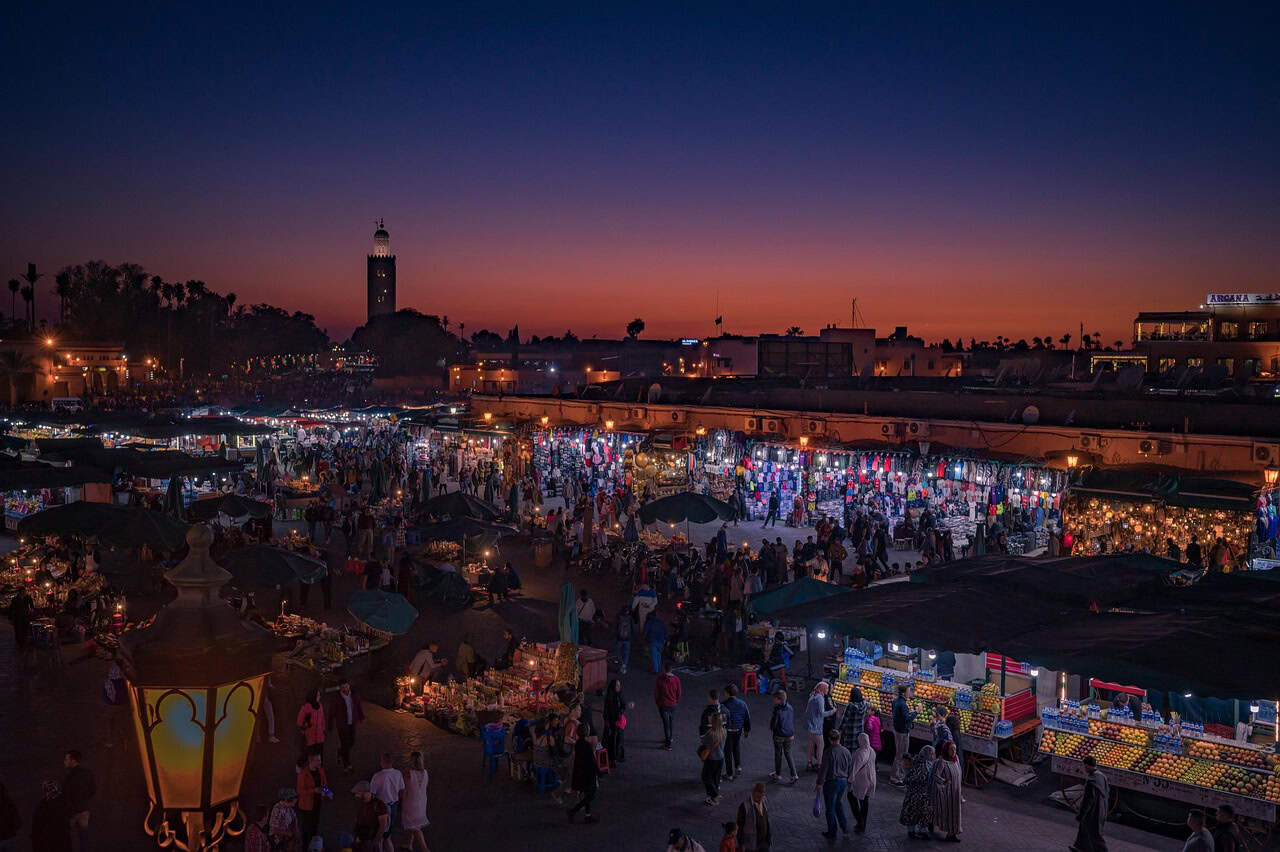
Marrakech is built on sensory contrast: pink walls, shaded courtyards, dense souks, and open squares alive with trade and performance. Craft traditions in metal, leather, wood, and textiles still shape local identity, so the city feels handmade rather than standardized. The medina invites slow discovery, while gardens and riads provide calm between bursts of color and sound. As evening settles, food stalls and conversation take over the streets. Marrakech resonates because intensity and elegance coexist without canceling each other out.
Cape Town, South Africa
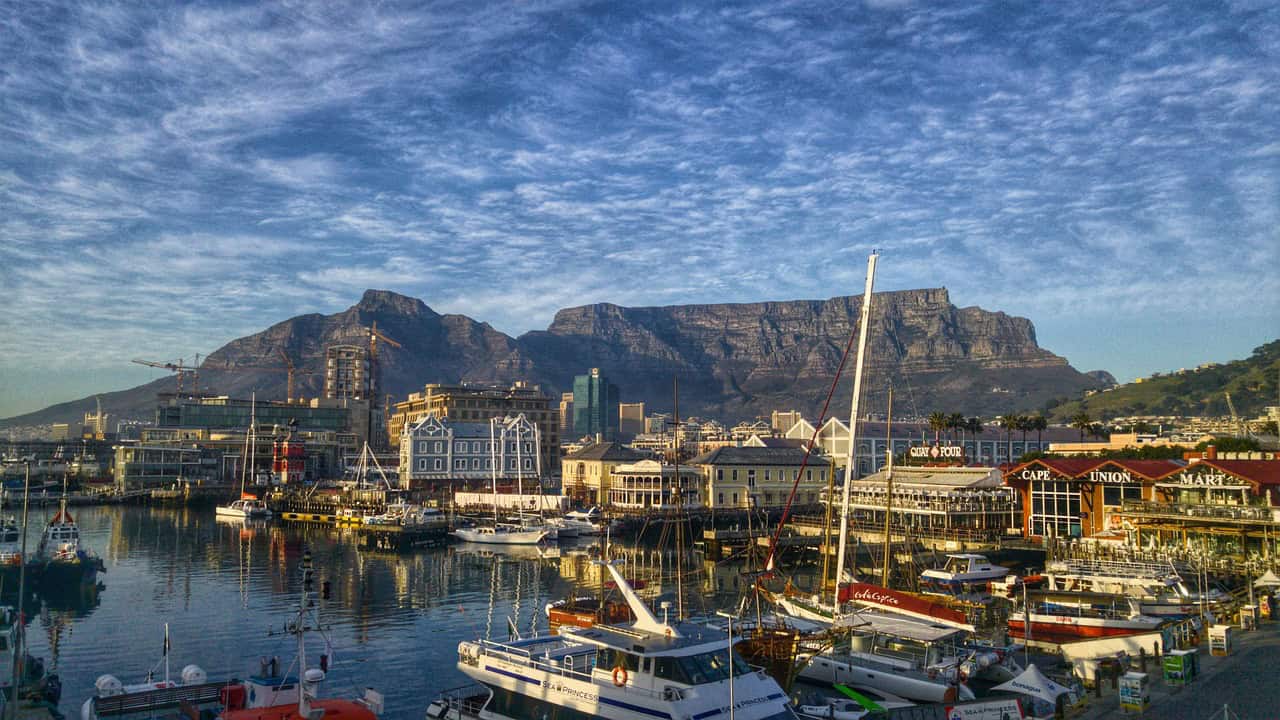
Cape Town combines natural drama with layered social history. Table Mountain, ocean roads, working harbors, and varied neighborhoods create a city where geography and human complexity remain equally visible. Public life moves between beaches, markets, museums, and food scenes shaped by migration and local innovation. Light shifts quickly here, changing the mood from one district to the next within hours. Cape Town feels expansive yet grounded, and its strongest pull comes from that constant interplay of beauty and lived reality.
Buenos Aires, Argentina
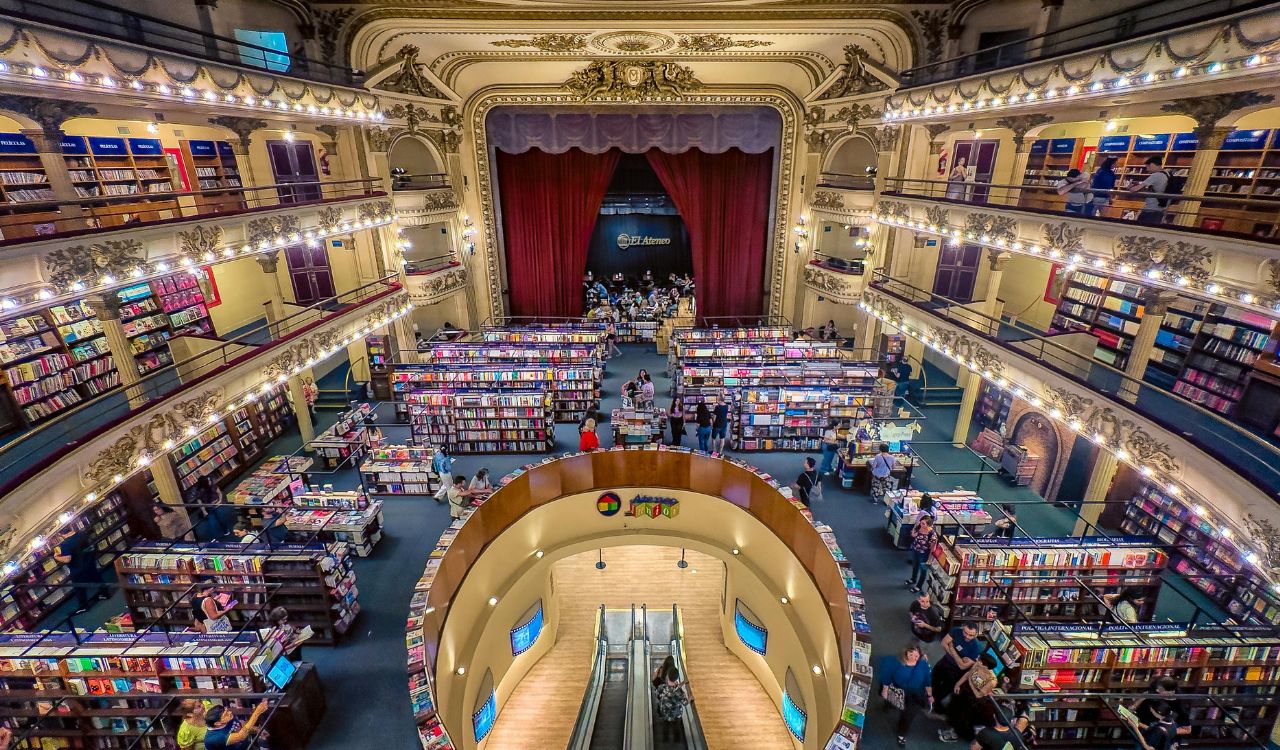
Buenos Aires feels expressive, intellectual, and deeply local. Broad avenues and elegant architecture frame a city where bookstores, parrillas, football, and late-night music all shape daily culture. Neighborhood identity stays strong, and social rituals around coffee, conversation, and long dinners add emotional weight beyond major landmarks. Tango remains part of its language, but so do contemporary arts and public debate. Buenos Aires carries formal beauty and street warmth in equal measure, which is why it keeps drawing people back.
Singapore
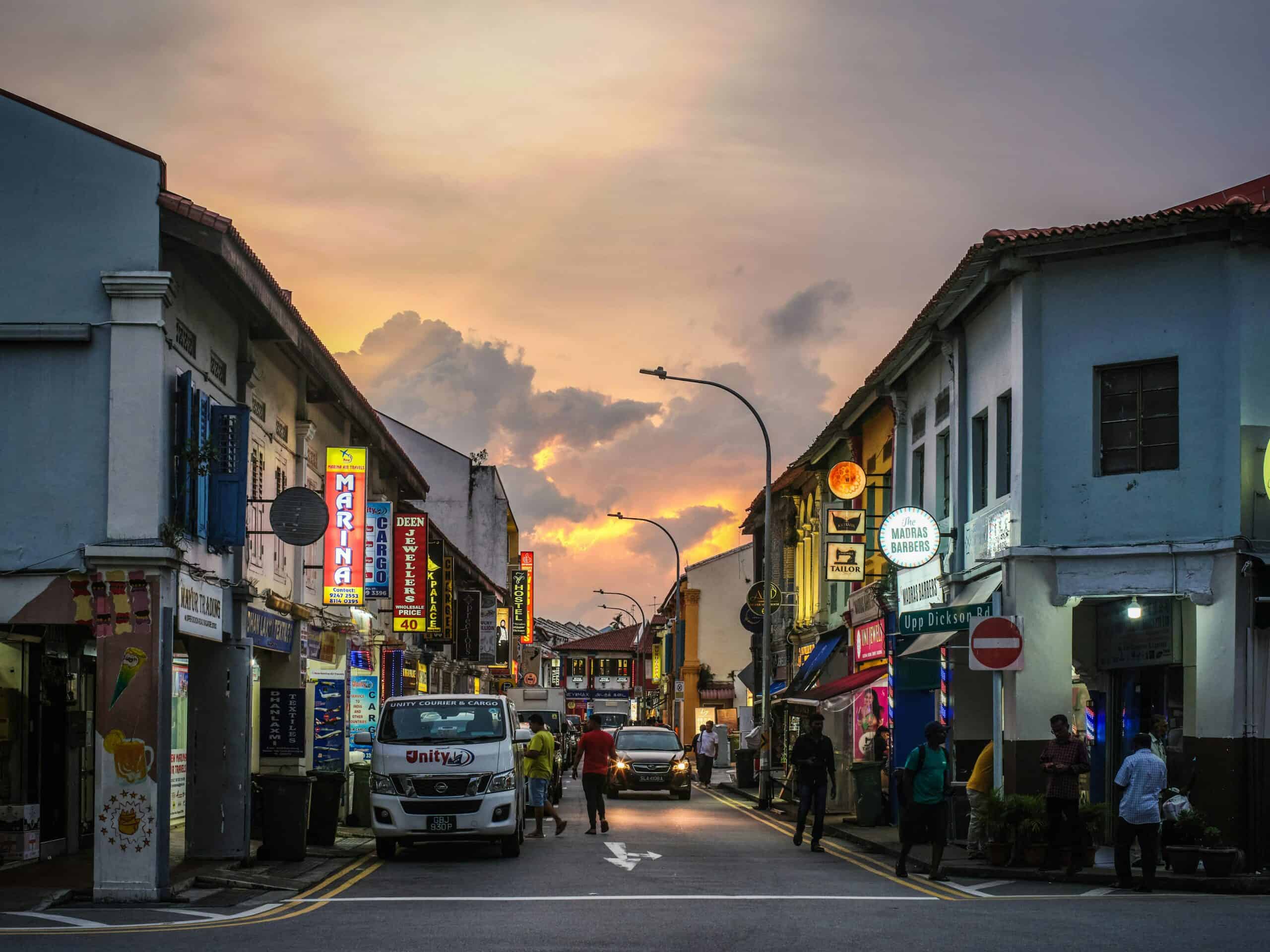
Singapore proves a dense city can be green, efficient, and culturally rich at once. Waterfront districts, heritage streets, hawker centers, and major parks operate in a compact system designed for speed without flattening local character. Chinese, Malay, Indian, and Peranakan influences are visible in architecture, language, and daily food traditions. Transit is smooth, public spaces are usable, and neighborhoods keep distinct personalities. Singapore stands out because precision and flavor coexist here without friction, giving the city unusual clarity.
Bangkok, Thailand
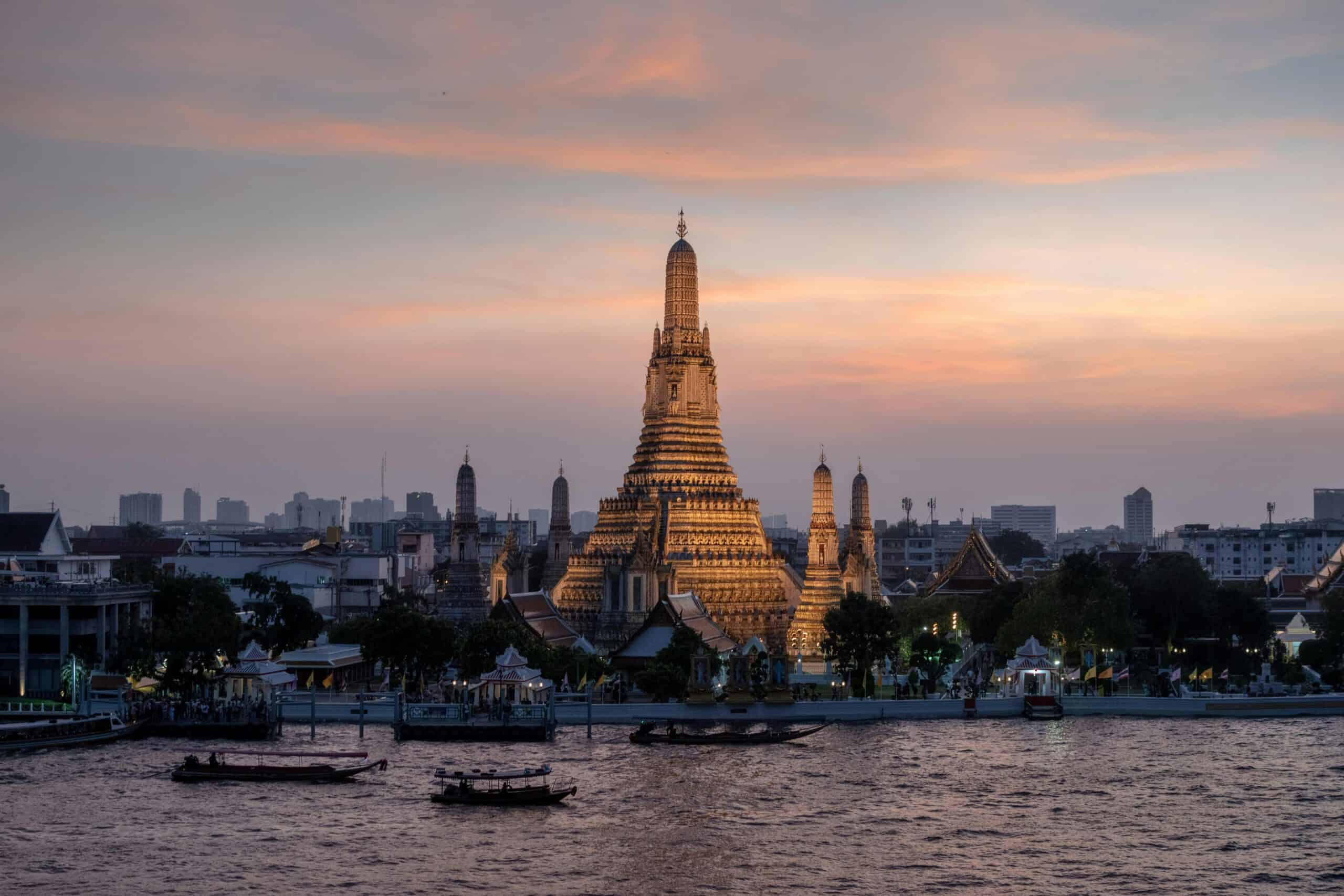
Bangkok thrives on layered motion. River ferries, temple compounds, high-rise corridors, dense traffic, and street kitchens run in parallel, creating a city that can feel chaotic yet strangely coherent. Heat and sound hit hard at first, but hospitality and food culture quickly reveal warmth beneath the pace. Historic religious sites sit near contemporary creative districts, keeping past and present tightly connected. Bangkok’s magnetism comes from this active tension: intense, generous, and always alive to the hour.
Hanoi, Vietnam
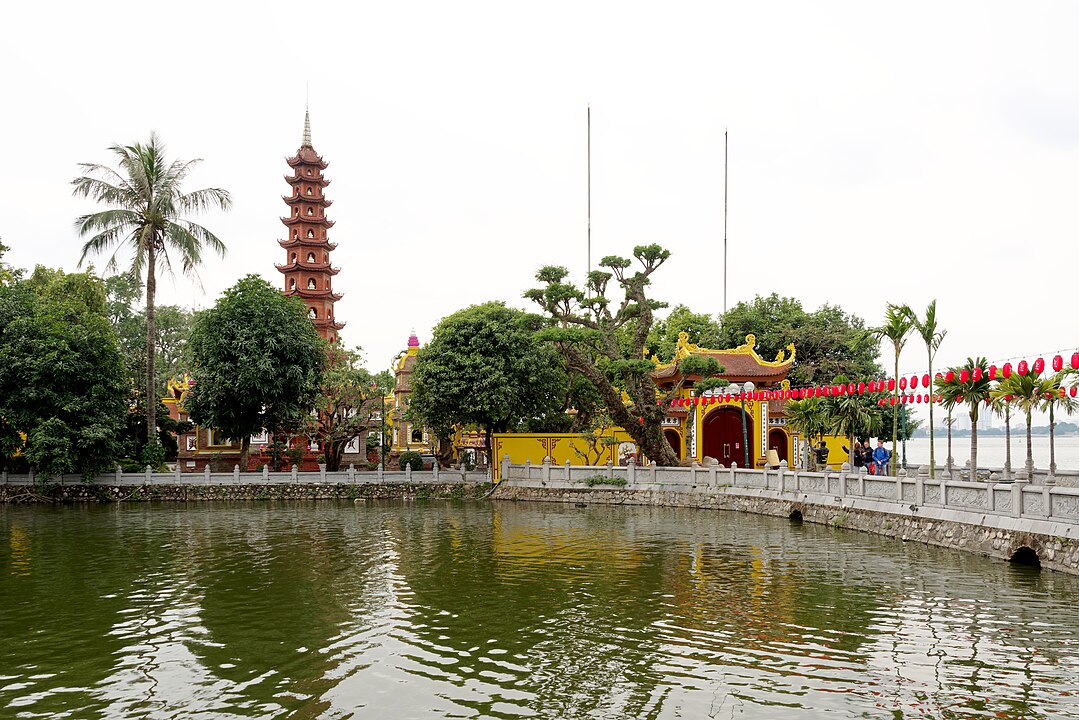
Hanoi balances quiet grace and street intensity with impressive control. Lakes, tree-lined boulevards, and old quarter lanes frame a capital where scooters, markets, and family kitchens keep everyday life in motion. Colonial-era buildings and Vietnamese traditions overlap visibly, giving the city a layered identity that feels earned, not curated. Mornings often begin gently and end on busy sidewalks rich with food and conversation. Hanoi stays memorable because calm and momentum are never opposites here; they work together.
Amsterdam, Netherlands

Amsterdam turns water into structure, atmosphere, and daily habit. Canal rings, cycling lanes, narrow houses, and small bridges create a city where movement feels deliberate and humane. Historic wealth shaped its architecture, yet modern identity comes from neighborhood diversity, public space, and a practical design culture. World-famous museums matter, but quieter streets often leave the deepest mark through reflection, light, and pace. Amsterdam’s charm is not theatrical; it is steady, intelligent, and rooted in how people actually live.
Vienna, Austria
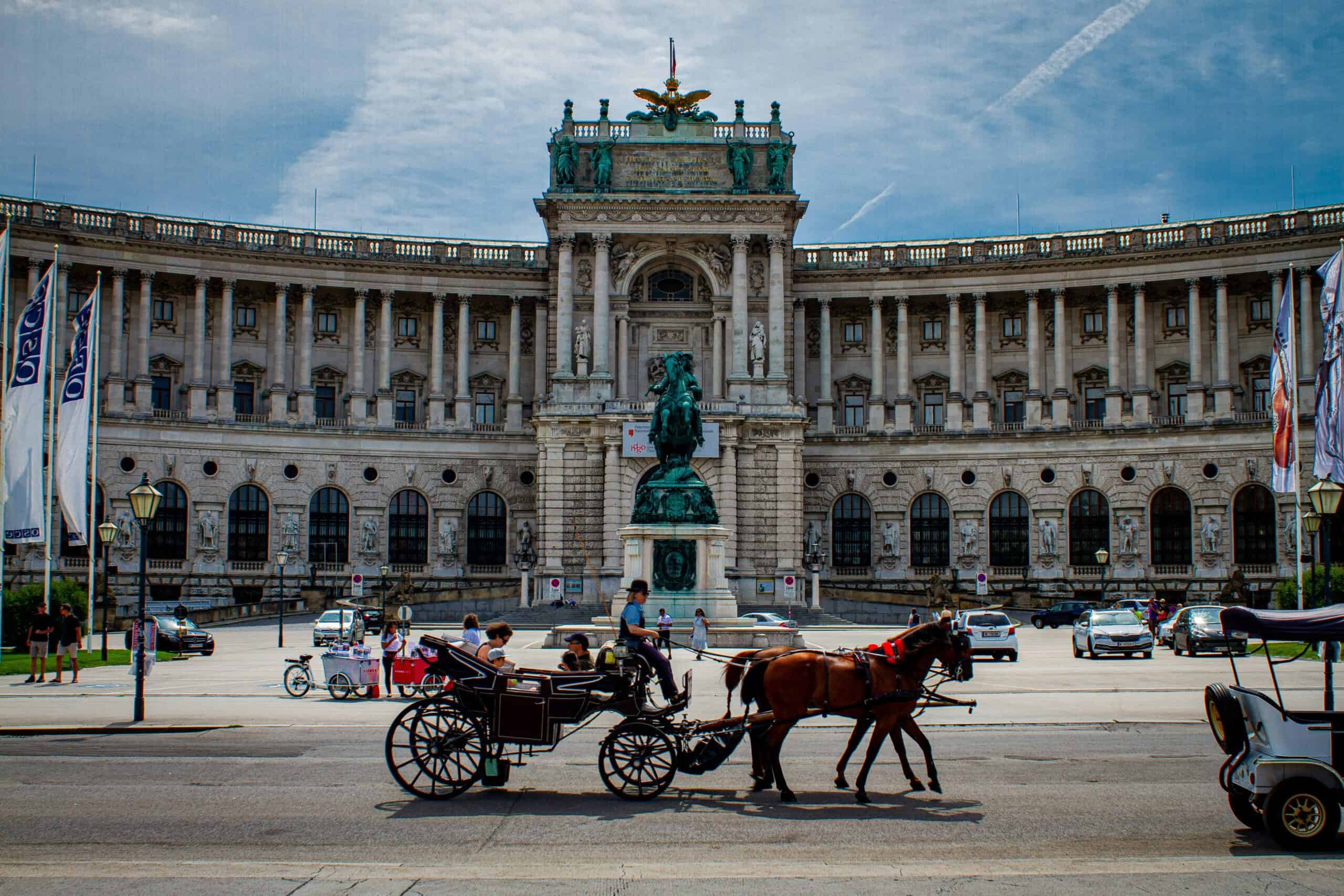
Vienna carries imperial architecture with a surprisingly relaxed civic rhythm. Grand boulevards, concert halls, museums, and historic coffeehouses define the skyline, while residential districts keep the city approachable and lived-in. Music remains central, but parks, neighborhood markets, and efficient transit shape daily comfort just as much. The city values order and refinement without becoming distant or cold. Vienna feels elegant in form and practical in function, and that combination gives it a calm authority that endures.
Prague, Czech Republic
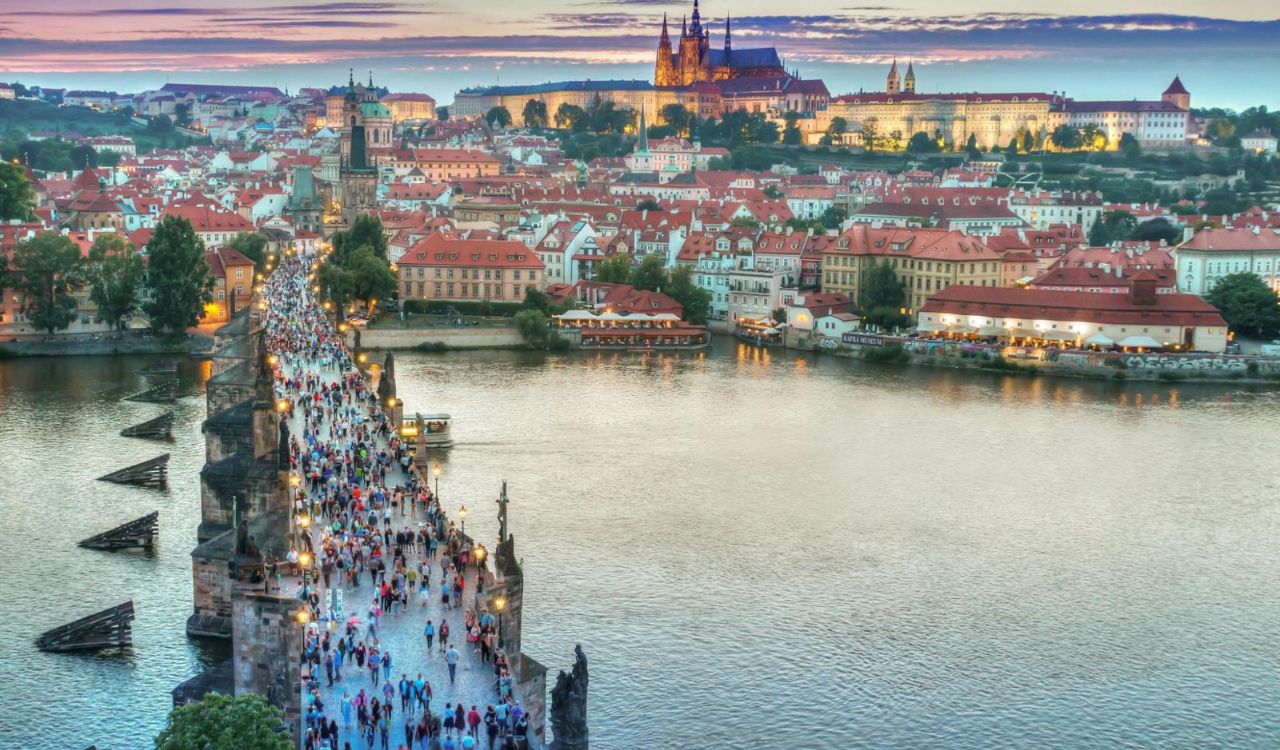
Prague feels carved from stone, river, and memory. Bridges across the Vltava connect districts filled with Gothic towers, baroque facades, courtyards, and squares that remain active after dark. Its historic core is remarkably intact, yet the city never feels frozen, because cafés, galleries, and local businesses keep present-day life visible in every quarter. Hillside viewpoints and shifting light add quiet drama to routine movement. Prague holds attention through continuity, where heritage and current life stay in direct conversation.
Florence, Italy
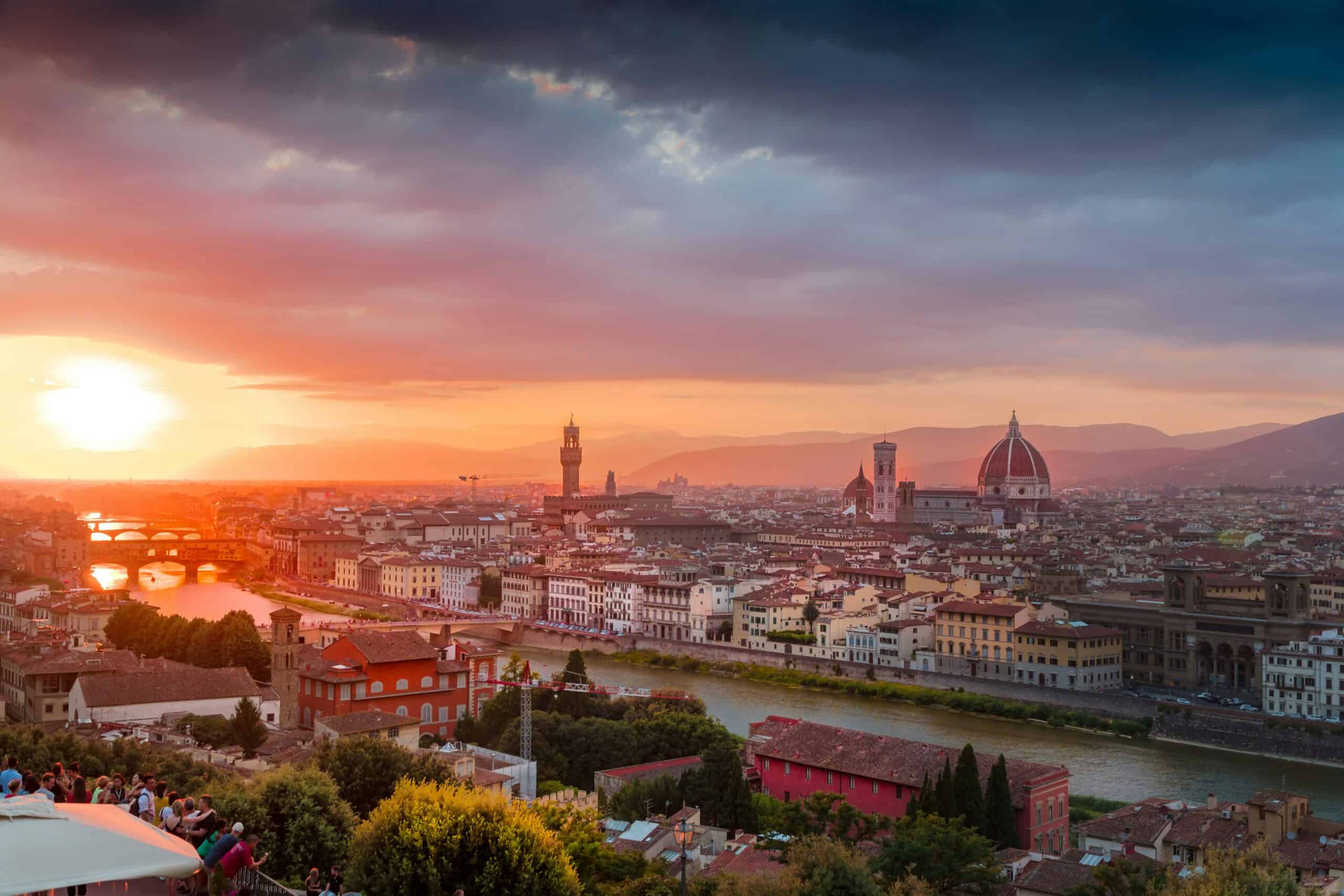
Florence compresses extraordinary artistic legacy into a walkable, human-scale city. Renaissance churches, palaces, workshops, and piazzas sit beside neighborhood markets and everyday cafés, making culture part of routine rather than a separate display. The Arno and its bridges give the center visual unity, especially at dusk when stone facades warm in soft light. Museums are essential, but craft traditions and food rituals keep the city grounded in present life. Florence remains powerful because beauty here still feels inhabited.
Cairo, Egypt
Ben White/Unsplash
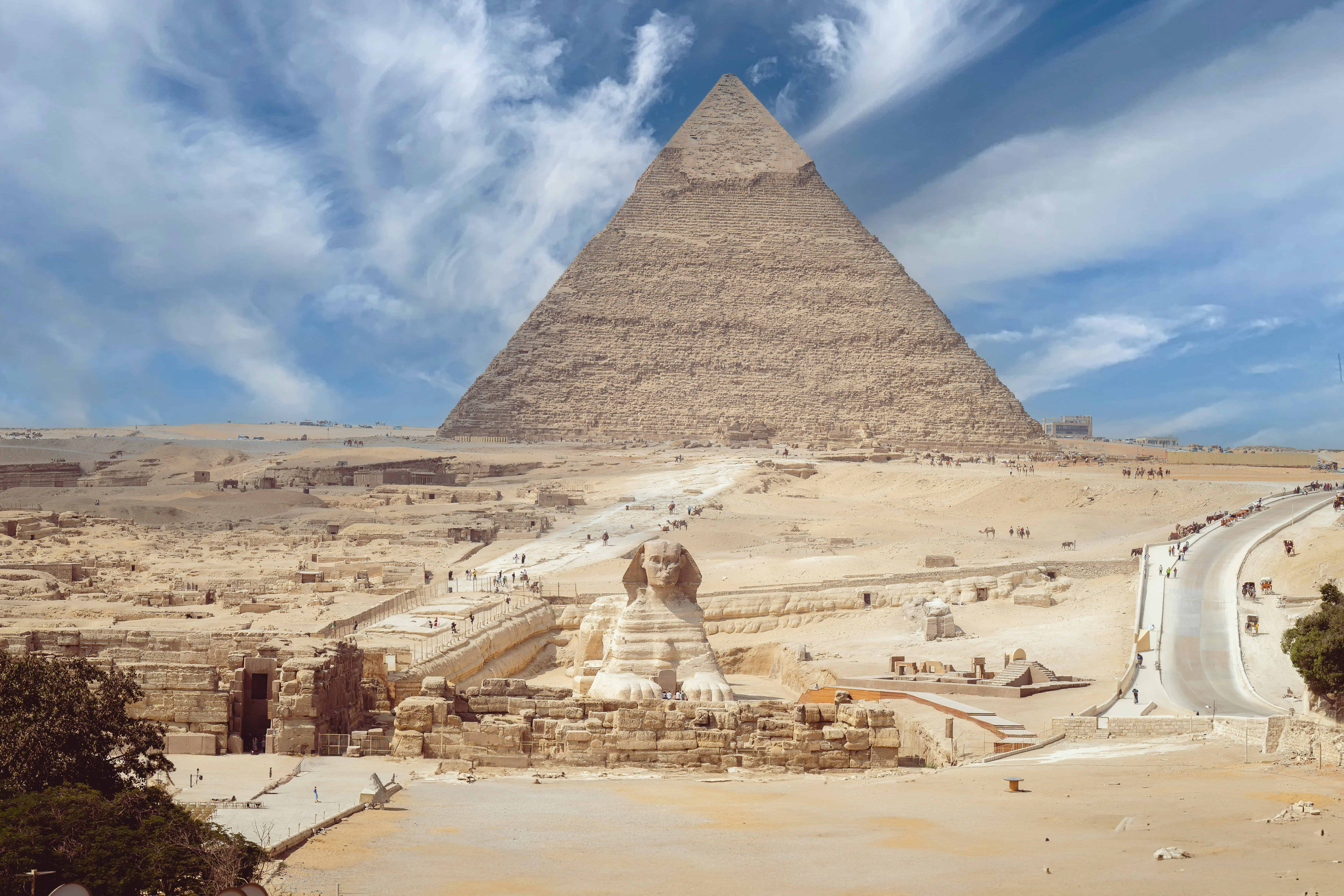
Cairo is vast, loud, layered, and impossible to reduce to one image. Along the Nile, ancient heritage, medieval districts, modern corridors, and dense street commerce overlap in ways that feel demanding and exhilarating together. Mosques, museums, markets, and informal gathering spaces reveal a city shaped by scholarship, faith, and constant negotiation. The scale can be relentless, yet humor and hospitality appear quickly in local encounters. Cairo’s force lies in accumulation, where every day adds another chapter to a long civic story.
Seoul, South Korea

Seoul combines historical depth with high-speed reinvention. Royal palaces, older neighborhoods, mountain trails, and river parks coexist with technology corridors, design districts, and nonstop transit systems that keep the city moving late into the night. Infrastructure is efficient, but the social atmosphere stays warm through food culture and neighborhood gathering habits. Seasonal shifts also reshape the city’s emotional tone, from spring bloom to winter market light. Seoul stands out for balance: ambitious, disciplined, and deeply human.
Sydney, Australia
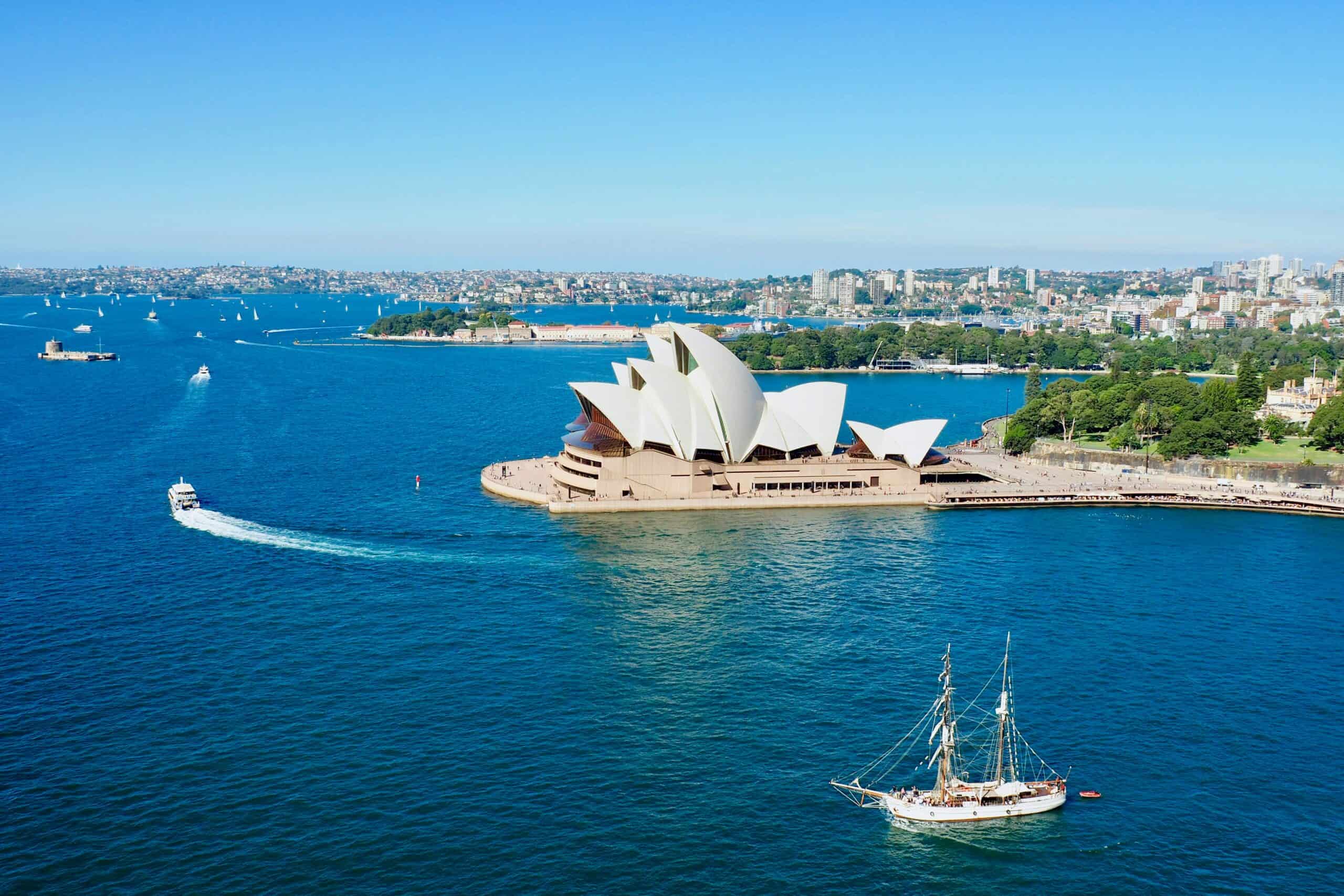
Sydney pairs harbor spectacle with a relaxed but ambitious urban culture. Iconic architecture, ferry routes, coastal walks, and beach neighborhoods make water part of daily routine, not distant scenery. The city is economically global, yet local life still centers on open-air habits, café culture, and active public spaces throughout the week. Cultural institutions and creative industries add depth beyond postcard views. Sydney’s lasting pull comes from generosity of scale and mood, where civic life feels open, bright, and breathable.
San Francisco, United States
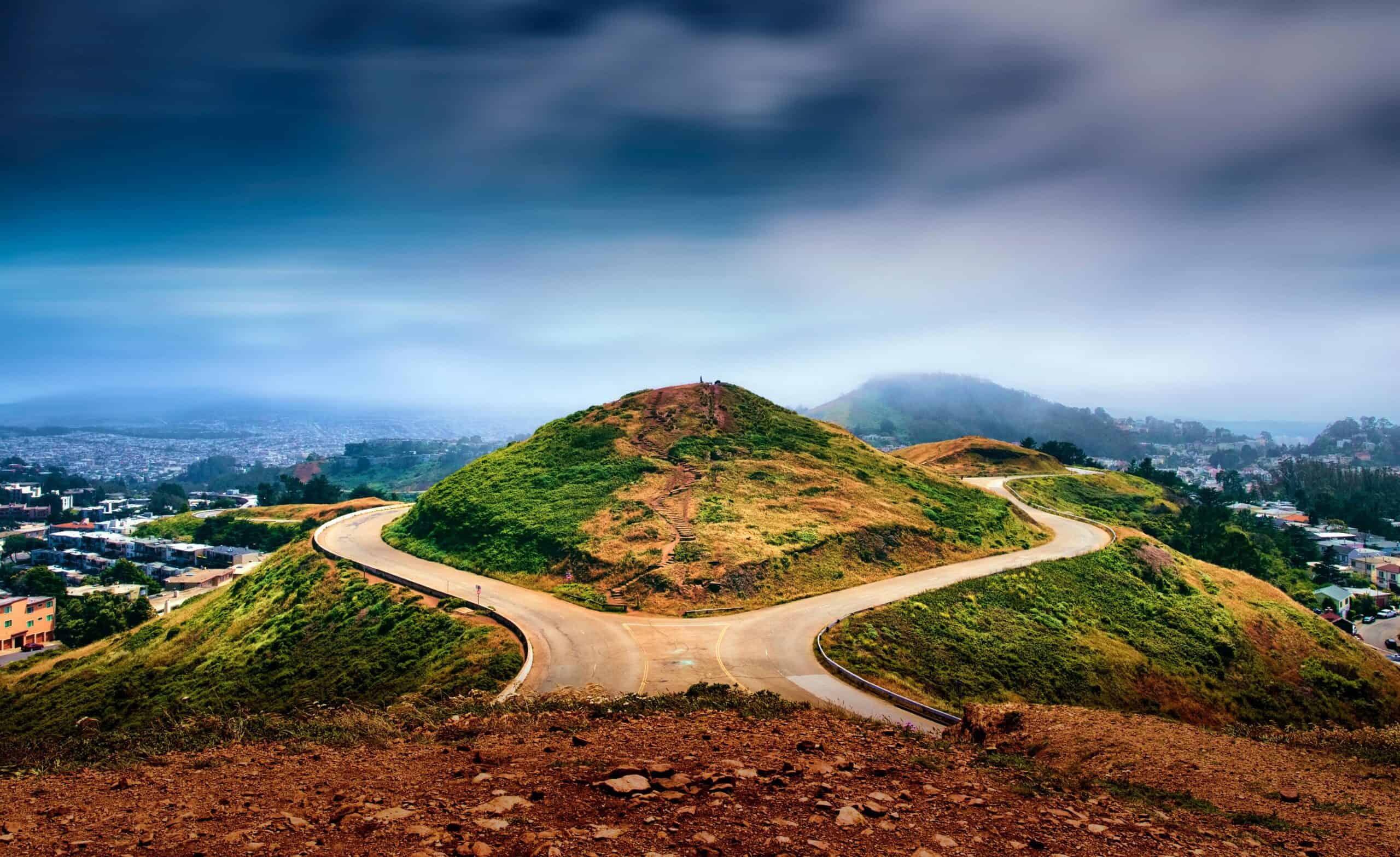
San Francisco is shaped by terrain and temperament. Steep streets, bay views, shifting fog, and compact districts create a city that feels cinematic while staying intensely neighborhood-driven. Historic transit, immigrant communities, independent business corridors, and tech influence coexist in productive tension, keeping identity in motion. Even short walks pass through distinct microcultures with their own tone and history. San Francisco remains compelling because experimentation and tradition keep pushing against each other in public, visible ways.
Mumbai, India
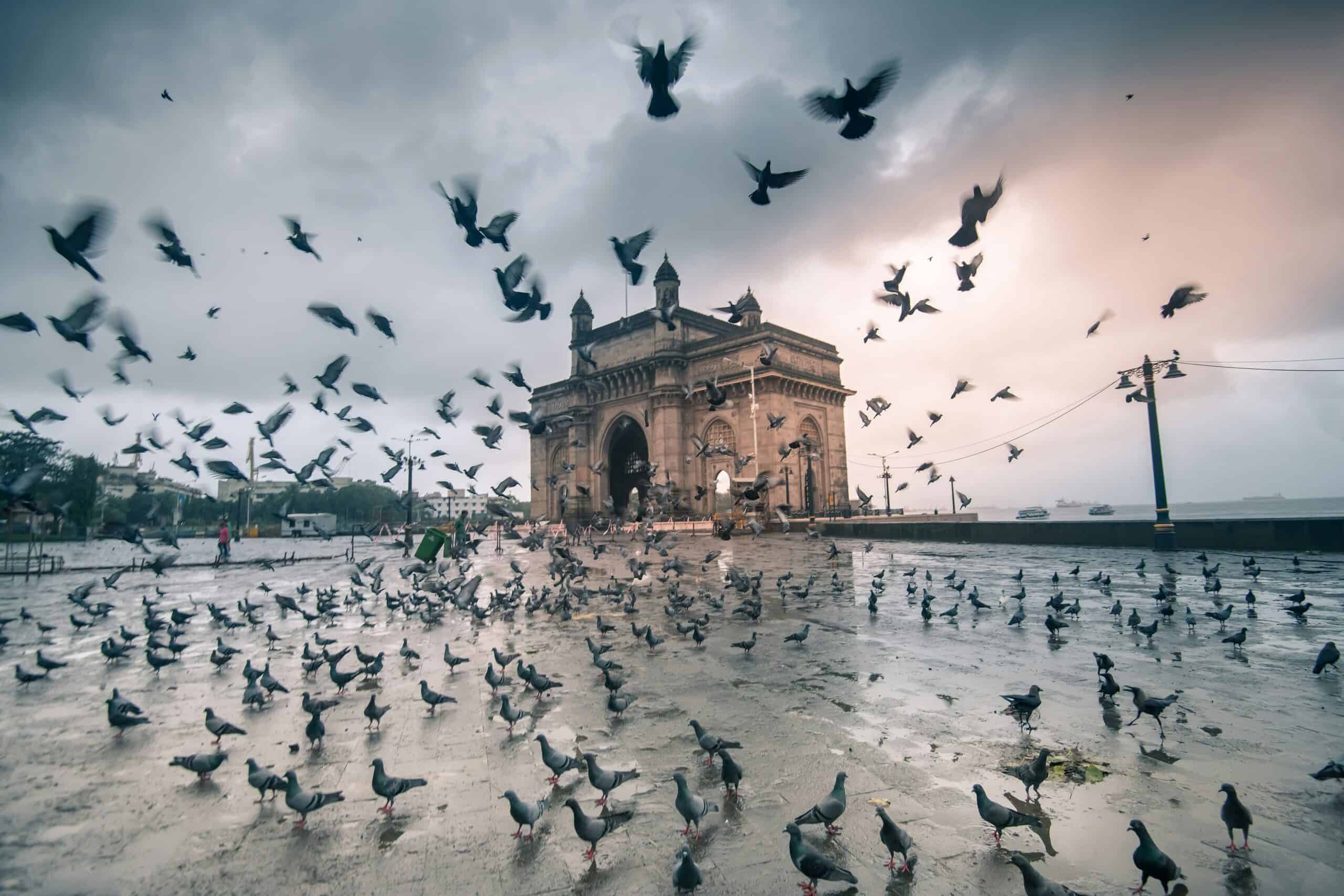
Mumbai runs on pressure, imagination, and relentless movement. Financial markets, film studios, colonial-era buildings, dense housing, and sea-facing promenades all operate inside one tightly packed urban system shaped by migration and aspiration. Commutes are intense, yet the city sustains a strong social fabric through street food, neighborhood ties, and shared rituals along the coast. Opportunity and inequality remain side by side, giving daily life sharp edge and urgency. Mumbai’s power comes from motion with purpose, never pause for its own sake.
Dubai, United Arab Emirates
Nelemson Guevarra/Unsplash
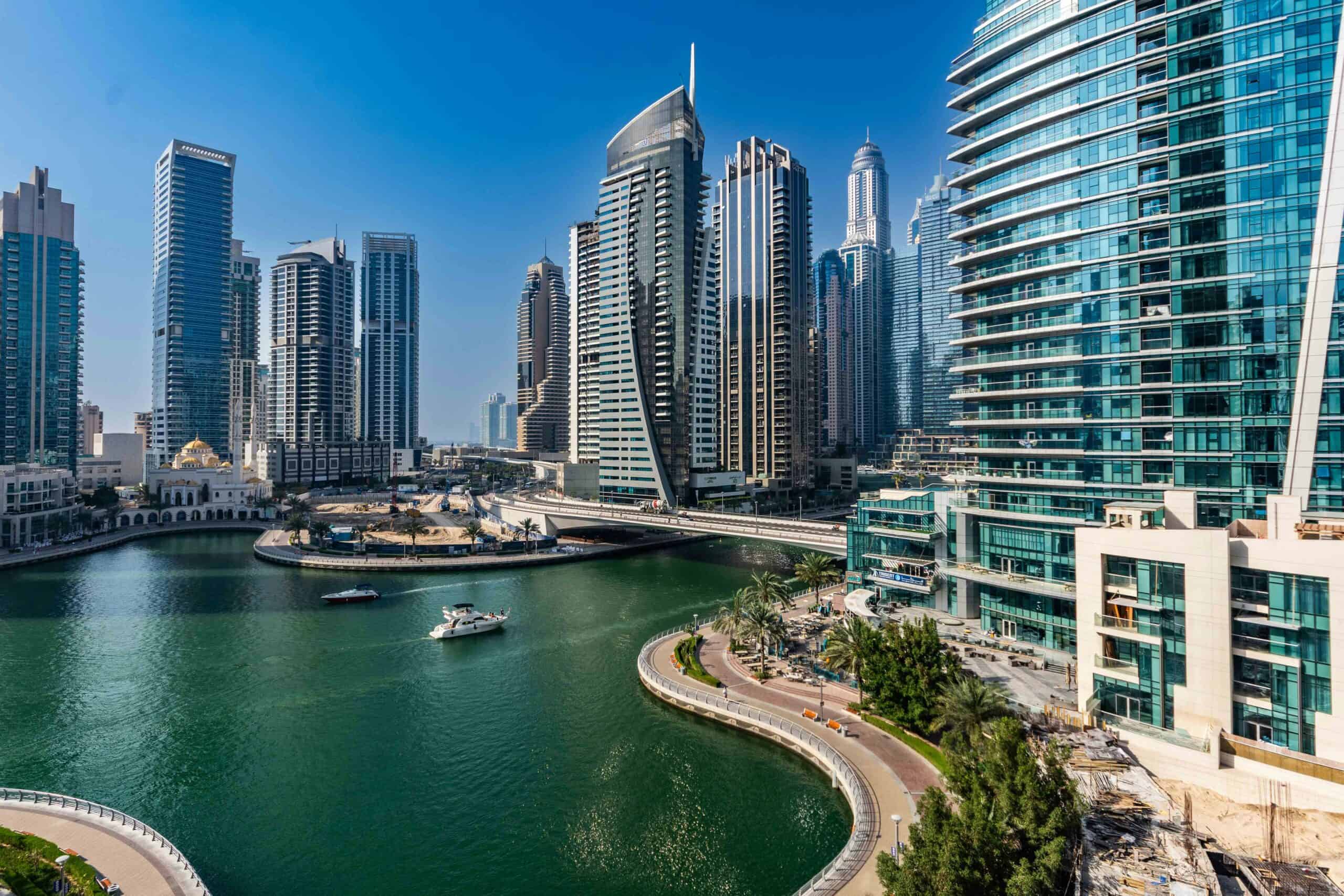
Dubai has evolved from regional trading port to global crossroads with striking speed. High-rise skylines, aviation hubs, desert-edge recreation, and major retail districts signal ambition, while creek neighborhoods and souks preserve mercantile roots. The city is highly international, and that diversity shapes food, language, and daily services across districts. Precision and spectacle are everywhere, yet hospitality traditions still anchor social exchange. Dubai stands out because reinvention feels intentional here, not random, and scale is matched by clear civic direction.
Cartagena, Colombia
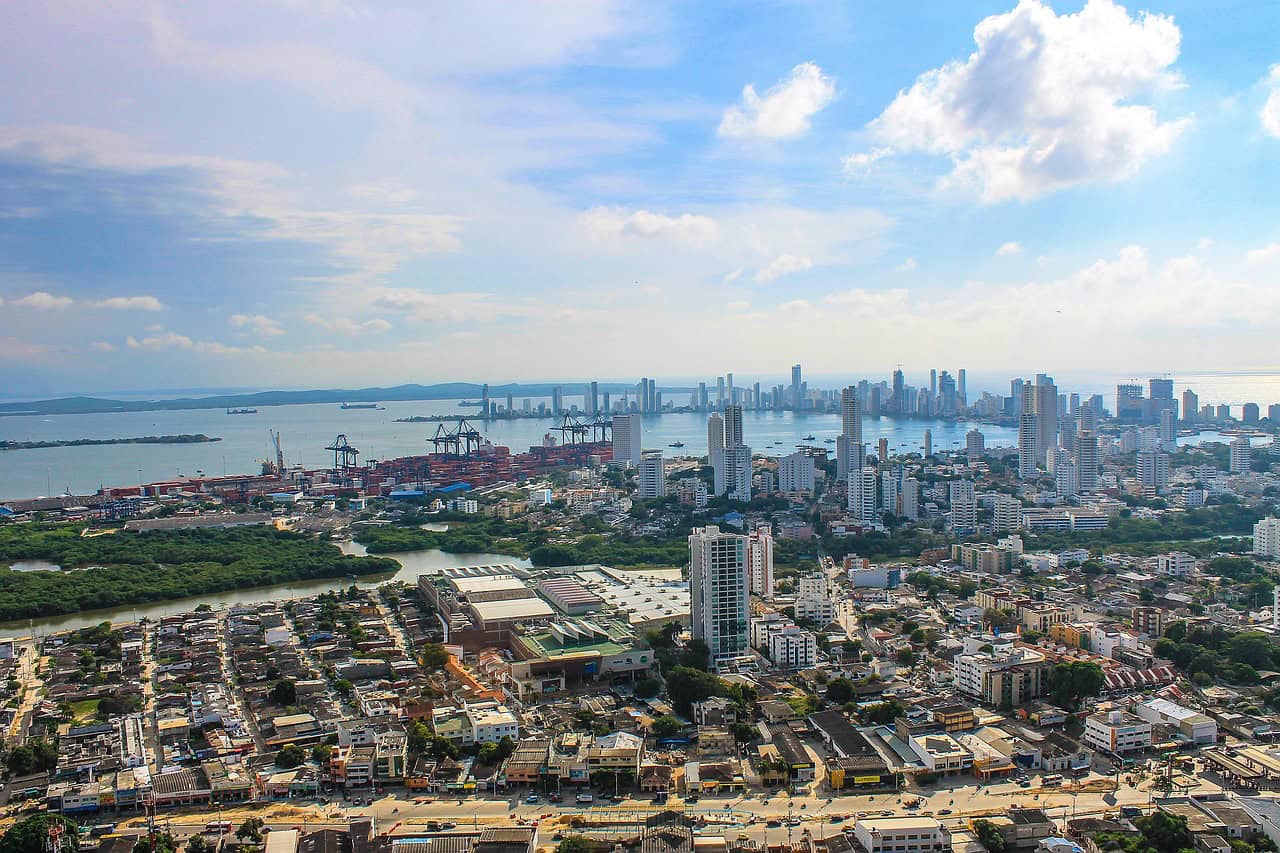
Cartagena blends Caribbean atmosphere with substantial historical depth. Its walled core, forts, plazas, and balconies reflect centuries of maritime exchange, yet the city feels alive rather than preserved. Music, local cuisine, and sea breeze shape evening life in streets that remain social long after sunset. Nearby islands extend the experience from stone alleys to open water without breaking rhythm. Cartagena resonates through warmth and texture, where history supports contemporary culture instead of overshadowing it.
Edinburgh, Scotland
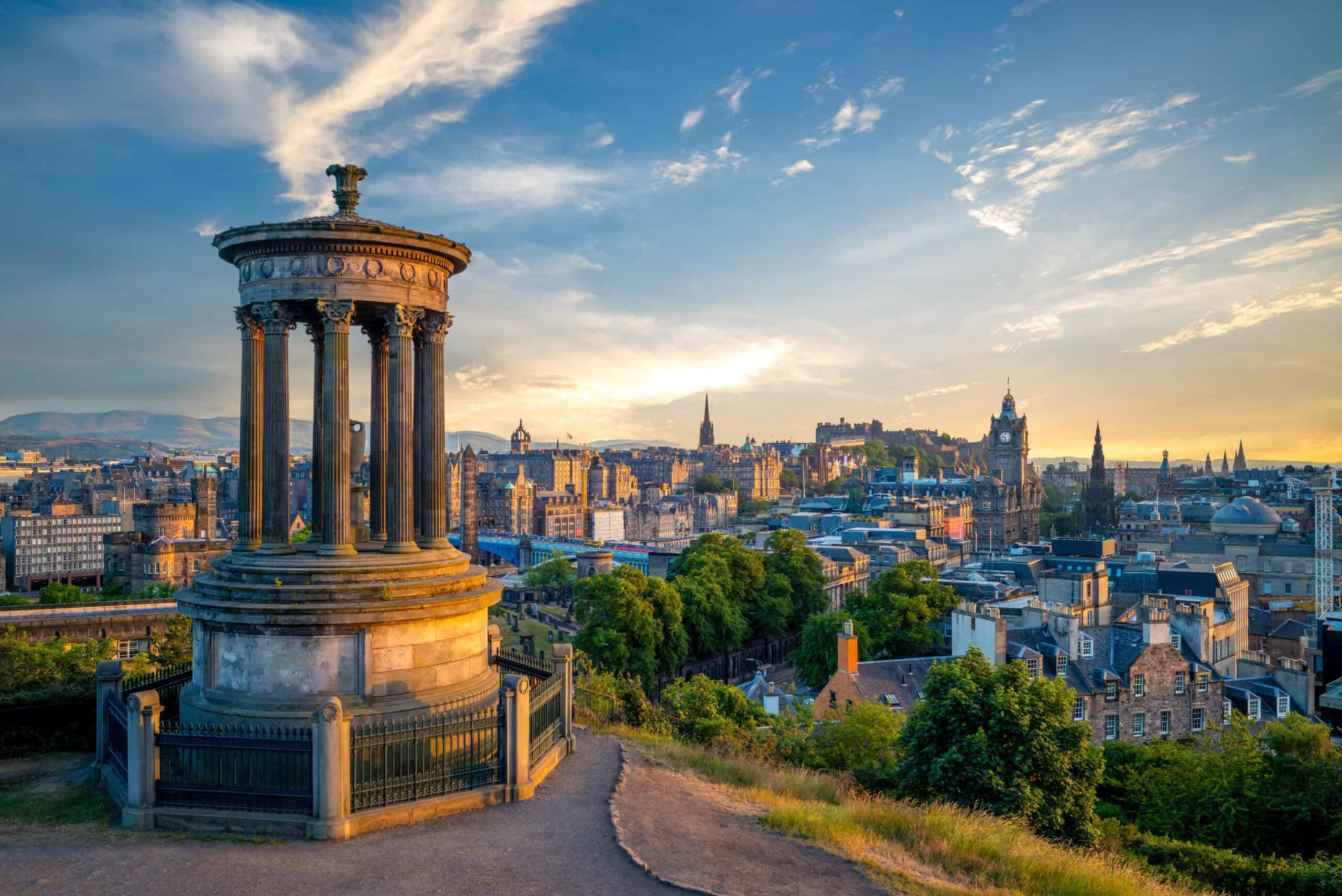
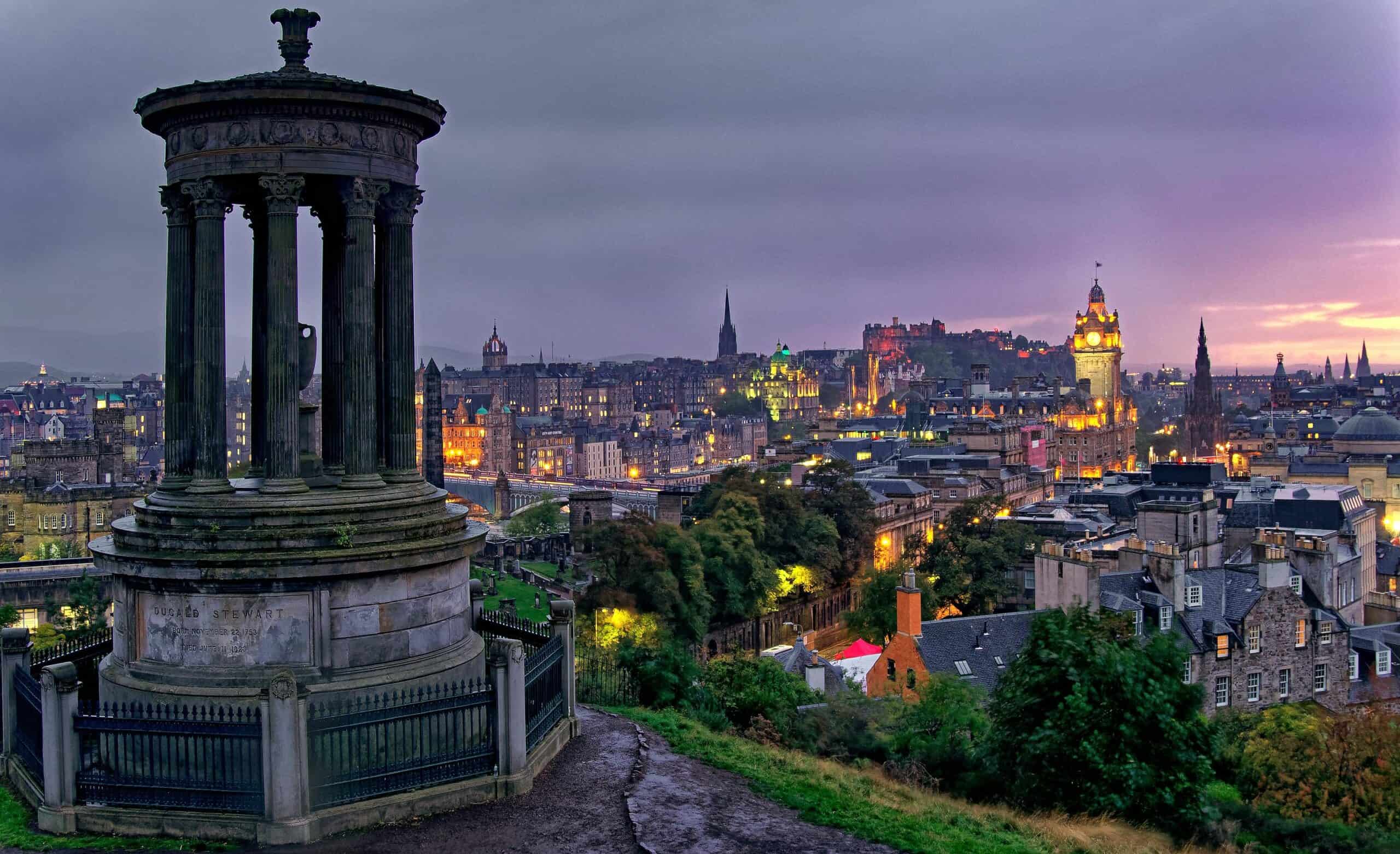
Edinburgh joins rugged topography with strong intellectual and artistic tradition. Castle heights, medieval closes, Georgian streets, and festival venues create a city where history remains visible in both form and language. Weather and light shift quickly, giving stone facades a changing emotional tone across seasons. Beyond famous landmarks, bookstores, small museums, local pubs, and neighborhood parks sustain a thoughtful daily rhythm. Edinburgh feels serious but never severe, and that balance gives the city uncommon emotional range.
Reykjavík, Iceland
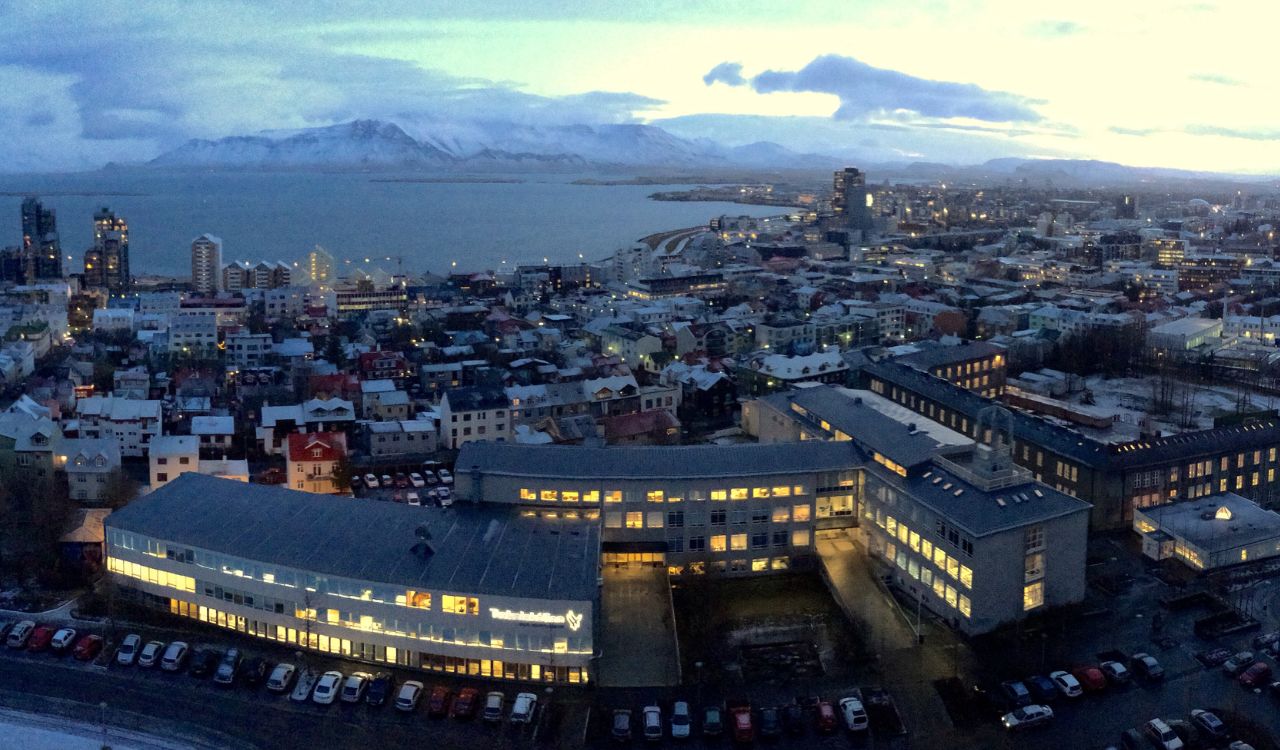
Reykjavík proves that smaller scale can still carry global cultural weight. Colorful streets, contemporary design, music venues, and geothermal traditions define a capital tied closely to lava fields, open coast, and wide northern sky. The center is compact and walkable, while nearby nature adds clarity rarely found in larger cities. Seasonal light transforms routines, with long summer evenings and dark winter days creating distinct moods. Reykjavík lingers through honesty and atmosphere, where creativity feels grounded rather than performative.