We may earn money or products from the companies mentioned in this post. This means if you click on the link and purchase the item, I will receive a small commission at no extra cost to you ... you're just helping re-supply our family's travel fund.
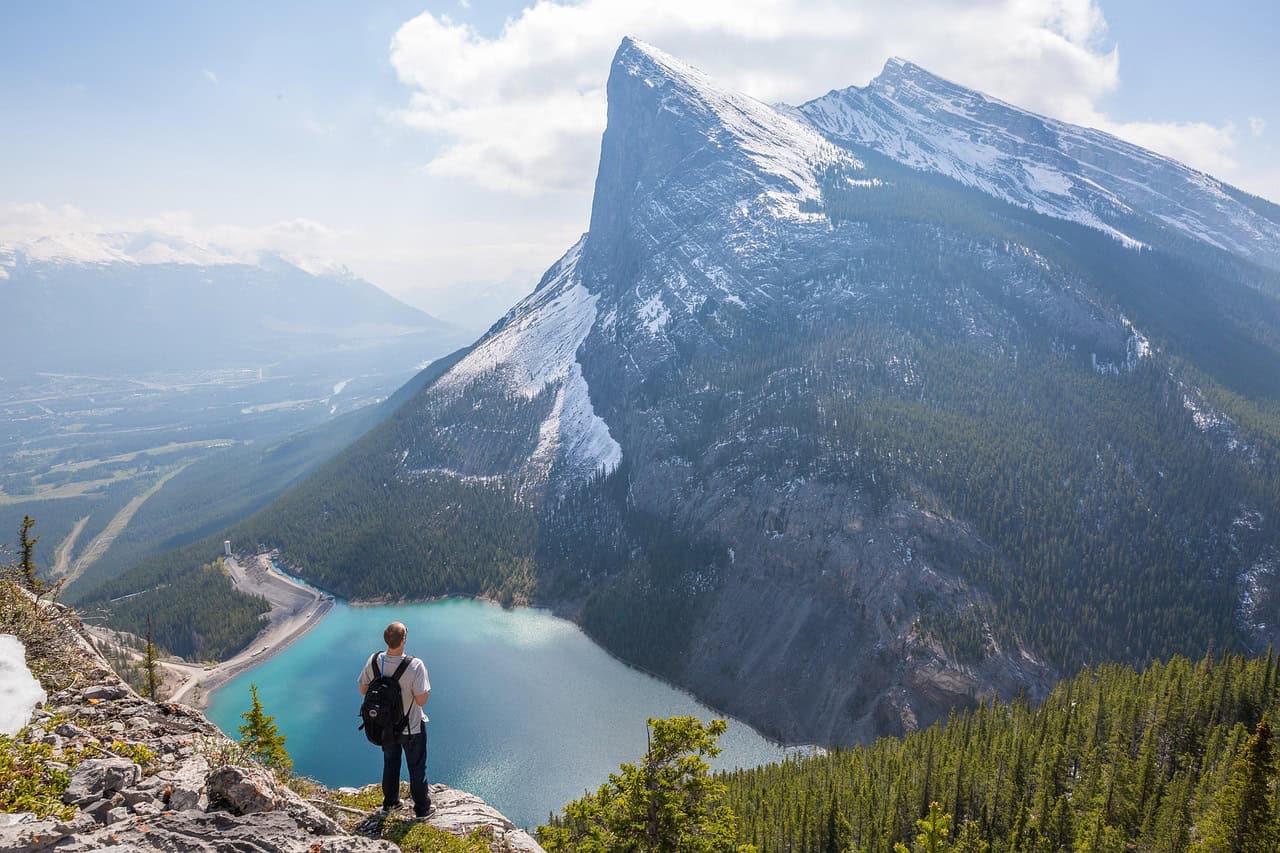
Across the United States, certain mountain towns and scenic regions consistently earn praise for views that feel almost unreal. Travelers often highlight places where elevation, open sightlines, and dramatic geography combine to create unforgettable panoramas. From alpine lakes reflecting 6,000-foot summits to coastal capitals ringed by glacier-capped ridges, these destinations stand out for scale and accessibility. Below are the first 10 locations, each detailed with practical data, elevation figures, and seasonal insights to help you plan a view-centered trip.
1. Greenville & Rockwood
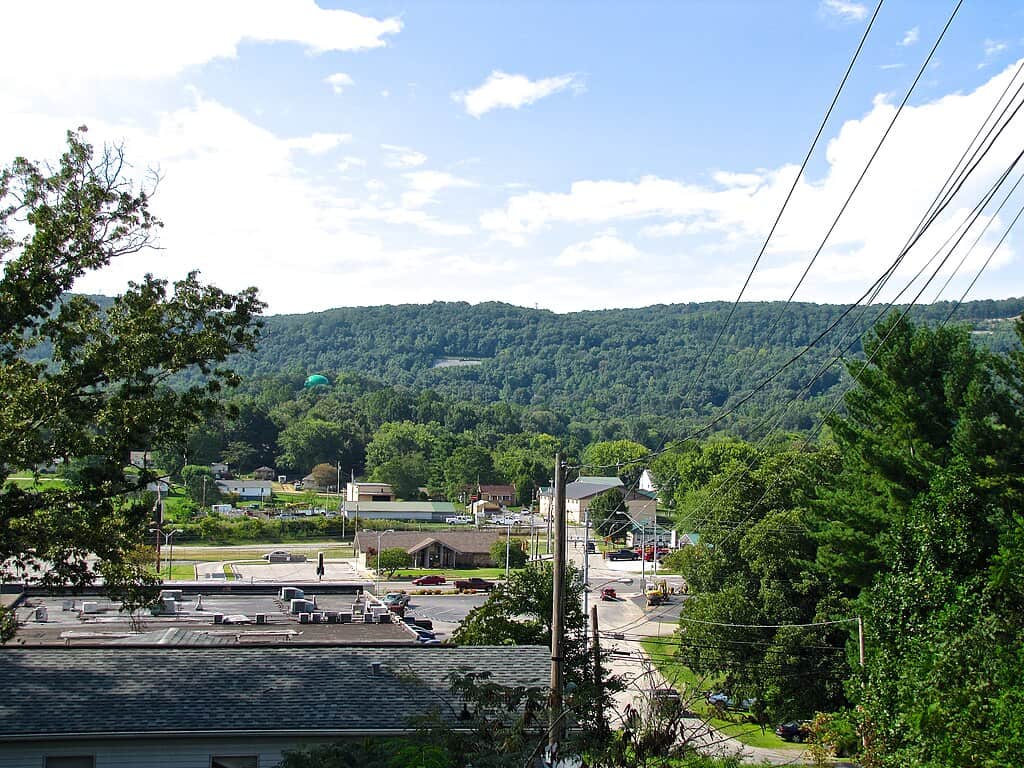
Positioned along 40-mile-long Moosehead Lake, these small Maine communities deliver sweeping views of Mount Kineo, which rises about 1,800 feet above sea level. The lake spans nearly 75,000 acres, creating wide reflections at sunrise. Fall foliage peaks in early October, when temperatures average 50–60°F. Boat tours and shoreline trails provide easy vantage points within 2–5 miles of town, making this one of New England’s most accessible large-scale mountain panoramas.
2. Stowe
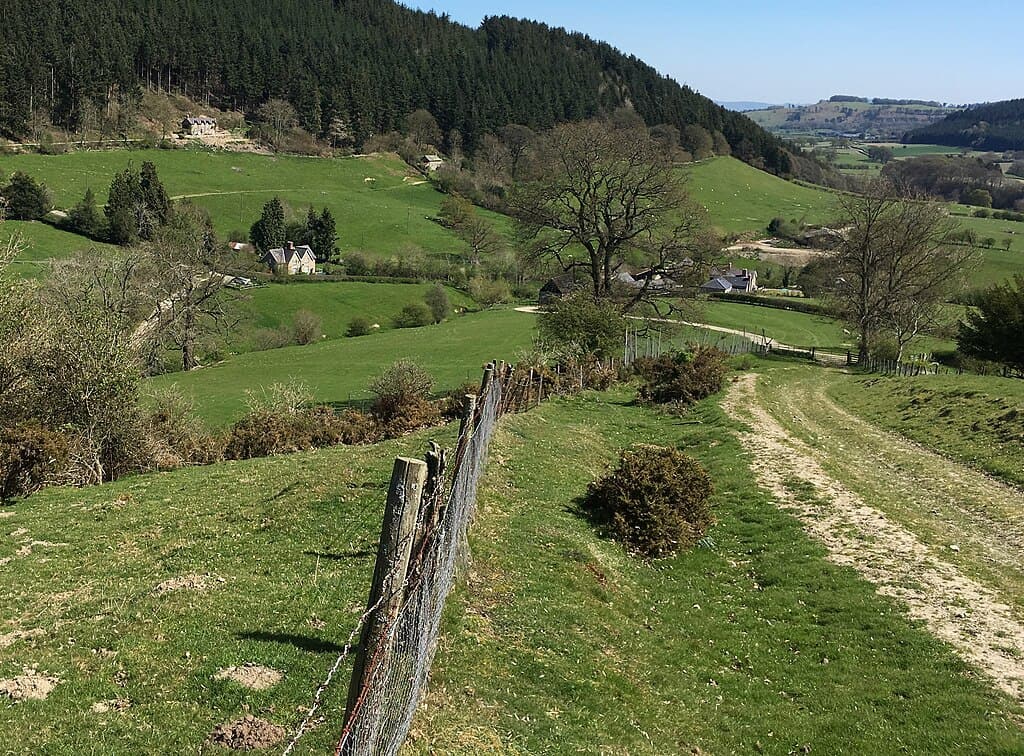
Framed by the Green Mountains, Stowe blends alpine scenery with classic village charm. Mount Mansfield, the state’s highest peak at 4,393 feet, dominates the skyline. Scenic toll roads climb to over 3,800 feet, offering sweeping overlooks within 4 miles of downtown. Autumn draws thousands for the foliage season, while winter snowfall averages 300 inches annually. Clear mornings provide the sharpest ridge definition, especially between September and early November.
3. North Conway
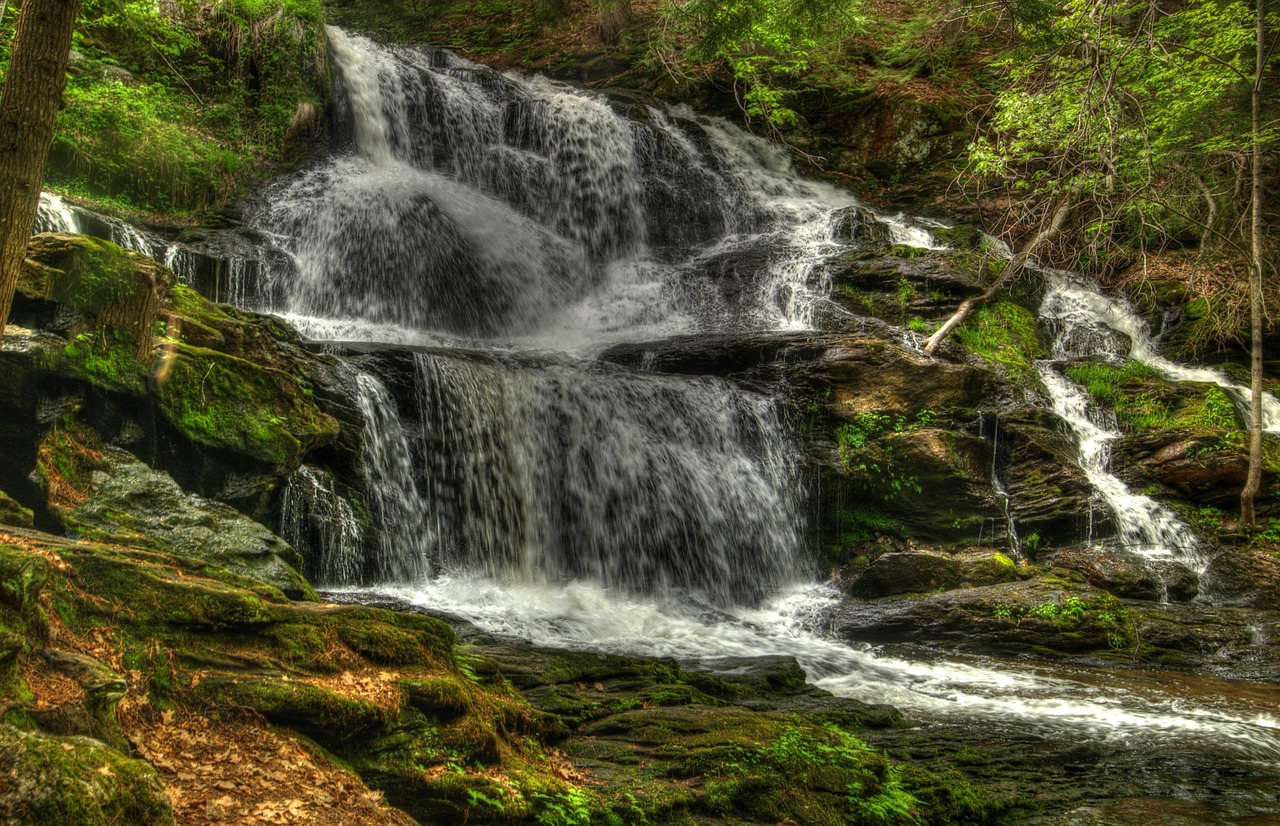
Gateway to the White Mountains, North Conway offers immediate access to peaks exceeding 6,000 feet. Mount Washington rises 6,288 feet and is famous for wind speeds once recorded at 231 mph. The 7.6-mile auto road to the summit provides elevated perspectives without strenuous hiking. Summer highs average 75°F, while fall visibility can extend 80 miles on clear days, making it one of the Northeast’s most dramatic mountain backdrops.
4. Lake Placid
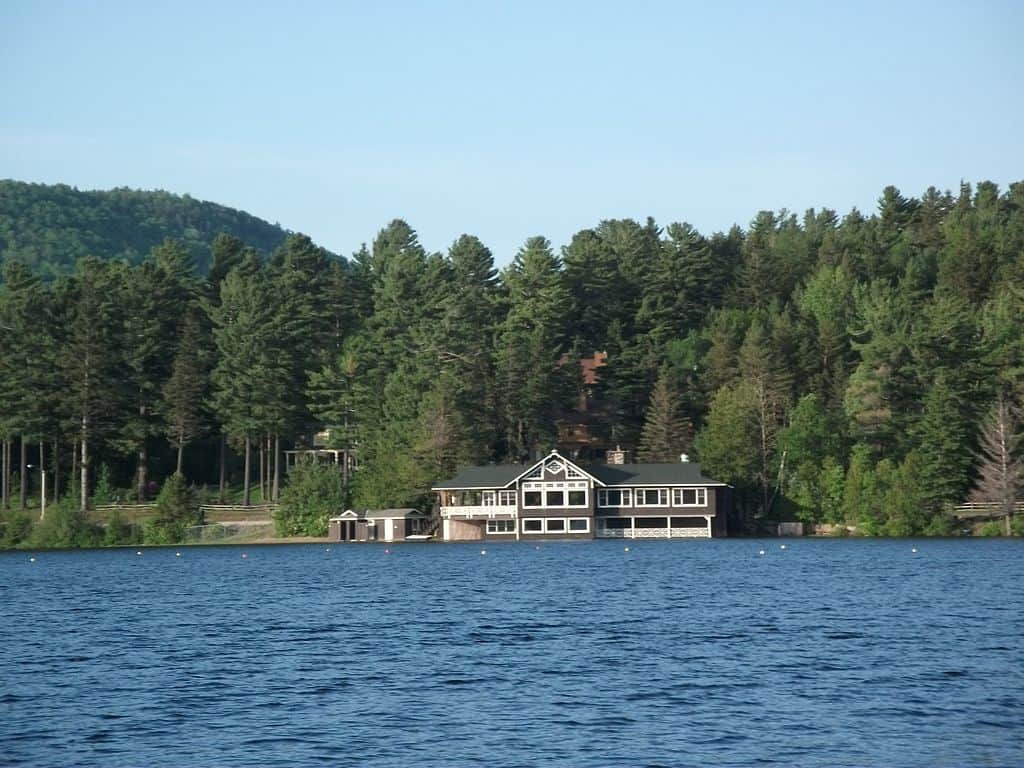
Surrounded by the Adirondack Mountains, Lake Placid sits at roughly 1,800 feet elevation. Nearby Whiteface Mountain climbs to 4,867 feet and features a summit highway ascending 5 miles. The region contains more than 3,000 lakes and ponds, creating layered reflections beneath forested peaks. Summer temperatures average 70–80°F, and winter snow depths can exceed 100 inches, ensuring year-round visual contrast and striking alpine scenery.
5. Terlingua
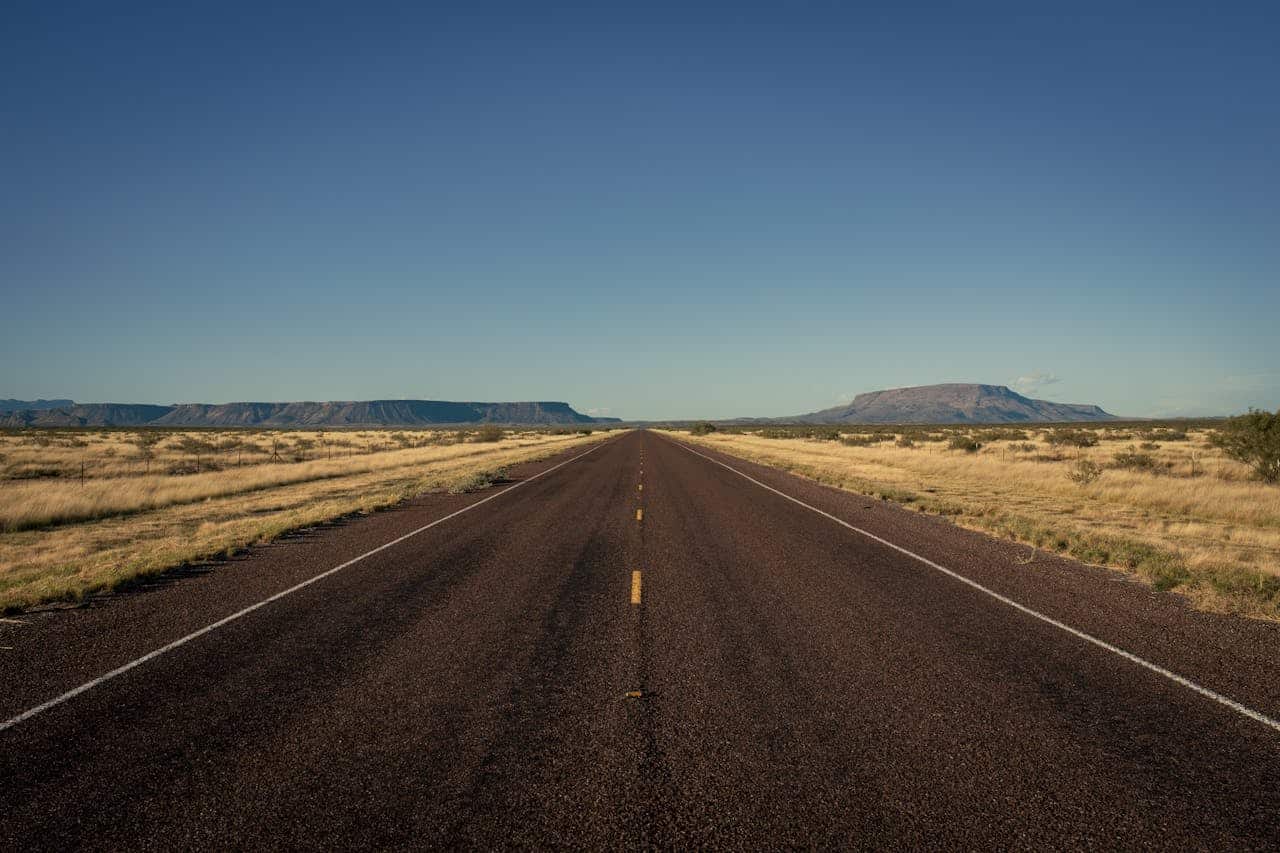
On the edge of Big Bend National Park, Terlingua offers desert-mountain drama unlike anywhere else in Texas. The nearby Chisos Mountains rise to 7,825 feet at Emory Peak, contrasting sharply with surrounding lowlands. Annual rainfall averages just 10 inches, producing exceptionally clear skies. Sunset temperatures in spring hover near 75°F, and stargazing visibility often exceeds 7,000 stars on moonless nights, enhancing the vast, open mountain horizon.
6. Taos
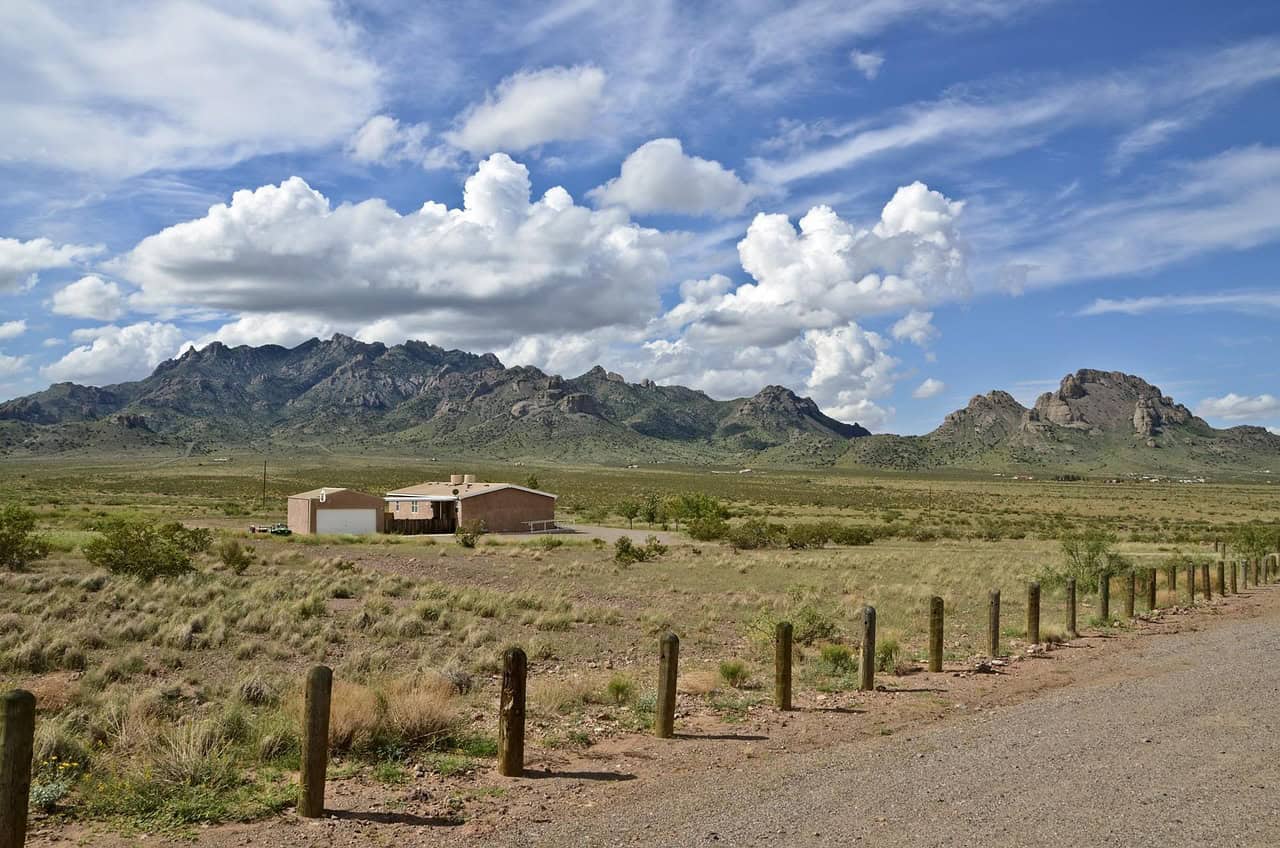
Nestled at 6,969 feet elevation, Taos sits beneath the Sangre de Cristo Mountains. Wheeler Peak, the state’s highest summit at 13,161 feet, towers above town. The contrast between red desert plains and snow-covered alpine slopes is especially vivid in March and April. Scenic drives within 10 miles of the plaza reveal sweeping valley perspectives, while average summer highs remain a comfortable 82°F despite the high elevation.
7. Deadwood
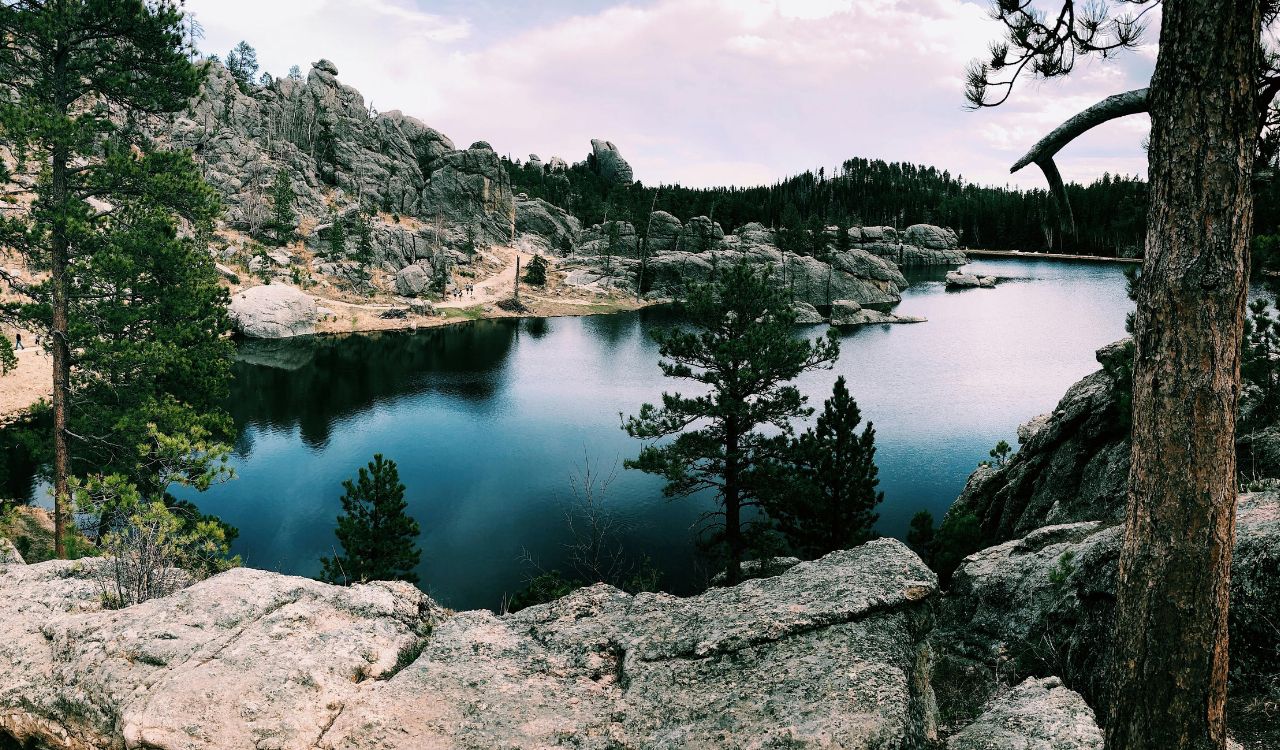
Set within the Black Hills, Deadwood rests at about 4,500 feet above sea level. Forested ridges roll outward in every direction, with peaks reaching roughly 7,200 feet nearby. The region receives around 30 inches of annual snowfall, transforming slopes into bright winter vistas. Scenic byways within 15 miles of town offer elevated overlooks, while summer temperatures average 70–85°F, creating comfortable conditions for panoramic hiking and photography.
8. Sun Valley
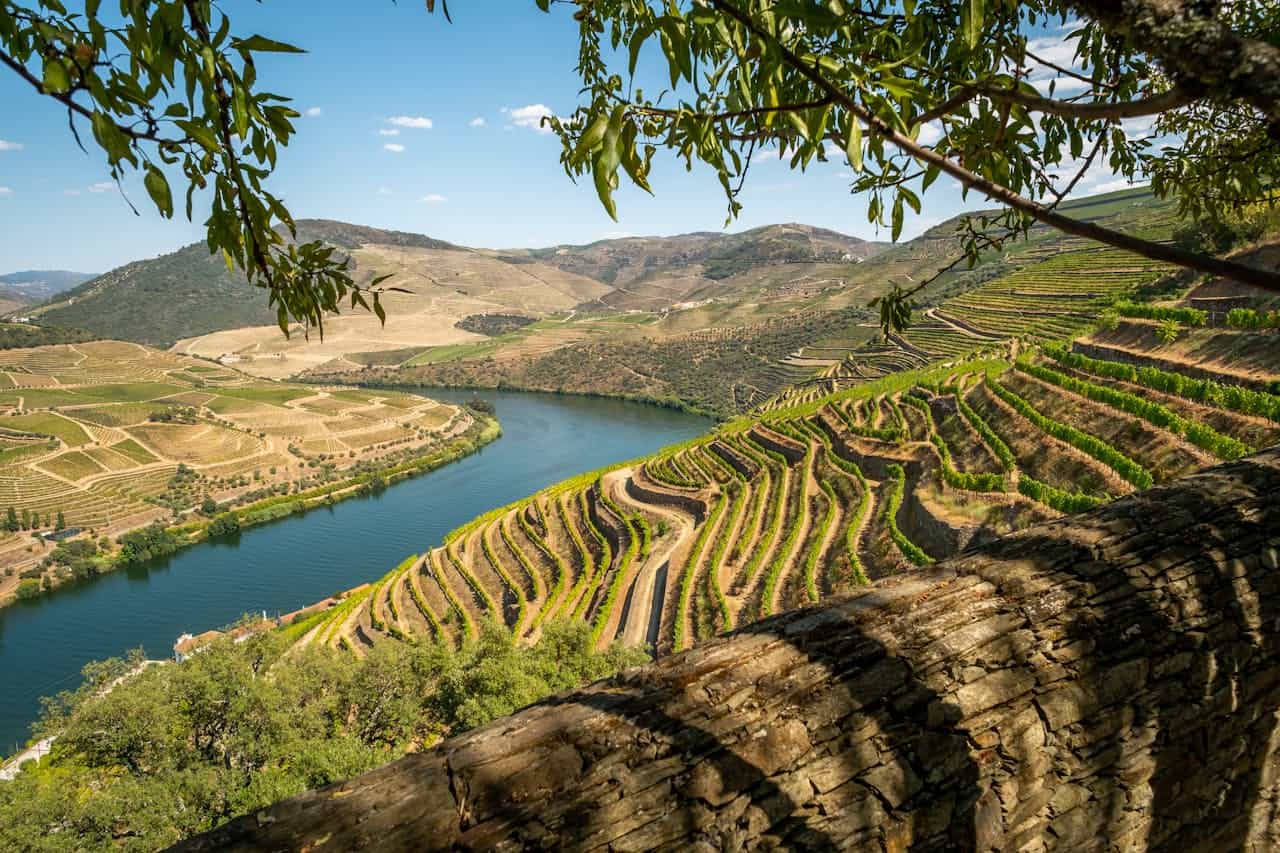
Situated at 5,920 feet, Sun Valley sits beneath the jagged Sawtooth Mountains, where more than 50 peaks exceed 10,000 feet. Bald Mountain rises to 9,150 feet and offers a 3,400-foot vertical drop with expansive summit views. The area boasts over 400 miles of hiking and biking trails. Summer highs average 80°F, while winter snowfall can exceed 200 inches, ensuring year-round alpine scenery and crisp mountain air.
9. Park City
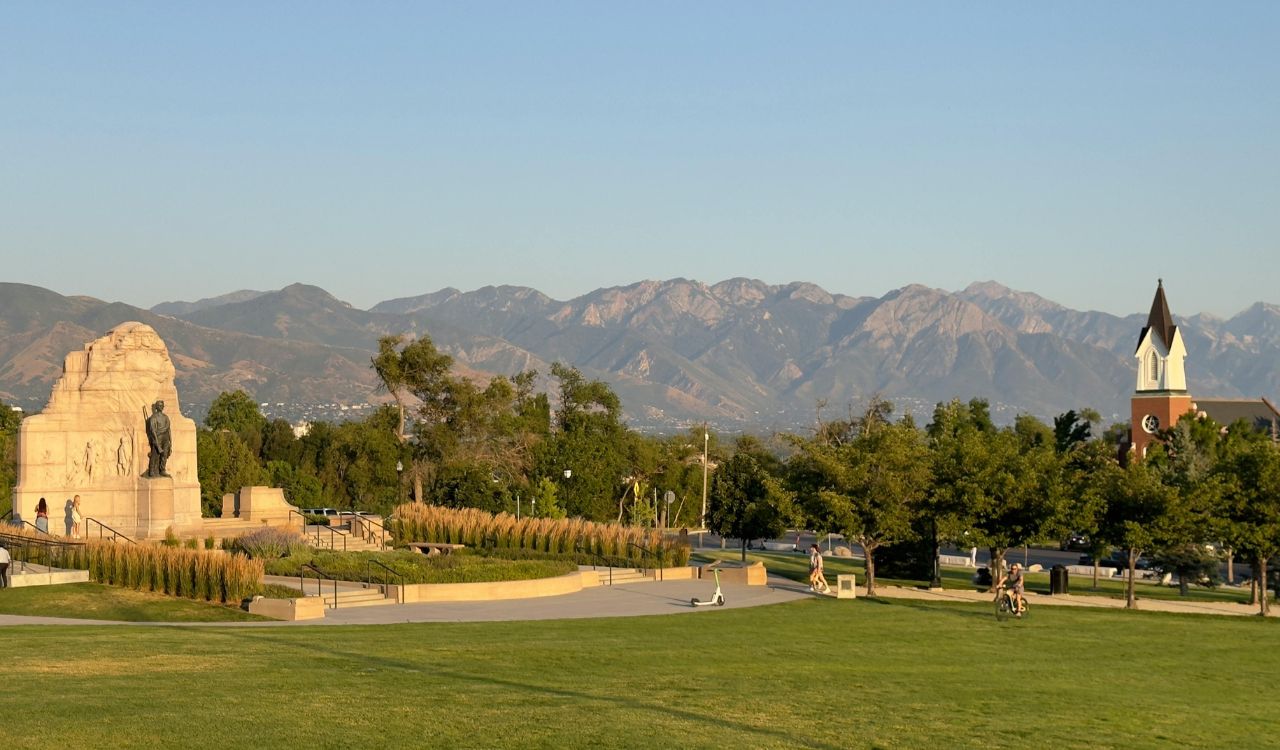
Perched at 7,000 feet, Park City is framed by the dramatic Wasatch Range. Guardsman Pass climbs above 9,700 feet and lies just 12 miles from town, providing panoramic valley views. Winter snowfall averages over 350 inches annually, while summer temperatures range between 75–85°F. Clear autumn mornings often reveal visibility stretching nearly 60 miles across layered ridgelines and golden aspen groves.
10. Leavenworth
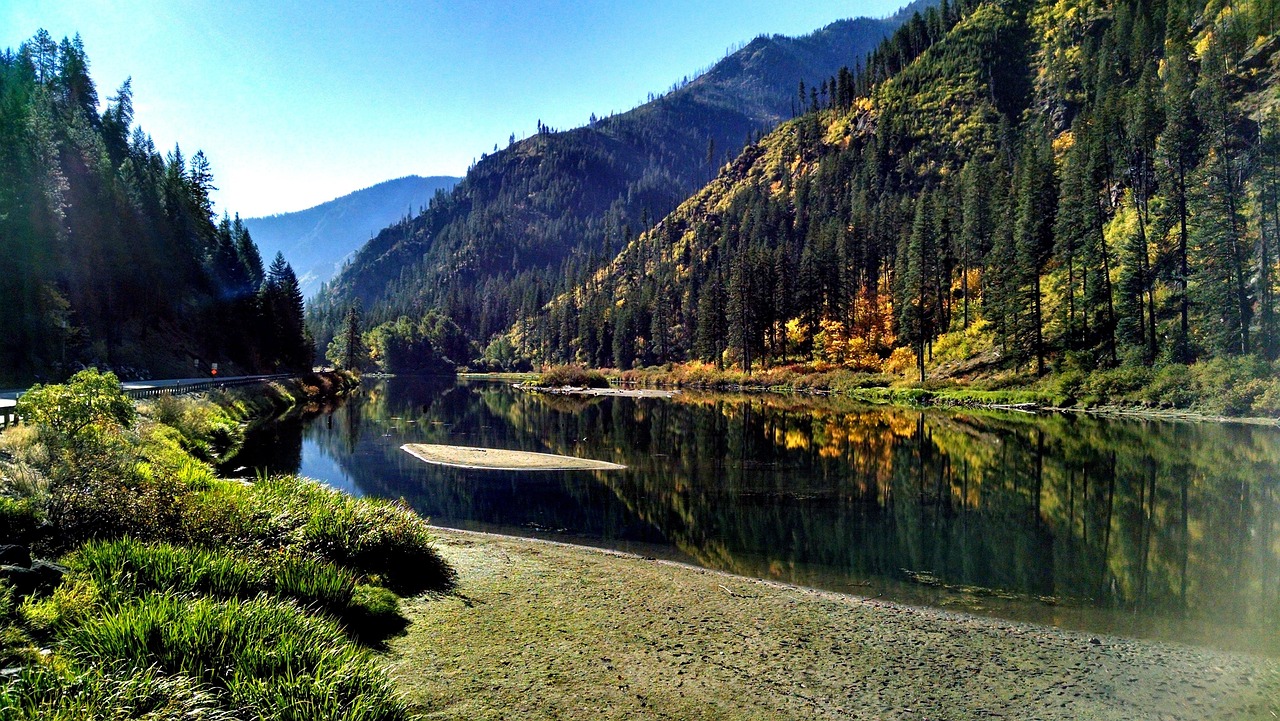
Located at 1,171 feet, Leavenworth is encircled by peaks of the Cascade Range that soar beyond 8,000 feet. Icicle Ridge features a 4-mile round-trip hike with sweeping Wenatchee Valley views. The region averages about 90 inches of snowfall yearly, while summer highs reach 80–88°F. Alpine lakes, granite cliffs, and glacier-carved valleys within 20 miles provide diverse and dramatic mountain perspectives.
11. Juneau
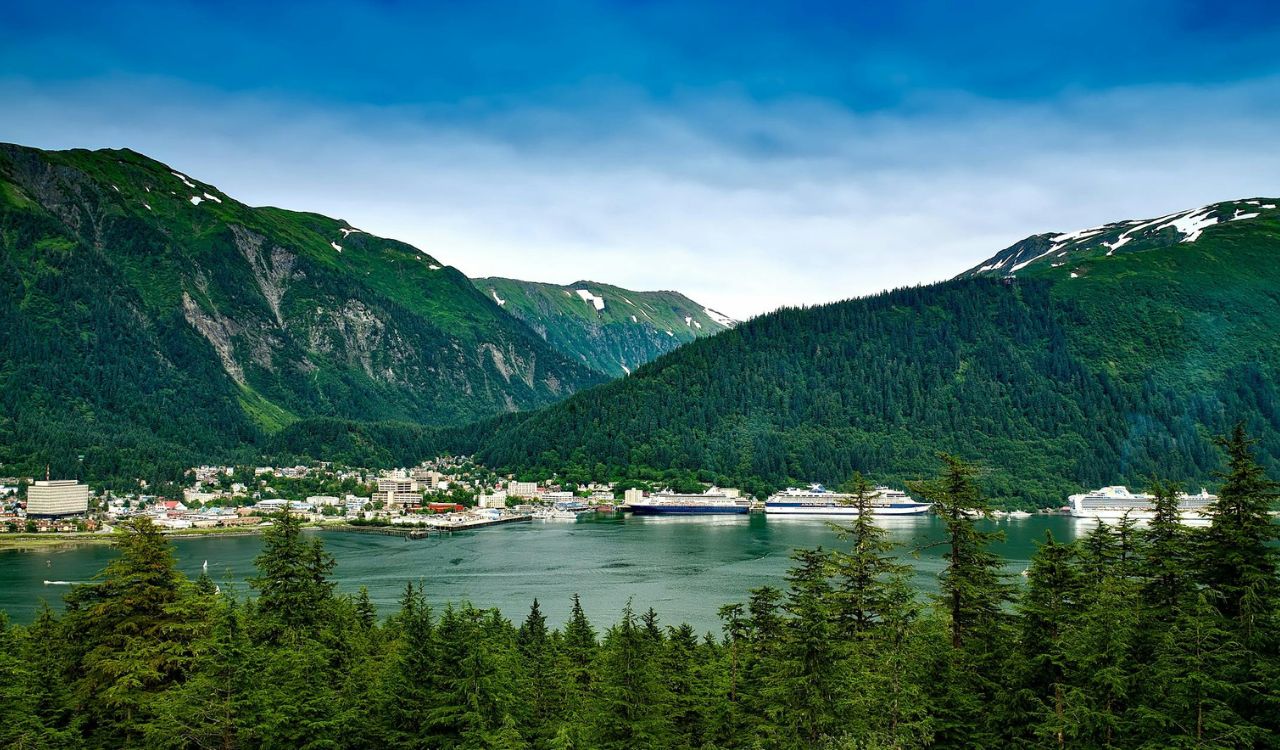
Alaska’s capital sits at sea level yet is encircled by peaks rising above 3,500 feet. The Coast Mountains form a rugged backdrop, while Mendenhall Glacier stretches 13 miles from the Juneau Icefield. Mount Roberts climbs to 3,819 feet and is accessible by a 6-minute tram ride. Summer temperatures average 55–65°F, and clear days can reveal snowfields even in July, creating dramatic coastal-mountain contrasts.
12. Asheville
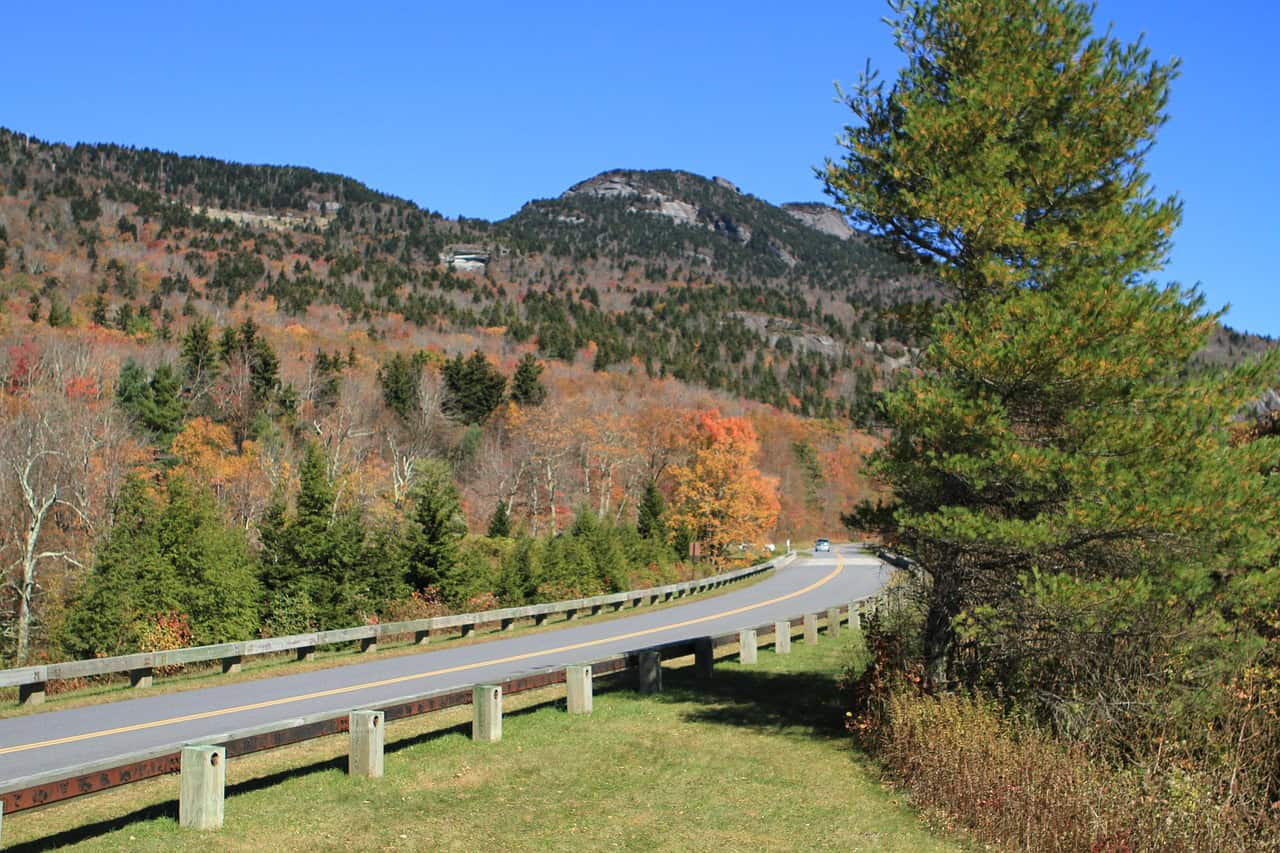
Set at 2,134 feet in the Blue Ridge Mountains, Asheville offers rolling ridgelines that extend for miles. Mount Mitchell, the highest peak east of the Mississippi at 6,684 feet, lies about 35 miles away. The Blue Ridge Parkway provides over 45 scenic overlooks nearby. Fall foliage peaks in mid-October, and summer temperatures average 70–85°F, making it a comfortable base for panoramic drives.
13. Roanoke
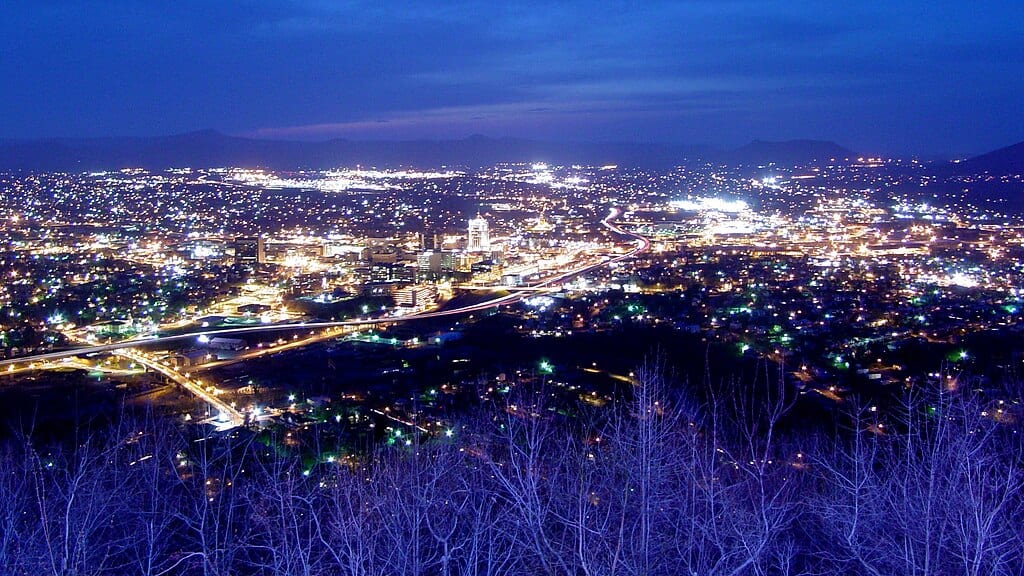
Located at 906 feet elevation, Roanoke is framed by the southern Blue Ridge Mountains. McAfee Knob, one of the most photographed points on the Appalachian Trail, sits 8.8 miles round trip from its trailhead. Peaks nearby exceed 4,000 feet, and visibility on clear days can stretch over 50 miles. Average summer highs hover near 85°F, while autumn colors typically peak in late October.
14. Chattanooga
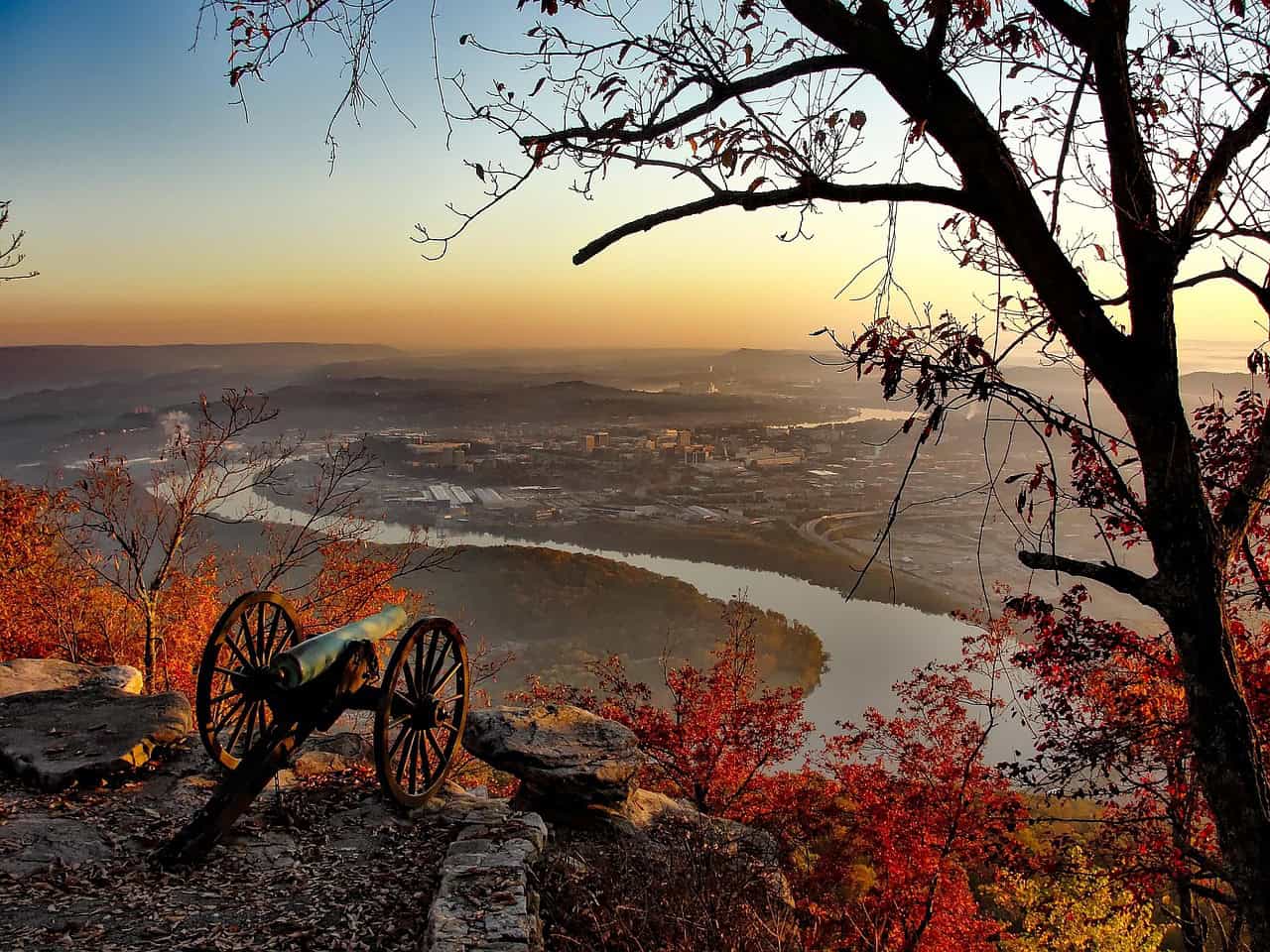
Sitting at 676 feet along the Tennessee River, Chattanooga is backed by ridges of the Appalachian Mountains. Lookout Mountain rises to 2,392 feet and lies only 6 miles from downtown, offering wide valley views. Scenic overlooks and trails extend for nearly 20 miles across the plateau. Summer highs average 88°F, while fall foliage peaks in late October, adding vibrant reds and golds to the layered hillsides. Clear mornings often provide the sharpest panoramic visibility.
15. Jackson
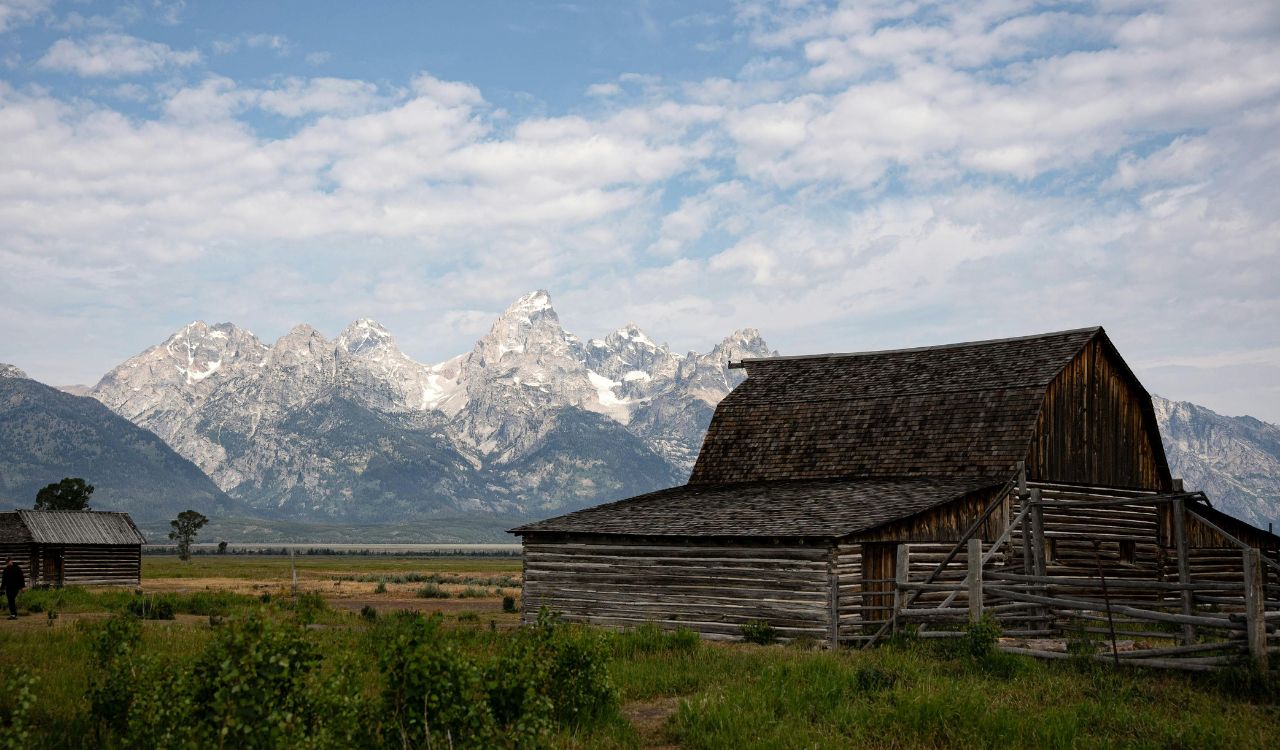
At 6,237 feet, Jackson anchors the broad valley of Jackson Hole beneath the dramatic Teton Range. Grand Teton climbs to 13,775 feet, rising more than 7,000 feet above the valley floor. A 42-mile scenic park loop provides multiple roadside pullouts. Summer temperatures average 75–80°F, and winter snowfall often surpasses 450 inches, coating the jagged skyline in brilliant white. Wildlife sightings frequently enhance the overall mountain experience.
16. Big Sky
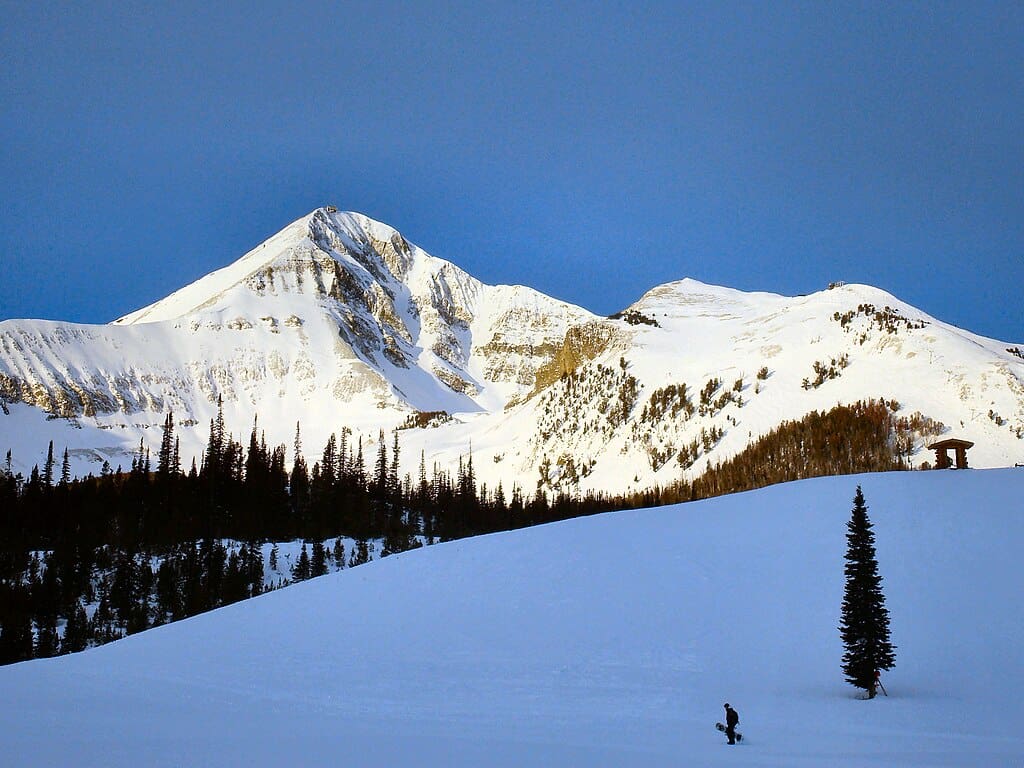
Perched around 7,500 feet, Big Sky sits deep within the northern Rocky Mountains. Lone Peak reaches 11,166 feet and features a vertical drop of 4,350 feet. The area averages nearly 400 inches of annual snowfall. In summer, daytime highs hover near 75°F, and exceptionally clear days can reveal views stretching up to 70 miles across rugged terrain. Alpine wildflowers brighten the slopes between July and August.
17. Estes Park
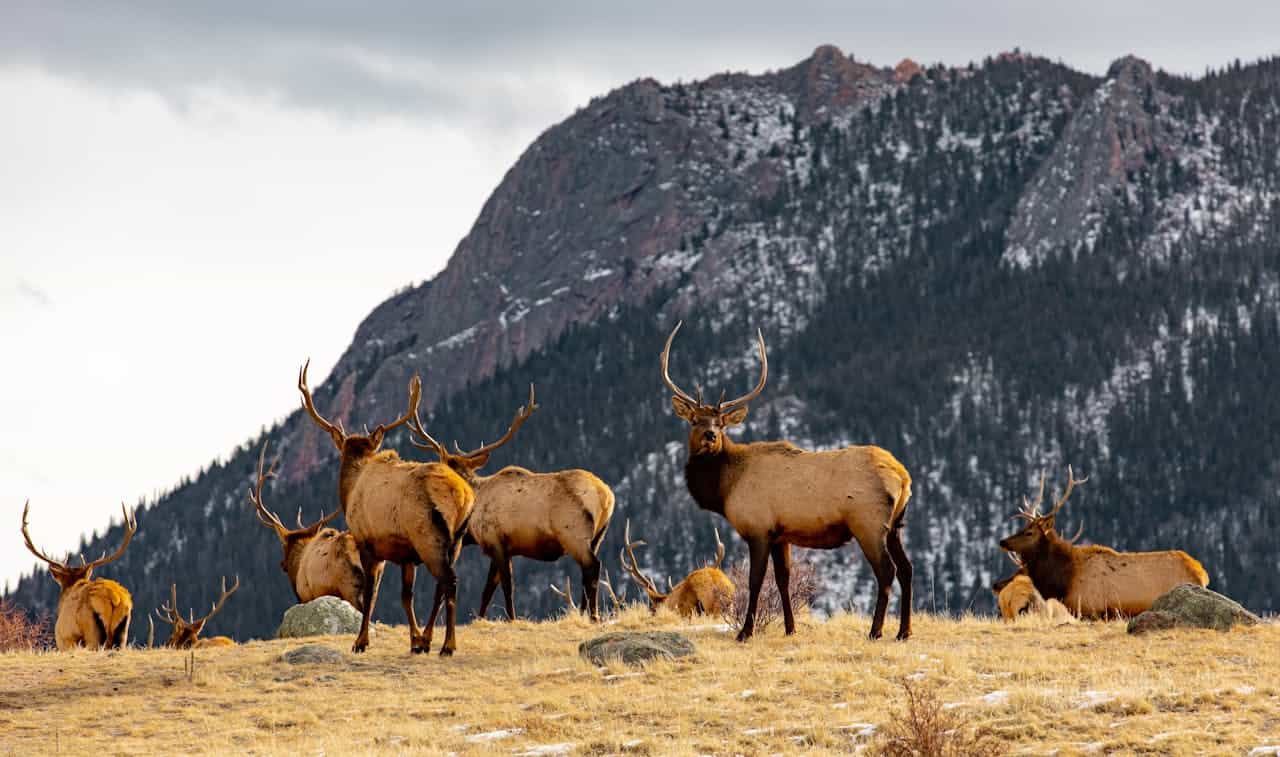
Resting at 7,522 feet, Estes Park borders Rocky Mountain National Park and offers immediate alpine immersion. Longs Peak towers to 14,259 feet, dominating the skyline with sheer granite faces. Trail Ridge Road climbs to 12,183 feet, making it one of America’s highest continuous paved highways. Summer temperatures average 70–75°F, while elk herds are most visible in September. Crisp air and wide tundra vistas define the experience.
18. Aspen
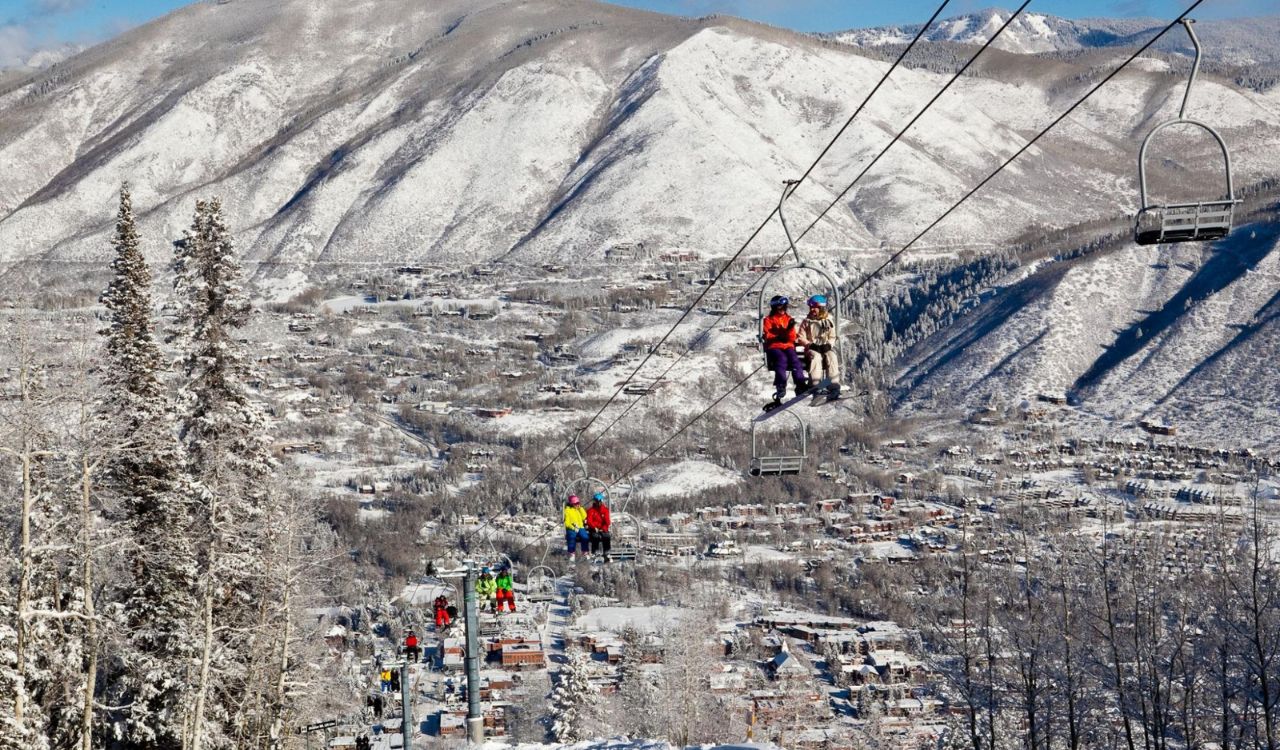
Situated at 7,908 feet, Aspen lies within the Elk Mountains of the central Rockies. Maroon Bells rise to 14,163 feet and are among the most photographed peaks in North America. The scenic 10-mile Maroon Creek Road offers close-range perspectives. Annual snowfall often exceeds 300 inches, while summer highs average 75°F. In late September, golden aspen groves illuminate the slopes beneath dramatic alpine summits.
19. June Lake
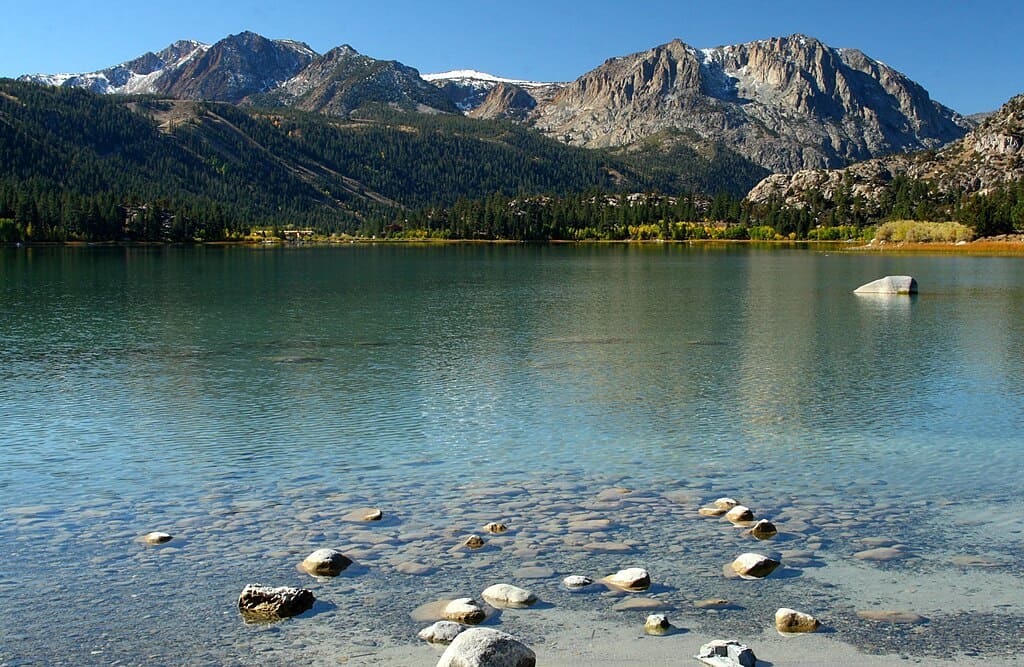
Located at 7,654 feet along the eastern Sierra, June Lake sits beneath the towering Sierra Nevada range. Nearby Carson Peak rises to 10,908 feet, reflecting vividly in alpine waters. The June Lake Loop stretches 16 miles, connecting multiple scenic viewpoints. Summer temperatures average 70–80°F, and snowfall can exceed 250 inches annually. Clear autumn days often reveal crisp, high-contrast mountain reflections.
20. Gatlinburg
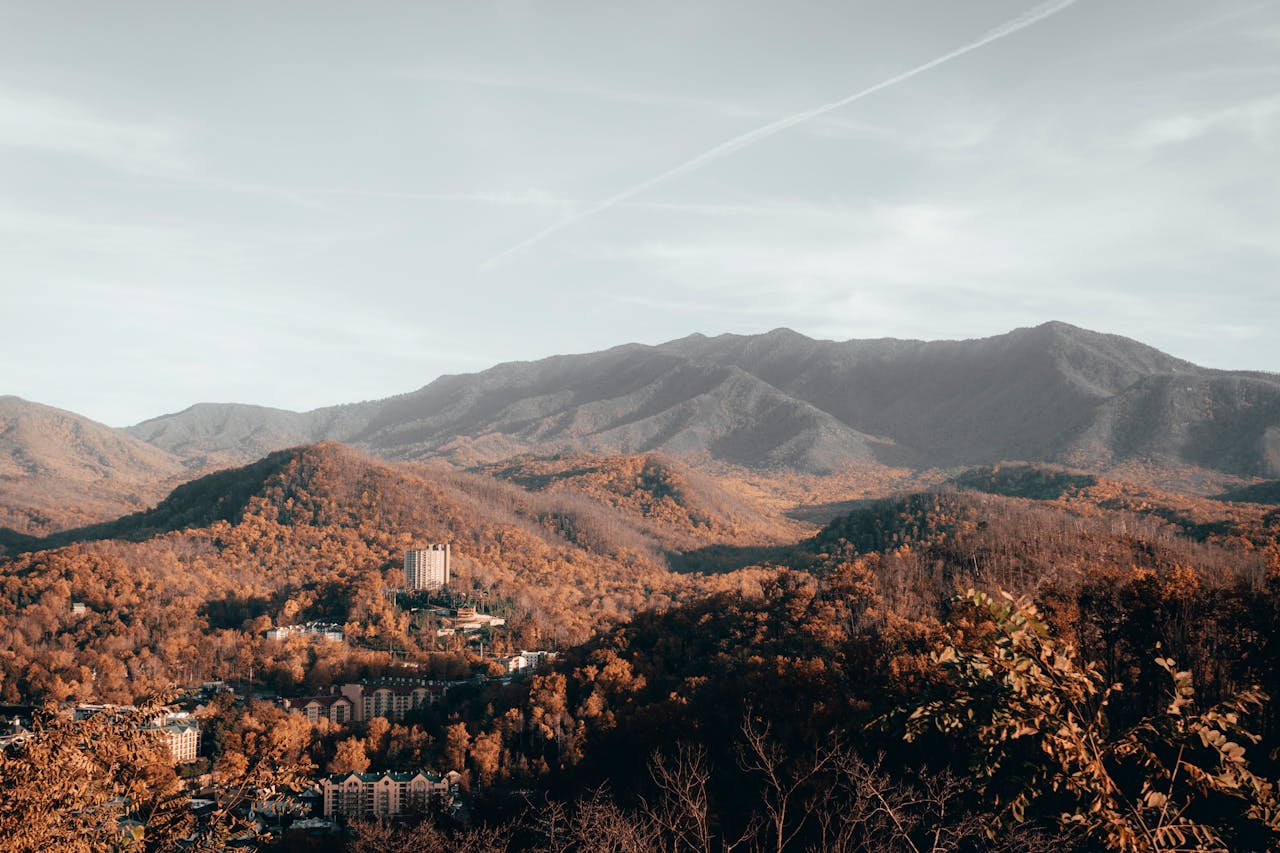
Set at 1,289 feet, Gatlinburg borders Great Smoky Mountains National Park, America’s most visited national park. Clingmans Dome reaches 6,643 feet and offers a half-mile paved walk to a panoramic observation tower. The park spans over 500,000 acres and contains more than 800 miles of trails. Summer highs average 85°F, while autumn foliage peaks in mid-October, casting warm tones across rolling ridgelines.