We may earn money or products from the companies mentioned in this post. This means if you click on the link and purchase the item, I will receive a small commission at no extra cost to you ... you're just helping re-supply our family's travel fund.

Travel norms shift faster than many guidebooks. Habits that once read as normal on family road trips or early package tours can feel jarring in today’s more crowded, globally aware travel scene. Baby boomer travelers helped build the modern tourism boom, yet some familiar behaviors now land as inconsiderate, dated, or out of step with local expectations. Looking at those shifts is less about blame and more about noticing how courtesy evolves, and how small adjustments can make shared spaces feel kinder for everyone on the road.
Paper-First Planning And Ignoring Local Apps
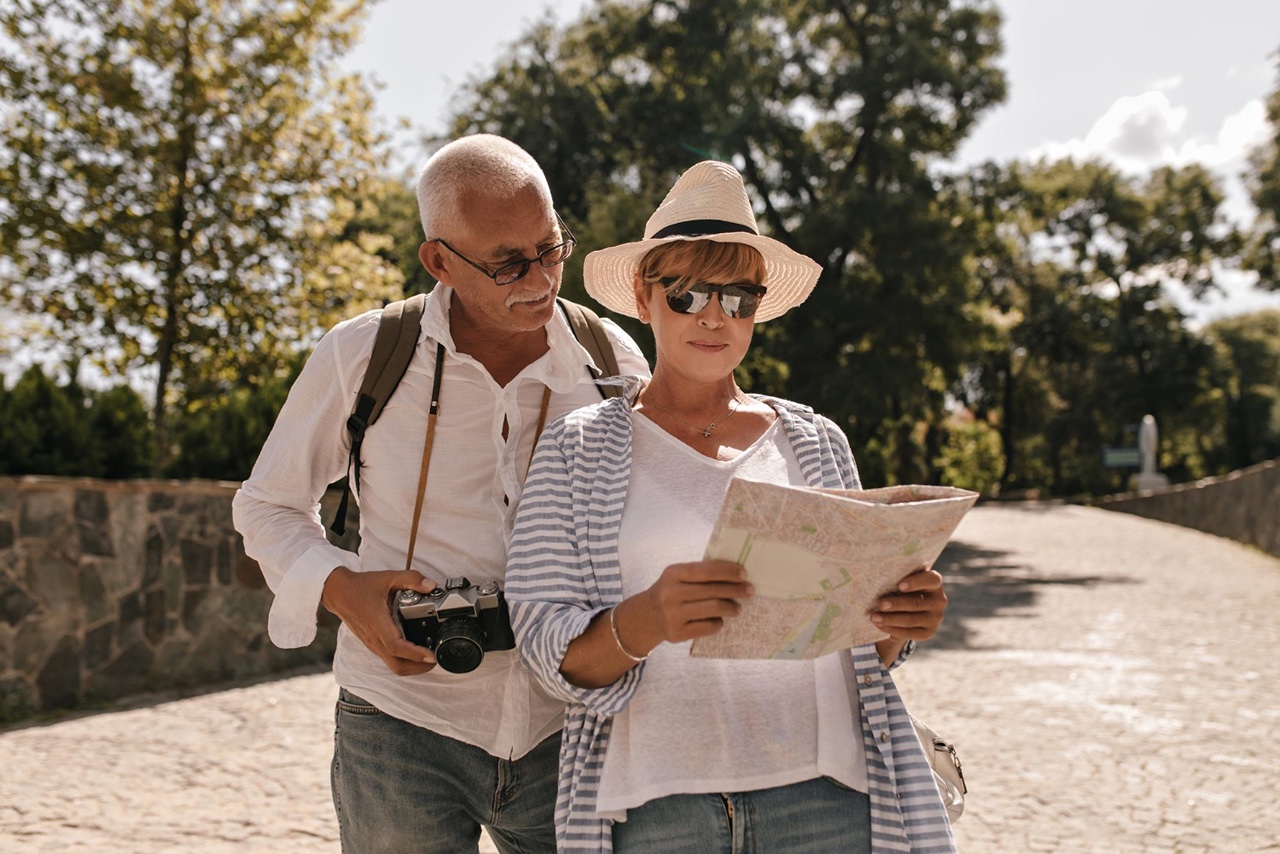
Many boomer travelers grew up trusting paper brochures, printed maps, and hotel concierges more than local transit or restaurant apps. That habit can quietly frustrate younger companions and local staff who designed digital tools to ease congestion or spread visitors beyond the same crowded blocks. Insisting on printed everything, or brushing off QR-based menus and museum guides, now reads less like harmless nostalgia and more like refusing to use systems that help cities manage tourism more fairly and efficiently for residents and guests alike.
Hotel Housekeeping Expectations From Another Era

In the heyday of big package tours, daily sheet changes, full room cleanings, and piles of fresh towels were marketed as proof of good service. Many boomer travelers still expect that rhythm and push back when properties shift toward opt-in housekeeping or eco-focused linen programs. Staff then absorb the tension, caught between sustainability targets and guest complaints that treat reduced cleaning as laziness. In a climate-aware era, insisting on old standards can come across as wasteful, and out of step with workers’ realities behind the scenes.
Loud Phone Calls In Shared Spaces

For years, long-distance calls from hotel lobbies or gate areas felt like small miracles and a sign of status. Some older travelers still carry that script into crowded lounges, trains, and airport waiting areas, pacing with speaker volume high and little awareness of how close seats now sit. What once felt rare now lands as intrusive in spaces where many people try to read, nap, or decompress. With cheap calling and dense terminals, keeping conversations short and quiet has become an unspoken baseline for courtesy.
Saving Seats And Sunbeds For Hours

Holding seats has always been part of family travel, but resort and cruise culture turned it into an art form. Some boomer travelers still wake early to reserve pool loungers or prime deck chairs with towels, books, and sandals, then disappear for long breakfasts or excursions. In packed properties, that habit effectively rations sunlight and shade by who is most willing to claim territory, not by who is actually present. Younger guests often see it as selfish, and staff are left to referee disputes that rarely have clean answers.
Talking Over Local Guides And Hosts

Early tour culture rewarded guests who spoke up, asked many questions, and shared personal stories, even if that meant steering the whole group’s attention. On modern small-group trips, some boomers still dominate guides’ time with long anecdotes, repeated worries, or side conversations during briefings. Other travelers may miss key safety details or feel sidelined in discussions about local culture. Guides then navigate the delicate task of keeping everyone informed without publicly scolding paying clients whose habits date back to a different era of group travel.
Treating Flight Crews Like Personal Staff
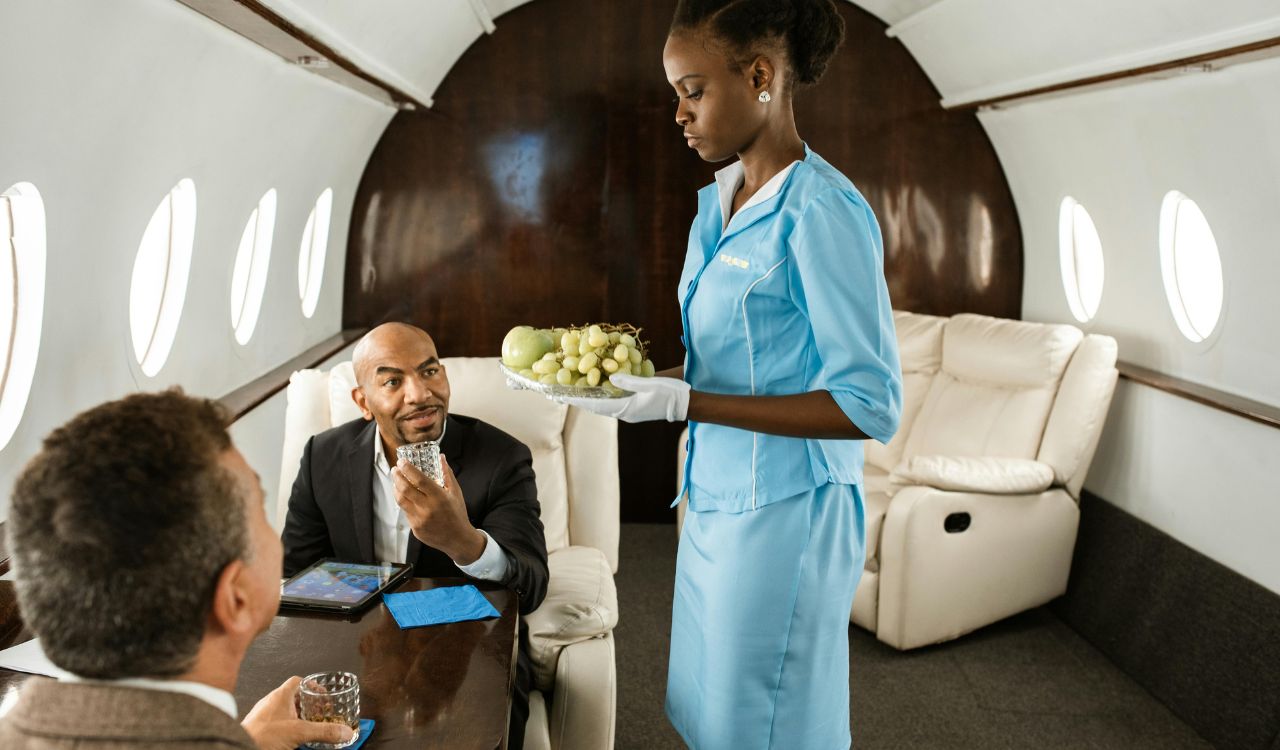
Decades ago, air travel sold an almost hotel-like experience in the sky, and many boomer travelers still carry that memory. On today’s crowded flights, that can show up as snapping fingers for service, ignoring seatbelt instructions, or demanding special handling for bags that clearly exceed limits. Cabin crews already juggle safety, schedules, and frayed tempers; being treated as personal staff, rather than safety professionals, stretches patience thin. For younger passengers raised on budget carriers, that behavior looks entitled rather than seasoned.
Photographing Locals Without Consent

Film-era travel often treated candid photos of street vendors, children, or elders as harmless souvenirs. Some older travelers still raise cameras or phones without asking, especially in markets or rural communities where images carry cultural or economic weight. In an age of global conversations about privacy, exploitation, and power, that reflex now lands as intrusive or disrespectful. Many destinations encourage quick permission checks or tipping protocols, but ignoring those cues can turn what might have been a warm exchange into a small, painful breach of dignity.
Over-Tipping For Control, Under-Tipping For Labor

Generous tipping can be kind, but habits around it can also feel skewed. Some boomer travelers lavish tips on visible roles like bartenders or front-desk staff, while leaving housekeepers, porters, and local guides with much less, despite heavier workloads. Others use tipping to push for rule-bending favors, early check-ins, or line-skipping, which frustrates workers stuck between fairness and financial pressure. Younger travelers raised on more transparent service charges often see these patterns as buying exceptions rather than simply showing appreciation for hard work.
Insisting English Should Be Enough Everywhere

Baby boomer travelers came of age when guidebooks often implied that English, spoken slowly and loudly, would carry someone through most major destinations. Today, that expectation feels increasingly off-key. Rolling eyes at accented English, mocking signage, or dismissing staff who struggle with complex questions lands as arrogant in cities where tourism workers juggle several languages daily. Even basic attempts at local phrases, translation apps, or written notes show more respect. Clinging to the old assumption now reads as unwillingness to share the effort of communication.
Haggling Like Every Market Is A Flea Market

Bargaining once served as a kind of sport on group tours, with bragging rights tied to how low a traveler could push prices. Some boomer visitors still approach local artisans and small vendors with aggressive tactics better suited to souvenir megashops. In communities where craftspeople fight rising rents and material costs, relentless haggling over a few dollars feels less charming than extractive. Younger travelers increasingly frame paying fair or even slightly higher prices as part of ethical travel, not as evidence of being out-negotiated by a savvy local.
Expecting Paper Tickets, Cash Desks, And Printed Bills
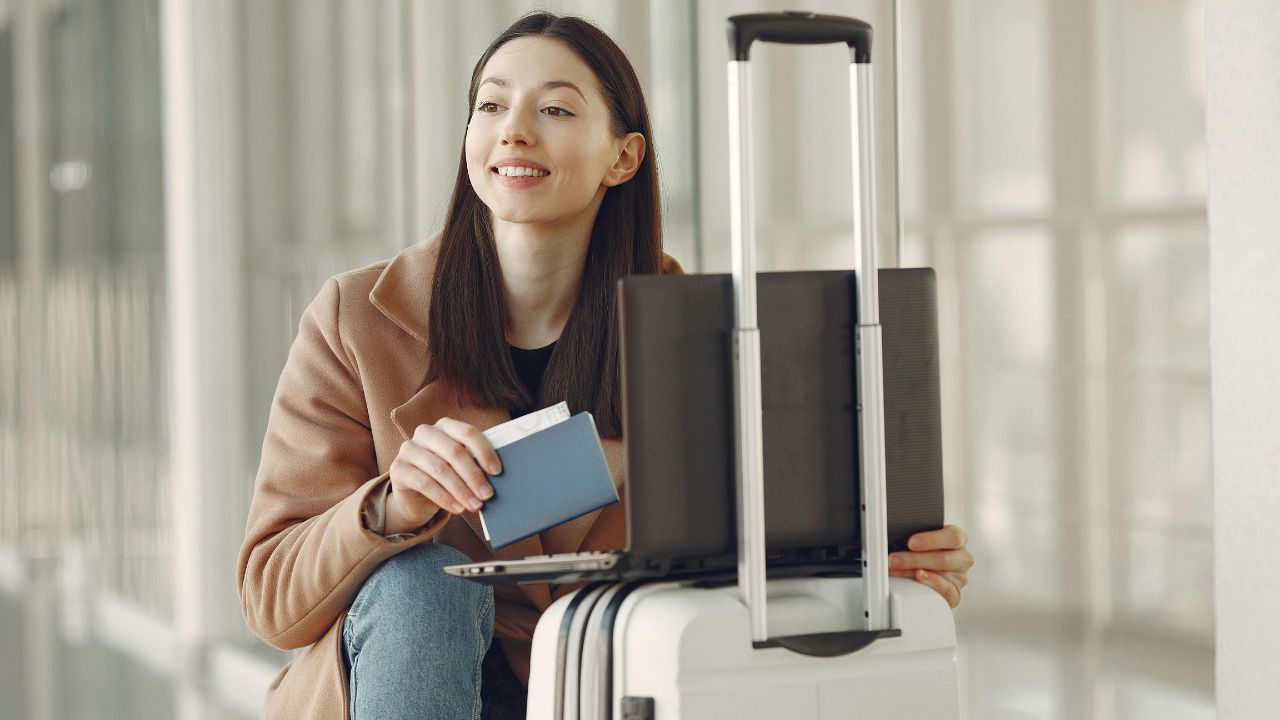
For decades, travel meant collecting boarding passes, tour vouchers, and stamped receipts in a neat folder. Many older travelers still feel uneasy when airlines, museums, or transit lines rely entirely on apps, QR codes, or contactless kiosks. That discomfort is understandable, but frustration can spill over onto front-line staff when systems no longer even offer old options. In many hubs, insisting on paper everything slows queues built around scanners and phones. The gap between expectations and infrastructure becomes a friction point rather than a charming quirk.
Blocking Aisles And Entrances While Getting Organized
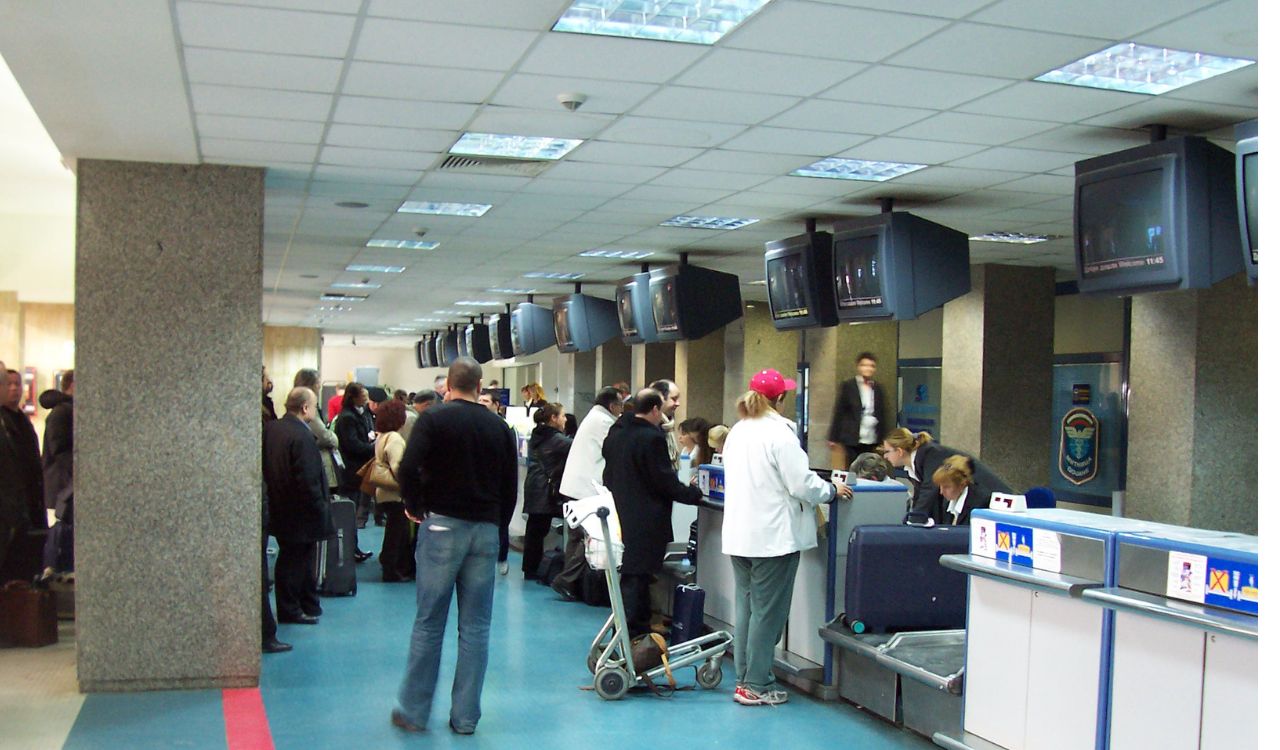
Suitcases once rolled through relatively roomy terminals and hotel lobbies; today’s spaces feel busier and more compressed. Some boomer travelers still pause at the top of escalators, in jet bridges, or right inside train doors to adjust bags, check papers, or regroup with companions. In tighter layouts, that pause can ripple into sudden bottlenecks or near-collisions, especially for travelers with mobility aids or small children. Staff now gently nudge groups along, trying to keep flows moving in spaces that no longer have room for leisurely mid-aisle stops.
Using Speakerphones And Loud Videos In Public

Portable cassette players and early camcorders trained a generation to share media out loud, often in living rooms or on bus tours. That habit has not fully faded. Some older travelers now play voicemail, FaceTime calls, or travel clips on speaker in cafés, airport gates, or quiet hotel lounges. In compressed modern spaces, that noise cuts through conversations and rest in a way that feels harsher than it once did. Headphones and subtitles are easy fixes, but clinging to shared soundtracks can read as ignoring everyone else’s need for calm.
Assuming Age Guarantees Deference From Staff

Many boomer travelers grew up in service cultures where age almost automatically commanded deference. In global tourism now, hierarchies feel less rigid, and expectations have shifted toward mutual respect. Phrases like “I’m old enough to be your parent,” delivered to young staff during disagreements, land as condescending rather than wise. Workers juggling low wages, training scripts, and strict rules have limited room to bend. When age is used as a shield for impatience, the gap between generations becomes less about years and more about power.