We may earn money or products from the companies mentioned in this post. This means if you click on the link and purchase the item, I will receive a small commission at no extra cost to you ... you're just helping re-supply our family's travel fund.
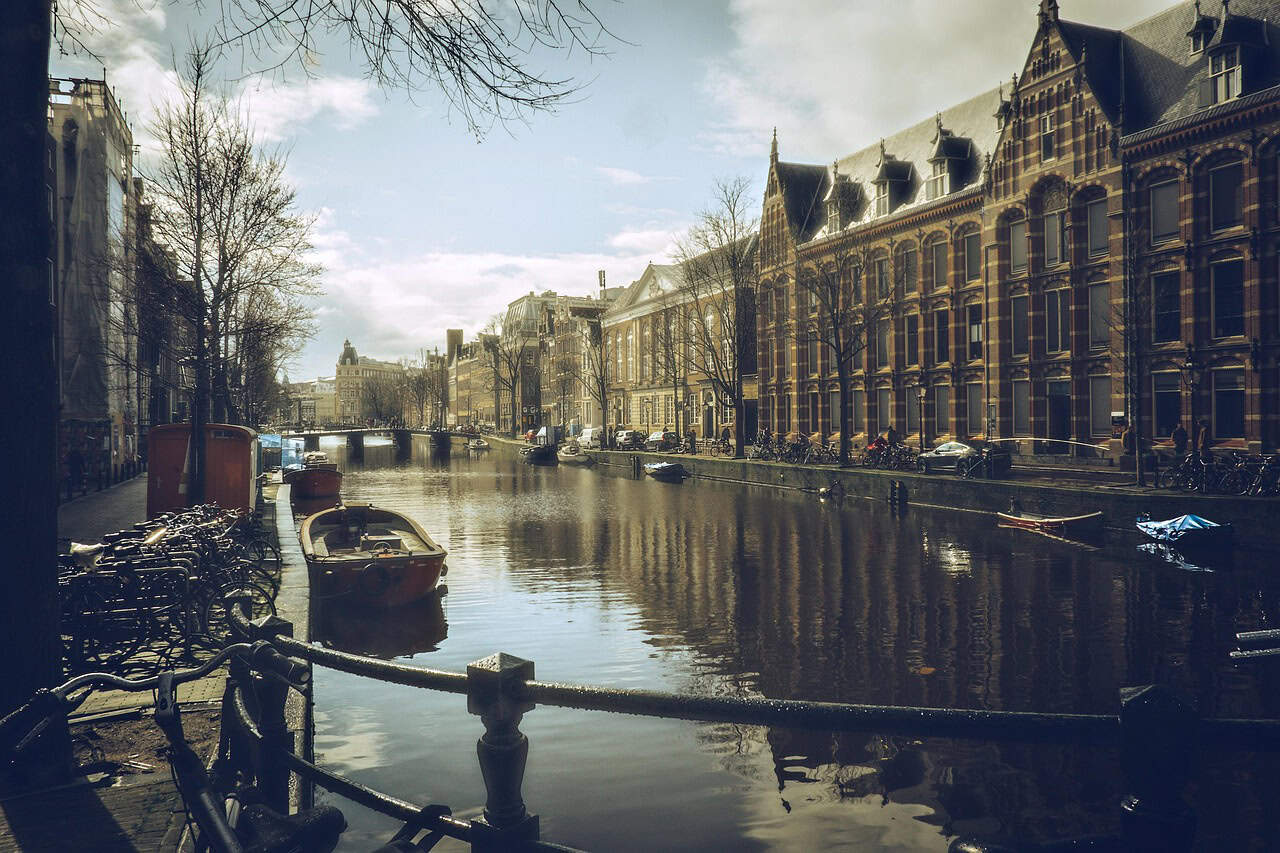
Across Europe, tourism has reached record levels, with international arrivals surpassing 750 million in 2024, putting intense pressure on historic cities never designed for mass travel. While tourism fuels local economies, residents in several destinations argue the costs now outweigh the benefits. Rising rents, overcrowded streets, strained infrastructure, and disappearing local culture have sparked organized anti-tourism protests. In some cases, demonstrations have moved beyond policy demands and begun targeting visible tourist behavior. These 13 cities illustrate where tensions between locals and visitors have become impossible to ignore.
1. Barcelona, Spain
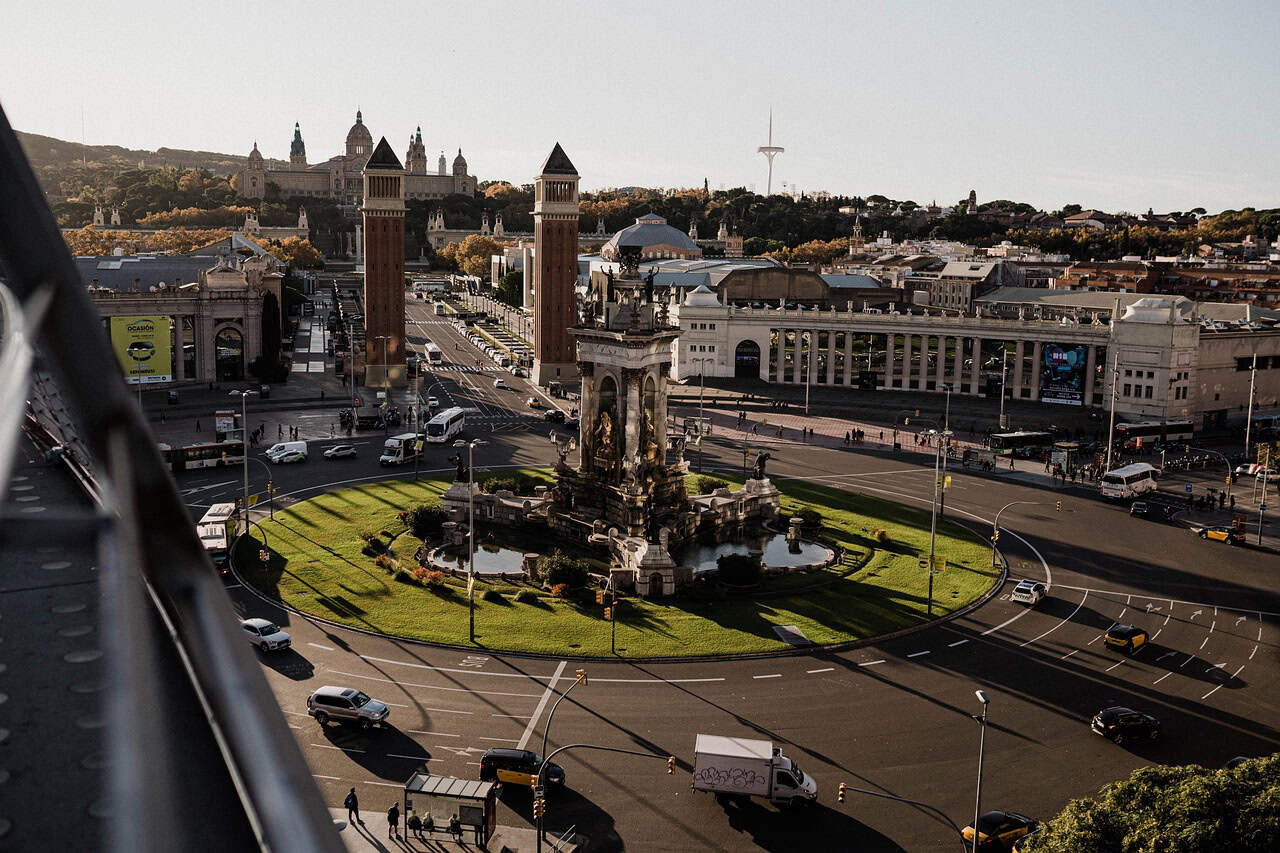
Barcelona receives over 32 million visitors annually, while its permanent population remains just 1.6 million, creating one of Europe’s most severe tourism imbalances. Residents blame short-term rentals for rent increases exceeding 68% since 2015, forcing locals out of central districts. Protests frequently occur in Gothic Quarter and Barceloneta, where demonstrators have used water guns and signage aimed directly at tourists. In 2024 alone, the city registered over 150 tourism-related protests, prompting authorities to announce a complete ban on tourist apartments by 2028, highlighting how deeply tourism tensions now shape daily life.
2. Venice, Italy

With only 49,000 residents in its historic center but nearly 20 million visitors each year, Venice faces one of the most extreme tourism ratios on Earth. Protesters argue that day-trippers overwhelm infrastructure while contributing little economically. Demonstrations often target cruise passengers, as large ships once delivered up to 30,000 tourists daily. In response, Venice introduced a €5–€10 entry fee, yet protests continued in 2024 as locals claimed enforcement was weak. Graffiti, banners, and blocked walkways have become common symbols of resistance against mass tourism’s dominance.
3. Amsterdam, Netherlands
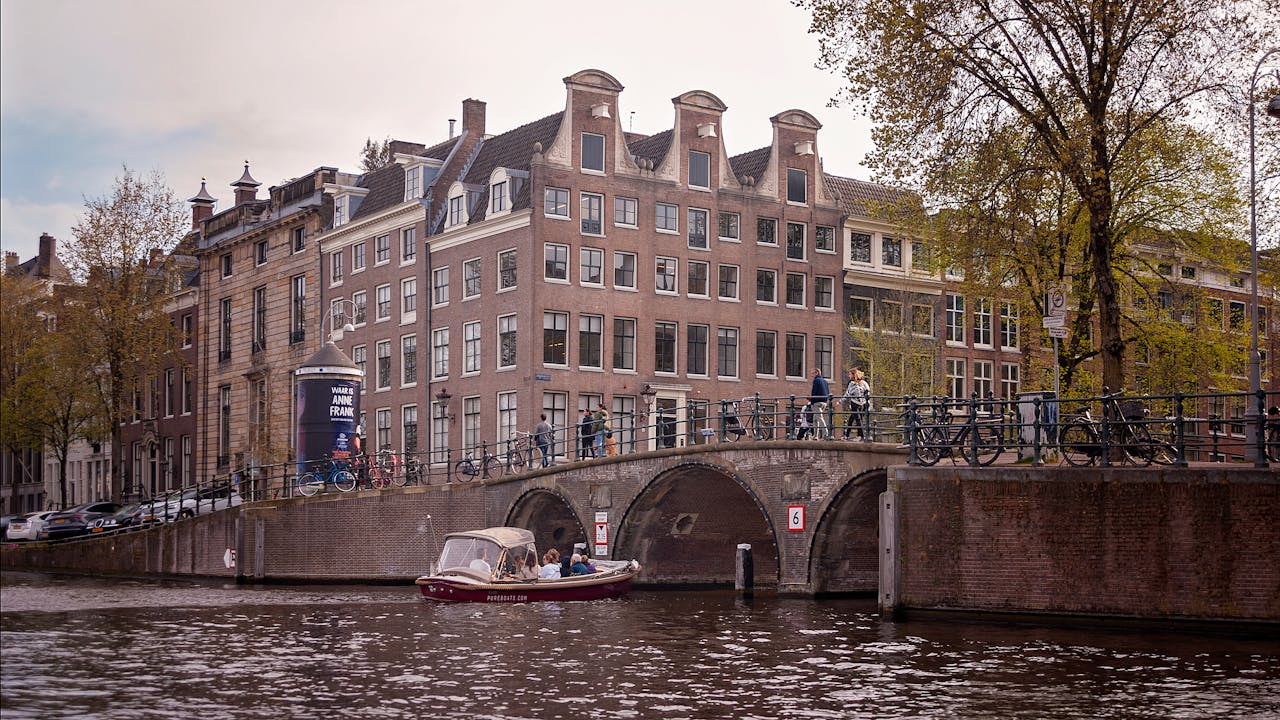
Amsterdam hosts approximately 22 million overnight visitors annually, compared to a population of 921,000, placing heavy pressure on housing and public services. Residents report rent increases averaging 45% over a decade, largely attributed to short-term rentals and party tourism. Anti-tourism protests often target stag parties and cruise visitors, with slogans urging tourists to “stay away.” The city has banned new tourist shops and restricted cruise docking, yet protests persist. In 2024, demonstrations increased by 30%, reflecting growing frustration with the city’s global party reputation.
4. Palma de Mallorca, Spain
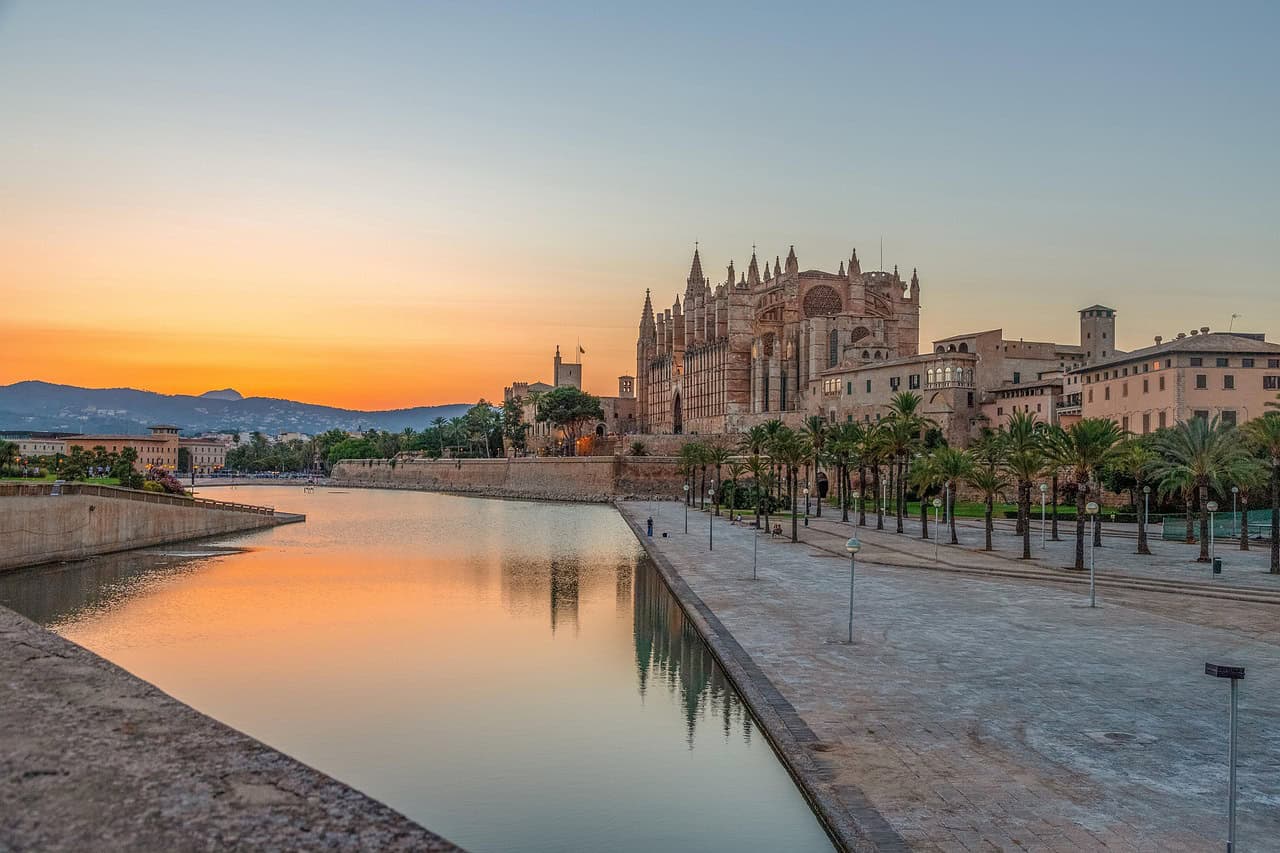
Palma’s population of 420,000 swells by nearly 16 million tourists annually, overwhelming roads, beaches, and housing markets. Locals report rent increases of over 70% since 2016, while average wages have grown less than 15%. Protesters frequently march near beaches and historic districts, sometimes confronting visitors directly. In summer 2024, protests involving thousands of residents gained international attention after tourists were symbolically sprayed with water. Authorities have capped tourist rental licenses, yet residents argue enforcement lags behind the scale of tourism growth.
5. Lisbon, Portugal
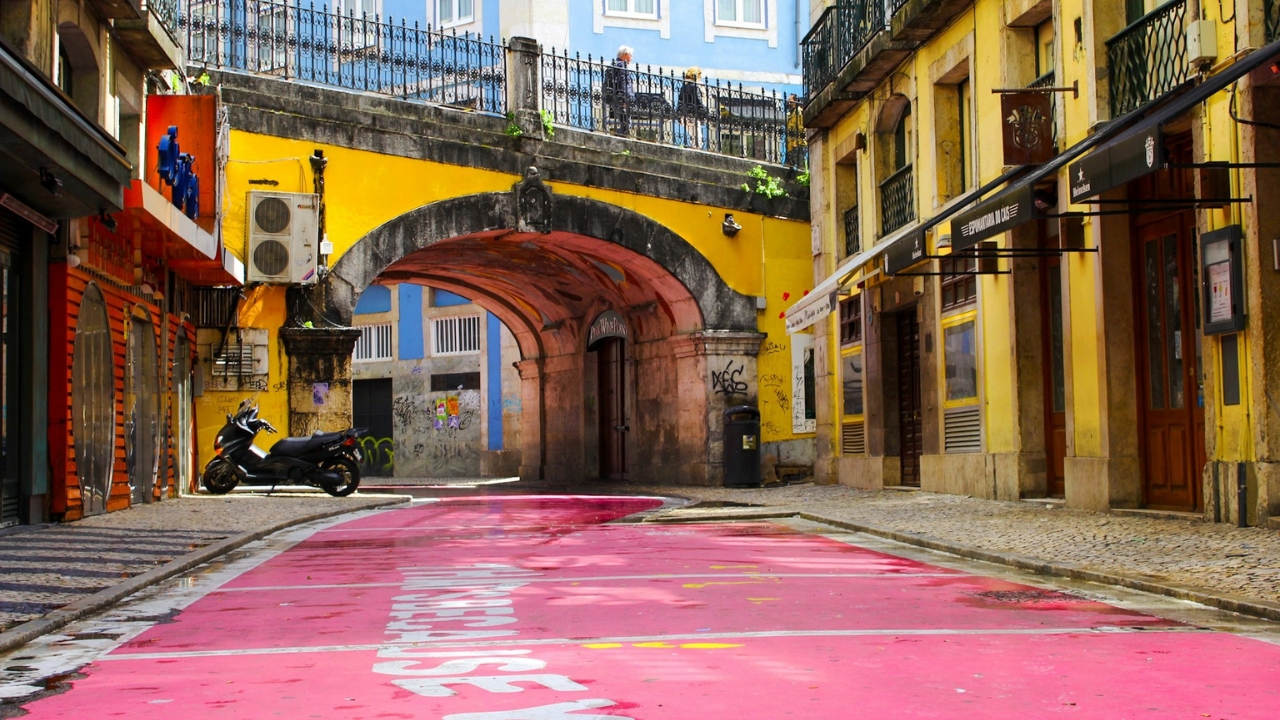
Lisbon welcomes more than 18 million tourists each year, despite a resident population under 550,000. Housing costs have surged by over 90% since 2014, driven largely by short-term rentals and foreign investment linked to tourism. Protests often occur in Alfama and Bairro Alto, where locals accuse tourism of erasing neighborhood life. Demonstrators have targeted tuk-tuks, tourist buses, and rental properties. In 2024, Lisbon recorded dozens of organized anti-tourism rallies, pushing the city to freeze new short-term rental permits in central zones.
6. Paris, France
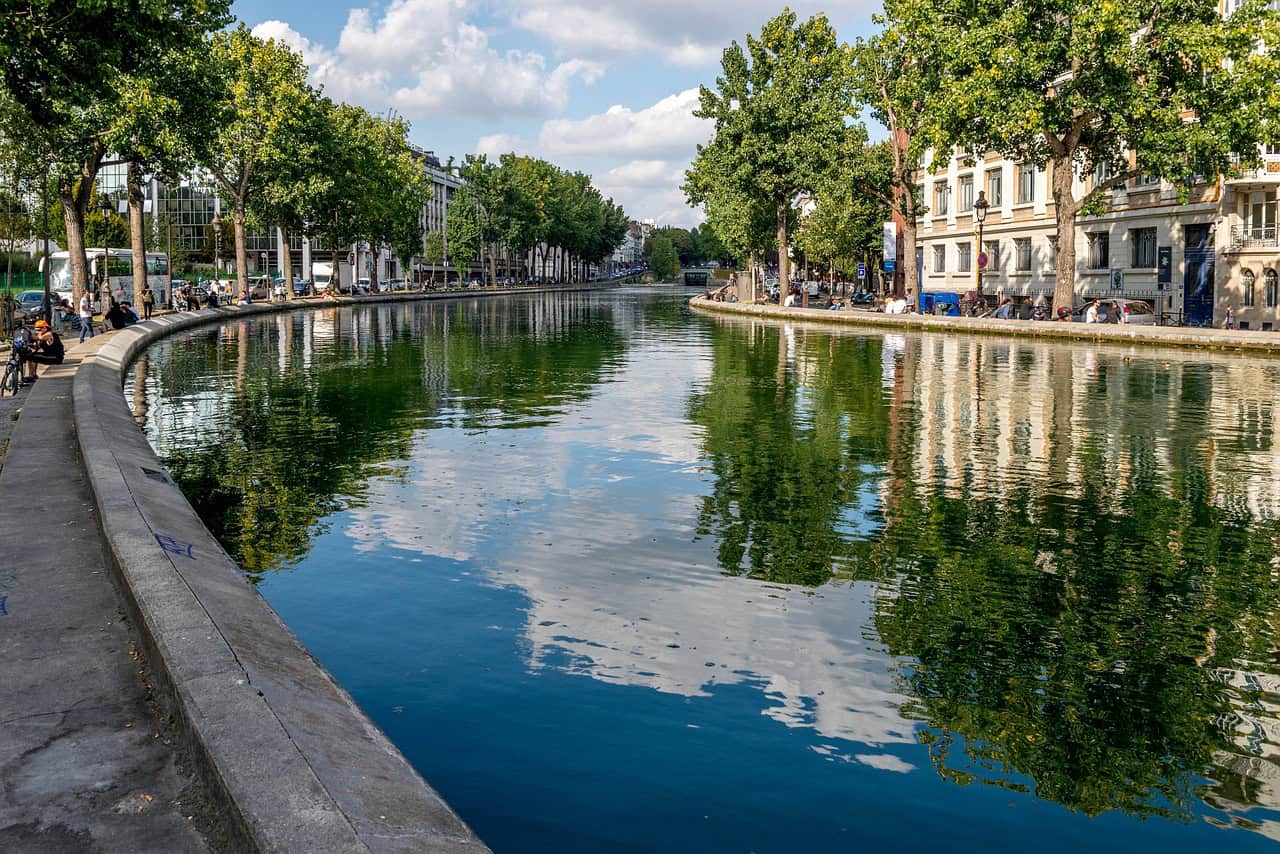
Paris attracts approximately 44 million visitors annually, making it Europe’s most visited city. While tourism contributes nearly 9% of local GDP, residents argue benefits are unevenly distributed. Anti-tourism protests intensified ahead of the 2024 Olympics, with locals concerned about rent spikes averaging 30% in some districts. Demonstrations have targeted short-term rentals and tour groups near the Eiffel Tower and Montmartre. Though less confrontational than southern Europe, Paris has seen a notable rise in tourism-focused protests, reflecting growing anxiety over livability.
7. Florence, Italy
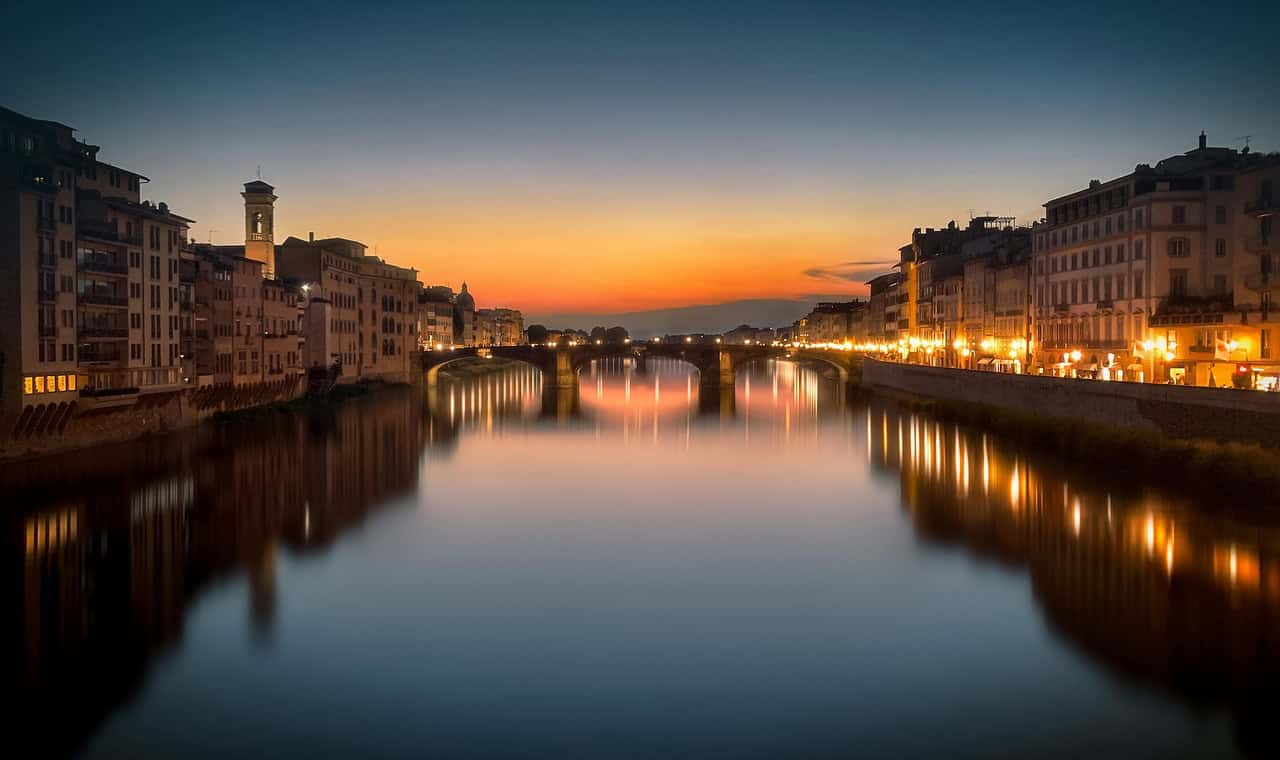
Florence hosts roughly 15 million visitors yearly, despite having only 380,000 residents. Locals claim the historic center has lost nearly 30% of its permanent population since 2000, replaced by tourist accommodations. Protests often focus on short-term rentals, souvenir shops, and tour groups clogging narrow streets. In 2024, activists staged demonstrations near the Duomo, accusing tourism of turning Florence into a “living museum.” The city responded by banning new tourist rentals in the UNESCO zone, though enforcement remains a major concern.
8. Dubrovnik, Croatia
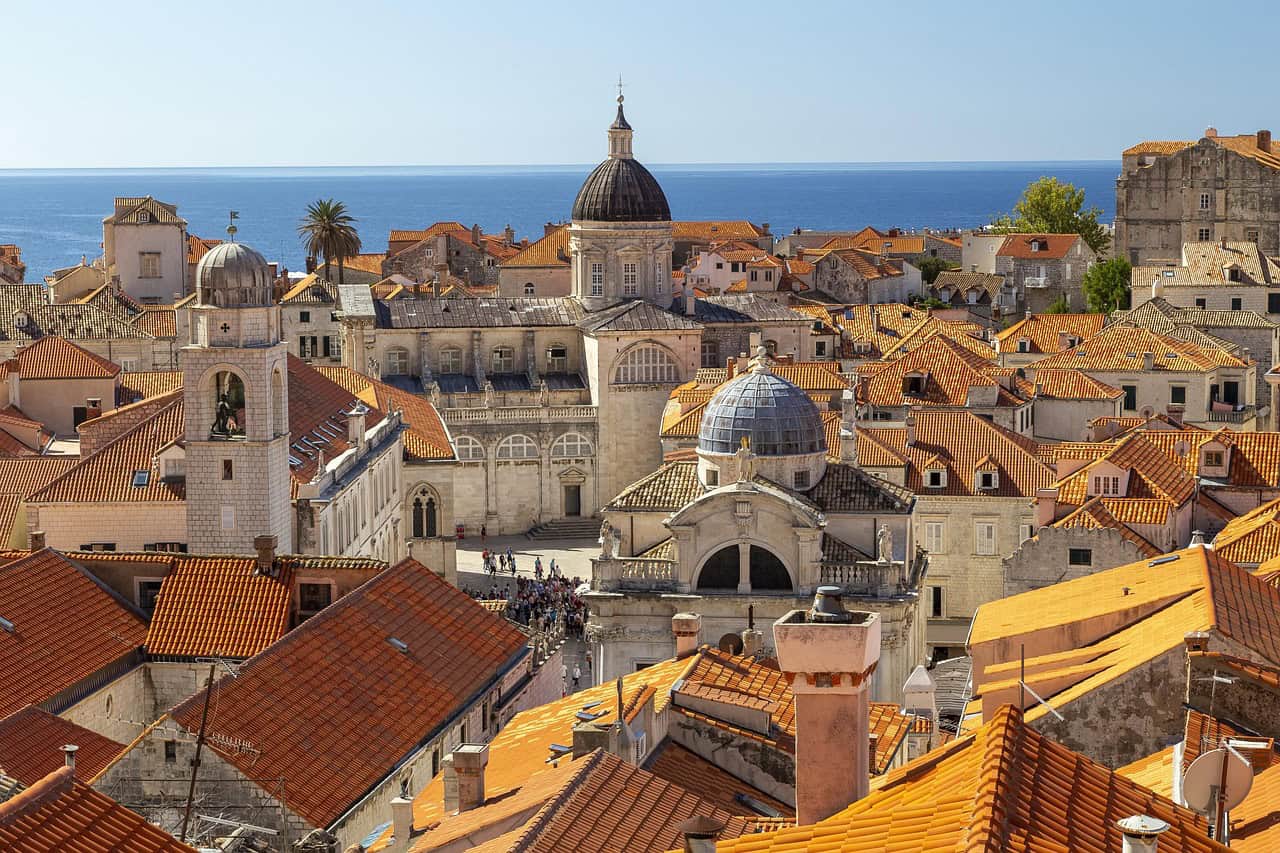
With just 42,000 residents, Dubrovnik receives over 1.5 million tourists annually, many arriving via cruise ships. On peak days, cruise arrivals once exceeded 8,000 passengers, overwhelming the Old Town. Anti-tourism protests focus on cruise tourism, noise pollution, and rising rents that increased by over 60% in a decade. Demonstrations often occur near port areas and historic gates. The city now limits daily visitor numbers, yet residents argue tourism still dominates civic priorities, fueling continued local resistance.
9. Athens, Greece
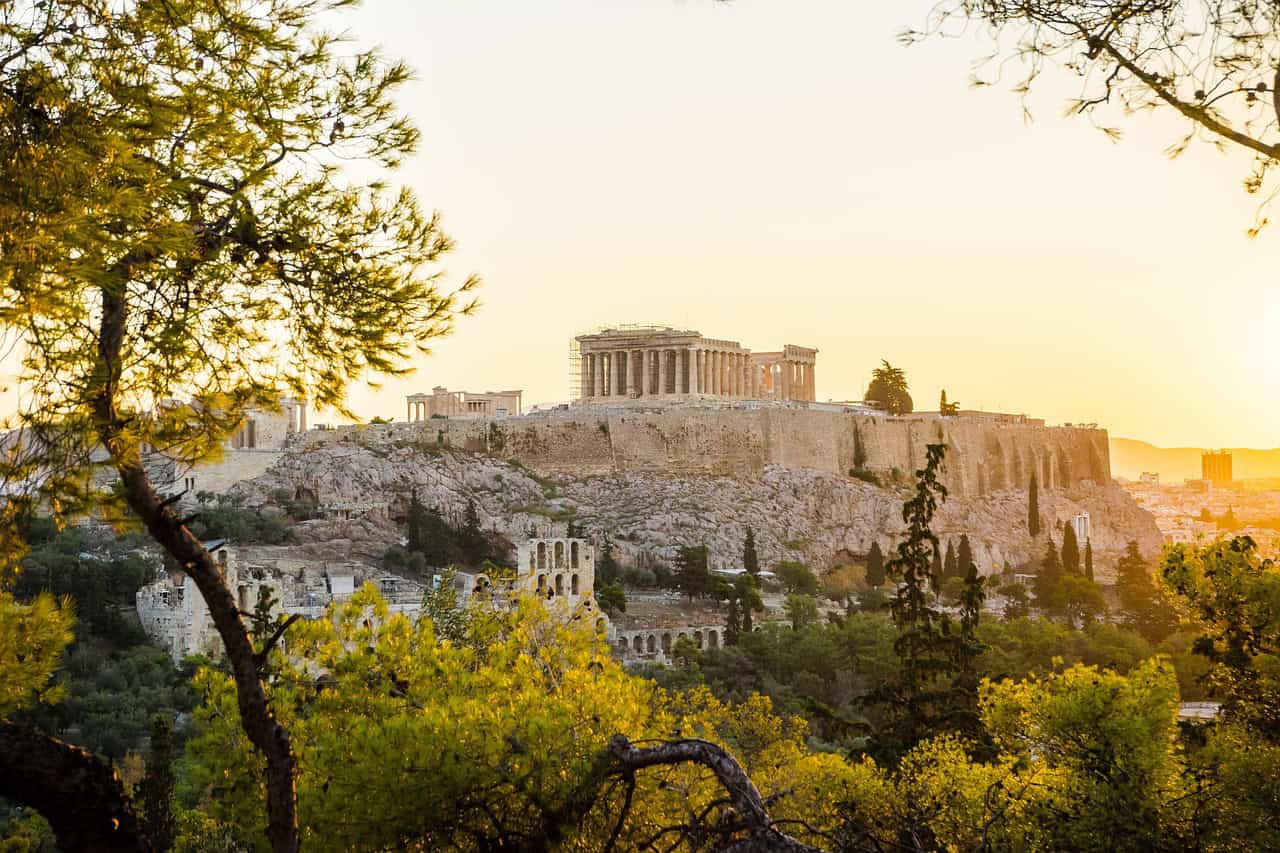
Athens records approximately 7 million visitors per year, a sharp rise from pre-2015 levels. Residents report housing prices increasing by over 80% in central neighborhoods due to short-term rentals. Protests often target Airbnb properties and tourist buses near the Acropolis. In 2024, organized marches criticized tourism’s role in displacing locals and straining public transport. While tourism contributes significantly to Greece’s economy, Athenians increasingly question whether unchecked growth benefits residents or primarily external investors.
10. Berlin, Germany
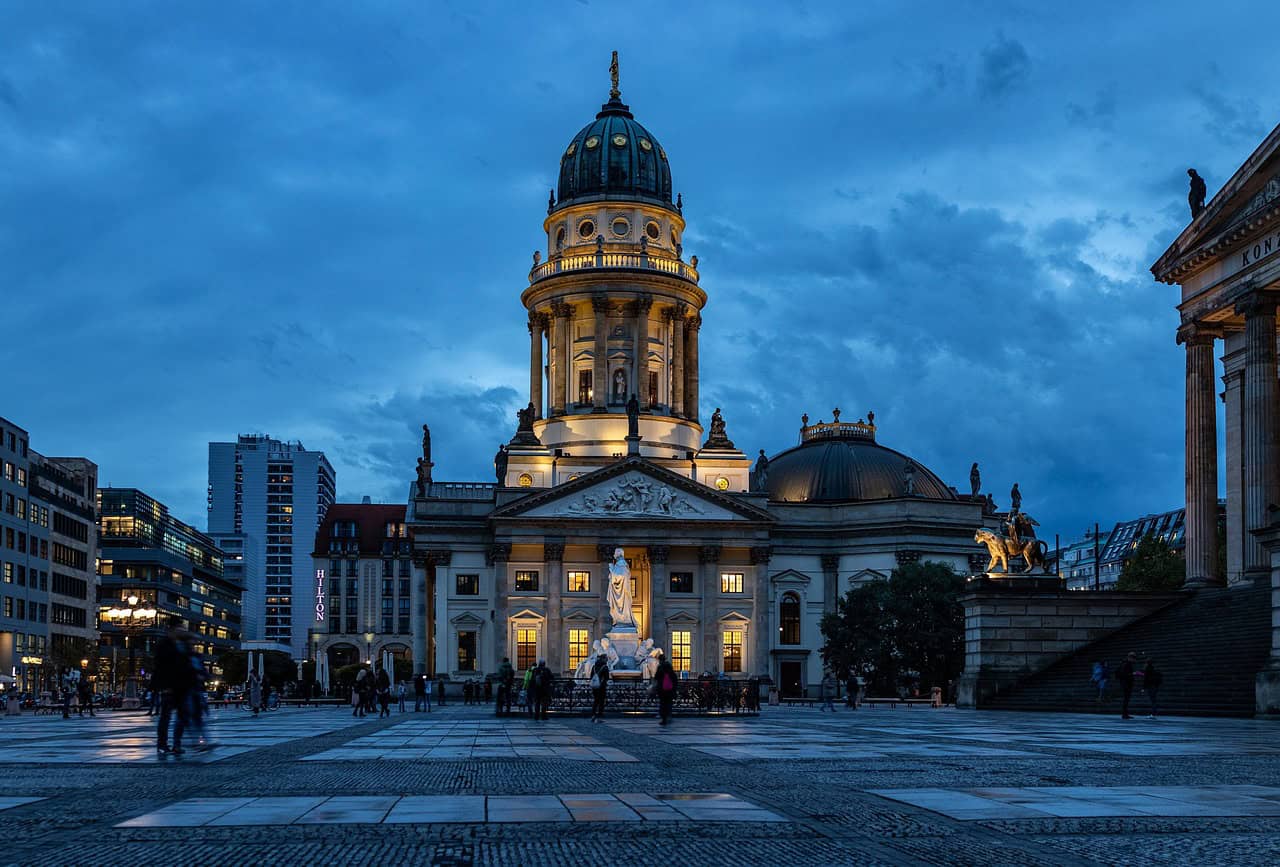
Berlin welcomes around 14 million visitors annually, a figure that has doubled since 2010. Rent prices have risen by over 110% in fifteen years, with tourism frequently cited as a contributing factor. Anti-tourism protests are closely tied to housing activism, targeting short-term rentals and party tourism. Demonstrations in Kreuzberg and Mitte have included direct confrontations with tourist behavior. Although Berlin enforces strict rental regulations, activists argue loopholes allow tourism pressure to continue reshaping neighborhoods.
11. San Sebastián, Spain
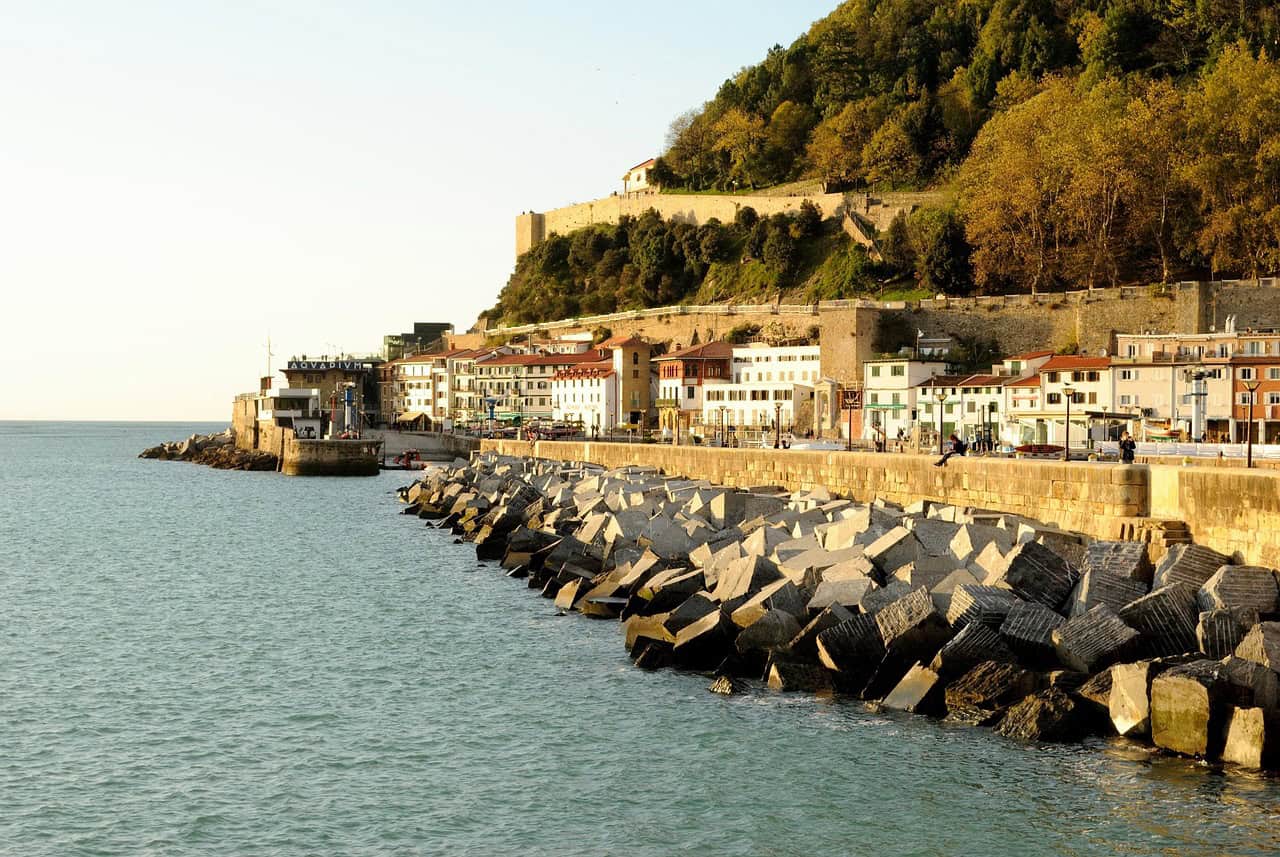
San Sebastián, with a population of 188,000, receives nearly 3 million visitors yearly, driven by food tourism and festivals. Residents say tourism has pushed rent prices up by over 50% since 2017, while wages lag behind. Anti-tourism protests gained momentum in 2024, particularly during peak summer months. Demonstrators have targeted hotels and tourist zones, warning that the city risks losing its local character. Authorities have begun limiting cruise arrivals, but tensions remain high.
12. Milan, Italy
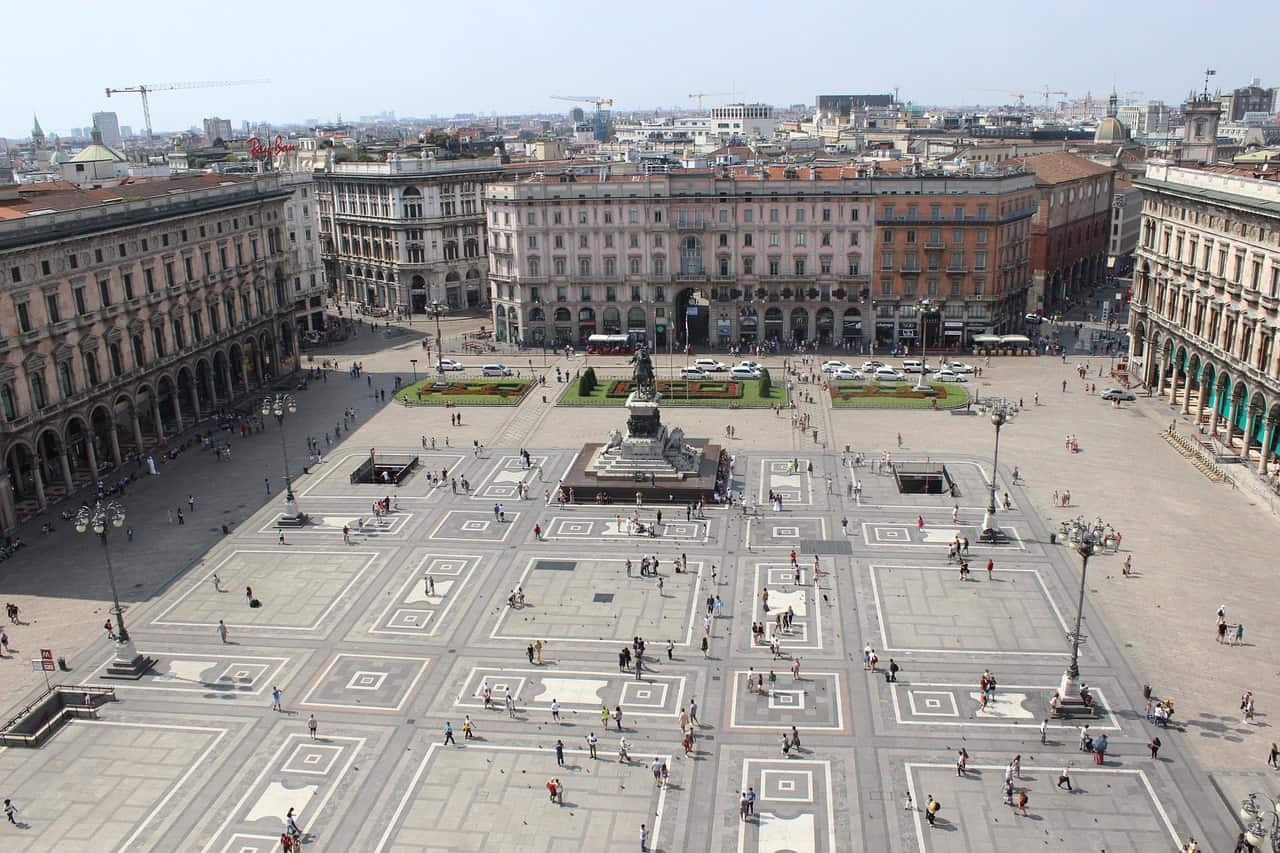
Milan hosts roughly 10 million tourists annually, far exceeding its 1.4 million residents. Tourism-driven development has contributed to rent increases of over 40% in a decade, particularly near fashion and cultural districts. Protests often focus on housing affordability rather than tourists themselves, yet demonstrations increasingly occur in high-traffic areas. In 2024, activists linked tourism growth to broader inequality, staging marches near landmarks like the Duomo to draw attention to displacement concerns.
13. Prague, Czech Republic
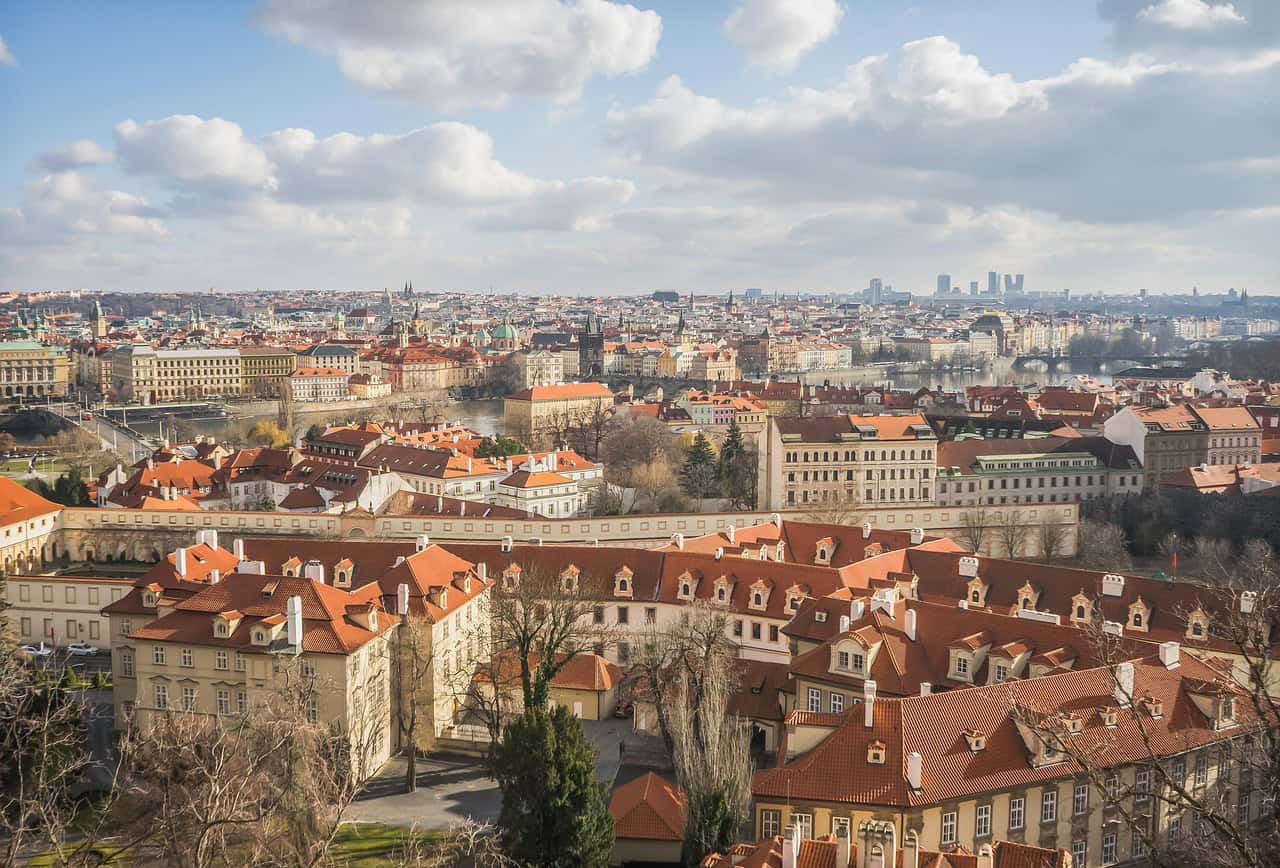
Prague welcomes around 8 million visitors each year, while its historic center has lost nearly 25% of its residents since 2000. Party tourism and short-term rentals dominate protest messaging, with locals blaming visitors for noise and rising rents. Demonstrations frequently target pub crawls and tour groups in Old Town. In response, the city introduced stricter nightlife regulations, yet residents argue tourism remains poorly controlled, ensuring protests continue during peak seasons.