We may earn money or products from the companies mentioned in this post. This means if you click on the link and purchase the item, I will receive a small commission at no extra cost to you ... you're just helping re-supply our family's travel fund.
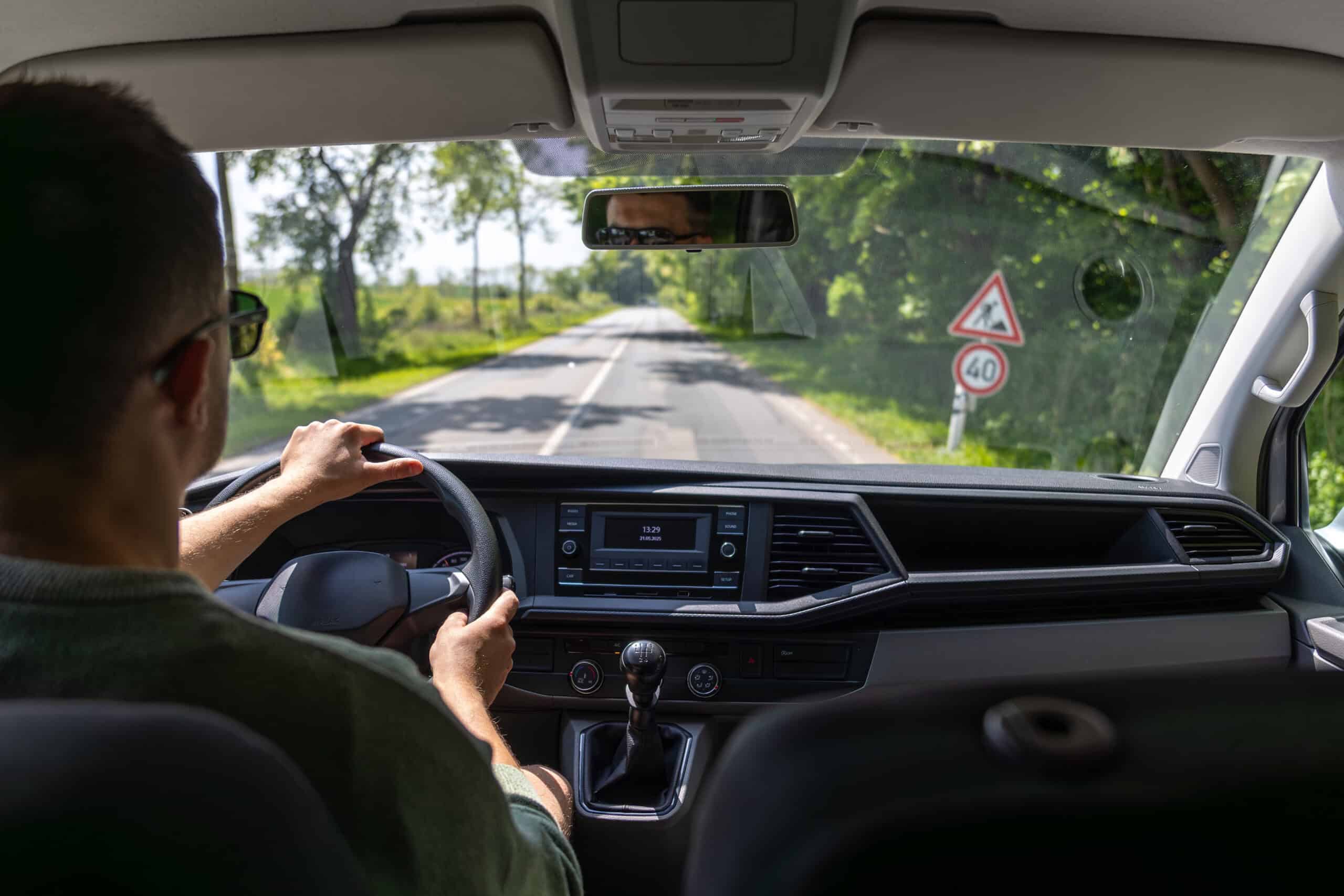
Across provincial highways and city streets, American drivers can encounter rules that differ sharply from home. These contrasts are less about stinginess than about local safety culture, weather realities, and legal particulars shaped over time. The gallery that follows highlights common driving behaviors that routinely draw fines in Canada, explaining why they matter and how small adjustments protect people and wallets alike. Each entry aims to inform without scolding, offering context that smooths cross-border travel and fosters safer roads.
Right Turns on Red Where Prohibited
/Unsplash
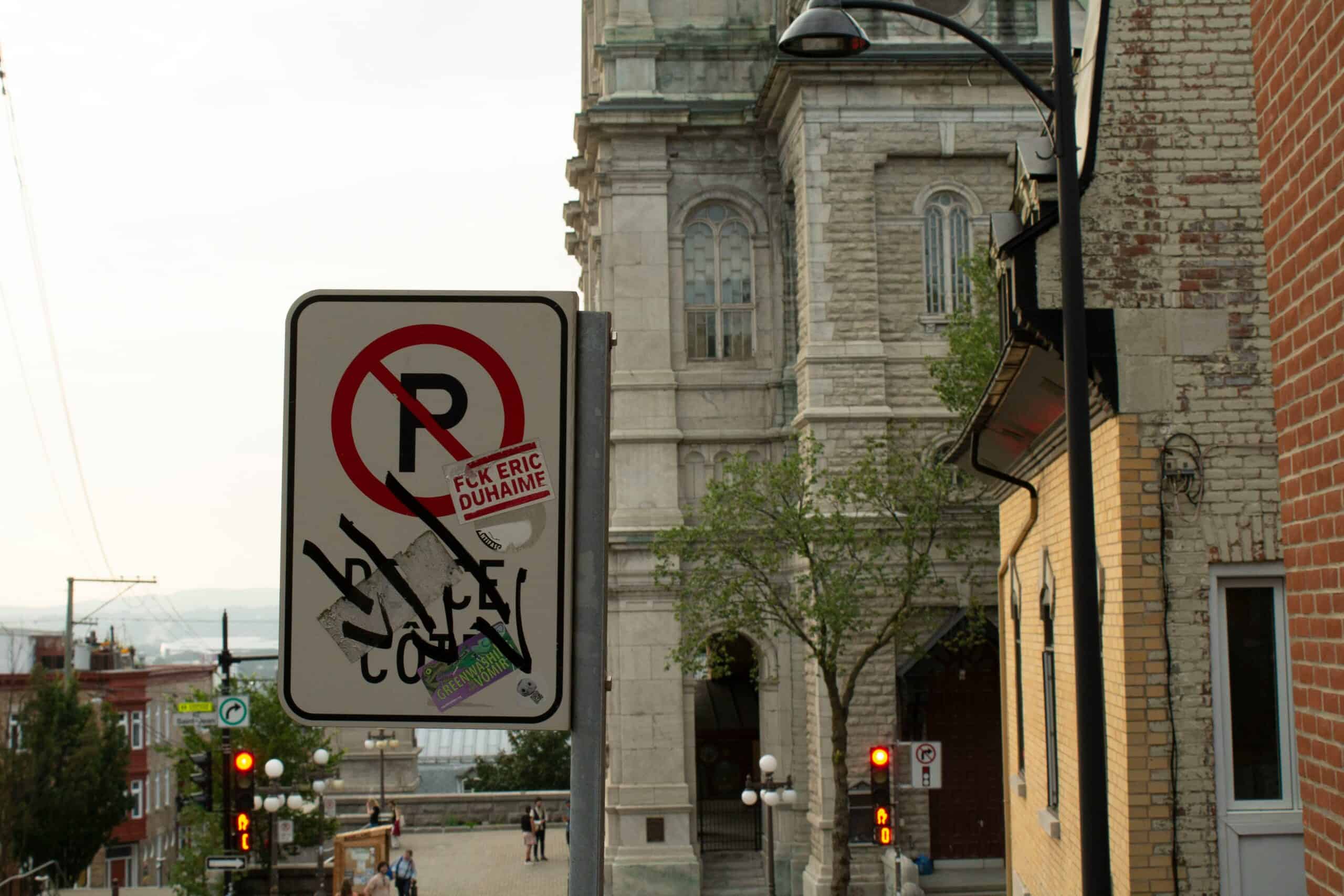
Many American drivers assume that right turns on a red light are universally allowed, yet in several Canadian provinces such turns are explicitly prohibited or limited to where signage permits them. Because intersections near schools, transit hubs, or complex junctions rely on strict signal timing to protect pedestrians and cyclists, enforcement treats unlawful right turns as a preventable danger rather than a trivial convenience. Local signage, painted arrows, and municipal bylaws often reinforce these prohibitions, so waiting for the green both avoids fines and prevents close calls.
Speeding on Rural Highways
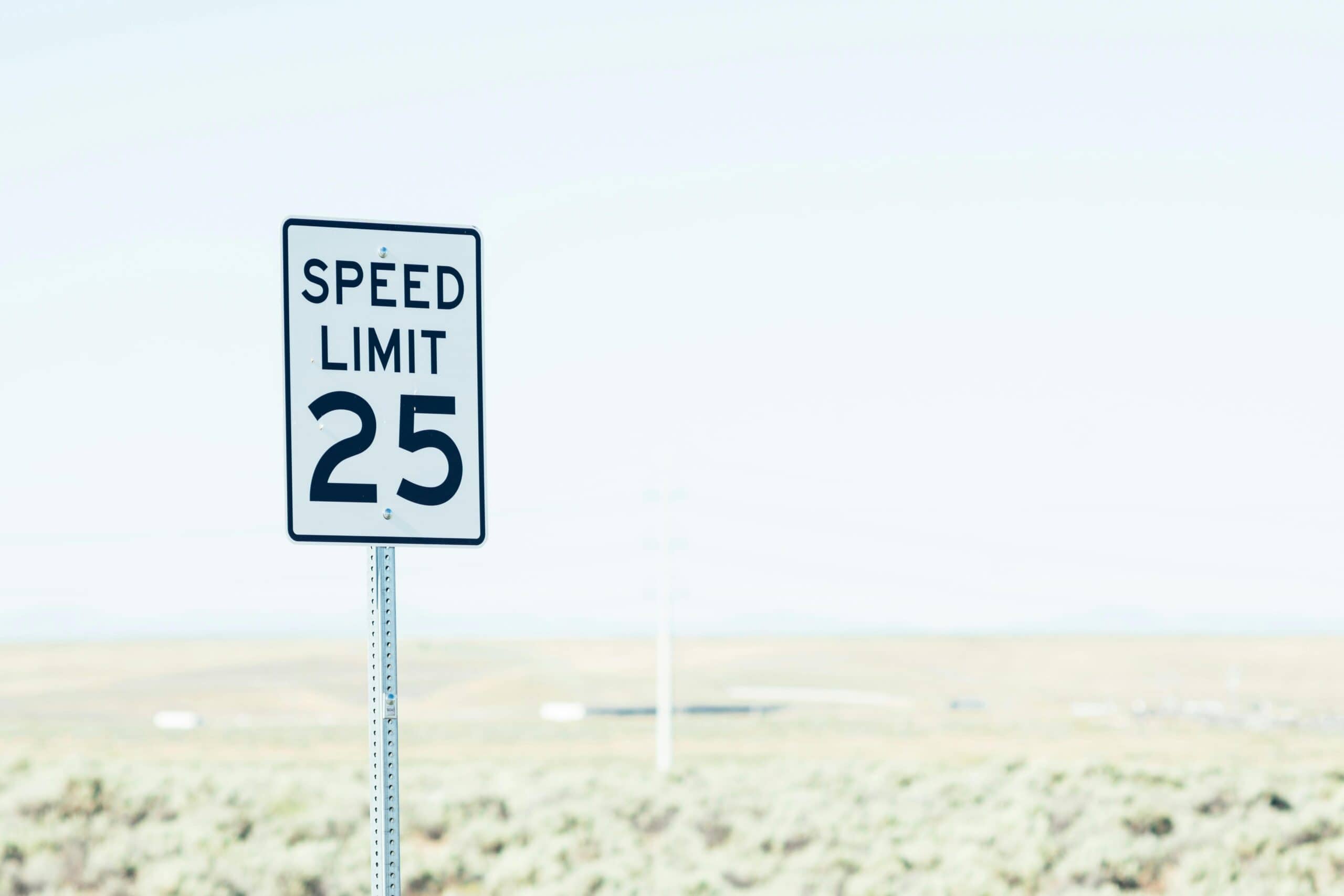
Speed limits on rural Canadian highways can feel conservative compared with open stretches in some U.S. states, and radar enforcement is often concentrated where wildlife crossings and variable weather raise real risks. Traveling just a few kilometres per hour over the posted limit can trigger a ticket, because authorities factor in stopping distance on wet or icy pavement and the higher lethality of collisions in remote areas. Enforcement priorities often follow crash data and community complaints, so matching the posted limit protects both licence points and local ecosystems.
Failing to Yield at Multiway Stops

At four-way or multiway stop signs, Canadian driving culture emphasizes the strict, first-come, first-served protocol, and hesitation or assumptions about courtesy can lead to citations for failing to yield. Officers write tickets when drivers edge forward without establishing right-of-way or when they force other motorists to brake abruptly, viewing clear yielding behavior as essential for intersection safety. These norms are reinforced by community expectations and traffic education campaigns, and decisive compliance reduces both fines and near-miss incidents.
Ignoring Winter Tire Rules
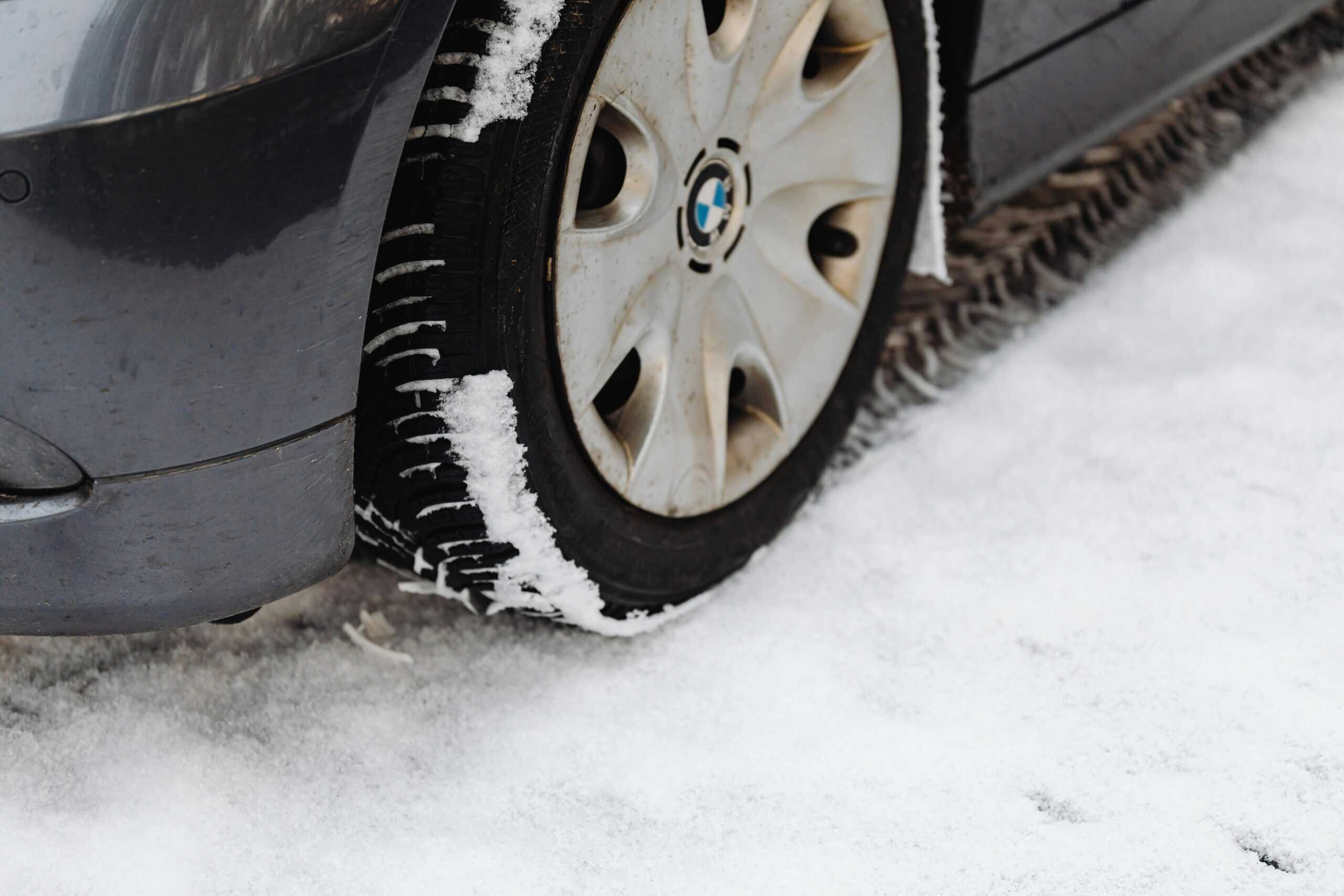
In several provinces, winter tire rules require drivers to fit certified winter tires during set months or when conditions demand them, and ignoring that mandate can lead to fines or denied claims after a collision. Authorities emphasize tread compound and siping designed for cold temperatures, because summer or all-season tires lose grip when temperatures fall below about seven degrees Celsius, increasing stopping distances. Compliance reduces both enforcement encounters and mechanical stress on vehicles during prolonged cold snaps, and it can influence insurance outcomes after a crash.
Using a Handheld Phone While Driving
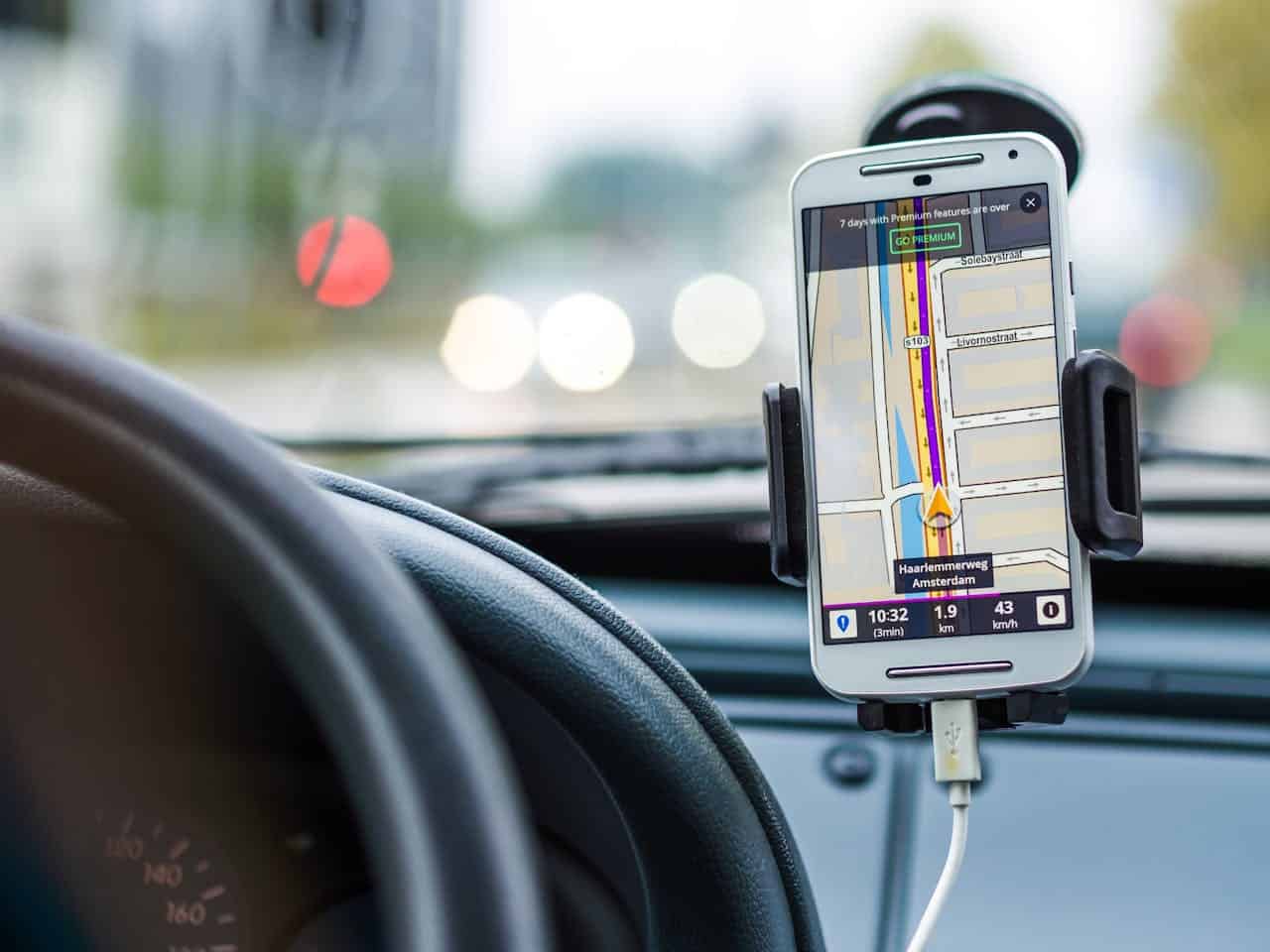
Using a handheld phone while driving is increasingly enforced across Canada, where laws often equate handheld use with distracted, dangerous driving and assign penalties accordingly. Police focus on drivers who text, dial, or hold the device while the vehicle is in motion, because even brief distractions dramatically raise crash risk; many regions allow hands-free systems but still demand attentive driving. The result is a predictable ticketing pattern where repeated offences escalate to larger fines and licence consequences.
Passing on the Right on Two-Lane Roads

Passing slower traffic on the right is legal on some multi-lane highways, but on two-lane rural roads it is often unsafe and prohibited, especially when the shoulder is narrow or unpaved. Canadian road engineers design passing zones and markings to indicate where overtaking is safe, and crossing a solid centre line or using the gravel shoulder to pass invites enforcement and steep fines. Respecting marked passing areas preserves sightlines and protects against encounters with wildlife, farm equipment, and oncoming vehicles.
Misreading School Bus Signals
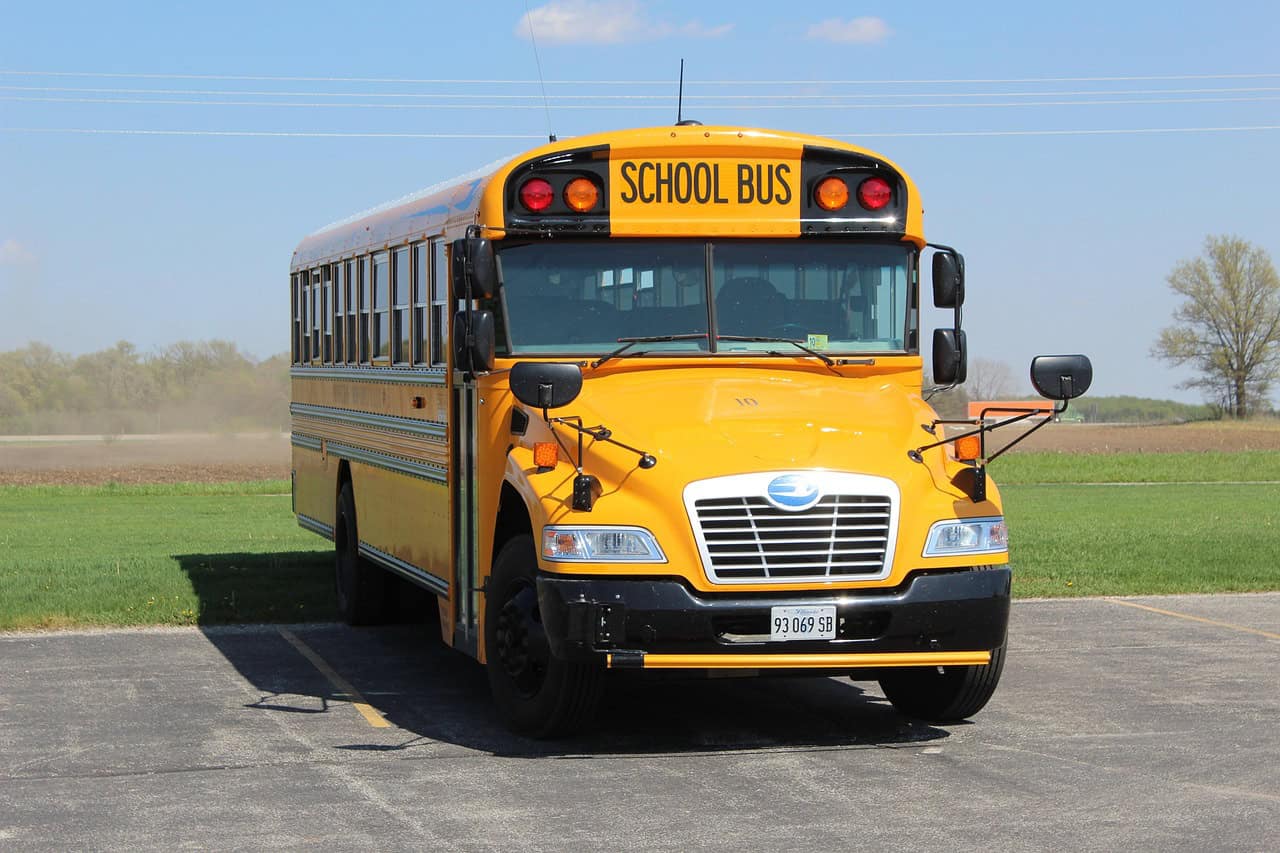
School bus laws in Canada can be stricter than in many U.S. states; when a bus displays flashing lights or an extended stop arm, drivers on both sides of the road may be required to stop, depending on road type and divider presence. Misreading the signals or attempting to pass a loading bus is prosecuted because children boarding or alighting can move unpredictably, and the margin for driver error is small. Enforcement aims to eliminate risky passing maneuvers near schools and residential streets, where the consequences are felt community-wide.
Parking in Reserved Or Accessible Spots
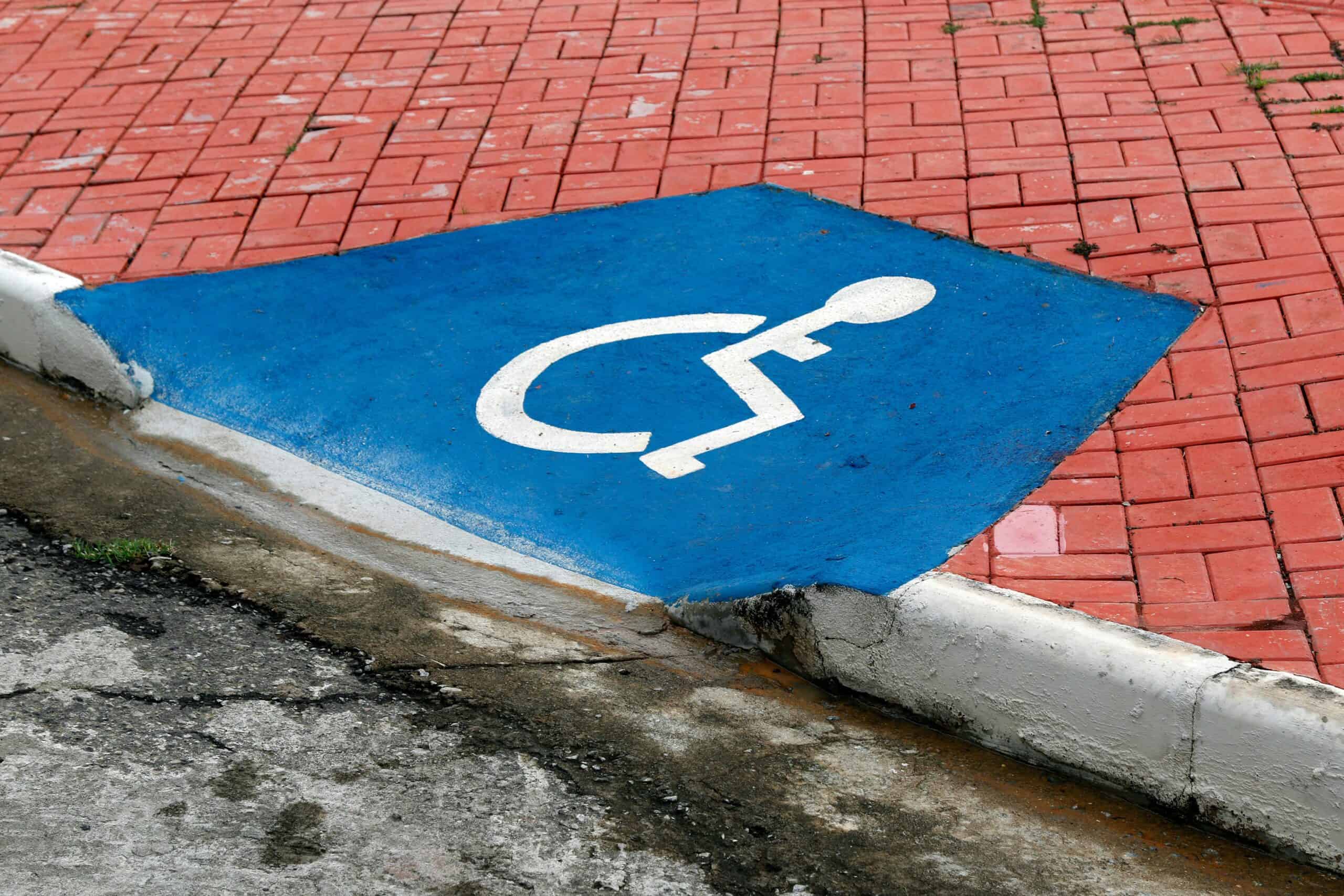
Parking in reserved or accessible spots without proper permits elicits not only fines but community censure, since Canada has strong accessibility standards enforced through both municipal bylaws and provincial statutes. Officers and parking attendants routinely ticket vehicles that misuse designated spaces, and some municipalities levy tow-away fees or administrative penalties on repeat offenders. Compliance signals respect for mobility needs and avoids confrontations at busy retail centres and public spaces.
Failing to Obey Cycling Infrastructure

Cycling infrastructure, from painted lanes to protected tracks, carries rules that motorists sometimes misunderstand, and violating them can draw fines for obstructing cyclists or unsafe lane changes. Cities with dense bike networks protect cyclists with clear markings and priority rules at intersections; motorists who stop in lanes, make wide turns without clearance, or fail to yield face citations tied to collision prevention. Observing lane markings and giving space to nonmotorized road users reduces both legal risk and social friction in urban cores.
Driving Without Proper Proof of Insurance

Driving without proof of valid insurance at hand or operating a vehicle with expired coverage is treated seriously by Canadian police, and fines can be swift and severe, sometimes including vehicle impoundment. Because insurance systems and interprovincial verification tools vary, officers may request documentation during traffic stops, and failure to produce it often triggers administrative penalties beyond the base fine. Maintaining updated, accessible proof of coverage avoids costly legal headaches and ensures smoother interactions during incidents.
Not Understanding Lane Discipline
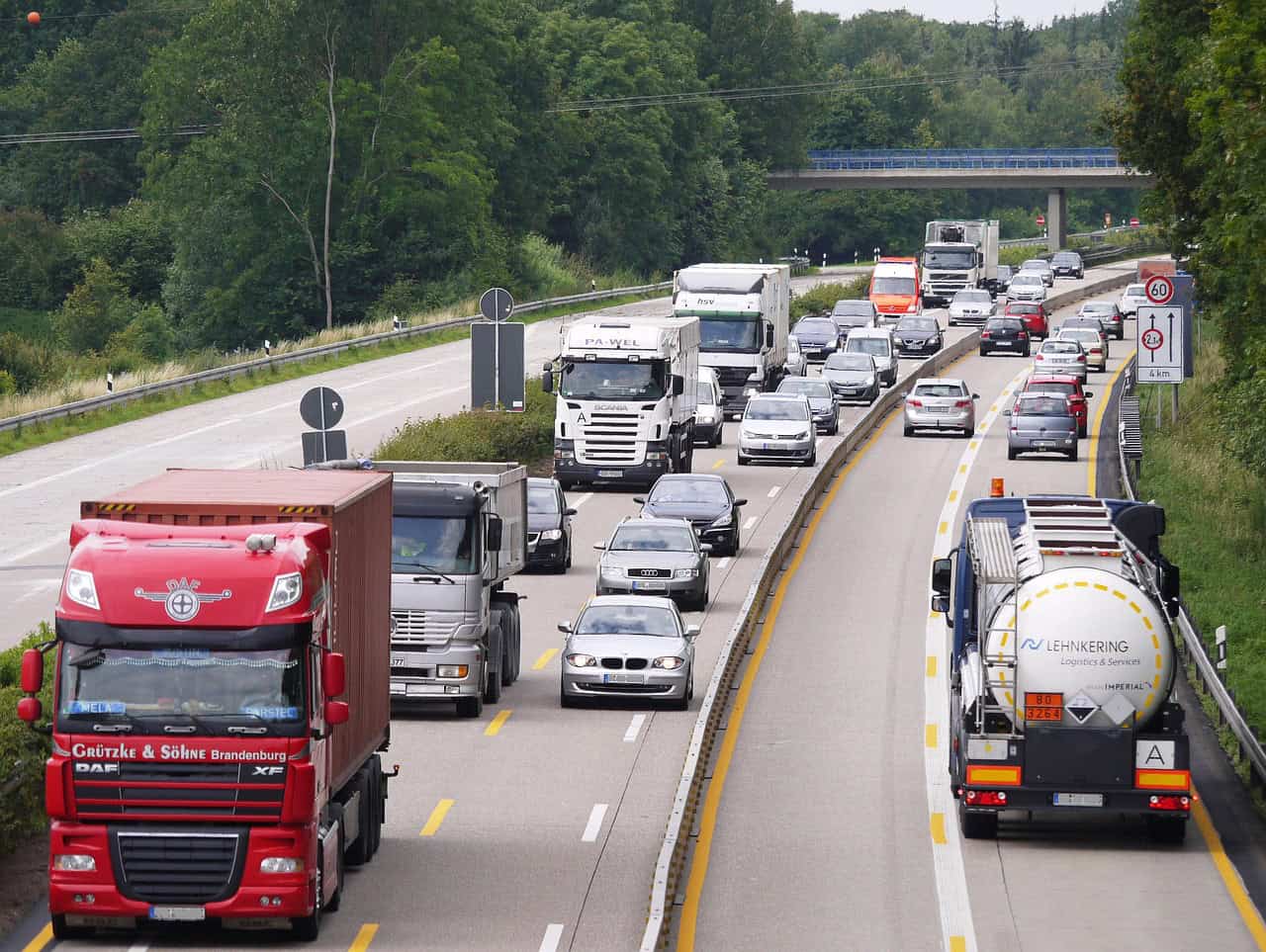
Lane discipline on multilane roads, especially in urban areas and on controlled-access highways, is enforced to keep traffic flowing and reduce dangerous lane changes; drifting between lanes or blocking the passing lane can lead to fines. Traffic engineers in Canadian cities design lanes for steady throughput, and enforcement focuses on drivers whose behavior causes sudden braking or weaving, which are leading contributors to chain-reaction crashes. Adhering to lane signage and using turn signals clearly communicates intent, preventing citations tied to careless or obstructive driving.
Improper Use of Headlights in Fog or Snow
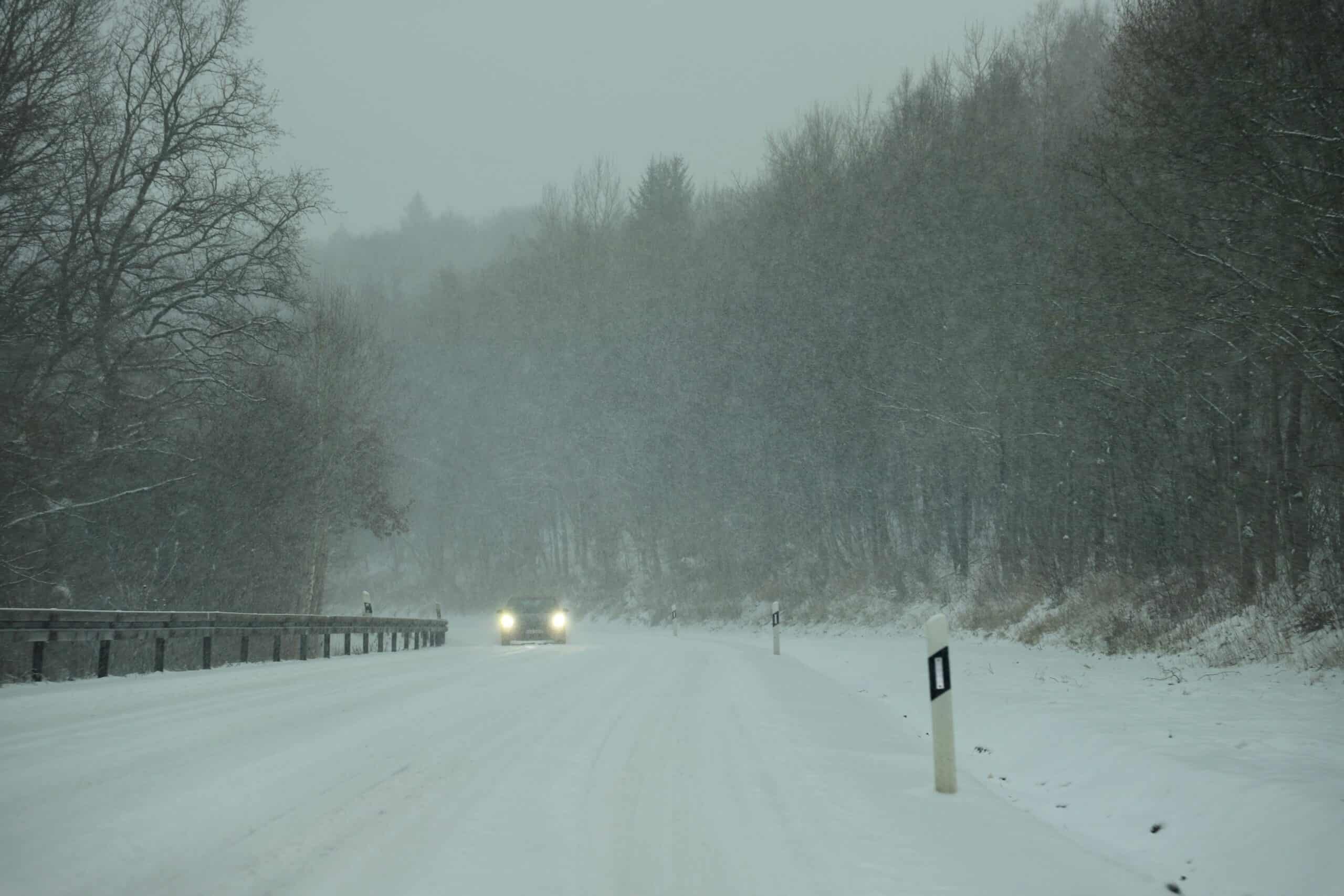
In fog, heavy snow, or blowing spray, improper use of headlights — such as using high beams in conditions that reflect back at the driver — can be penalized because they reduce visibility for others. Canadian rules stress appropriate illumination: low beams or fog lights when conditions warrant, and automatic headlamp use where required by provincial law; misuse is both a safety and enforcement concern. Proper lighting choices improve sightlines for everyone and avoid tickets that arise from callous or uninformed headlight use.