10 Countries Introducing New Entry Fees Specifically for U.S. Tourists
We may earn money or products from the companies mentioned in this post. This means if you click on the link and purchase the item, I will receive a small commission at no extra cost to you ... you're just helping re-supply our family's travel fund.

For decades, Americans moved through a familiar circle of welcoming countries with little friction beyond a quick stamp. That ease has not disappeared, but it has thinned. Across 2025 and 2026, more places are adding paid digital authorizations, advance screening, or mandatory online filings that function like entry fees, even when a traditional visa is not required. The amounts are usually modest. The impact is not. Spontaneous trips now start with forms, fees, and airline check-in systems that decide eligibility before the traveler ever reaches a border desk.
Spain

Spain’s border welcome will feel familiar, but the front-end work will change once ETIAS launches in the last quarter of 2026. Americans will need to file an online authorization, answer screening questions, and pay a €20 fee before flying, and the approval is expected to stay valid for 3 years or until the passport expires. The real shift is where the trip can fail: a typo in passport details, a last-minute submission, or a forgotten renewal can be caught at check-in, turning a simple Barcelona-to-Seville plan into canceled tickets, lost deposits, and hours spent fixing paperwork instead of catching trains.
France

France will sit under the ETIAS rulebook too, adding a €20 authorization fee and a pre-trip screening step for U.S. passport holders once the system goes live in late 2026. Authorization is expected to cover multiple entries for up to 3 years, yet the first application still forces travelers to lock in identity details early and keep them consistent across bookings. It reads like minor admin until it goes wrong, because the first hard stop is often the airline’s system; no approval, wrong passport number, or mismatched name can mean no boarding, even for a quick Paris weekend planned around museum slots and train timetables.
Italy

Italy’s change is also ETIAS, and it quietly rewrites how Americans build short stays across cities, islands, and last-minute side trips. A €20 fee and online authorization become part of the packing list, and the approval is meant to cover multiple entries for up to 3 years, which matters for repeat trips to Rome, Milan, Naples, and beyond. What used to be a casual add-on now needs lead time, since the first Schengen airport becomes the gatekeeper for the whole itinerary, and a missed authorization can break connecting flights, rail reservations, and timed museum tickets in one chain reaction.
Germany

Germany’s participation in ETIAS means the old passport-only rhythm will fade once the system begins in late 2026. Americans will pay the €20 fee and submit an online application in advance, creating a record that airlines can check before departure and border officers can validate on arrival, with approval expected to last up to 3 years. For a country that runs airports on tight timing, pre-clearance promises steadier queues; for travelers, it creates a new failure point, because a small data mismatch, expired passport, or late submission can stop a trip long before Frankfurt baggage claim or a connecting ICE train.
Greece

Greece will also require ETIAS for Americans visiting for short stays, along with the €20 authorization fee that comes with advance screening once the system starts in late 2026. In places where summer crowds already strain ferries, narrow streets, and small airports, the policy is framed as management: screen visitors early, reduce arrival bottlenecks, and keep pressure from spilling into local life. The friction is quiet but real, because compliance is checked long before Athens; a late application or typo can ripple into missed ferries, lost deposits, and a vacation that never reaches the departure gate.
Switzerland

Switzerland is outside the EU, but it is in Schengen, so ETIAS still applies once it launches in the last quarter of 2026. Americans will pay the €20 fee, submit authorization details online, and rely on that approval as the invisible key for short stays in Zurich, Geneva, Interlaken, and alpine villages, with validity expected to run up to 3 years. It is a small charge in an expensive country, yet it adds a serious dependency: a carefully timed rail plan can hinge on digital clearance, and a denial or mistake can waste prepaid trains, hotel deposits, and nonrefundable lift tickets, even when everything else about the trip is set.
Czech Republic

The Czech Republic will fall under ETIAS as well, requiring Americans to obtain authorization and pay the €20 fee before travel across the Schengen zone. Prague’s popularity makes the logic easy to spot: move screening upstream, keep border halls from turning into hour-long slow crawls, and standardize entry for visa-free visitors across Europe. For travelers, the fee is rarely the problem; the problem is that one missing approval at the first Schengen checkpoint can collapse a multi-country itinerary, wiping out onward bookings to Austria or Hungary before a single cobblestone street ever comes into view.
United Kingdom

The United Kingdom is rolling out its own Electronic Travel Authorisation, and Americans will need it even for short visits and many transits that pass through UK passport control. Official guidance sets the ETA fee at £16, and the UK says it will require U.S. travelers to have one starting Feb. 25, 2026, which makes airline check-in the real gate, not the arrival desk. The form may take minutes, but the rule is strict: no ETA can mean no boarding pass, and a missed deadline can turn a simple London stopover into rebooked flights, extra hotel nights, and a very expensive administrative oversight.
Kenya
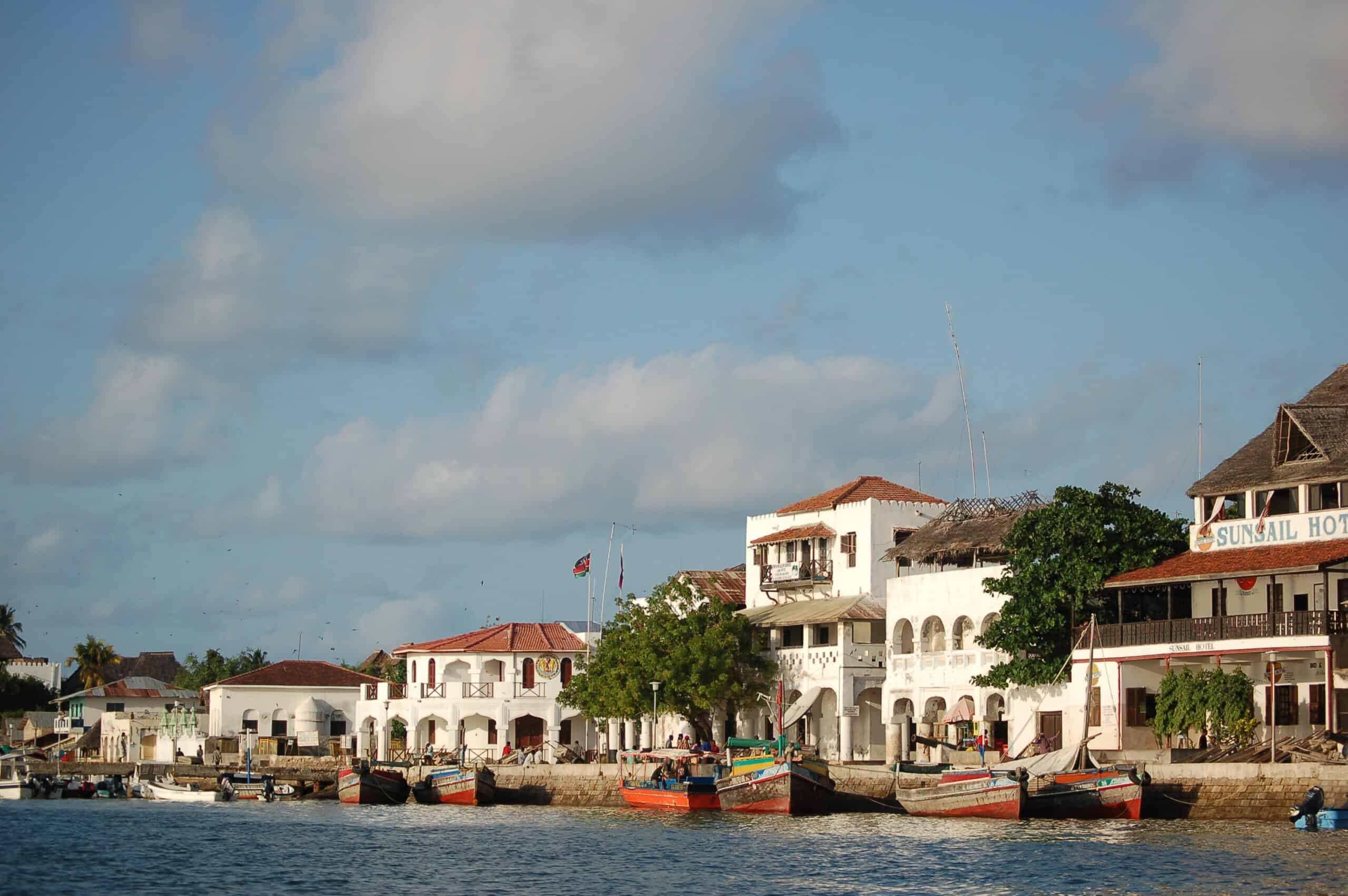
Kenya now requires most visitors, including infants and children, to secure an electronic travel authorization before starting the journey, shifting control from the arrival desk to the departure airport. The government’s immigration site emphasizes approval before travel and notes processing within 3 working days, while widely cited immigration guidance pegs the standard fee at about USD $30. The tone is welcoming, but the enforcement is firm: if the authorization is not in place, the airline can block boarding, and a safari schedule built around park permits, lodge check-ins, and short domestic flights can unravel before it reaches Nairobi.
Israel

Israel has added ETA-IL for travelers from visa-exempt countries, including the United States, turning short visits into a pre-screened, paid step completed before departure. U.S. citizens are required to obtain ETA-IL starting Jan. 1, 2025, and official sources list the application fee as 25 NIS, with validity typically up to 2 years or until the passport expires. It keeps the border experience polite, but it reduces spontaneity, because a quick Tel Aviv visit now depends on online clearance that airlines can verify before boarding, and a delay in approval can force travelers into reroutes, missed meetings, or a canceled family stopover.