We may earn money or products from the companies mentioned in this post. This means if you click on the link and purchase the item, I will receive a small commission at no extra cost to you ... you're just helping re-supply our family's travel fund.
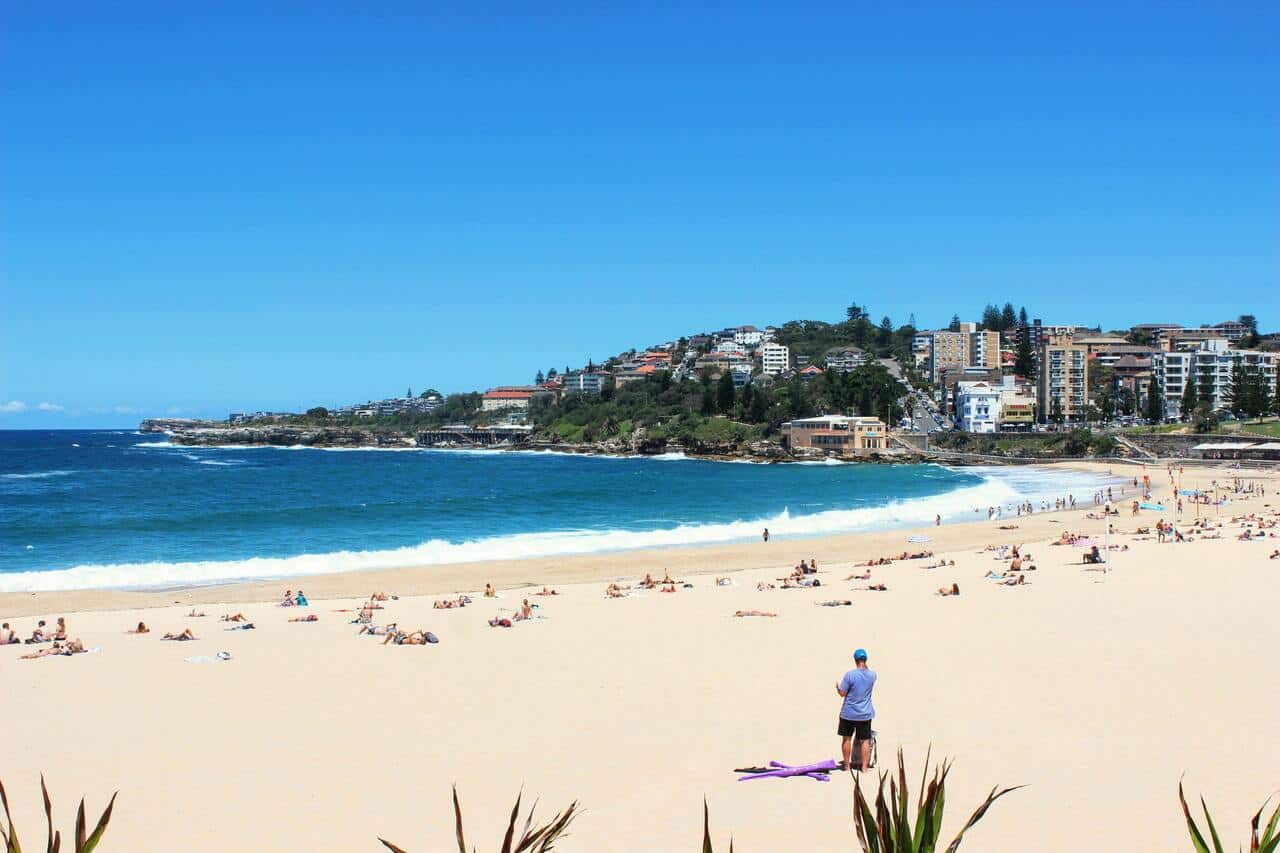
Childhood beach holidays were usually shaped by convenience, not curiosity. Families returned to familiar coastlines, predictable hotels, and well-marked shores, rarely wandering far enough to stumble upon quieter alternatives. Scattered across the world, however, were beaches that stayed hidden behind cliffs, forests, and long walks places too remote, too quiet, or too inconvenient to appear on standard vacation plans. These shores rewarded effort with space, calm, and memory-making magic. Had you found them back then, your idea of summer might feel very different today.
1. Butterfly Beach, Goa, India
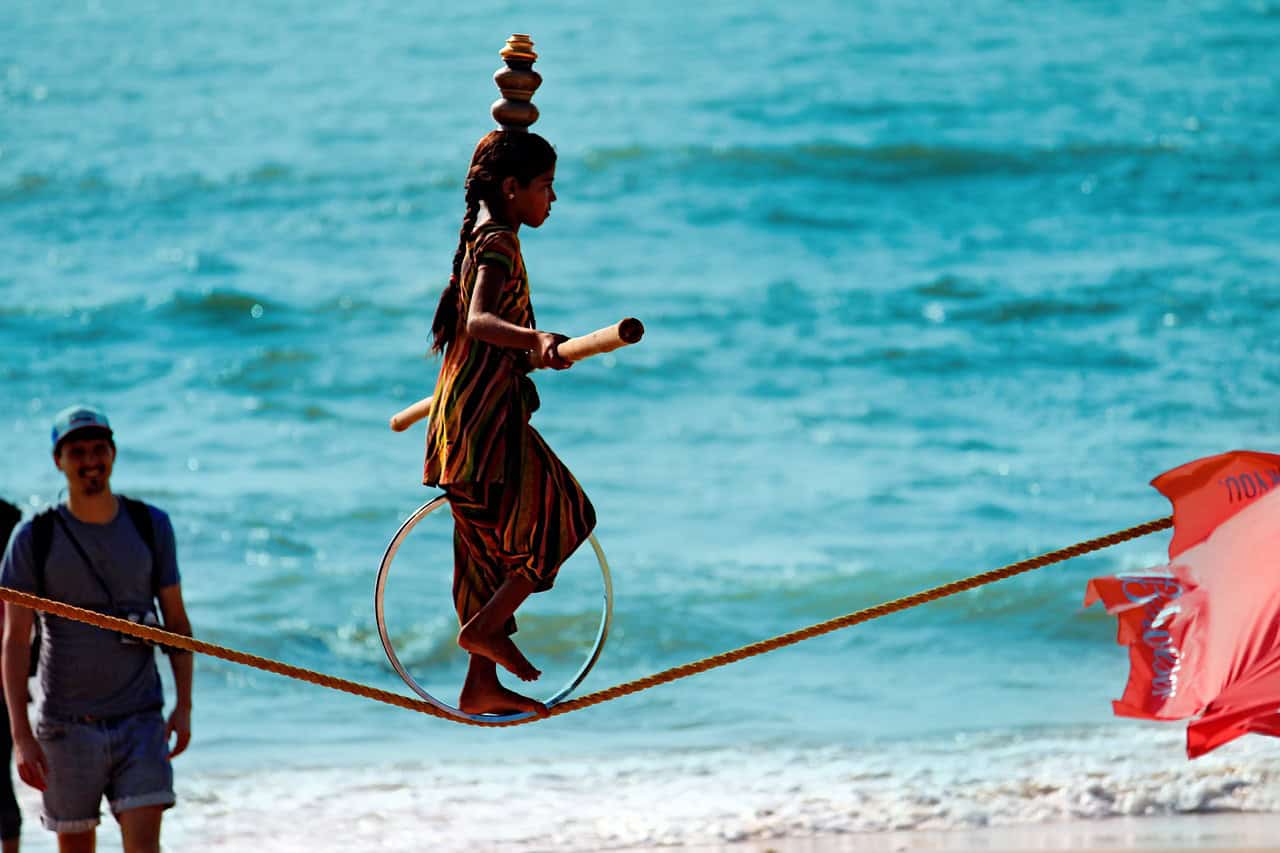
Butterfly Beach lies south of Palolem and remains unreachable by road, which is why most family trips skipped it entirely. Access requires a 20–25 minute boat ride or a forest hike of roughly 1.5 km. The beach stretches only about 120 meters, forming a perfect crescent enclosed by cliffs that block noise and crowds. Sea temperatures average 28°C year-round, making swimming gentle and safe. During low tide, small rock pools appear, often filled with fish and crabs. As a child, this beach would have felt like a private discovery; quiet, colorful, and untouched by vendors or traffic.
2. Cala Figuera, Mallorca, Spain
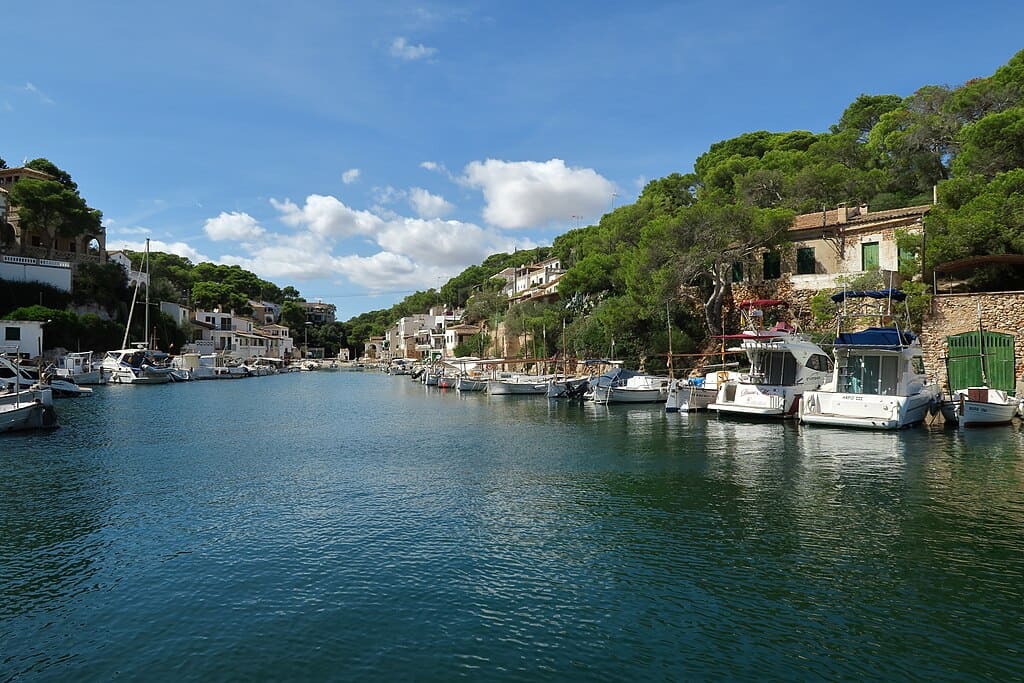
Cala Figuera is technically a fishing inlet rather than a classic beach, which kept it off most childhood itineraries. Located 56 km from Palma, it offered no wide sandbanks, only flat stone edges leading into crystal-clear water. Depth increases gradually, reaching 3 meters close to shore, ideal for confident swimmers. Summer water temperatures hover around 24°C, while boat traffic remains minimal due to the narrow channel. Children here would have spent hours watching fishermen, diving from rocks, and exploring calm coves instead of navigating crowded resort beaches nearby.
3. Agonda Beach, Goa, India
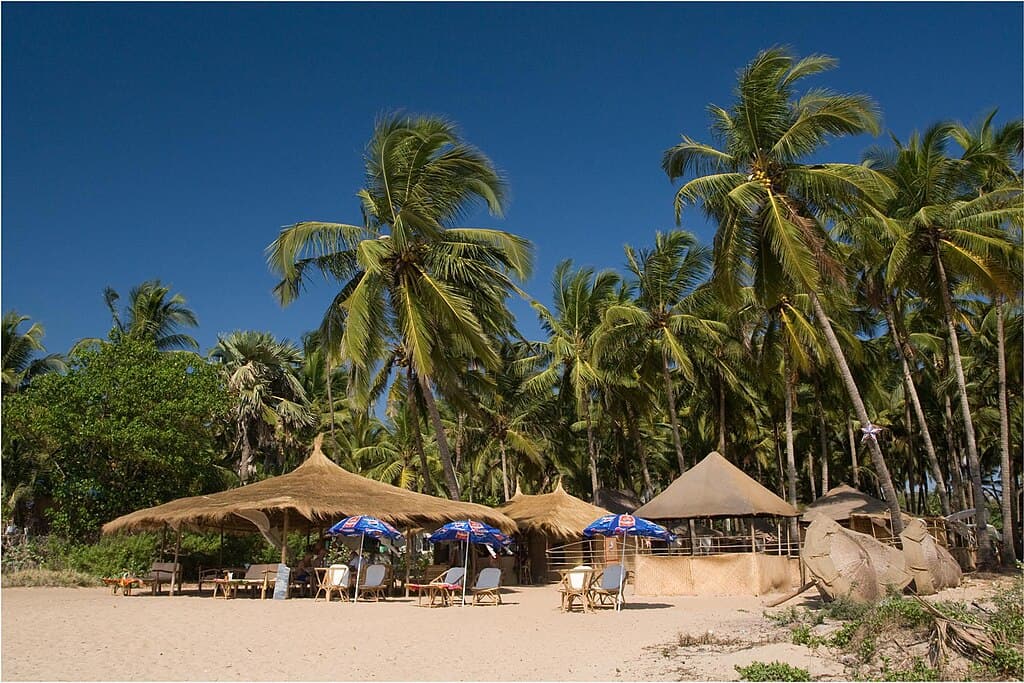
Agonda stretches nearly 3 km along South Goa’s coastline, yet for decades it stayed remarkably quiet. Located 10 km from Canacona, it lacked resorts and loud beach activity during most family travel years. The shoreline slopes gently, with average wave heights under 0.5 meters during summer months. Water temperatures sit around 27–29°C, ideal for long swims. Olive ridley turtles often nest here between September and March, a rare sight for children. Childhood days at Agonda would have been slow and spacious, defined by sunsets rather than schedules.
4. Hidden Beach, Marieta Islands, Mexico
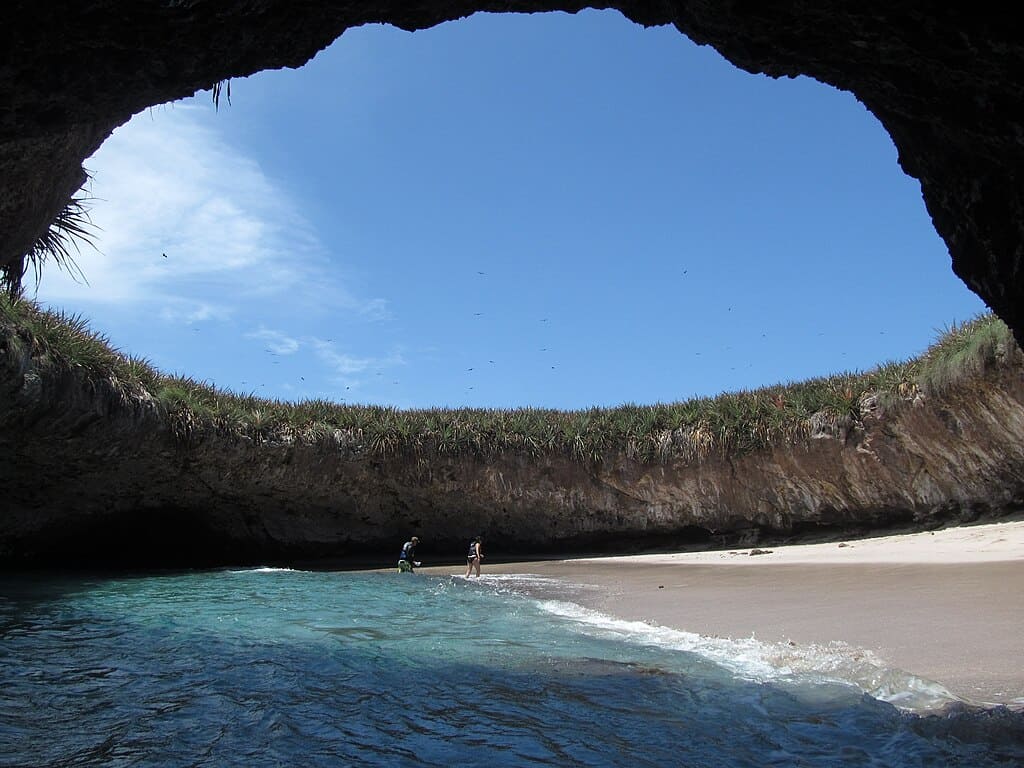
Hidden Beach, also known as Playa del Amor, remained unknown for generations due to its unusual access. Located 48 km off Puerto Vallarta, it can only be reached by swimming through a 25-meter tunnel at low tide. The sandy area measures roughly 90 meters across, surrounded entirely by rock walls. Water temperatures average 26°C, and waves remain mild due to the crater’s shape. For a child, entering this beach would have felt like uncovering a secret world; sunlit, enclosed, and far removed from ordinary seaside experiences.
5. Sandwood Bay, Scotland
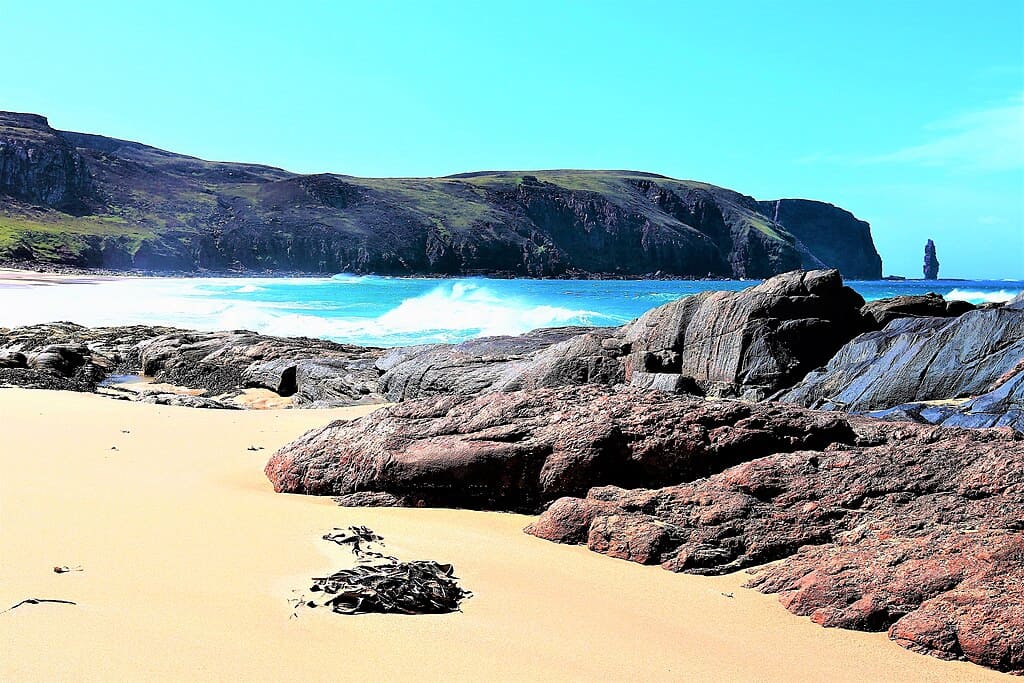
Sandwood Bay sits on Scotland’s northwest coast and requires a 6.5 km walk across open moorland, discouraging most families. The beach itself spans nearly 1.6 km, backed by dunes rising up to 20 meters high. Summer water temperatures rarely exceed 14°C, but the sand remains surprisingly soft. No buildings, roads, or shops exist nearby. Childhood visits here would have felt wild and cinematic, running against strong winds, exploring vast empty space, and learning that beaches could be powerful rather than playful.
6. Bangaram Island Beach, Lakshadweep, India
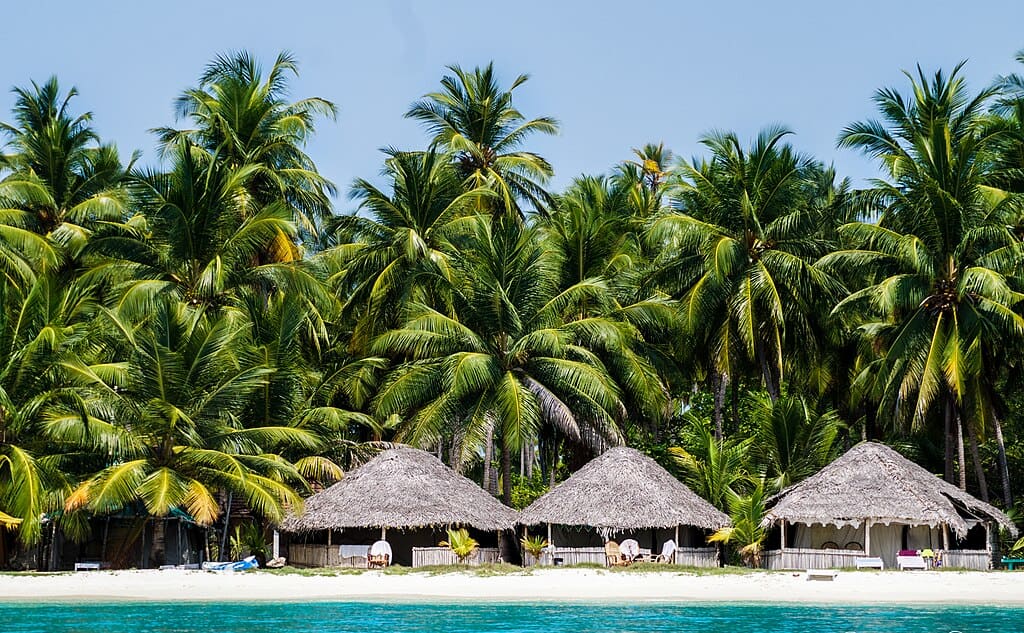
Bangaram Island covers just 1.2 square kilometers, which kept it largely off family travel maps. Surrounded by a shallow lagoon averaging 1–1.5 meters in depth, it offered exceptionally safe swimming conditions. Coral reefs begin only 30–40 meters from shore, hosting over 100 fish species. Sea temperatures stay near 28°C throughout the year. With no permanent residents and limited accommodation, childhood days here would have been uninterrupted; barefoot mornings, clear water visibility up to 20 meters, and nights lit only by stars.
7. Plage de l’Ostriconi, Corsica, France
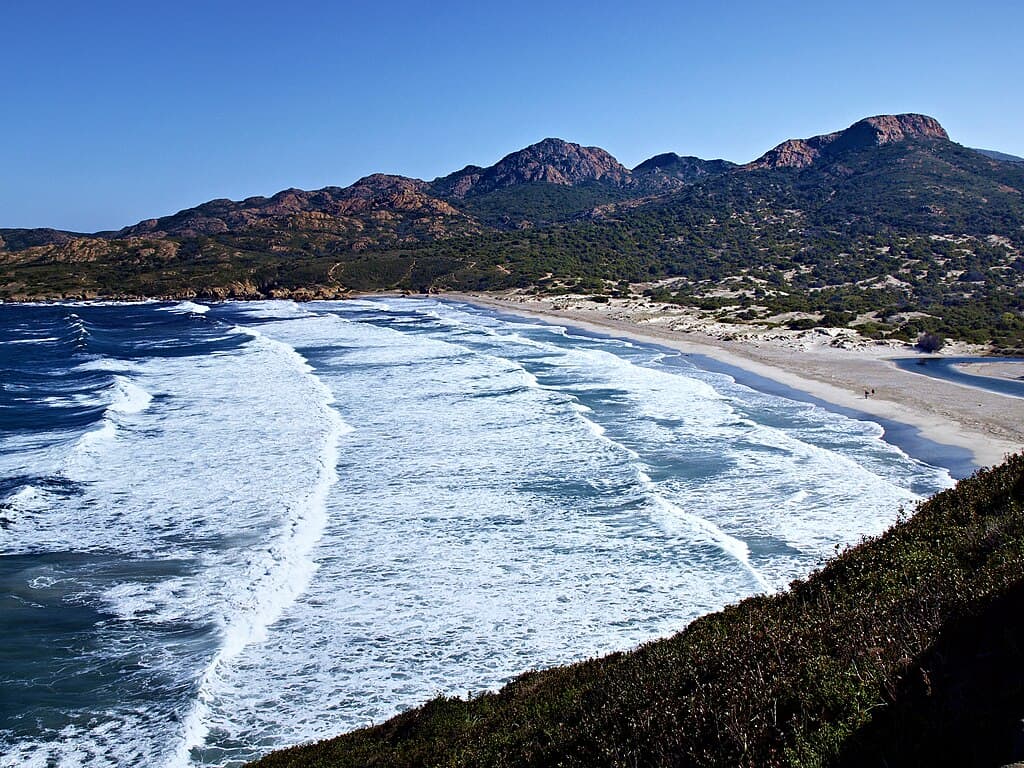
Plage de l’Ostriconi lies in northern Corsica, about 15 km from L’Île-Rousse, hidden behind wetlands and low hills. Reaching the sand requires crossing a shallow river and walking roughly 10 minutes, enough to deter casual visitors. The beach stretches 700 meters, with shallow waters warming to 23–25°C in summer. Winds remain low, making waves gentle. For children, this beach would have offered space to roam, explore dunes, and swim safely without the pressure or noise of organized beach tourism.
8. Nyang Nyang Beach, Bali, Indonesia
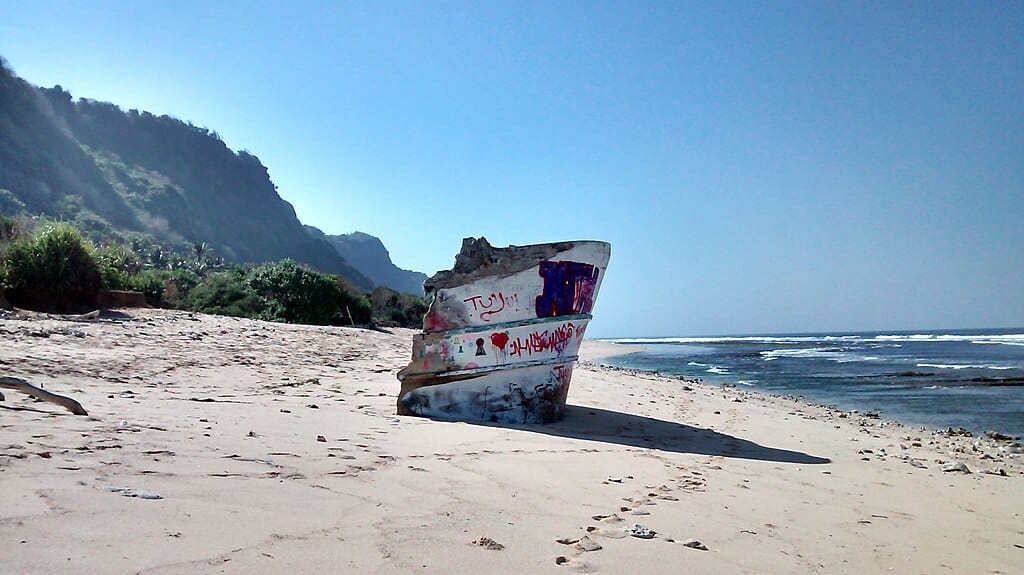
Nyang Nyang Beach is located beneath steep cliffs in southern Bali, accessible only via a 500-step descent. The beach runs nearly 1.5 km long, remaining largely empty even during peak season. Water temperatures average 27°C, though currents can be strong beyond the shore break. Driftwood often lines the sand, creating natural play structures. Childhood time here would have meant endless running space, kite flying, and exploration rather than shops or crowds, making the beach feel more like a secret playground than a destination.
9. Keem Bay, Achill Island, Ireland
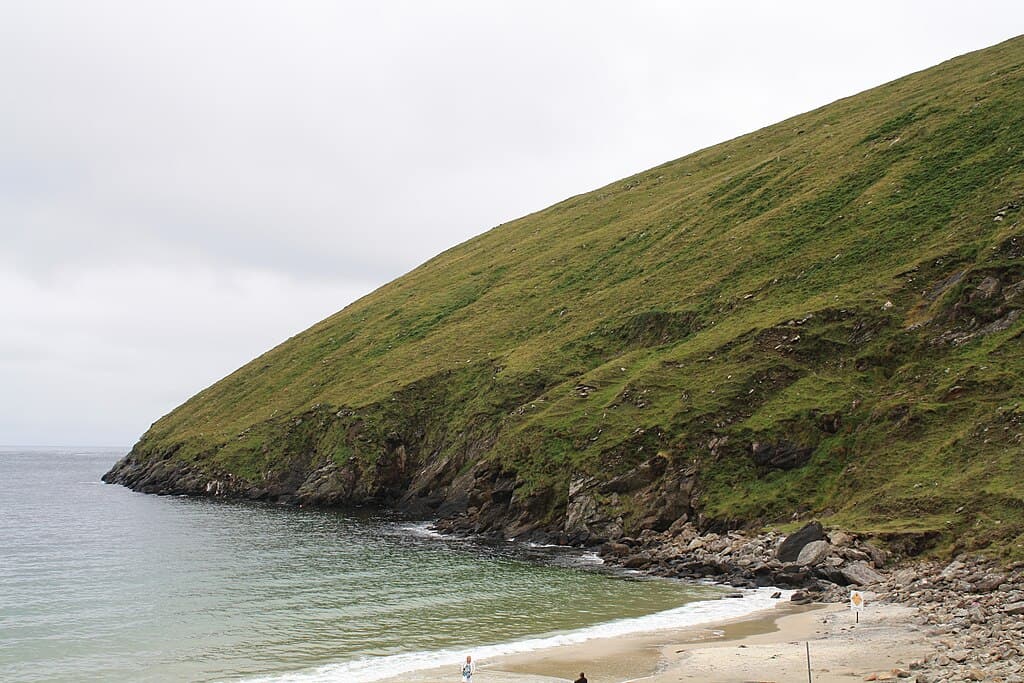
Keem Bay sits at the western edge of Achill Island, 4 km from the nearest village. The horseshoe-shaped beach spans about 300 meters, enclosed by steep green cliffs. Summer water temperatures reach only 15–16°C, but visibility is high on calm days. Seals frequently appear near the shore, often within 20 meters. Childhood summers here would have felt adventurous, cool swims, dramatic scenery, and wildlife encounters replacing the predictable rhythm of warmer, busier beaches.
10. Playa de Gulpiyuri, Asturias, Spain
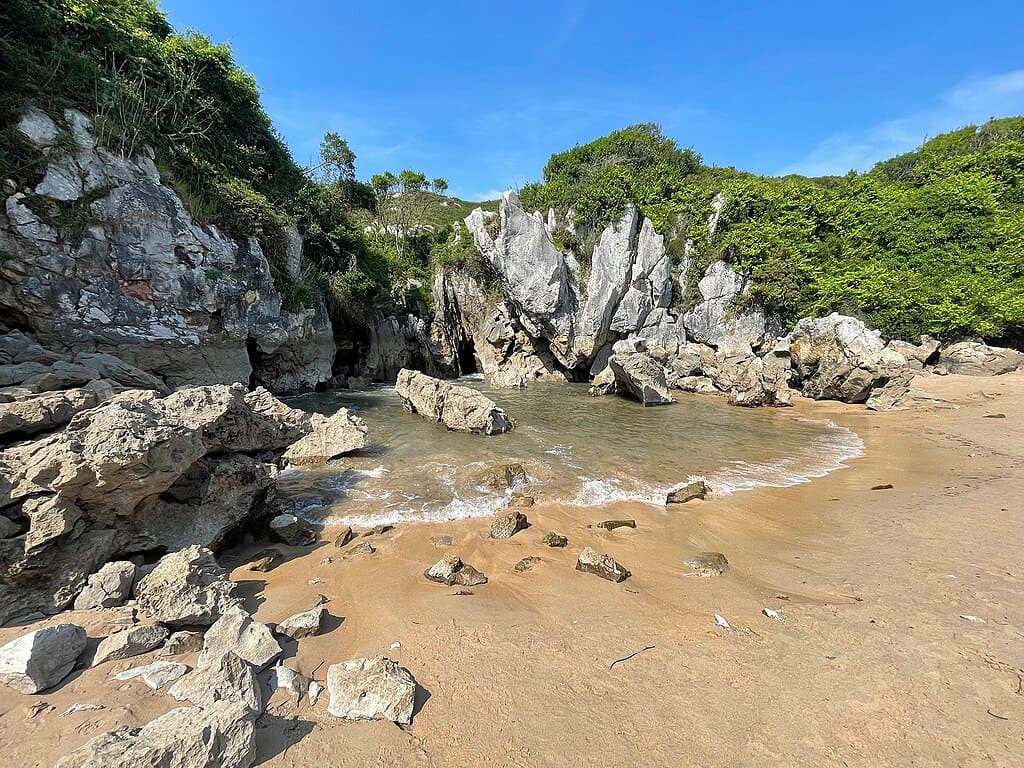
Playa de Gulpiyuri is one of Europe’s rare inland beaches, located nearly 100 meters from the visible coastline. Measuring just 40 meters wide, it connects to the sea through underground limestone tunnels. Water flows in gently during high tide, with summer temperatures around 22°C. Because it lacks direct ocean views, families often overlook it. For children, discovering waves appearing in a grassy field would have felt magical proof that nature could still surprise even during ordinary summer holidays.
11. Kvalvika Beach, Lofoten Islands, Norway
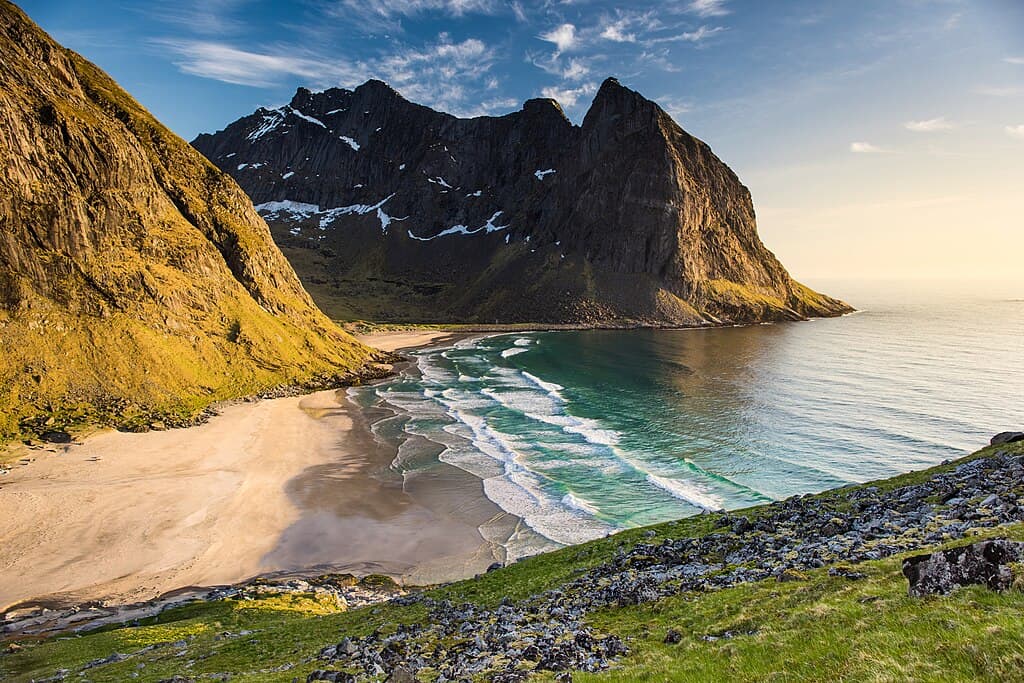
Kvalvika Beach is reached by a 3 km mountain hike on Moskenesøya island, keeping it off most family routes. The beach spans 800 meters, framed by granite peaks rising over 400 meters high. Summer water temperatures average 12°C, while air temperatures rarely exceed 15°C. During June and July, the midnight sun allows nearly 24 hours of daylight. Childhood memories here would have been intense and vivid golden sand under cold skies and a sense of being far beyond the familiar world.
12. Cola Beach, South Goa, India
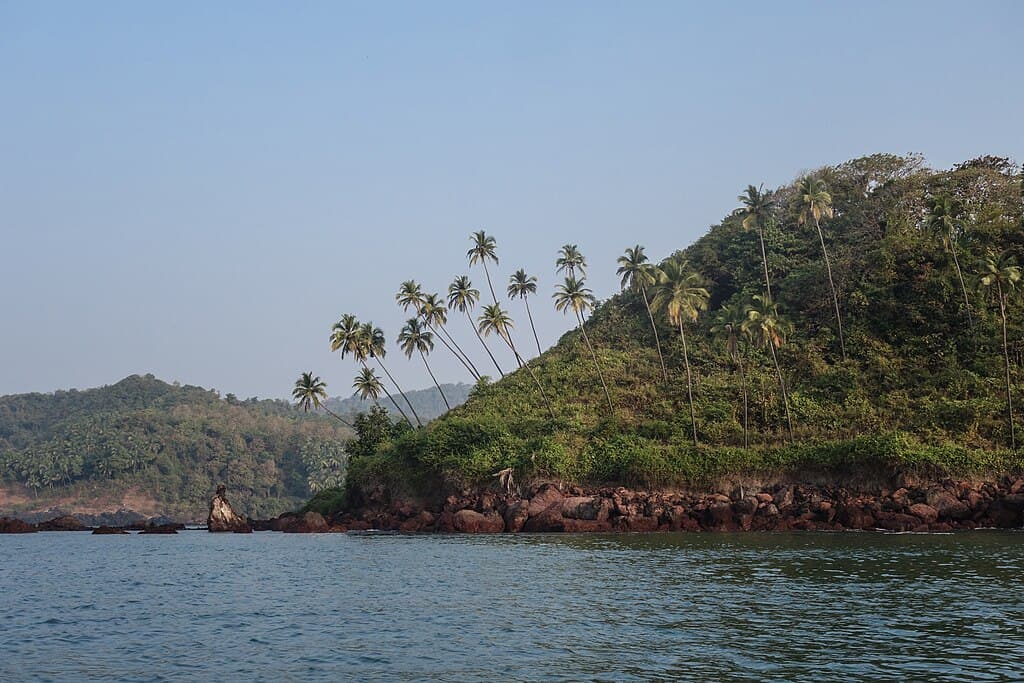
Cola Beach sits 7 km from Agonda and remains difficult to access due to steep, unpaved roads. The beach itself stretches about 300 meters, backed by a freshwater lagoon roughly 150 meters long. Lagoon depth averages under 1 meter, making it ideal for children. Sea temperatures reach 29°C in summer, while the lagoon stays slightly cooler. Childhood days here would have felt endlessly safe switching between saltwater and freshwater, playing without crowds, and ending evenings in complete silence.