We may earn money or products from the companies mentioned in this post. This means if you click on the link and purchase the item, I will receive a small commission at no extra cost to you ... you're just helping re-supply our family's travel fund.
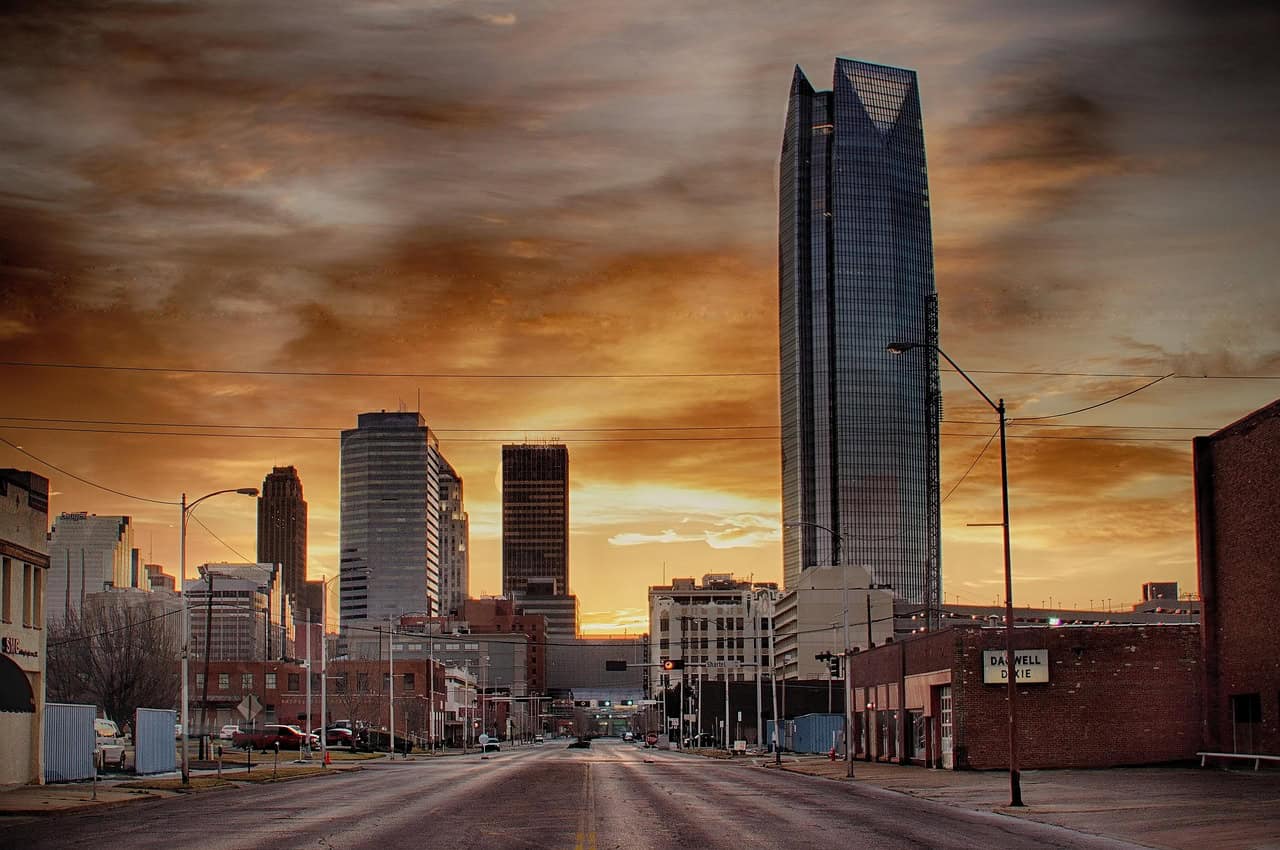
Not every trip delivers fireworks. Some cities feel subdued, especially if you arrive expecting nonstop action, iconic skylines, or buzzing nightlife. That does not make them bad places to live; it simply means visitors sometimes struggle to fill an itinerary. Below is a carefully detailed look at 12 American cities that are frequently labeled “boring” by travelers. Each section explains why that reputation exists, using population figures, climate data, or tourism patterns to add context.
1. Topeka
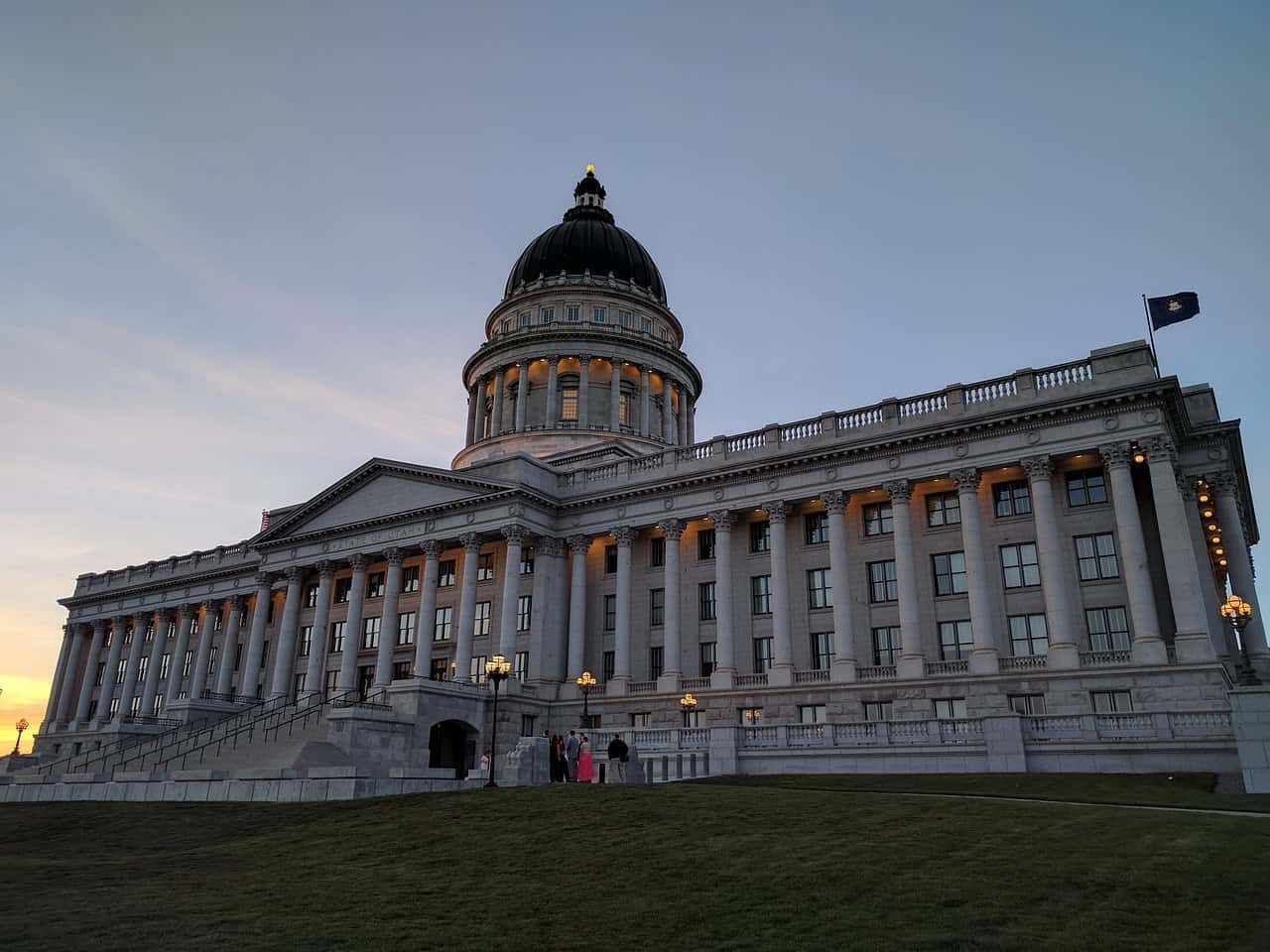
With roughly 125,000 residents, Topeka functions primarily as Kansas’s government center rather than a leisure hub. The skyline is modest, and many downtown blocks quiet down after 6 p.m., especially outside legislative sessions. Annual rainfall averages about 36 inches, and summers frequently exceed 90°F, limiting daytime exploration for some visitors. Attractions are largely civic or historical, so travelers seeking nightlife variety may find options narrow.
Because entertainment districts are small and spread out, most visitors rely on cars. Hotel occupancy rates tend to peak during political events, not tourism seasons. For short stays, many people exhaust the main sights within a day.
2. Lubbock
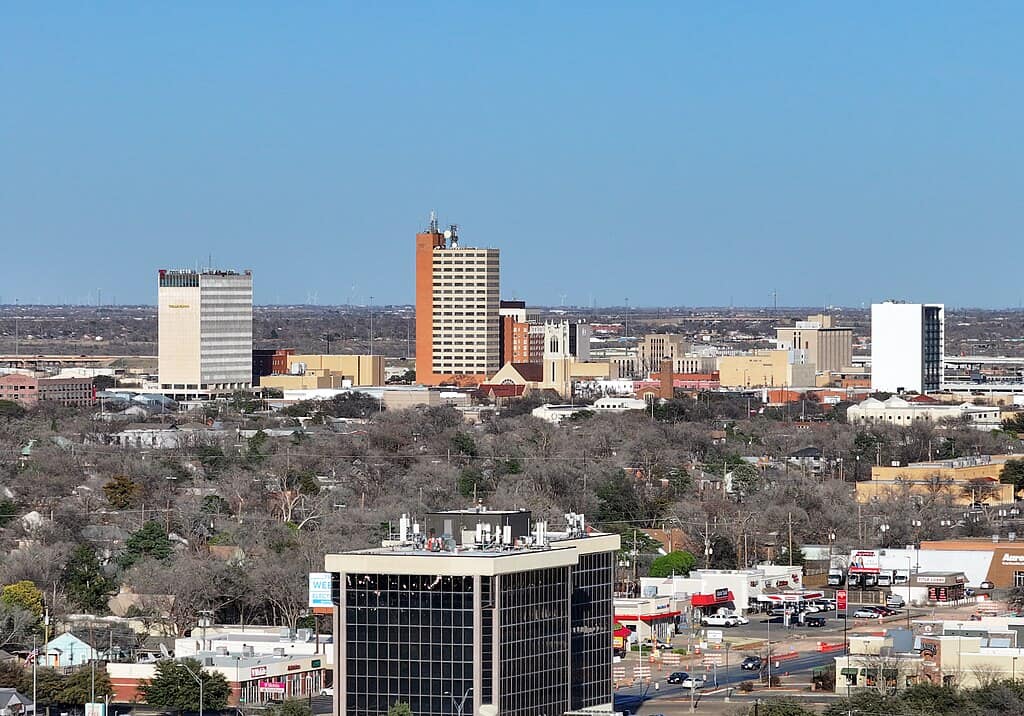
Home to about 260,000 people, Lubbock sits on the flat High Plains at nearly 3,200 feet above sea level. Wind speeds average around 12 mph annually, and the open cotton fields create long, uninterrupted horizons. While college sports draw thousands to stadiums each fall, visitor numbers dip sharply outside football season. Average July highs reach 92°F, which can make daytime walking uncomfortable.
Entertainment clusters mainly around university zones, leaving other districts subdued after dark. For tourists without campus ties, the city’s energy often feels seasonal and dependent on academic calendars.
3. Wichita
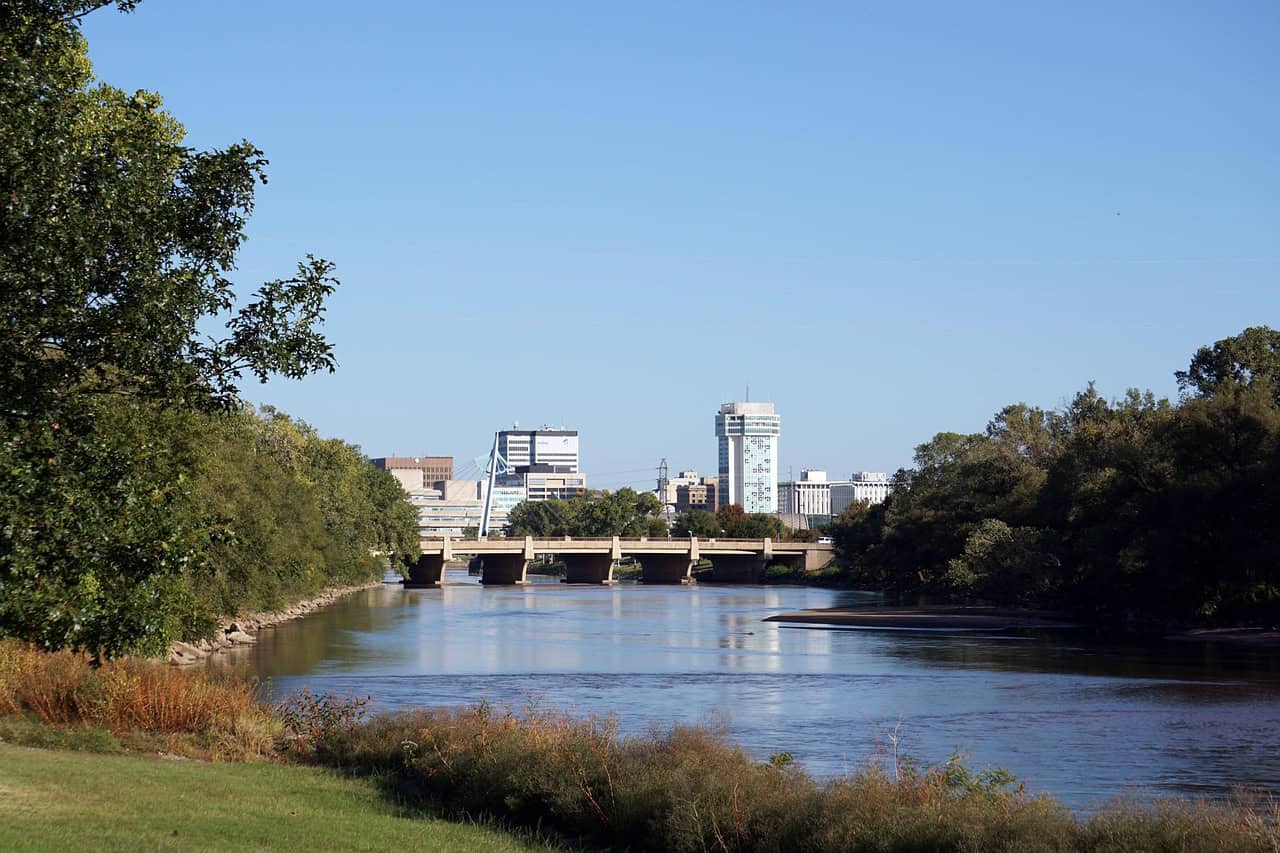
Wichita, with nearly 400,000 residents, is known for its aviation manufacturing sector, producing aircraft components for decades. The Arkansas River flows through the city, yet the waterfront remains low-key compared to major riverfront destinations. Winters average 20°F lows in January, and summers regularly climb above 90°F. Tourist footfall is modest, with conventions accounting for a sizable share of hotel stays.
Downtown development has improved in recent years, but evenings can still feel quiet beyond specific event nights. Visitors expecting a constant buzz may instead encounter a calm, work-focused rhythm.
4. Fresno
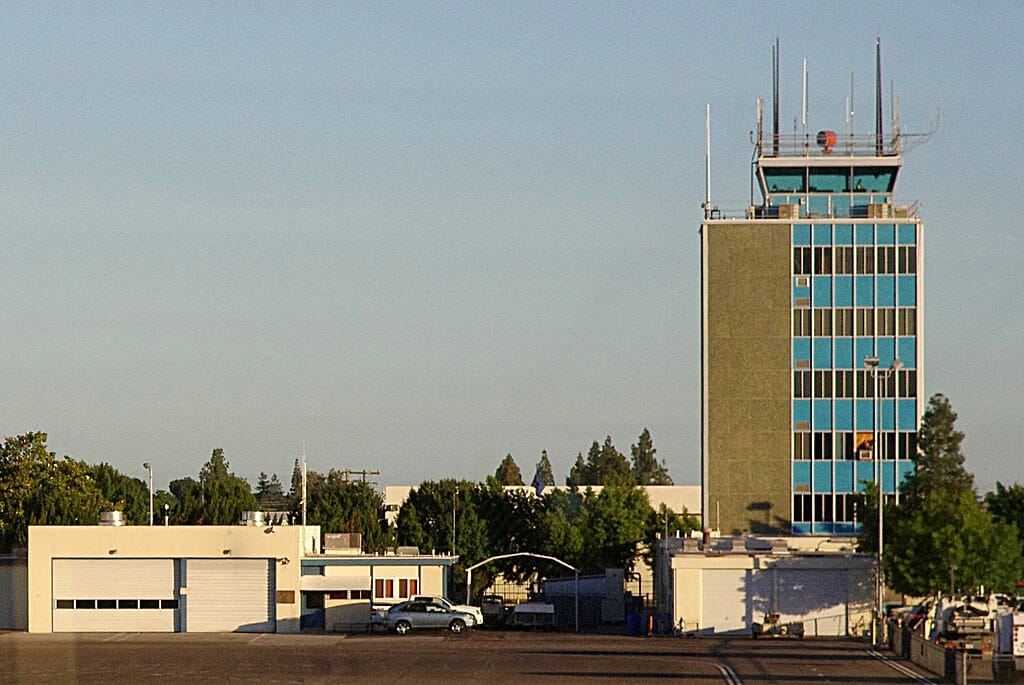
Fresno’s population exceeds 540,000, making it one of California’s larger inland cities. Yet many travelers treat it as a gateway stop en route to national parks roughly 60 to 90 miles away. Summer temperatures often surpass 100°F, with over 100 hot days annually. Air quality indexes occasionally rank among the state’s highest due to valley conditions.
While the city has museums and food markets, nightlife districts are limited in scale. Visitors frequently depart early for nearby natural attractions, reinforcing the perception that Fresno itself serves more as a base than a destination.
5. Oklahoma City
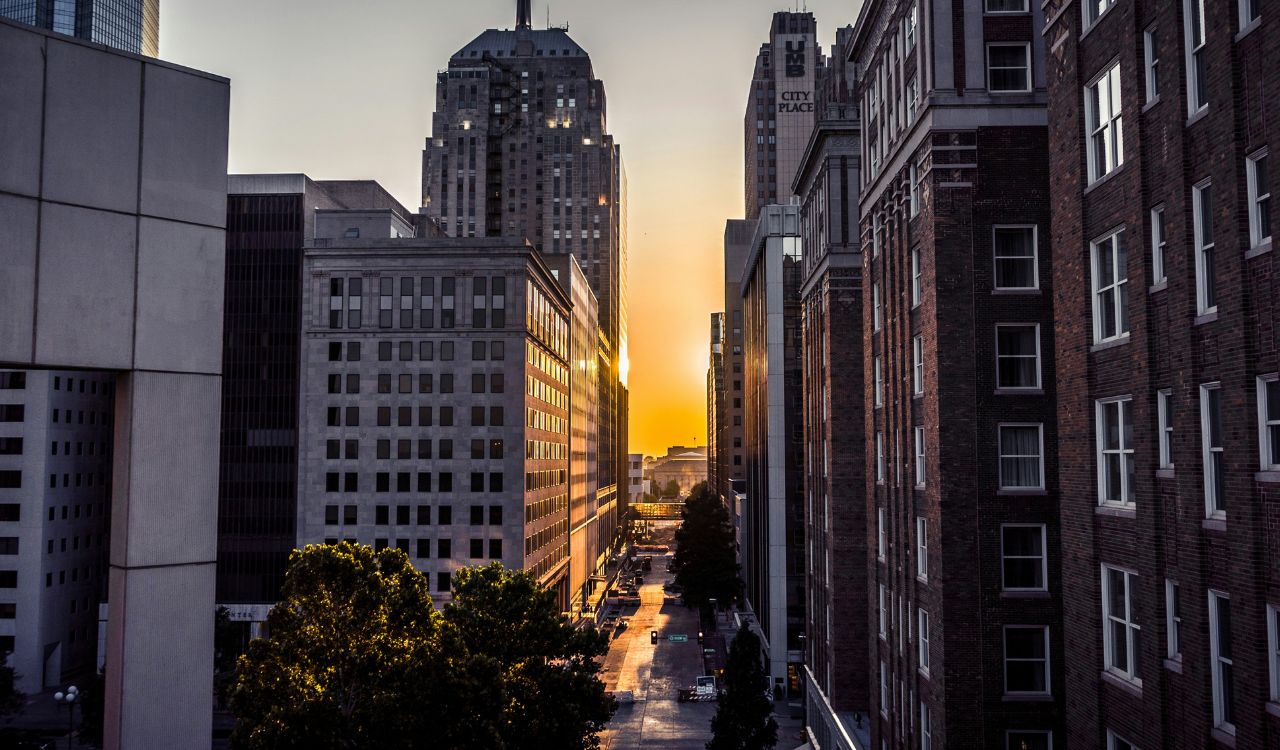
With approximately 700,000 residents, Oklahoma City covers over 600 square miles, making it one of the largest U.S. cities by land area. This sprawl means attractions are widely dispersed, and car travel is almost essential. Average annual tornado activity in the region can exceed 10 recorded events, adding a dramatic climate dimension.
Although districts like Bricktown attract visitors, weekday evenings outside key neighborhoods can feel subdued. Tourism numbers are steady but modest compared to major metropolitan centers, leading some short-term visitors to describe the atmosphere as calm rather than captivating.
6. Jackson

Jackson has around 150,000 residents and a metro population near 600,000. Economic challenges over the past decade have influenced infrastructure and downtown vibrancy. Average annual rainfall reaches nearly 55 inches, contributing to humid summers that often exceed 92°F. Cultural history runs deep, yet tourism growth remains gradual.
Nightlife options are concentrated in limited corridors, and several neighborhoods quiet down early. Visitors interested in history may appreciate museums and civil rights landmarks, but those seeking late-night variety sometimes feel the city winds down quickly.
7. Des Moines
Des Moines, home to about 215,000 residents, ranks high for insurance and finance employment. The city’s skyline is compact, and many offices empty after 5 p.m. Winters are brisk, with January averages around 14°F, while summers reach 85°F or higher. Annual visitor numbers are heavily tied to the state fair season, which draws over 1 million attendees in peak weeks.
Outside major events, evenings can feel restrained. Dining options have expanded, yet nightlife remains smaller in scale compared to similarly sized cities, contributing to its measured, low-key reputation.
8. Anchorage
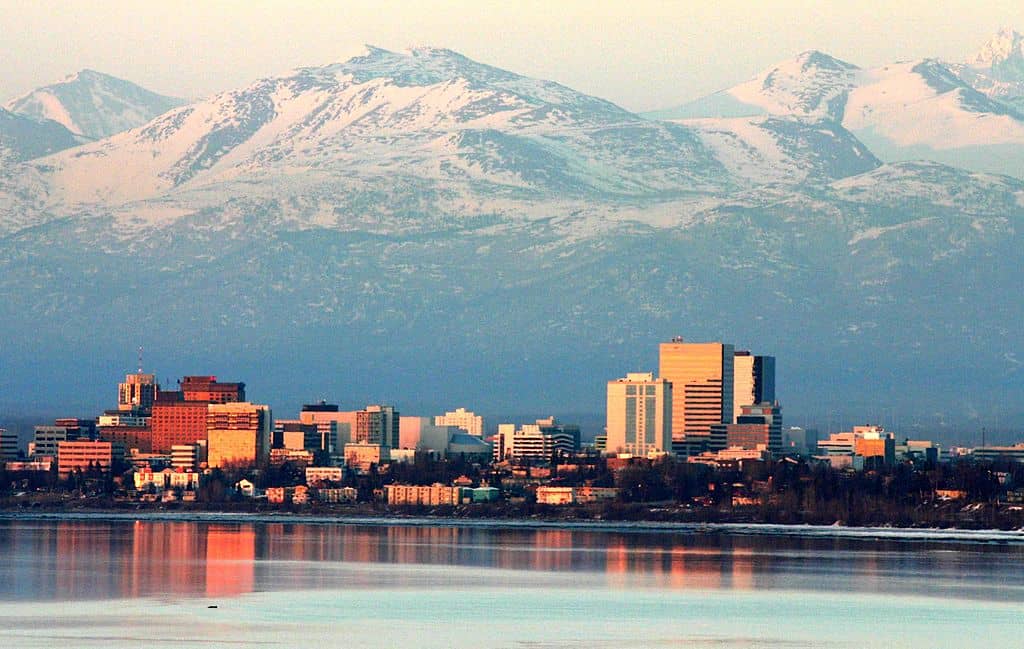
Anchorage has roughly 290,000 residents and serves as Alaska’s primary transportation hub. Winter daylight can drop below 6 hours in December, dramatically shaping daily life. Average January lows hover near 11°F, while summer highs reach about 65°F. Cruise and adventure tourism peaks between May and September, leaving quieter months noticeably calm.
Most visitors head out quickly to glaciers or national parks, reducing downtown foot traffic. Urban entertainment districts are limited, so travelers expecting a large metropolitan scene may instead encounter a functional, outdoors-focused city core.
9. Fort Wayne
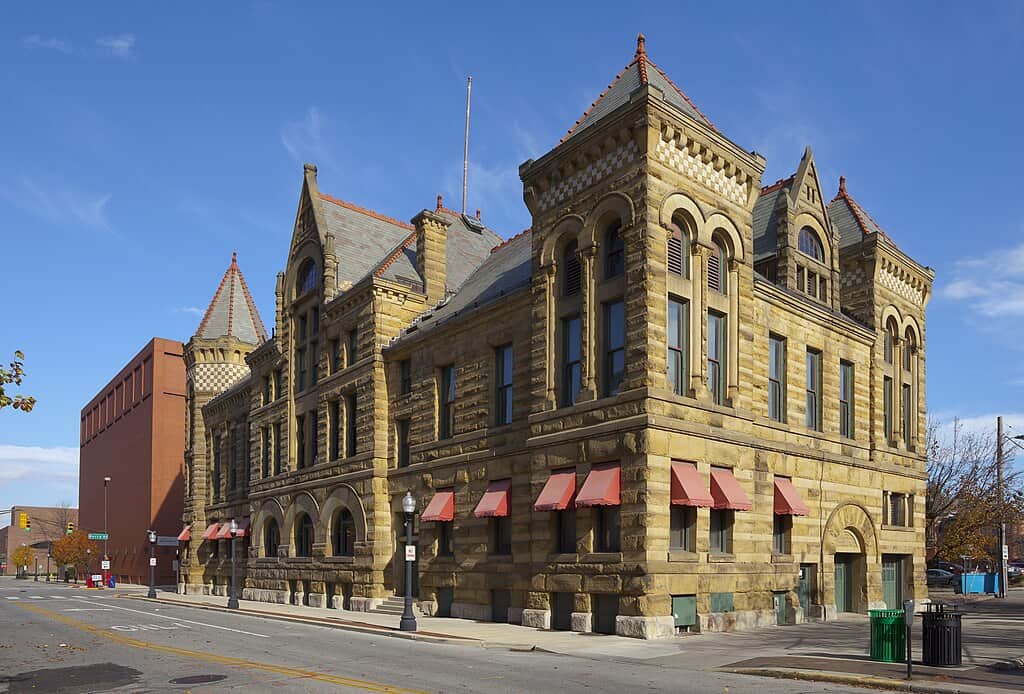
With a population near 270,000, Fort Wayne blends manufacturing heritage with suburban growth. Three rivers converge here, yet riverfront activity remains modest compared to major waterfront cities. Average annual snowfall reaches about 33 inches, shaping winter mobility and nightlife patterns. Tourism numbers are steady but primarily regional.
Evenings often center on family-oriented venues rather than late-night districts. While parks and community festivals exist, visitors seeking landmark attractions or iconic skylines may find the pace unhurried and entertainment options relatively contained.
10. Bakersfield
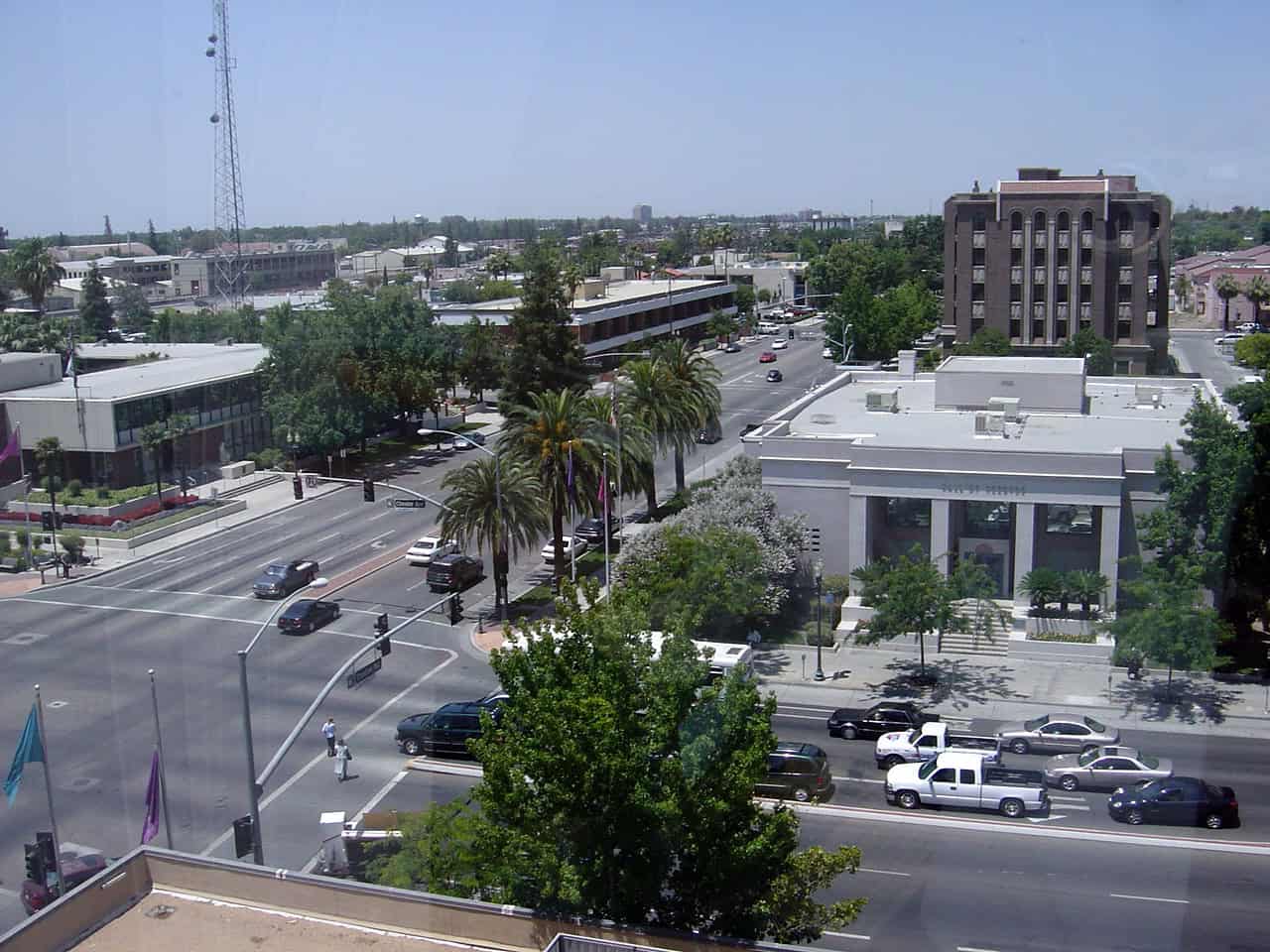
Bakersfield’s population exceeds 400,000, supported largely by agriculture and energy industries. Summer highs frequently surpass 100°F, with over 110 triple-digit days in some years. The city sits about 110 miles north of Los Angeles, yet tourism traffic remains comparatively low. Air quality readings can fluctuate due to valley geography.
Entertainment hubs are limited in concentration, and much of the urban layout prioritizes industry over leisure. Visitors sometimes perceive a utilitarian atmosphere, especially when compared to California’s coastal destinations known for scenic promenades and nightlife.
11. Cheyenne
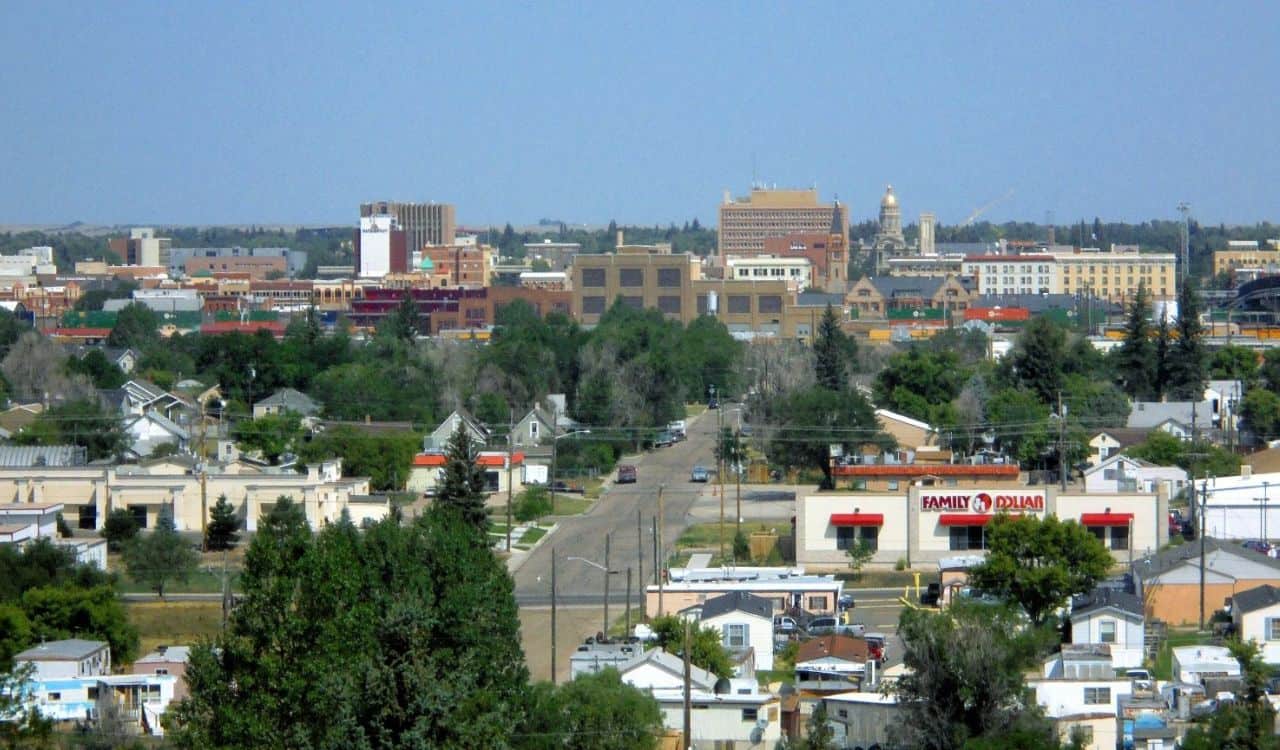
Cheyenne has approximately 65,000 residents, making it one of the smallest state capitals in the country. At 6,000 feet elevation, winters bring average January lows around 15°F and notable snowfall. Visitor numbers spike during the annual rodeo, which can attract over 100,000 attendees across multiple days.
Outside major events, downtown activity remains limited. Restaurants and shops close early, and the compact city center can be explored in a short afternoon. For travelers expecting nonstop attractions, the quiet stretches between festivals may feel surprisingly still.
12. Corpus Christi
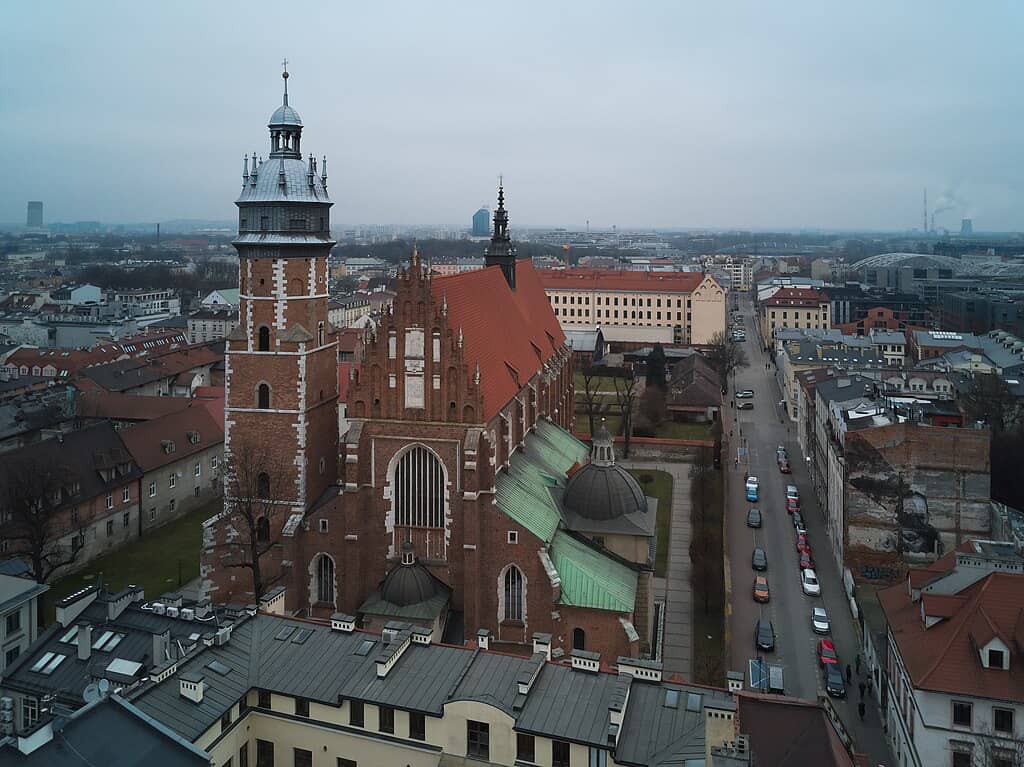
Corpus Christi has around 320,000 residents and sits along the Gulf Coast. Average summer highs reach 94°F, paired with humidity levels above 70 percent. While beaches stretch for miles, tourism statistics trail behind larger coastal cities in Texas. Hurricane season, spanning June through November, also shapes travel patterns.
The waterfront offers fishing and boating, yet nightlife clusters remain modest in size. Visitors seeking high-rise beach glamour may instead find a relaxed, small-city coastal rhythm that feels slower than expected.