We may earn money or products from the companies mentioned in this post. This means if you click on the link and purchase the item, I will receive a small commission at no extra cost to you ... you're just helping re-supply our family's travel fund.
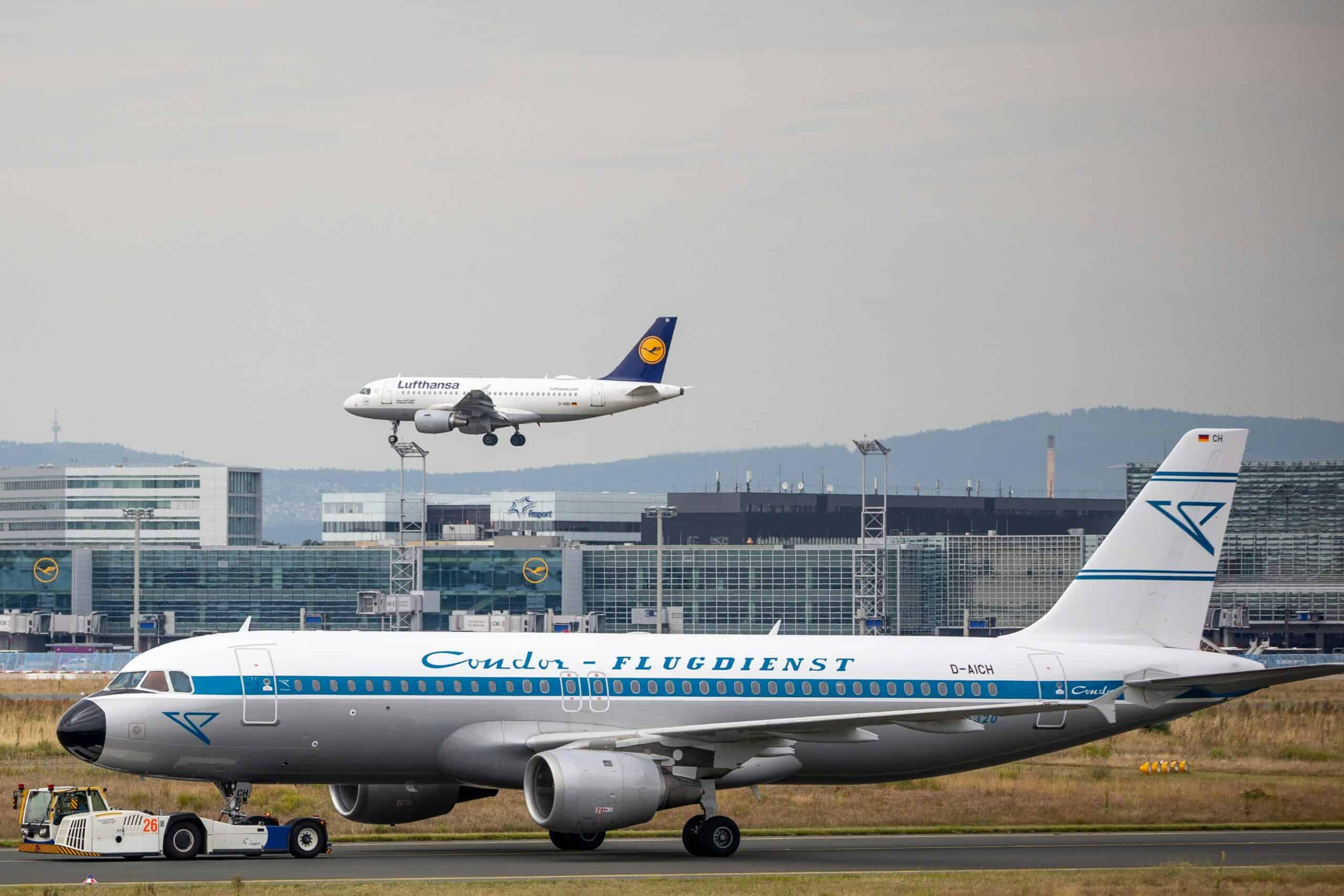
Airport upgrades sound glamorous on press releases, but on the ground they often feel like plywood tunnels, detours, and mystery bus transfers between half-finished spaces. Across the world, big hubs are adding gates, reworking security, and trying to future-proof terminals for bigger planes and swelling passenger numbers. For travelers, that can mean a few rough years of noise and confusion before the payoff arrives. These airports are deep in that awkward in-between phase where ambition and jackhammers share the same departures board.
New York City , JFK Airport
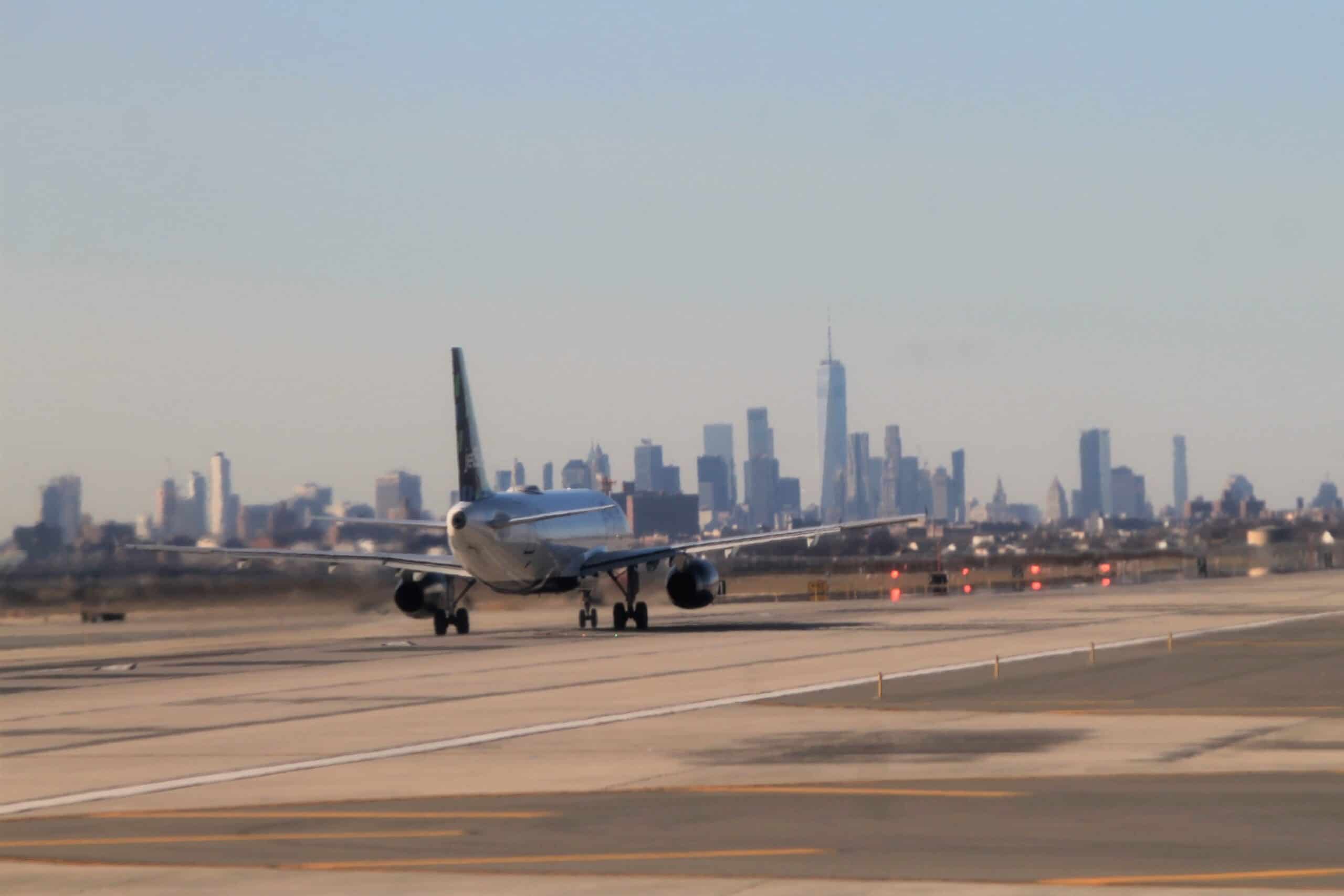
At JFK, the dream is a cohesive, world-class international gateway; the reality right now is cranes, rerouted traffic, and half a skyline of scaffolding. A $19 billion program is replacing aging terminals with the New Terminal One and a new Terminal 6, while reworking roadways and utilities around them. Early phases are rising behind hoardings as airlines shuffle gates and check-in zones. For many passengers, the iconic New York arrival currently starts with a long walk past construction walls instead of sweeping glass.
Los Angeles, LAX Airport
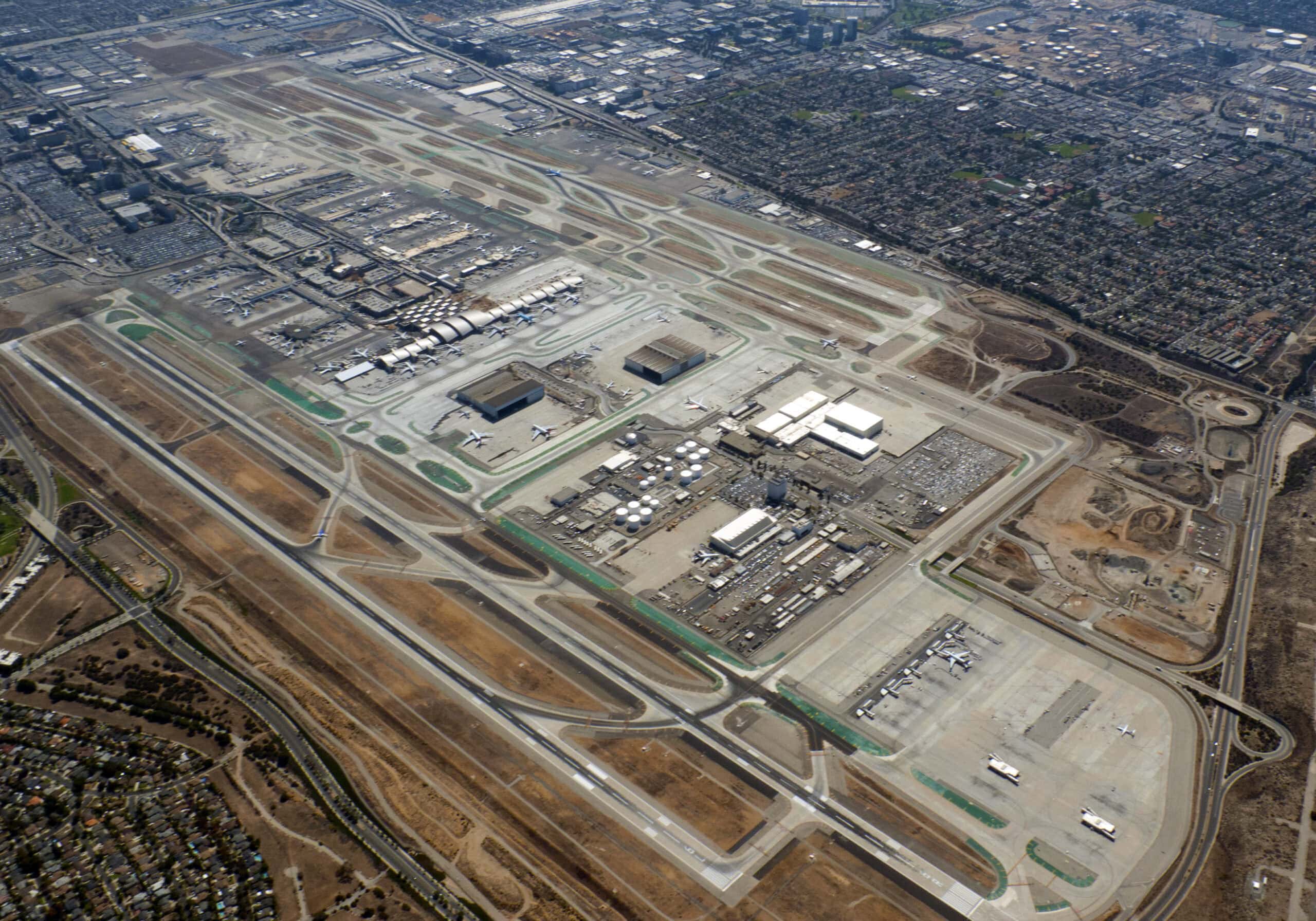
LAX has been in upgrade mode for years, and the construction cycle is nowhere near done. The airport is closing and rebuilding pieces of Terminal 5, modernizing Terminal 2, and even assembling a new concourse off-site before rolling it into place like a giant Lego block. On top of that, a fresh billion-dollar push is tearing up parts of the road network to widen curbs, untangle traffic, and tie in the people mover. The payoff will be cleaner flows; for now, it is lane closures, detours, and shifting check-in islands.
Denver, Denver International Airport (DEN)
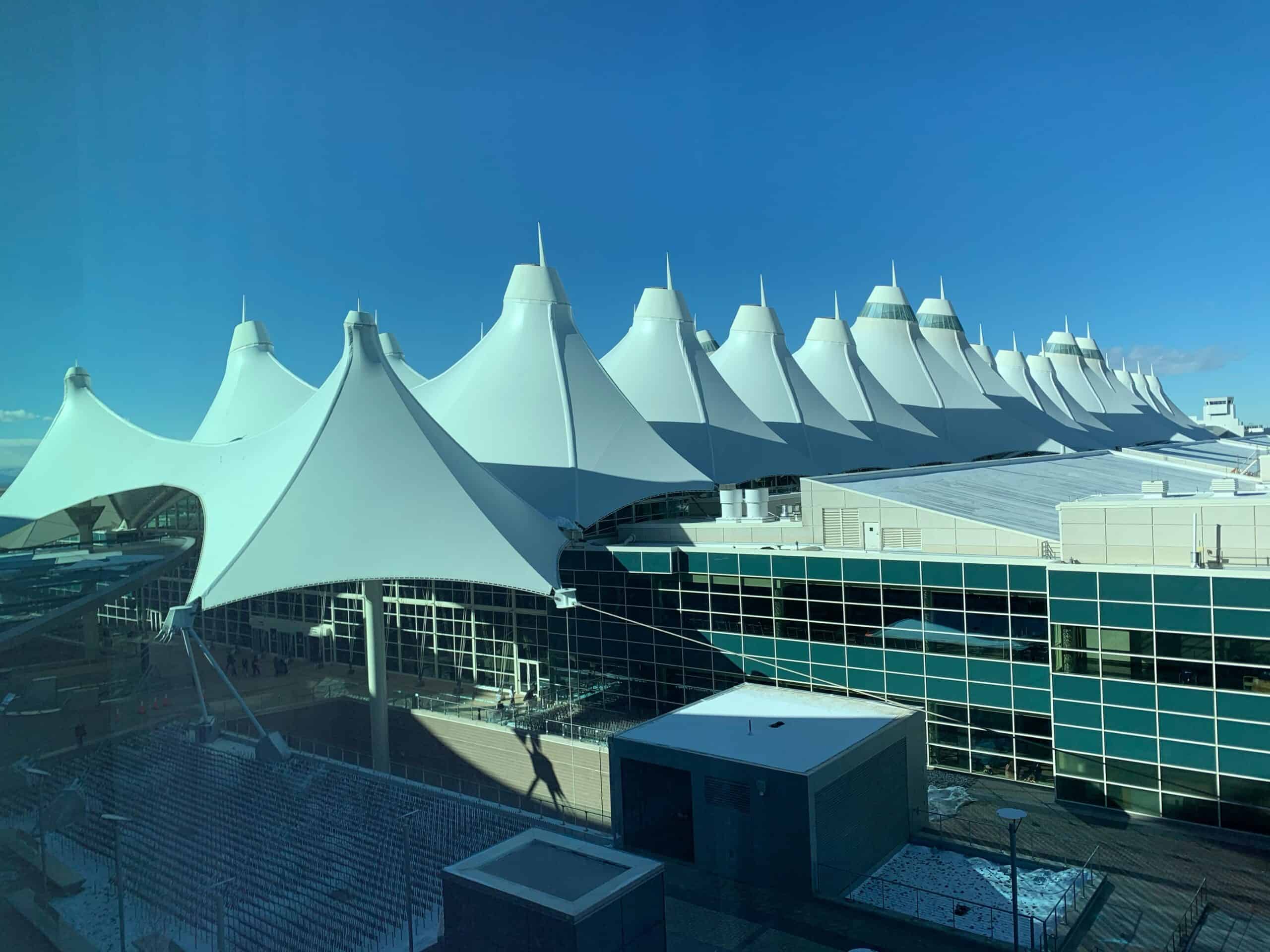
Denver’s Great Hall project has turned the terminal’s heart into a long-running construction zone. Crews already rebuilt parts of the check-in level and added a new security checkpoint upstairs; the final phase now focuses on the south end of the hall, restrooms, circulation, and another high-tech screening area. As walls move around, familiar paths to TSA and baggage keep changing, leaving regulars double-checking signage. The airport is effectively performing open-heart surgery on its main building while still moving tens of millions of passengers a year.
Chicago , O’Hare International Airport (ORD)
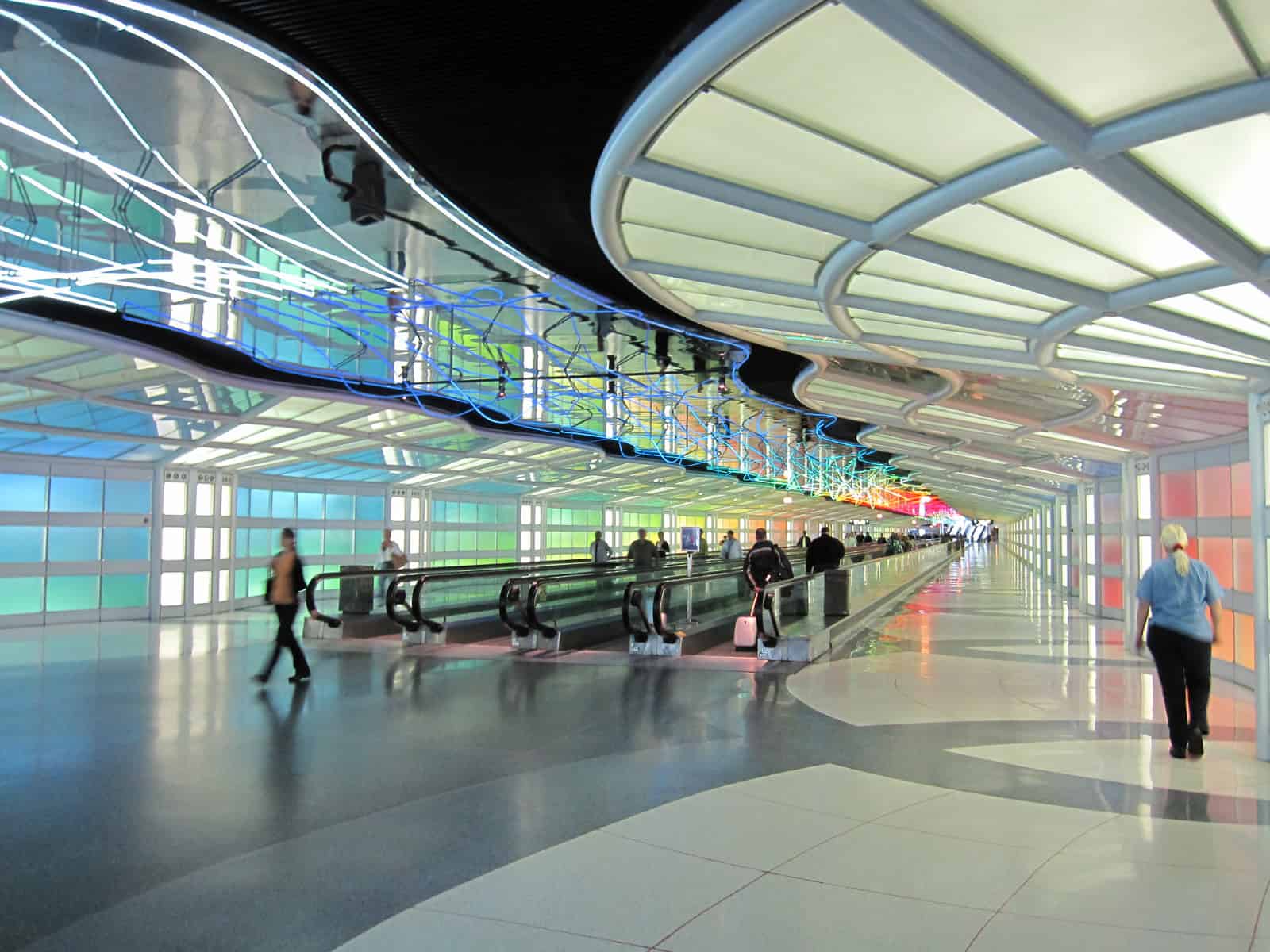
O’Hare’s big reinvention, branded O’Hare 21, has shifted from glossy renderings into noisy daily reality. Construction is underway on Concourse D, the first new concourse in more than 30 years, designed to handle wide-body jets and speed tight connections. At the same time, Chicago is rethinking timelines for a future Global Terminal that will replace the current Terminal 2, stretching the overall program into the next decade. For travelers, that means active work zones, evolving gate layouts, and an airport that feels mid-transition every time a flight lands.
Dallas–Fort Worth ,DFW Airport
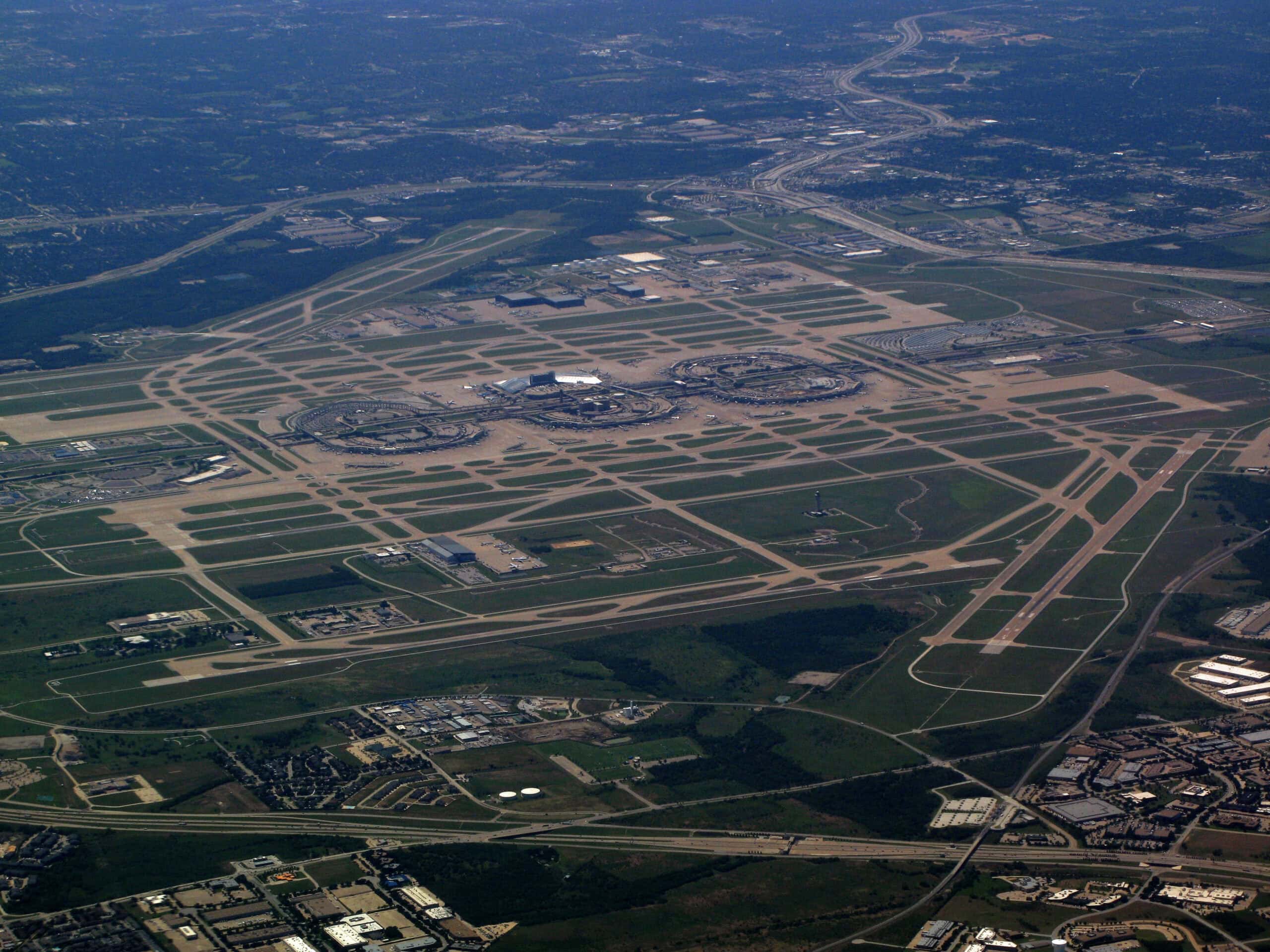
DFW is rebuilding its busiest and oldest building, Terminal C, while also expanding pier sections and garages. Steel megastructure modules the size of small buildings have already been rolled across the airfield into place, part of a $3 billion effort to add gates, raise ceilings, remove view-blocking columns, and open up cramped waiting areas. Construction phases overlap with normal operations, so one side of a corridor can feel sleek and bright while the other is bare concrete and plastic sheeting. The end goal is capacity and comfort; the present is dust and detours.
Orlando , Orlando International Airport (MCO)
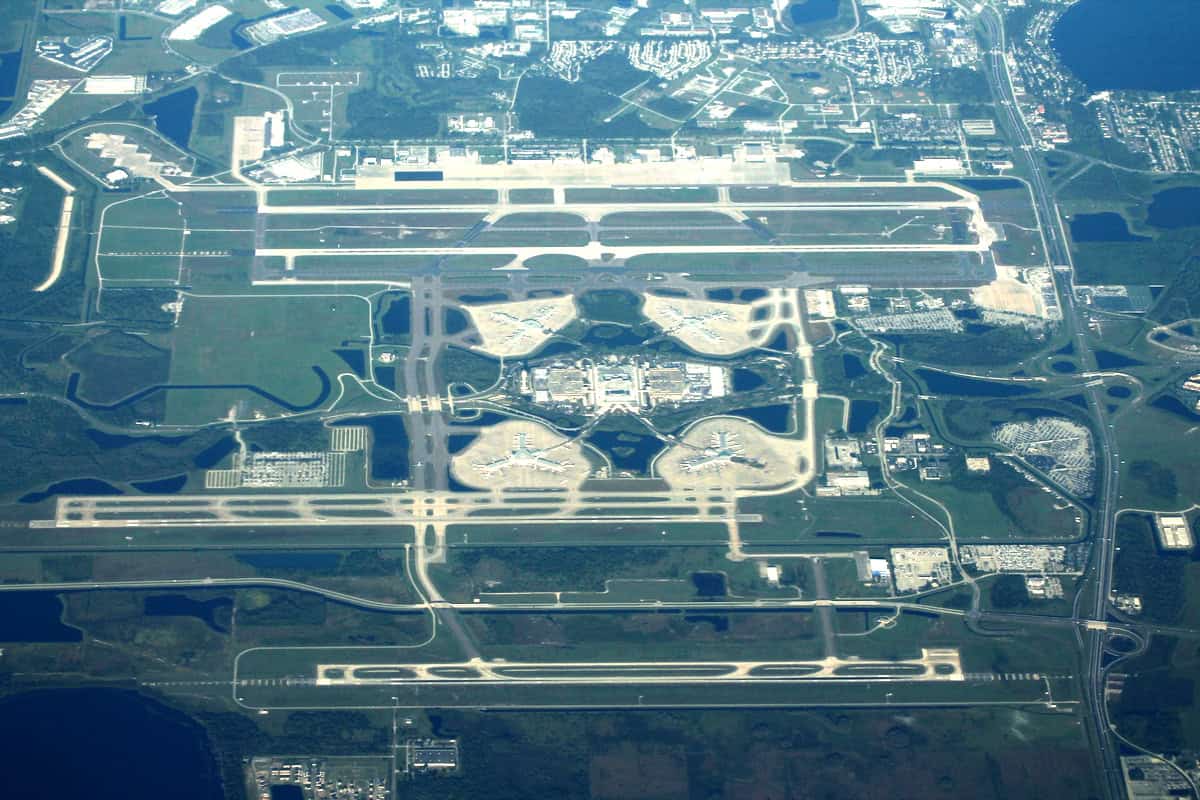
In Orlando, the airport that anchors countless theme park vacations is quietly turning itself inside out. A $6 billion, decade-long plan is adding a vertiport for future air taxis, smarter restrooms, upgraded baggage systems, and expansions around the newer Terminal C. Those ambitions mean real disruption: tram service to certain gate clusters is limited for years, retail lineups are changing, and construction walls push longer walks between security and boarding. Families juggling strollers and souvenirs are often the ones who feel each closed corridor the most.
Seattle, Seattle, Tacoma International Airport (SEA)
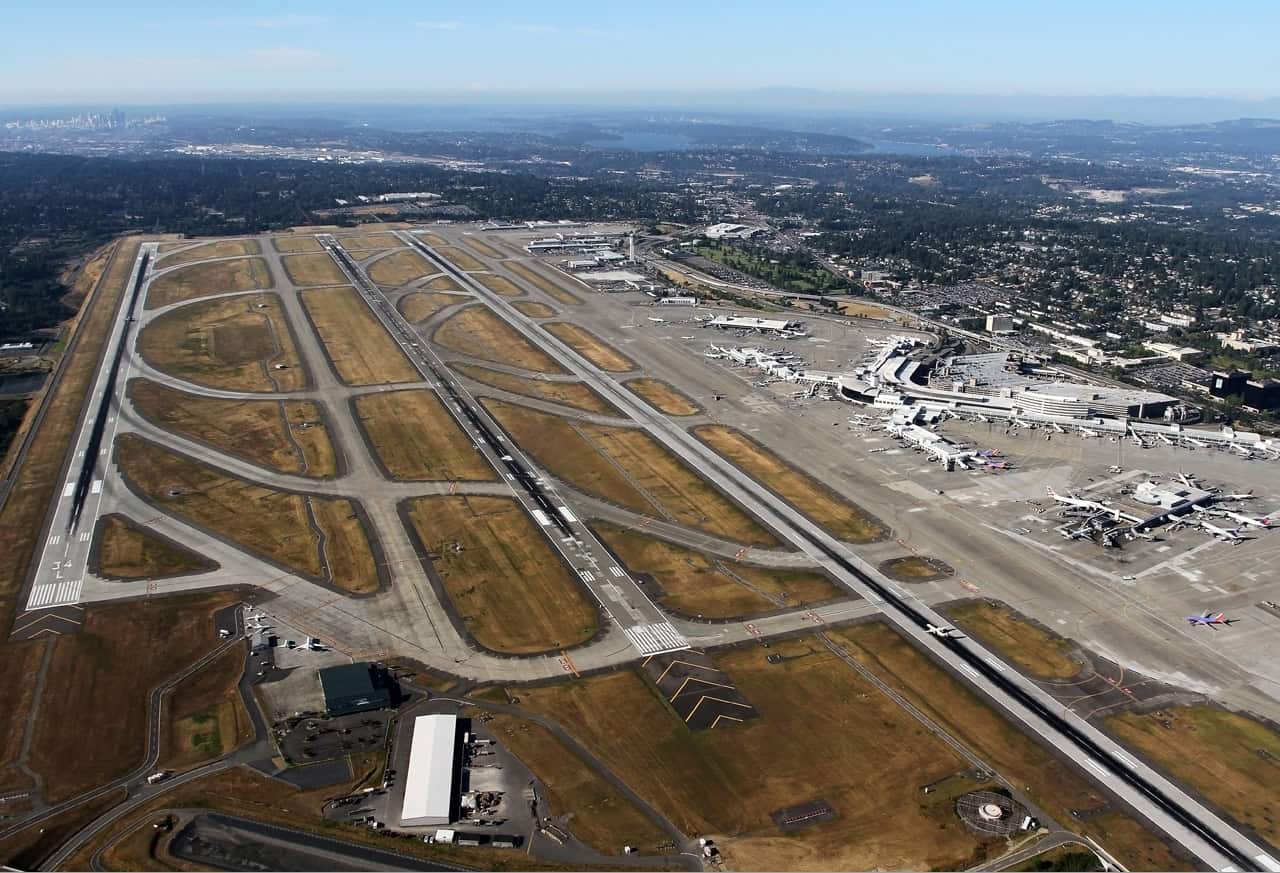
Sea-Tac is trying to grow without losing its Northwest character, and the result is a lot of hard hats in very tight spaces. The C Concourse Expansion is stacking several new floors on top of existing gates, while a separate S Concourse project will rebuild an aging satellite with better seismic strength and more light. Plans for a new terminal and added gates are also moving through approvals. In the meantime, construction has changed rideshare pickup zones, squeezed hold rooms, and left travelers weaving through temporary corridors on busy days.
San Diego, San Diego International Airport (SAN)
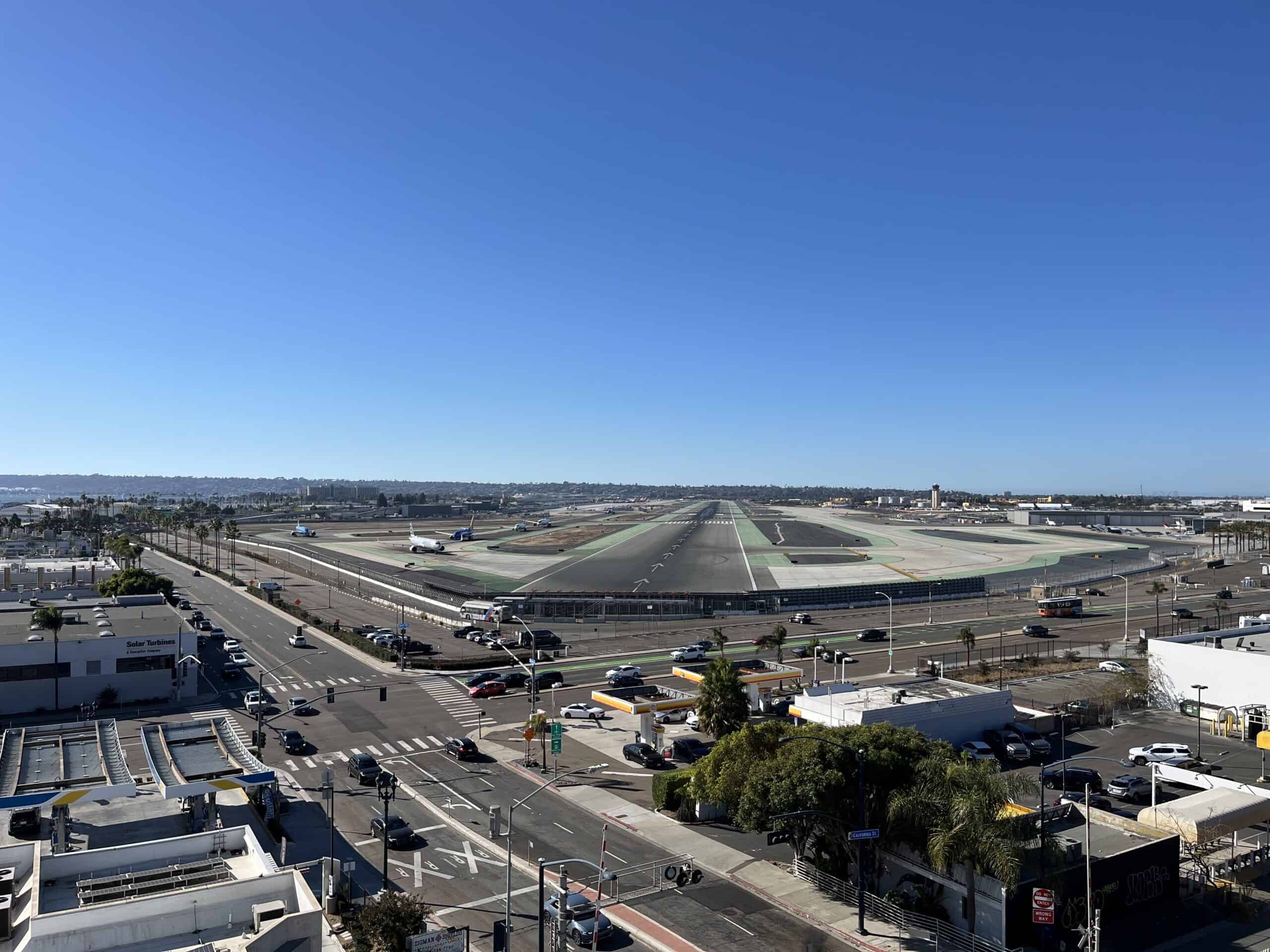
San Diego’s cozy, single-runway airport is in the middle of a major identity upgrade focused on a brand-new Terminal 1. The first phase opened with fresh gates and airy interiors, but crews have already moved on to the next stage: more gates, expanded concessions, children’s play areas, and new curbside access. Construction rings parts of the site, and traffic patterns around the terminal seem to change every few months. For beach-bound visitors, the short hop from plane door to sunshine currently includes a front-row look at cranes over the bay.
Atlanta, Hartsfield-Jackson Atlanta International Airport (ATL)
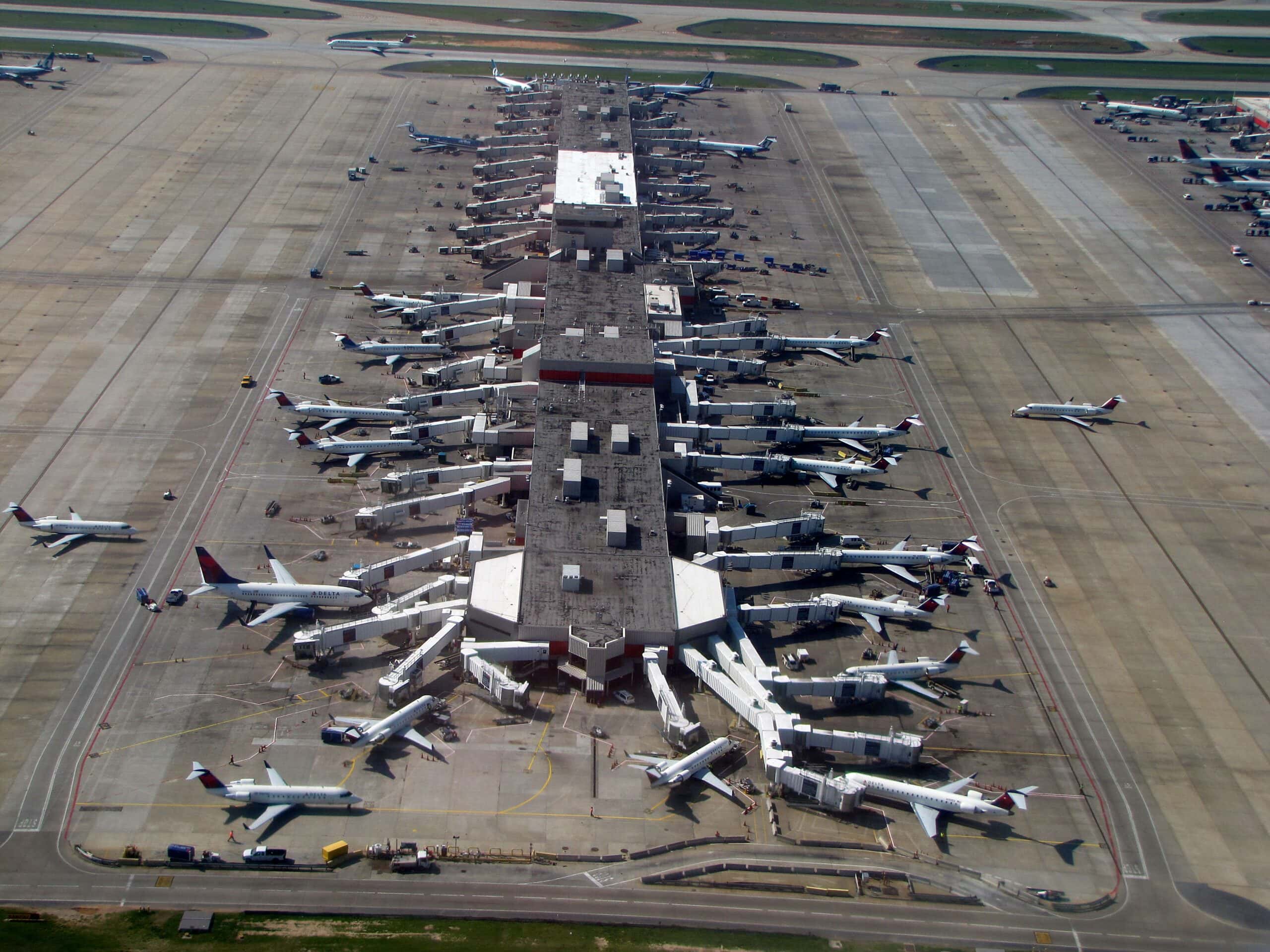
Atlanta’s goal is simple: keep the world’s busiest airport usable as traffic keeps climbing. The ATLNext program threads together runway work, train extensions, and concourse enlargements, including a $1.3 billion rebuild and expansion of Concourse D that will almost double its width and overhaul cramped gate areas. All of this happens while planes keep pushing back every few minutes. Passengers often walk past boarded-up storefronts, temporary walls, and ceiling work on the way to some of the nation’s most crowded security lanes, a reminder that capacity gains rarely come quietly.
Frankfurt, Frankfurt Airport (FRA)
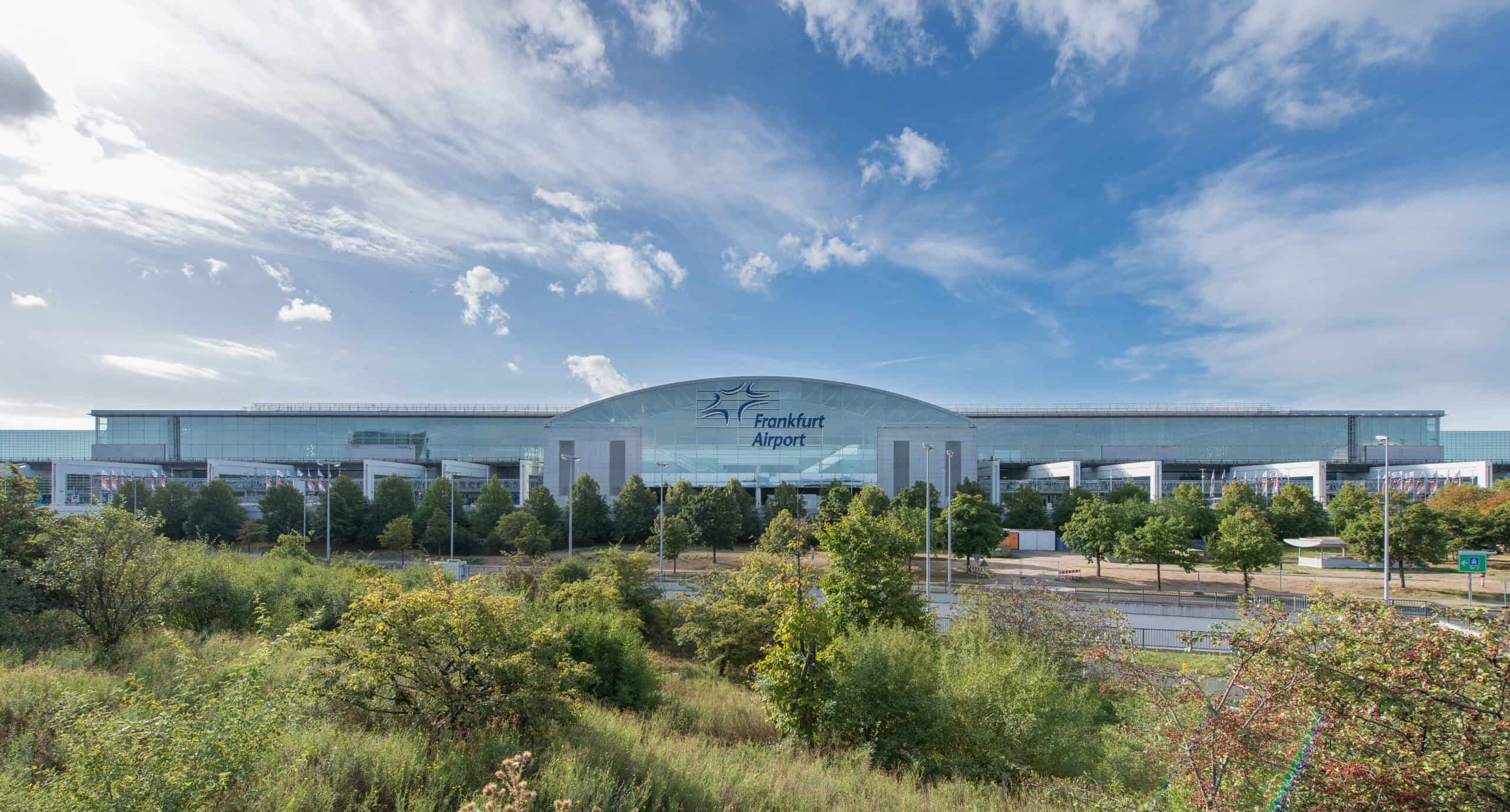
Frankfurt is finishing one mega project and preparing to start another. Terminal 3, a huge new complex on the south side of the airfield, has passed key inspections and is slated to open in April 2026, with airlines shifting from Terminal 2 in phases. Once that move is complete, Terminal 2 is set to close for several years of renovation. For now, the airport juggles testing, staff training, and construction traffic along with regular long-haul operations, giving many connections a backdrop of scaffolding, test trains, and fenced-off work zones.
Toronto , Toronto Pearson International Airport (YYZ)
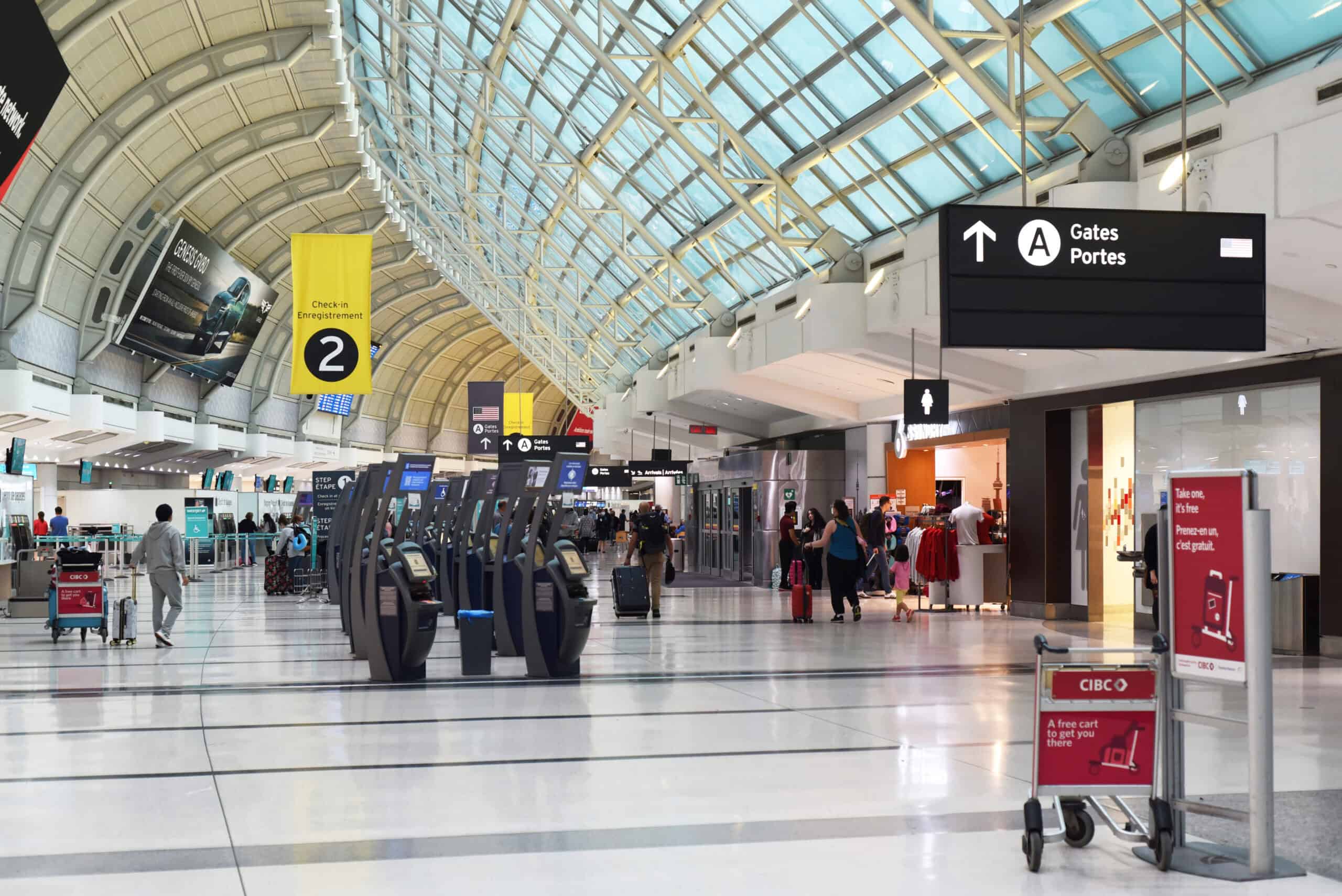
Toronto Pearson is not just adding a wing; it is rewriting how its core terminals work. Under the multi-billion-dollar Pearson LIFT program, the airport is launching an Accelerator project to revitalize key assets and planning a full T1/T3 Revitalization, with design-build teams already selected. Upgrades promise better on-time performance, sustainability, and refreshed passenger spaces, but the path runs through years of staged construction. Travelers are beginning to see new retail, shifting construction hoardings, and early signs that their usual shortcuts between piers may not exist on the next trip.
Manchester, Manchester Airport (MAN)
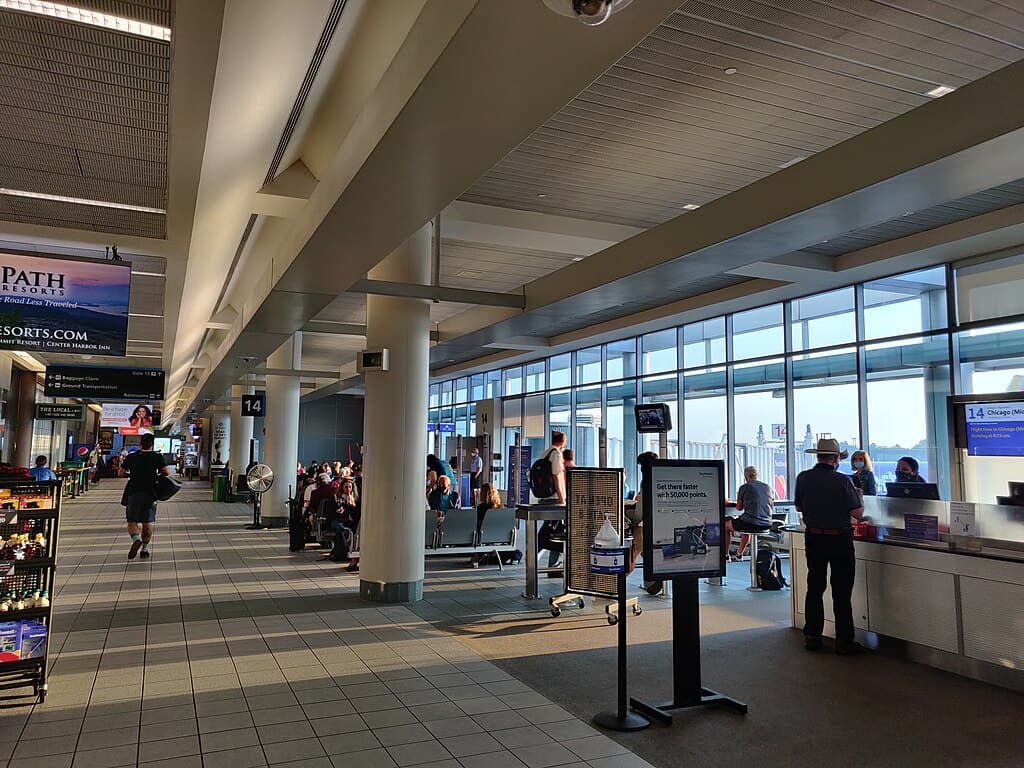
Manchester’s long transformation program has already delivered a dramatically expanded Terminal 2, but work around the airport is still very active. The £1.3 billion upgrade doubled T2’s size and modernized its check-in and departures space, while Terminal 3 continues to get new seating and food options. Passengers, however, still report crowding, teething problems, and constant minor works as the airport pushes toward higher capacity targets. Walking between older and newer zones can feel like jumping a decade in design, with temporary signage bridging the gap between past and promised future.