15 Countries With Iconic Architectural Wonders
We may earn money or products from the companies mentioned in this post. This means if you click on the link and purchase the item, I will receive a small commission at no extra cost to you ... you're just helping re-supply our family's travel fund.

From ancient marvels to futuristic masterpieces, architecture offers a window into a country’s soul. These 15 nations stand out not just for their famous buildings but for pushing the boundaries of design, culture, and innovation. Whether carved into stone or built to touch the clouds, these architectural wonders are testaments to human creativity across eras.
United ARAB EMIRATES
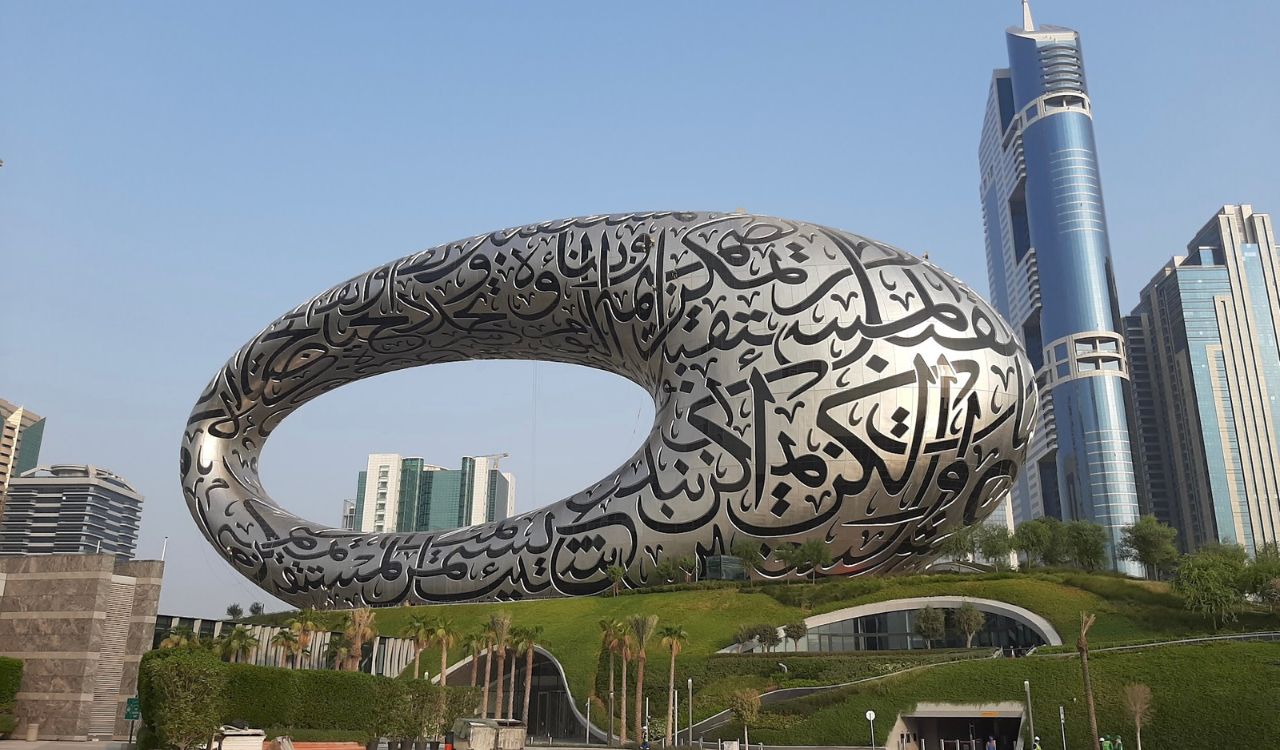
The UAE is a powerhouse of futuristic design. Dubai’s skyline features the Burj Khalifa, the world’s tallest tower, and the Museum of the Future, a torus-shaped marvel that blends science and architecture. These structures are more than tourist attractions—they reflect the nation’s ambition to lead in innovation. With bold designs rising from desert sands, the UAE showcases how modern architecture can symbolize identity, progress, and global vision in a rapidly evolving world.
Italy

Italy offers a masterclass in architectural history. From the Roman Colosseum’s grandeur to Florence’s Renaissance domes and Venice’s Gothic facades, the country’s buildings reflect centuries of art, politics, and innovation. Walking through its cities feels like strolling through an open-air museum. Whether it’s ancient ruins or ornate cathedrals, every structure tells a story. Italy remains a global inspiration for blending beauty, function, and historical continuity in its architecture.
United States
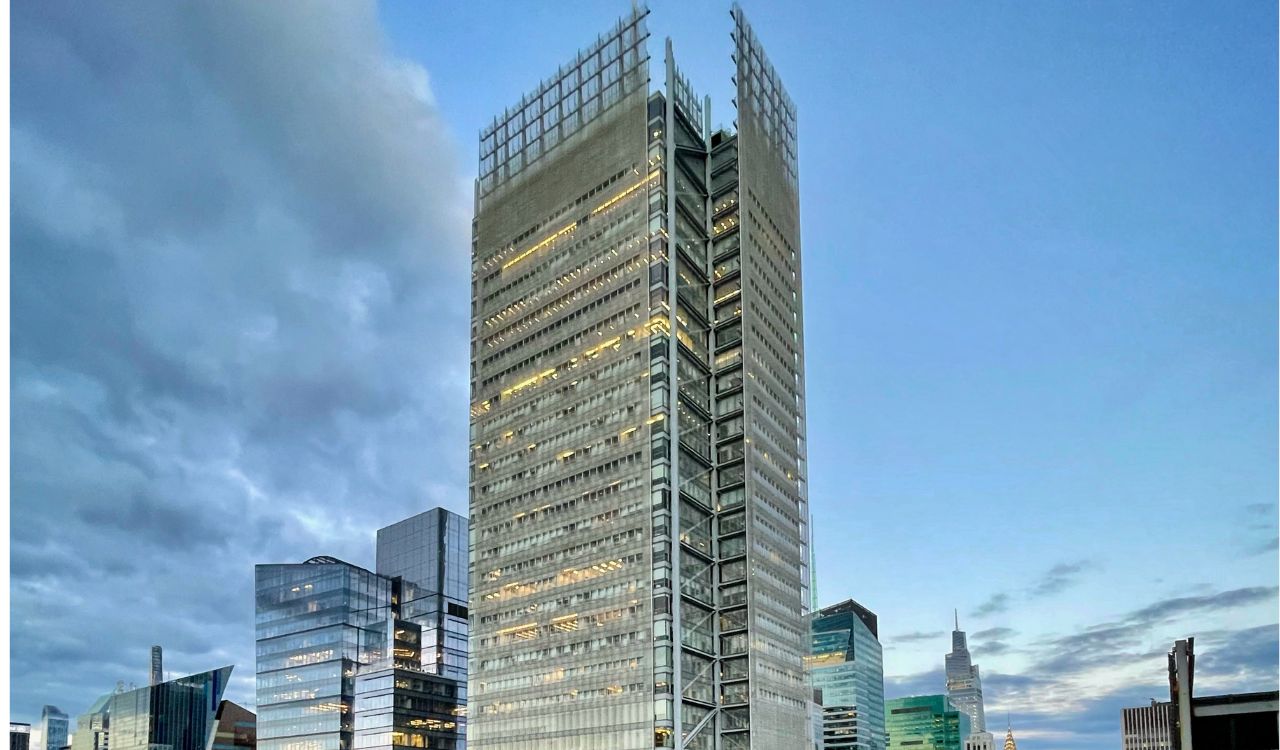
The U.S. reflects diversity through architecture, with styles ranging from Colonial to ultra-modern. From the urban skyscrapers of New York and Chicago to imaginative projects like the Skateboard House in Malibu and the Flintstones House in California, American design embraces innovation and individuality. Firms like Gensler have reshaped skylines, while landmarks like the JFK Terminal reveal the scale of national vision. It’s a country where bold concepts and cultural storytelling meet.
Japan
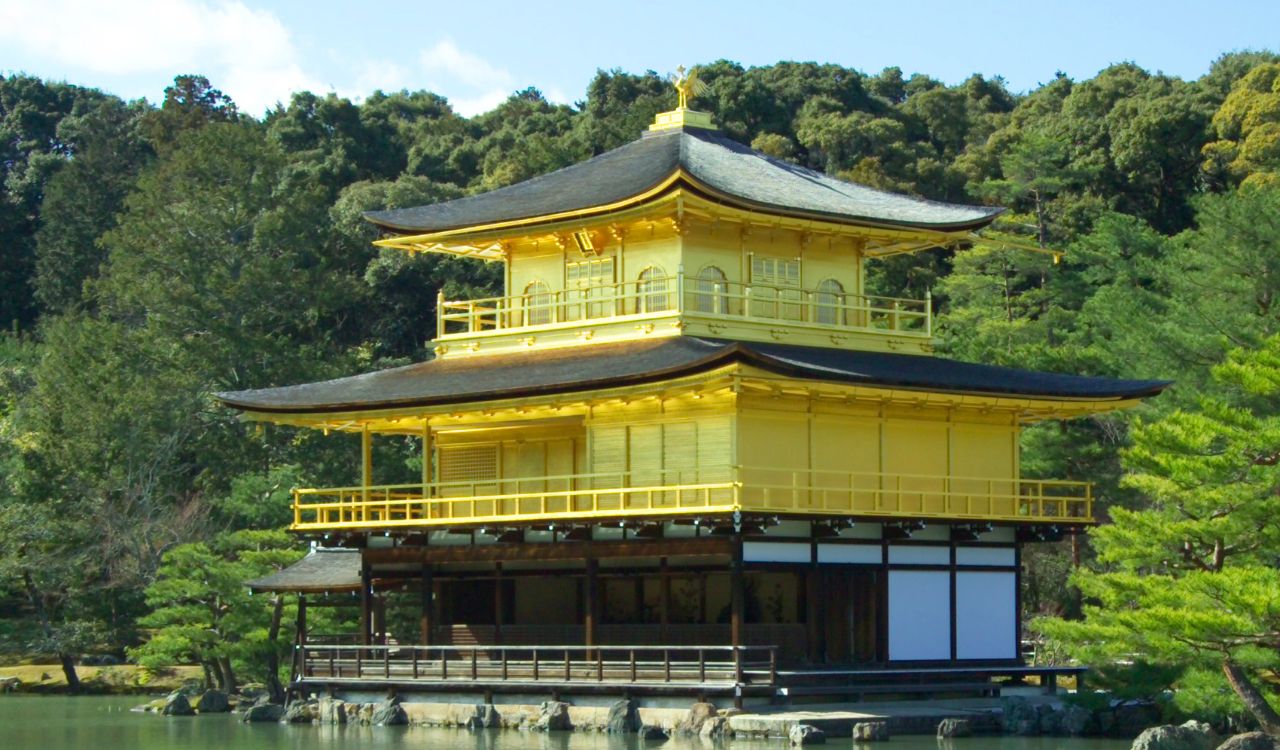
Japan’s architecture harmonizes tradition with futuristic design. In Tokyo, House NA is a transparent, wall-free home full of light and minimalism, while the Slide House lets residents travel between floors by stair or slide. These creative layouts reflect a culture that values spatial efficiency and innovation. Beyond the quirky, Japan’s temples and shrines showcase ancient craftsmanship, making the country a blend of modern ingenuity and deeply rooted architectural heritage.
Poland
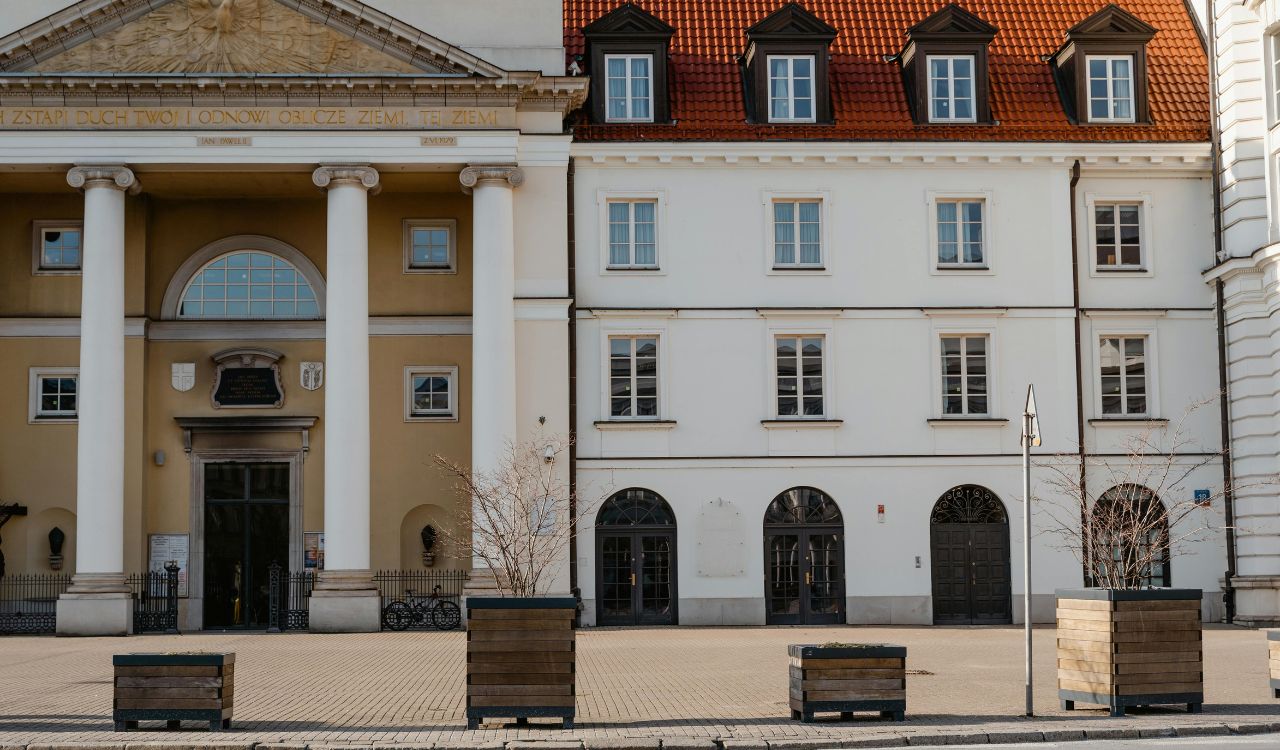
Poland’s architectural marvels combine innovation with symbolism. The standout is Keret House in Warsaw—considered the world’s narrowest home. At just 36 inches wide in some places, this structure is more than a conversation piece; it’s a statement on space, creativity, and resilience. Nestled between two buildings from different eras, it bridges time and culture. Poland continues to surprise with structures that are as meaningful as they are imaginative and unconventional.
Portugal
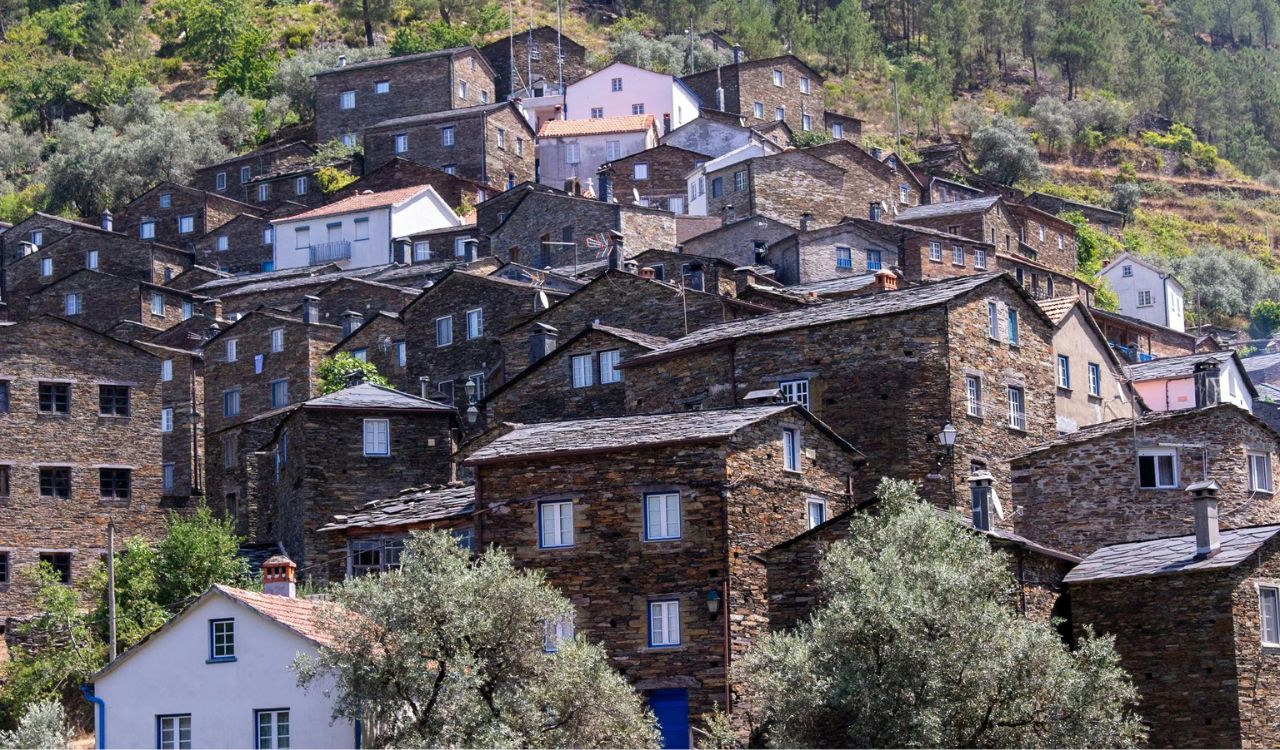
Portugal’s Stone House in the Fafe Mountains looks like a real-life Flintstones home—built between two massive boulders with concrete, windows, and a shingled roof. While rustic, it blends naturally into the landscape, attracting tourists fascinated by its unusual form. Portugal also offers ornate tile-covered buildings, Gothic cathedrals, and modernist coastal retreats. From prehistoric-looking homes to romantic palaces, Portugal’s architecture is as rich and textured as its culture.
Mexico
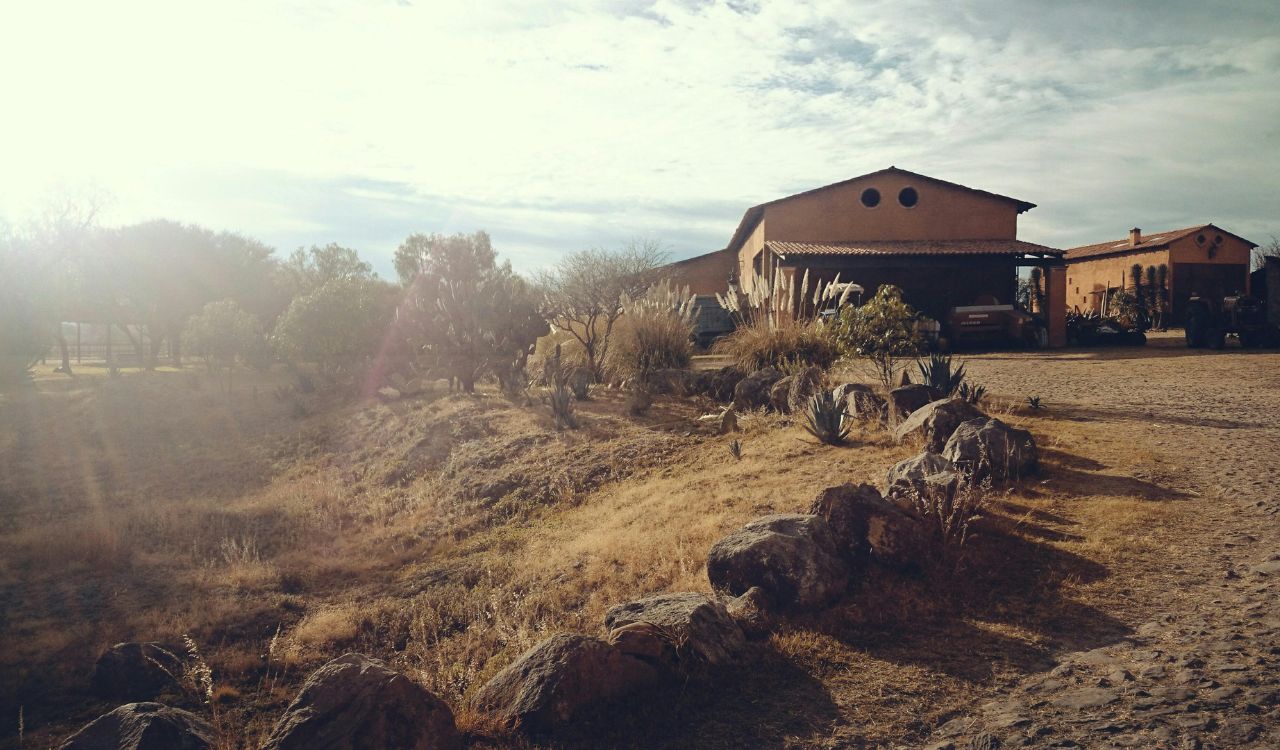
Mexico’s architecture mixes bold shapes and vivid imagination. A prime example is the Nautilus House in Mexico City, a seashell-inspired home designed by Javier Senosiain. With colorful mosaic interiors and curved walls, it feels like living inside a piece of art. But Mexico’s architectural beauty spans eras—from ancient pyramids and colonial cathedrals to sleek, modernist urban homes. Each design expresses a strong identity rooted in history, nature, and artistic expression.
Belgium
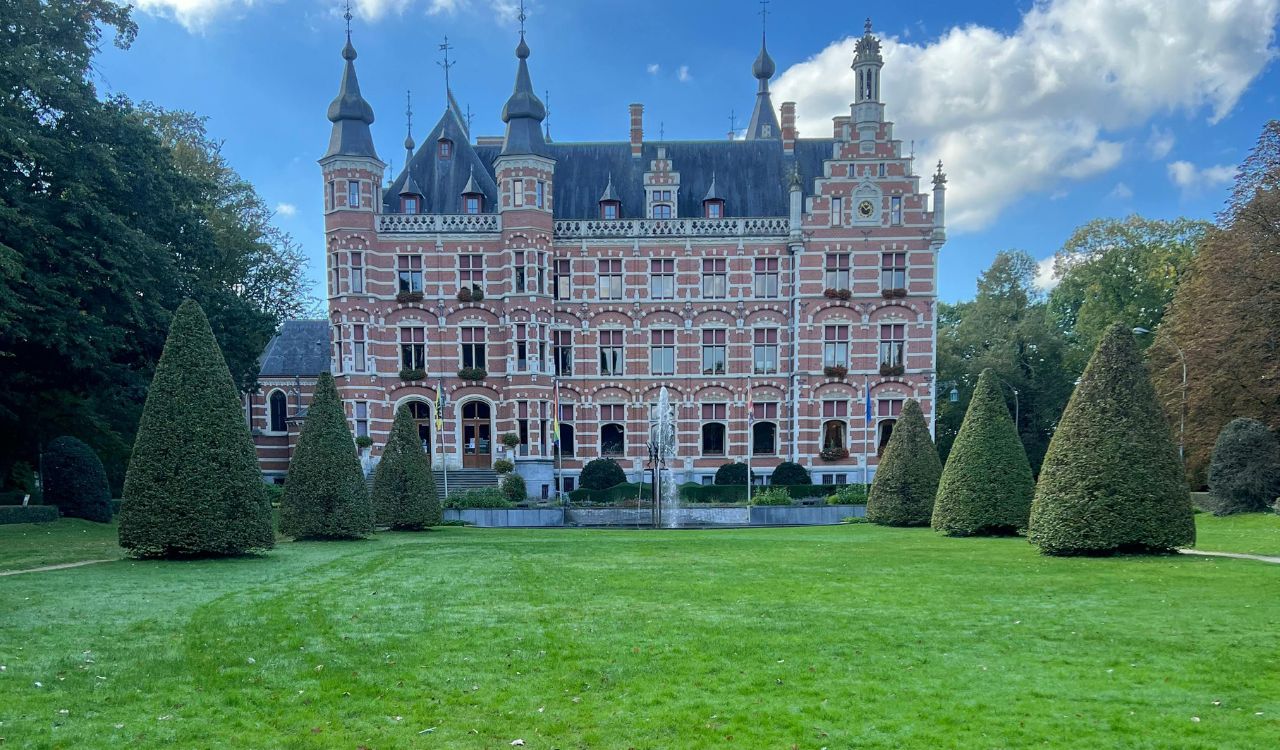
Belgium offers a fresh take on architectural reuse. In Steenokkerzeel, an old water tower—Château d’Eau—was transformed into a luxury home with a panoramic terrace, sleek interiors, and cutting-edge tech. It’s a perfect example of adapting the past for modern needs. Belgium is also home to Gothic town halls, Art Nouveau facades, and contemporary eco-buildings. Whether restoring or reimagining, Belgian architecture reflects elegance, function, and sustainability in both urban and rural settings.
Brazil
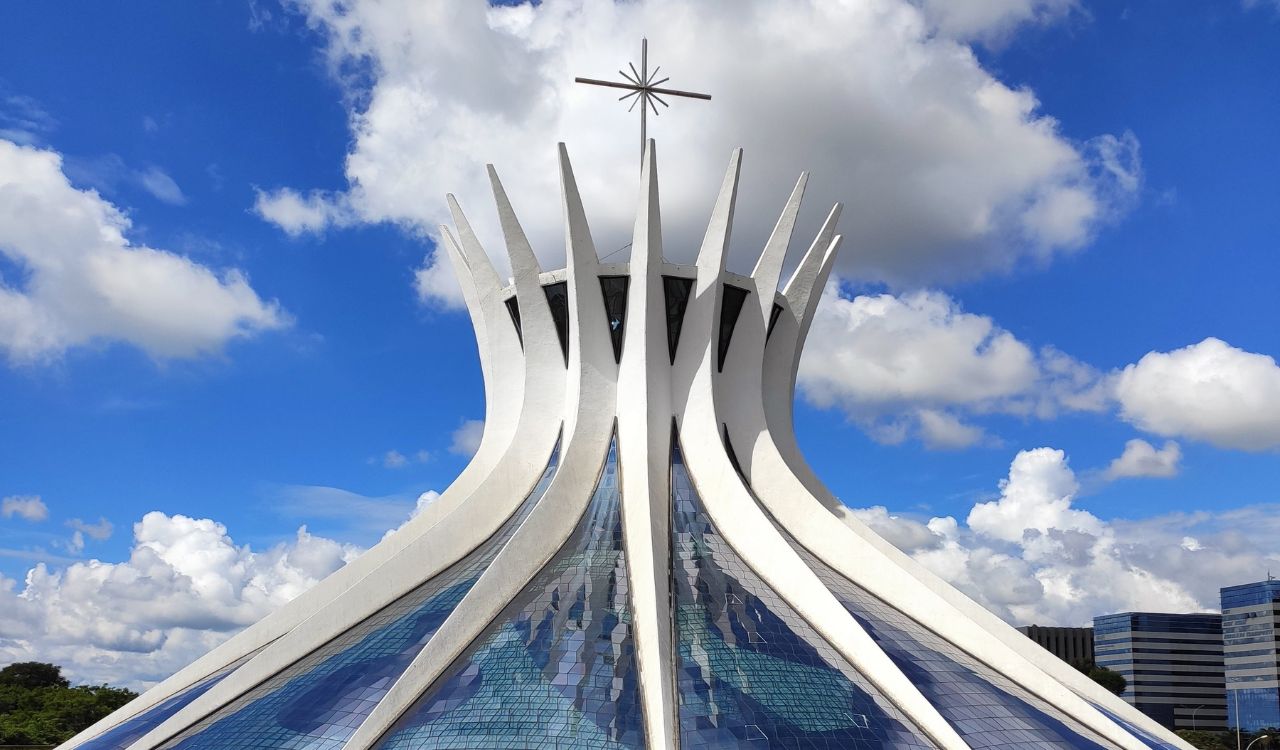
Brazil is a hub for modernist architecture, thanks largely to architect Oscar Niemeyer, who helped design the capital city Brasília. His works feature bold curves, sweeping lines, and futuristic vision. Beyond Brasília, cities like São Paulo and Rio de Janeiro mix colonial buildings with glass-and-steel high-rises. Brazil’s rapid urbanization has sparked innovative housing and smart city designs. The country balances expressive design with practical solutions, making architecture a tool for progress.
India
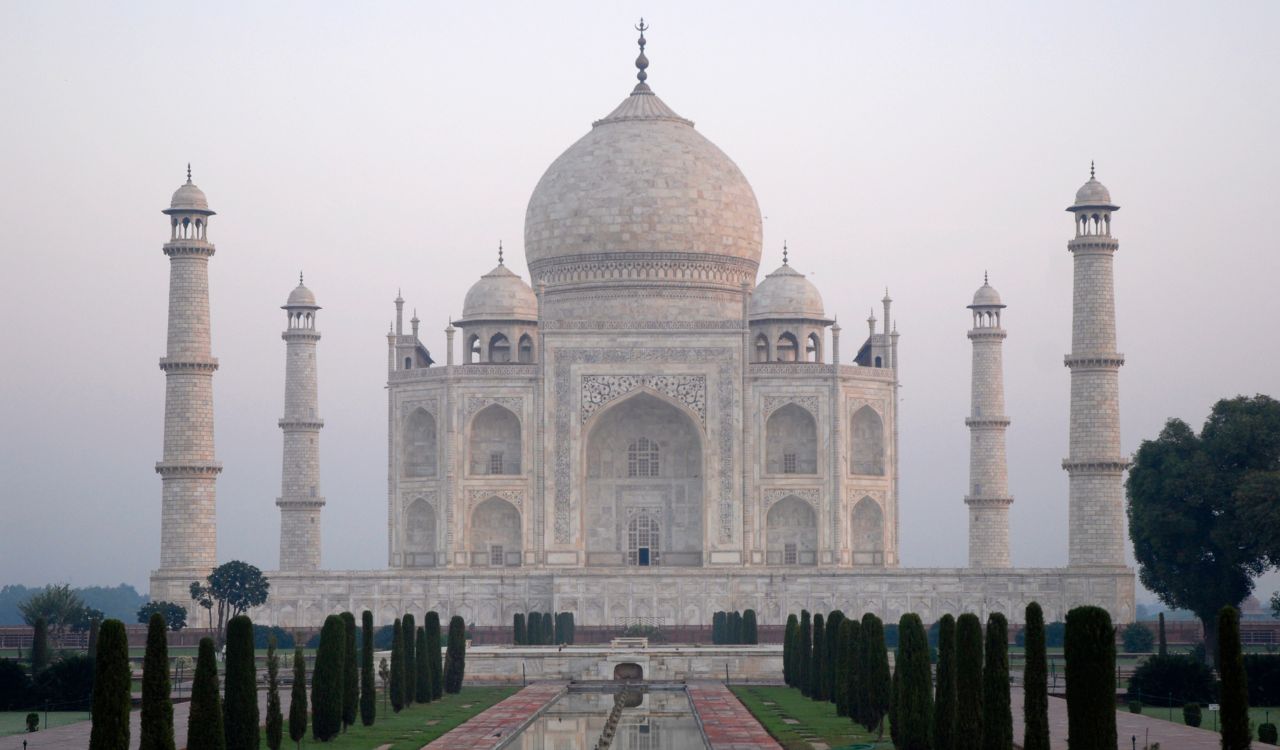
India’s architectural richness spans millennia. Ancient temples carved from rock, Mughal marvels like the Taj Mahal, and colonial-era buildings coexist with booming modern developments. Cities like Hyderabad and Bangalore are leading the charge in futuristic tech hubs and smart infrastructure. The result is a layered cityscape where past and present meet. Whether you’re admiring sandstone palaces or glass towers, India’s architecture reflects its spiritual depth, innovation, and cultural dynamism.
South Korea
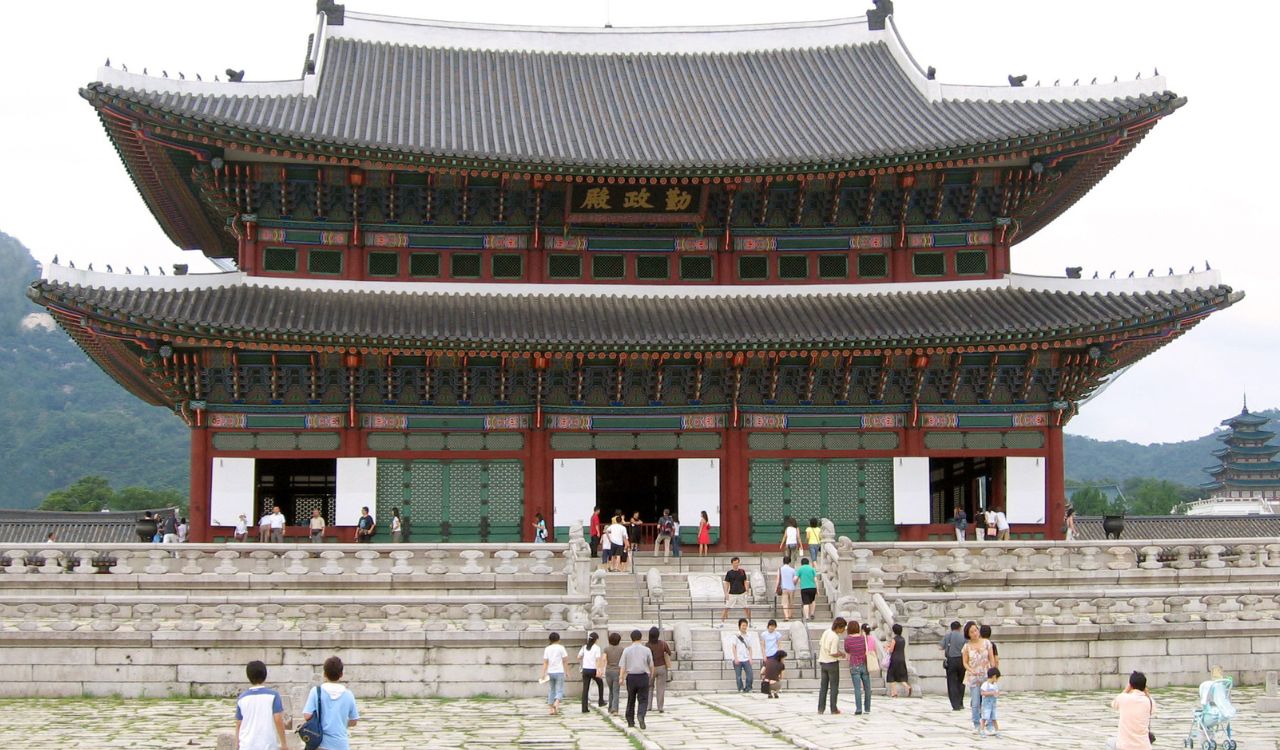
South Korea offers a compelling fusion of tradition and modernity. In Seoul, ancient palaces like Gyeongbokgung stand proudly beside gleaming skyscrapers and ultra-modern smart buildings in Songdo. Architecture here is driven by sustainability, connectivity, and smart technology, without abandoning cultural roots. Hanok villages are preserved while new structures push design boundaries. South Korea proves how architecture can reflect technological progress while maintaining harmony with heritage and human scale.
United Kingdom
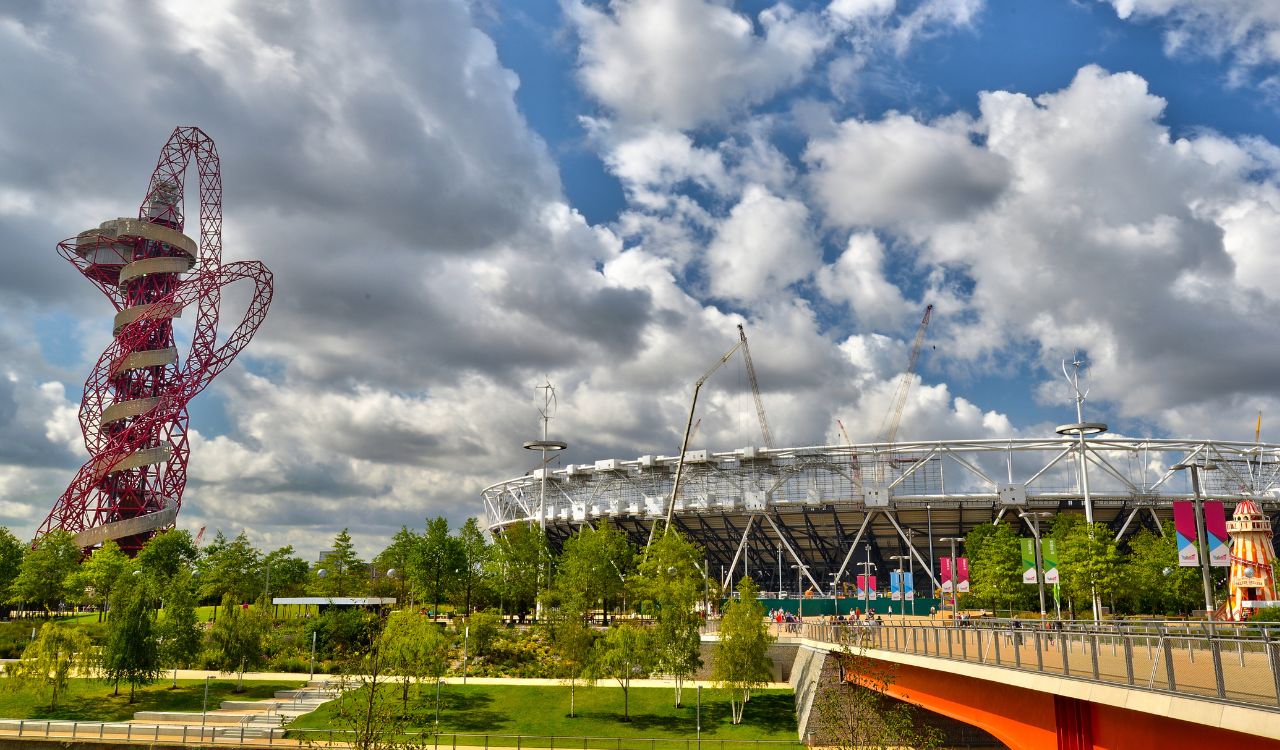
The UK’s architectural landscape is as varied as its history. From medieval castles and Georgian terraces to modern marvels like The Shard, its buildings reflect centuries of cultural evolution. The 2012 London Olympics introduced bold new designs like the ArcelorMittal Orbit, proving Britain’s appetite for innovation. Landmark renovations and eco-friendly builds also show a focus on sustainability. British architecture remains a blend of preservation, creativity, and forward-looking urban design.
South Africa

South Africa’s architecture is shaped by its landscapes and diverse history. The Garden Route features eco-lodges, Cape Dutch-style buildings, and modern coastal homes that blend with nature. Urban centers like Cape Town showcase colonial heritage buildings alongside modern skyscrapers. There’s a growing emphasis on green design and cultural storytelling through architecture. From rural retreats to cityscapes, South African structures express unity with the land and a desire for inclusive, thoughtful design
Spain
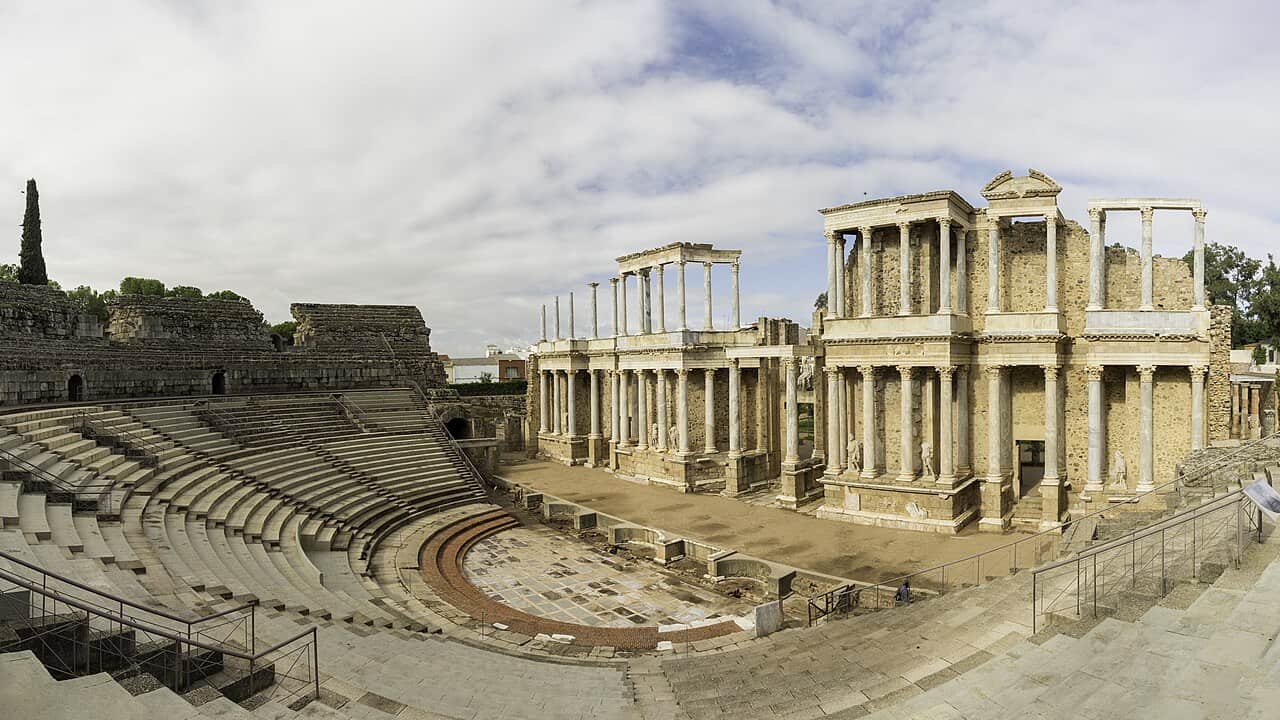
Spain is a canvas of architectural brilliance, blending ancient and avant-garde styles. Barcelona showcases Antoni Gaudí’s surreal works like the Sagrada Família and Casa Batlló, where organic curves and mosaics redefine design. In contrast, cities like Granada boast the Alhambra’s Moorish palaces, steeped in history and intricate detail. Madrid and Valencia push forward with striking modern projects, proving Spain’s ability to honor heritage while embracing daring innovation. The result is a landscape where centuries converse through stone, steel, and imagination.
Greece
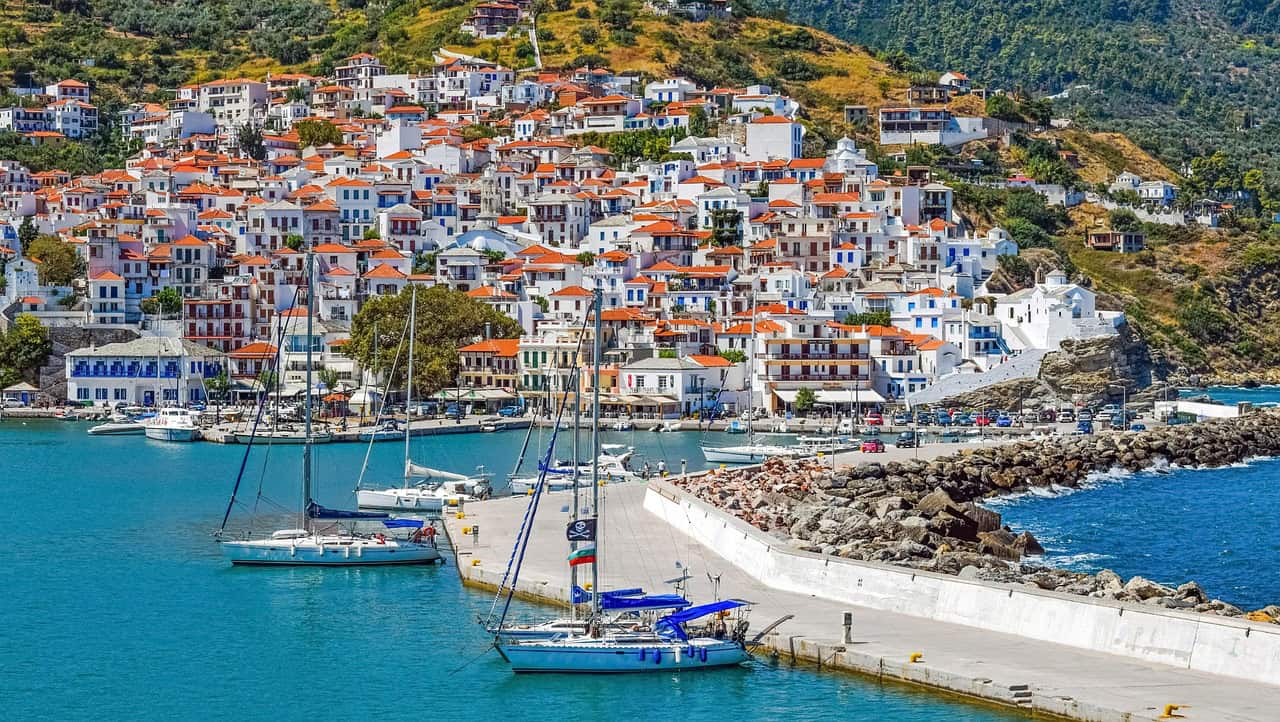
Greece’s architectural legacy spans ancient mastery and modern reinvention. The Parthenon remains a global symbol of balance and proportion, while Byzantine churches and Cycladic villages showcase softer curves, whitewashed walls, and clever adaptation to landscape and climate. Contemporary Greek architects draw from these traditions, creating minimalist homes that merge clean geometry with natural light. From cliffside dwellings in Santorini to Athens’ new cultural centers, Greece’s architecture continues to blend heritage, clarity, and thoughtful innovation.