We may earn money or products from the companies mentioned in this post. This means if you click on the link and purchase the item, I will receive a small commission at no extra cost to you ... you're just helping re-supply our family's travel fund.
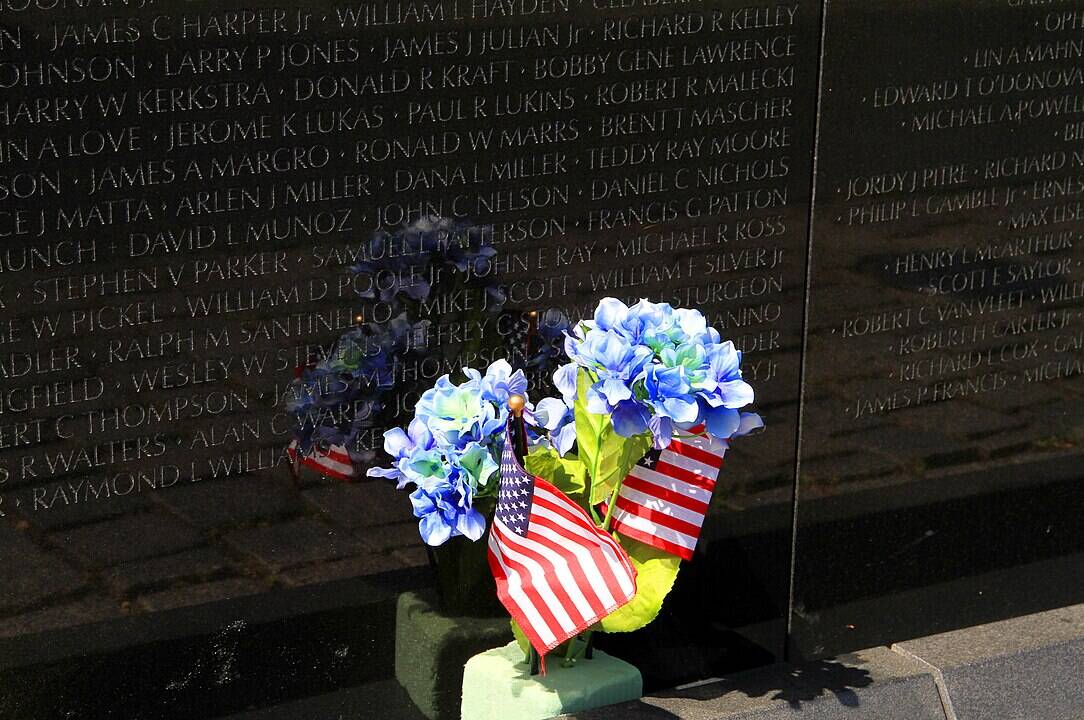
The Vietnam War remains one of the most debated conflicts of the twentieth century, and yet many travelers and even Americans still approach it through fragmented stories, movie scenes, or simplified lessons. The war officially lasted from 1955 to 1975, affected more than 80 million people across Southeast Asia, and reshaped global politics in ways still visible today. Understanding the misunderstandings listed below allows visitors to see Vietnam more truthfully, with empathy, accuracy, and an appreciation of how history continues to shape modern life.
1. The Vietnam War Was Only Between the U.S. and North Vietnam
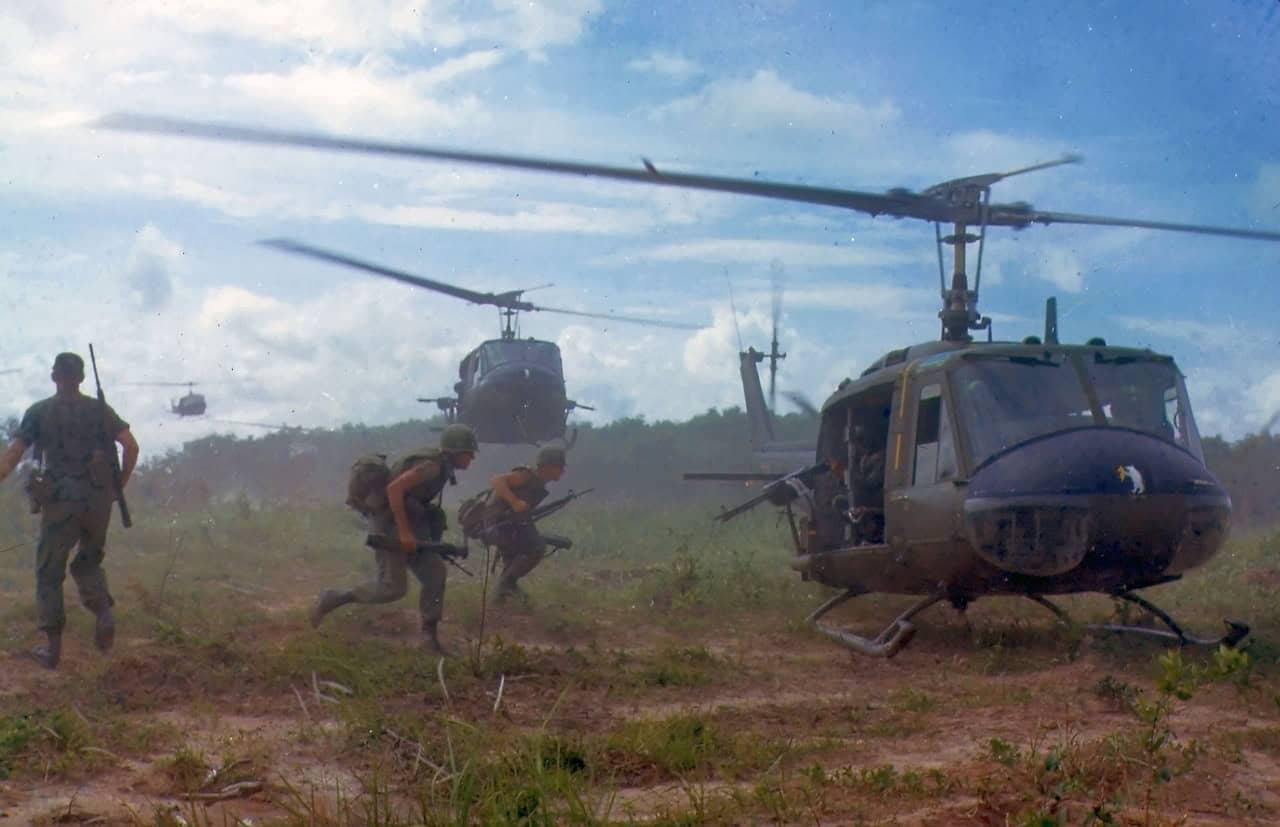
Many still assume the war was simply a fight between two sides, yet it involved at least six major countries, with strategic backing from the USSR and China, and troops from South Korea, Australia, Thailand, and New Zealand supporting the U.S. The conflict followed nearly 80 years of French colonial control, meaning it wasn’t only about America, it was wrapped in decolonization, Cold War power struggles, and Vietnamese nationalist aspirations. Travelers soon realize how international and layered the war truly was.
2. The War Was Simply Communism Versus Democracy
The conflict is often reduced to ideology, but for many Vietnamese it was deeply personal, rooted in identity, sovereignty, and stability after decades of division since 1954. While global powers framed it as a battle between communism and democracy, countless Vietnamese were motivated by nationalism and a desire for unity. Museums across Vietnam emphasize survival, independence, and reunification over ideology alone, reminding travelers that the story was about people as much as politics.
3. The United States Lost Every Battle It Fought
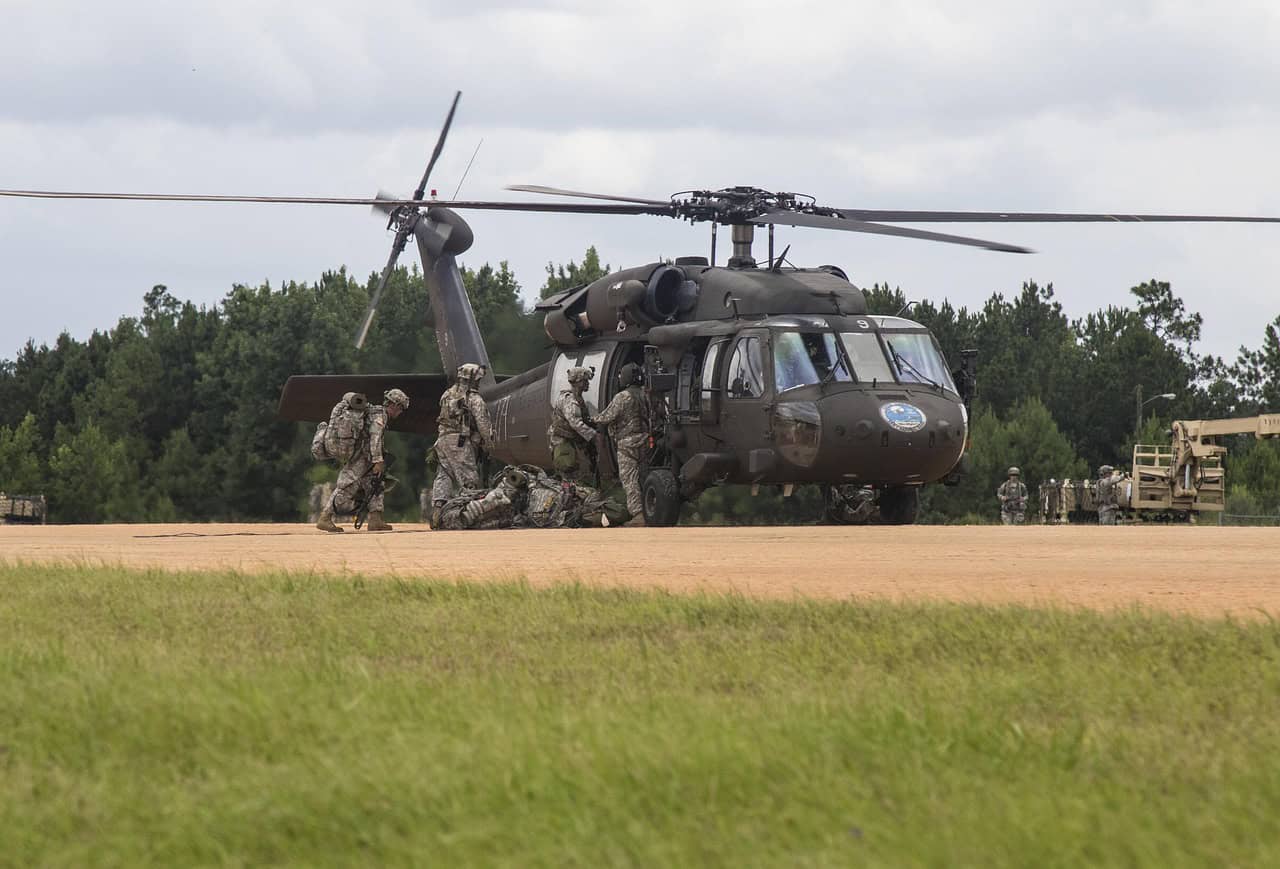
Popular films and collective memory sometimes suggest constant U.S. defeat, yet American and South Vietnamese forces actually won many tactical engagements using advanced aircraft, artillery, and nearly 2.7 million American personnel who served during the conflict. However, tactical wins did not equal strategic success. Guerrilla warfare, patience, and political endurance slowly shifted the course of the war. Travelers often hear that victory on paper does not always equal victory in reality.
4. All Vietnamese Opposed the U.S. Presence
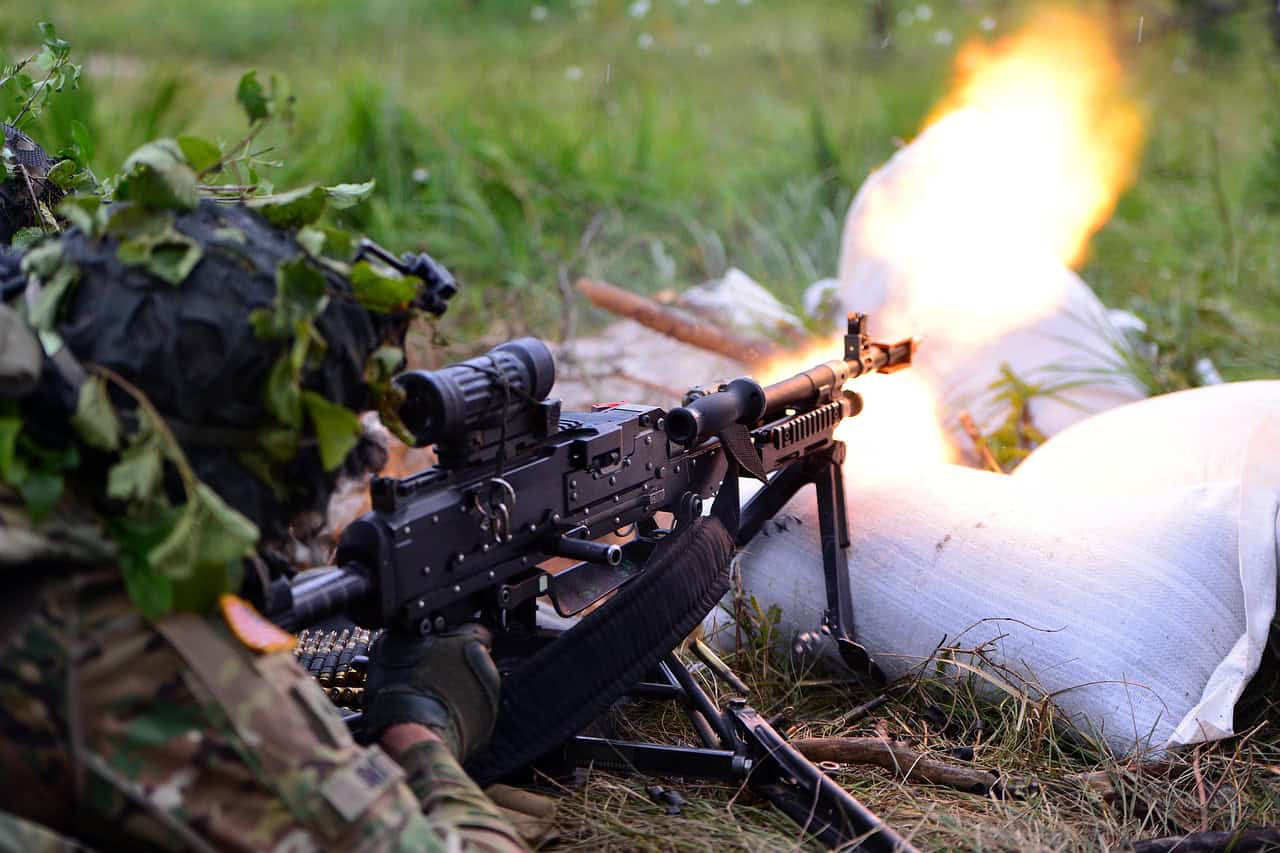
It is easy to imagine a unified national opinion, but Vietnam was divided in complex, human ways. In South Vietnam alone, millions supported U.S. involvement while many others opposed it or simply focused on survival. Communities split, families disagreed, and loyalties changed with circumstance. Records from the 1960s show over 17 million civilians caught in uncertainty rather than clear ideological positions. Recognizing this complexity helps travelers avoid oversimplified “one side against another” thinking.
5. The Tet Offensive Was a Clear Victory for the North
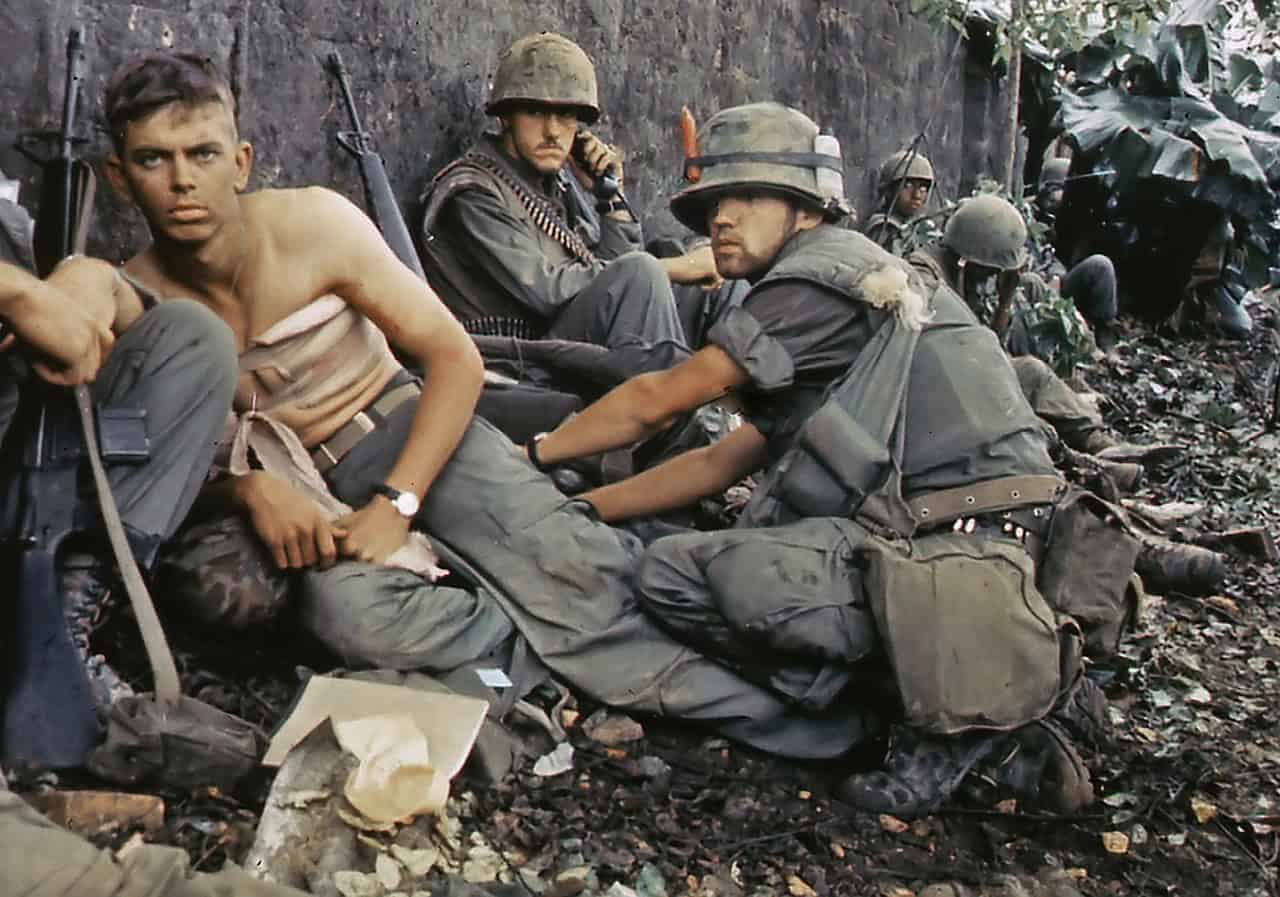
When the Tet Offensive erupted in early 1968, more than 80,000 North Vietnamese and Viet Cong fighters launched coordinated attacks across cities and military bases. Although the North suffered heavy casualties, the offensive shocked American citizens watching television at home, revealing how unstable the situation truly was. Tet became a psychological turning point, weakening American public confidence and political resolve. It demonstrated that a war can be lost in perception long before it is lost militarily.
6. Agent Orange Only Affected American Soldiers
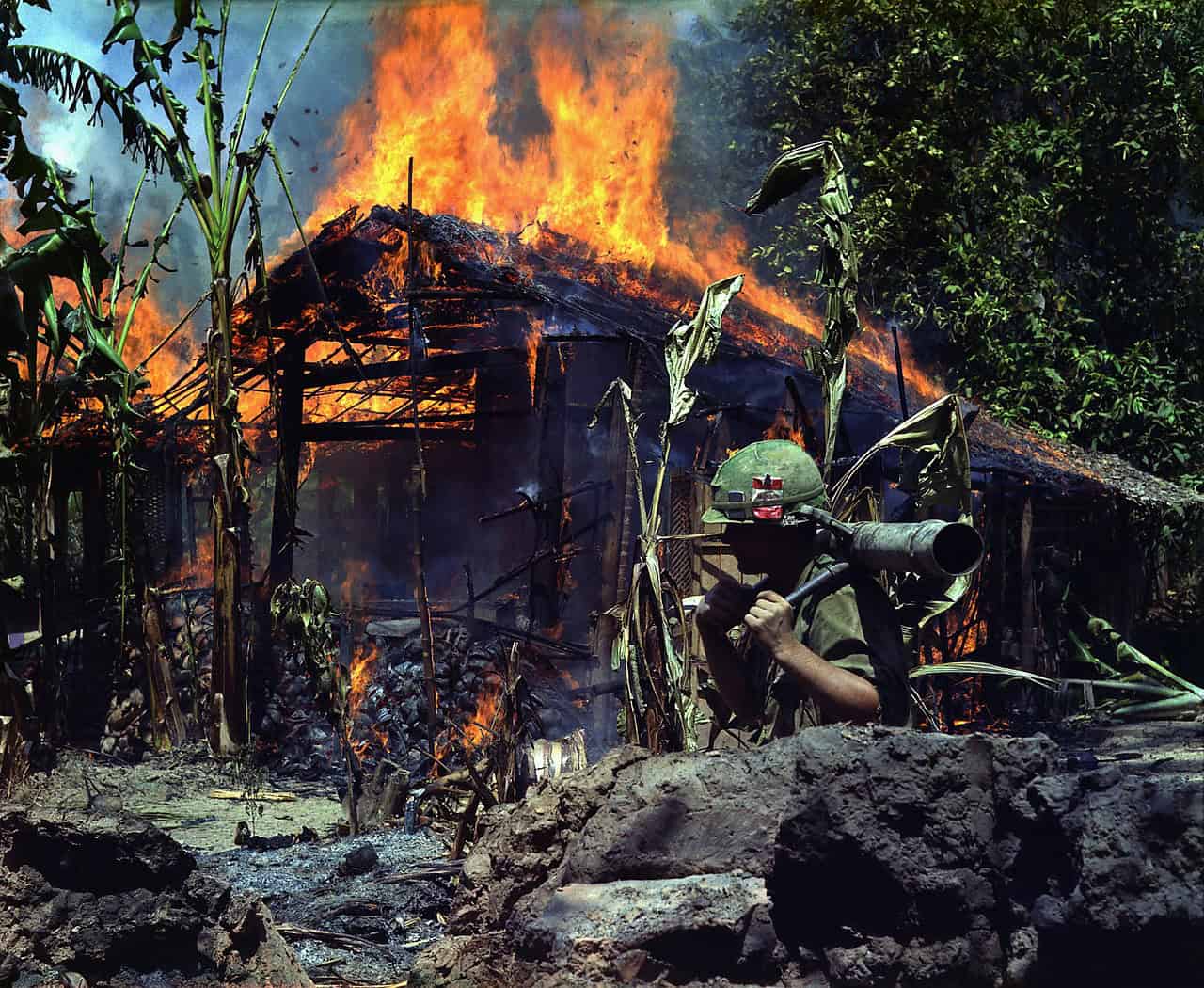
Agent Orange is often remembered primarily through the experiences of U.S. veterans, yet its impact inside Vietnam was catastrophic and long-lasting. Between 1961 and 1971, around 20 million gallons of herbicides were sprayed, contaminating soil, rivers, and food supplies. Millions of Vietnamese civilians suffered cancers, birth abnormalities, and generational health effects still seen today. Travelers visiting museums and affected regions quickly understand that its devastation extends far beyond the battlefield and continues decades later.
7. Everyone Wanted Reunification Under Communist Rule
While many Vietnamese hoped for national reunification, not everyone welcomed the political reality that came afterward. Following 1975, re-education camps, property confiscations, and restricted freedoms led to more than 1.5 million people fleeing the country, remembered today as the “boat people.” Others remained, rebuilt their lives, and contributed to national recovery. This difficult aftermath reminds travelers that victory for one side did not mean ease or happiness for everyone.
8. Everything Ended Peacefully When Saigon Fell in 1975
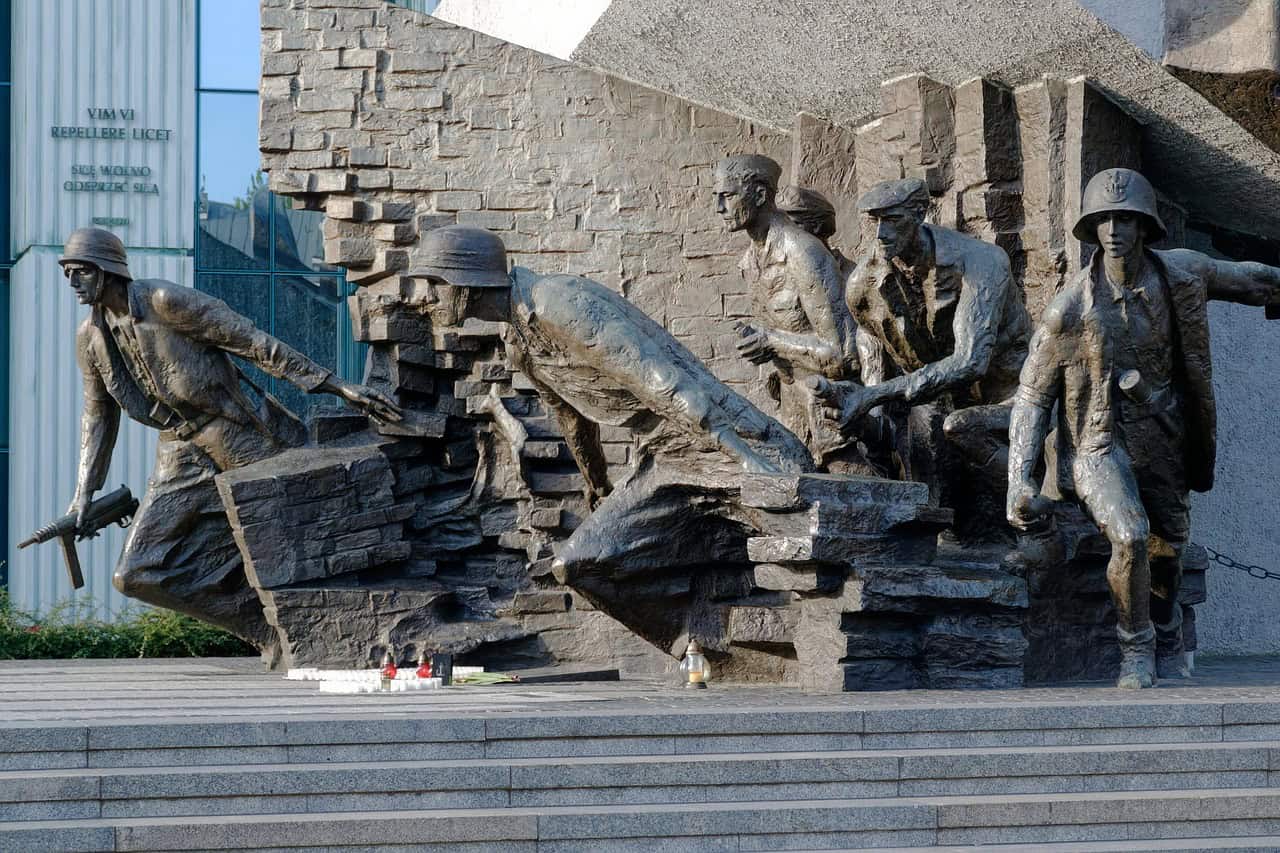
Images of helicopters leaving Saigon often suggest an immediate ending, yet challenges continued long afterward. Vietnam endured severe economic difficulties, international isolation, and regional conflicts, including war with Cambodia in 1978 and confrontation with China in 1979. Real recovery began only after economic reforms known as Đổi Mới in 1986, which helped transform Vietnam into one of Asia’s fastest-growing economies. The nation visitors see today is the result of resilience rather than instant stability.
9. Vietnam Still Holds Deep Hostility Toward Americans
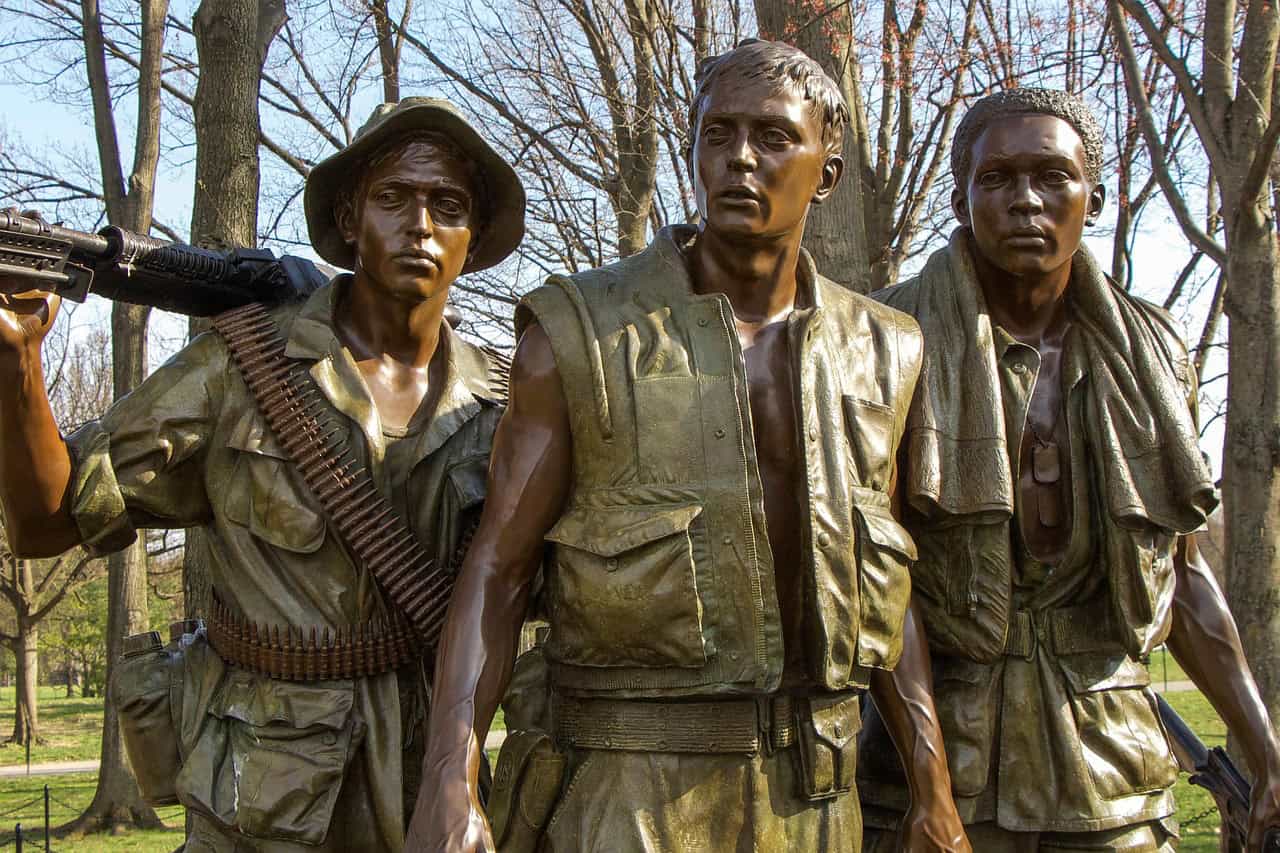
Many travelers arrive expecting bitterness, yet modern Vietnam is surprisingly welcoming. A majority of the population is under 35 years old, meaning most citizens were born long after the war. People commonly distinguish between governments and individuals, and millions of American tourists visit Vietnam every year without encountering resentment. Instead, travelers experience warmth, curiosity, and a forward-looking spirit focused more on opportunity than anger.
10. The Vietnam War Was Only Fought in Dense Jungle
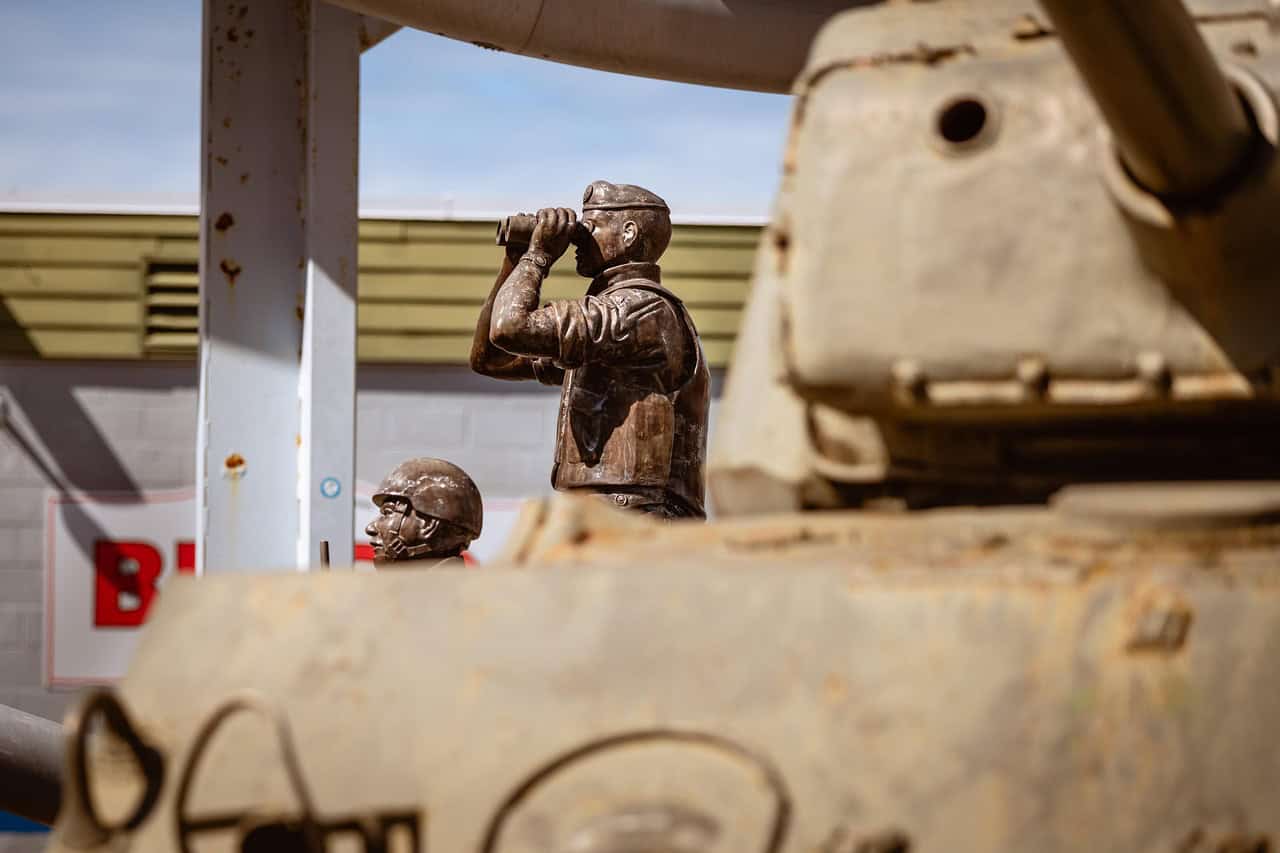
Hollywood fixed the image of endless green jungles, but the war unfolded across cities, mountains, villages, coastlines, and fertile river deltas. Urban battles such as the Battle of Hue in 1968 lasted nearly a month and devastated historic streets and structures. Thousands of civilians and soldiers were affected in highly populated urban zones. Travelers moving across Vietnam soon realize the war reshaped both landscapes and cityscapes, not just remote forests.
11. There Is a Single, Universally Accepted Story of the War
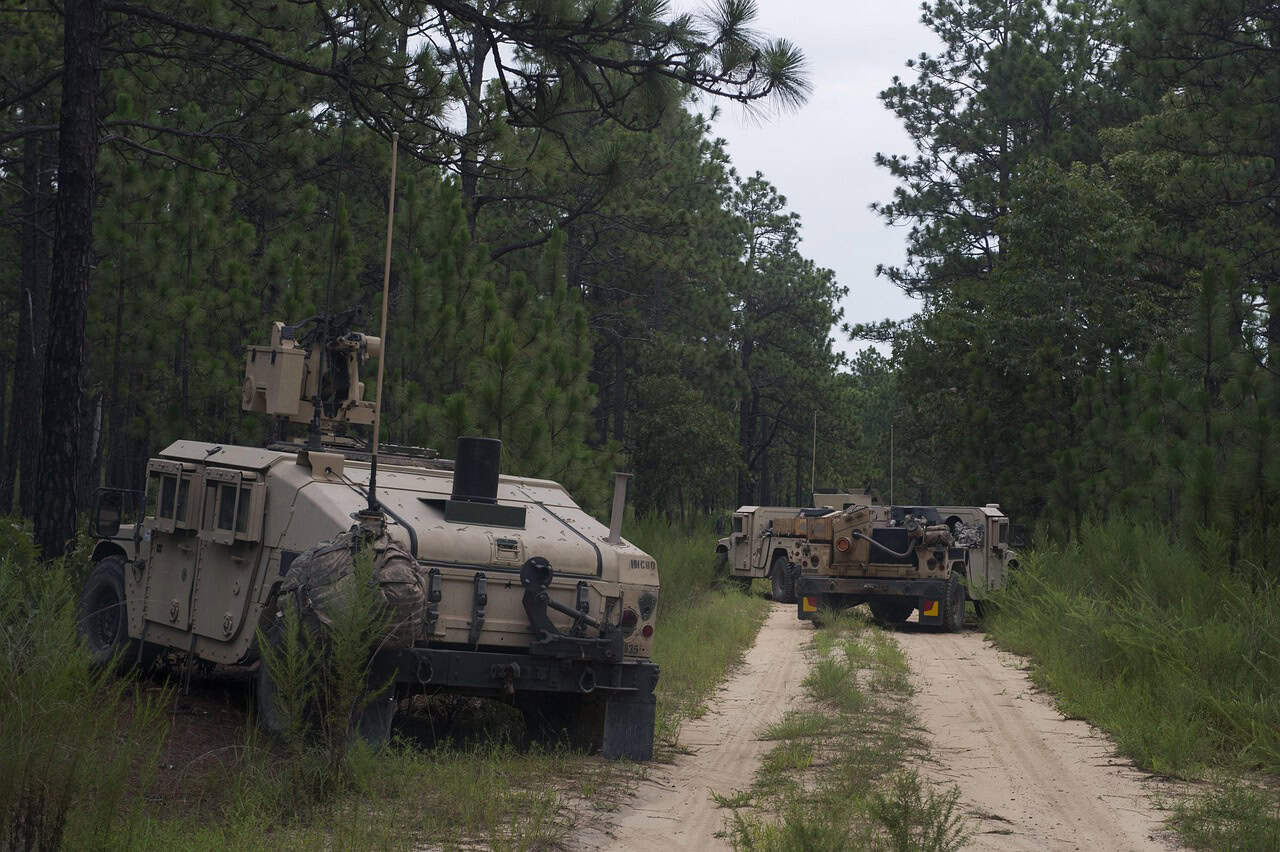
Many expect one definitive explanation, yet the Vietnam War shifts depending on who tells it. American veterans, North Vietnamese fighters, families of former South Vietnamese citizens, historians, and museum curators each emphasize different realities. The conflict itself stretched across more than 30 years when earlier struggles are included, making varied perspectives inevitable. Travelers who listen carefully learn that truth in history often carries many sincere voices rather than one fixed narrative.