We may earn money or products from the companies mentioned in this post. This means if you click on the link and purchase the item, I will receive a small commission at no extra cost to you ... you're just helping re-supply our family's travel fund.
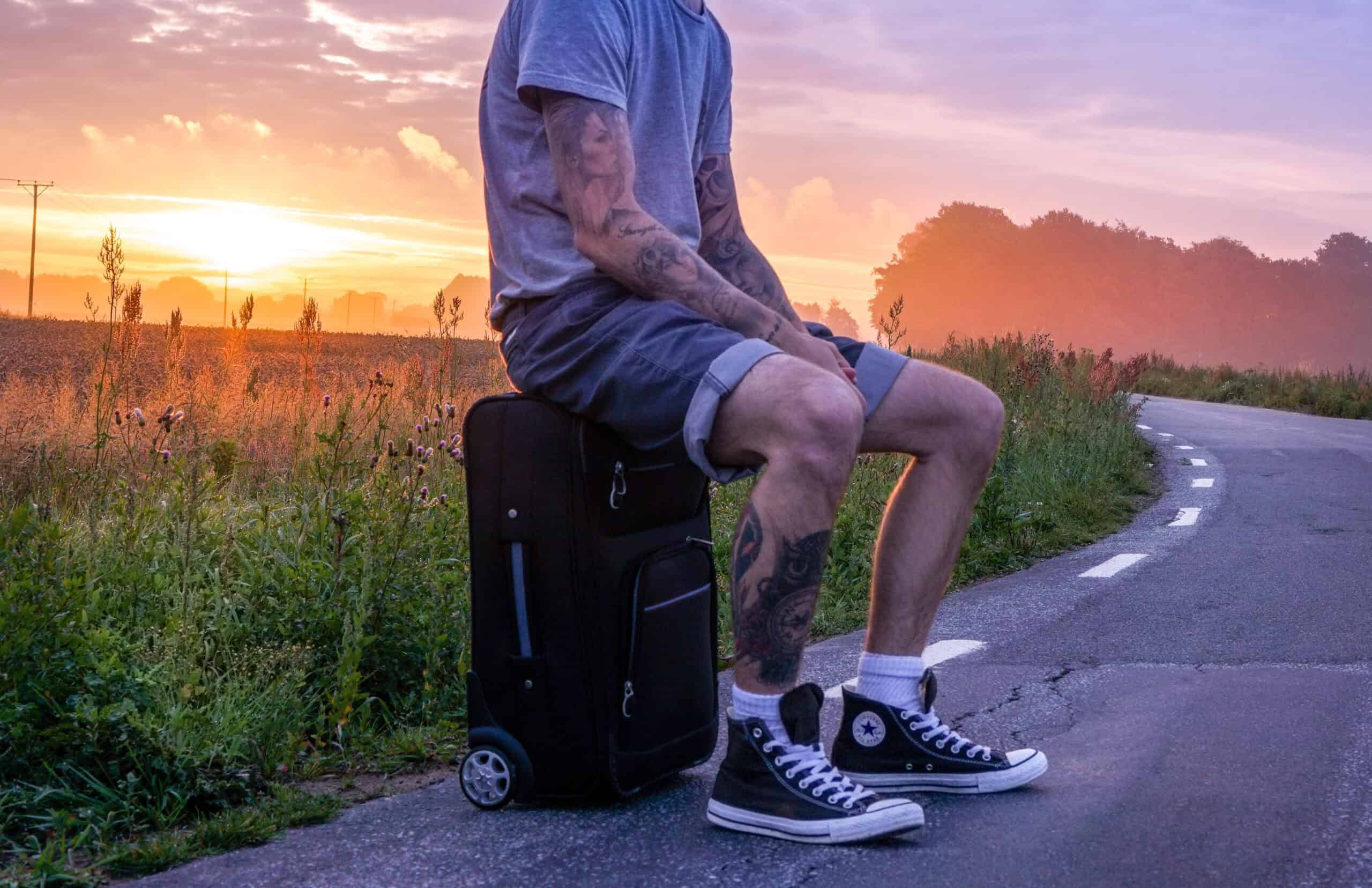
Travel in 2026 feels more deliberate than ever. People are no longer just choosing destinations; they are shaping how they move, how long they stay, and what they want to feel along the way. Work, rest, and exploration now blend into one experience, rather than separate phases. Technology has made movement easier, but intention is what defines it. Many travelers are stepping away from rushed itineraries and focusing on comfort, flexibility, and meaning, creating journeys that feel less like escape and more like a natural extension of life.
Slow Travel Stays
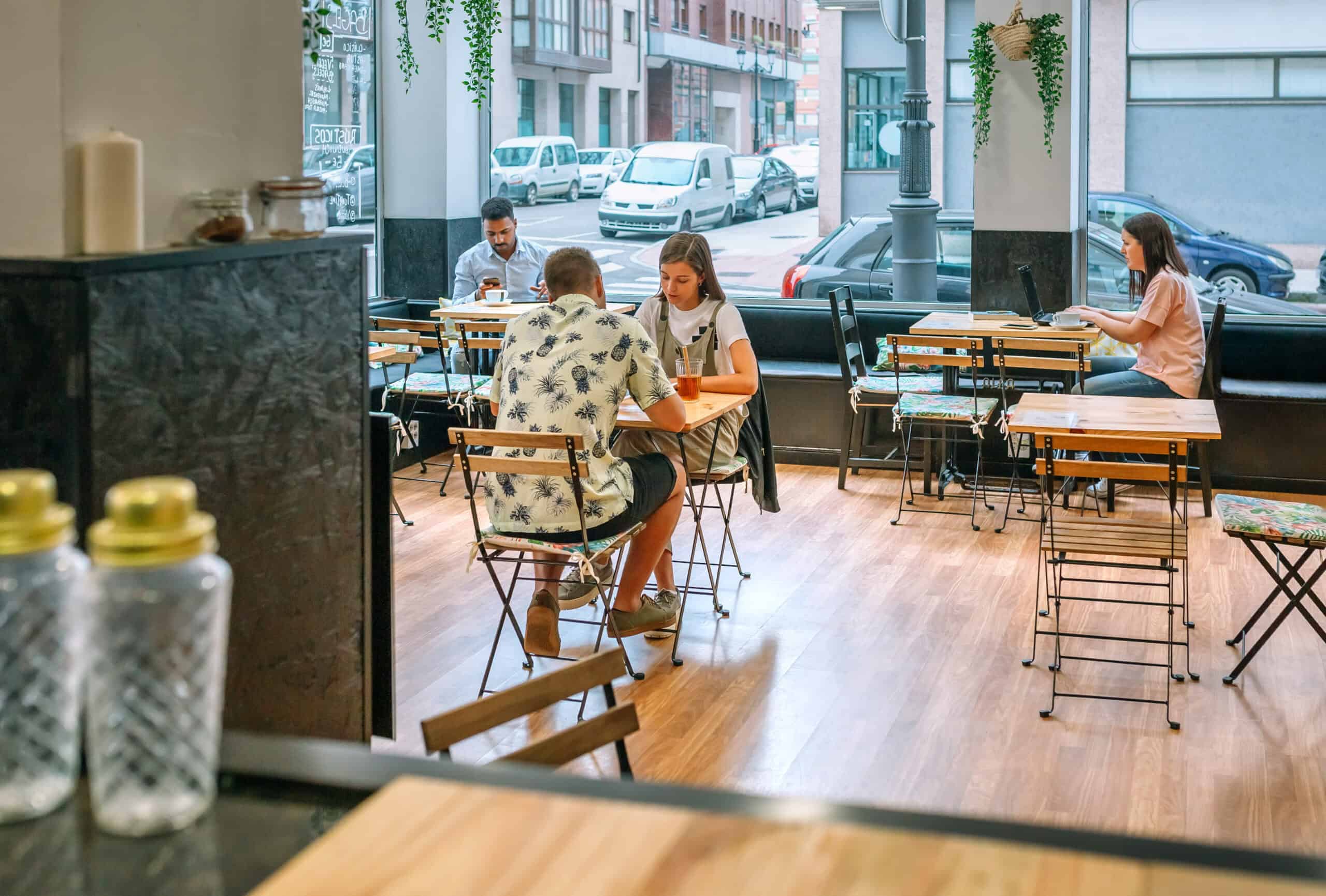
More travelers are choosing to stay in one place longer instead of moving quickly from city to city. Renting apartments for several weeks allows them to settle into daily routines, shop locally, and understand the rhythm of a place. This approach reduces the exhaustion that comes with constant movement and creates a deeper connection to the destination. Instead of chasing major attractions, the focus shifts to everyday life, where small details and familiar routines begin to shape the overall travel experience.
Remote Work Journeys

Work and travel are now closely connected, with many people building trips around their jobs rather than taking time off. Travelers choose destinations with reliable internet, comfortable workspaces, and manageable time differences. Cities and smaller towns have adapted by offering coworking spaces and long-stay housing. This setup allows people to extend their time away without losing structure. The result is a lifestyle that blends productivity with exploration, where work supports travel instead of limiting it.
Train-First Itineraries
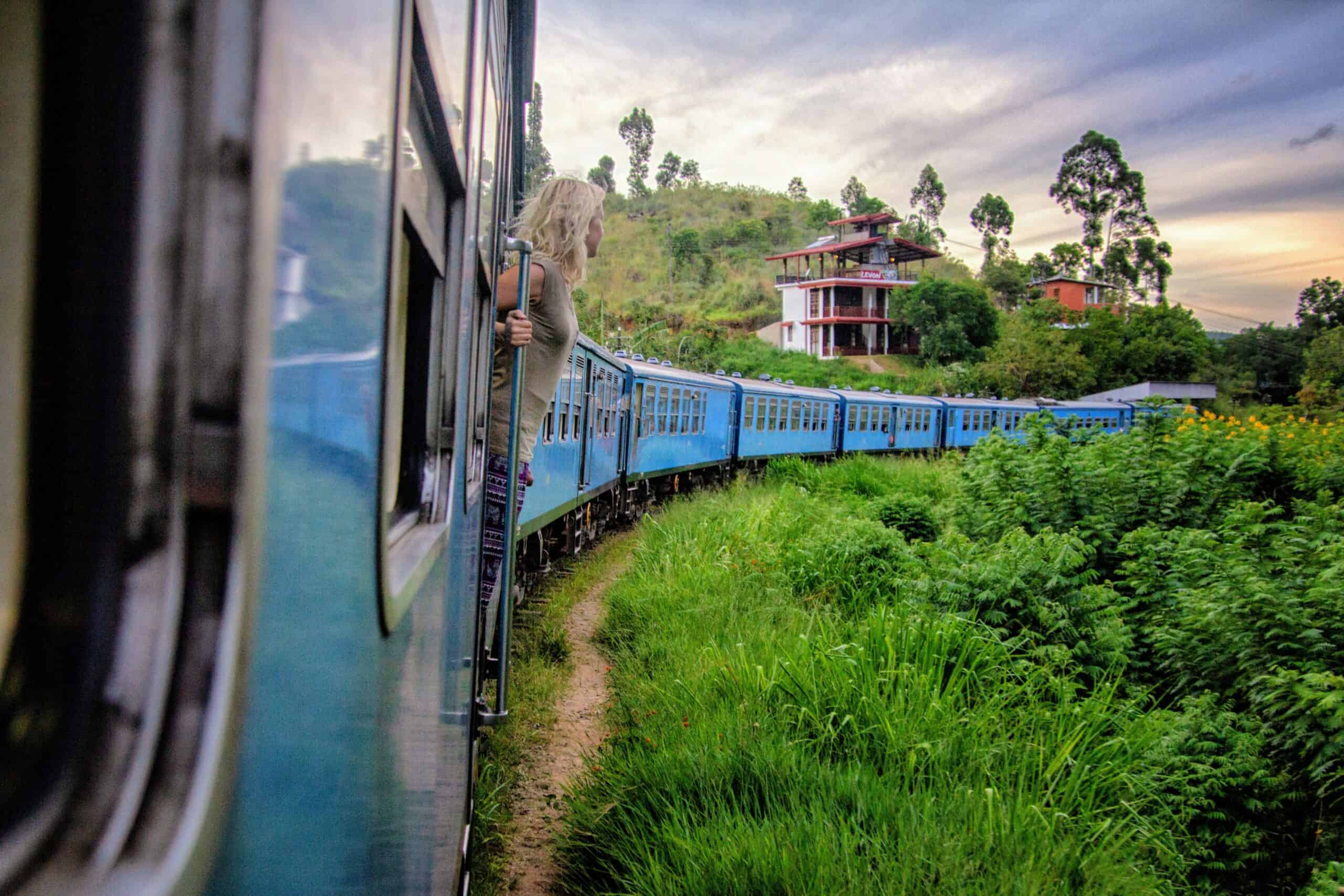
Trains are becoming a preferred way to move between destinations, especially in regions with strong rail networks. Travelers appreciate the extra space, smoother boarding process, and the chance to enjoy the landscape along the way. Unlike flights, train travel feels less rushed and more connected to the journey itself. Many people now plan entire trips around rail routes, turning transportation into an experience rather than a task that needs to be completed quickly.
Digital Detox Retreats
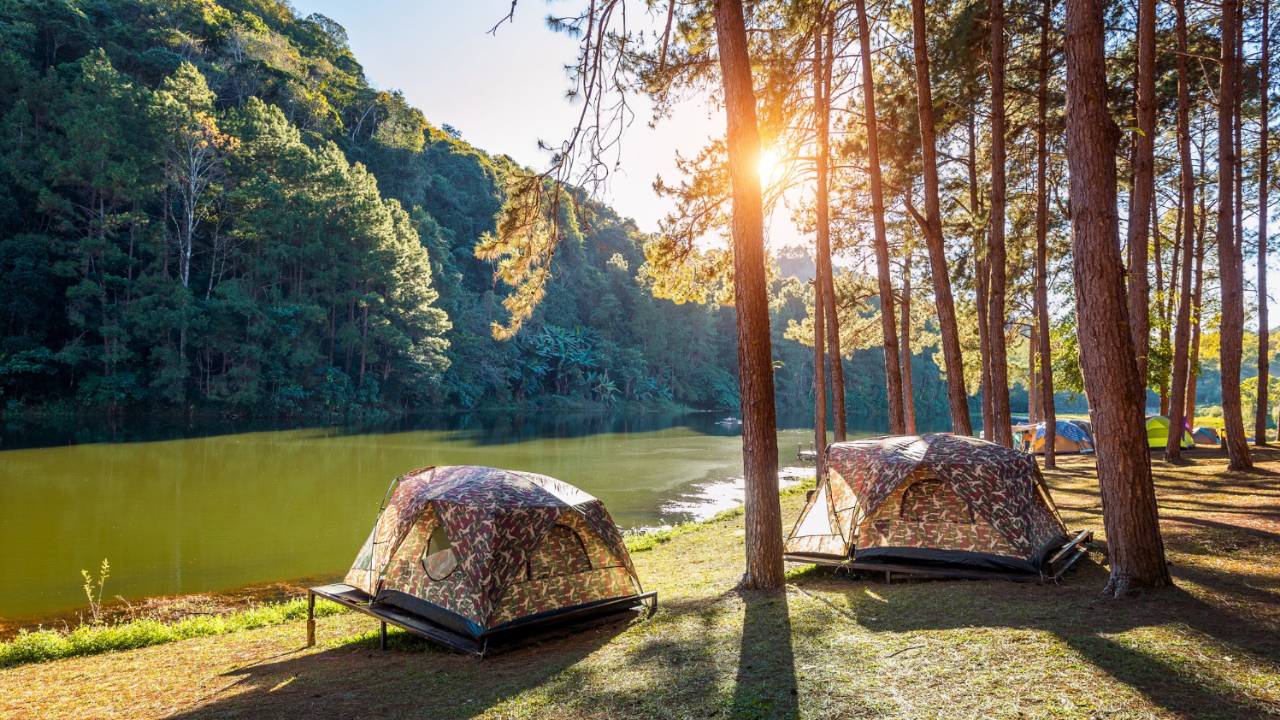
Many travelers are stepping away from constant notifications by choosing destinations that encourage limited screen use. Digital detox retreats focus on quiet surroundings, nature, and real-world interaction instead of online activity. Without the pressure to stay connected, time begins to feel slower and more intentional. These experiences often leave travelers feeling more present and mentally clear, offering a break from the constant flow of information that shapes everyday life.
Subscription-Based Travel

Travel subscriptions are changing how frequent travelers plan their trips. Instead of booking each journey separately, people join services that offer access to curated stays or flights for a recurring fee. This model simplifies planning and reduces the time spent comparing options. It also creates a sense of consistency, while still allowing variety in destinations. For those who travel often, the convenience and structure make the experience feel more manageable and less repetitive.
Off-Season Exploration
kitano_lisa_0001/Unsplash
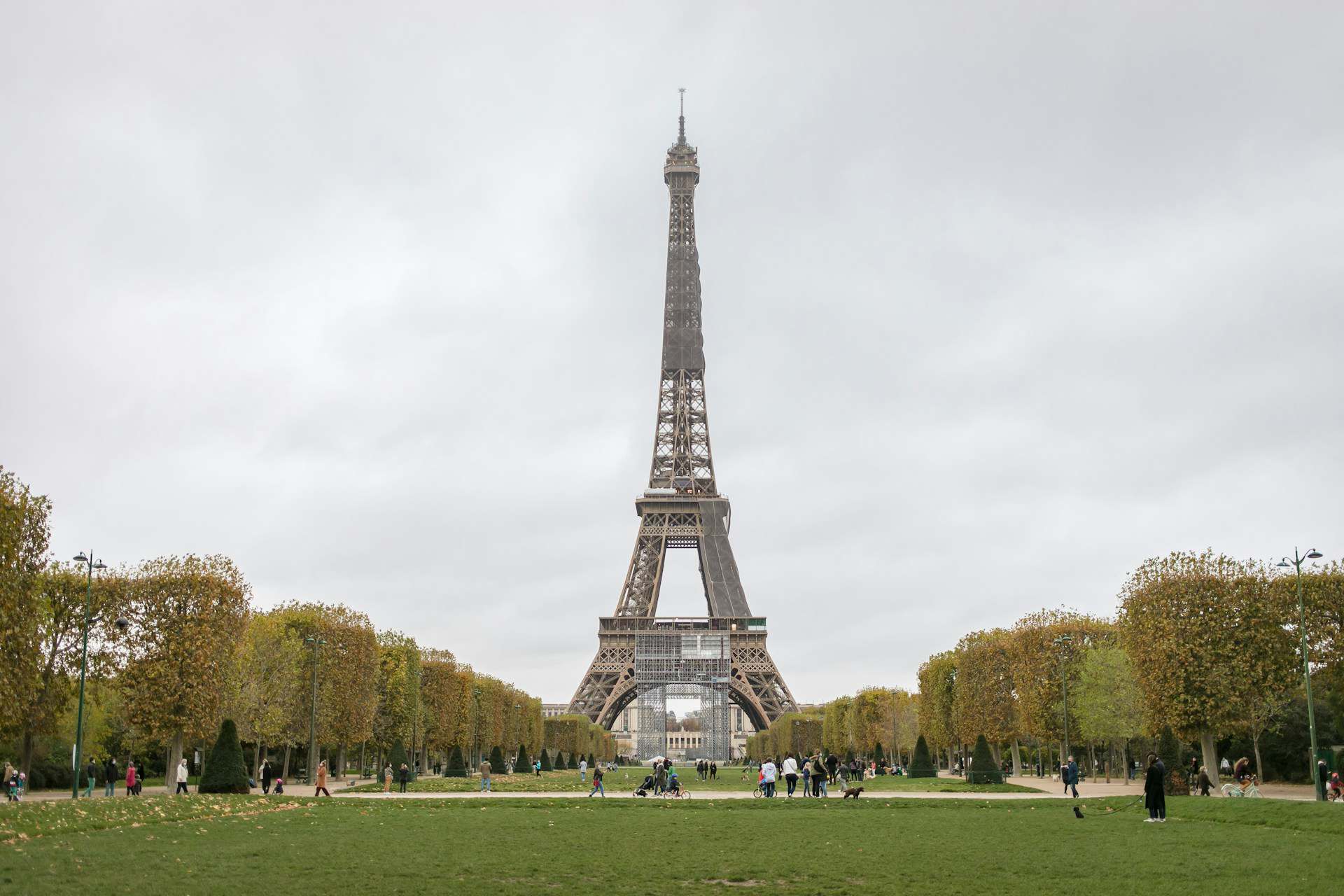
Traveling outside peak seasons has become a conscious choice for many people. Off-season trips offer lower prices, fewer crowds, and a more relaxed environment. Destinations feel less pressured and more authentic when they are not overwhelmed by visitors. This approach also allows travelers to experience places in a different light, where daily life continues without interruption. The result is a quieter, more comfortable experience that focuses on presence rather than timing.
Hyper-Local Experiences
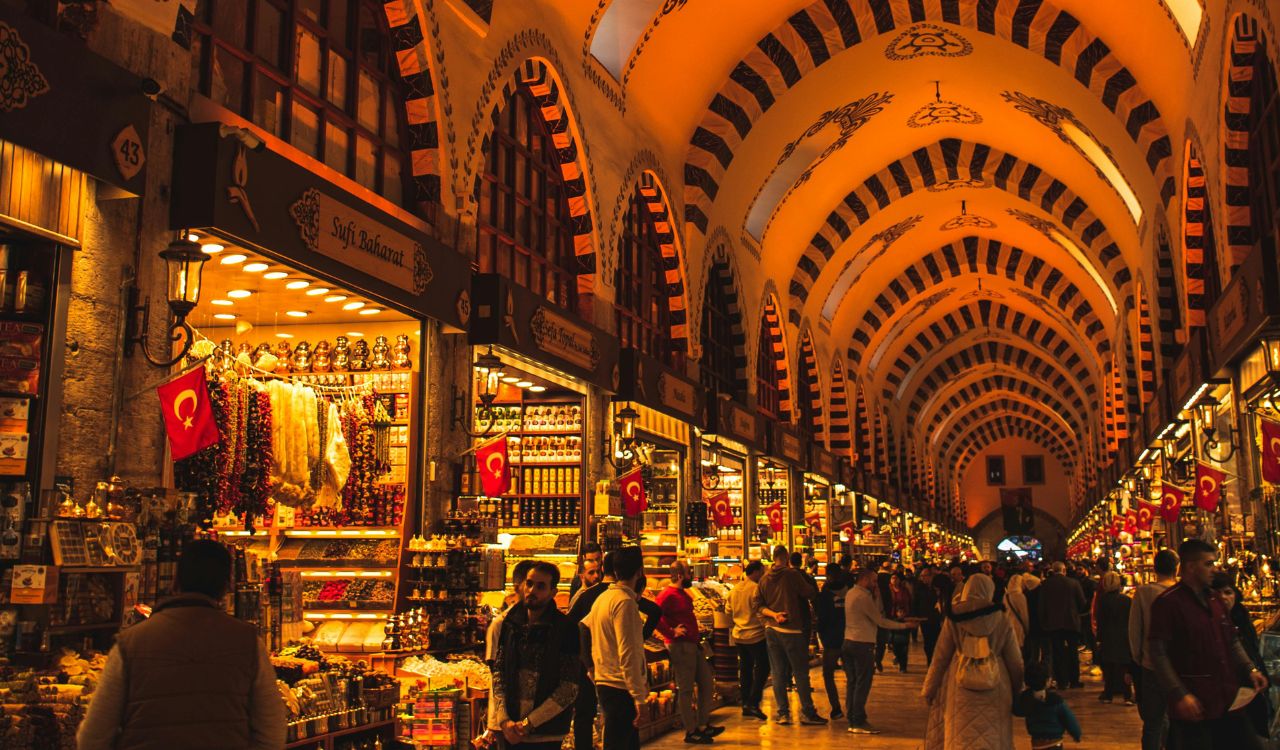
Travelers are moving away from large attractions and seeking smaller, local experiences that feel more personal. This might include neighborhood food tours, craft workshops, or community-led activities. These moments provide insight into culture that is often missed in traditional sightseeing. The focus shifts from observing to participating, creating a stronger sense of connection. Over time, these smaller experiences tend to leave a more lasting impression than major landmarks.
Multi-Generational Trips

Family travel now often includes multiple generations, bringing together different age groups in one shared experience. These trips are planned with balance in mind, offering activities that suit both younger and older travelers. Accommodations are chosen for space and comfort, allowing time together without feeling crowded. The focus is less on individual plans and more on shared moments. This approach creates lasting memories that feel meaningful across every stage of life.
Wellness-Focused Travel
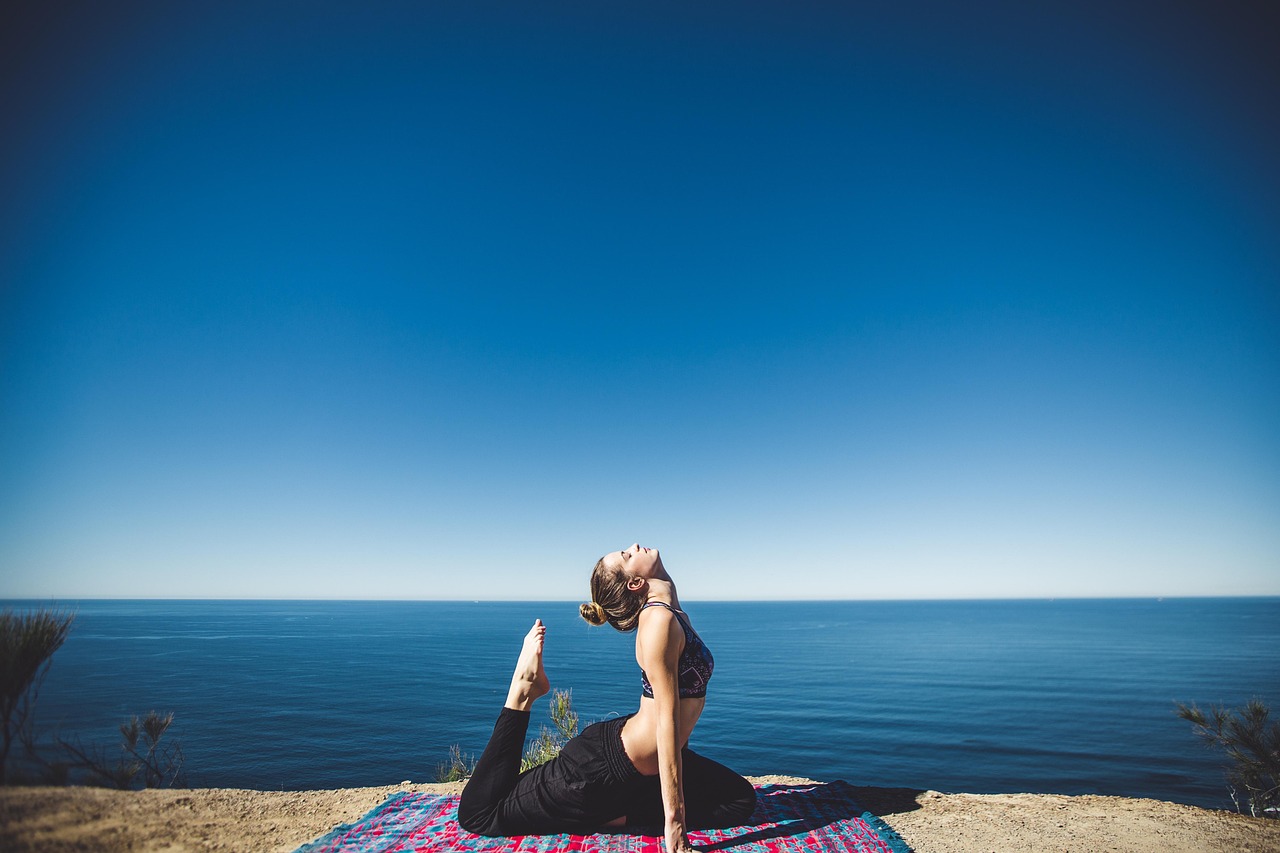
Travel is increasingly tied to physical and mental well-being. Many trips now center around rest, movement, and overall health, rather than packed schedules. Wellness retreats, nature stays, and quiet destinations are becoming more common choices. Travelers pay closer attention to how they feel during the trip, not just what they accomplish. The pace is slower, the routines are intentional, and the goal is to return home feeling steady and restored.
Short-Form Micro Trips

Short trips are becoming a practical way to travel more often without major planning. These journeys usually last a few days and focus on a single location or experience. Travelers choose nearby destinations or places that are easy to reach, making the process simple and efficient. Micro trips fit into busy schedules while still offering a clear break from routine. The emphasis is on making the time count, rather than extending the duration unnecessarily.
Solo Travel Communities

Solo travel continues to grow, but it no longer feels isolating. Travelers are joining small groups, shared accommodations, or guided experiences that allow connection without losing independence. These setups create opportunities to meet others while still maintaining personal space. The balance between solitude and interaction makes solo travel more comfortable. It also opens the door to meaningful conversations and shared experiences along the way.