We may earn money or products from the companies mentioned in this post. This means if you click on the link and purchase the item, I will receive a small commission at no extra cost to you ... you're just helping re-supply our family's travel fund.
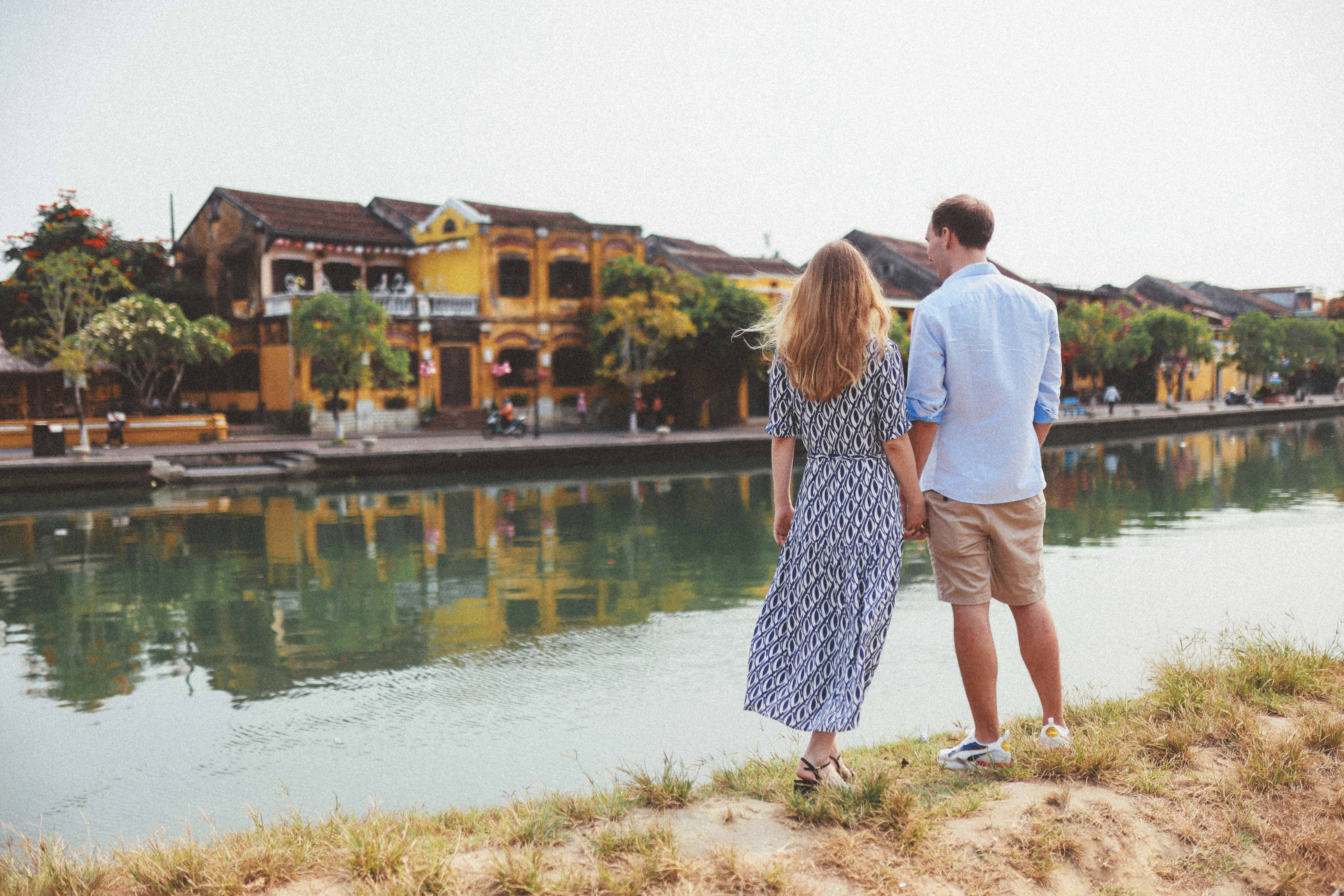
In 2026, the smartest trips are not always the loudest or the most expensive. Some places still deliver the small thrill of polished hotels, memorable meals, slow mornings, and scenery that feels far richer than the bill suggests. From lantern-lit streets and royal courtyards to sea views, bathhouses, and quiet riads, these destinations turn modest budgets into something that feels indulgent. They offer beauty with substance, comfort without pretense, and the rare sense that travel can still surprise in all the right ways.
Hoi An, Vietnam
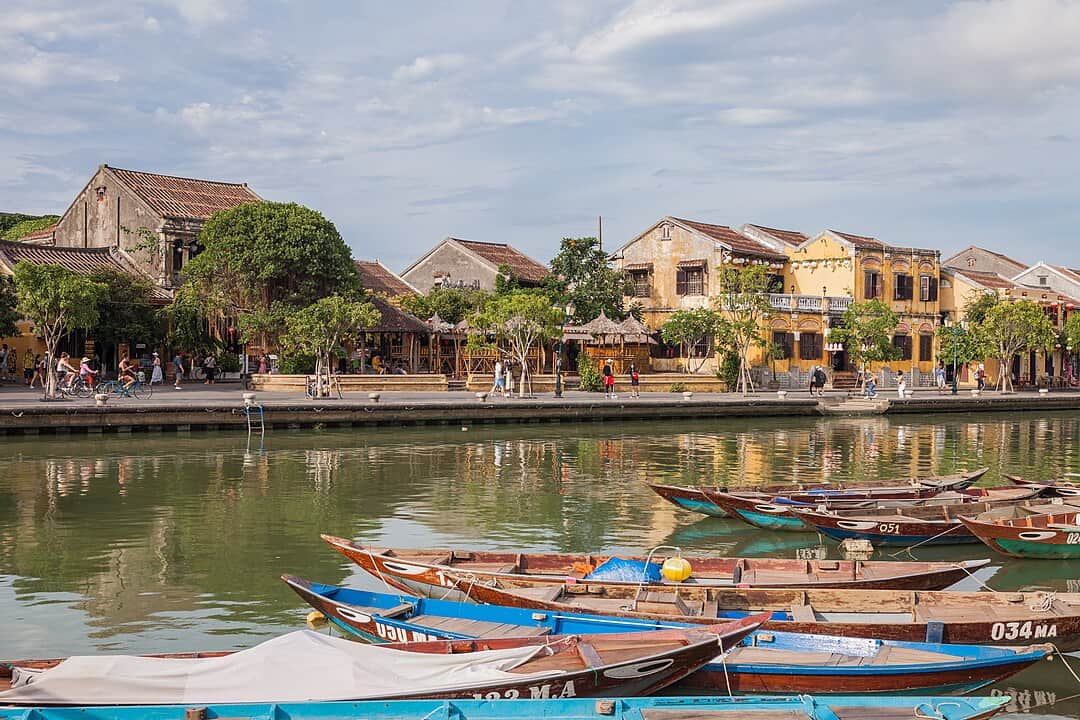
Hoi An has a way of feeling curated without feeling artificial. The Ancient Town glows after dark under lantern light, and Vietnam’s tourism board notes that the lantern festival falls on the 14th day of every lunar month, when the town reduces electric lighting and the candlelit atmosphere takes over. Just outside the old center, beach resorts and wellness stays add massages, yoga, and polished service that would cost far more in many other seaside destinations. The town manages to feel both handmade and polished at once.
The Albanian Riviera, Albania
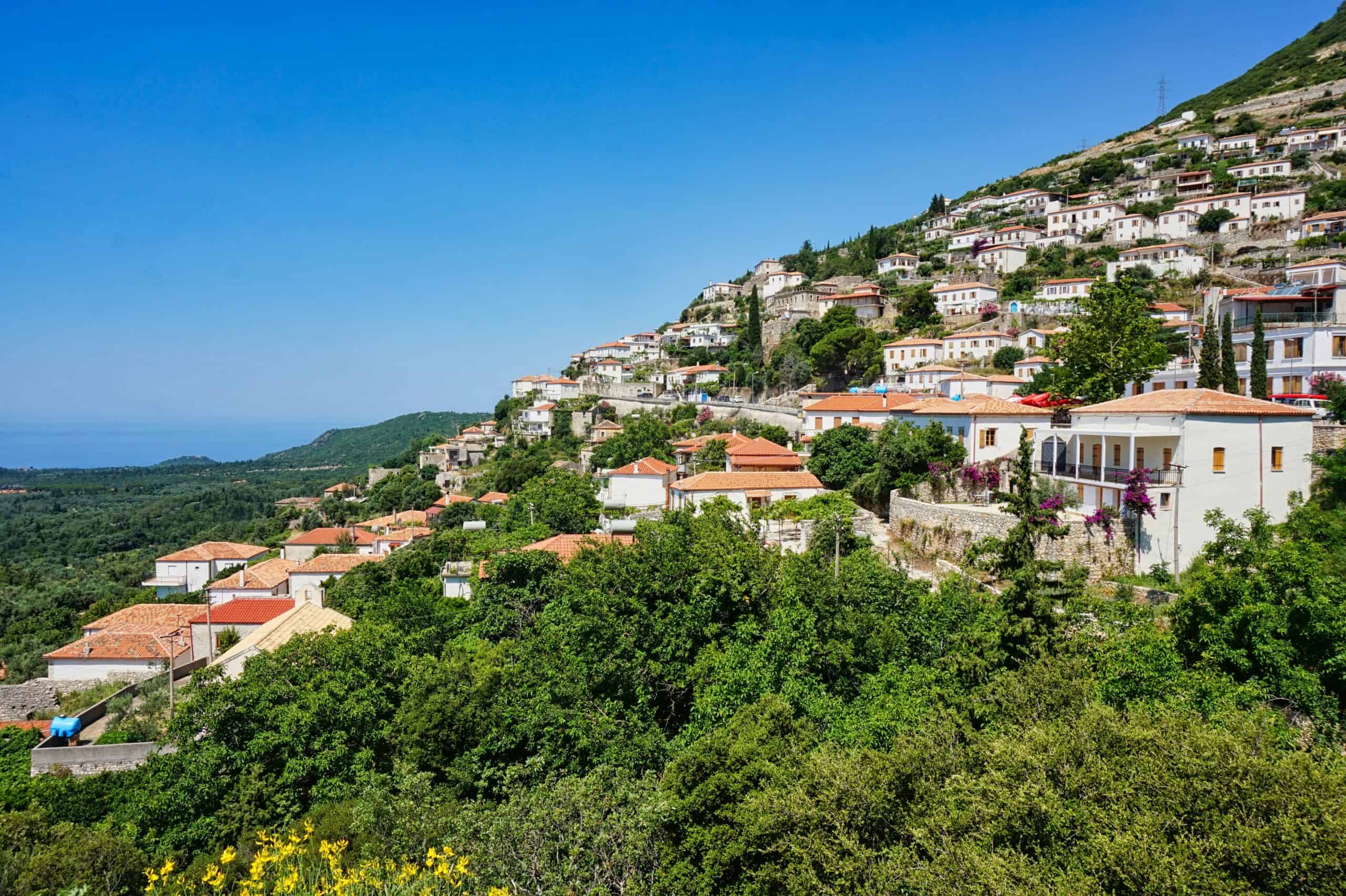
The Albanian Riviera delivers the visual language of a glamorous Mediterranean escape without the financial sting that usually comes with it. Albania’s tourism agency highlights the Ionian coast’s iconic beaches, from Dhërmi and Himarë to Saranda and Ksamil, while Condé Nast Traveler has recently spotlighted boutique Albanian stays that feel chic rather than makeshift. Between bright water, dramatic coastal roads, and hotels that lean into balconies, stone, and sea-facing calm, the region gives travelers a surprisingly polished version of summer.
Tbilisi, Georgia
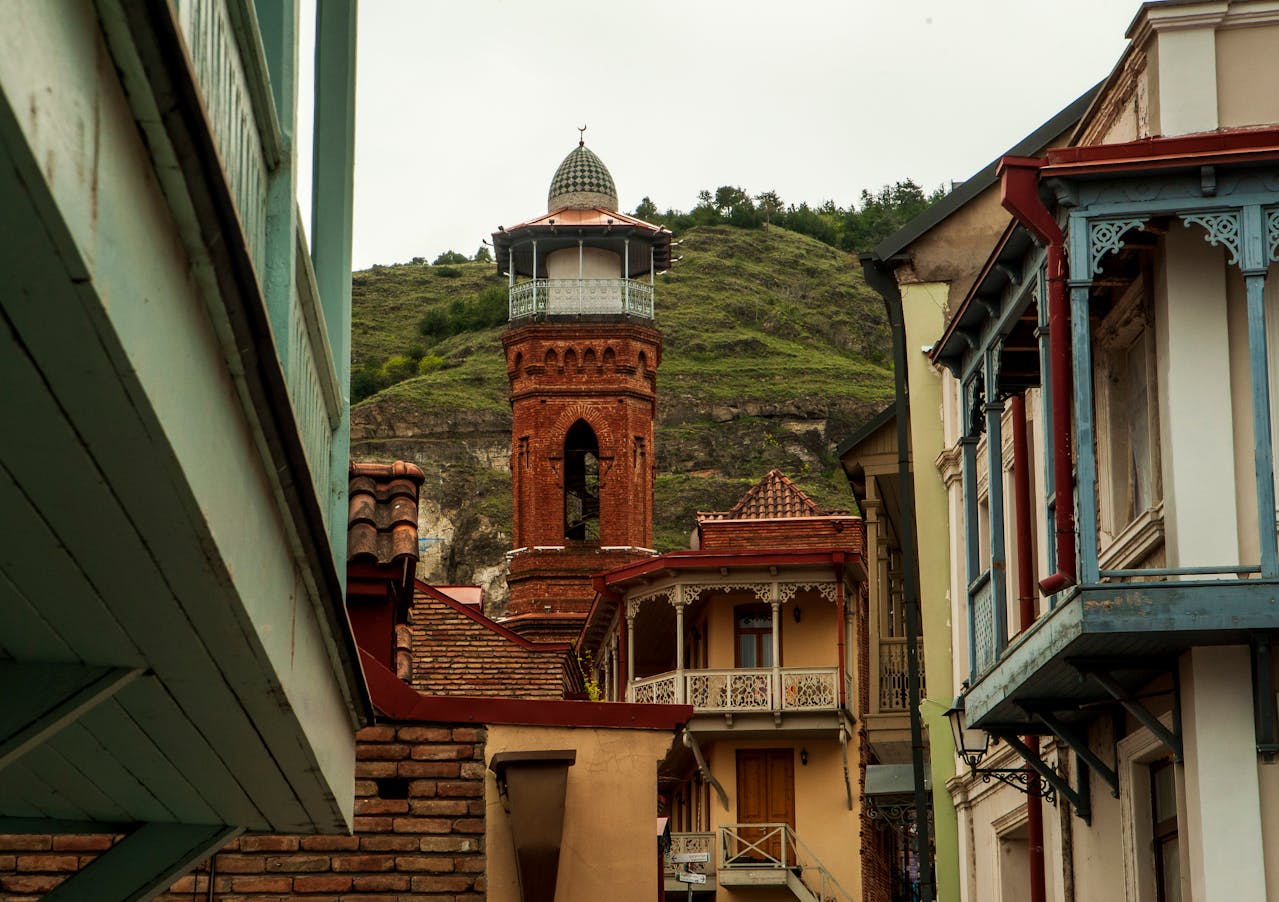
Tbilisi feels luxurious in a deeply local way. Old balconies hang over winding streets, design hotels keep appearing in restored buildings, and the city’s famed sulfur baths still offer one of its signature pleasures. Georgia’s official tourism site describes Abanotubani as the historic bath district that no visit should skip, and those domed bathhouses give the city a ritual of relaxation many pricier capitals would envy. Add strong wine culture, rich food, and a compact old town built for lingering, and Tbilisi starts to feel like an insider secret with velvet edges.
Luang Prabang, Laos
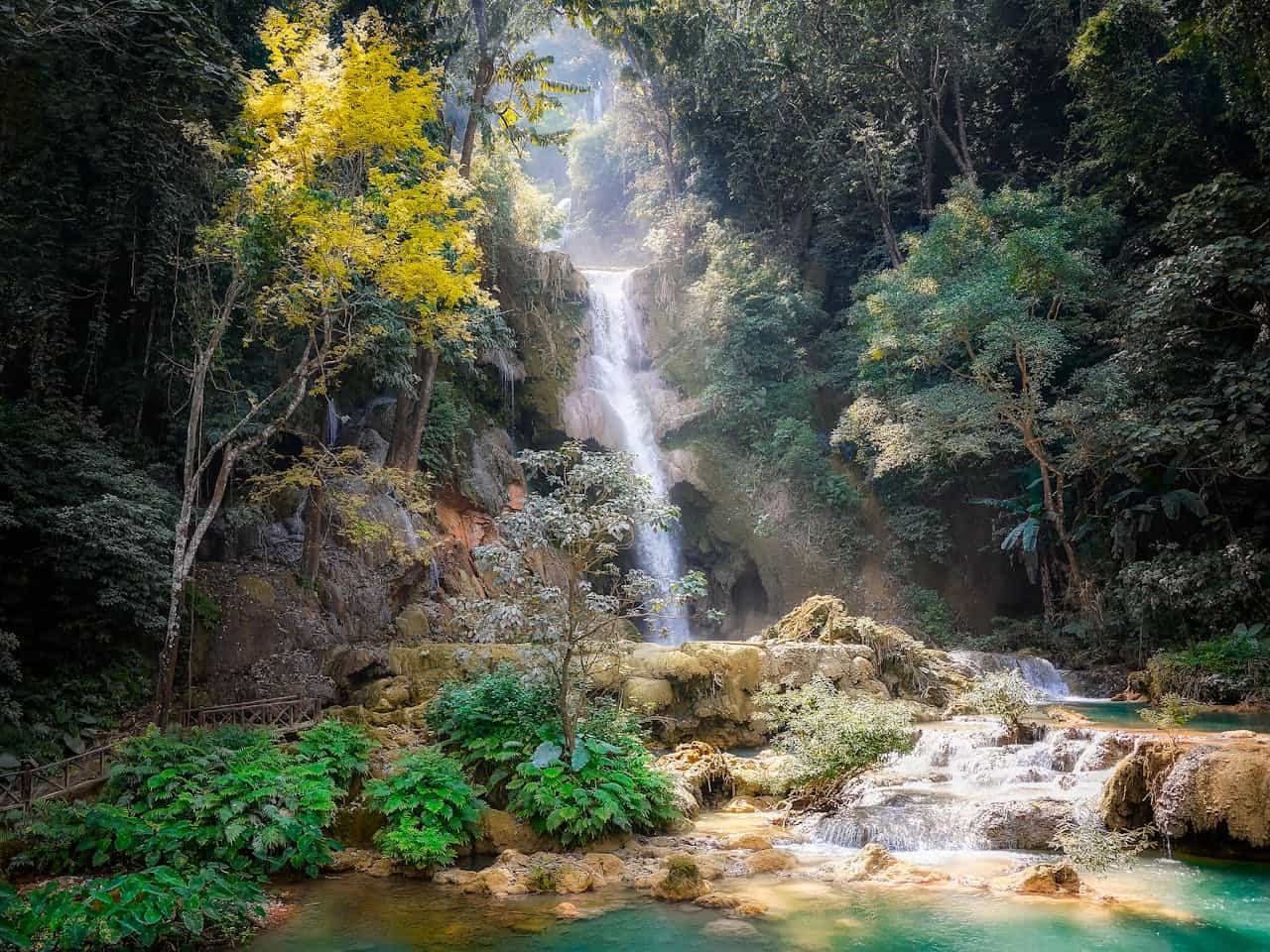
Luang Prabang trades flash for composure, which is exactly why it feels so expensive in the best sense. Tourism Laos describes it as a UNESCO World Heritage city, and Lonely Planet recently praised Luang Prabang for boutique hotels that provide comfortable stays for a fraction of the cost found elsewhere in Asia. Mornings begin quietly with alms-giving traditions, afternoons drift toward temple courtyards and the Mekong, and evenings settle into candlelit calm. Luxury here arrives as silence, proportion, and care rather than spectacle.
Jaipur, India
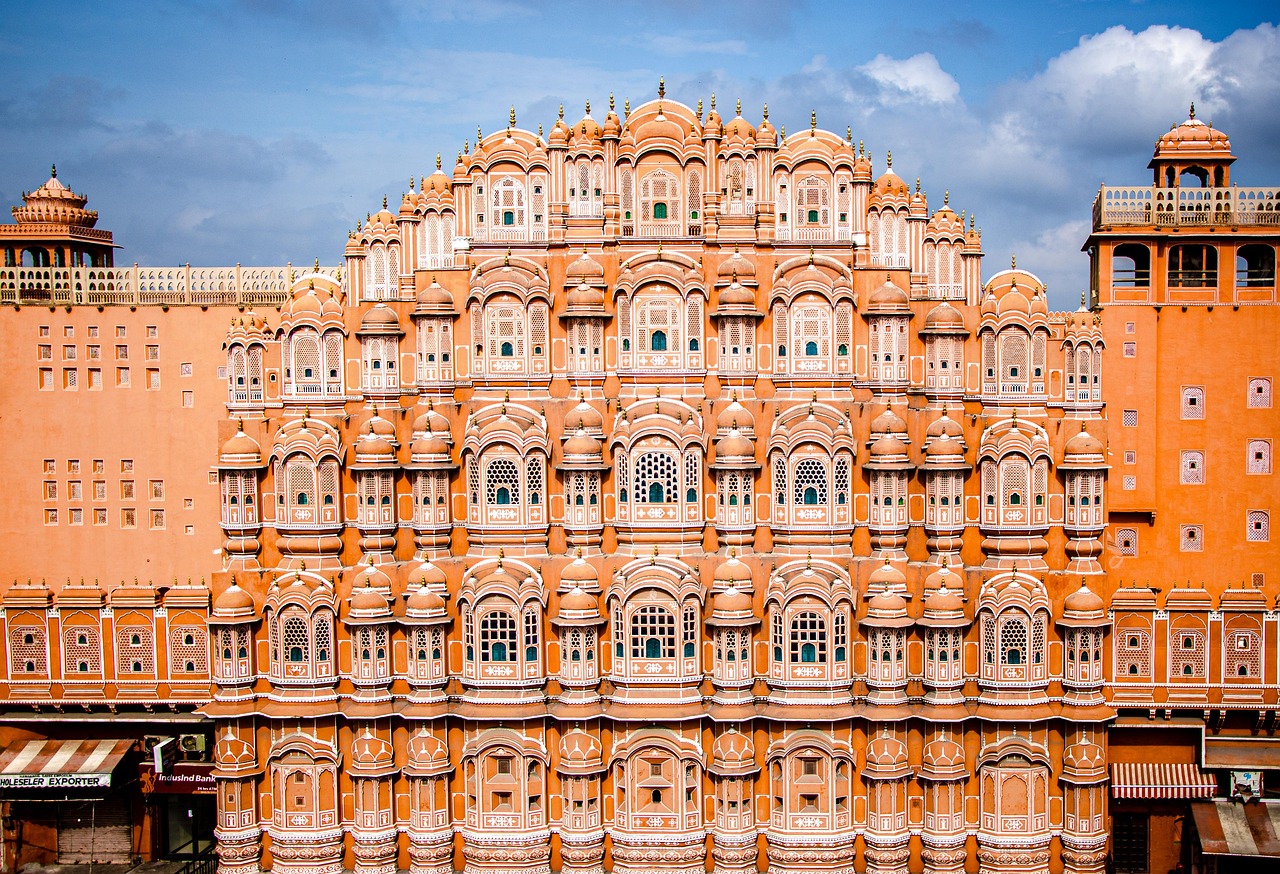
Jaipur can make even a modest budget feel regal. Incredible India calls it the first planned city of India, but its deeper appeal comes from how easily daily life brushes against royal architecture. Hawa Mahal, Amber Fort, and the City Palace create a visual rhythm of arches, courtyards, and pink stone, while the tourism board also points travelers toward heritage hotels where a palace mood does not always require palace-level spending. In Jaipur, ordinary hotel nights can feel theatrically grand.
Marrakech, Morocco
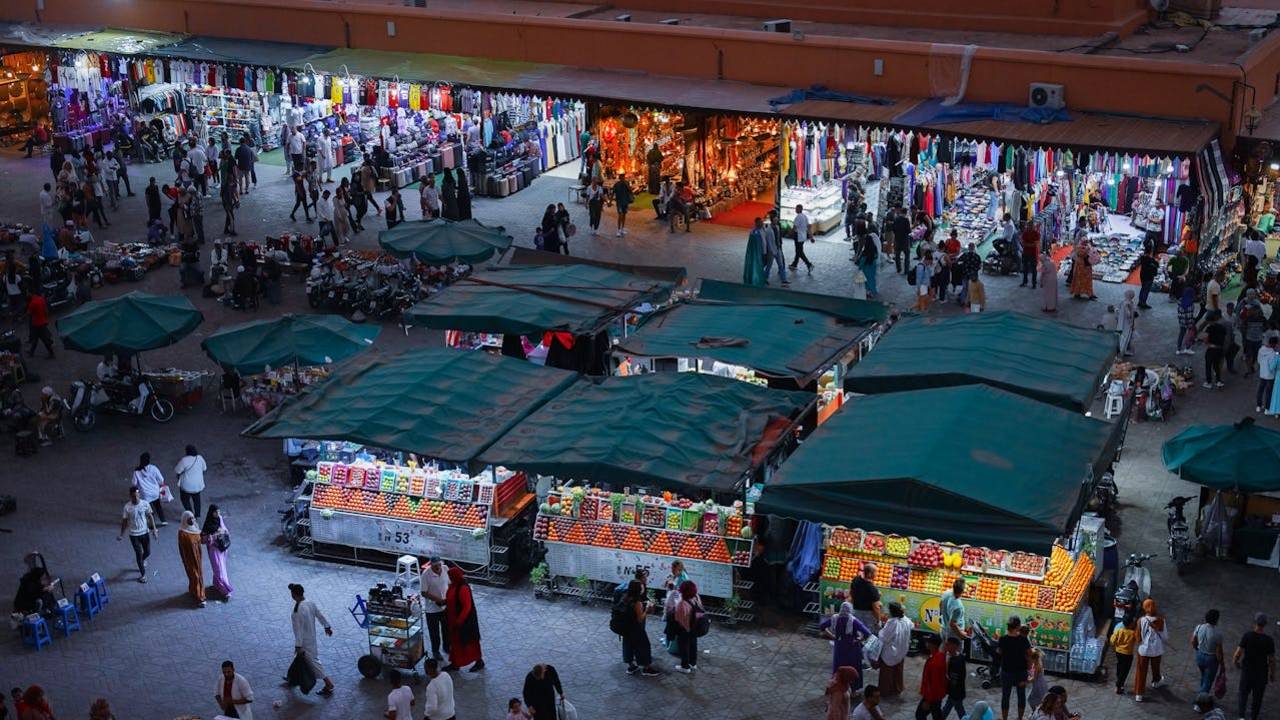
Marrakech has long understood how to stage atmosphere. Morocco’s official tourism site describes the city’s riads as small oriental palaces centered on beautiful patios, and recent travel coverage continues to frame riads as one of the city’s most appealing forms of affordable luxury. Behind medina walls, even relatively modest stays can offer tiled courtyards, plunge pools, rooftop breakfasts, and hushed rooms perfumed with cedar or orange blossom. In Marrakech, luxury feels less like excess and more like texture, light, and ceremony.
Istanbul, Türkiye
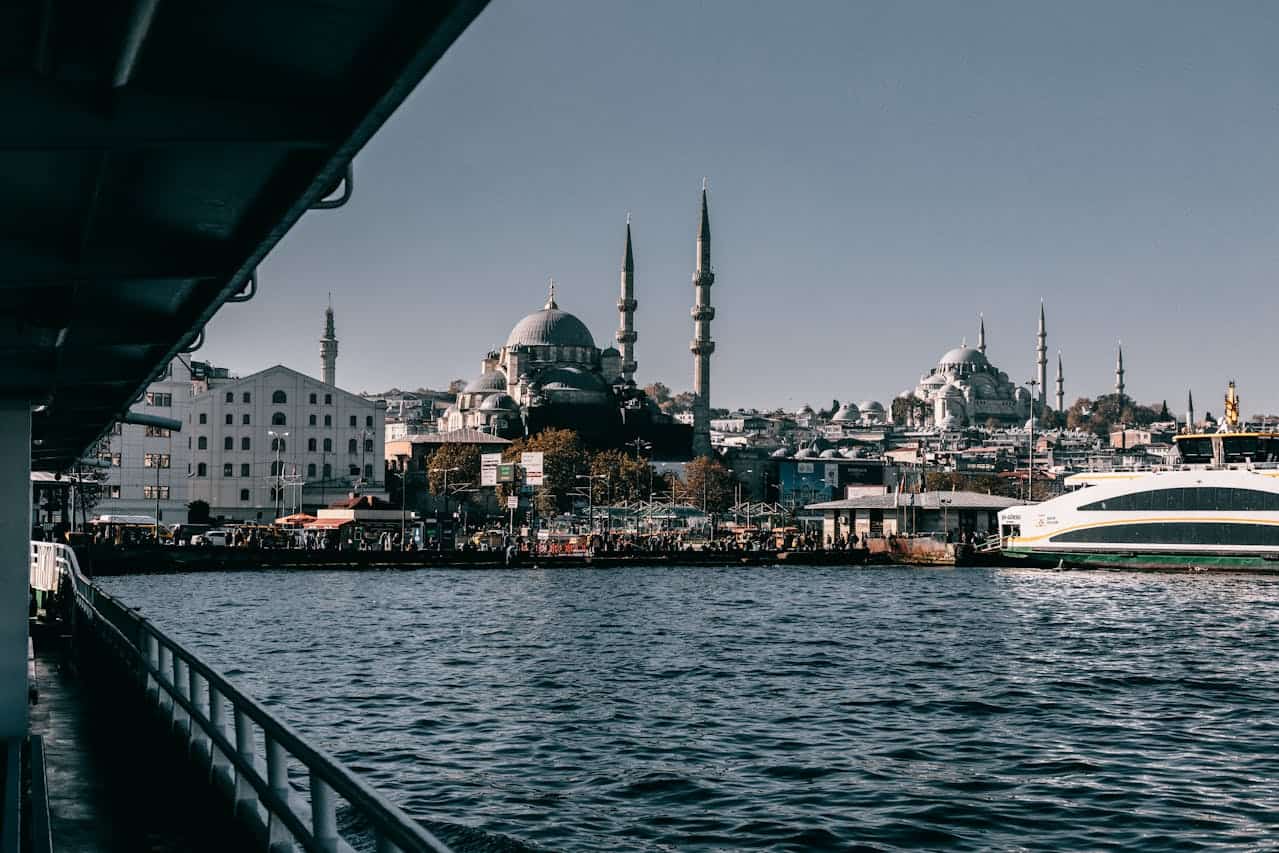
Istanbul feels lavish because nearly every day can contain something ceremonial: a Bosphorus view, a hammam, a layered breakfast, a ferry ride between continents. GoTürkiye’s Istanbul guides lean into those exact experiences, from Bosphorus outings to Turkish hammams, and Condé Nast Traveler counts Türkiye among the value destinations of 2026. In a city where imperial architecture and waterfront hotels sit beside lively neighborhood cafés, travelers can still have days that feel rich in beauty and ritual without treating every meal or room key like a splurge.
Luxor, Egypt
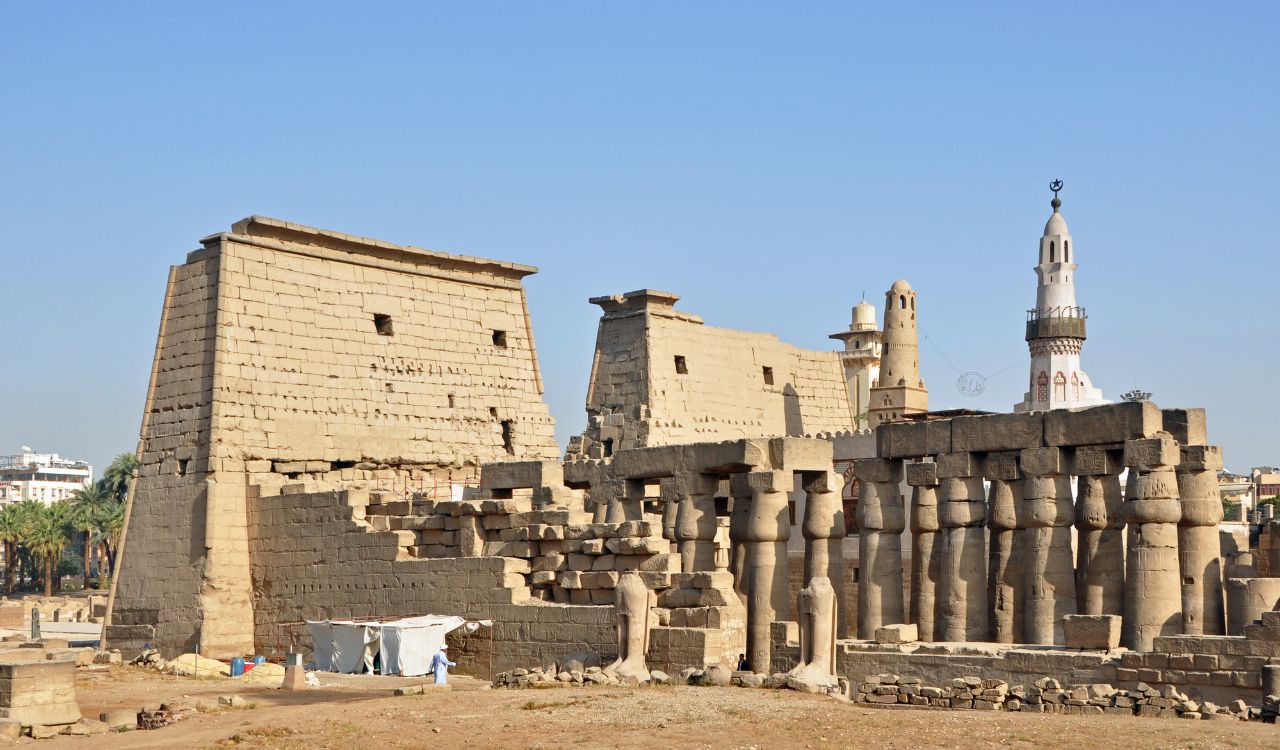
Luxor makes history feel luxurious. Egypt’s tourism authority calls it the country’s open-air museum, and the city’s extraordinary concentration of temples and tombs gives even a simple itinerary a sense of scale and drama. Just as important, Egypt remains one of the value destinations highlighted for 2026, which helps explain why Nile cruising still feels so seductive here. Official tourism materials also point to both classic Nile cruises and private dahabeyas, giving travelers a choice between grandeur and intimacy.
Sri Lanka’s South Coast
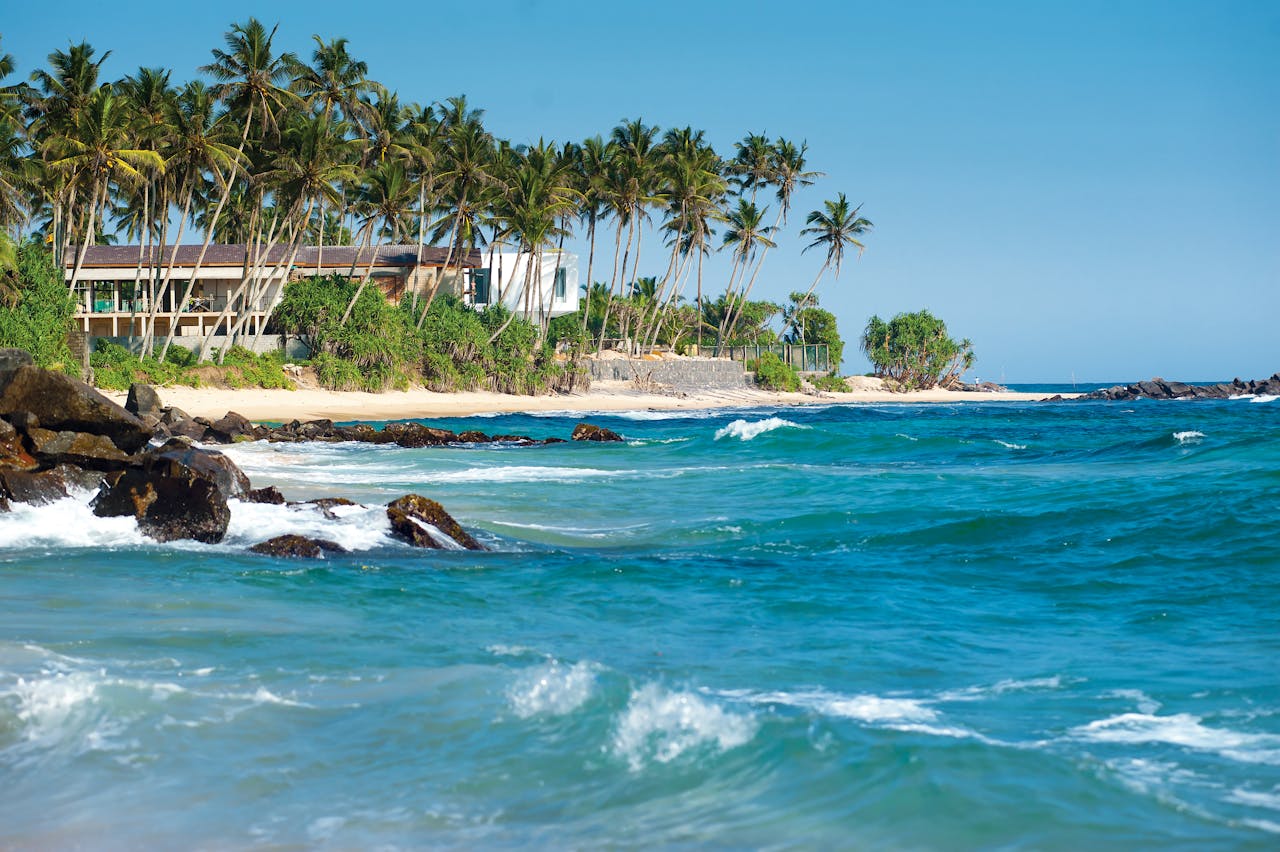
Sri Lanka’s south coast wraps several kinds of pleasure into one easy rhythm. The official tourism site points to the Southern Corridor for gorgeous beaches, old British and Dutch architecture, and heritage sites, while broader Sri Lanka coverage emphasizes how much the country packs into a relatively small space. On the ground, that means surf towns, colonial facades, boutique stays, seafood dinners, and quick shifts between beach calm and cultural depth. It feels luxurious not because it is flashy, but because so much beauty and variety can fit into one smooth, affordable stretch.
Belgrade, Serbia
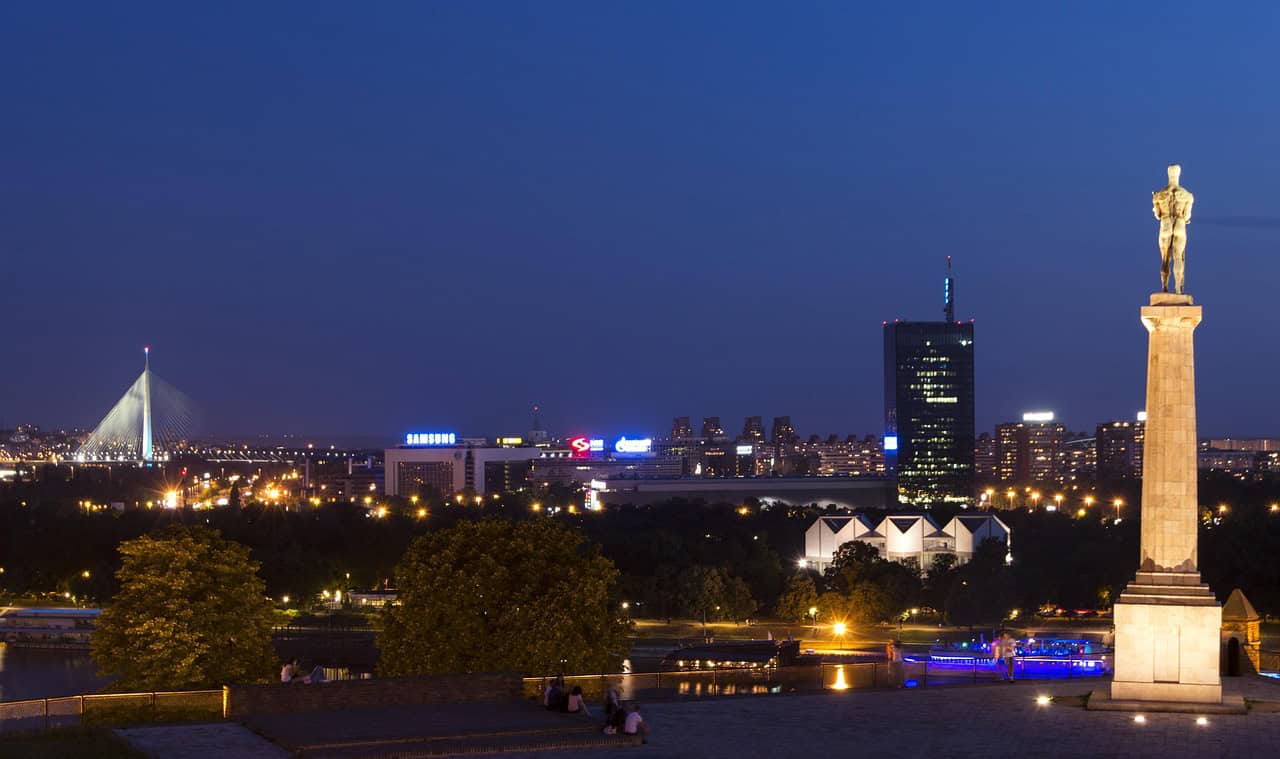
Belgrade offers a more urban kind of luxury: energy, appetite, and long evenings that never seem rushed. Serbia’s tourism materials highlight Skadarlija’s romantic bohemian atmosphere, riverside restaurants, and a fine-dining scene that attracts food lovers, while Condé Nast Traveler lists Serbia among the countries where 2026 travelers can still find real value. That mix gives Belgrade its charm. Days can move from fortress views to café culture, then into refined dinners or lively riverfront nights, all with a looseness that feels confident rather than performative.
Bucharest, Romania
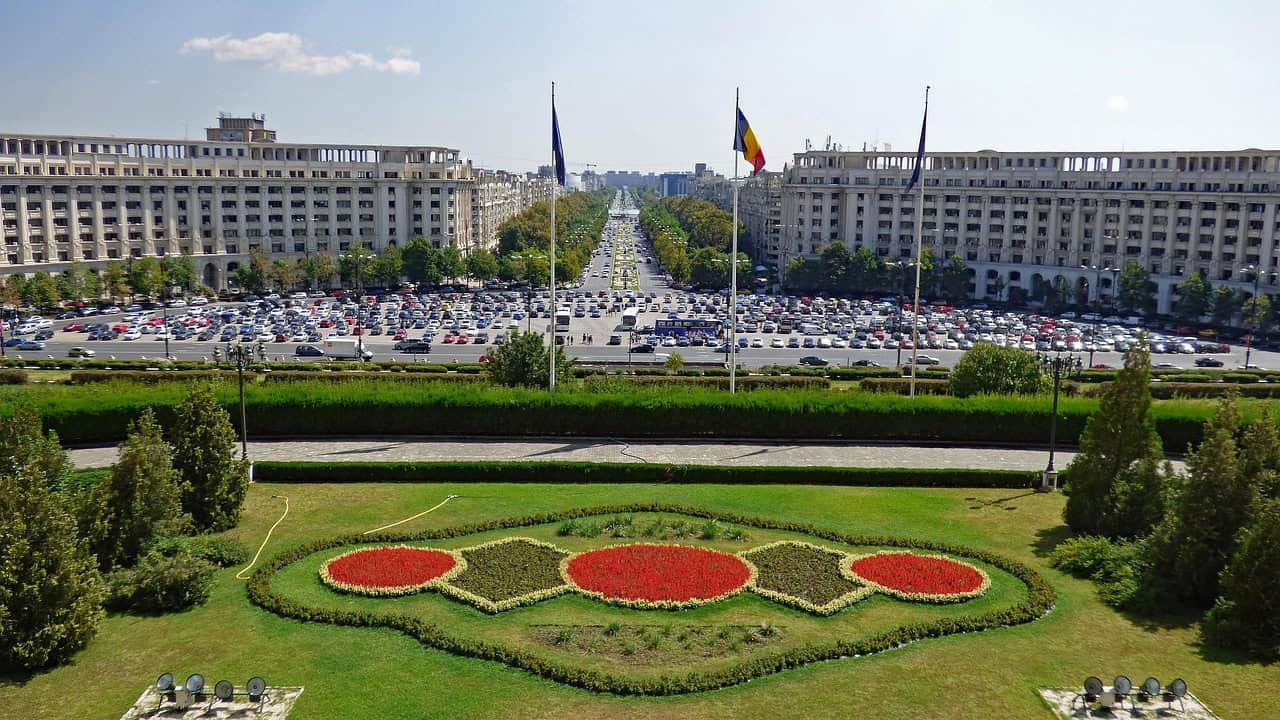
Bucharest feels unexpectedly elegant once the eye adjusts to its contrasts. Romania’s tourism materials point to the city’s Belle Époque buildings, especially along Victory Avenue, and that faded grandeur still shapes the mood of a stay here. Romania also remains one of the under-the-radar value picks for 2026, which is part of Bucharest’s appeal: refined hotels, serious coffee, and handsome historic streets at prices that can feel out of sync with the atmosphere. Add easy reach to castles, medieval towns, and Transylvanian scenery, and the city becomes a smart base for a richer-looking trip.