We may earn money or products from the companies mentioned in this post. This means if you click on the link and purchase the item, I will receive a small commission at no extra cost to you ... you're just helping re-supply our family's travel fund.
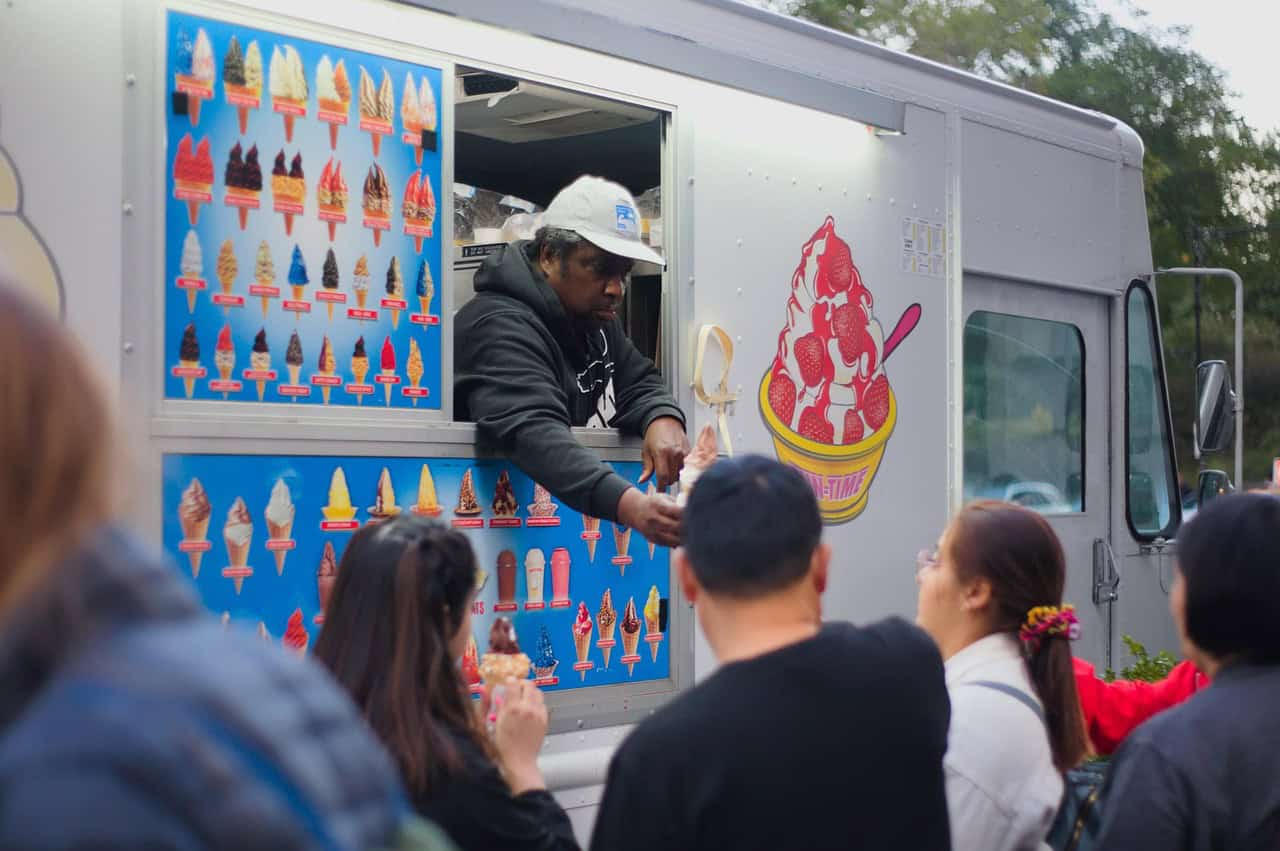
Black heritage food trails are not just about memorable meals; they are journeys through history, migration, and cultural strength. Across cities, coasts, islands, and historic neighborhoods, food carries stories of resilience, creativity, and identity shaped over hundreds of years. From 18th-century rice fields to 20th-century urban kitchens, these destinations let travelers taste legacy in every bite. Whether you explore one city or several, each location offers flavor, memory, and living heritage that turns a weekend trip into something deeply meaningful and incredibly delicious.
1. New Orleans Creole & Soul Food Trail
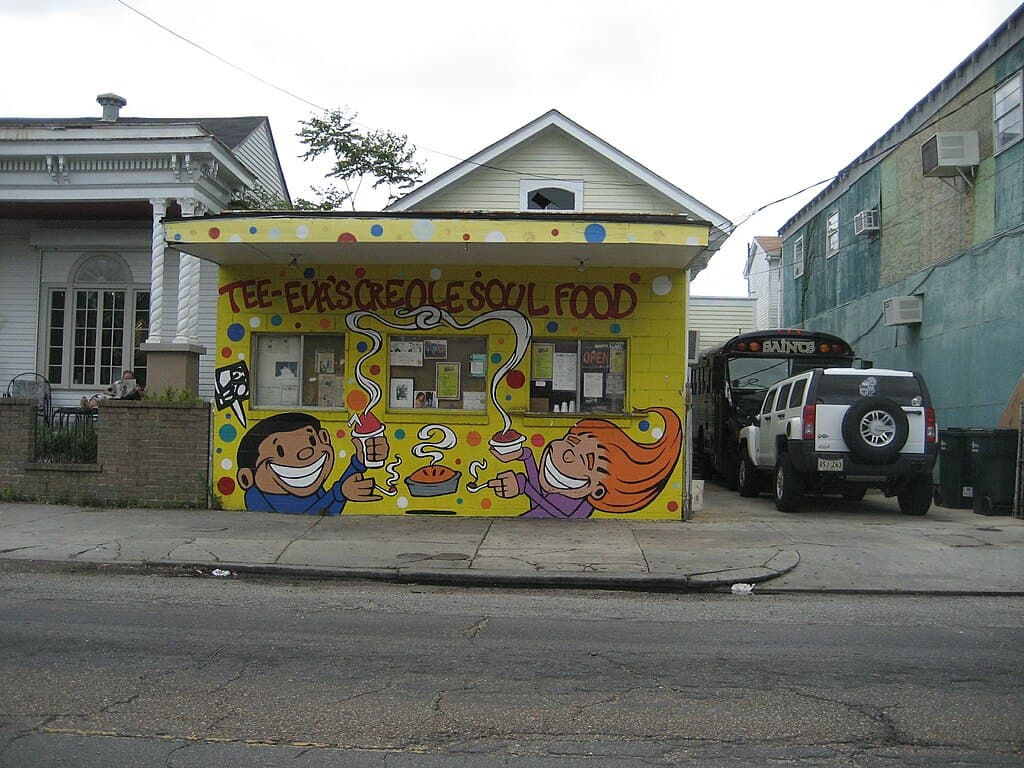
New Orleans stands as one of the world’s richest Black culinary cities, shaped by more than 300 years of Creole and African influence. A weekend here easily includes Tremé restaurants operating for 40–80 years, gumbo simmered for 6+ hours, fried seafood mountains, and pralines crafted fresh every morning. With over 1,000 locally run eateries across the city, flavor meets culture everywhere. Music, neighborhood stories, and proud traditions turn every meal into an experience that feels alive, welcoming, and full of history.
2. Gullah Geechee Lowcountry Foodway : South Carolina & Georgia
Stretching nearly 475 miles, the Gullah Geechee corridor preserves one of North America’s strongest African food connections. Weekend travelers taste heirloom rice dishes born from farming expertise dating back to the 1700s, seafood caught from marshlands, benne seed sweets, and deeply rooted okra stews. Most restaurants sit within 20–40 minutes of cultural centers, making food and history easy to explore together. Every plate reflects language, identity, endurance, and community pride that has survived across centuries and continues to shape Southern coastal life.
3. Harlem Heritage Eats : New York City
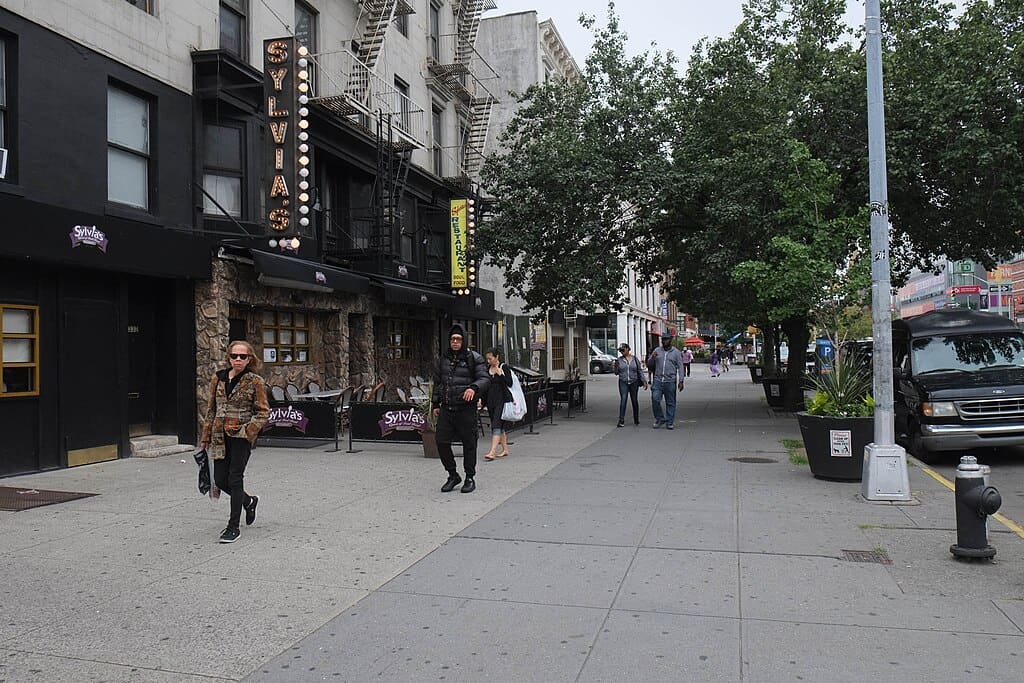
Harlem’s food culture grew alongside music, migration, activism, and creativity, especially during the era when nearly 6 million Black Americans moved north. Today the neighborhood blends tradition and innovation, offering chicken and waffles, mac and cheese, golden cornbread, and upscale Black-owned dining. Dozens of key spots sit within about 1 mile, making weekend tasting wonderfully walkable. Many kitchens have operated for decades, passing down recipes like stories, allowing visitors to taste heritage, pride, and community spirit in every comforting and joyful bite.
4. Mississippi Delta Tamale & Soul Road
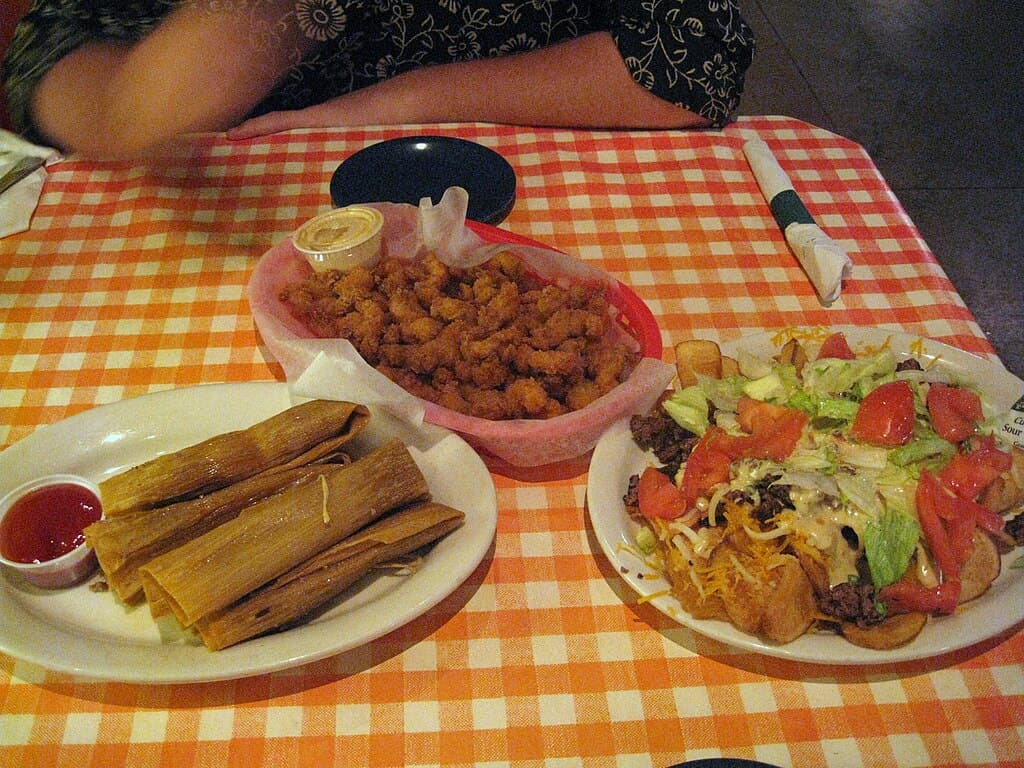
The Mississippi Delta tells history through flavor, especially with its famous tamales shaped by Black communities in the early 1900s. Today they appear in more than 25 towns, simmered for 2–3 hours, wrapped with care, and often paired with catfish plates or smoky barbecue. Travelers usually cover about 150 miles along Highway 61 on a weekend, eating while exploring blues heritage. Every stop reflects agricultural struggle, cultural survival, and creativity that turns limited ingredients into something powerful, emotional, and incredibly delicious.
5. Detroit’s Black Food Revival
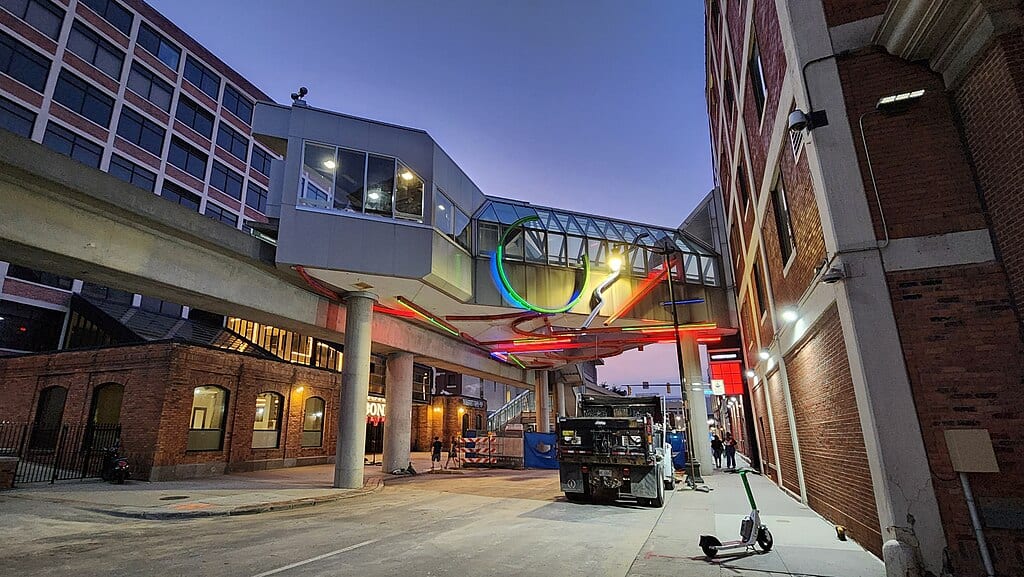
Detroit’s Black food culture formed through Southern migration between the 1920s and 1960s, creating a blend of comfort classics, Caribbean touches, and modern fusion ideas. Many neighborhood diners have served communities for 30+ years, while new pop-ups bring fresh energy. Weekend visitors enjoy ribs smoked for hours, rich oxtail plates, and brunch spots baking biscuits daily around 5 a.m. Major stops usually sit within 20 minutes of each other, allowing travelers to taste history, pride, and creativity across a resilient and ever-inventive city.
6. Chicago South Side Comfort Classics
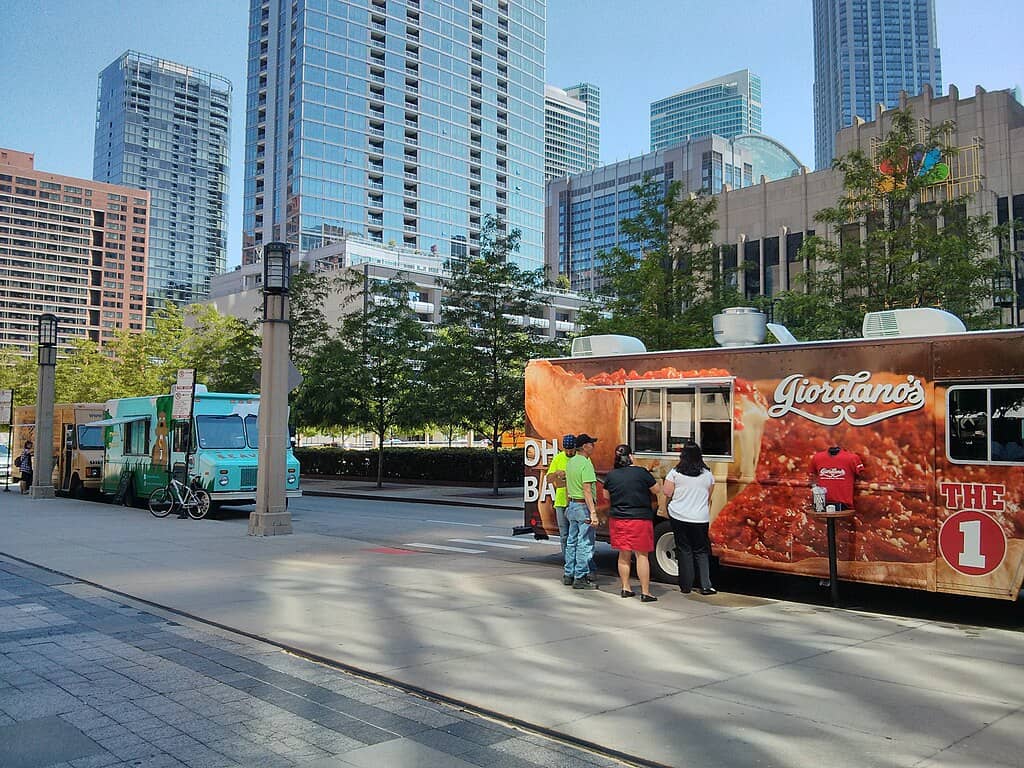
Chicago’s South Side food scene grew with 20th-century industry and migration, shaping neighborhoods where Black cuisine became a cultural foundation. Today more than 200 spots serve rib tips, fried chicken, heavily layered mac and cheese, and sweet potato pies often weighing 3–4 pounds when baked in full pans. Bronzeville, Hyde Park, and nearby districts sit within 5–8 miles, perfect for weekend exploration. Many restaurants remain family run across three or four generations, turning meals into community memory, warmth, and shared neighborhood pride.
7. Houston Third Ward & Gulf Coast Fusion

Houston’s Third Ward blends Deep South cooking with Nigerian, Jamaican, and Creole influences, reflecting a region where nearby districts include more than 40% Black residents. Visitors spend weekends tasting brisket smoked 12–16 hours, generous oxtail feasts, spicy Gulf seafood sourced within 30 miles of the coast, and modern Afro-diasporic plates. Most stops fall within 10–15 minutes of each other, making the experience smooth and flavorful. The area’s kitchens carry history, identity, and cultural strength, turning every dish into something deeply rooted and welcoming.
8. Oakland’s Afro-Diasporic Food Culture
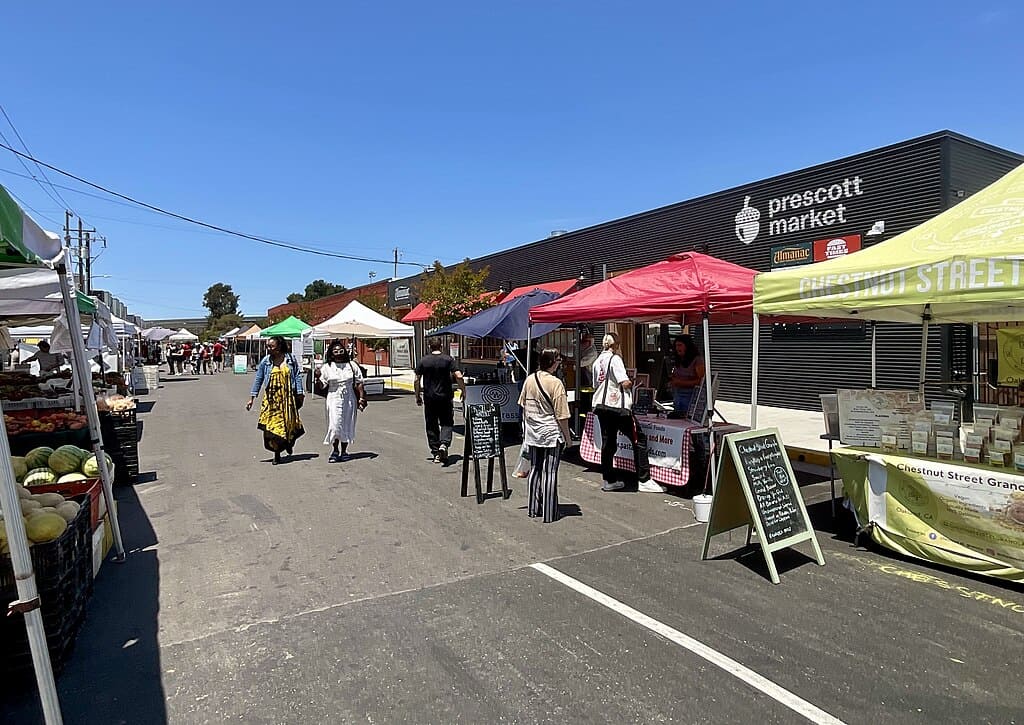
Oakland’s Black culinary identity rose beside major social movements of the 1960s–1970s, and today the city features over 100 Black-owned and Afro-diasporic restaurants. Travelers encounter vegan soul creations, bold barbecue smoked around 225–250°F, and inventive modern comfort food. Many key neighborhoods like West Oakland and Temescal sit within 2–3 miles, ideal for weekend tasting routes. Here food reflects activism, migration, creativity, and pride, offering dishes that feel current yet anchored in generations of resilience, community connection, and unwavering cultural spirit.
9. Atlanta’s Modern Soul & Heritage Circuit
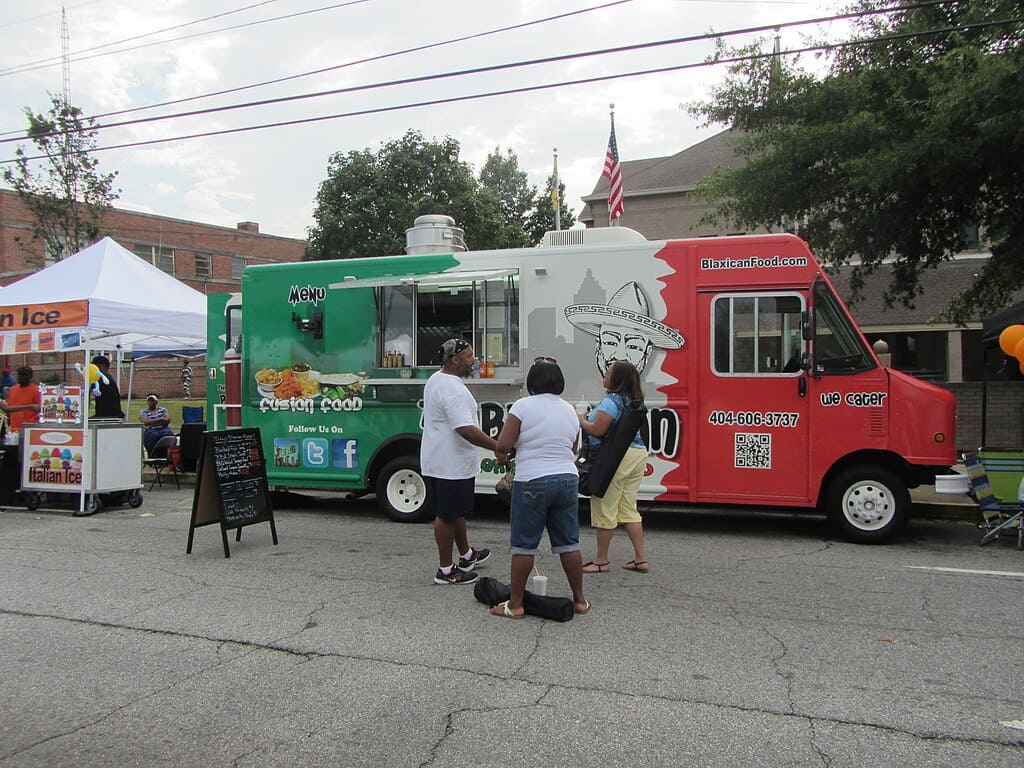
Atlanta remains one of America’s strongest Black culinary capitals, serving a metro population exceeding 6 million while honoring long-standing traditions. Many beloved restaurants have operated for 50+ years, offering legendary fried chicken, fluffy biscuits, rich desserts, and seafood boils prepared in huge weekend batches of 20–30 pans. Newer Black-owned kitchens add stylish twists, making the city feel both historic and modern. Most dining hubs sit 15–25 minutes apart, allowing an easy, flavorful weekend filled with warmth, community energy, and signature Southern hospitality.
10. Brooklyn & Flatbush Caribbean Heritage Trail
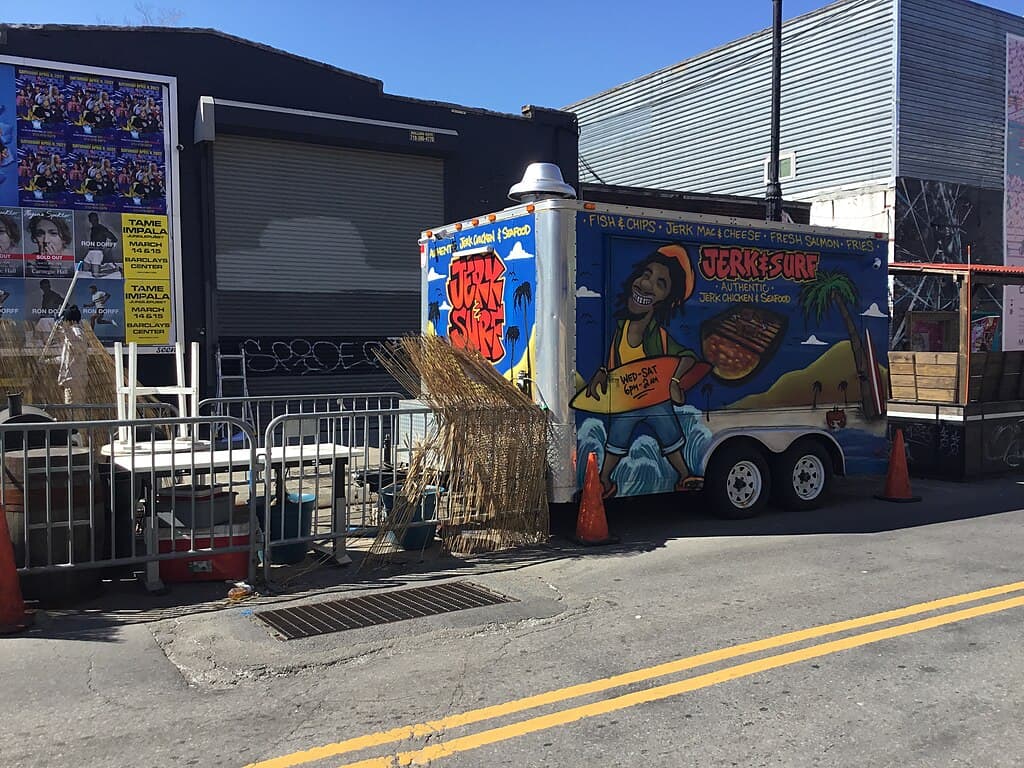
Flatbush reflects major Caribbean migration waves from the 1960s–1990s, shaping streets filled with Jamaican, Haitian, Trinidadian, and other island influences. Weekend visitors taste jerk chicken grilled over pimento wood reaching 500–600°F, spicy pepper shrimp sold fresh, patties baked in batches of 100+ each morning, and sweet island desserts. Most restaurants lie within about 1.5 miles, making it wonderfully walkable. Every bite carries memory, migration stories, cultural pride, and the joyful rhythm of neighborhoods where food feels alive, familiar, and endlessly welcoming.
11. Bahia, Brazil : Afro-Brazilian Food Legacy
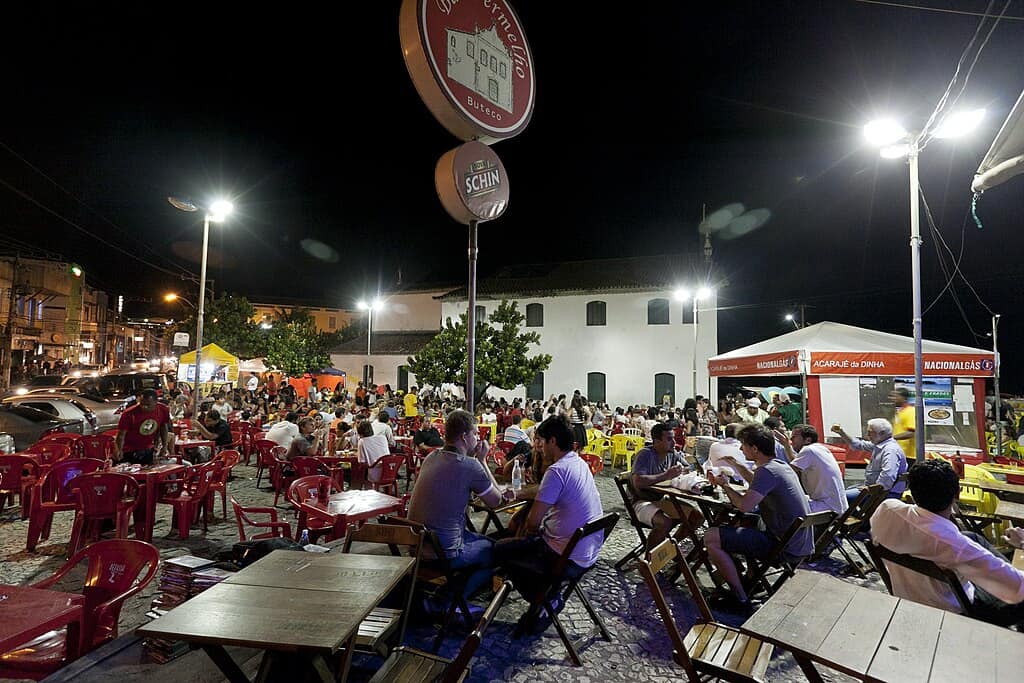
Bahia offers one of the world’s strongest African culinary connections, shaped over 300+ years of Afro-Brazilian history. Travelers enjoy acarajé fried in dendê oil, coconut-rich stews, moqueca bursting with seafood, and dishes linking directly to West African roots. Salvador alone holds over 2.8 million residents, many proudly tied to ancestral traditions. Weekend visitors explore markets, seaside stalls, and family kitchens often within 20–30 minutes of each other. Here food, music, faith, and community blend, turning every meal into a living expression of heritage and spirit.