We may earn money or products from the companies mentioned in this post. This means if you click on the link and purchase the item, I will receive a small commission at no extra cost to you ... you're just helping re-supply our family's travel fund.
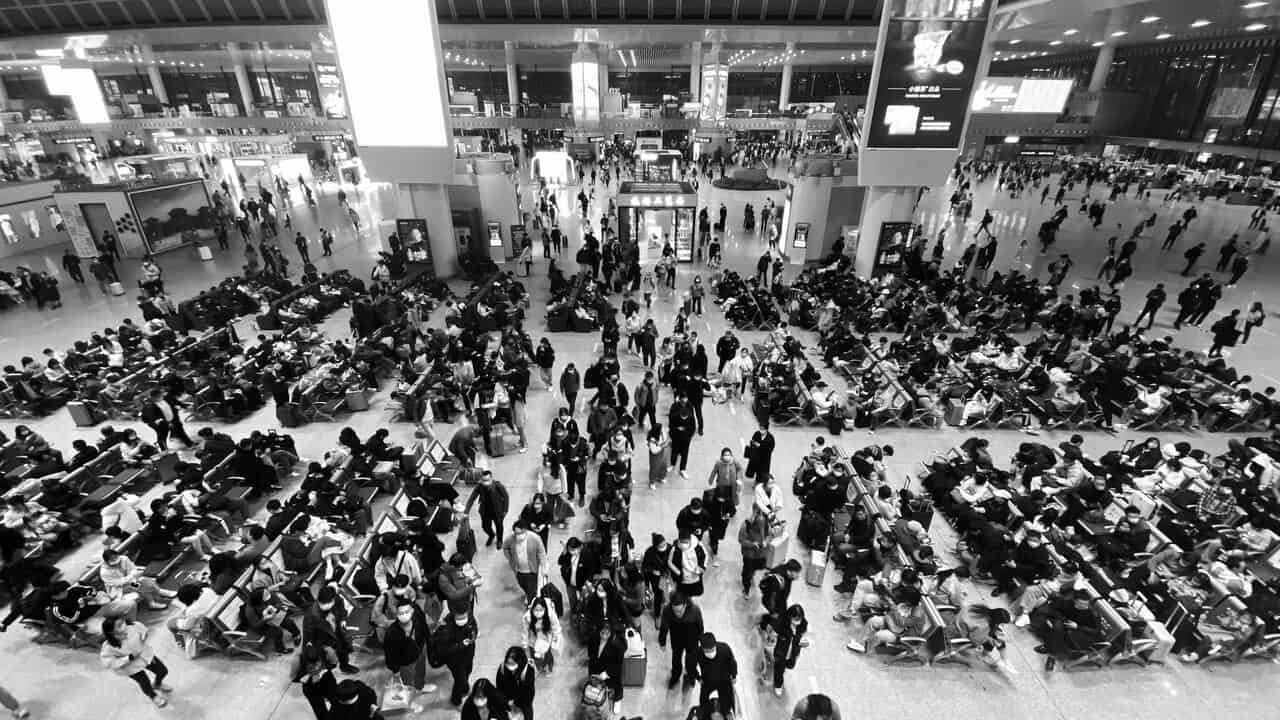
Air travel in 2026 is projected to reach record levels, with U.S. airports collectively handling more than 1 billion passengers over the year. While flights depart daily, demand clusters heavily around specific dates that push airport systems, airlines, and air traffic control to their limits. These peak periods reliably bring higher fares, longer security lines, and a greater chance of delays or cancellations. Knowing which dates to avoid can significantly reduce travel stress and unexpected costs, especially when flexibility is limited.
1. Wednesday Before Thanksgiving : November 25, 2026
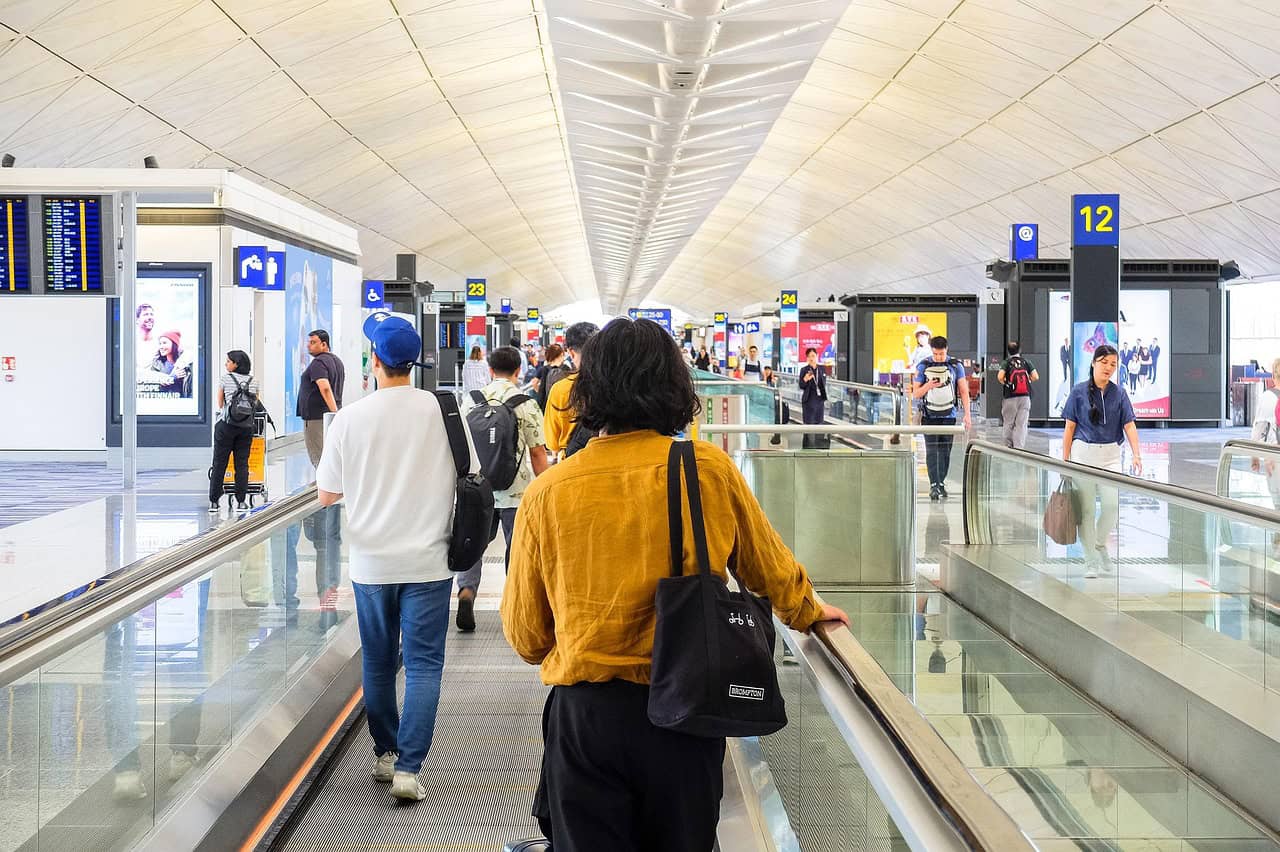
This date consistently ranks among the busiest travel days in the U.S., with TSA screening volumes historically surpassing 2.7 million passengers nationwide. In 2026, airlines are expected to operate near 95% capacity, leaving minimal room to absorb disruptions. Average domestic fares run 28–35% higher than early November levels. Security waits at major hubs frequently reach 45–60 minutes, while evening departures experience delay rates approaching 32%, as aircraft rotations and crew schedules remain tightly compressed throughout the system.
2. Sunday After Thanksgiving : November 29, 2026
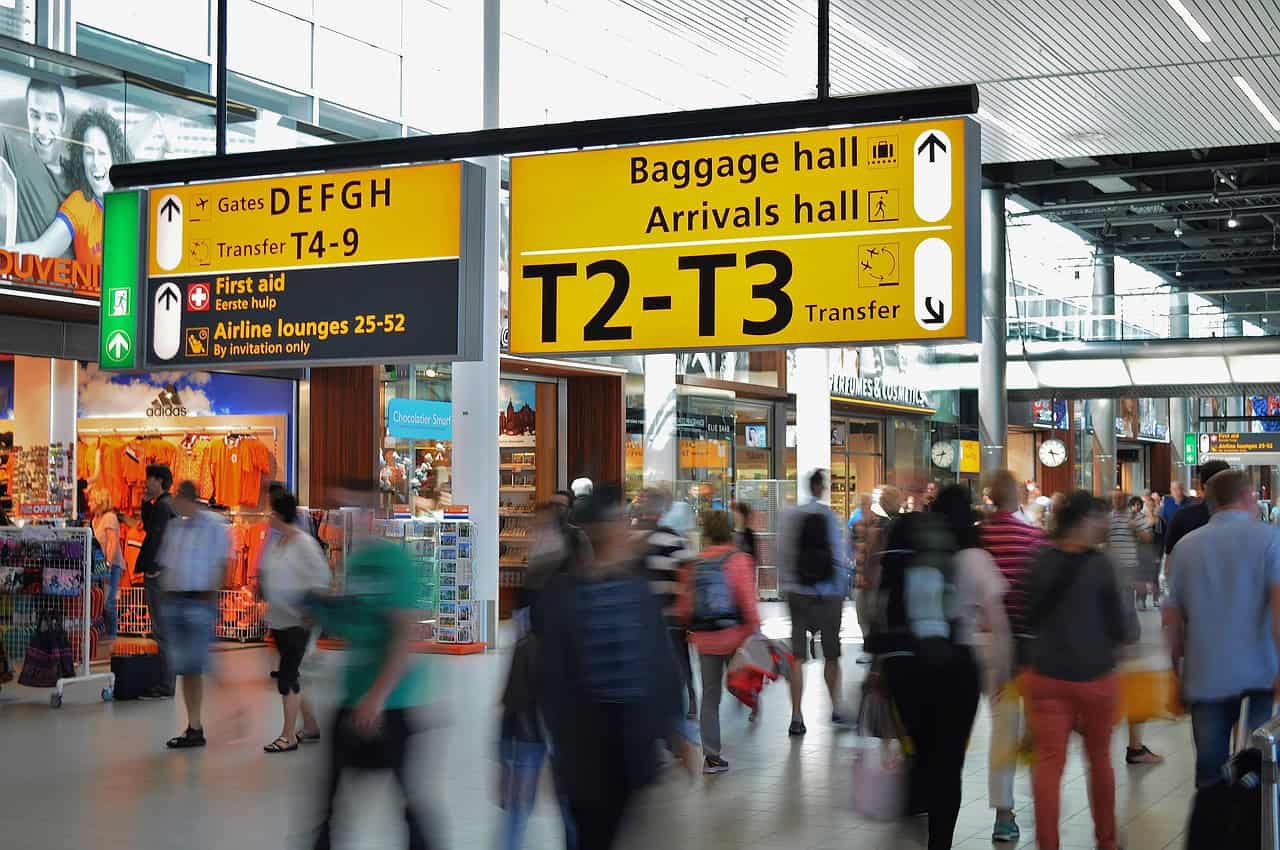
Often worse than outbound travel, this return day produces the highest single-day airport traffic of the year. Recent trends show more than 3 million passengers passing through U.S. airports on this Sunday alone. Flights operate nearly full, eliminating standby options entirely. Average delays exceed 50 minutes per affected flight, while missed connections rise by 21% compared to non-holiday Sundays. Airfares stay elevated at roughly 30% above normal, and baggage delays increase due to compressed turnaround windows.
3. Christmas Travel Surge : December 23, 2026
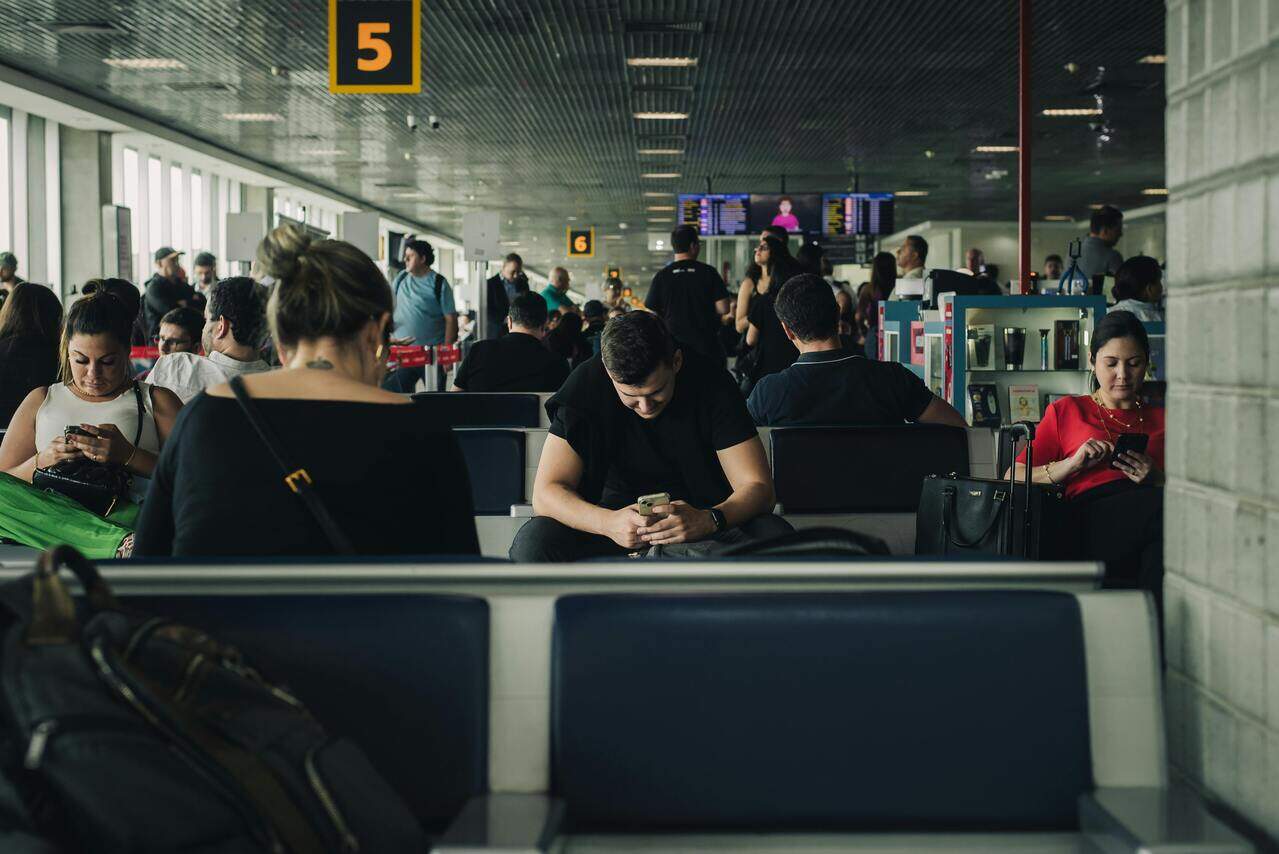
December 23 is the busiest outbound day of the Christmas season, driven by synchronized school and office closures nationwide. Airlines typically sell more than 97% of available seats, pushing fares 25–40% higher than early December averages. TSA throughput regularly exceeds 2.5 million travelers, overwhelming terminal operations. Weather disruptions are especially damaging on this date due to limited alternatives. Historically, nearly one-third of flights are delayed, with average waits exceeding 55 minutes at northern hub airports.
4. Post-Christmas Return : December 26, 2026
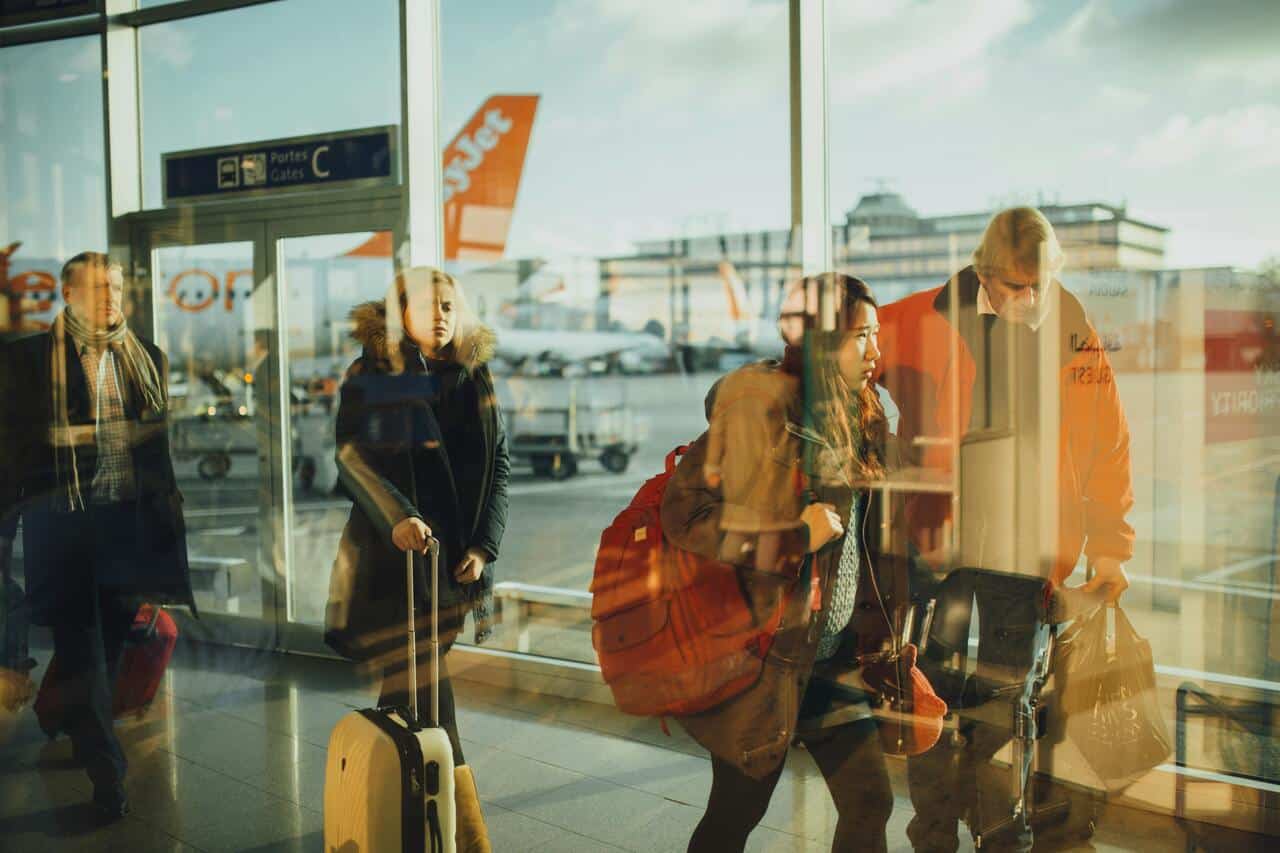
The day after Christmas combines returning travelers with new vacation departures, creating overlapping demand waves. Load factors remain above 94%, while airline staffing is strained following holiday leave. Airfares stay elevated at about 22% above the monthly average. Missed connections rise by 18%, particularly at Chicago, Denver, and New York hubs. Baggage handling slows noticeably, with carousel wait times frequently exceeding 40 minutes during peak arrival periods.
5. Friday Before Memorial Day : May 22, 2026

This date marks the unofficial start of summer travel and triggers a sharp rise in leisure demand nationwide. Passenger volumes increase by roughly 18% compared to the prior Friday. Airlines respond with higher pricing, pushing average fares 24–30% above spring norms. Afternoon departures see delay rates nearing 27%, especially on coastal routes. Once disruptions occur, rebooking options vanish quickly due to dense weekend schedules. Even experienced travelers often underestimate how early congestion builds on this Friday. The pressure intensifies as leisure flyers and business travelers overlap during peak hours.
6. July 3, 2026 : Independence Day Rush

When Independence Day falls near a weekend, July 3 becomes the primary travel surge. TSA volumes historically exceed 2.8 million passengers, concentrated between early morning and midday. Ticket prices often peak at 35% above early June levels. Delay rates climb past 30%, driven by weather, congestion, and crowded airspace. General aviation traffic further complicates operations near metro airports. Travelers on multi-leg itineraries face elevated misconnection risk. Late-day departures are the most vulnerable once earlier delays stack up.
7. Sunday After Independence Day : July 5, 2026
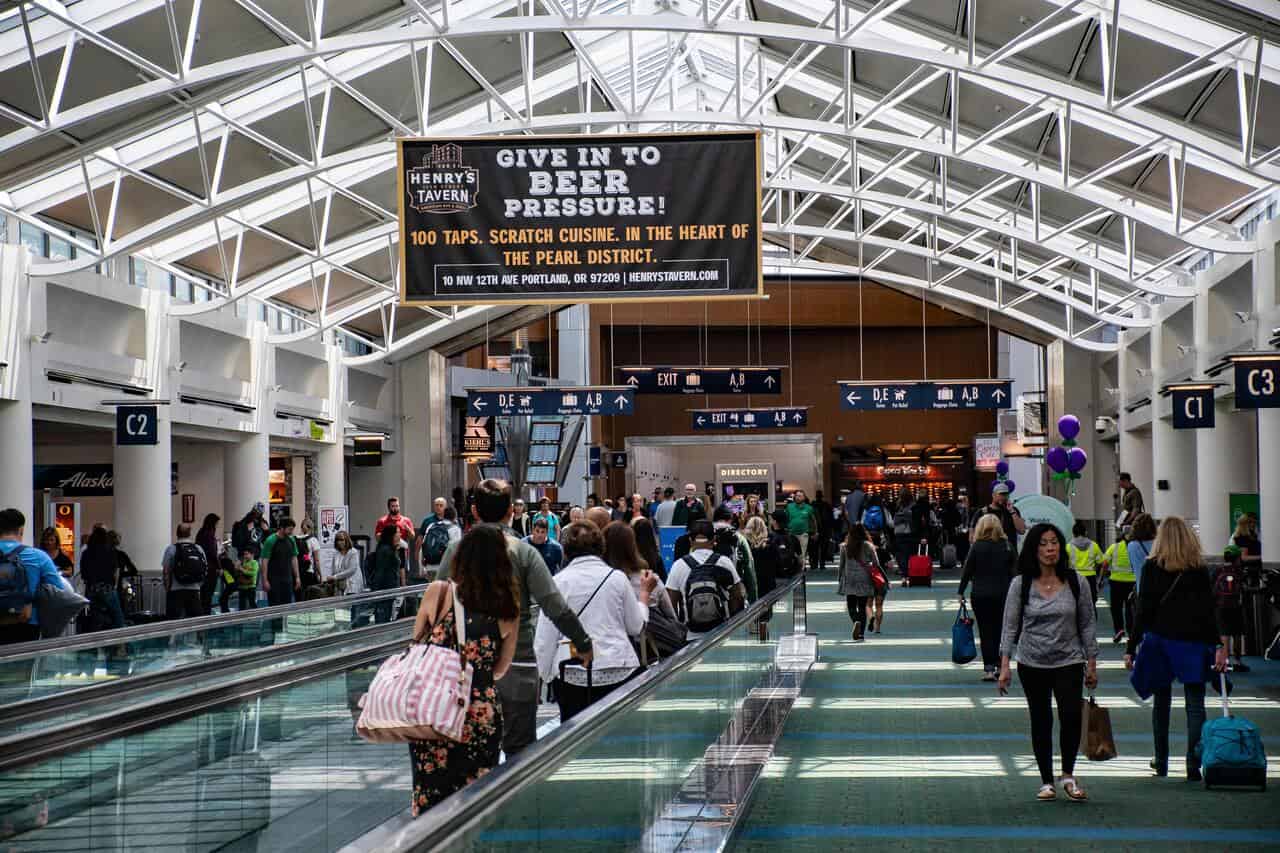
Return travel after Independence Day produces some of the longest delays of the summer season. Evening departures are especially vulnerable, with average delays exceeding 60 minutes at major hubs. Passenger volumes remain above 2.6 million, while aircraft utilization leaves minimal recovery buffer. Fare flexibility disappears, and same-day changes often cost $150–$300. Thunderstorms along the East Coast frequently amplify cascading disruptions. These delays often spill into overnight cancellations that affect the following morning.
8. Peak Spring Break Window : March 14–22, 2026
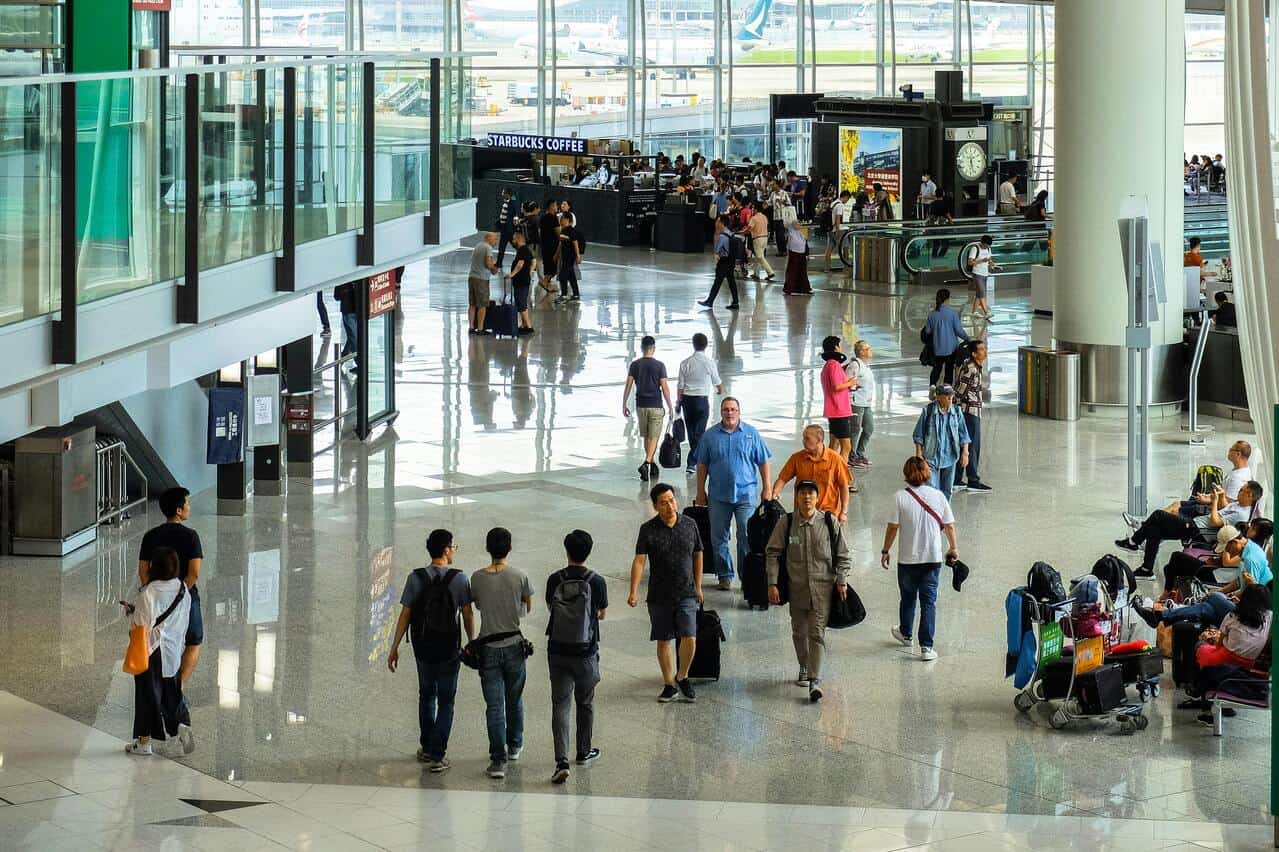
Spring break demand compresses into a narrow window, increasing passenger traffic 20–25% nationwide. Flights to Florida, California, and mountain destinations sell out weeks ahead, driving fares up by 30% or more. TSA wait times regularly exceed 50 minutes at leisure-heavy airports. Family-dominated travel slows boarding and screening, increasing gate congestion. Once disruptions occur, alternate flights may be unavailable for one to two days. This makes schedule flexibility especially valuable during this period.
9. Friday Before Labor Day : September 4, 2026
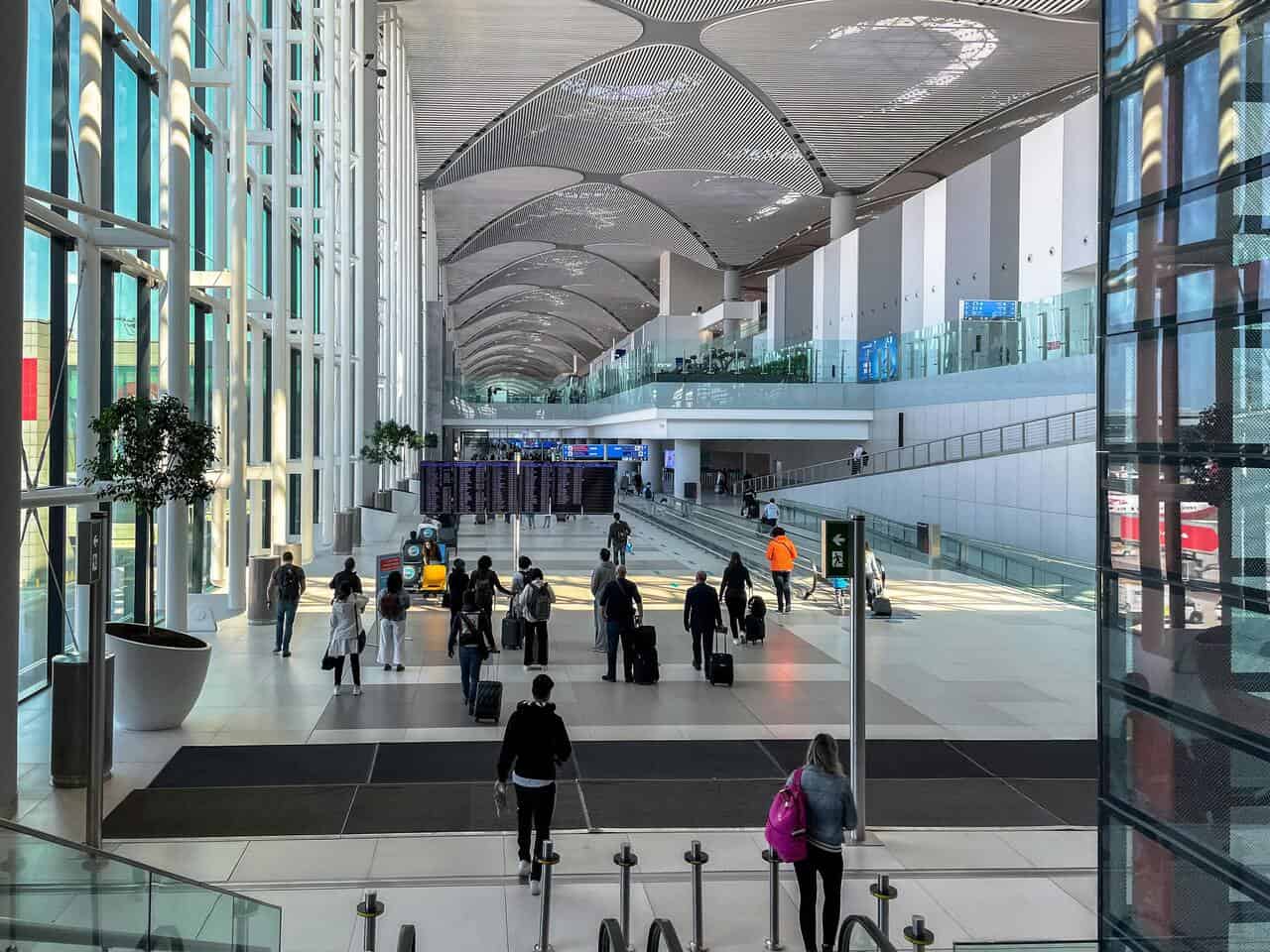
This date represents the final major summer travel surge before demand begins to taper. Flights still operate at 92–95% capacity, despite slightly lower volumes than July. Average fares remain 20–25% higher than mid-September prices. Late-season storms add unpredictability, pushing delay rates toward 26% nationwide. Afternoon departures experience the worst congestion. Travelers returning the following week often face limited inventory. Rebooking costs tend to rise sharply once flights sell out.
10. Holiday Return Mondays : MLK, Presidents’ Day & Columbus Day 2026
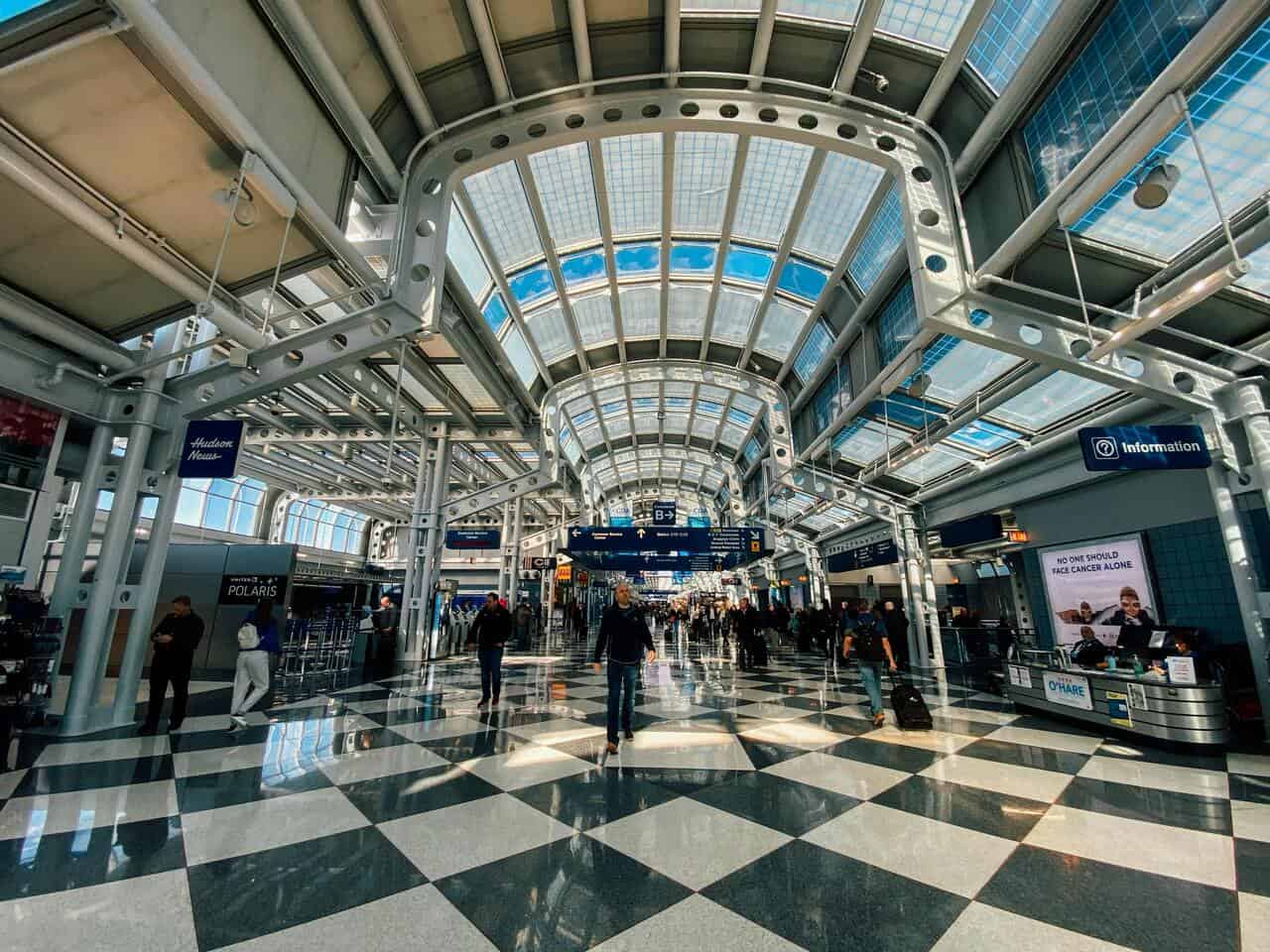
Holiday Mondays consistently rank among the most congested return days of the year. Passenger volumes rise 15–18%above standard Mondays, while staffing remains constrained. Average delays increase by 40%, with missed connections peaking after 5 p.m. Fare differences between Sunday and Monday returns often exceed $180 round-trip. These days may begin smoothly but deteriorate rapidly as disruptions cascade. Travelers relying on tight connections face the highest risk of overnight delays.