We may earn money or products from the companies mentioned in this post. This means if you click on the link and purchase the item, I will receive a small commission at no extra cost to you ... you're just helping re-supply our family's travel fund.

REAL ID is settled policy, yet it still trips up domestic flyers in 2026 because airport routines punish small assumptions. A license that is valid to drive can still be the wrong document for TSA. A name that is almost right can slow a checkpoint to a crawl. Add peak-day crowds, tight boarding doors, and families juggling multiple wallets, and confusion turns into missed flights. Most disruptions are not dramatic. They are quiet, procedural delays that snowball until the itinerary breaks.
Standard License Isn’t Always REAL ID

A standard driver’s license can look perfectly official and still fail at the checkpoint if it is not REAL ID compliant, especially in states that issued two versions side by side for years. People renew online, grab the new card from the mailbox, and assume the upgrade happened automatically, without noticing the small REAL ID marking that separates a yes from a no. At TSA, that assumption triggers a slow sidestep out of line, extra questions at the podium, and a frantic hunt for a passport, trusted traveler card, or military ID while bag tags print, shoes come off, and boarding time keeps marching forward.
Assuming Passports Are Only For International Trips
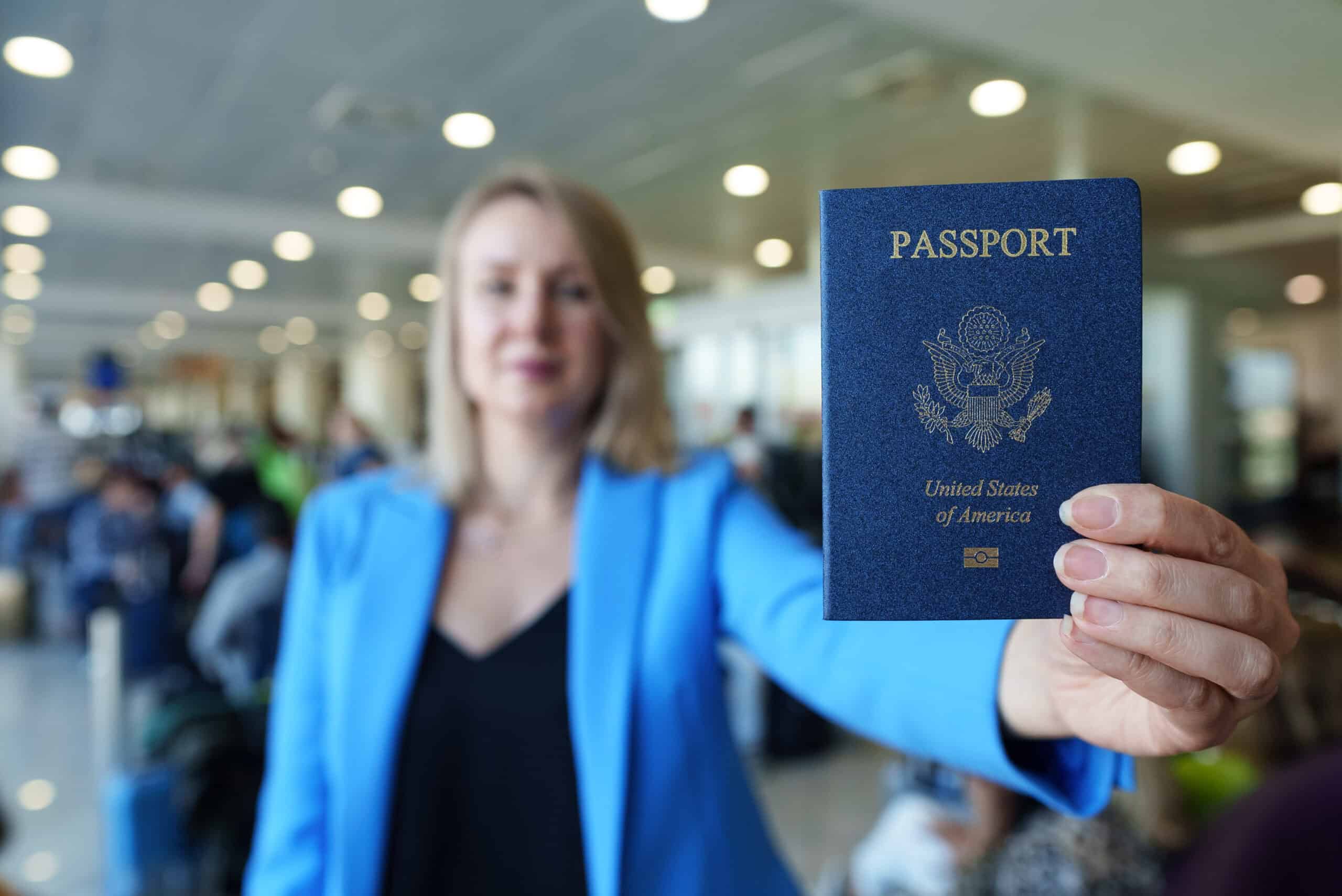
Some travelers treat passports like special-occasion documents and keep them tucked away until an overseas trip appears, not a quick Wednesday flight to a wedding, graduation, or reunion. REAL ID confusion turns that habit into a painful irony, because a passport book or passport card is an acceptable alternative for domestic screening when a license is noncompliant or missing the right marking. The disruption shows up as calls to family, someone racing across town with the passport, and a rebooking scramble at the gate, with hotel check-in times, ride pickups, and dinner reservations suddenly hanging in the balance.
Relying On A Temporary Paper License
A DMV-issued paper temporary license feels official, yet TSA does not accept temporary driver’s licenses as identification at the checkpoint, even when the traveler just renewed and the state says it is valid to drive. This trap is common after replacements, address updates, or stolen wallets, when the hard card is still in the mail and the paper printout looks like a solid backup in the hand. At security, the paper is rejected, the traveler is routed into alternate steps, and minutes vanish to identity checks, supervisor consults, and bag-drop cutoffs, while the departure board keeps clicking forward without sympathy.
Believing Expired ID Will Slide Through

Expired IDs create false confidence because some travelers remember looser eras and assume the system will understand a card that is only a little out of date. In practice, an expired document can trigger additional identity verification and extra screening, and that process slows down fast on peak mornings when lines already snake past kiosks, coffee stands, and families with strollers. Even when clearance happens, the lost time can erase the margin for checked bags, security, and gate boarding, turning an avoidable calendar problem into a missed flight, a standby gamble, and a day that starts with apologies.
Name On The Boarding Pass Doesn’t Match
REAL ID compliance does not prevent trouble when the boarding pass name and the identification name do not match exactly, even if the traveler is clearly the same person in front of the scanner. Marriage and divorce changes, hyphenation choices, missing middle names, and tiny typos can all trigger extra checks at the airline counter, a reprint request, or a longer conversation at the checkpoint when systems hesitate. The traveler feels basically correct, but airports run on exact matches, so staff recheck records while the line stalls, tempers rise, and the final-boarding countdown becomes the real villain, not the paperwork itself.
Assuming Mobile Driver’s Licenses Work Everywhere

Digital driver’s licenses are spreading, which tempts travelers to assume a phone screen will be accepted at any airport and in any lane, the same way a mobile boarding pass works everywhere. Acceptance still depends on the state program and the checkpoint setup, so a digital ID can work in one terminal and fail in another, leaving the traveler stunned at the podium with no easy override. The disruption is a hard reset: a physical backup is suddenly required, a slower identity check begins, and seat assignments, boarding groups, and checked-bag timelines keep advancing while the phone stops being enough.
Forgetting Kids Usually Don’t Need ID

Family travel confusion often points in the wrong direction, especially when parents are juggling snacks, strollers, and backpacks at 6 a.m. with lines moving and announcements blaring. Adults panic about children needing REAL ID, or they search a teen’s wallet while overlooking the adult requirement that actually controls access to the checkpoint and the entire itinerary. Children under 18 generally do not need ID for domestic flights, but adults do, so the trip stalls because the parent’s license is noncompliant, expired, or missing, and the family learns the rule only after losing the calm window they had.
Thinking TSA PreCheck Changes ID Rules
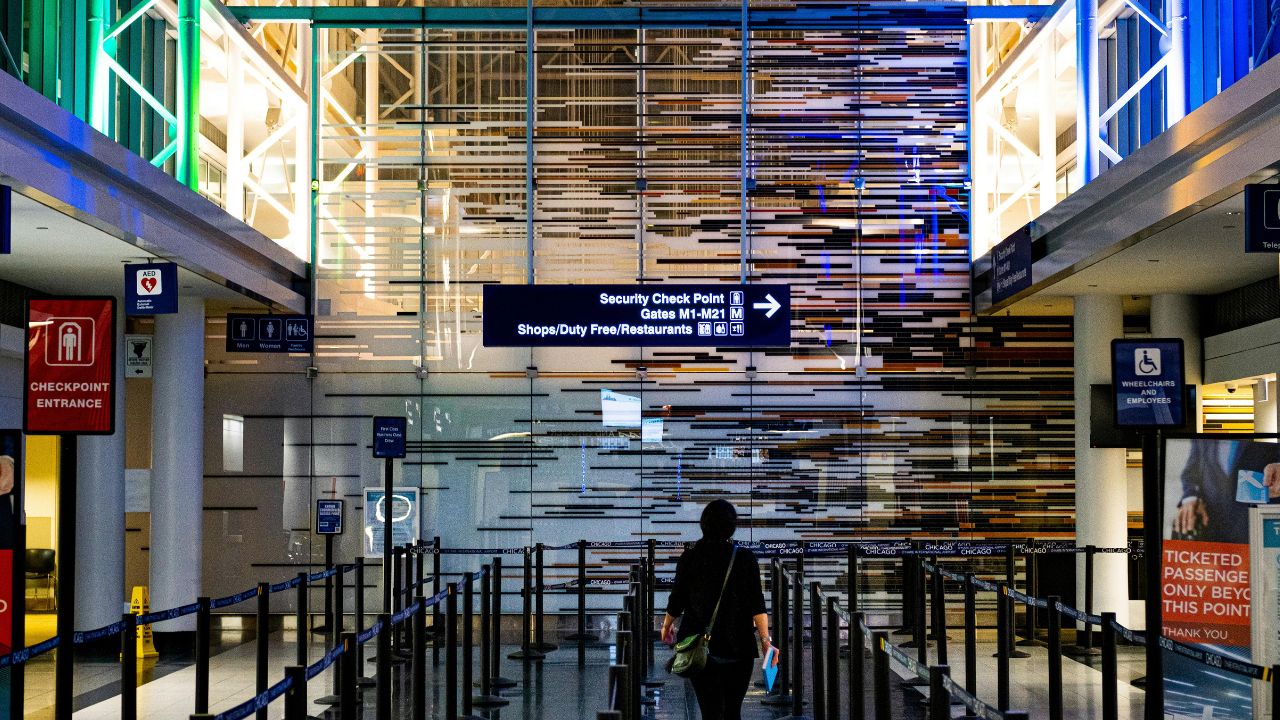
TSA PreCheck changes the screening routine, not the identification requirement, but that nuance disappears when the short line looks like a guaranteed win for anyone running late. Some travelers arrive confident, present a noncompliant or expired ID, and learn that PreCheck offers no shortcut around document rules, name checks, or identity verification steps, even when the ticket shows PreCheck on it. The mood flips fast: a calm arrival becomes a detour into extra questions, slower processing, and a late sprint toward the gate, with the traveler realizing the problem was never the line, it was the ID in hand.
Arriving With No Acceptable ID And Underestimating The Time

When someone arrives without acceptable ID, the common assumption is that a quick conversation will fix it, like a forgotten hotel key or a misplaced parking ticket. Identity verification can involve extra steps, additional screening, and waiting for staff availability, and it competes directly with boarding deadlines that do not pause for paperwork, panic, or long explanations. On peak days, even a manageable delay becomes fatal for the itinerary, especially with checked bags or tight connections, and the traveler can lose flights, hotel nights, prepaid tours, rental cars, and family events in one chain reaction.
Confirm.ID Adds A Fee And A New Kind Of Stress

Starting Feb. 1, 2026, TSA says travelers who show up without acceptable ID may use Confirm.ID for a $45 fee with a 10-day validity window, though clearance is not guaranteed and delays are still possible. Confusion is predictable: people hear fee option and assume it replaces REAL ID, when it is really a last-resort pathway that still takes time at the checkpoint and can vary by airport. The traveler pays, waits, and still risks missing departure, turning a forgotten wallet into an expensive lesson delivered under fluorescent lights, with gate announcements echoing, screens flashing last call, and patience running thin.