We may earn money or products from the companies mentioned in this post. This means if you click on the link and purchase the item, I will receive a small commission at no extra cost to you ... you're just helping re-supply our family's travel fund.
Retirement should feel calm, not financially tense. Across the United States, a handful of cities combine modest housing prices, manageable daily expenses, strong healthcare networks, and tax structures that help savings last. Below are ten places where retirees can realistically live well on a fixed income, often between $1,800 and $3,200 per month depending on lifestyle. Each city offers a practical balance of affordability, comfort, and access to essentials, making it easier to enjoy retirement without constantly checking the budget.
1. Tallahassee, Florida
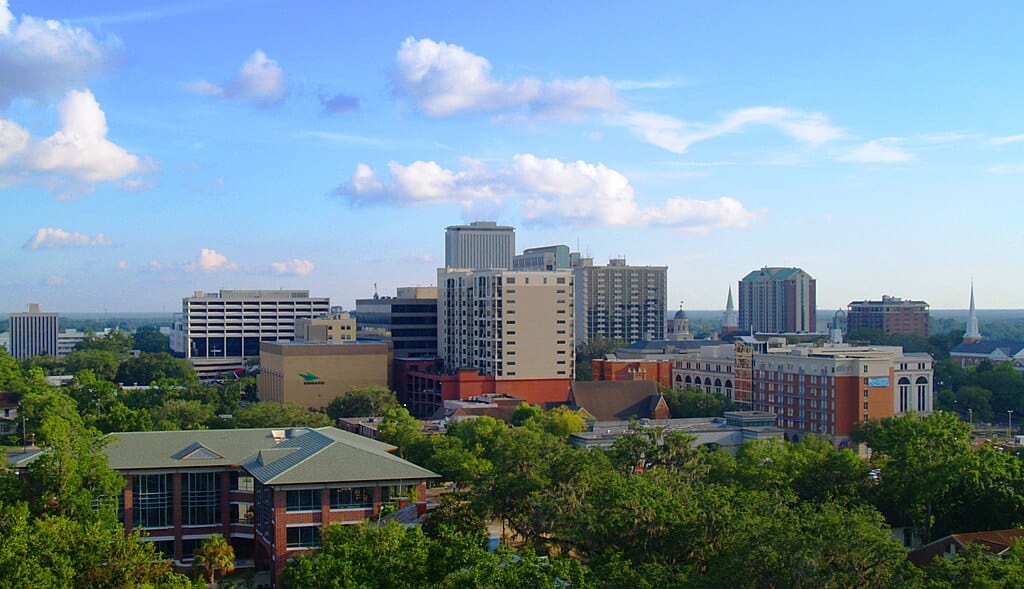
In Tallahassee, retirees often find monthly living costs between $2,200 and $2,800, depending on housing choices. Median home prices hover near $285,000, while average one-bedroom rents stay close to $1,200. Florida’s lack of state income tax means Social Security and retirement withdrawals stretch further each year.
Healthcare access is solid for a mid-sized capital city, and daily expenses like groceries and utilities trend about 5% below the national average. Mild winters and steady sunshine reduce heating bills, while local parks and cultural events offer low-cost recreation year-round.
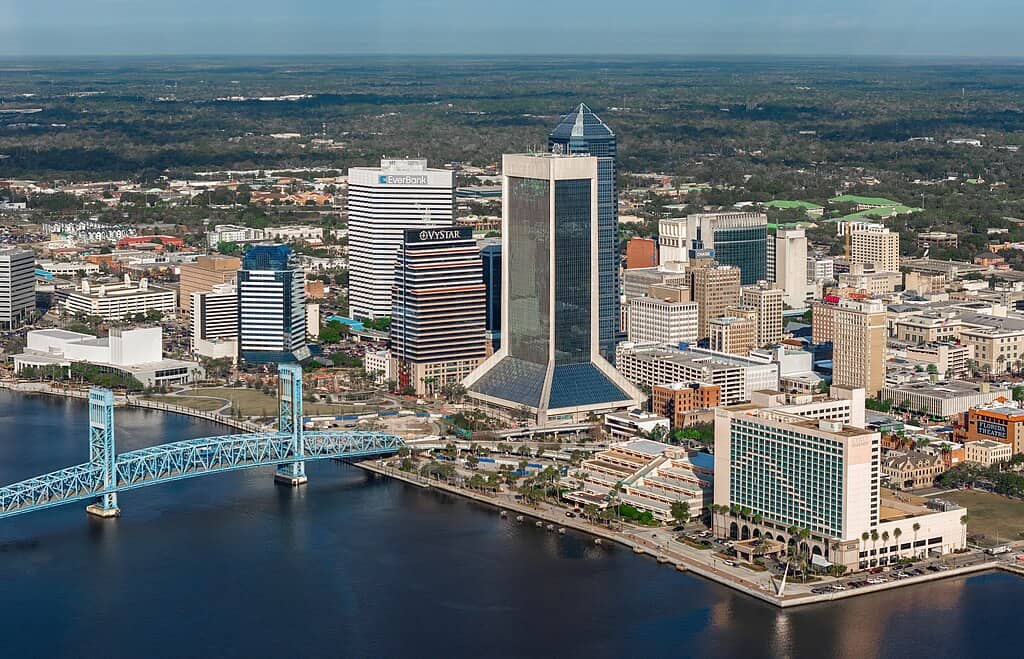
2. Jacksonville, Florida

Jacksonville blends coastal living with practical affordability. Median home prices sit near $300,000, and average rents for modest apartments range around $1,300 monthly. Total living expenses often fall between $2,400 and $3,000 per month for a single retiree with moderate spending habits.
Florida’s zero state income tax provides long-term savings advantages, especially for retirees drawing from IRAs. The city’s extensive healthcare system and more than 20 miles of public beaches allow residents to maintain an active lifestyle without expensive entertainment costs.
3. Pensacola, Florida
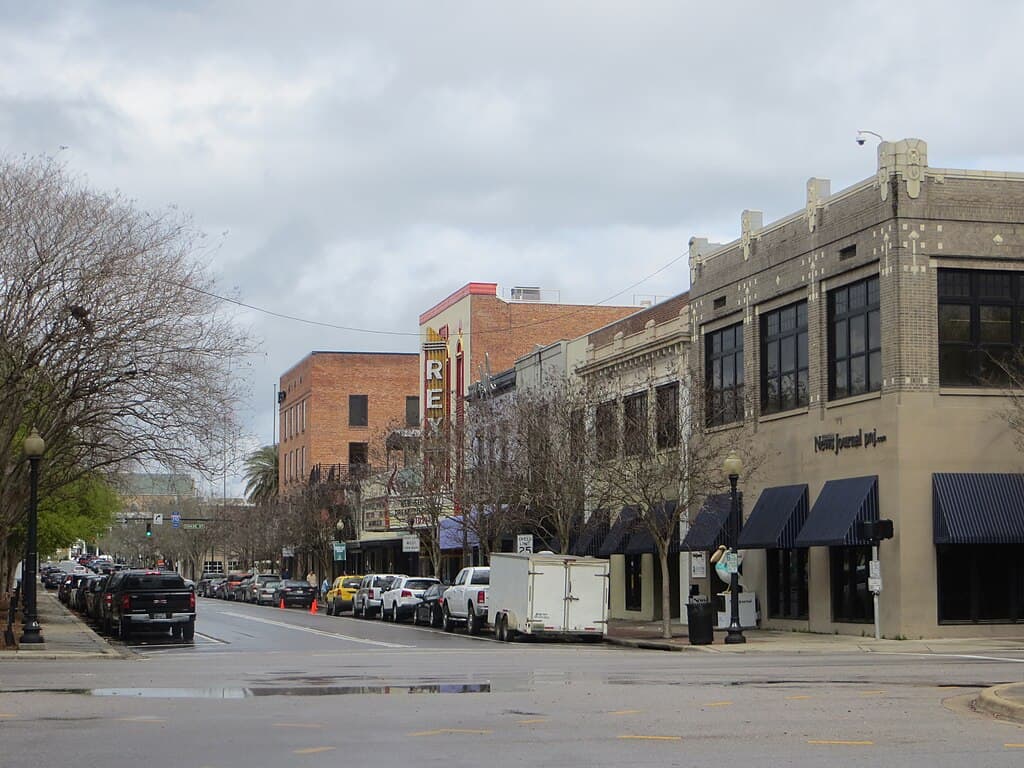
Retiring in Pensacola offers beach access without Miami-level prices. Median home values average roughly $310,000, and one-bedroom rentals often fall near $1,250 per month. A retiree’s typical monthly budget can remain around $2,300 to $2,900, including utilities and transportation.
Everyday expenses track close to the national average, while property taxes remain moderate. The Gulf Coast climate encourages outdoor living, reducing reliance on costly leisure spending. Community events, waterfront parks, and senior programs create social connection without straining finances.
4. Pittsburgh, Pennsylvania

Pittsburgh stands out for low housing costs in a larger metro area. Median home prices remain near $240,000, and average apartment rents often sit below $1,200. Many retirees comfortably live on $2,200 to $2,700 per month.
Pennsylvania does not tax Social Security benefits, pensions, or retirement account withdrawals, which significantly eases financial pressure. Healthcare quality ranks among the state’s strengths, and utilities trend about 8% below national averages, helping retirees maintain stability through colder winters.
5. El Paso, Texas

In El Paso, affordability meets warm desert sunshine. Median home prices hover around $230,000, and average one-bedroom rents remain near $1,100. Monthly living expenses for retirees commonly range between $2,000 and $2,600.
Texas has no state income tax, supporting long-term financial predictability. Groceries and healthcare services typically cost 6% below the national average. With over 300 sunny days annually, heating costs stay low, and outdoor recreation options provide low-cost ways to stay active.
6. San Antonio, Texas

San Antonio offers big-city amenities with smaller price tags. Median home prices average about $295,000, while rents for modest apartments often land near $1,250 monthly. Retirees frequently manage total living costs between $2,400 and $3,100.
The absence of state income tax benefits those drawing retirement income. Healthcare infrastructure is extensive, with multiple major hospitals and senior care centers. Cultural attractions, riverfront walks, and community festivals offer affordable entertainment throughout the year.
7. Knoxville, Tennessee
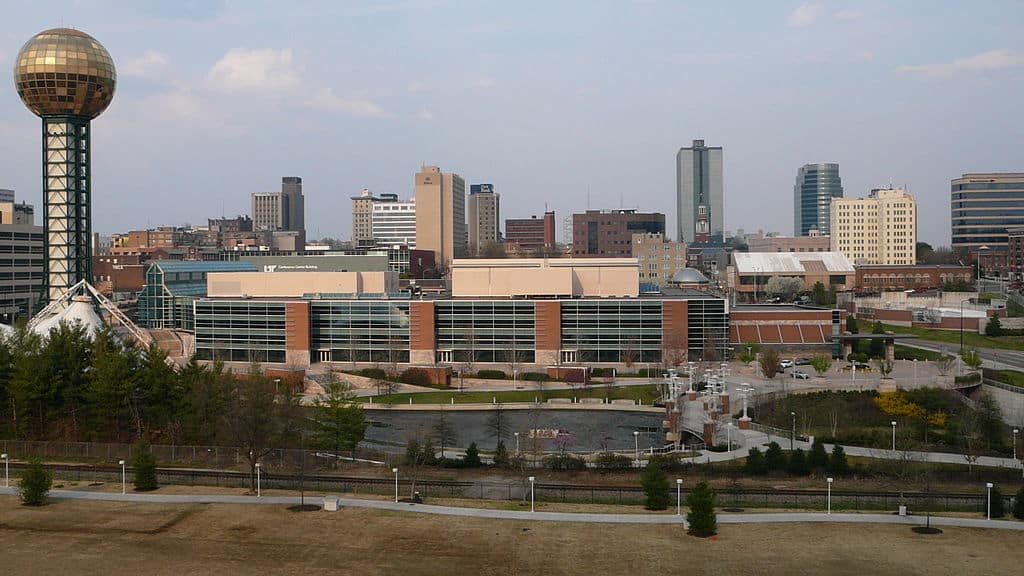
Knoxville appeals to retirees who value scenic surroundings and modest expenses. Median home prices average close to $320,000, and one-bedroom rentals typically range around $1,200 per month. Overall monthly budgets often stay between $2,300 and $2,900.
Tennessee does not tax wages or most retirement income, enhancing long-term savings. Utilities run slightly below national norms, and proximity to mountain parks provides free or low-cost recreation. The city’s manageable size keeps transportation and healthcare costs predictable.
8. Springfield, Illinois
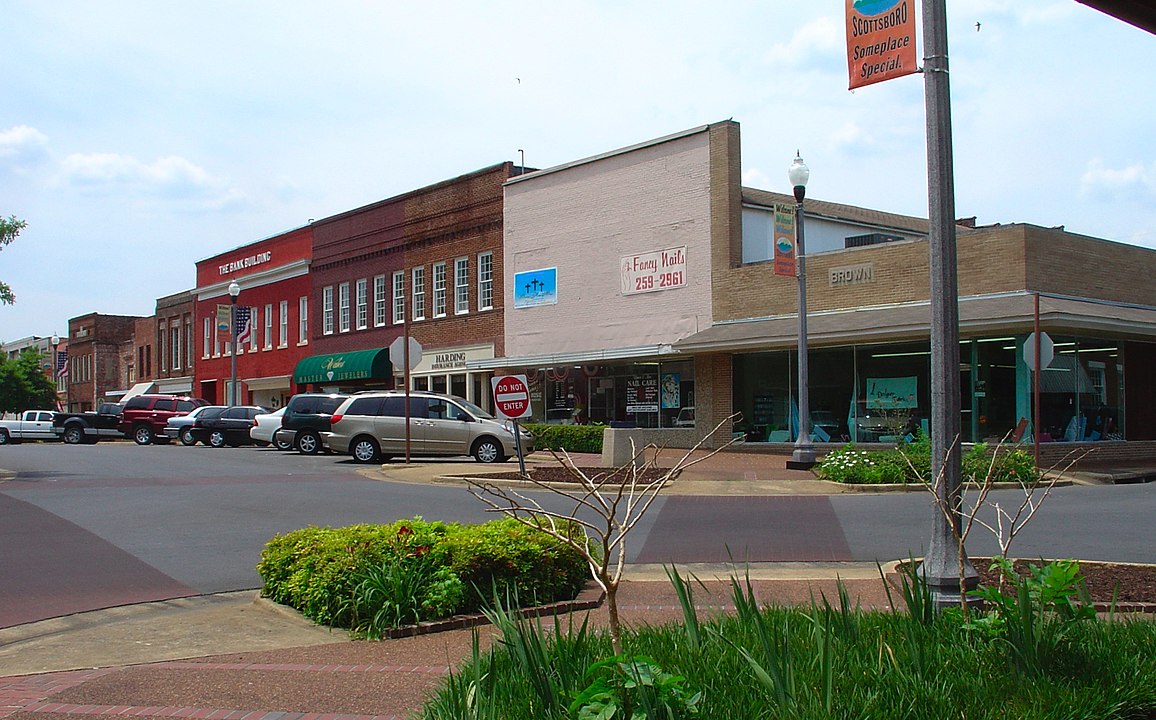
In Springfield, retirees benefit from some of the Midwest’s most affordable housing. Median home values sit near $190,000, while average rents remain close to $950 monthly. Many retirees comfortably manage expenses between $1,900 and $2,500 per month.
Groceries and utilities track about 10% below the national average, helping fixed incomes stretch further. While winters are cold, property taxes are moderate, and healthcare access is strong for a city of roughly 115,000 residents.
9. Fort Wayne, Indiana

Fort Wayne consistently ranks among the most affordable mid-sized cities. Median home prices hover near $210,000, and typical one-bedroom rents average around $1,000. Retirees often keep monthly living costs between $2,000 and $2,600.
Indiana’s tax structure favors retirees with partial exemptions on Social Security benefits. Utilities cost about 7% less than the national average, and healthcare providers are readily available. Community centers and parks supply affordable opportunities for social engagement.
10. Wichita, Kansas
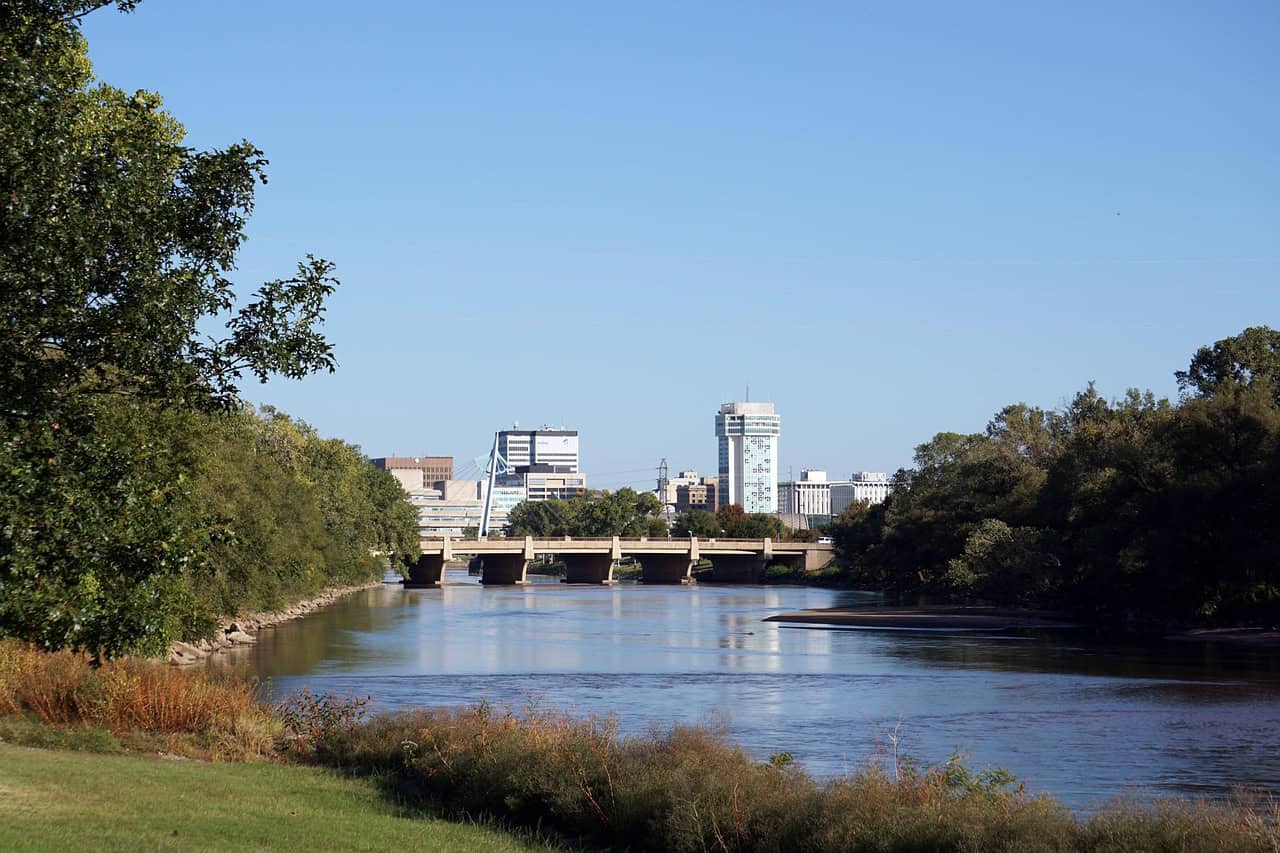
Retiring in Wichita allows seniors to stretch savings meaningfully. Median home prices average about $200,000, while one-bedroom rentals typically remain near $900. Monthly living expenses often fall between $1,900 and $2,500.
Overall cost of living runs roughly 12% below the national average. Transportation and grocery costs stay modest, and healthcare facilities are accessible across the metro area. For retirees prioritizing stability over flash, Wichita offers steady, low-stress financial footing.