We may earn money or products from the companies mentioned in this post. This means if you click on the link and purchase the item, I will receive a small commission at no extra cost to you ... you're just helping re-supply our family's travel fund.
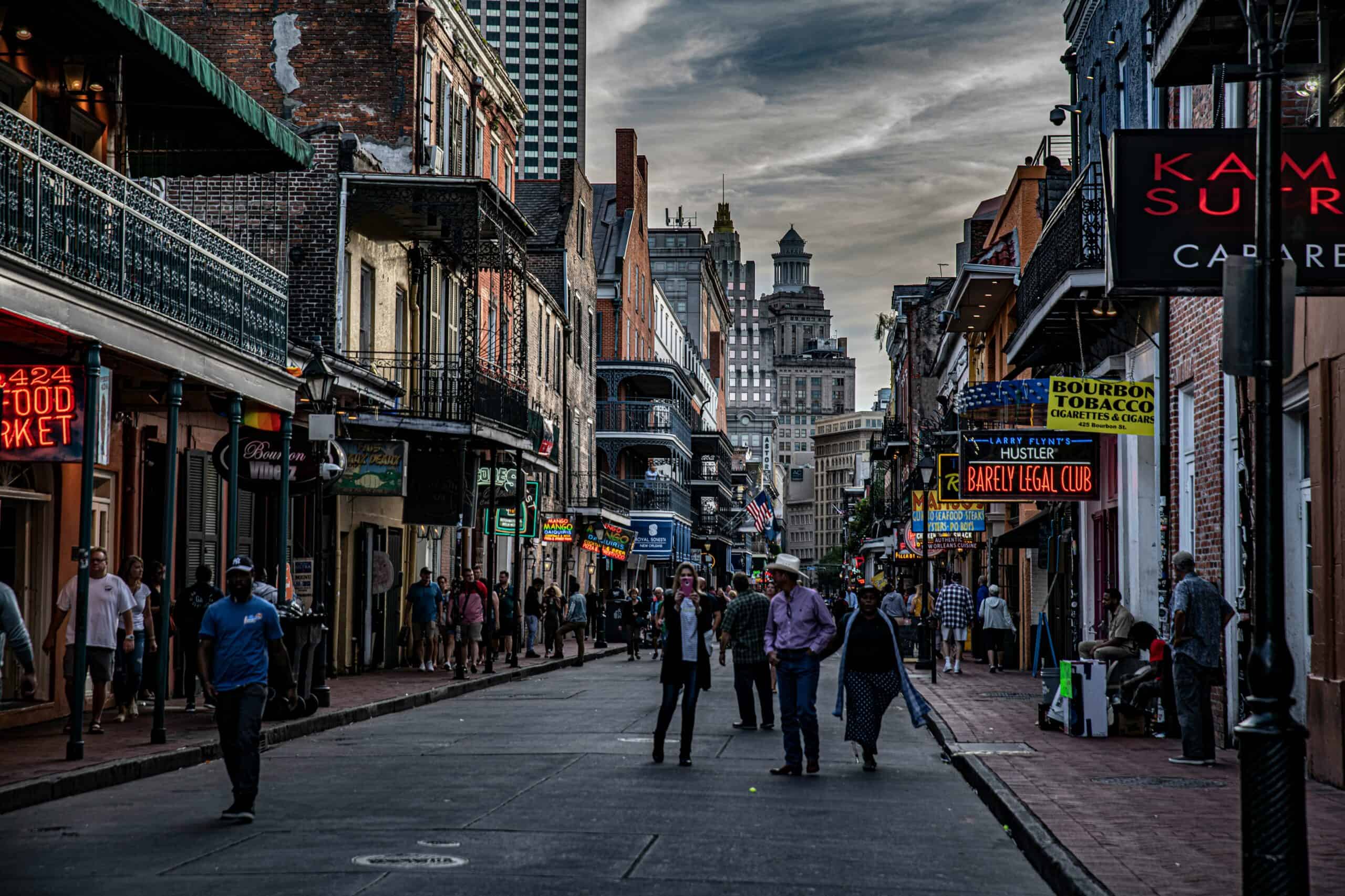
Cruise crowds, festival weekends, and short-term rentals used to feel like simple travel stories. In more U.S. cities, tourism now acts like lighter fluid on local politics, sharpening fights over housing, noise, safety, and who public space is really for. Residents argue over permits and policing while leaders try to protect jobs and tax revenue without letting neighborhoods become theme parks. Even routine budget votes can turn into moral arguments when visitors flood in. The tension shows up in curfews, lawsuits, caps, and long council meetings that stretch past midnight.
Miami Beach, Florida
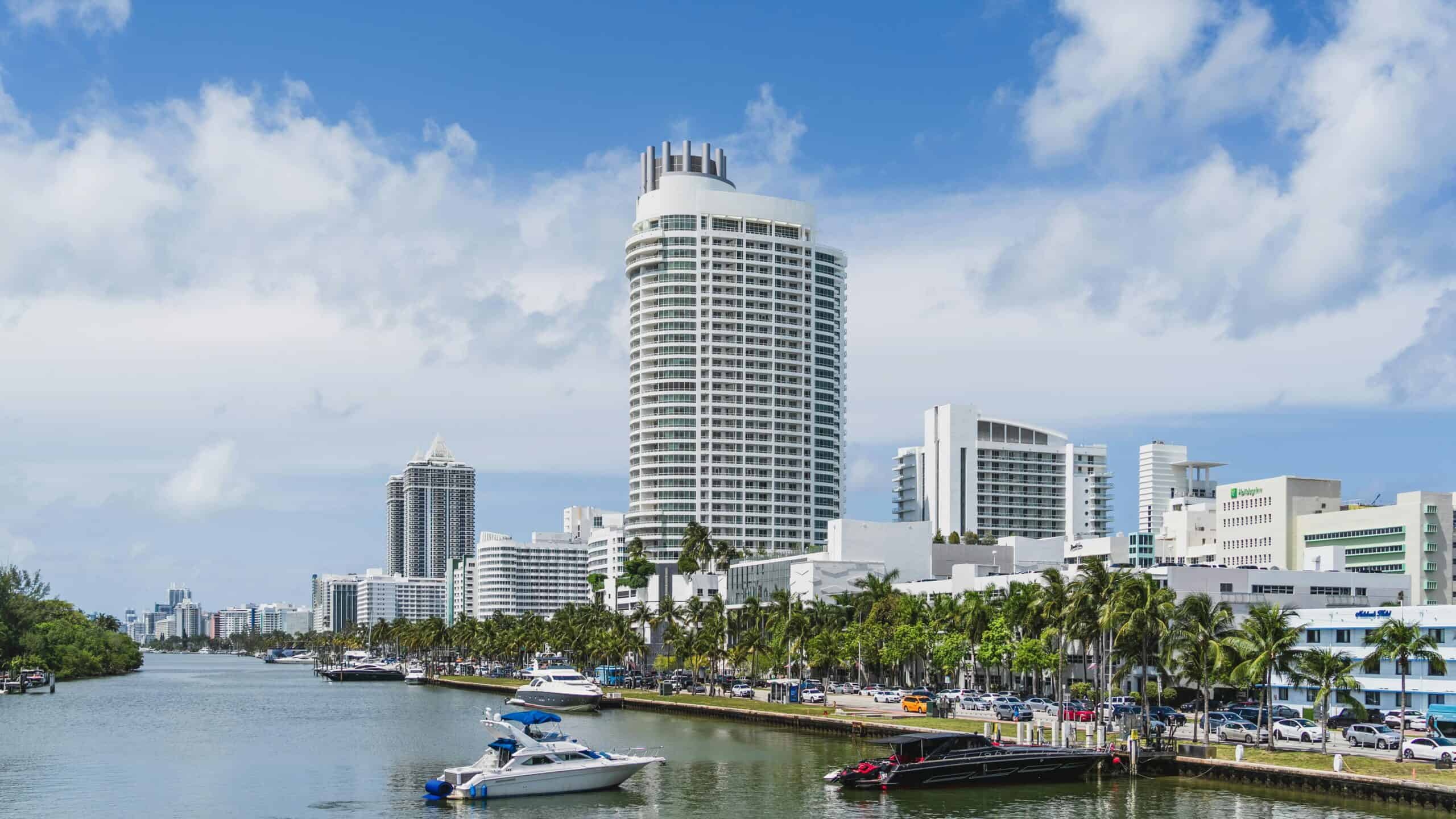
Miami Beach has treated spring break as a public-order stress test, and the rules have become local politics in real time. After seasons marked by disorder, officials leaned on curfews, bag checks, DUI checkpoints, beach closures, towing-heavy parking limits, and a loud warning campaign that spells out restrictions before anyone books a hotel. Some residents and businesses welcome calmer streets and fewer viral scenes, while others argue the crackdown punishes workers and pushes crowds into neighboring communities, turning each March into a fight over policing, nightlife, and whether deterrence is safety or self-sabotage.
New Orleans, Louisiana
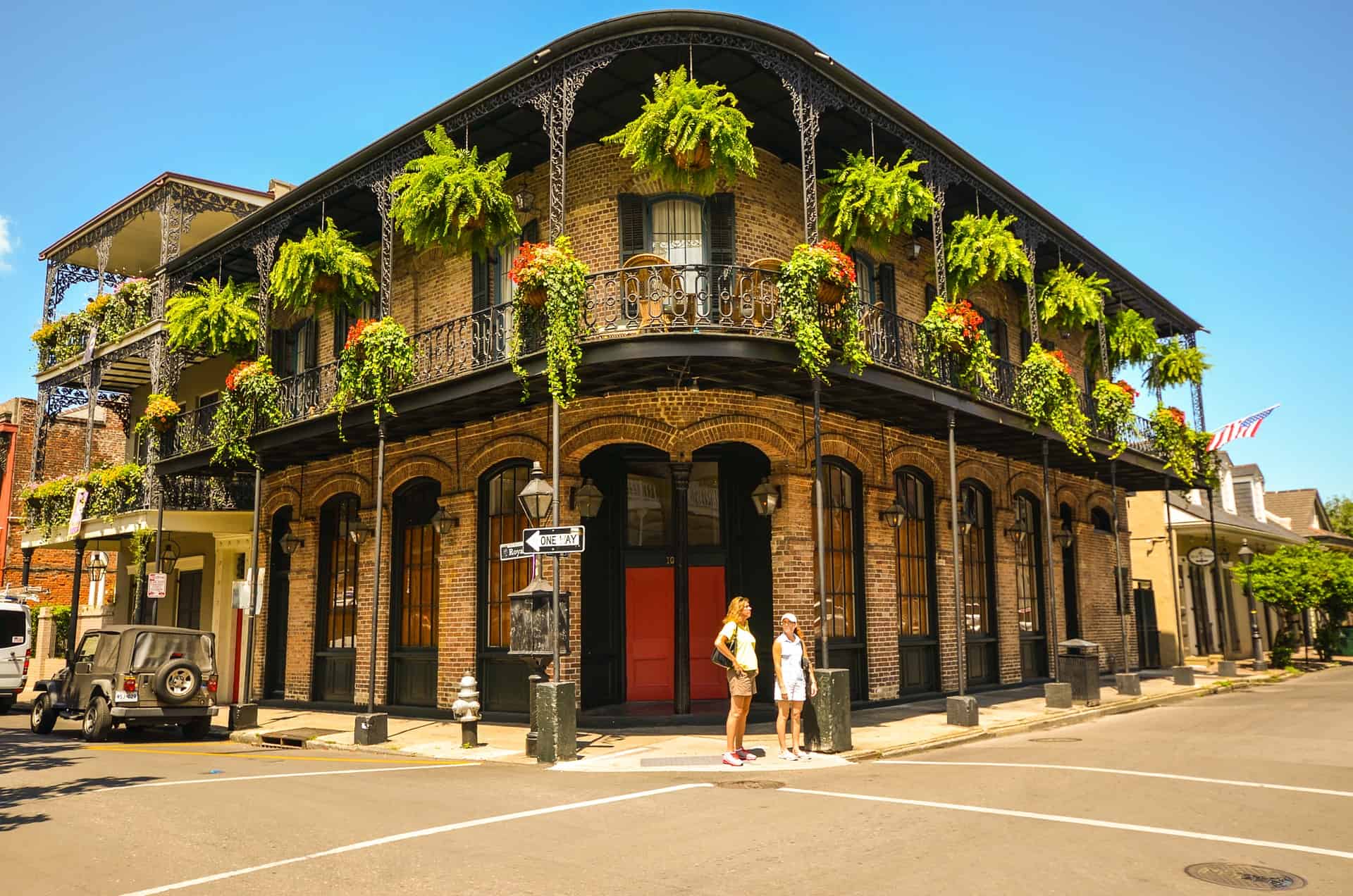
In New Orleans, tourism fights often run through short-term rentals, because every weekend booking can feel like one less home for locals. After legal challenges and platform pressure, the city tightened permitting and enforcement to curb illegal listings and protect housing supply, then faced lawsuits and backlash framed as property rights versus neighborhood stability. When blocks flip from neighbors to rotating guests, politics gets personal fast, and debates about permits spill into arguments about noise, trash pickup, policing, and whether the city can stay livable between Mardi Gras weekends.
Biloxi, Mississippi

Biloxi’s Gulf Coast demand has pushed short-term rental rules into courtroom territory, sharpening the local divide. In late 2025, Airbnb and a homeowner sued over a permitting system they argue restricts rentals and gives the hotel industry outsized influence, while supporters say the rules protect neighborhoods from noise, parking chaos, and a thinning long-term rental supply. The dispute turns tourism into a proxy for power: who profits from visitors, who absorbs the disruption at 2:00 a.m., and whether the city is writing neutral guardrails or quietly steering travelers toward hotels over homes.
Bar Harbor, Maine
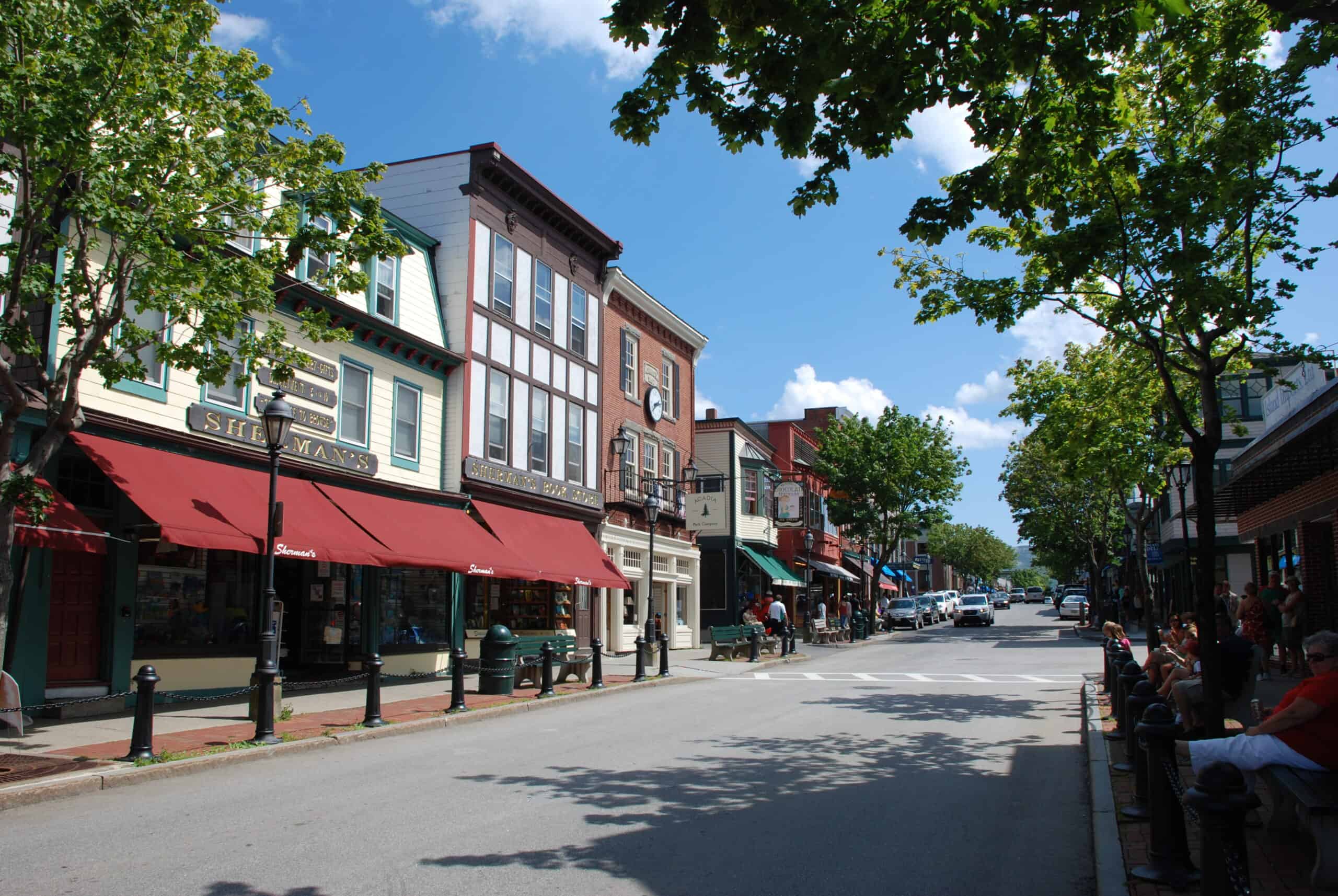
Bar Harbor looks serene from the water, but cruise traffic has turned into a hard-edged political battle over scale and control. Voters approved a 1,000-passenger-per-day limit for disembarking cruise guests, and the rule has been tied up in lawsuits, appeals, and fights over how strictly it should be enforced. Supporters say the cap protects narrow streets and small-town life, opponents say it slammed the cruise economy and harmed seasonal workers, and a federal appeals court revived part of the legal challenge, asking a lower court to take a harder look at whether the ordinance burdens commerce beyond what the town can justify.
Juneau, Alaska
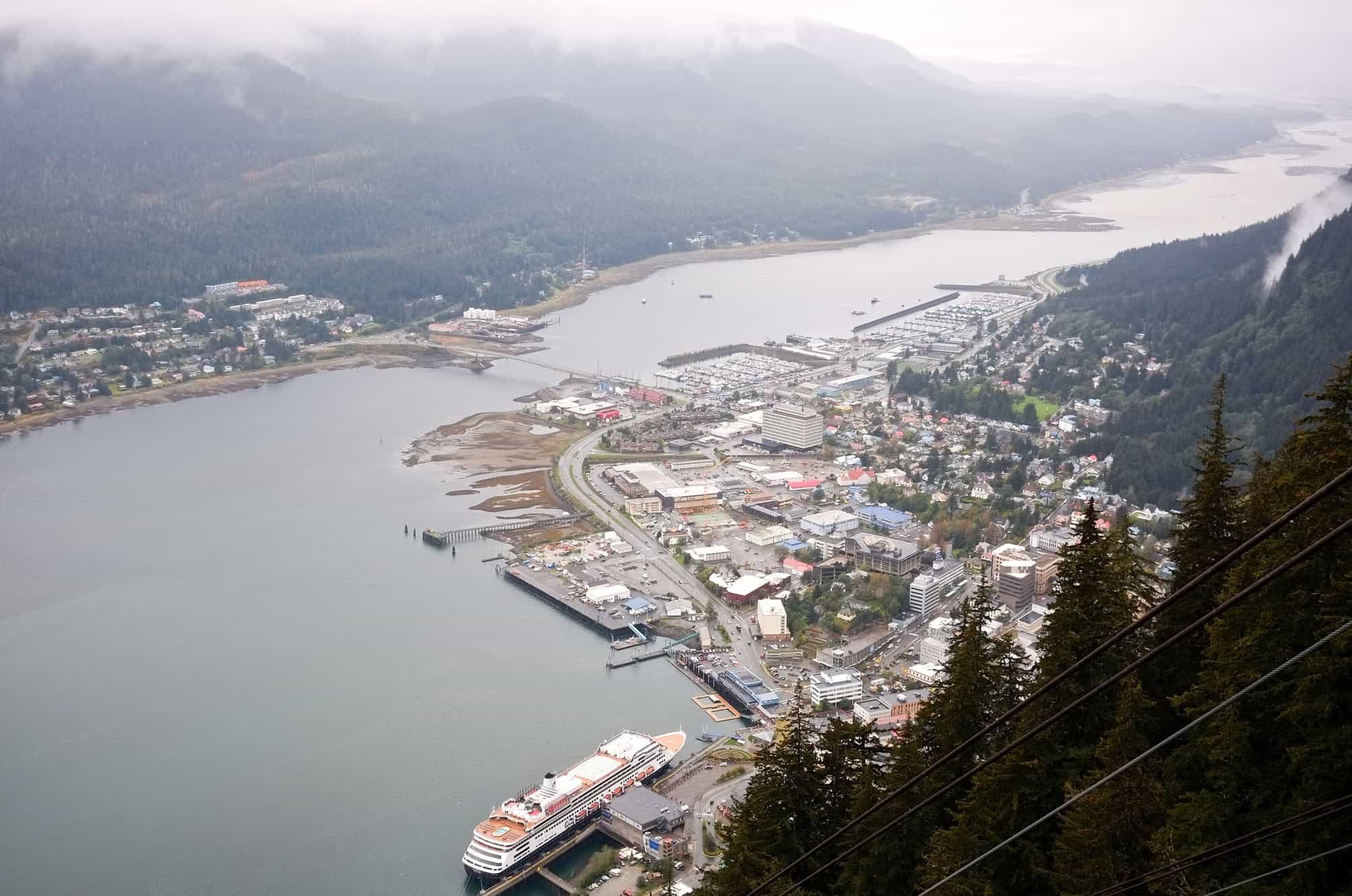
Juneau’s cruise season can feel like a daily wave, and the volume has made passenger limits a constant political flashpoint. City leaders and industry groups negotiated caps that begin in 2026, including 16,000 passengers on most days and 12,000 on Saturdays, after years of resident frustration with congestion and strained services. Supporters call it basic quality-of-life protection, critics warn about lost jobs and sales-tax revenue, and the debate keeps returning to a practical issue locals feel in their bones: how many visitors a small city can host before sidewalks, buses, and patience run out.
Honolulu, Hawaii
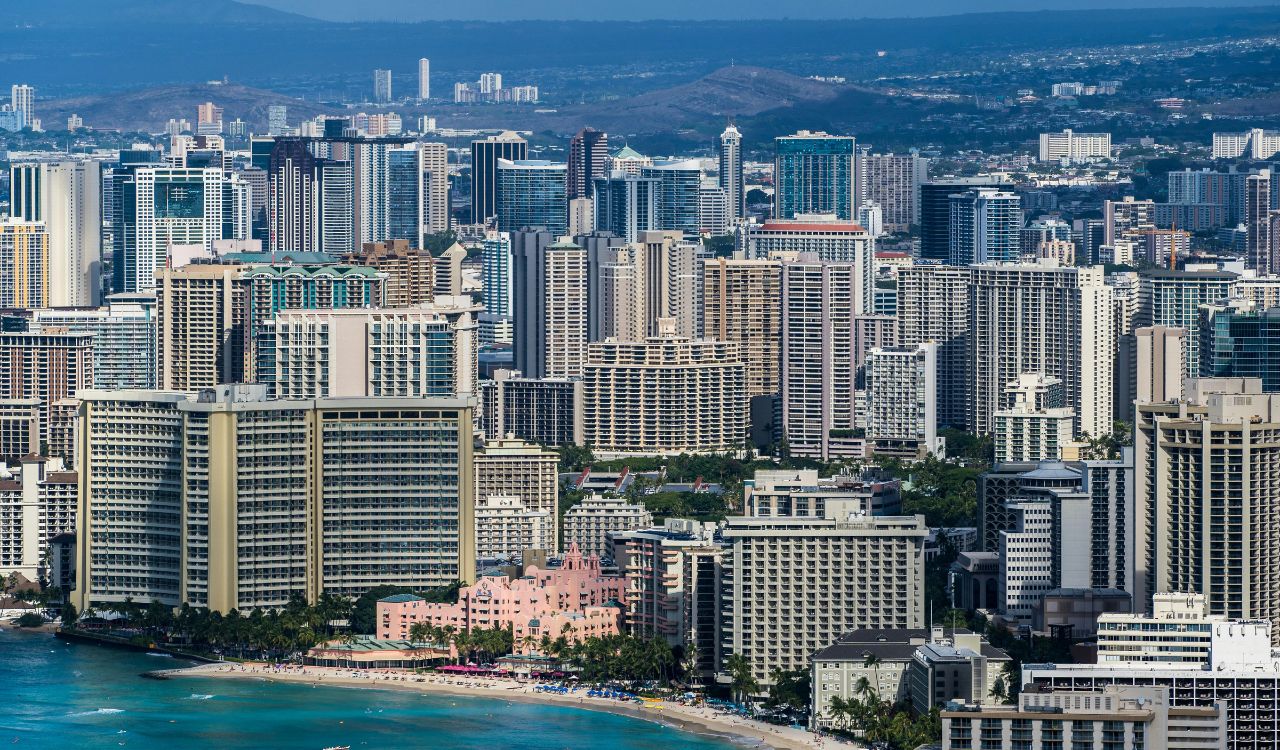
Honolulu’s tourism anger often concentrates on housing, especially illegal vacation rentals that residents say hollow out neighborhoods. The city passed a 2019 law meant to hold booking platforms accountable for illegal listings, but enforcement has been complicated by litigation and the difficulty of getting reliable data at scale. When regulation depends on court fights and proof standards, tourism stops being background economics and becomes a test of whether local government can still set rules that stick, or whether residents will keep watching homes convert into mini-hotels while rents climb.
Asheville, North Carolina
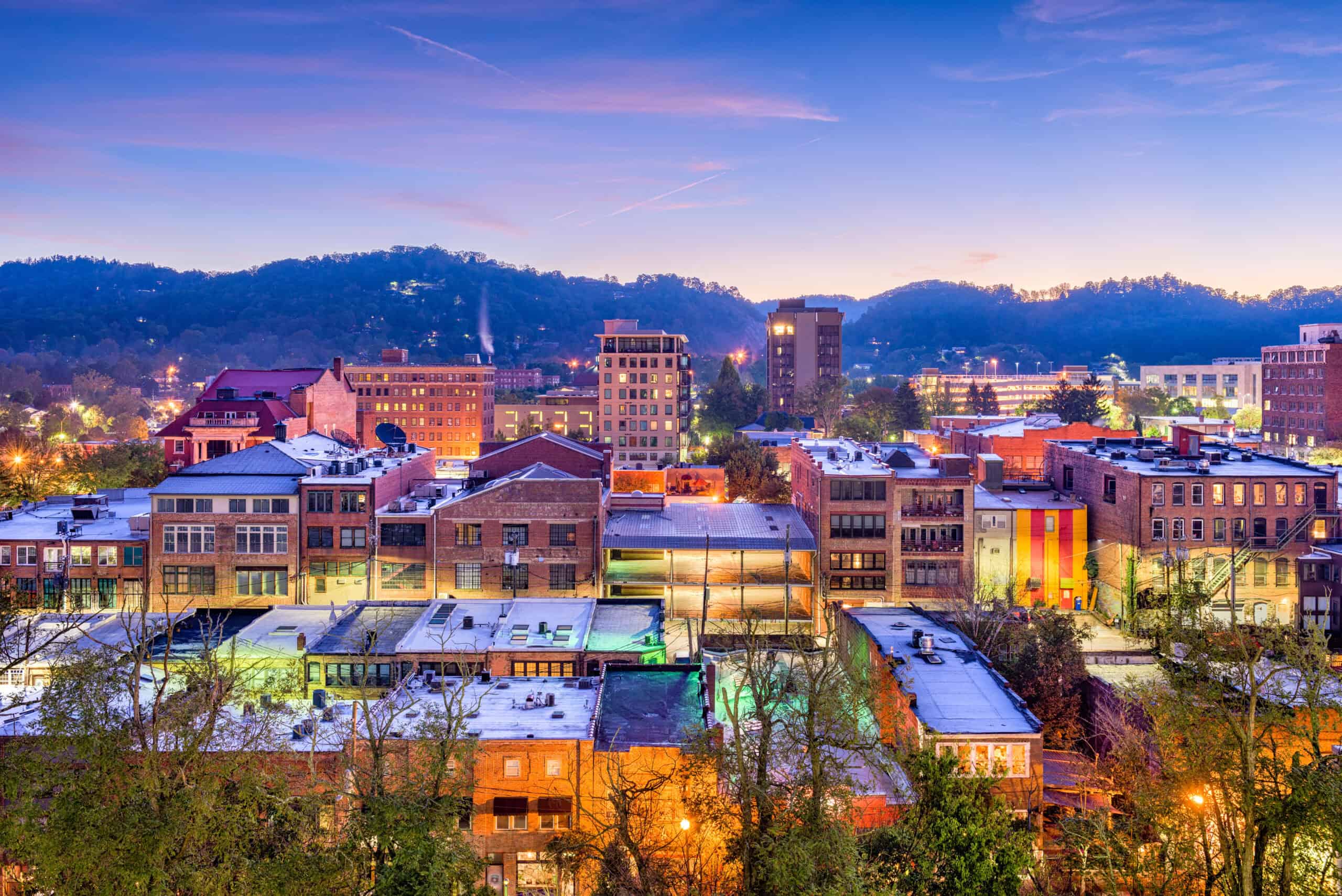
Asheville’s popularity has a sharp edge: packed weekends, rising rents, and constant arguments over short-term rentals and neighborhood stability. The city banned most new vacation rentals in 2018, and Buncombe County debates have continued as thousands of listings remain in the region and locals argue about housing supply versus visitor dollars. Because service workers often live far from the jobs that depend on tourism, the issue keeps resurfacing at planning meetings, where promotion budgets, permit enforcement, and workforce housing get tangled together until even small zoning tweaks feel like taking a side.
Moab, Utah

Moab’s tourism economy keeps local politics hot because the town’s land, roads, and housing are stretched by constant demand for the same canyon corridor. Residents have argued about short-term rentals and noise from motorized recreation, and public comments in city records urge leaders to stop promoting Moab as a loud, motorized destination. More recently, a major development proposal along the Colorado River drew fierce backlash and even threats, reflecting how quickly tourism pressure turns land-use meetings into identity fights about what Moab is becoming, and whether locals can still afford to stay.
Sedona, Arizona

Sedona’s beauty makes tourism feel inevitable, which is why the fiercest fights revolve around who gets to turn housing into a nightly commodity. The city has tried to rein in short-term rentals, but Arizona’s statewide preemption limits municipal authority, and in 2025 an appeals court rejected Sedona’s attempt to block a mobile home park from renting units short term. When local control runs into state law, residents often get angrier, because the argument stops being about fine-print rules and becomes about power, fairness, and whether a resort town can protect year-round community life as visitor demand keeps climbing.
Key West, Florida
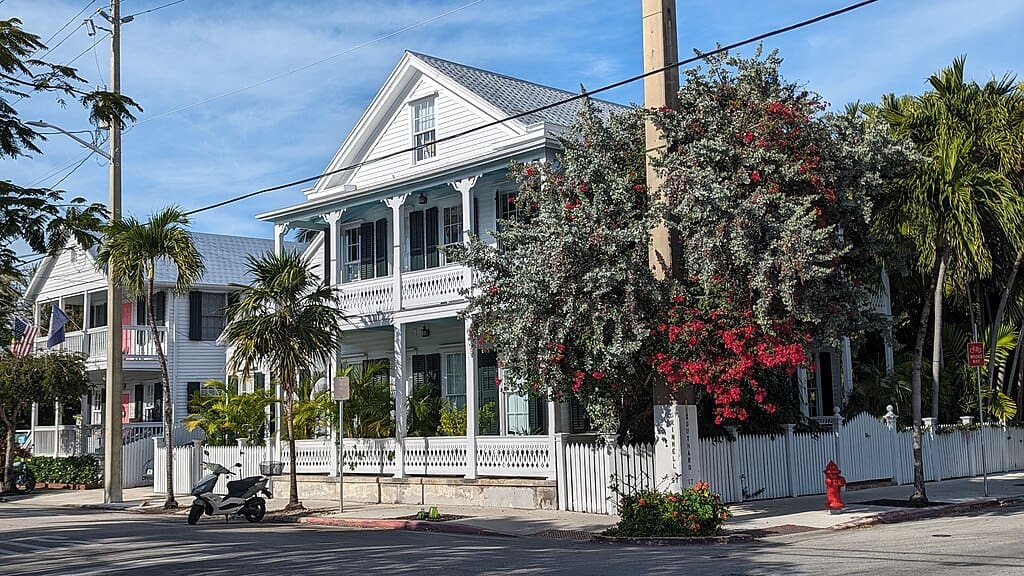
Key West has wrestled publicly with cruise volume for years, and the fight keeps returning as a local-control showdown. Voters approved referendums in 2020 to cap daily disembarkations, ban the largest ships, and prioritize cleaner vessels, and the measures sparked lawsuits plus repeated state-level efforts to blunt them. Supporters frame limits as survival for a small island with finite streets and services, opponents warn about lost income for port-dependent businesses, and the conflict keeps politics simmering because it pits neighborhood life against a tourism model that arrives in giant pulses, then vanishes.