We may earn money or products from the companies mentioned in this post. This means if you click on the link and purchase the item, I will receive a small commission at no extra cost to you ... you're just helping re-supply our family's travel fund.
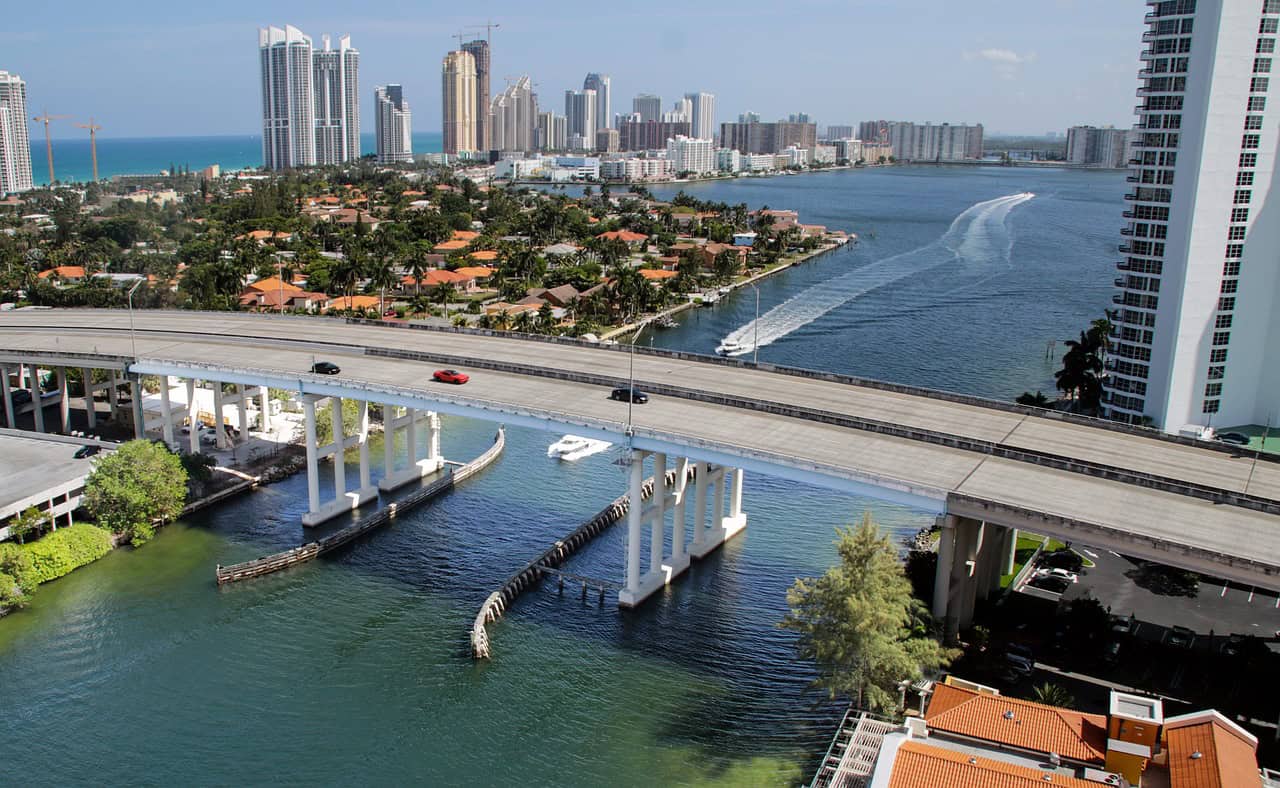
Traveling in the U.S. in 2026 increasingly means paying fees that have nothing to do with hotels or attractions. Many destinations now apply mandatory visitor charges simply for arriving, staying, or accessing public spaces. These fees are framed as sustainability or infrastructure measures, but for travelers, they inflate trip budgets. From island access permits to nightly resort fees and per-vehicle park charges, some iconic destinations now charge visitors just for showing up.
1. Hawaii (Statewide)
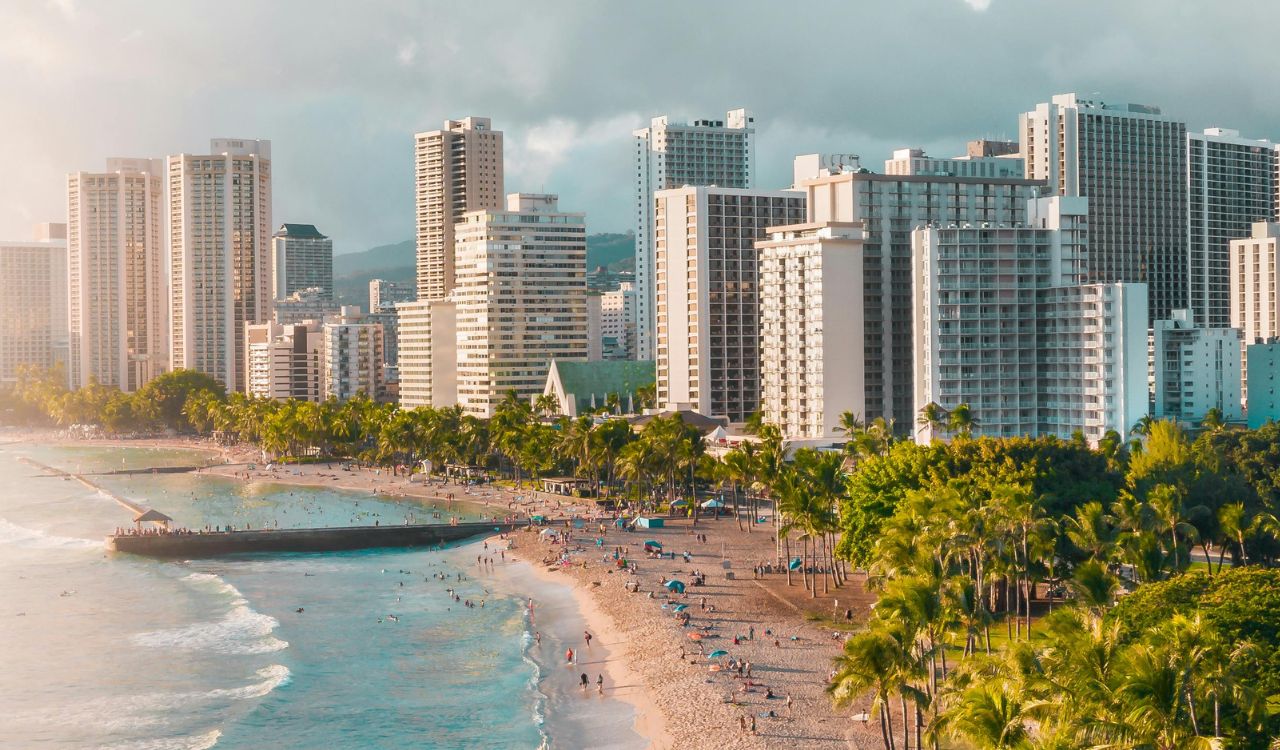
Hawaii now layers multiple fees on visitors the moment they arrive. The Transient Accommodations Tax is 10.25%, and county surcharges push totals toward 18%, meaning a $350 hotel night can cost an extra $63 in taxes alone. Rental cars add a $5 daily vehicle fee, and commercial tours include conservation surcharges of $25–$40 per person. In 2026, the proposed “Green Fee” will add another $25 one-time environmental charge, making Hawaii one of the most fee-dense destinations in the U.S. for travelers.
2. Las Vegas Strip (Nevada)
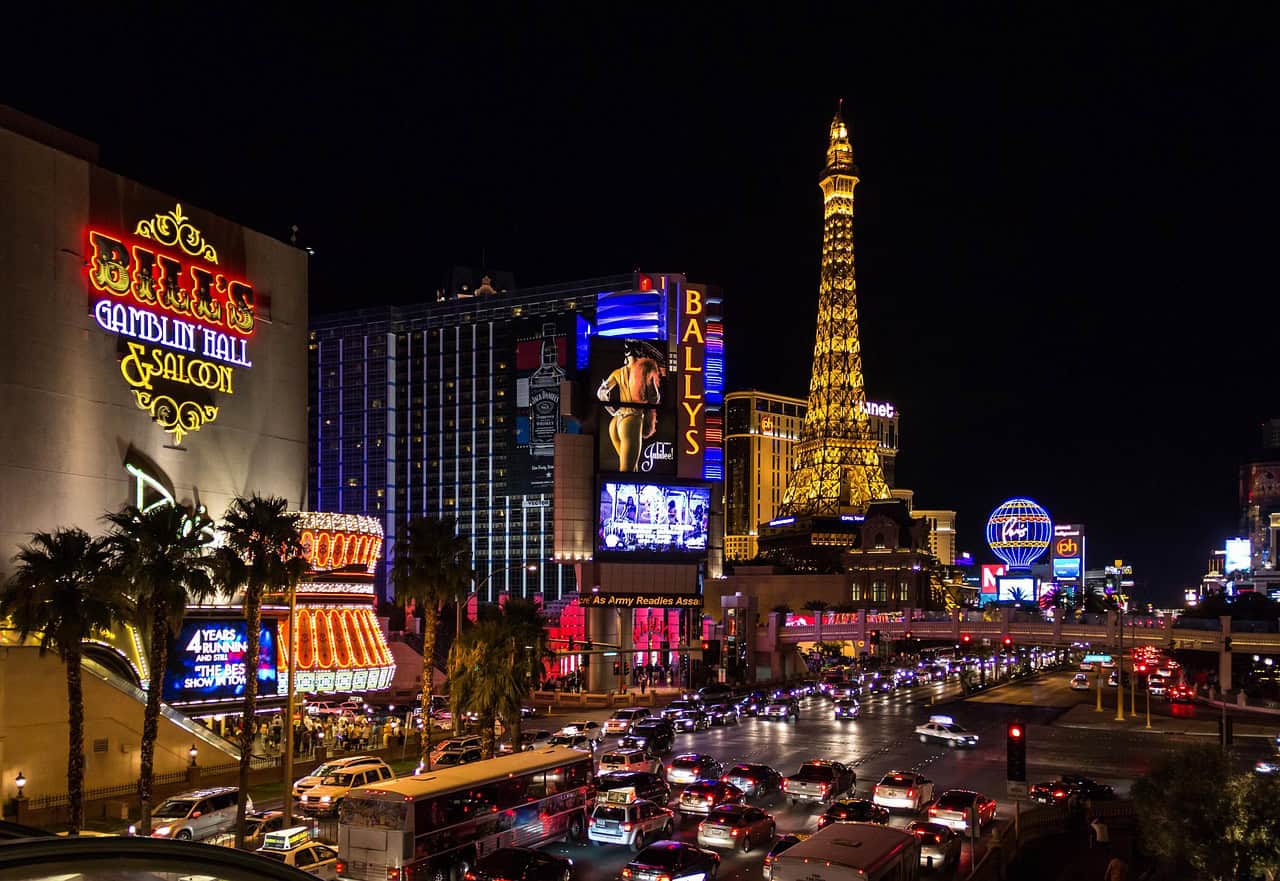
Las Vegas visitors face mandatory fees before unpacking. Resort fees in 2026 average $45–$55 per night, applied even on “free” bookings. Combined with the 13.38% Clark County room tax, a three-night stay can add roughly $150. Parking costs now range from $18–$30 per day, and weekends may include temporary access fees at major properties. For a couple staying two nights, baseline non-optional fees easily exceed $250, excluding entertainment or meals, making visiting the Strip surprisingly expensive.
3. New York City (New York)
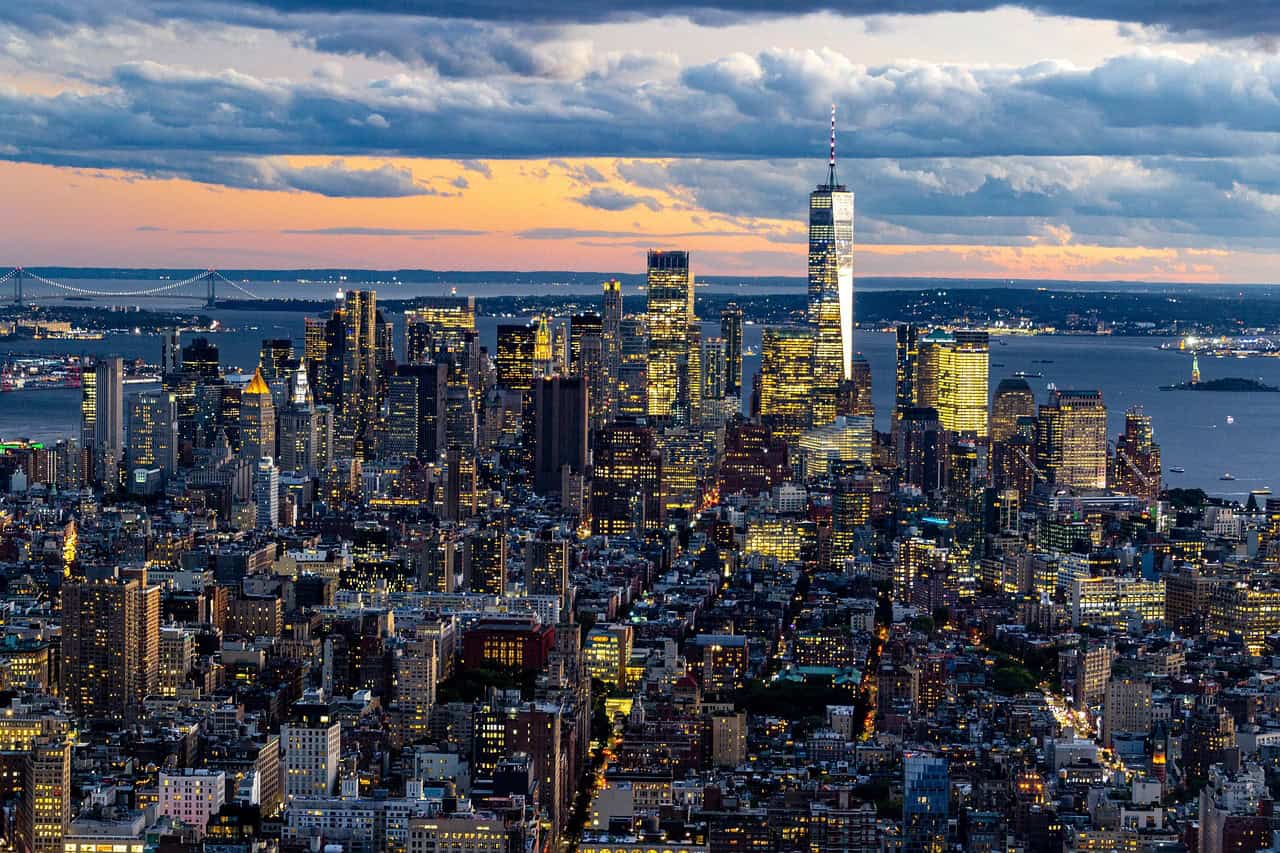
Hotel stays in New York City now incur a 14.75% occupancy tax plus a nightly flat fee of $3.50–$5.50. For a $400 room, that increases the total to about $470. Short-term visitors also face congestion tolls near Midtown and Lower Manhattan, around $15 per vehicle per day, while attractions like the Empire State Building charge $38–$44 per person. These fees make NYC one of the priciest U.S. cities to simply arrive in, especially when combined with meals, transport, and incidental costs during a short stay.
4. Yellowstone National Park (Wyoming/Montana/Idaho)
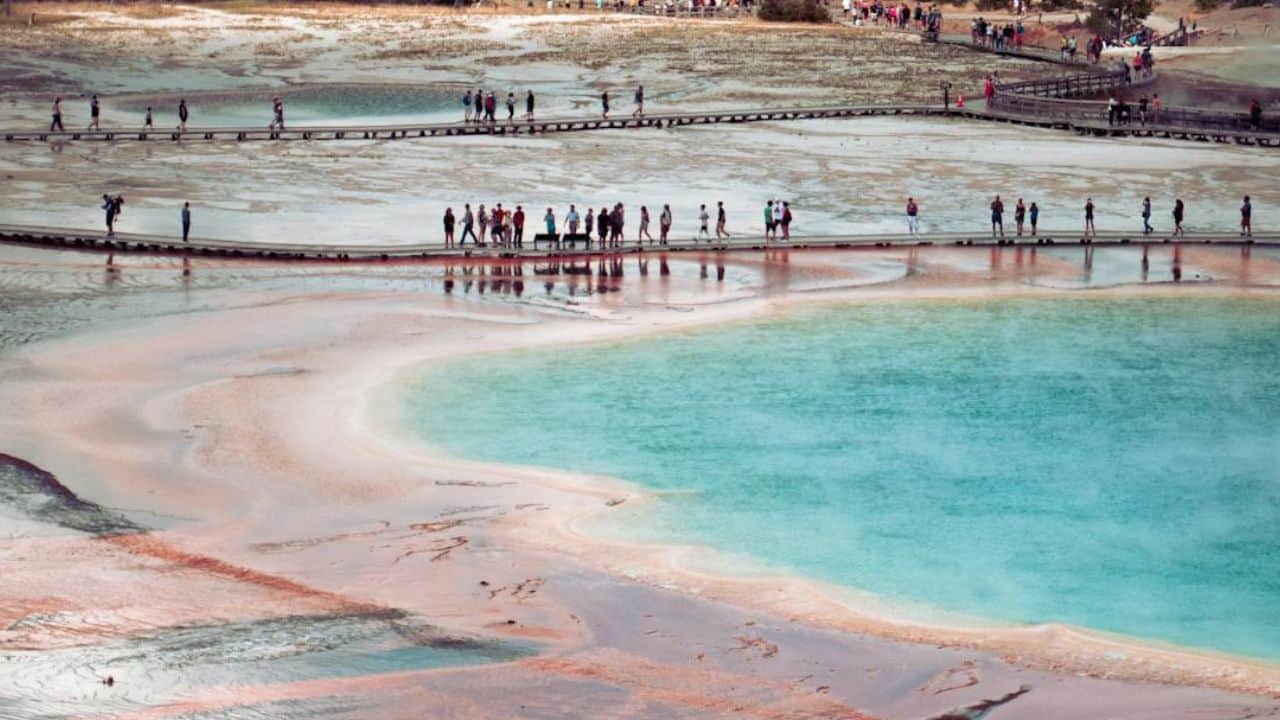
Yellowstone charges $35 per vehicle for a seven-day pass. Peak-season reservations are mandatory, and private tour vehicles pay commercial use fees starting at $300 annually. Backcountry permits cost $3–$5 per night, while shuttle-only parking zones require paid transport passes averaging $15 per person. For a family driving into the park for multiple days, mandatory fees alone can exceed $120, even before considering lodging, tours, or activities, demonstrating that entering a U.S. national park is no longer just a scenic stop.
5. Miami Beach (Florida)
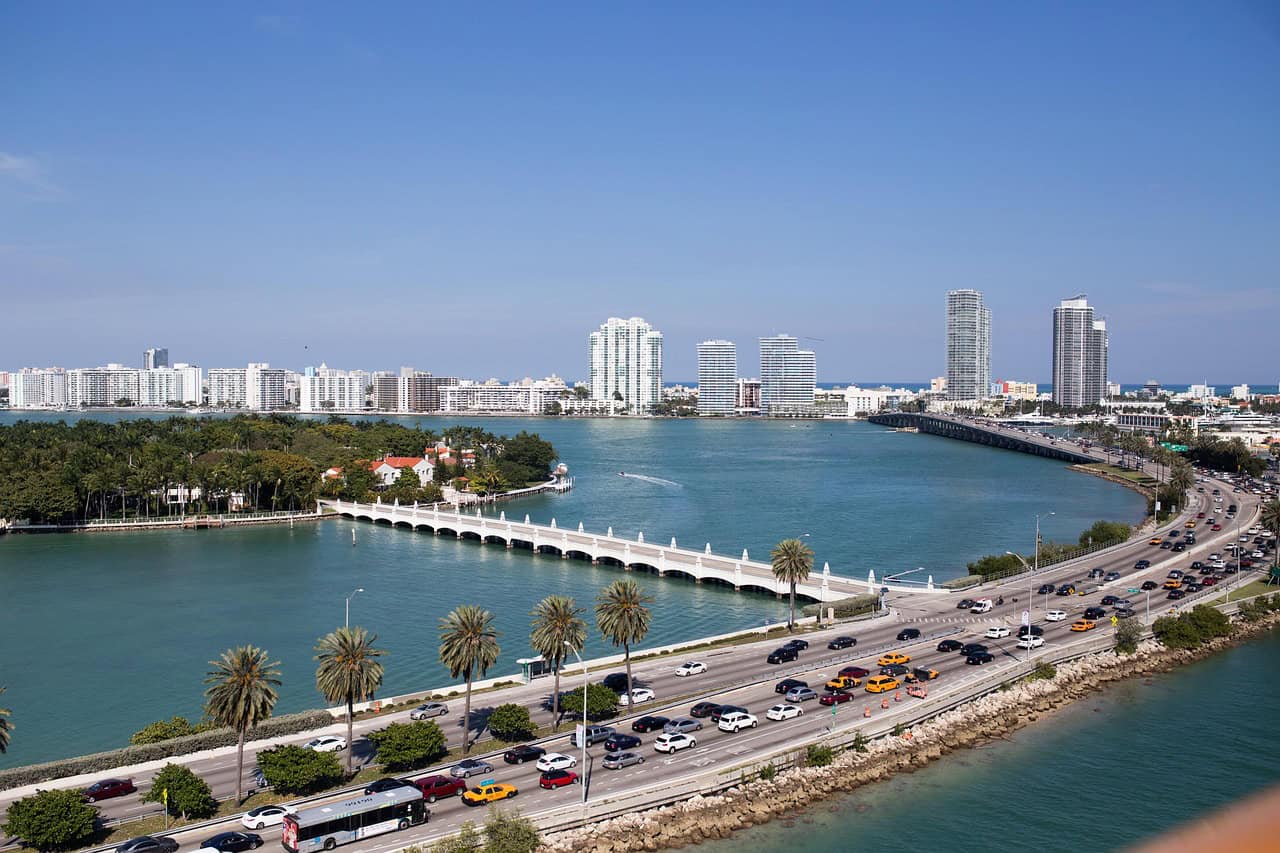
Miami Beach visitors pay 13% hotel tax plus nightly resort fees averaging $35–$50. Beach access for chairs and umbrellas can cost $20–$30 per day, while parking meters range from $4–$6 per hour. Rental cars include daily tourism surcharges near $7, and peak-season events often trigger additional access fees. A weekend stay of two nights typically adds $180 in mandatory fees before meals or attractions. Miami Beach has become one of the most expensive U.S. urban beach destinations, where even short stays carry substantial unavoidable costs.
6. Key West (Florida)
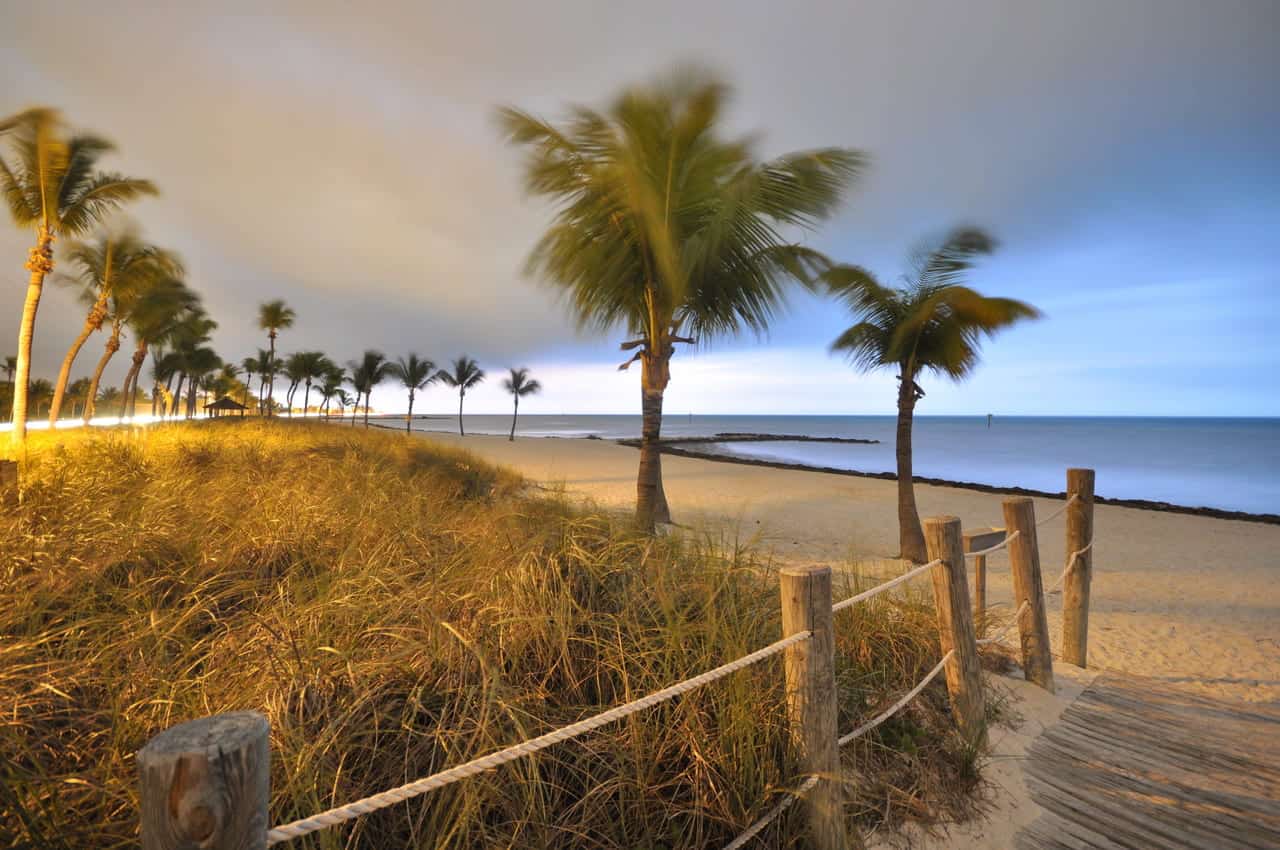
Key West charges high visitor fees despite its small size. Hotel taxes total around 12.5%, with resort fees averaging $40 per night. Cruise passengers pay port fees of roughly $25 per person, and parking permits range from $20–$30 per day. Popular attractions like Dry Tortugas National Park require $15 entrance fees plus ferry costs. A one-night stay with two major attractions can cost over $200 in unavoidable arrival-related expenses. The city blends charm with costly visitor requirements, making planning essential.
7. San Francisco (California)
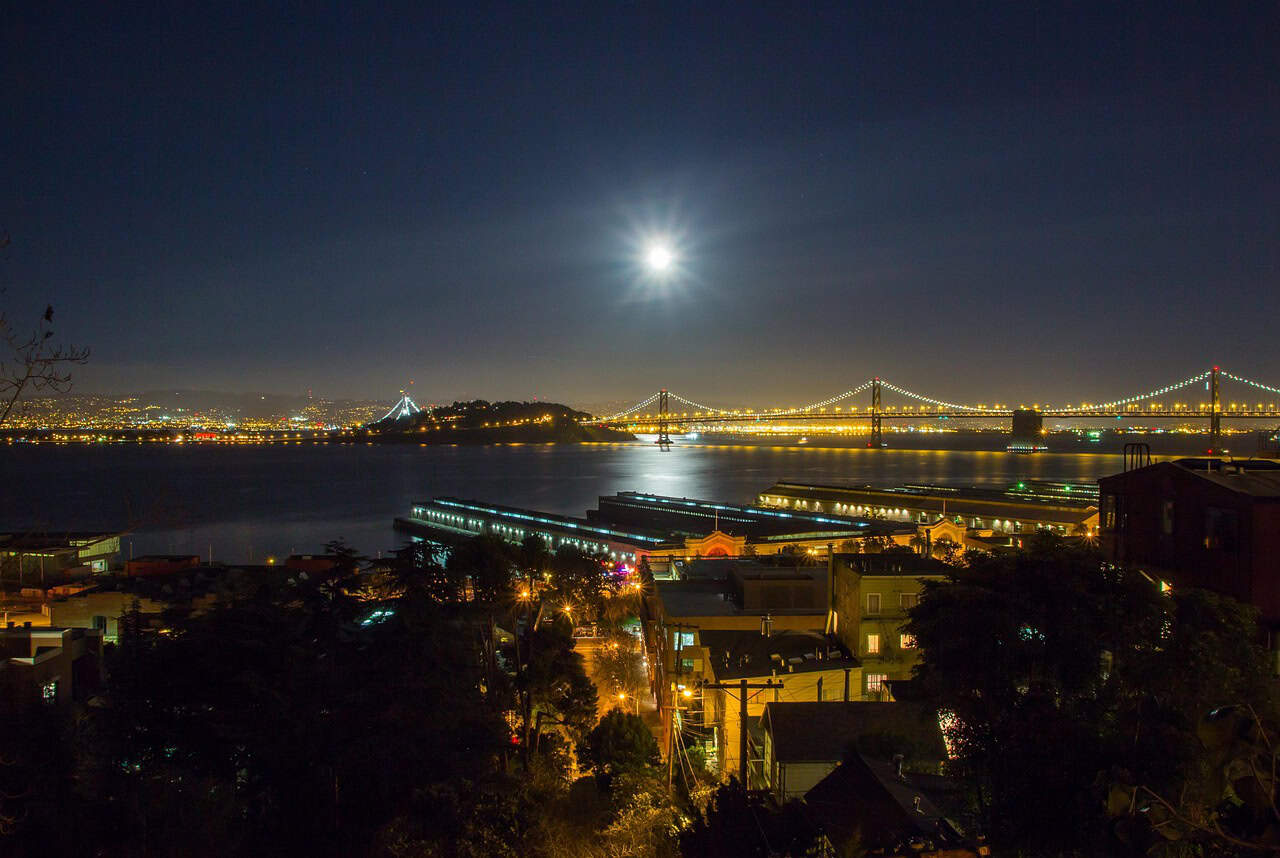
San Francisco imposes a 14% hotel tax, with additional tourism assessments raising effective rates to 16%. A $300 hotel night realistically costs $348. Parking downtown averages $45–$60 per day, while attractions like Fisherman’s Wharf charge $30–$40 per person. Bridge tolls for vehicles are $7–$8, and rental cars include tourism recovery fees. Visitors can easily spend over $150 in mandatory fees within the first two days. San Francisco is a destination where even minimal visits are impacted by multiple unavoidable charges.
8. Napa Valley (California)
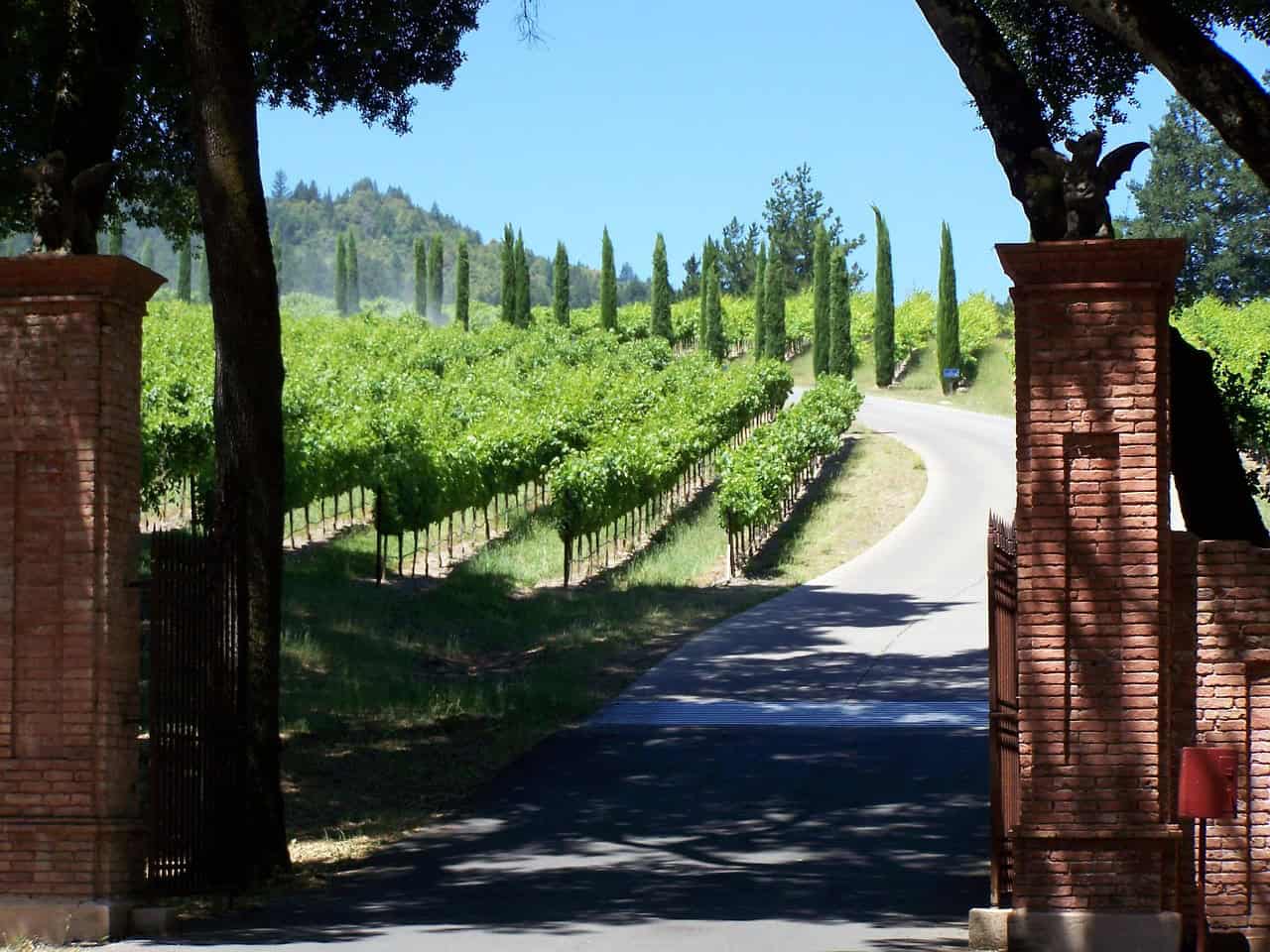
Napa Valley visitors face layered costs. Hotel taxes reach 12%, with Tourism Improvement District fees of 1–3%. Wine tastings cost $45–$75 per person, often non-refundable. Central Napa parking fees reach $25 per day, and rideshare surcharges spike during peak seasons. A couple staying one night and visiting two wineries can easily pay $200–$300 in unavoidable fees before buying a single bottle. Napa demonstrates how high-value destinations offset congestion and preservation costs onto arriving visitors.
9. Savannah (Georgia)
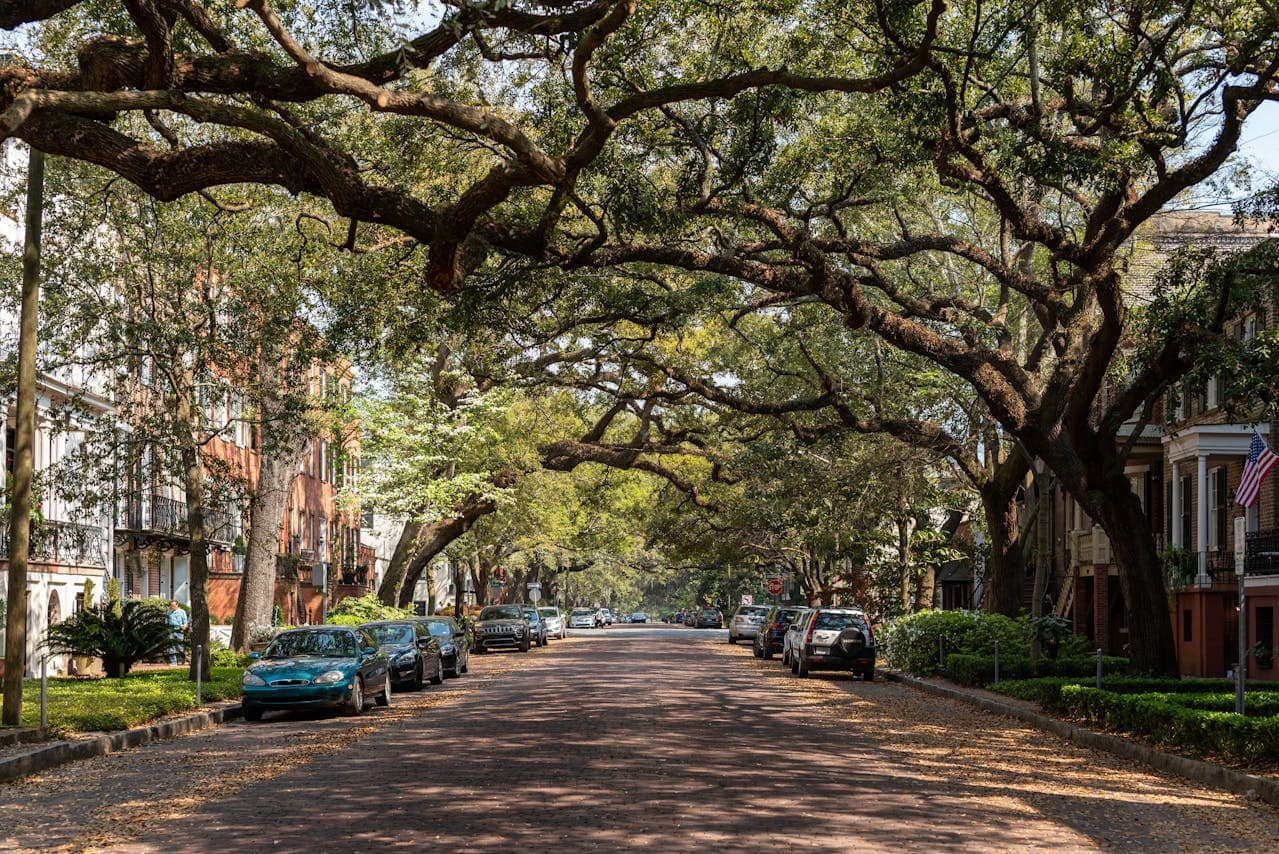
Savannah applies a 13% hotel tax and nightly lodging fees of $2–$5. Historic district parking permits cost $15–$20 per day, and trolley tours average $40 per person. Short-term visitors encounter bundled attraction and ghost tour fees. A two-night stay with basic activities can exceed $120 in mandatory visitor costs. Despite its smaller size and charm, Savannah shows that even mid-sized destinations are increasingly monetizing entry, making budgeting for hidden charges critical in 2026.
10. Aspen (Colorado)
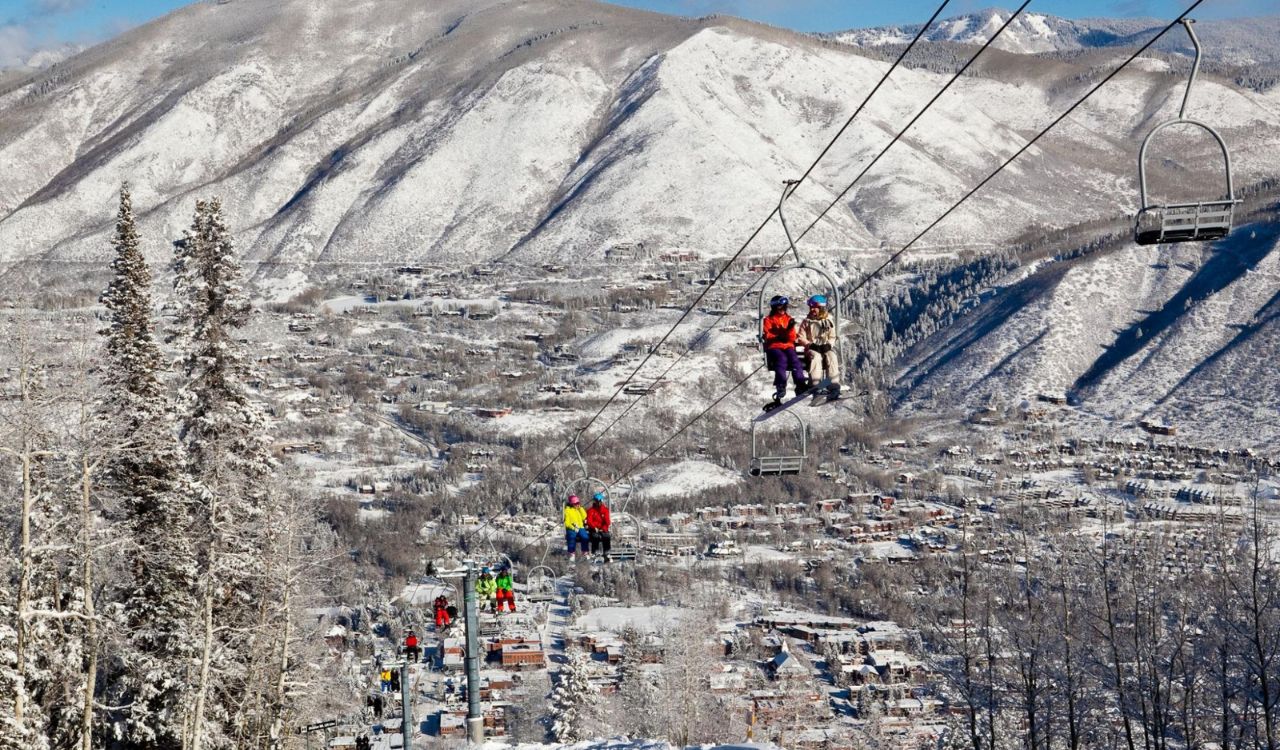
Aspen charges layered visitor fees for sustainability and congestion control. Hotel taxes reach 13.5%, while resort fees average $50 per night. Paid shuttle systems cost $10–$15 daily, and parking permits are $25–$35 per day. Seasonal environmental impact fees are embedded into lift tickets, averaging $240 per day. A short ski weekend can result in over $300 in non-optional arrival-related charges. Aspen illustrates how even world-class resorts now charge simply for access, increasing the real cost of visiting.