We may earn money or products from the companies mentioned in this post. This means if you click on the link and purchase the item, I will receive a small commission at no extra cost to you ... you're just helping re-supply our family's travel fund.
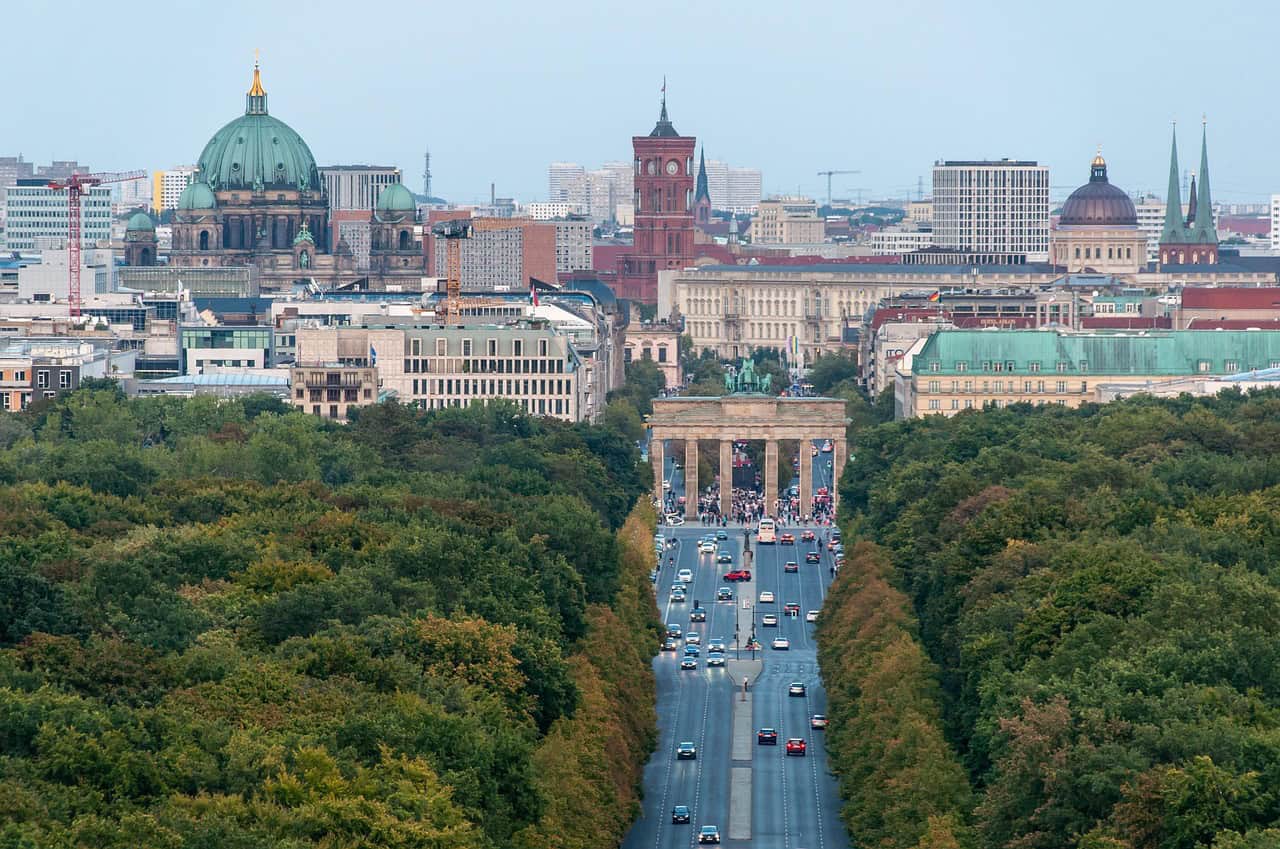
The Cold War may have ended decades ago, but its echoes still linger in towns where strategy, secrecy, and ideological rivalry shaped ordinary lives. These destinations are not dusty memorials; they are living places where statistics, preserved sites, and human memories combine to explain how close the world once came to conflict and how millions adapted to daily life under global tension.
1. Berlin, Germany
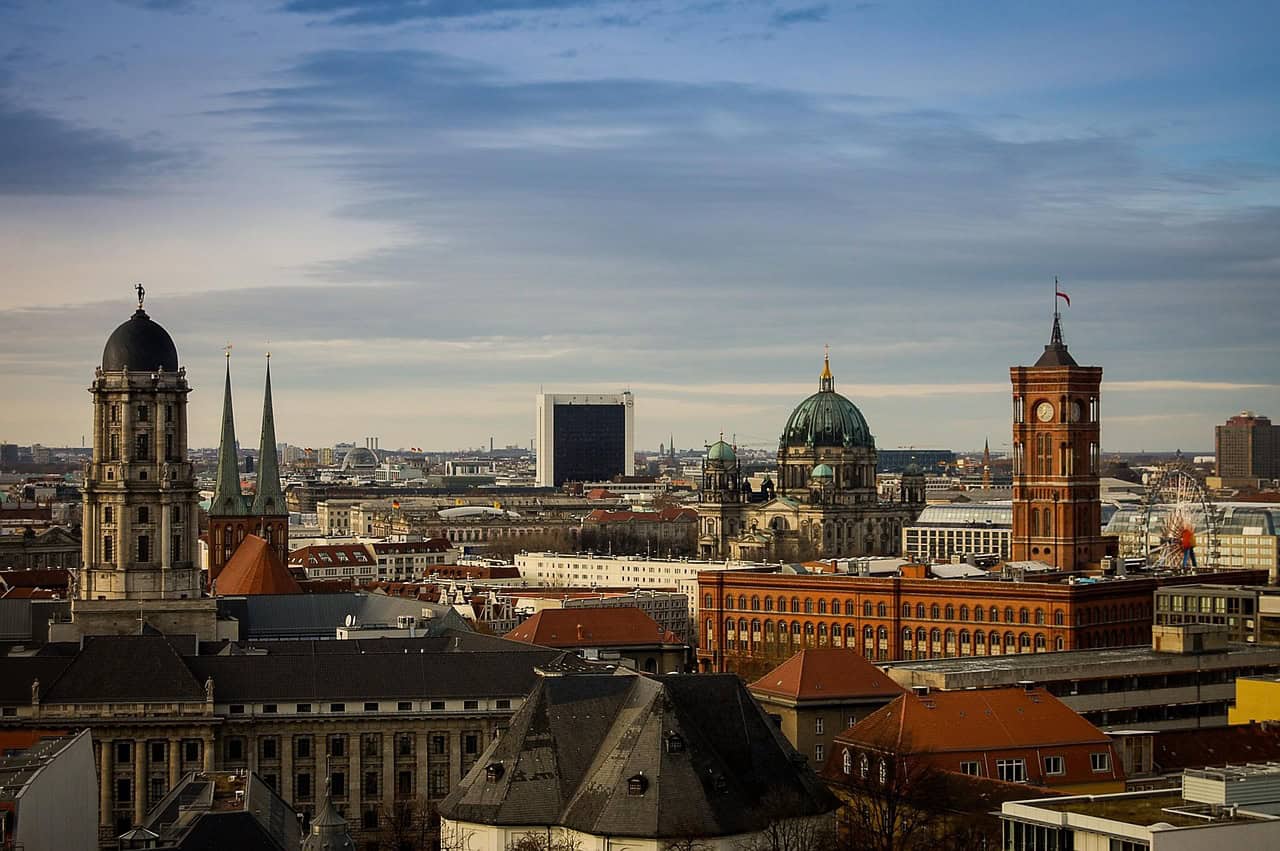
Berlin, Germany’s divided capital, remains the clearest window into Cold War life, and travelers can still walk along preserved stretches of the Berlin Wall measuring about 1.3 miles, visit Checkpoint Charlie where standoffs peaked in 1961, and explore museums that display more than 200 exhibits of surveillance tools, escape devices, and border documents. Around 3.6 million people once lived under the city’s split reality, and today guided tours lasting 2 to 4 hours explain how ordinary routines continued while tanks and ideology faced each other only streets apart. Visitors also see memorials to more than 140 fatalities from escape attempts, reminding everyone how high the human cost was.
2. Oak Ridge, Tennessee, USA
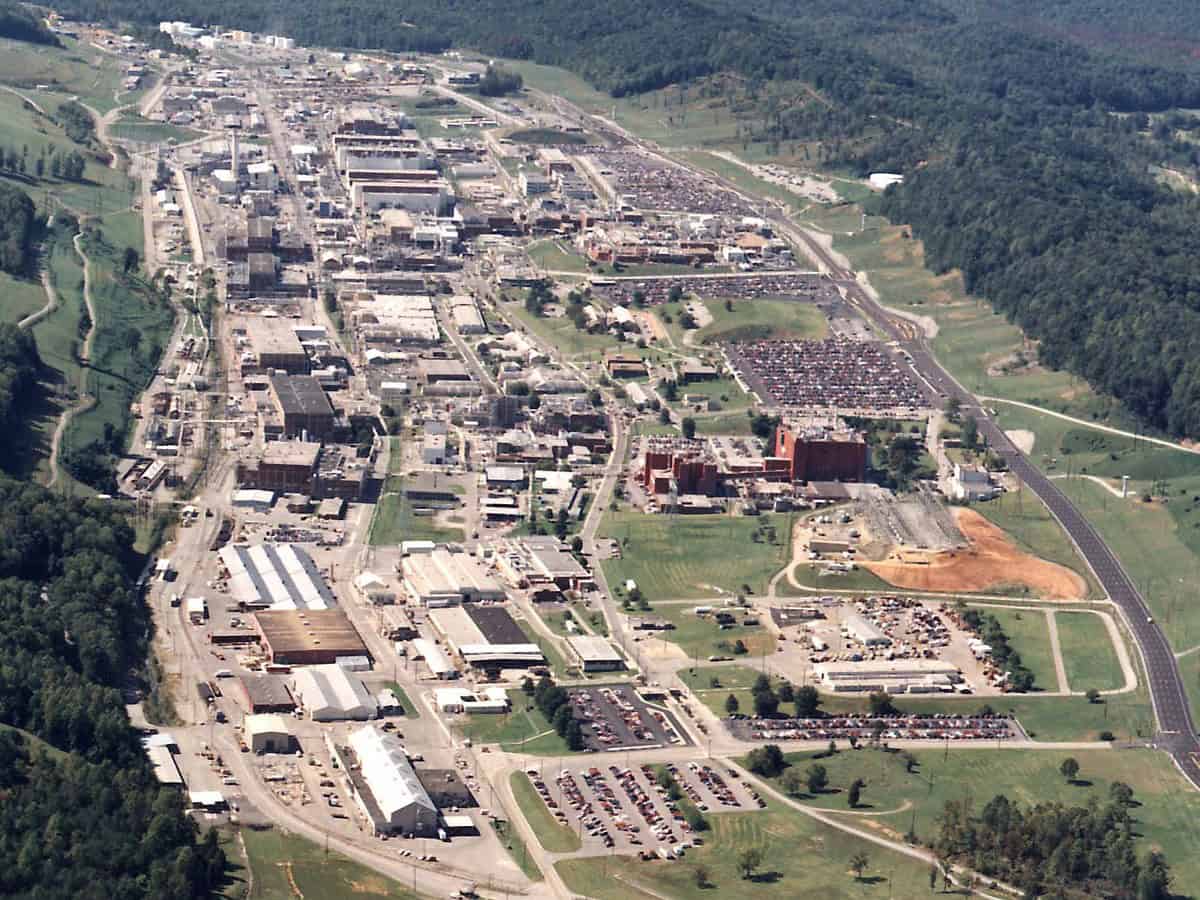
Oak Ridge in Tennessee was once called the Secret City because it appeared on almost no maps while hosting more than 75,000 residents during nuclear development, and Cold War operations continued to influence daily life for decades after 1945. Travelers today can tour laboratories, reactors, and museums that preserve over 300 artifacts explaining uranium enrichment, worker rules, and community secrecy. Bus tours lasting about 3 hours guide visitors through controlled areas, while exhibits clearly describe how scientific ambition, military urgency, and ordinary neighborhoods existed side by side. The town still supports major research today. Here
3. Nizhny Novgorod, Russia
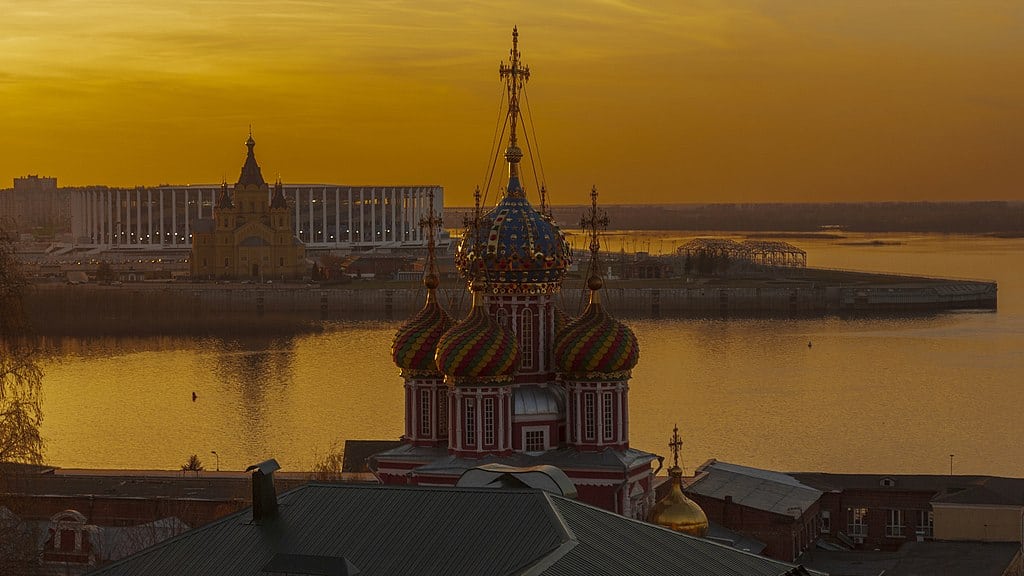
Nizhny Novgorod in Russia, known as Gorky between 1932 and 1990, was completely closed to foreigners because of its military shipyards and research centers, turning an entire population of over 1,200,000 into residents of a restricted city. Visitors today can explore museums that explain how travel permits worked, how dissidents were monitored, and how Soviet pride and fear shaped daily routines. Many Cold War era factories, watchtowers, and monuments still stand, while guided tours lasting 2 to 3 hours help travelers understand why secrecy felt normal for decades. Exhibits with original documents, maps, and more than 150 recorded interviews preserve that intense atmosphere.
4. Chemnitz, Germany
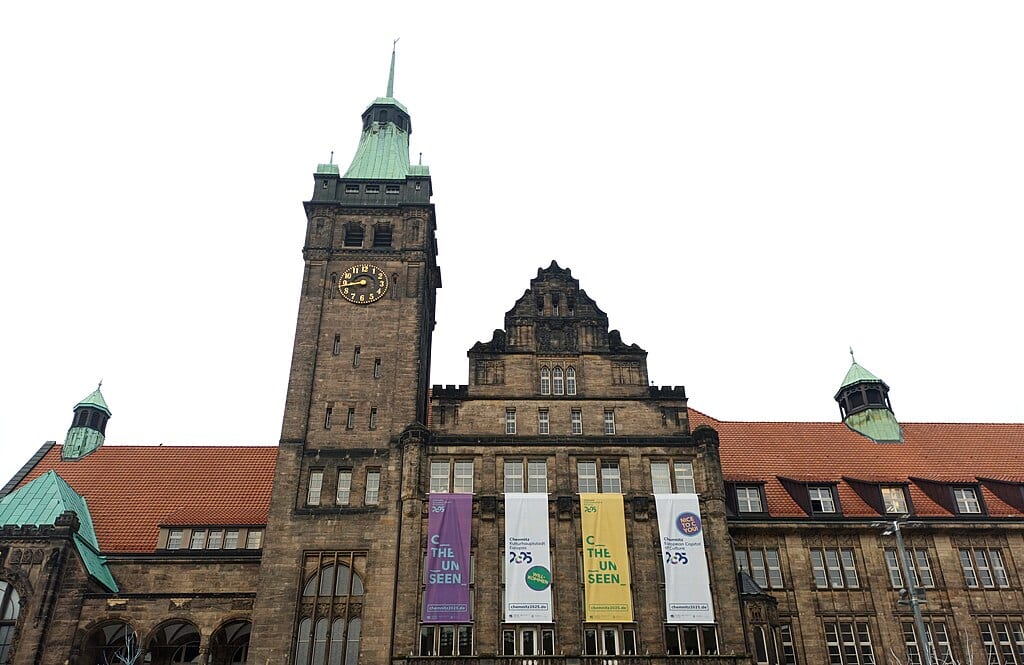
Chemnitz in eastern Germany, once renamed Karl Marx Stadt from 1953 to 1990, remains one of the clearest examples of socialist urban planning still visible today, with vast plazas, monumental statues, and long residential blocks built for nearly 250,000 residents of the GDR. Travelers can explore museums that present over 400 objects from East German daily life, ranging from ration books to propaganda posters, while guided city walks lasting about 2 hours explain how ideology was designed into streets, housing, and culture. Numbers and memories keep the story real. Visitors also encounter plaques marking key 1989 protests, reminding everyone how change finally arrived.
5. Dunsfold, England
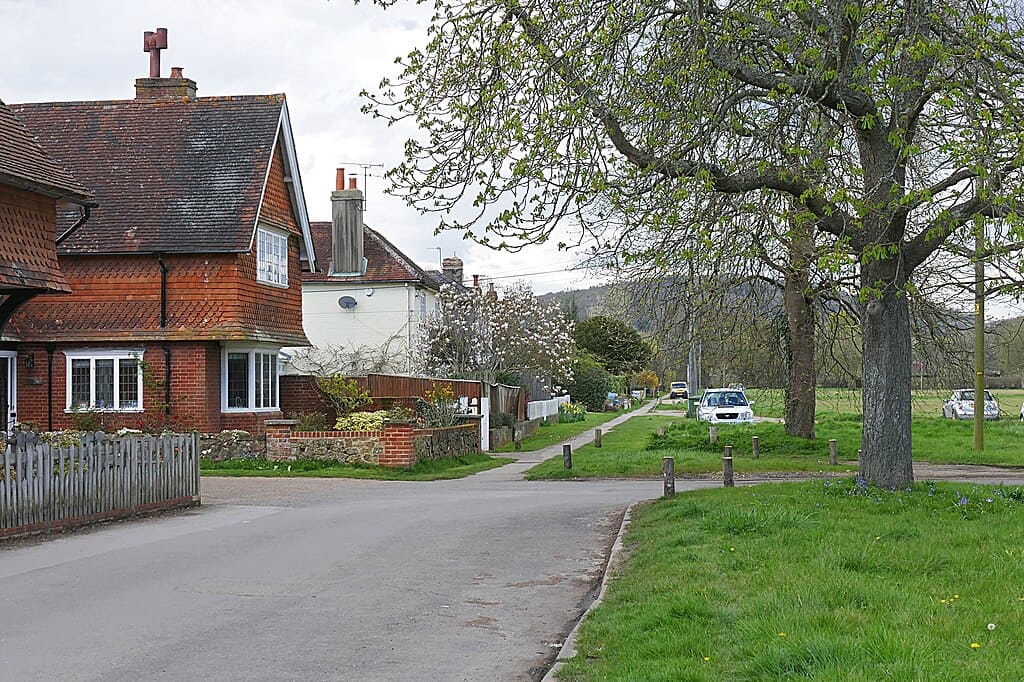
Dunsfold in England may appear like a quiet countryside location, yet its airfield played a major role in Cold War aviation testing, hosting prototype flights, secret trials, and aircraft that later served in NATO operations across Europe. At peak activity more than 1,000 workers supported developments here, and today visitors can see preserved hangars, historic control towers, and dozens of aircraft displayed during open days that frequently attract thousands. Heritage tours lasting 90 to 120 minutes show how engineering and politics were tightly linked. The site now protects its history carefully, ensuring future visitors understand why each machine once mattered.
6. Balashikha, Russia
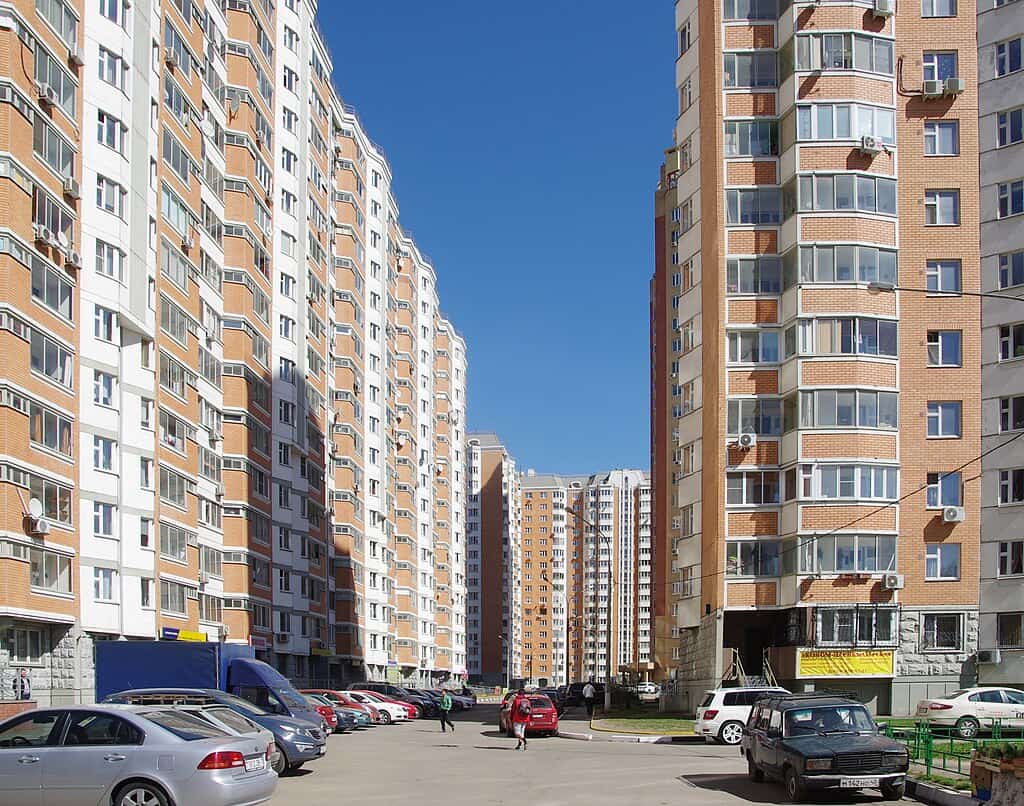
Balashikha sits only about 25 kilometers from central Moscow, yet during the Cold War it felt like a different world, housing elite military units, intelligence centers, and communication hubs that supported Soviet defense strategy for decades. Today visitors can tour museums displaying over 500 photographs, medals, weapons, and training materials, while local guides explain how restricted neighborhoods, security checks, and constant discipline shaped community life. Monuments to thousands of service members keep statistics and sacrifice visible. Travelers soon realized that this was not just a base, but a functioning town where families, schools, and strict duty coexisted every day.
7. Minuteman Missile Towns, South Dakota, USA
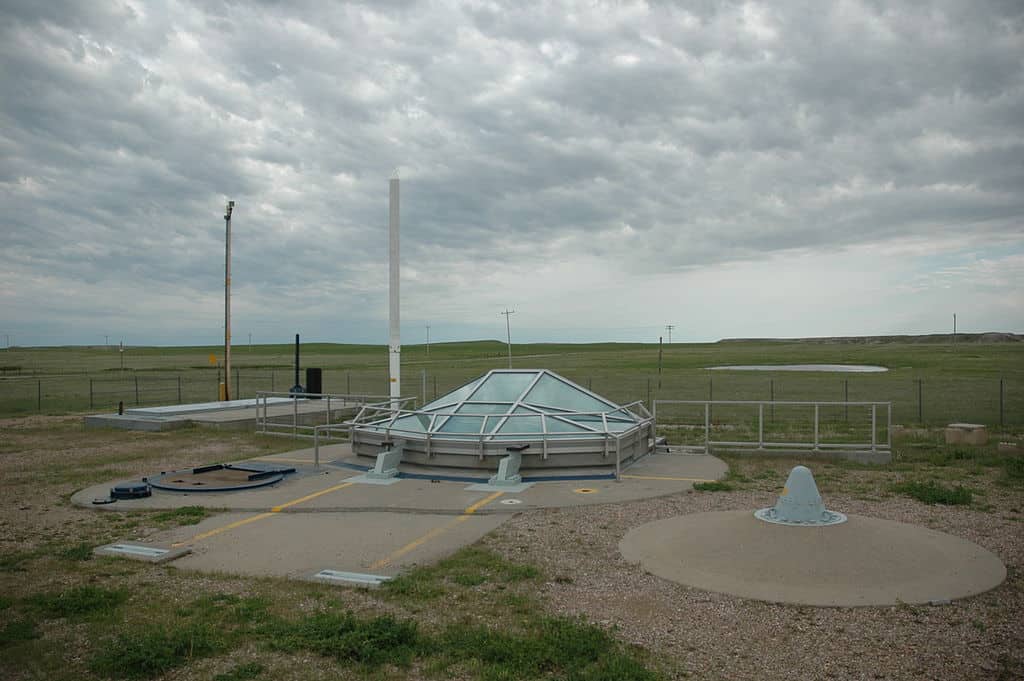
Across rural South Dakota small towns quietly protected some of the most powerful weapons on Earth, as more than 1,000 Minuteman missiles were once spread across the Great Plains during the height of Cold War tension. Today visitors can tour preserved launch control facilities, peer nearly 80 feet down into empty silos, and learn how two person crews lived on constant alert. National Park exhibits show duty schedules, emergency procedures, and statistics explaining deterrence theory, while guided tours last 60 to 120 minutes. The contrast between calm landscapes and numbers describing unimaginable destructive power creates one of the most memorable Cold War travel experiences anywhere.
8. Tervuren / Brussels, Belgium
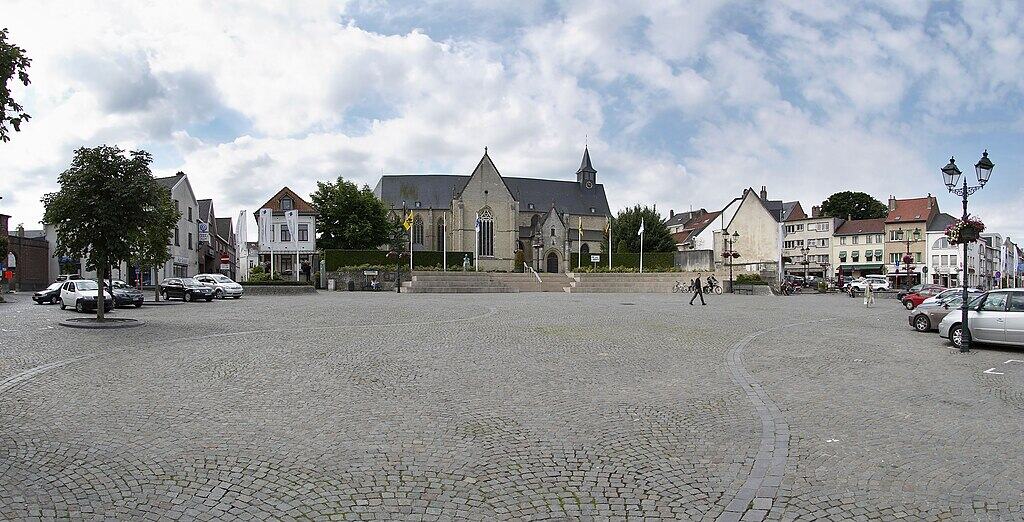
Tervuren near Brussels offers a quieter but fascinating Cold War story, because nearby NATO headquarters guided Western defense planning involving more than 15 member nations through decades of political tension. Visitors can explore memorials, documentation centers, and exhibitions explaining how strategy meetings, intelligence sharing, and rapid reaction planning kept Europe prepared without triggering conflict. Many displays present timelines from 1949 onward, using thousands of records and hundreds of photographs to explain decisions. The surrounding town balances calm streets with the knowledge that global security once depended on discussions held close by.
9. Plokstine Missile Base, Lithuania
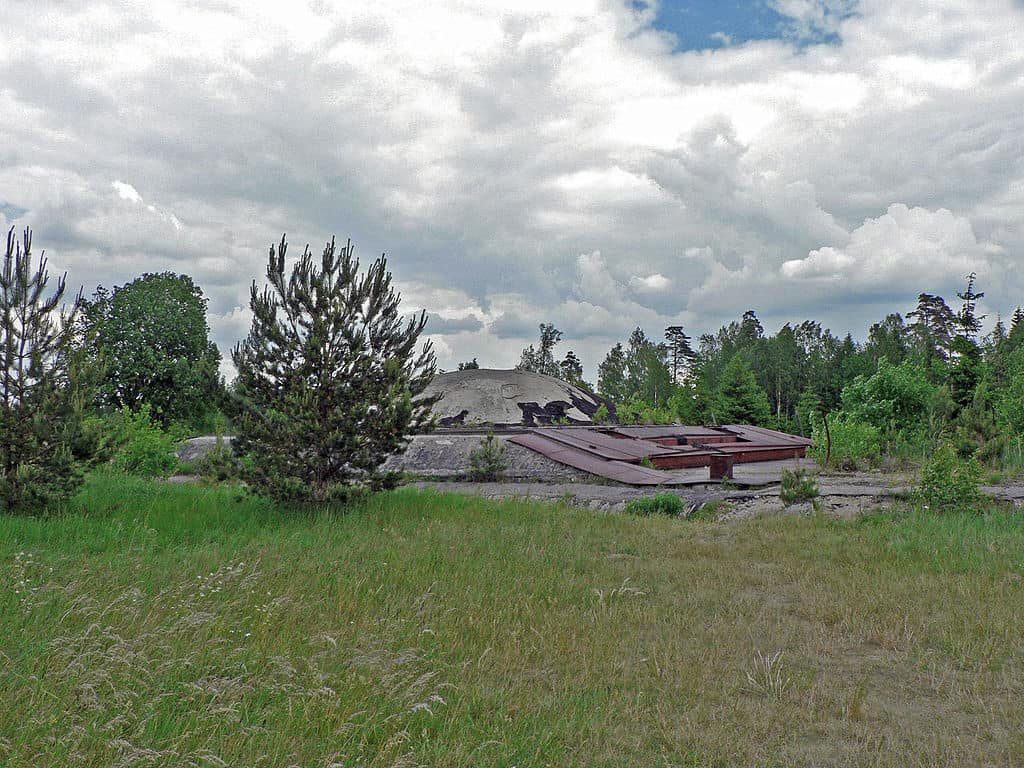
Near the Lithuanian town of Plateliai the Plokstine Missile Base hides beneath forests that once kept it invisible, built in the early 1960s to house nuclear capable R-12 missiles with ranges of more than 1,200 miles. Today travelers descend into tunnels, control rooms, and steel launch shafts reaching several stories deep, guided by tours that last 60 to 90 minutes. Exhibits use original machinery, photographs, and statistics to explain Soviet strategy and the strict military presence nearby, while the setting still feels tense. Visitors often leave surprised that such enormous global power once rested in a quiet rural area visited now by only a few thousand tourists each year.
10. Havana, Cuba
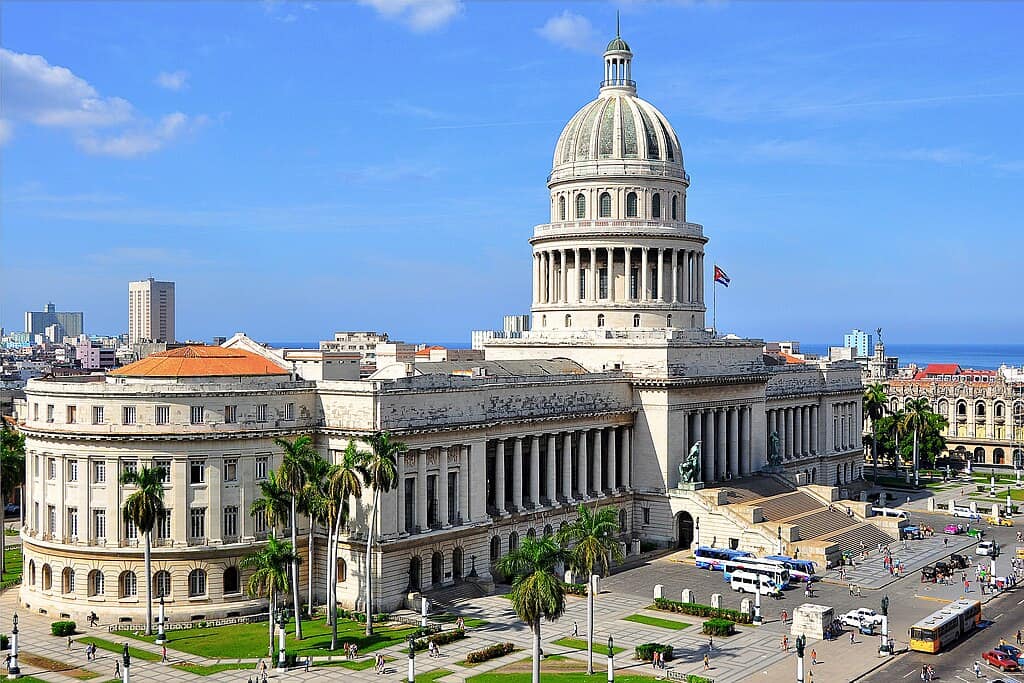
Havana in Cuba preserves perhaps the most dramatic Cold War memory in the Western Hemisphere, with museums and coastal defenses recalling the 1962 missile crisis that brought the world within days of nuclear conflict. Travelers today can explore tunnels, radar stations, and exhibits that display hundreds of documents, photographs, and Soviet supplied weapons. Neighborhood murals still echo revolutionary messages, while guides explain how more than 11 million citizens lived under embargo and tension. Tours last about 2 hours and present data with emotion. That combination helps travelers understand not only strategy but the daily reality of fear, resilience, and political determination.