We may earn money or products from the companies mentioned in this post. This means if you click on the link and purchase the item, I will receive a small commission at no extra cost to you ... you're just helping re-supply our family's travel fund.

Travel promises discovery, but many travelers unknowingly repeat the same mistakes across continents. These errors aren’t about ignorance, they stem from assumptions shaped by social media, convenience, and rushed planning. Locals notice them immediately, and they often dilute the experience travelers hoped for. Understanding these missteps doesn’t just prevent embarrassment; it deepens cultural connection, saves money, and turns surface-level trips into meaningful journeys. Below are the most common misconceptions tourists carry worldwide, explained with clarity, data, and context so you can recognize them before they quietly shape your next trip.
1. Believing Famous Attractions Are Always the Best Experiences

Tourists often equate popularity with value, yet data shows otherwise. In cities like Paris and Rome, over 65% of visitors cluster around just 10% of attractions, creating inflated expectations and long waits. These overcrowded sites frequently deliver rushed experiences, limited interaction, and higher prices. Meanwhile, equally historic neighborhoods nearby remain overlooked. Locals rarely spend leisure time at landmark hotspots; instead, they favor lesser-known spaces offering deeper cultural texture. Mistaking visibility for authenticity leads travelers to experience places through queues rather than conversations, reducing places into checklists instead of lived environments.
2. Assuming English Works Everywhere Without Effort

While English is widely taught, fluency is far from universal. UNESCO estimates only 17% of the global population speaks English conversationally. Tourists who rely exclusively on it often misinterpret politeness as comprehension. In many countries, service workers understand keywords but not nuance, causing errors in directions, orders, and agreements. Locals generally appreciate attempts at basic phrases, even if imperfect. Refusing to adapt linguistically can signal entitlement rather than ease. Travel becomes smoother when visitors treat language as a bridge to cross, not a shortcut to ignore.
3. Overplanning Every Hour of the Trip
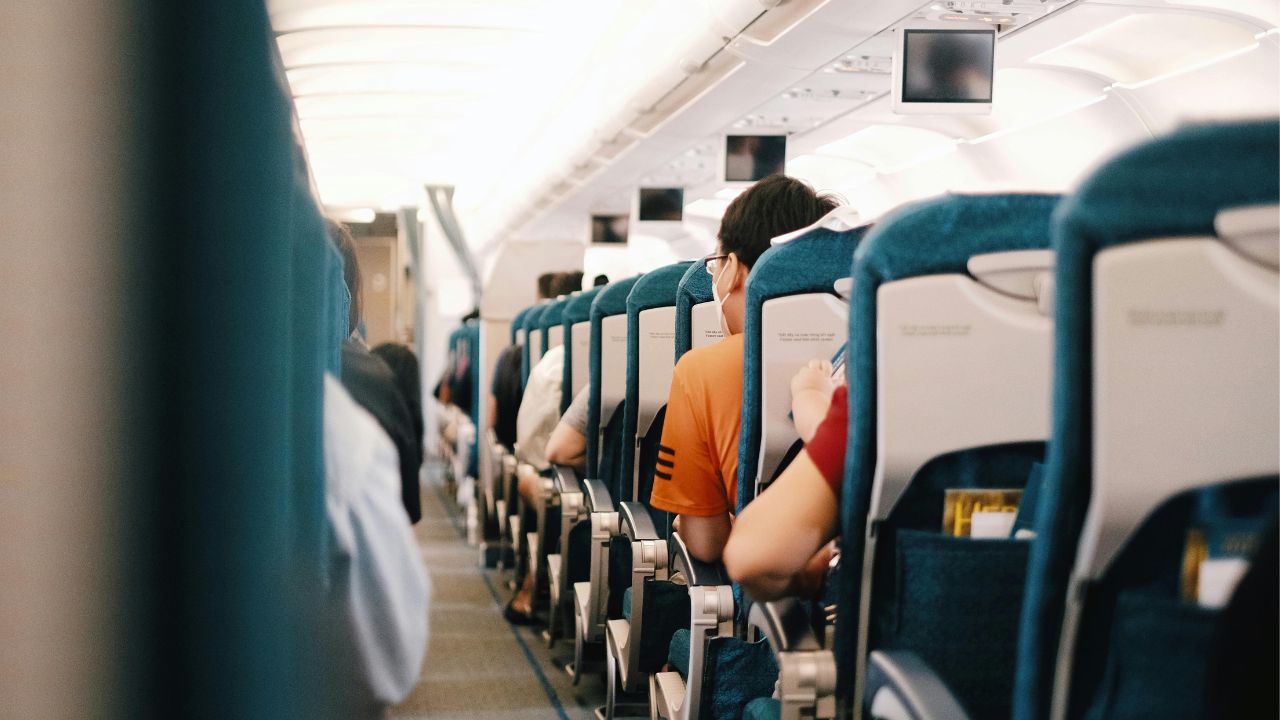
Rigid itineraries promise control but often erase spontaneity. A 2023 travel behavior study showed travelers who scheduled more than 70% of their day reported 32% lower satisfaction levels. Delays, weather shifts, and unexpected discoveries rarely fit preplanned slots. Overplanning transforms travel into obligation, where experiences are rushed to meet schedules rather than absorbed fully. Cities function unpredictably, and cultural moments often emerge unscheduled. Leaving open time allows curiosity to lead, reduces stress, and lets destinations reveal themselves naturally instead of through timed reservations.
4. Ignoring Local Dress Norms and Social Codes

Clothing communicates awareness. In many regions, especially religious or traditional communities, inappropriate dress signals disrespect before a word is spoken. Surveys from cultural tourism boards indicate that over 40% of tourist complaints involve perceived behavioral insensitivity. This isn’t about fashion but context. Covered shoulders, muted colors, or removing shoes may be unspoken expectations. Tourists who ignore these norms often face restricted access or colder interactions. Respecting dress codes isn’t about conformity; it’s about understanding that cultural spaces prioritize meaning over comfort.
5. Eating Only at Viral or Highly Rated Restaurants

Online popularity distorts culinary reality. In major tourist cities, restaurants near landmarks charge 25–40% more while serving standardized menus. Algorithms favor visibility, not flavor. Locals rarely queue for viral spots; they frequent places built on consistency and community reputation. Food reflects regional habits, seasons, and economics, which rarely align with social media trends. Tourists who chase ratings often miss everyday cuisine that defines local identity. Trusting foot traffic over filters leads to more honest meals and richer cultural insight.
6. Misunderstanding Tipping and Payment Customs

Money etiquette varies widely. In Japan, tipping is often refused, while in the U.S., 18–22% is standard. A World Tourism Organization survey found 28% of travelers felt embarrassed due to payment misunderstandings. Over-tipping can be confusing or even offensive, while under-tipping may appear dismissive. Beyond tipping, payment methods differ too, some countries remain cash-dominant, others nearly cashless. Assuming universal norms creates awkward interactions. Understanding local financial customs signals respect and prevents unnecessary discomfort on both sides.
7. Trusting Online Reviews Without Context

Star ratings lack nuance. A 3.9-rated café packed with locals often delivers a better experience than a 4.8-rated tourist favorite. Reviews reflect individual expectations, cultural bias, and timing. Tourists tend to rate based on comparison to home standards rather than local context. Algorithms also prioritize recent volume, not consistency. Blind trust in ratings can mislead travelers into overpriced, generic experiences. Observing who occupies a space, locals or tourists, often reveals more than hundreds of anonymous opinions.
8. Avoiding Public Transportation Out of Fear or Convenience
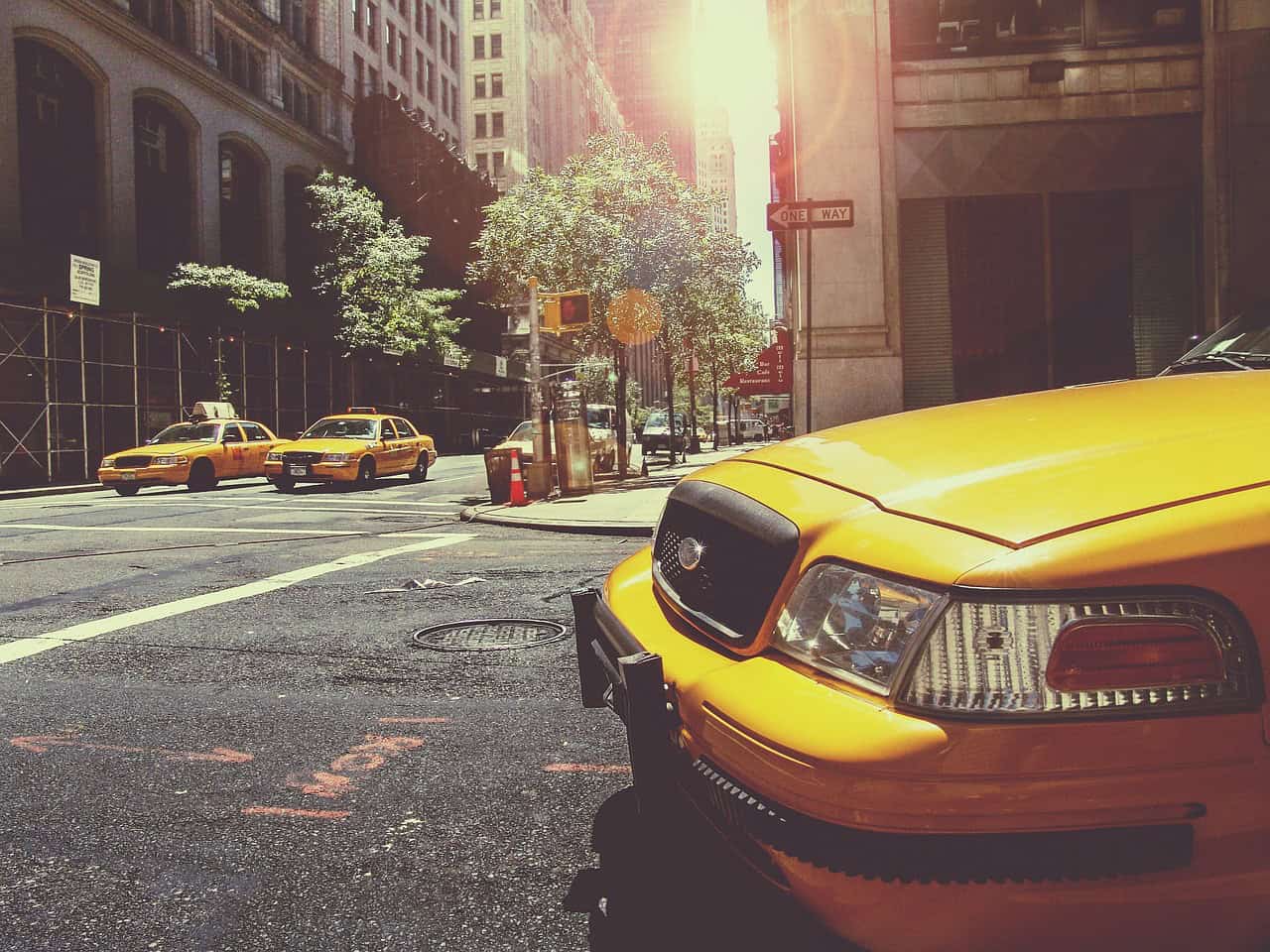
Many tourists default to taxis despite cities being built around efficient transit systems. In cities like Berlin, Seoul, and Singapore, over 70% of residents rely on public transport daily. Avoiding it limits geographic access and inflates costs by up to 300%. More importantly, transit reveals daily life rhythms, commutes, conversations, habits. While unfamiliar systems seem intimidating, they’re often well-mapped and tourist-friendly. Learning them offers independence, cultural immersion, and a more honest understanding of how a city truly operates.
9. Underestimating Physical and Mental Travel Fatigue

Travel exhaustion is real and cumulative. Studies show travelers walk an average of 18,000 steps per day abroad, nearly double normal activity. Add jet lag, time zone shifts, and constant decision-making, and fatigue quietly erodes enjoyment. Tourists often mistake tiredness for boredom or disappointment. Skipping rest leads to irritability and rushed experiences. Slowing down, scheduling recovery time, and recognizing limits preserves curiosity and mood. Travel isn’t a race; energy management determines how deeply moments are felt.
10. Treating Destinations Like Photo Sets Instead of Living Places
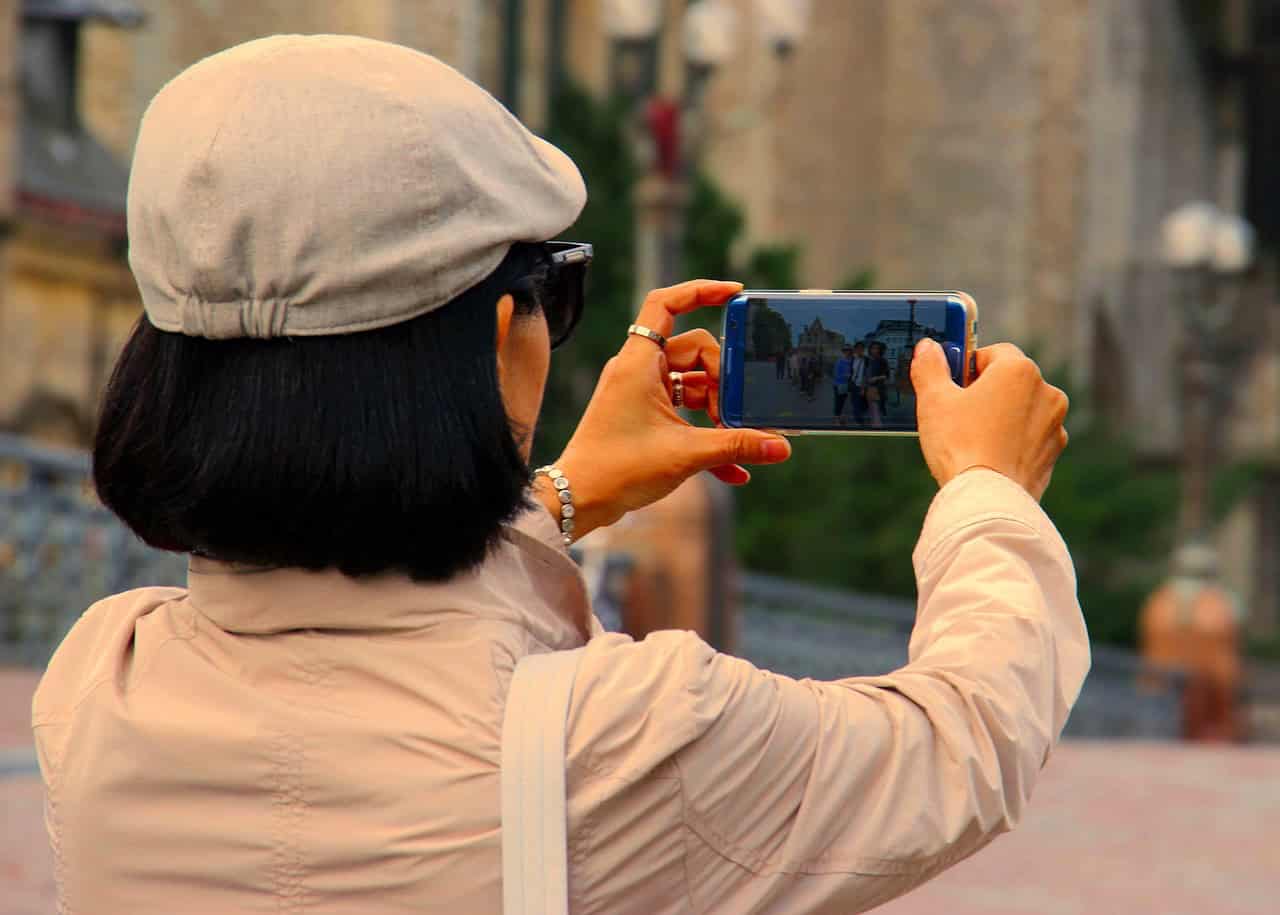
Cities are not backdrops. When tourists prioritize photos over presence, they disrupt daily life. In destinations like Venice and Barcelona, over-tourism has reduced local populations by nearly 20% in two decades. Blocking streets, ignoring rules, or trespassing for content strains communities. Respecting that people live, work, and raise families there changes perspective. Responsible travel means observing before occupying, participating without overwhelming, and remembering that destinations exist beyond the visitor’s lens.